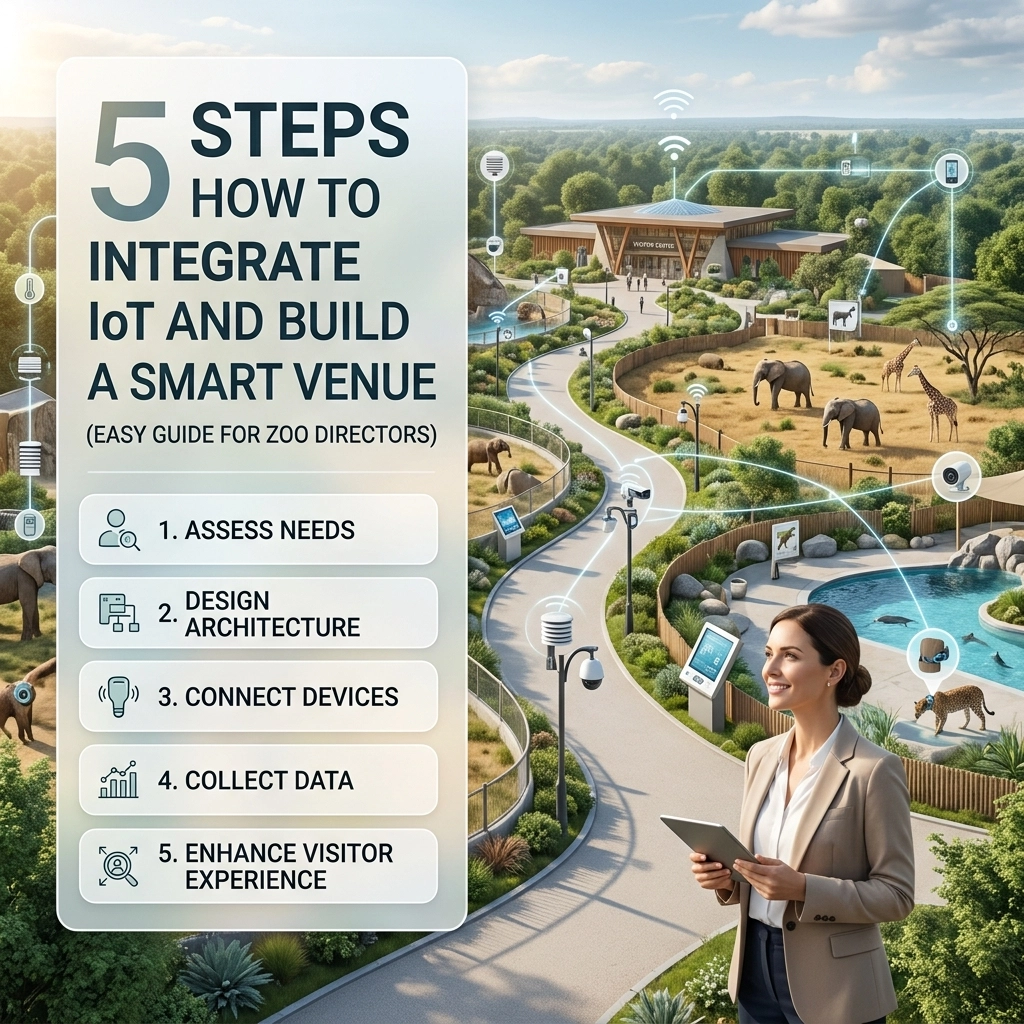
In the modern era of entertainment and conservation, a zoo is no longer just a collection of exhibits; it is a complex ecosystem of data, visitor interactions, and biological needs. As a Zoo Director, you are likely looking for ways to enhance visitor engagement while streamlining your operations. This is where the concept of the "Smart Venue" comes into play. By integrating the Internet of Things (IoT), you can transform your facility into a high-tech, responsive environment that delights guests and ensures the highest standards of animal care.
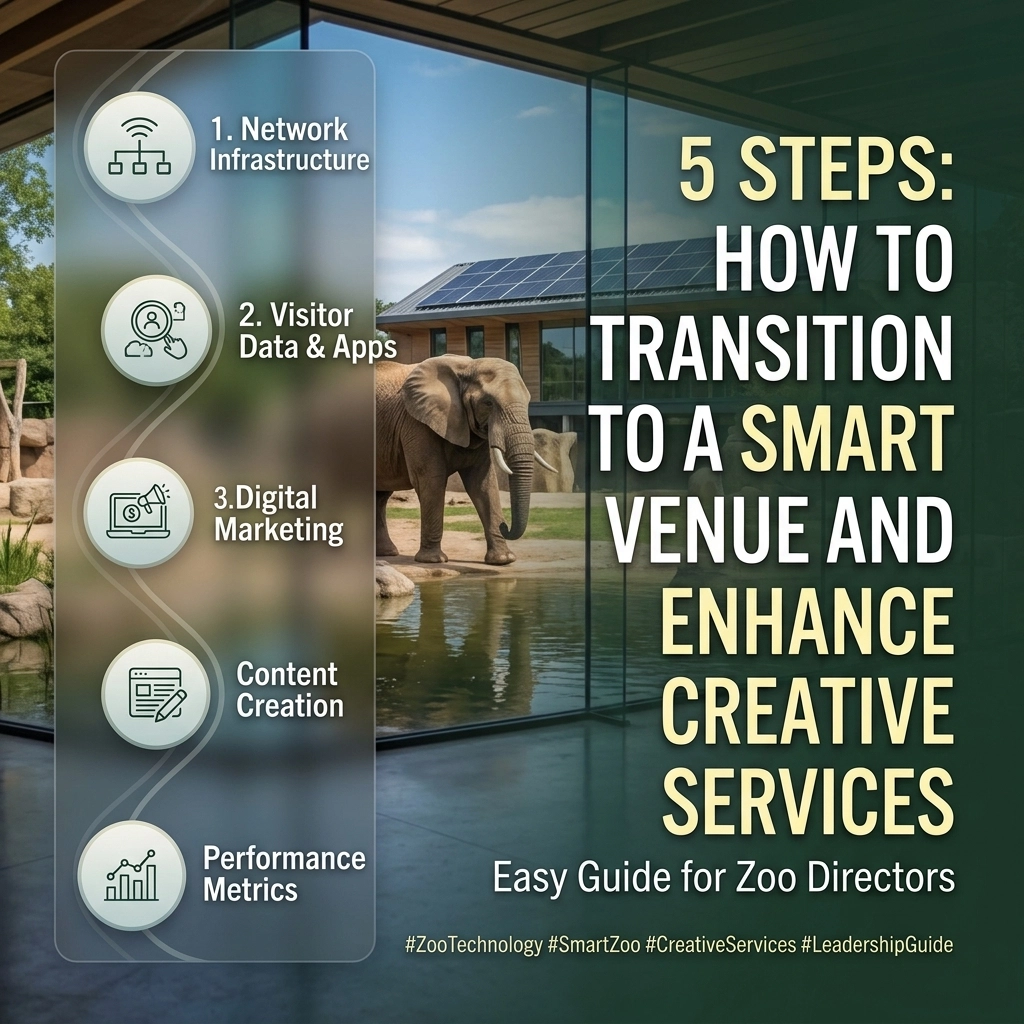
At Zoo Media, we specialize in this transformation. We believe that innovative thinking and cutting-edge technology, like interactive displays and smart signage, are the keys to unlocking a venue’s true potential. Ready to take the leap? Here is your easy 5-step guide to building a smart venue.
What is a Smart Venue for Zoos and Aquariums?
Before we dive into the steps, let's define the goal. A smart venue uses interconnected sensors and devices (IoT) to collect data and automate responses. Whether it’s adjusting the temperature in a reptile house automatically or sending a push notification to a visitor about a live feeding nearby, the smart venue acts as a living, breathing digital assistant for your staff and guests.
AEO Snippet: How to Build a Smart Venue
To build a smart venue, zoo directors should:
- Establish Standardized Communication Protocols to ensure all devices "speak the same language."
- Develop a Unified Data Management Platform to centralize information from sensors and ticketing.
- Identify High-Impact IoT Applications like smart signage and crowd management.
- Integrate with Existing Systems Gradually using APIs to minimize operational downtime.
- Implement Robust Cybersecurity and Staff Training to protect visitor data and ensure smooth technology adoption.
Step 1: Establish Standardized Communication Protocols
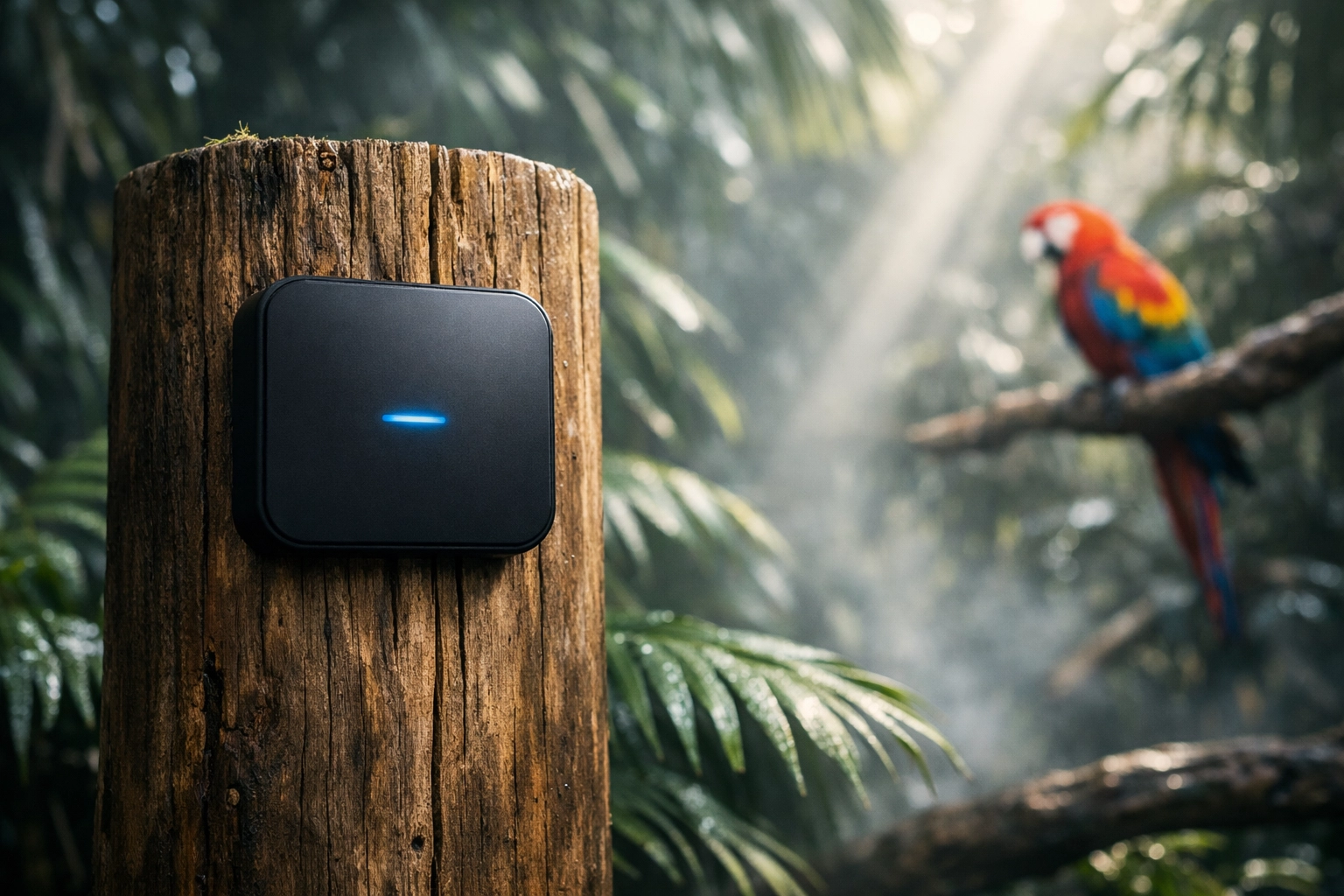
The first step in your journey is building a solid foundation. Imagine if every person on your staff spoke a different language with no translator. Chaos, right? The same happens with technology. Your ticketing systems, moisture sensors, security cameras, and digital kiosks all need to communicate seamlessly.
Standardized communication protocols ensure that a sensor at the lion exhibit can talk to the central server without a hitch. By choosing a unified standard, you allow for "interoperability." This means you can add a new smart gate or a water-quality monitor next year without having to rip out your entire current system. It’s about being smart with your budget from day one. This foundation reduces custom integration costs, which can sometimes be as high as the hardware itself!
Step 2: Develop a Unified Data Management Platform
Once your devices are talking, they need a place to send their information. You need a "brain" for your zoo, a unified data management platform. This platform aggregates information from everywhere:
- Visitor Entry Points: How many people are coming in?
- Environmental Sensors: Is the humidity in the rainforest house dipping too low?
- Energy Consumption: Are the lights on in the staff room when they shouldn't be?
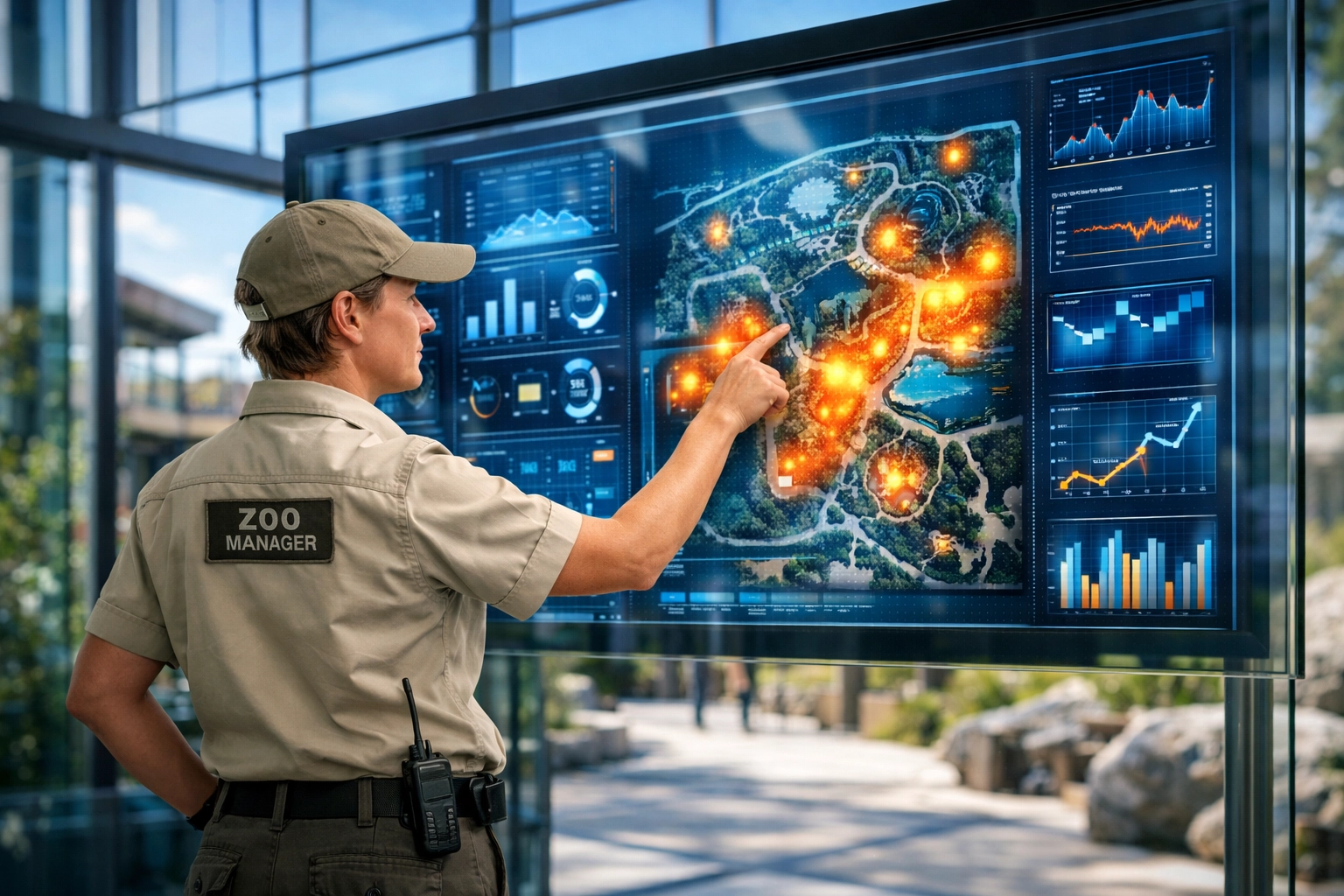
With a centralized system, you can implement real-time data processing. If a certain area becomes overcrowded, the system can automatically update your digital signage to suggest a visit to a quieter part of the park. It’s like having a bird's-eye view of every single interaction happening on your grounds. When you have this much data at your fingertips, you really feel like you've won the biggest prize of the casino in terms of operational efficiency.
Step 3: Identify Smart Venue Applications for Your Zoo
Now for the fun part: deciding which gadgets will make the biggest impact. You don’t need to automate everything at once. Focus on high-impact areas that improve the visitor experience and animal welfare.
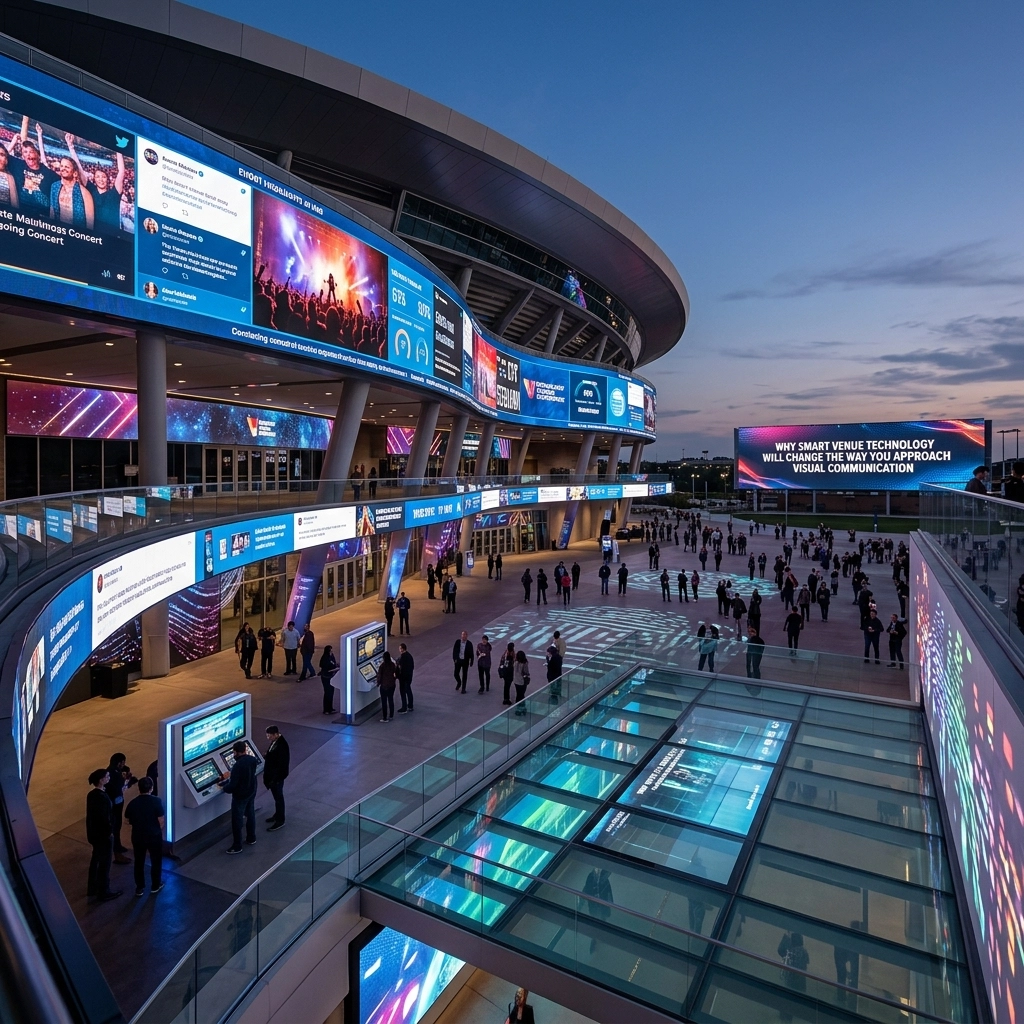
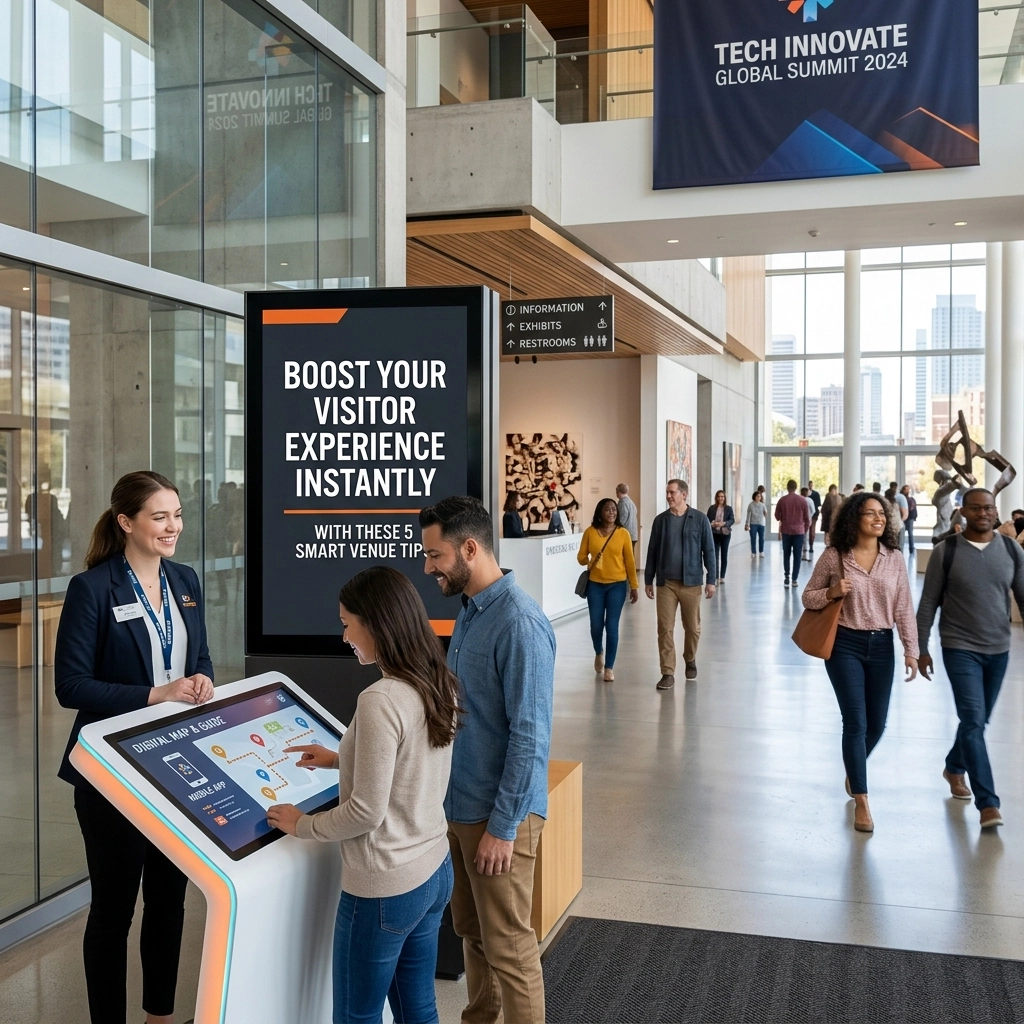
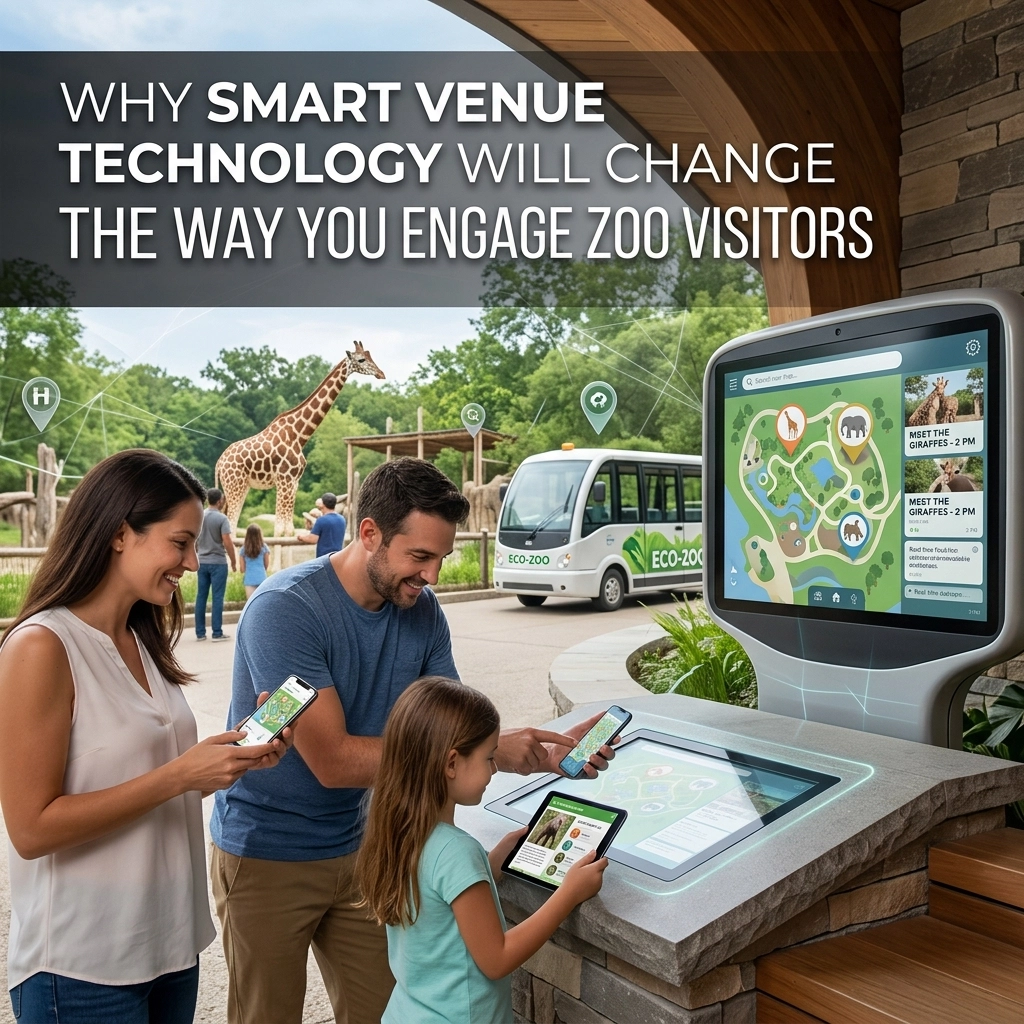
- Interactive Displays and Smart Signage: At Zoo Media, we are experts in visual communication. Imagine signs that change content based on the time of day or the presence of a crowd.
- Crowd Management: Real-time monitoring helps prevent "bottlenecks." No one likes a crowded view of the penguins. By managing flow, you keep visitors happy and safe.
- Gamification and Rewards: You can engage visitors by turning the zoo visit into a game. Perhaps they can "collect" animals on their phone as they walk around. It's about that thrill of discovery, much like the excitement people feel when they try their luck at the casino.
- Energy Efficiency: Smart sensors can control lighting and climate based on occupancy. This doesn't just save the planet; it saves your bottom line.
Using technology like this makes your venue feel modern and international. They're all quite advanced, but as we say, they're tutti piuttosto rari in the traditional zoo world, giving you a major competitive edge.

Step 4: Integrate with Existing Systems Gradually
One of the biggest fears Zoo Directors have is "downtime." You can't close the zoo for a month to install a new computer system. The key is a phased approach.
Use APIs (Application Programming Interfaces) and middleware to connect your legacy systems, like your current POS software or membership database, to the new IoT tech. Think of it like adding a high-tech engine to a classic car. You keep the parts that work and upgrade the performance. This gradual transition ensures that visitor services are never interrupted. You want the transition to be as smooth as a multi-wheel roulette spin, consistent, predictable, and exciting.
Step 5: Implement Robust Cybersecurity and Staff Training
As you become a "Smart Venue," you are also becoming a "Data Venue." You will be collecting visitor preferences, payment information, and operational data. Protecting this is non-negotiable. Establish strong security protocols to prevent vulnerabilities.
Equally important is your team. The best technology in the world is useless if your zookeepers and guest services staff don't know how to use it. Provide hands-on training. Show them how real-time alerts can help them do their jobs better, like knowing a gate was left open or a fridge in the veterinary clinic is losing power. When your staff feels confident, the whole venue thrives.
Why Choose Zoo Media?
Transforming a traditional zoo into a smart venue requires a partner who understands both the "Zoo" and the "Media." We aren't just a tech company; we are an advertising and visual communication powerhouse dedicated to the niche of zoos and aquariums.
Whether it's developing your website to handle IoT integration or designing the interactive kiosks that will wow your guests, we are here to ensure you hit the jackpot with every visitor interaction. We focus on the percentage of success (or as we call it, the ROI) of your digital marketing and tech investments.
Ready to build the future?
The path to a smart venue is a journey of a thousand miles, but it starts with these five simple steps. By embracing IoT, you aren't just buying gadgets; you are investing in a better experience for your animals, your staff, and your visitors.
Discover how we can help you at www.zoomedia.us.
#Motivation #Branding #Strategy #Marketing #AdvertisingAndMarketing #digitalmarketing #Innovation #Sports
Contact Information
For more information on how to revolutionize your venue, reach out to us. We offer personalized consultations for Zoo Directors ready to lead the pack.
Dan Kost, CEO
Zoo Media Network
AI Receptionist: +1 (323) 676-0621
Website: www.dakdan.com
Explore our networks:

At Zoo Media, we don't just follow trends: we set them. Let’s build something amazing together.