
What are common mistakes in zoo corporate identity?
The seven most frequent errors include using cluttered logos with too many animals, outdated typography like Comic Sans, inconsistent brand application across different touchpoints, generic messaging that lacks differentiation, ignoring design fundamentals like scalability, failing to treat branding as a holistic visitor experience, and neglecting digital-first strategies. Fixing these requires a shift toward simplicity, professional design standards, and a unified brand voice across all physical and digital platforms.
Let’s be honest: running a zoo is a wild job, literally. You’re balancing animal welfare, conservation efforts, guest safety, and the occasional escaped peacock. With all that on your plate, it’s easy for your corporate identity to fall to the bottom of the priority list. But here’s the kicker: your brand is the first thing a visitor "consumes" before they even step through the gates.
If your visual communication is stuck in the nineties, you’re not just looking dated; you’re losing revenue. It’s time to stop "tentando la fortuna" (trying your luck) with a subpar brand and start winning the hearts of your audience. At Zoo Media, we see these blunders every day.
Here are the 7 deadly sins of zoo branding and exactly how to fix them.
1. The "Every Animal Ever" Logo Syndrome
We get it. You have lions, tigers, bears, and a very charismatic naked mole-rat. You want them all represented! However, trying to cram every resident of your facility into a single logo is a recipe for a cluttered visual mess. A logo isn't a family portrait; it’s a symbol. When you add too many elements, you violate the fundamental rules of visual communication.
The Mistake: A logo that looks like a high-speed collision at a petting zoo. It’s hard to read, impossible to scale down for a business card, and disappears on a billboard.
The Fix: Choose one strong visual element. Pick a "hero" species or a minimalist silhouette that represents your unique identity. Think about the most iconic part of your institution. Is it your conservation work with sea turtles? Your historic gate? Focus on that. Simplicity is how you "vinci il premio più grande" (win the biggest prize) in brand recognition.

2. Typography That Screams "2003 Called"
Typography is the "voice" of your brand. If you’re still using Papyrus or Comic Sans, your voice sounds like a dial-up modem. Using dated or overly "theme-y" fonts: like those "safari" fonts with sticks and stones: actually undermines your credibility as a modern conservation and scientific institution.
The Mistake: Using fonts that are difficult to read on mobile devices or that feel juvenile. If your brand managers are picking fonts based on what "looks cute," you have a problem.
The Fix: Invest in professional, contemporary typefaces. You want a mix of a clean sans-serif for readability and perhaps a more character-filled serif for headlines. Consistency is key here. Every newsletter, signage piece, and social media post should speak the same visual language.

3. Inconsistent Brand Application Across Touchpoints
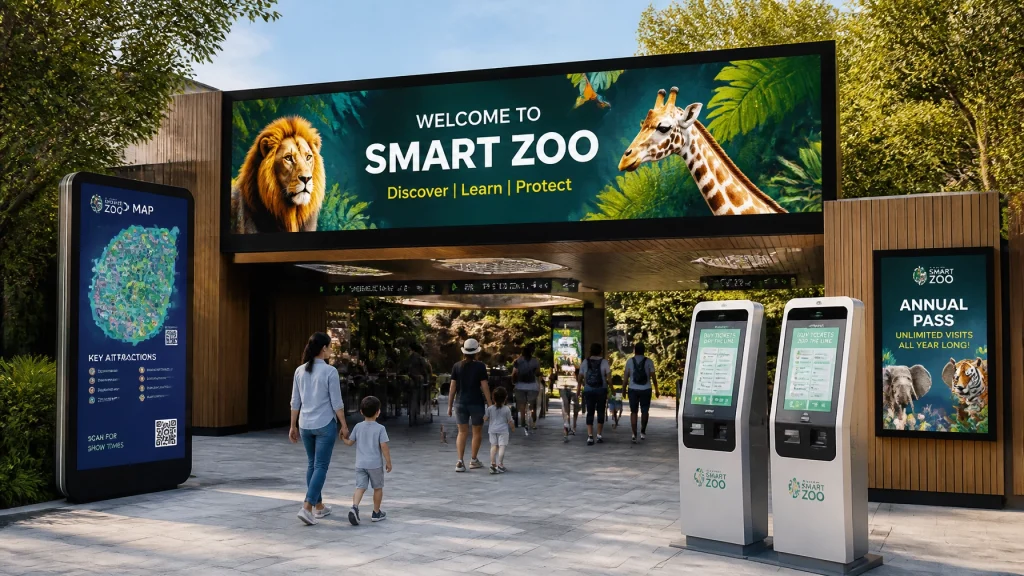
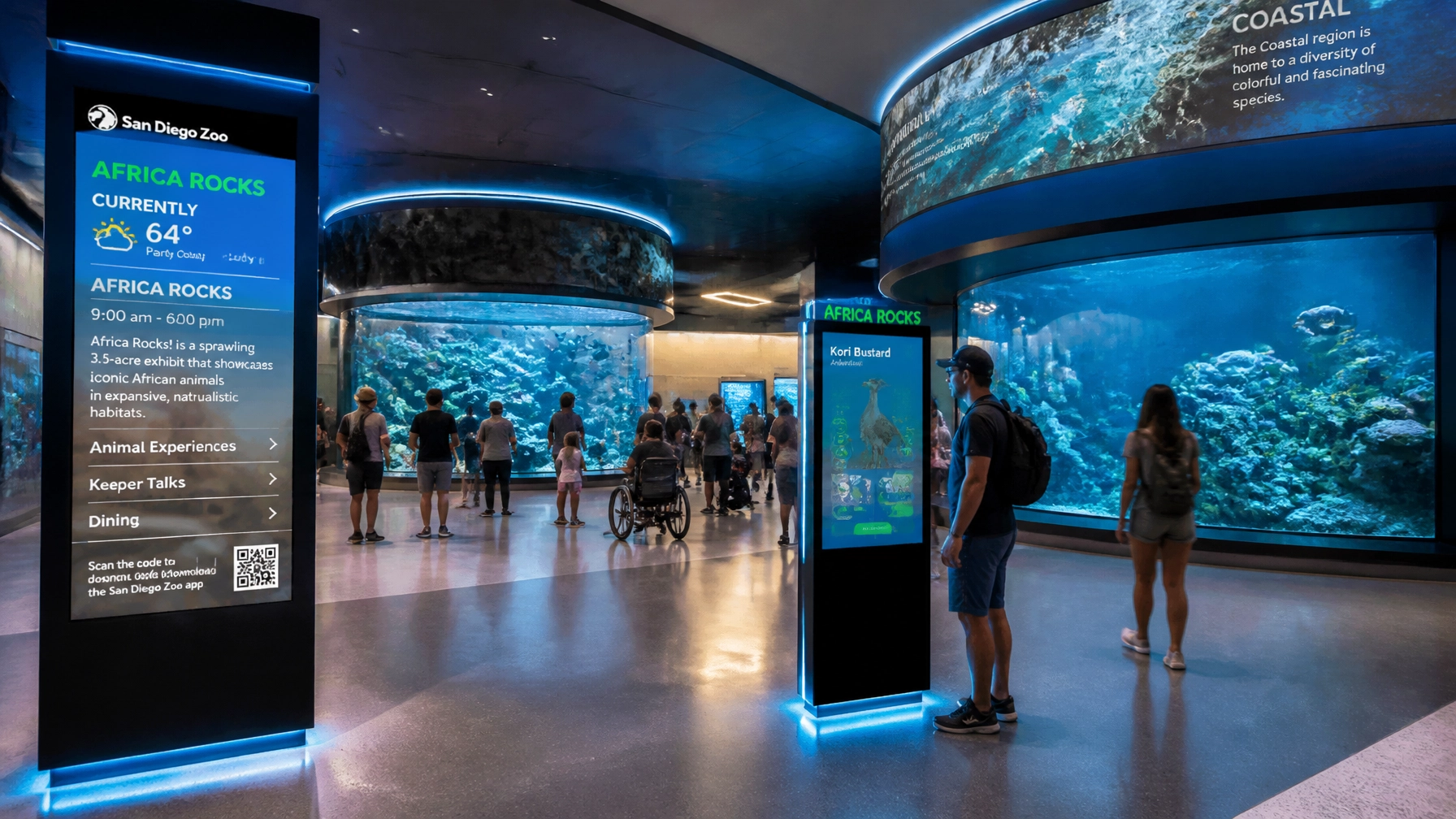
Imagine a guest visits your website and sees a sleek, modern interface. Then, they arrive at the zoo and the wayfinding signs are hand-painted wood from 1984. Finally, they get a promotional email that looks like a casinò Italia flyer from a different decade. This is what we call "Brand Frankenstein."
The Mistake: Disconnect between digital and physical assets. Inconsistency erodes trust. If your brand is a mess, visitors subconsciously worry that your animal care might be a mess, too.
The Fix: Create a Brand Style Guide. This document should be the "bible" for your institution. It dictates everything from hex codes (colors) to the exact placement of your logo. Whether it's an ad for 7 bit casino bonus or a conservation flyer, everything must look like it came from the same family.
4. Generic Messaging That Fails to Differentiate
"Come see amazing animals!"
"Fun for the whole family!"
Newsflash: Every zoo in the world says this. If I can take your slogan, put it on your competitor’s website, and it still makes sense, your messaging is invisible. In the world of advertising, being generic is the same as being forgotten.
The Mistake: Focusing on features (we have animals) rather than benefits or unique stories (we are saving the Sumatran Rhino).
The Fix: Find your "Unique Selling Proposition." Maybe you have the best slot machine online style engagement for your digital donors, or perhaps your educational programs are second to none. Use bold, active language. Don't just invite them; challenge them to be part of the mission.
5. Ignoring Design Fundamentals (Scalability and Color)
A great logo needs to work in one color (black) and at one inch wide. If your corporate identity relies on complex gradients or 50 different shades of jungle green, you’re going to run into massive printing costs and technical headaches.
The Mistake: Using logos with thin lines that disappear when resized or colors that don't translate well from screen to print.
The Fix: Work with a branding agency that understands the technical side of creative services. Ensure your logo is a vector file and that your color palette is limited but impactful. Test your logo on everything: from a tiny Instagram profile picture to a giant Zoo Media Travel bus wrap.
6. Failing to Treat Branding as a Holistic Experience
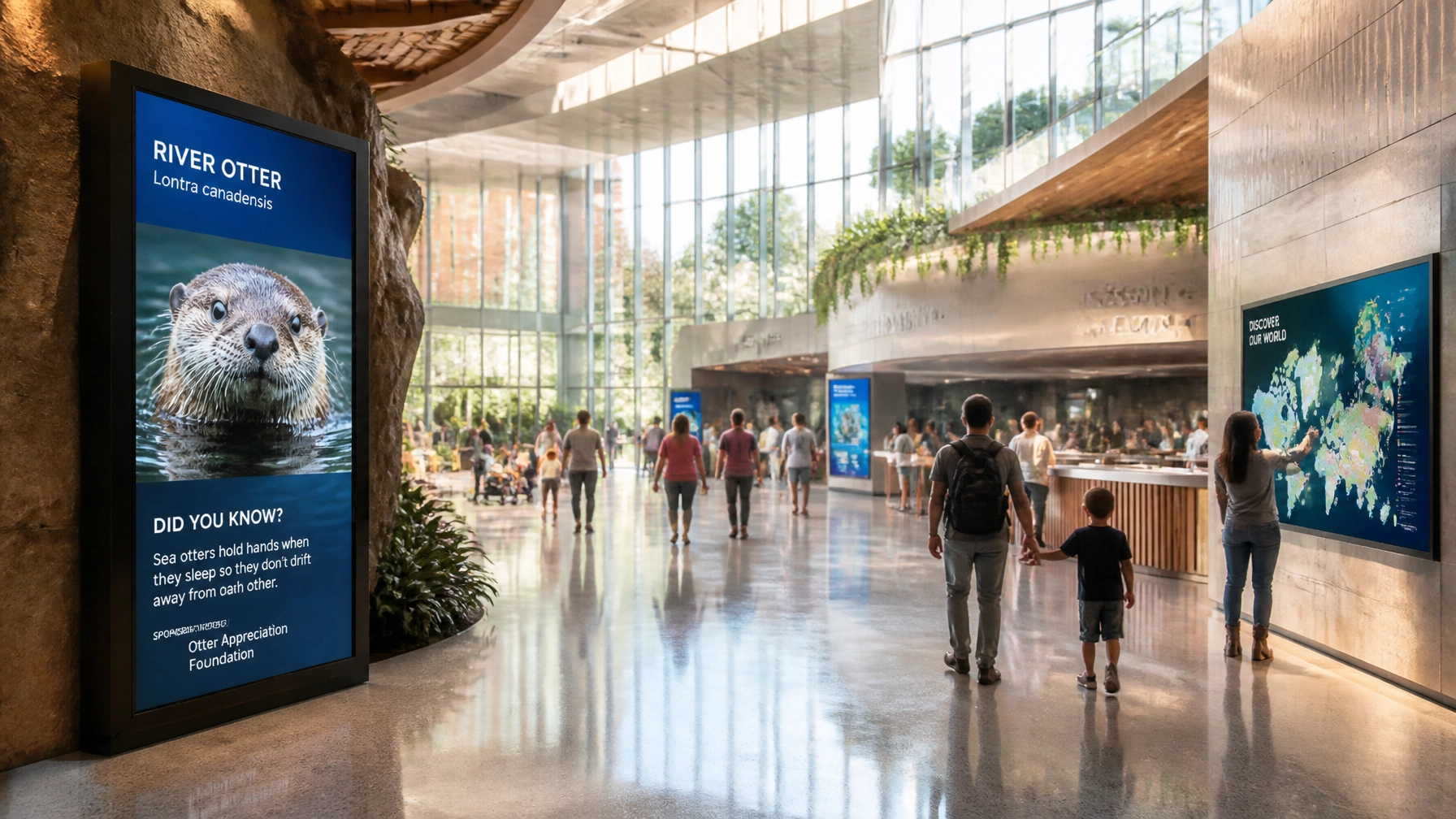
Branding isn't just your logo; it’s the smell of the restrooms, the smile on the ticket-taker’s face, and the ease of your parking. If your visual identity is "Elite Safari" but your staff is unmotivated and the facilities are crumbling, you’ve failed.
The Mistake: Thinking branding is the job of the marketing department alone. It’s not. It’s everyone’s job.
The Fix: Align your institutional culture with your brand promise. Train your staff on your brand values. Ensure that every touchpoint: even the "boring" ones like sistema rosso e nero alla roulette logic for crowd control: is optimized for a positive guest experience. A polished visual identity should be a reflection of a polished operation.

7. The "Mobile-Later" Mentality
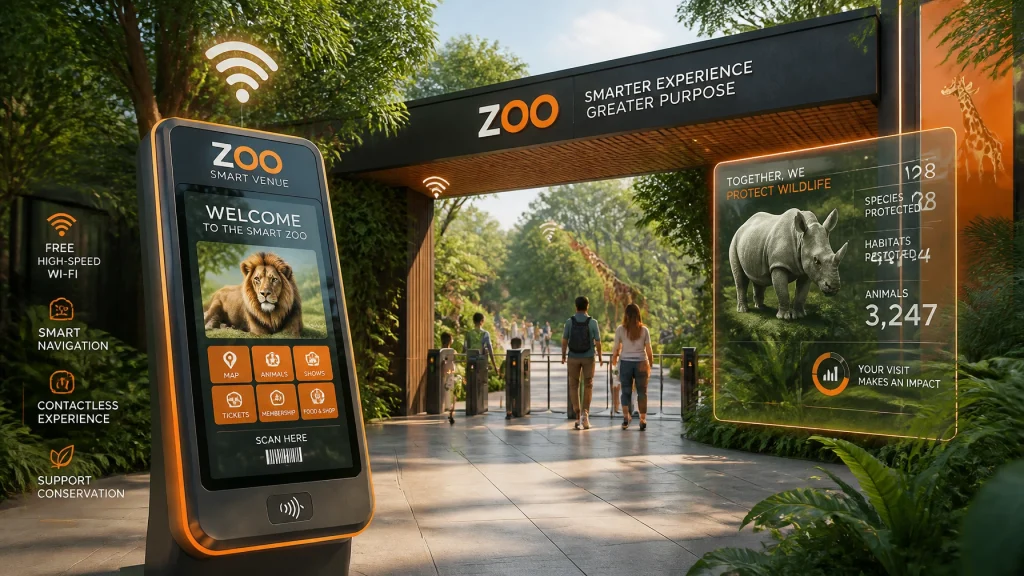
In 2026, if your brand doesn't live comfortably on a smartphone, it doesn't exist. Many zoos focus heavily on their physical maps and brochures while neglecting their mobile site or app. Visitors are looking for info while standing in the sun, juggling a toddler and a churro. If your site isn't fast and intuitive, they’re gone.
The Mistake: Non-responsive web design or complicated navigation. It shouldn't be a gamble like contare le carte a blackjack live just to find your feeding schedule.
The Fix: Adopt a "Mobile-First" strategy. Your digital corporate identity should be streamlined for quick interactions. Ensure your ticket purchasing process is as smooth as a netwin casino no deposit bonus sign-up. Digital marketing isn't just an "extra": it's the front door to your zoo.

Conclusion: Don't Monkey Around with Your Brand
Your zoo is a place of wonder, education, and vital conservation. Does your current corporate identity reflect that? Or does it look like something that was whipped up in a basement in the early 2000s?
Refreshing your brand is an investment in your future. It’s about building a connection with your community that lasts for generations. At Zoo Media, we specialize in helping institutions like yours find their true visual voice and amplify it through strategic advertising and marketing.
Don't wait for your attendance to drop to take action. "Scopri la tua fortuna" (Discover your luck) by taking control of your narrative today.
Ready to transform your zoo's identity? Let's chat.
Dan Kost, CEO
Zoo Media
www.zoomedia.us
www.dakdan.com
AI Receptionist: +1 (323) 676-0621
#Motivation #Branding #Strategy #Marketing #AdvertisingAndMarketing #digitalmarketing #Innovation #Sports #CorporateIdentity #VisualCommunication #CreativeServices #ZooMedia
Reach Out to the Experts
Whether you need a full rebrand, a new digital marketing strategy, or just some advice on how to stop using Comic Sans, our team at Zoo Media is here to help. We partner with zoos, aquariums, and conservation groups worldwide to deliver technology-driven solutions that work.
Visit our network: