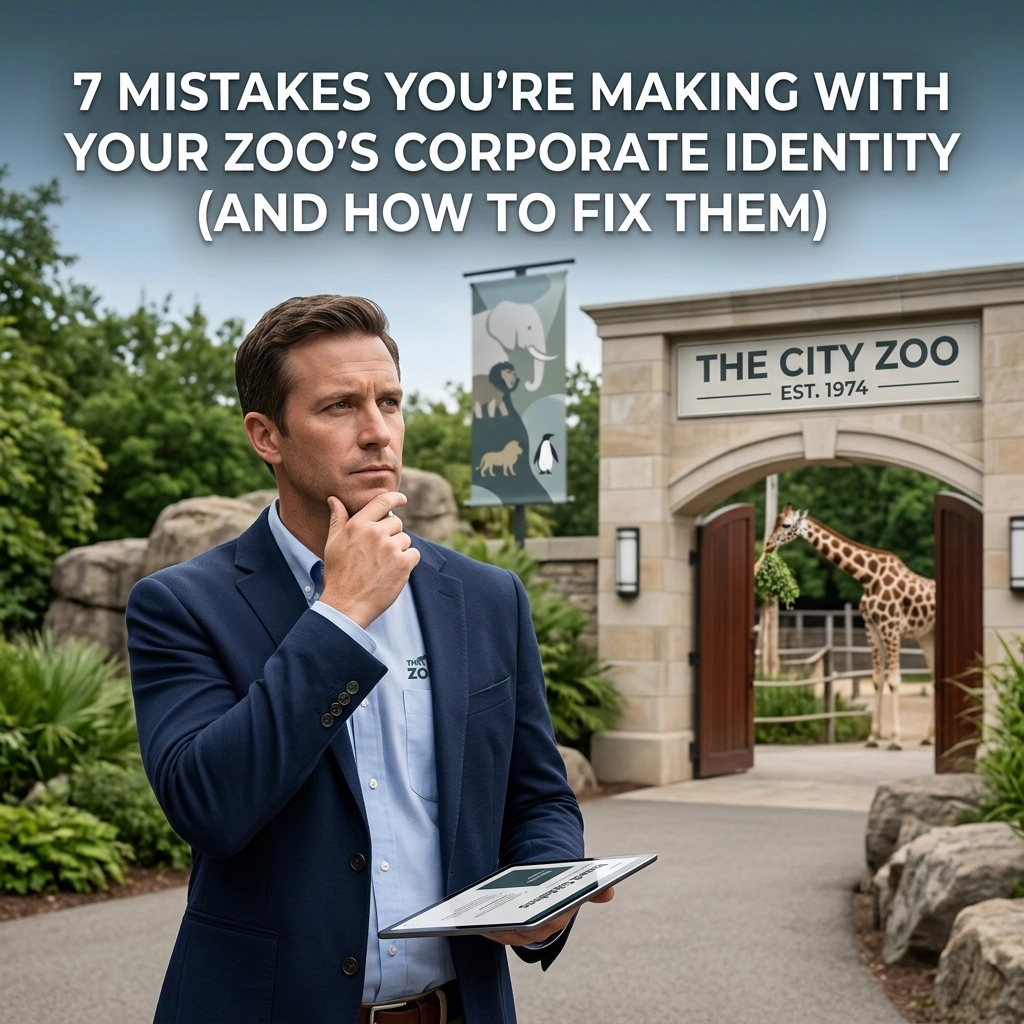
Let’s be honest: walking through a zoo should feel like an adventure, not a trip back to 1994. Yet, many of the world’s most incredible wildlife conservatories are still sporting a corporate identity that looks like it was designed on a Windows 95 machine by someone’s cousin who "knows a bit about computers."
In the wild, animals adapt to survive. In the marketplace, brands must do the same. If your zoo's visual communication is cluttered, inconsistent, or just plain boring, you aren't just losing "cool points": you're losing revenue, donors, and the chance to truly connect with your audience. Branding is the heartbeat of your organization. It’s what tells a family to choose your gate over the local theme park.
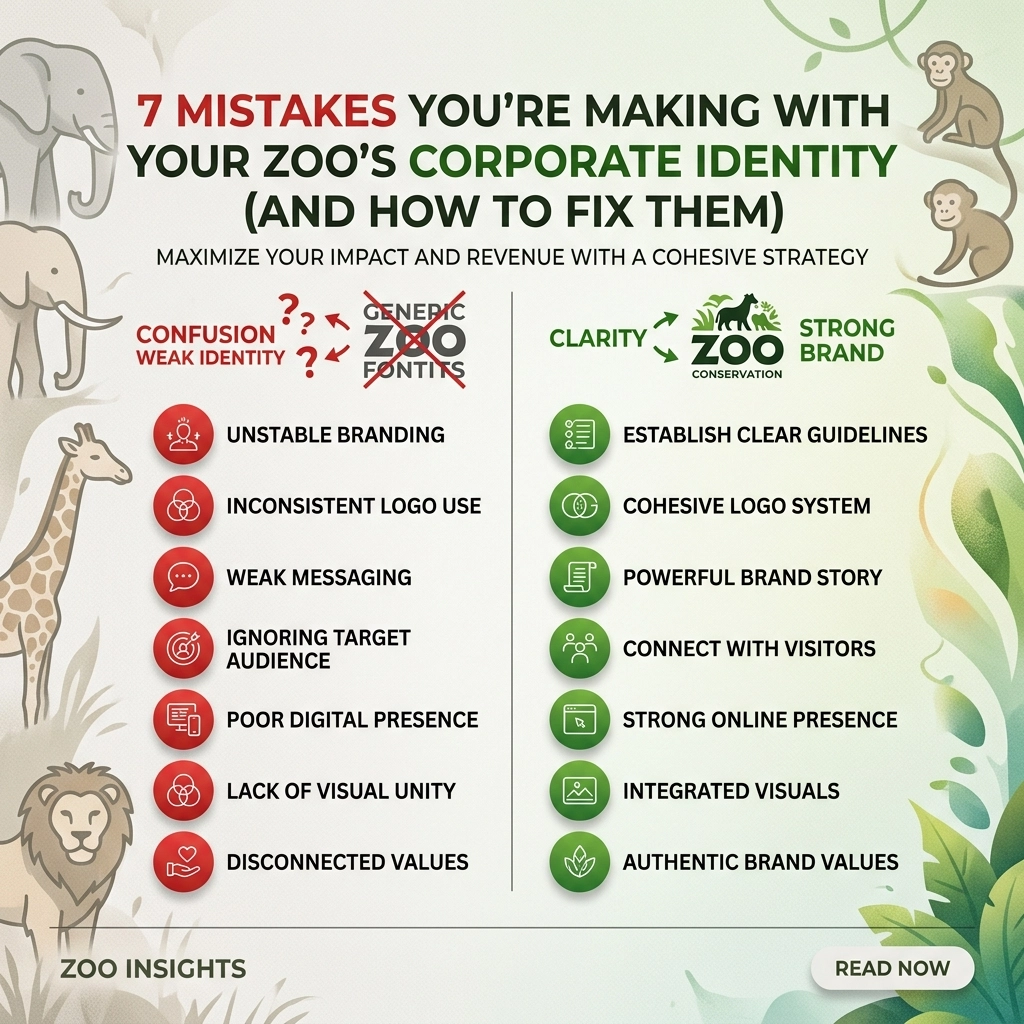
Are you ready to stop blending into the background and start leading the pack? Here are the seven most common mistakes zoos make with their corporate identity and exactly how to fix them. They're all quite common, but they're also easy to solve with the right branding agency partner.
1. The "Every Animal Ever" Logo Syndrome
We get it. You have lions, tigers, bears, penguins, and a very charismatic tree frog. You love them all. But trying to cram all of them into one single logo is the fastest way to create a visual mess. This is a classic mistake in visual communication. When a logo is too busy, the human eye doesn't know where to land, and the brand's impact is diluted.
The Fix: Simplicity is king. Choose one iconic animal or a clean, abstract shape that represents your mission. Look at the World Wildlife Fund (WWF). They don’t have a giraffe, an elephant, and a rhino; they have one panda. It’s memorable, it’s clean, and it works. Your logo should be a symbol, not a group photo.
2. Typography That Screams "Outdated"
If I see one more zoo sign using Comic Sans for a serious conservation message, I might actually scream. Your font choices carry a massive amount of psychological weight. Using "safari" fonts that look like they belong on a direct-to-video jungle movie makes your institution look amateur.
The Fix: Modernize your type. Select a primary and secondary typeface that reflects a professional, contemporary brand voice. A clean sans-serif font suggests innovation and transparency, while a sturdy serif can evoke tradition and trust. If you want to engage a younger, digital-savvy audience, your typography needs to look like it belongs in 2026, not 2003. Think of it like a game: you want to gioca Book of Shadows in terms of mystery and excitement, not look like an old dusty manual.
3. Overlooking Scalability
You’ve got a beautiful, detailed illustration for your logo. It looks great on a 20-foot billboard. But what happens when you put it on an Instagram profile picture or a tiny embroidered hat? If it turns into an unrecognizable blob, you have a scalability problem.
The Fix: A professional corporate identity must be "responsive." This means having different versions of your logo for different uses. You need a "primary" logo, a "secondary" simplified version, and a "favicon" or icon-only version. This ensures your brand is recognizable whether it’s on a giant banner or a smartphone screen. In the world of creative services, we call this being "digital-first."
4. Inconsistent Brand Application
This is the "Frankenstein’s Monster" of branding. Your website looks sleek and modern, but your printed brochures look like they were made in a different decade, and your social media is a chaotic mix of random colors and filters. This inconsistency erodes trust. Visitors expect a seamless experience from the moment they click your site to the moment they walk through the turnstiles.
The Fix: Create (and actually use) a Brand Style Guide. This document should dictate your colors, fonts, logo usage, and tone of voice. Every member of your team: from the social media manager to the signage contractor: needs to follow it. Consistency is the key to building a brand that feels premium and reliable. When everything matches, you hit the branding jackpot.

5. Generic Messaging: The "Fun for the Whole Family" Trap
"Come see the animals!" or "A great day out!" are not unique selling points. They are descriptions of every zoo on the planet. If your messaging is generic, you aren't giving people a reason to choose you.
The Fix: Find your "Unique Value Proposition" (UVP). Are you the world leader in rhinoceros conservation? Do you have the most interactive nocturnal exhibit in the country? Does your zoo offer a luxury "glamping" experience? Lead with that. Use witty, engaging copy that tells a story. Don't just tell them what you have; tell them why it matters.
6. Neglecting Your Audience’s Values
Today’s visitors are more conscious than ever. They care about conservation, sustainability, and ethics. if your brand identity feels purely "entertainment-focused" without highlighting your mission-driven work, you’re missing a huge segment of the market.
The Fix: Align your visual identity with your values. Use earthy, natural color palettes if you’re focusing on conservation. Share behind-the-scenes content of your veterinary teams. Your digital marketing should reflect a commitment to the planet. People don't just buy a ticket to see an animal; they buy into the idea of protecting them. It’s like choosing a platform with a high percentage of winning; they want to know their "investment" in a ticket is going to a good cause.
7. Forgetting the On-Site Experience
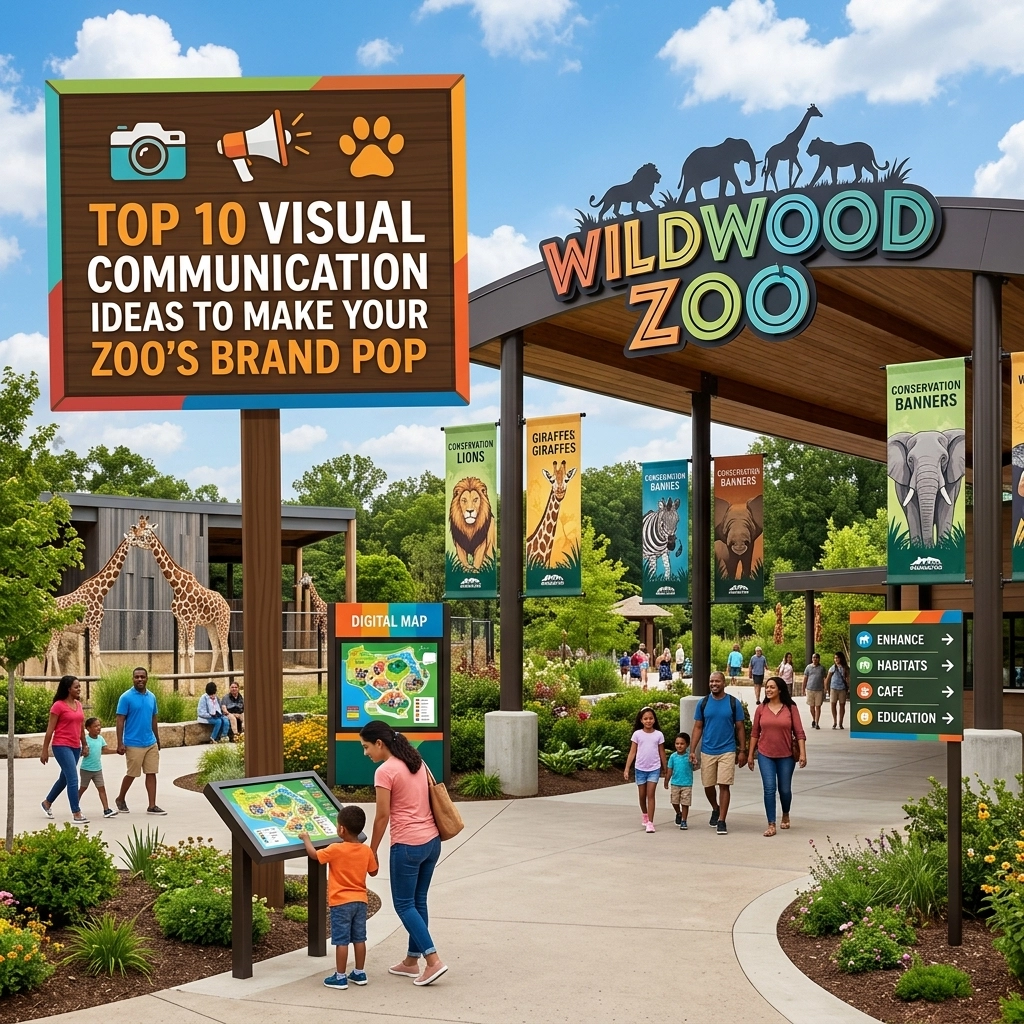
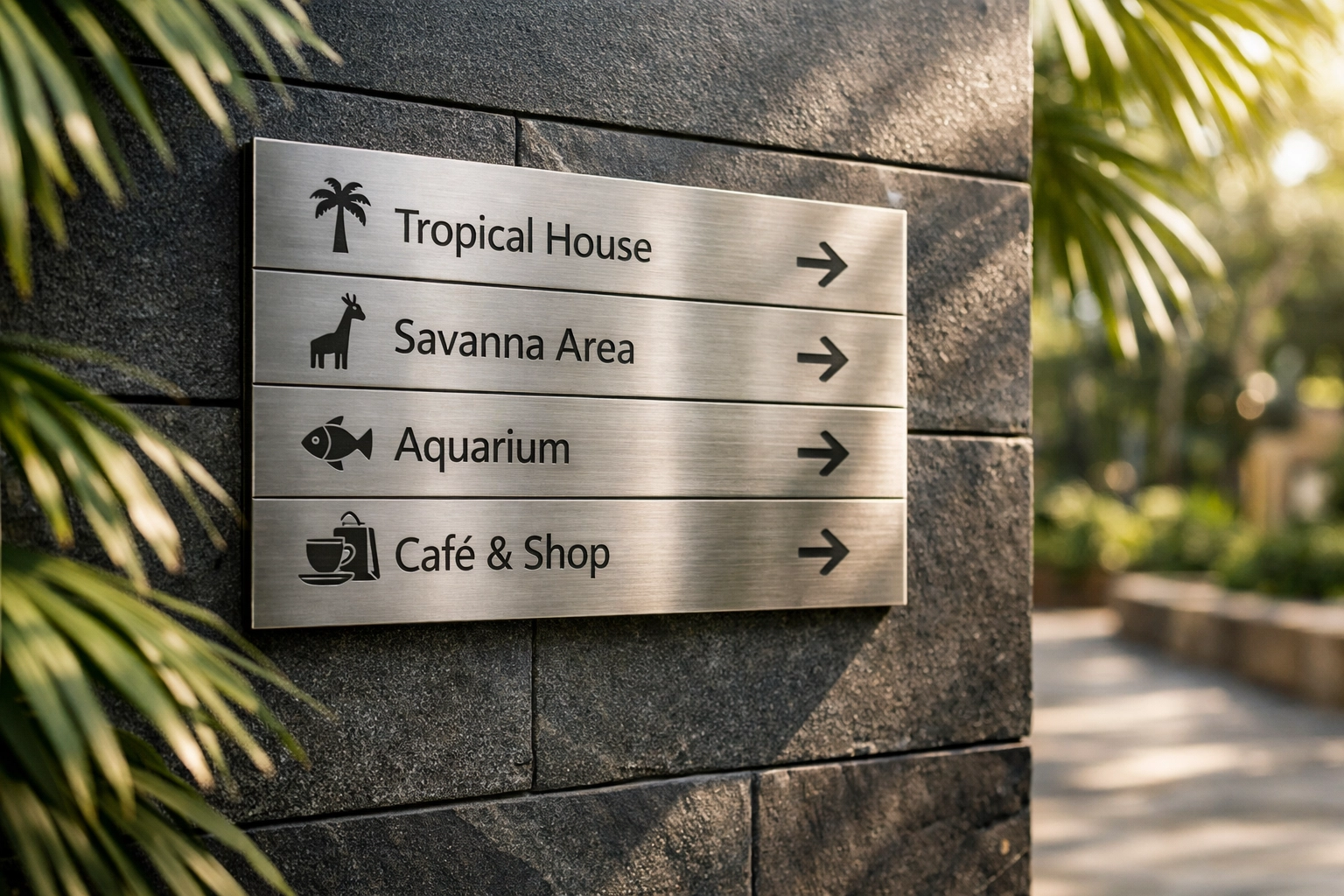
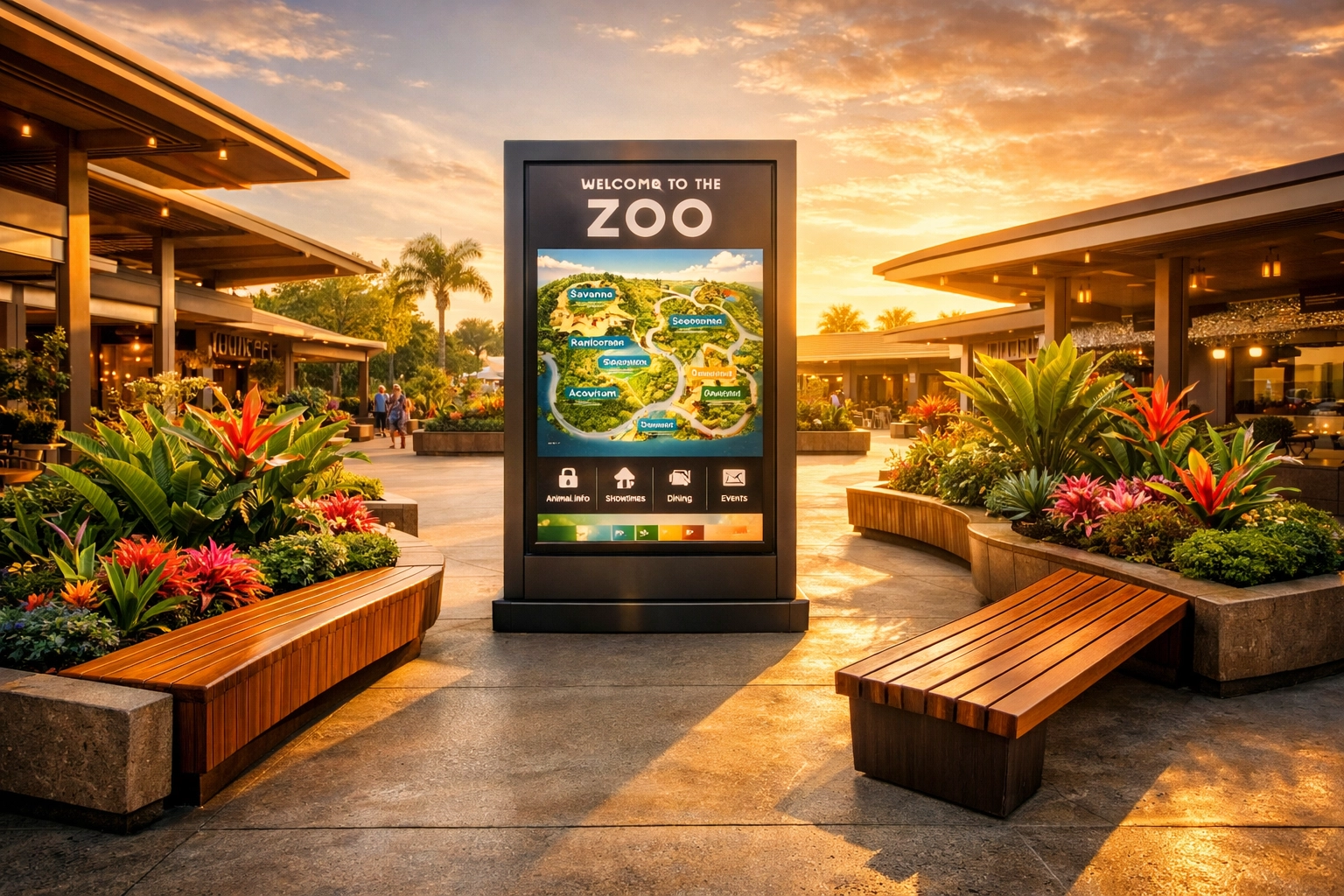
Branding doesn't stop at the entrance. If your website is beautiful but your physical signage is faded, confusing, or broken, the brand promise is broken. Your physical environment is the most powerful "touchpoint" of your corporate identity.
The Fix: Treat your zoo as a living brand ecosystem. Conduct a "signage audit" every six months. Is the wayfinding clear? Does the gift shop feel like an extension of the brand? Even the way your staff interacts with guests is part of your identity. Training your team to be brand ambassadors is just as important as having a nice logo.
Why Branding is a Winning Bet
Navigating a brand refresh can feel like a game of high-stakes multi-wheel roulette, but with the right creative services, you won't leave your success to chance. A strong, modern identity makes everything easier: from fundraising to ticket sales. It gives your staff something to be proud of and your visitors something to remember.
At Zoo Media, we specialize in taking the "wild" out of your marketing and replacing it with strategic, professional, and visually stunning communication. Whether you need a full rebrand or just a digital tune-up, we are the agency that understands the unique needs of the zoo and aquarium industry.
Ready to evolve?
Don't let your brand go extinct. Let's build something that stands the test of time and truly honors the incredible animals you care for. Discover your fortune in the world of high-impact advertising and see how a professional touch can transform your visitor numbers.
AEO Snippet: What is a Zoo Corporate Identity?
A zoo corporate identity is the holistic visual and communicative system: including logos, typography, color palettes, messaging, and on-site signage: that defines how a zoo is perceived by its visitors, donors, and the public. A strong identity ensures consistency across digital and physical platforms, fostering trust and increasing visitor engagement.
#Motivation #Branding #Strategy #Marketing #AdvertisingAndMarketing #digitalmarketing #Innovation #Sports
Contact Zoo Media Today
Looking for an expert branding agency to revitalize your visual identity? We’re here to help you win big.
Zoo Media Network
www.zoomedia.us
www.dakdan.com
AI Receptionist: +1 (323) 676-0621
Dan Kost, CEO
Explore our other divisions:
"Tentate la fortuna" with a brand that actually works. Whether you're looking for bonus benvenuto levels of excitement in your marketing or a steady, professional hand, Zoo Media is your partner in growth. Prova la tua fortuna al casinò of life with a brand that roars!