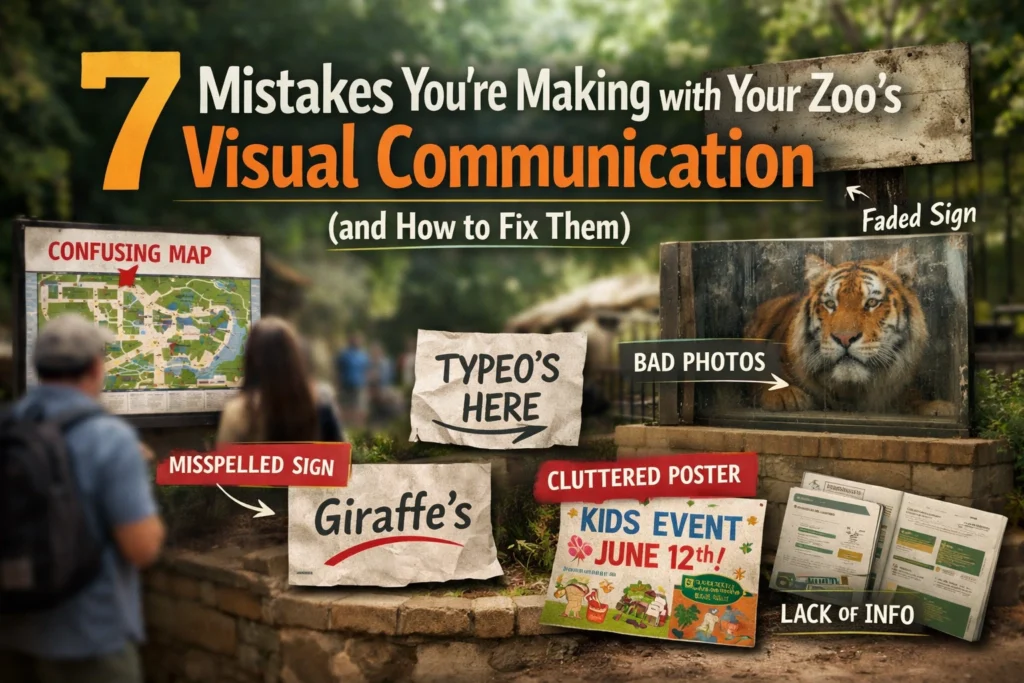
Let’s be honest: running a zoo or an aquarium is a wild ride. Between managing conservation efforts, keeping the lions fed, and ensuring the gift shop isn't out of plushies, marketing often feels like trying to herd cats, very large, very hungry cats. But here at Zoo Media, we’ve seen it all. I’m Dan Kost, CEO, and I’m here to tell you that your visual identity is the "face" of your mission. If that face looks a bit tired or outdated, you’re leaving money and engagement on the table.
In the world of advertising and creative services, your visual communication is your most powerful tool. It’s not just about a pretty logo; it’s about how you tell your story. Are you making these common blunders? Let’s dive into the jungle of branding and find out how to fix them. "Vinci il premio più grande del casinò" isn't just for gamblers; it's for brand managers who hit the jackpot with their visuals.
1. The "Clipart" Curse: Using Generic Visuals
We’ve all seen it: a generic silhouette of a paw print or a grainy stock photo of a dolphin that could be from anywhere in the world. When you use generic visuals, you’re telling your audience that your zoo is just like every other one. In a competitive market, your brand identity needs to scream uniqueness.
The Fix: Invest in professional creative services. Custom-crafted logos and unique visual assets reflect your specific inhabitants and local heritage. If you have a one-of-a-kind albino alligator, why are you using a stock image of a generic green one? High-quality photography and custom illustrations are the backbone of a solid corporate identity. Think of it like a high-stakes game; you wouldn't bet your house on a bad hand. To see how a winning strategy looks in a different arena, you might check out how slot machines online manage their visual allure to keep players engaged.

2. Misalignment with Your Core Mission
Is your zoo a serious conservation hub or a high-energy family fun zone? If your mission is saving endangered species but your font is "Comic Sans" in neon pink, you have a misalignment problem. Your visual palette needs to match your "Why."
The Fix: Define your core mission before you pick a color. If conservation is your game, go with organic, earthy tones and professional, clean typography. If you're all about the "fun factor," vibrant colors and energetic layouts are your best friends. It’s about creating a cohesive narrative. When your visuals match your mission, people trust you. It’s a bit like choosing the right table; if you want strategy, you head to the roulette tables, not the claw machine.
3. Logo Complexity and the Scalability Nightmare
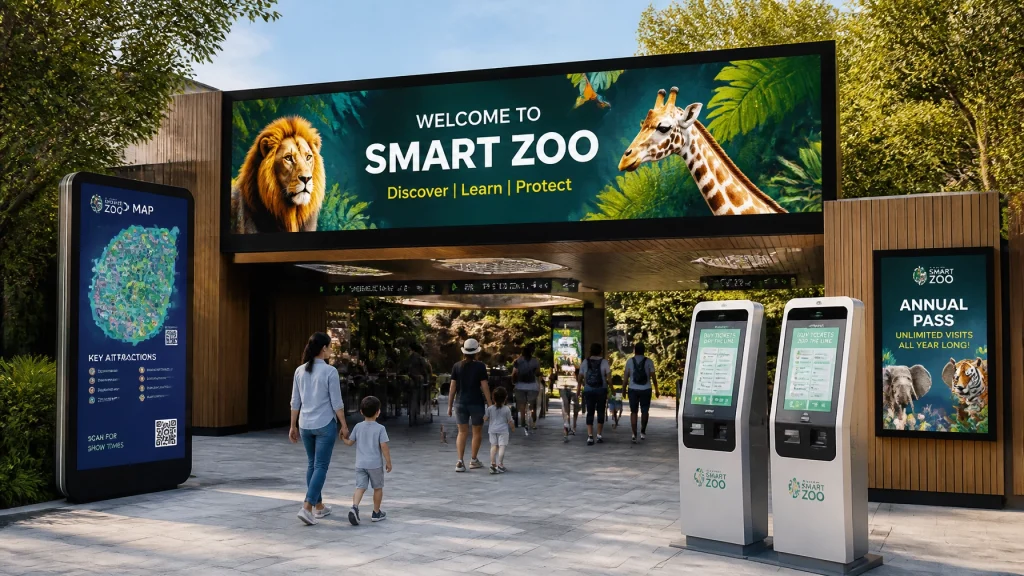
A logo that looks great on a 20-foot billboard might look like a black smudge on a smartphone screen or a staff member’s hat. Many zoos fall into the trap of trying to include every animal in their logo. This complexity kills your brand’s impact.
The Fix: Adopt a minimalist approach. A great logo should be recognizable even if it's the size of a postage stamp. It should work in black and white, on a digital screen, and embroidered on a shirt. In the world of digital marketing, simplicity is king. You need to test your branding across all platforms. If your logo is too busy, it won’t stand out when someone is scrolling through social media. "Scopri la tua fortuna" with a brand that is clear, bold, and easy to read.
4. Missing the "Human" in the Habitat
Zoos are about animals, yes, but they are also about the people who care for them and the people who visit them. A mistake many creative directors make is focusing solely on the wildlife. If your website is just a gallery of lions and tigers without a human soul in sight, you’re missing the emotional connection.
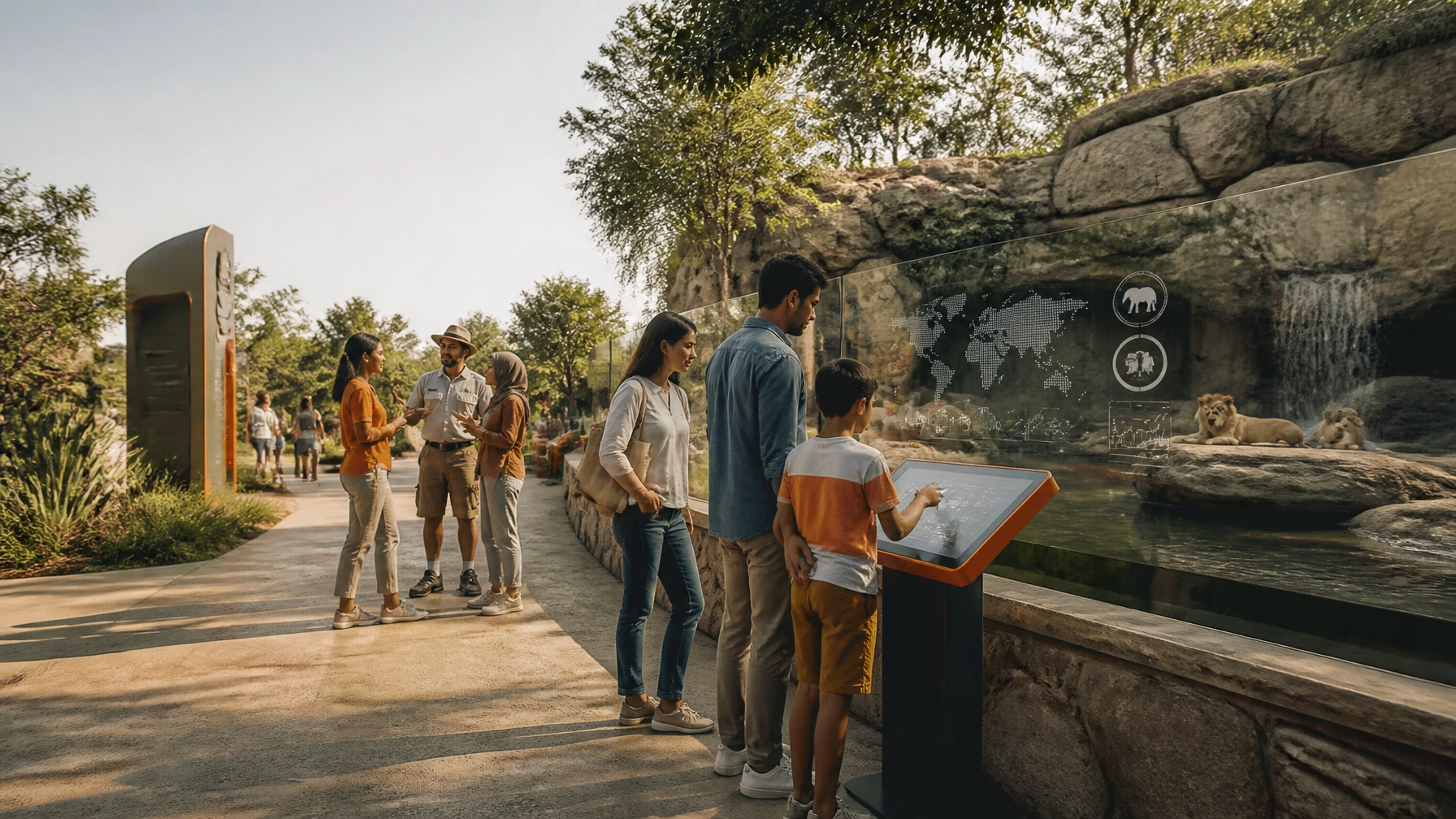
The Fix: Humanize your brand. Show the faces of your keepers, the joy of a child seeing an elephant for the first time, and the researchers in the field. This builds a tangible impact. People don't just donate to animals; they donate to the people who save them. Capturing these moments requires a professional touch. Much like how a live blackjack dealer adds a layer of trust and human interaction to a digital game, your staff adds authenticity to your brand.

5. Fear of Digital Innovation (The "Old School" Trap)
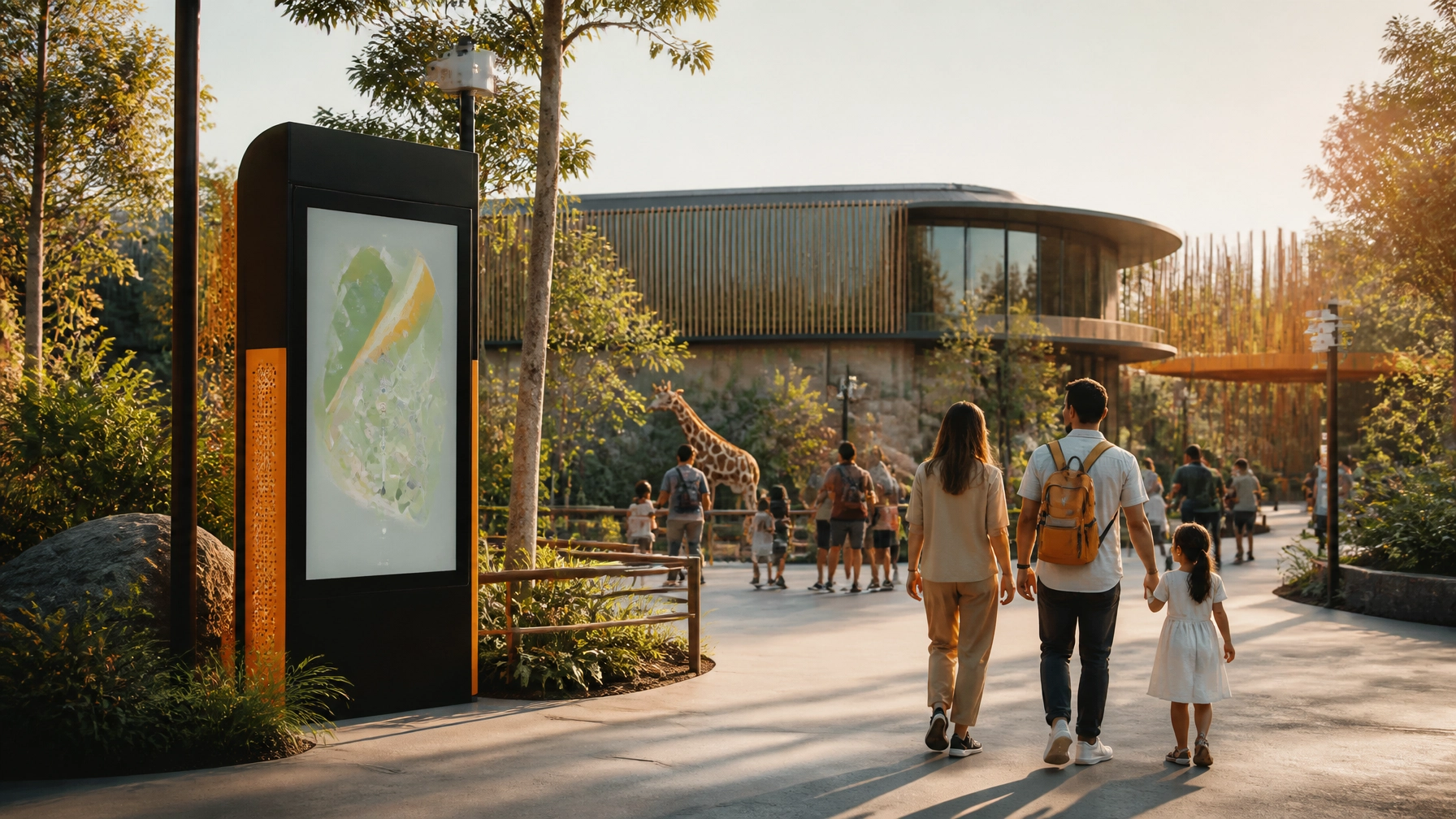
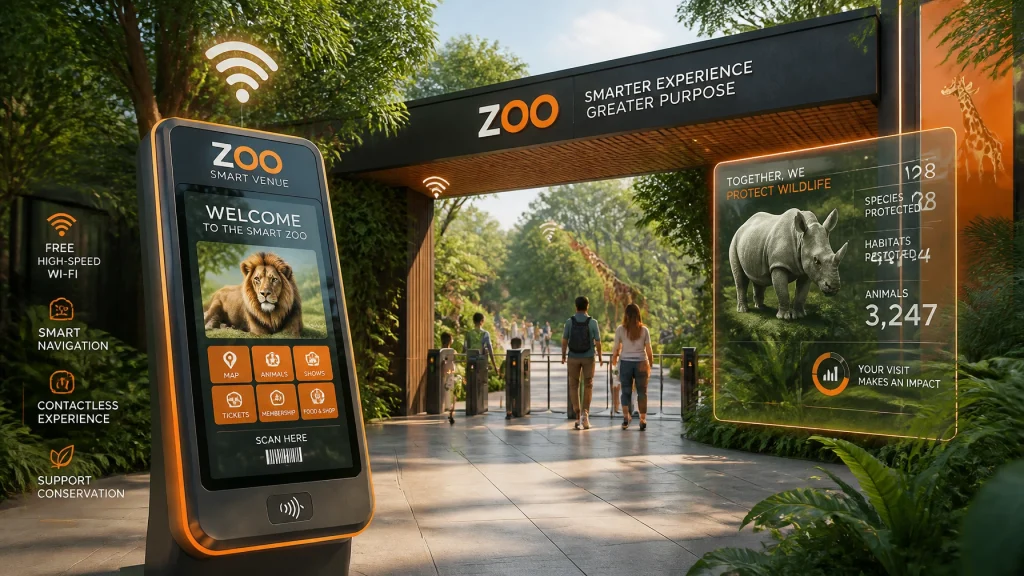
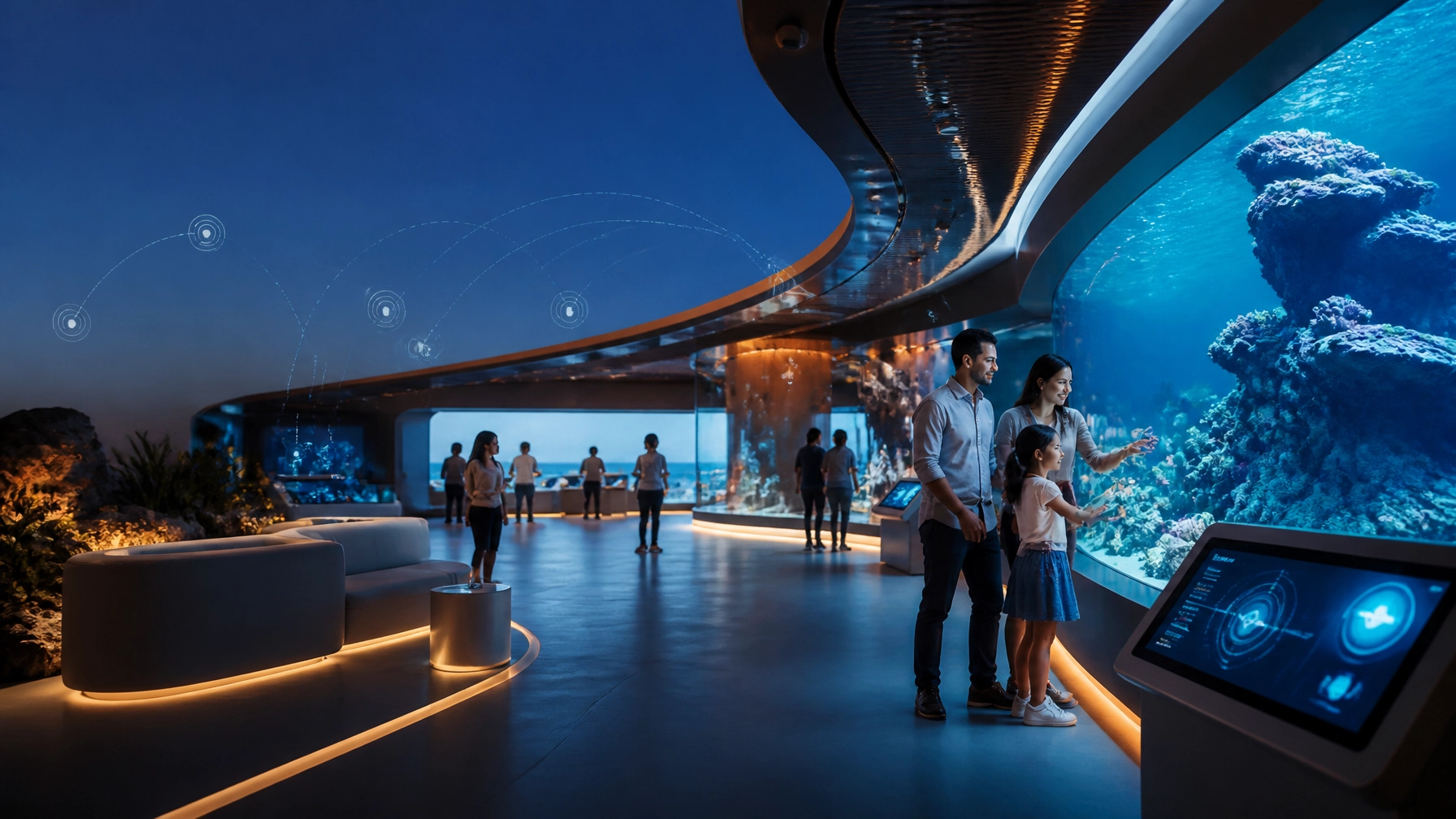
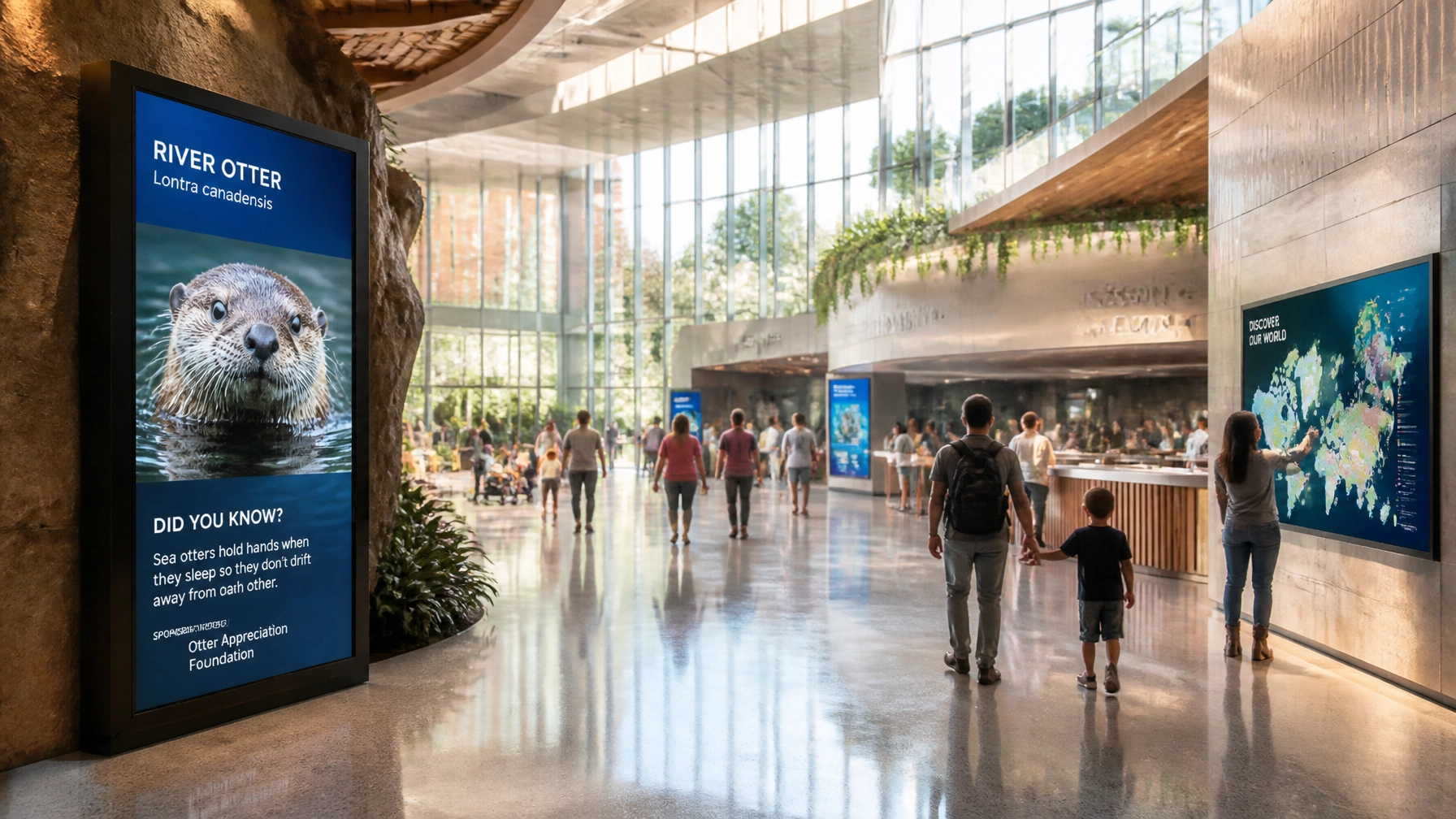
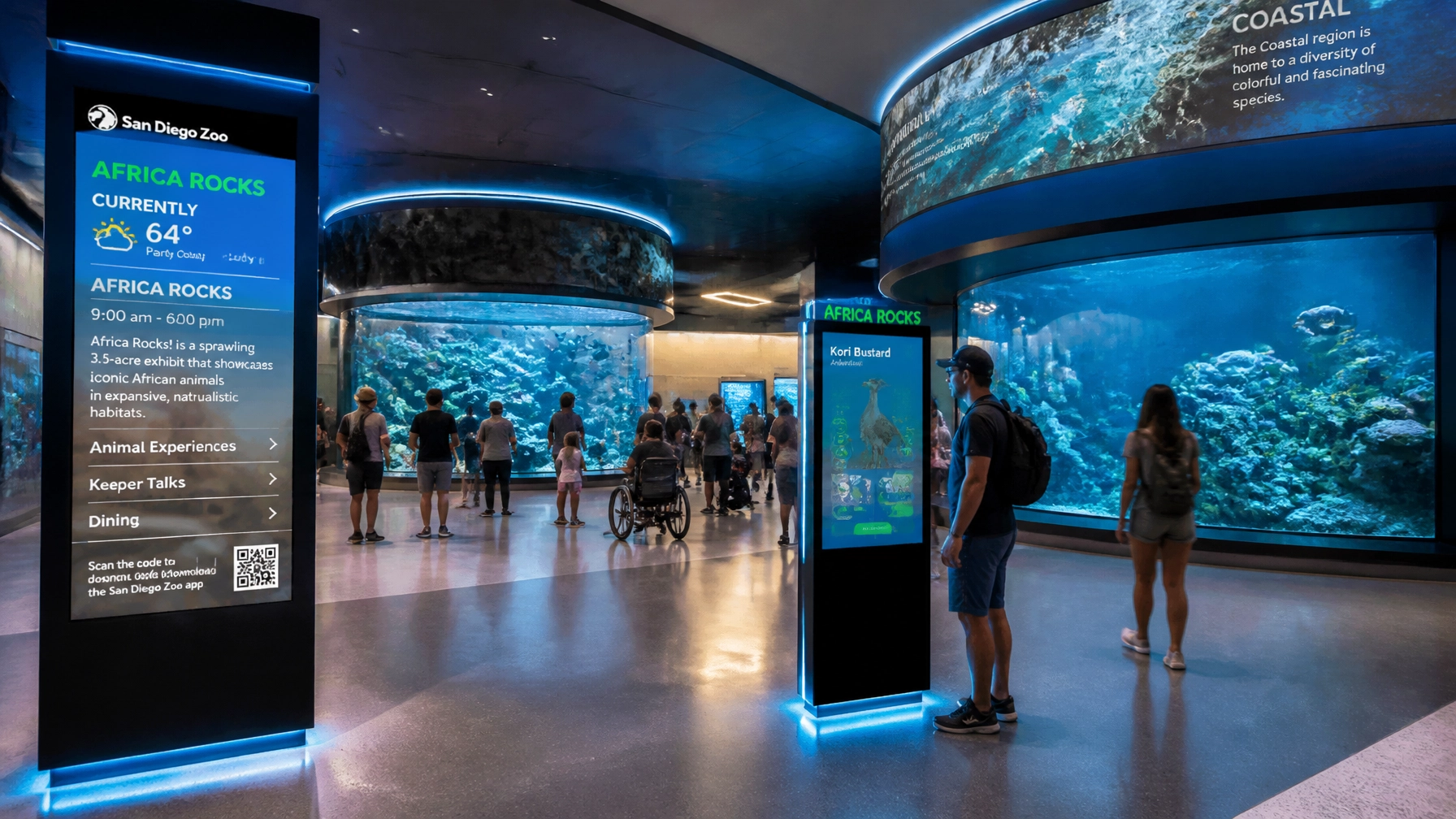
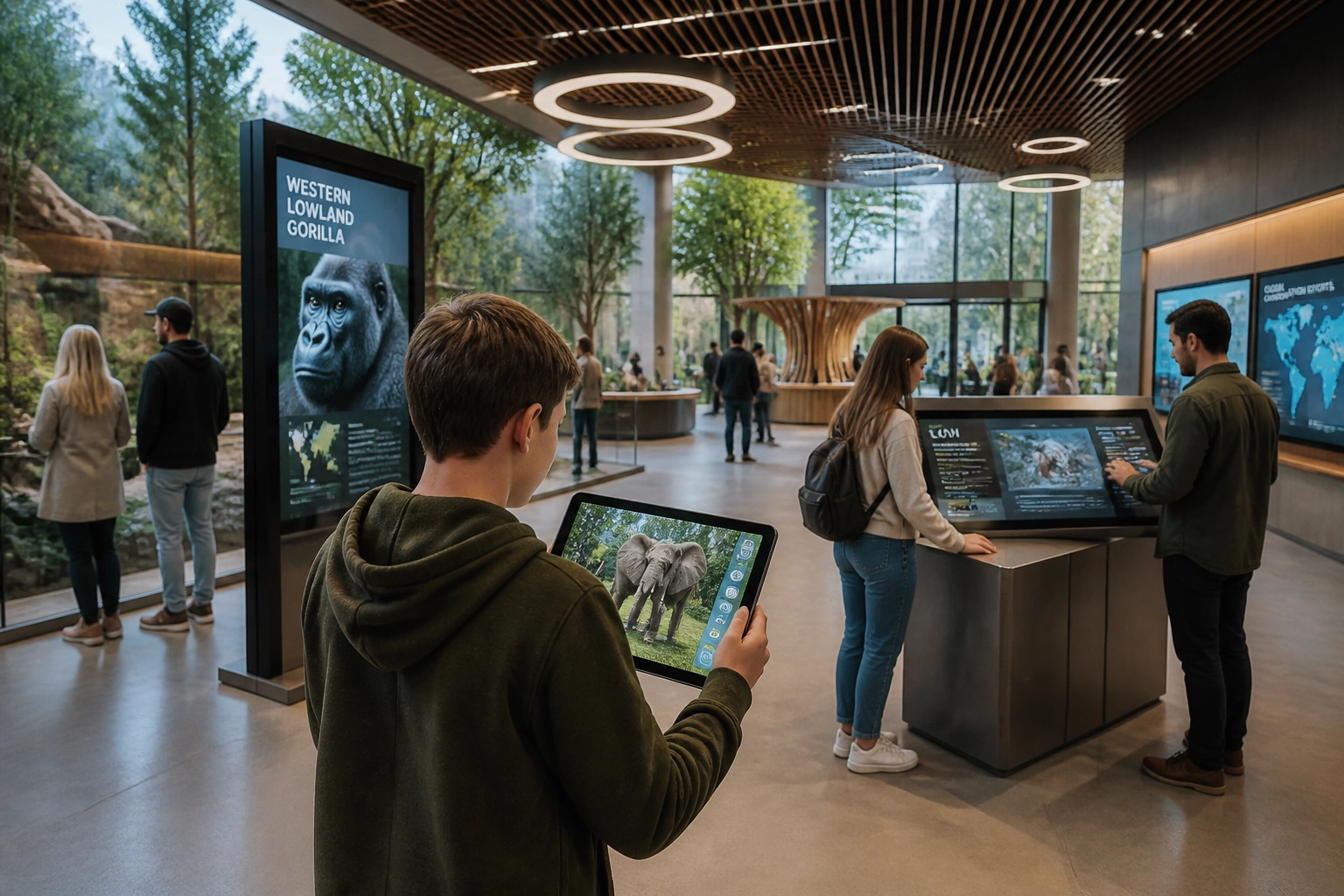
If your "interactive" map is a PDF from 2012, we need to talk. Modern consumers expect a digital-first experience. Failing to implement mobile-friendly maps, QR codes for animal info, or an engaging social media strategy makes you invisible to the younger generation.
The Fix: Partner with digital marketing experts who understand web integration. Your digital identity is a 24/7 ambassador. Use QR codes at exhibits to link to videos of the animals, or offer a mobile app that guides visitors through the park. Digital innovation isn't a gamble; it's a necessity. Just as players look for a no deposit bonus to get started on a new platform, your visitors look for digital perks that make their visit easier and more fun.
6. Inconsistent Brand Voice Across Channels
Your Instagram sounds like a teenager, but your park signage sounds like a PhD thesis. This "identity crisis" confuses your audience and dilutes your brand authority. Consistency is the key to building a loyal following.
The Fix: Create a brand style guide. This document should outline everything from your "tone of voice" to your specific hex codes for colors. Whether someone is reading a tweet or a physical brochure, they should feel like they are talking to the same "person." At Zoo Media, we specialize in ensuring that your corporate identity remains rock-solid across every touchpoint. Consistency breeds comfort, and comfort breeds recurring visitors.

7. Ignoring Data and Feedback
Are people actually looking at your signage? Are they clicking on your ads? Many zoos continue with a visual strategy because "that's how we've always done it," without ever looking at the data.
The Fix: Use analytics. Track which digital ads get the most engagement and which physical areas of the zoo are most photographed. If people are constantly getting lost, your wayfinding visuals are failing. "Tentare la fortuna" is fine for a game, but your marketing should be based on facts. Analyzing your successes and failures is how you grow. For instance, knowing the winning percentages of your campaigns can help you pivot to what actually works.
Why Your Visual Communication Matters Now More Than Ever
In 2026, the attention span of the average consumer is shorter than a meerkat on espresso. Your visuals have about two seconds to make an impression. If your branding is cluttered, generic, or confusing, you’ve already lost.
At Zoo Media, we help you take the guesswork out of creative services. We understand the unique challenges of the travel and wildlife industry. We aren't just an advertising agency; we are your partners in conservation and storytelling. From professional logo design to high-impact digital marketing strategies, we ensure your zoo stands out in the "urban jungle."
Don't let your mission get lost in translation. Fix these mistakes, and you'll see more than just an increase in foot traffic: you'll see an increase in the passion and loyalty of your visitors.
Ready to transform your zoo's visual identity? Prova la tua fortuna al casinò of brand excellence and let's win big together!
#Motivation #Branding #Strategy #Marketing #AdvertisingAndMarketing #digitalmarketing #Innovation #Sports #ZooMedia #DanKost #CorporateIdentity
Zoo Media Network
Creating the Future of Wildlife Branding
Visit us at: www.zoomedia.us
For more insights on our work across television, medical, and news networks, visit www.dakdan.com.
Contact Dan Kost, CEO
AI Receptionist: +1 (323) 676-0621
Zoo Media is a division of Dakdan Worldwide.
Press Release: Zoo Media announces new creative services partnership with international conservation funds to modernize global wildlife visual communication strategies. Stay tuned for our upcoming "Wild Digital" webinar series.