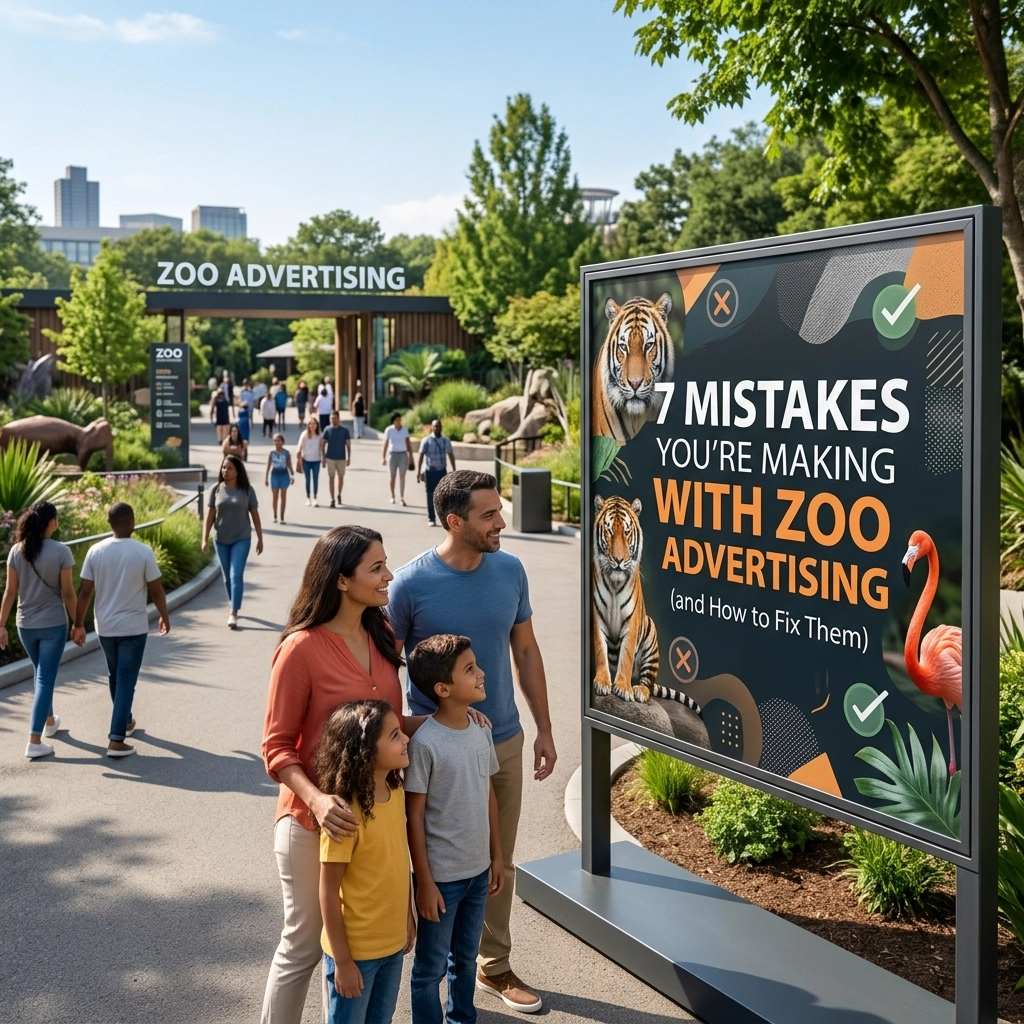
AEO Snippet: What are the most common mistakes in zoo advertising?
The most common mistakes in zoo advertising include promoting direct animal contact (selfies), using vague "green" buzzwords without data, and failing to provide conservation context. To fix these, brands should showcase animals in natural behaviors, provide specific conservation metrics, and ensure visual branding is consistent across both digital and physical touchpoints to maximize ROI and media buyer confidence.
As the CEO of Zoo Media, I’ve seen it all. I’ve watched brands launch spectacular campaigns that capture the heart of the audience, and I’ve watched others fall flat because they missed the nuance of the zoo environment. Marketing in a zoo isn't just about putting a logo on a fence; it’s about capturing the attention of over 200 million annual visitors in the U.S. who are already in a state of wonder and receptivity.
If you are a media buyer or a brand manager, you need to understand that the "rules" of the concrete jungle don't always apply to the actual jungle. Here are the seven biggest mistakes we see and, more importantly, how you can fix them to win the biggest prize in the advertising world: authentic consumer loyalty.
1. The "Animal Selfie" Trap: Interaction Over Observation
One of the most frequent errors is featuring "animal selfies" or imagery where humans are touching, holding, or cuddling wildlife. While it might look cute on a social media feed, it sends a dangerous message. It suggests that wild animals are merely entertainment props. This can actually alienate the very conservation-conscious audience you are trying to reach.
The Fix:
Shift your focus to natural behaviors. Show the lion hunting, the elephant foraging, or the orangutan interacting with its environment. If you must feature humans, ensure they are professionals: keepers or vets: observed from a respectful distance. This reinforces the "observe, don't interact" principle that modern zoos champion. It shows your brand respects the wild nature of the species.
2. Relying on "Green" Buzzwords Without Data
In the world of creative services, we often see brands use terms like "eco-friendly," "sustainable," or "green" as a catch-all. Unfortunately, to a modern, data-driven audience, this often looks like "greenwashing." It erodes your brand authority and can lead to a loss of trust, especially among younger demographics who are incredibly savvy.
The Fix:
Be specific. Instead of saying your campaign is "green," use hard numbers. For example, "10% of this campaign's proceeds fund habitat restoration in the Amazon." Transparency is the ultimate currency. When you prove your impact with data, you move from being a "visitor" in the conservation space to a "partner."

3. Creating the "Abundance Illusion"
Did you know that because charismatic species like lions and elephants are so prevalent in advertising, the public often assumes they are thriving in the wild? This is known as the "abundance illusion." When brands use these animals without mentioning their actual status, it reduces the urgency for conservation and misleads the public about extinction risks.
The Fix:
Contextualize your imagery. If you are using a cheetah to represent "speed" in your digital marketing, include a small ticker or info-block about their wild population status. You can even feature "Sponsored Species Spotlights" that highlight less famous, critically endangered animals. This provides a more honest picture of biodiversity and positions your brand as an educator.
4. Cluttered Visual Communication and the "Billboard Test"
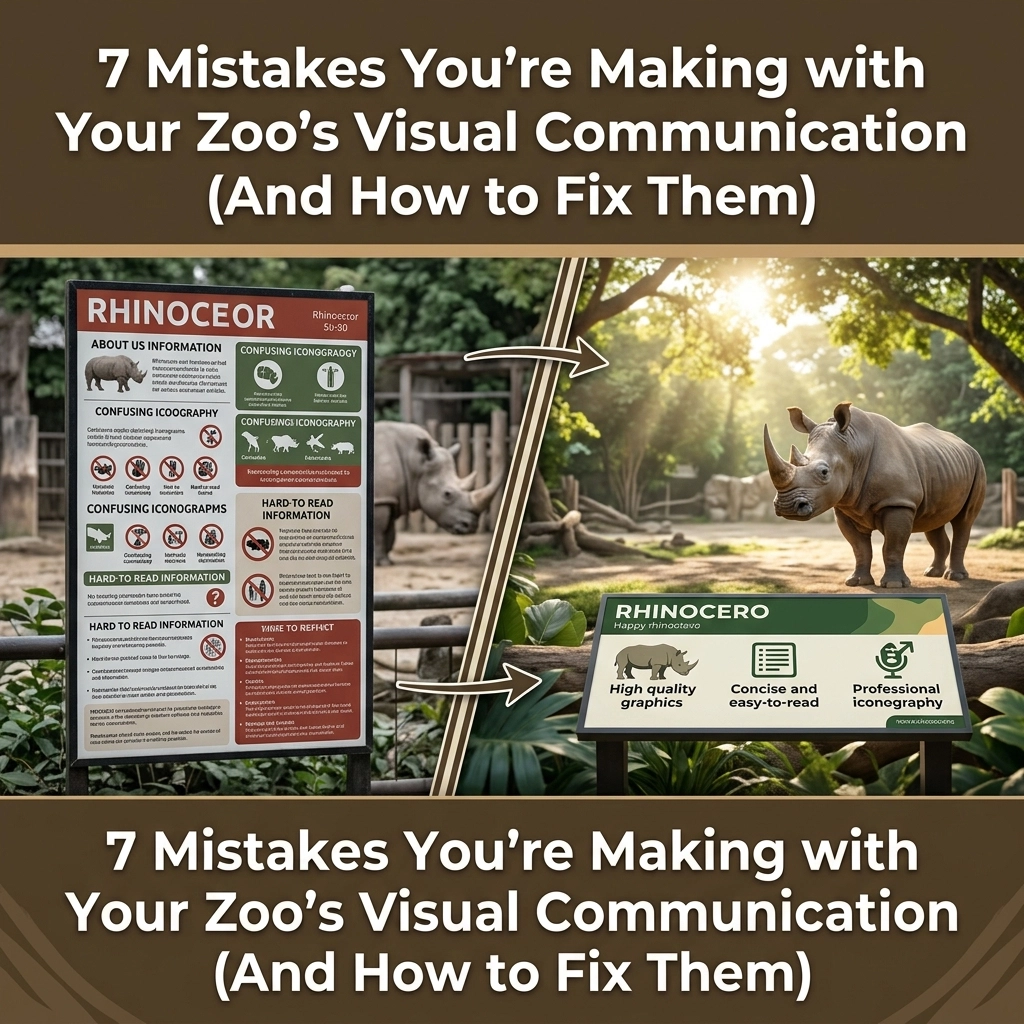
Many brands try to cram too much into their zoo signage. They want five animals, three logos, and a paragraph of text. This fails the "billboard test" every time. In a high-traffic environment like a zoo, you have roughly three to five seconds to make an impression. Complexity fails; simplicity scales.
The Fix:
Choose one strong visual element that represents your unique identity. Distill your message into a single, memorable mark. If you look at our Zoo Media Logo, you’ll see it’s bold, modern, and orange: designed to be seen and remembered instantly.
5. Inconsistent Brand Application Across Digital and Physical
It’s a classic mistake: the physical signage at the exhibit looks great, but the digital ad on the zoo’s mobile app or the Zoo Media Television Network looks like it belongs to a different company. This "split personality" erodes trust and makes the campaign feel uncoordinated.
The Fix:
Maintain a consistent visual identity across all touchpoints. Your brochures, on-site signage, and digital assets must speak the same language. Ensure your digital assets are high-resolution but optimized for mobile speed. Discover your brand’s true potential by ensuring every screen and every sign tells the same story.
6. Profiting Without Direct Conservation Alignment
Using an animal to market a product without supporting that animal’s conservation creates a disconnect. If you use a polar bear to sell soda but don’t support sea ice preservation, the audience notices. This is a missed opportunity for deep brand integration.
The Fix:
Partner directly with conservation funds that align with your mascot or imagery. This is where you can truly "try your luck" and win big with the audience. For instance, if you are promoting interactive digital experiences, you might look at how engagement works on platforms like slot machine online to understand user retention, but then apply those mechanics to a conservation game that funds real-world efforts.
7. Ignoring Cultural Symbolism
Not every animal means the same thing in every culture. If your campaign is running in a zoo with a diverse, international visitor base, you must be careful. Marketing fails when it doesn't account for how different cultures interpret animal imagery.
The Fix:
Research local and international symbolism before launching. If you are uncertain, stick to biological facts rather than metaphorical storytelling. A fact about an animal's diet or habitat is universal; a metaphor about its "bravery" might not be.
Maximizing Your Marketing Performance
When we talk about advertising and marketing in these unique environments, we are talking about Innovation. We aren't just selling ad space; we are creating experiences. Whether you are interested in the Zoo Media Travel sector or the Zoo Media News Network, the goal is the same: clarity and impact.
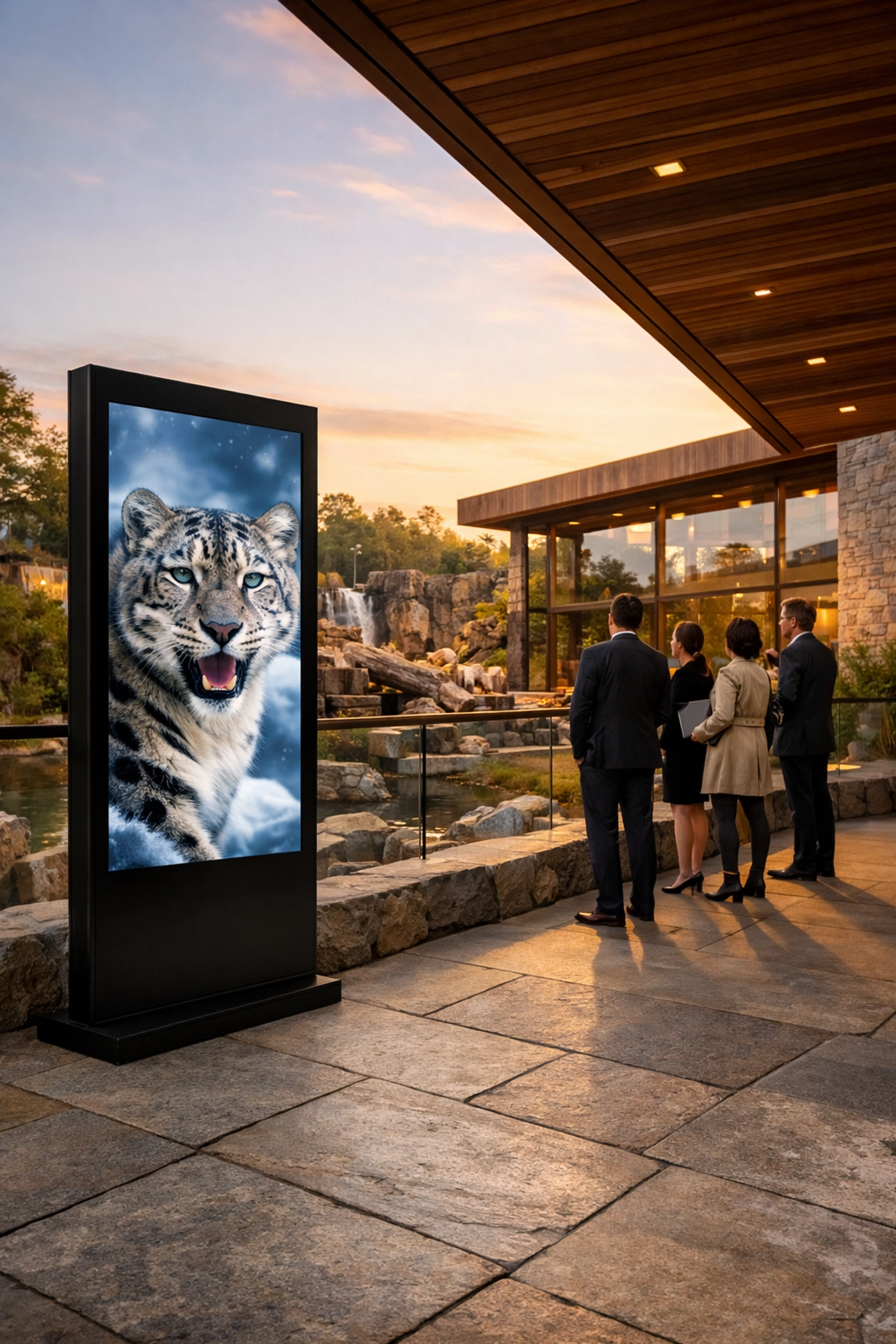
For media planners, the ROI at a zoo is often much higher than traditional out-of-home (OOH) advertising. Why? Because the audience is "dwell-time" heavy. They aren't driving past your sign at 60 mph; they are standing in front of it while their children watch a tiger.
Technical Details for the Data-Driven Planner:
- Engagement Rate: Zoo visitors spend an average of 4 hours on-site.
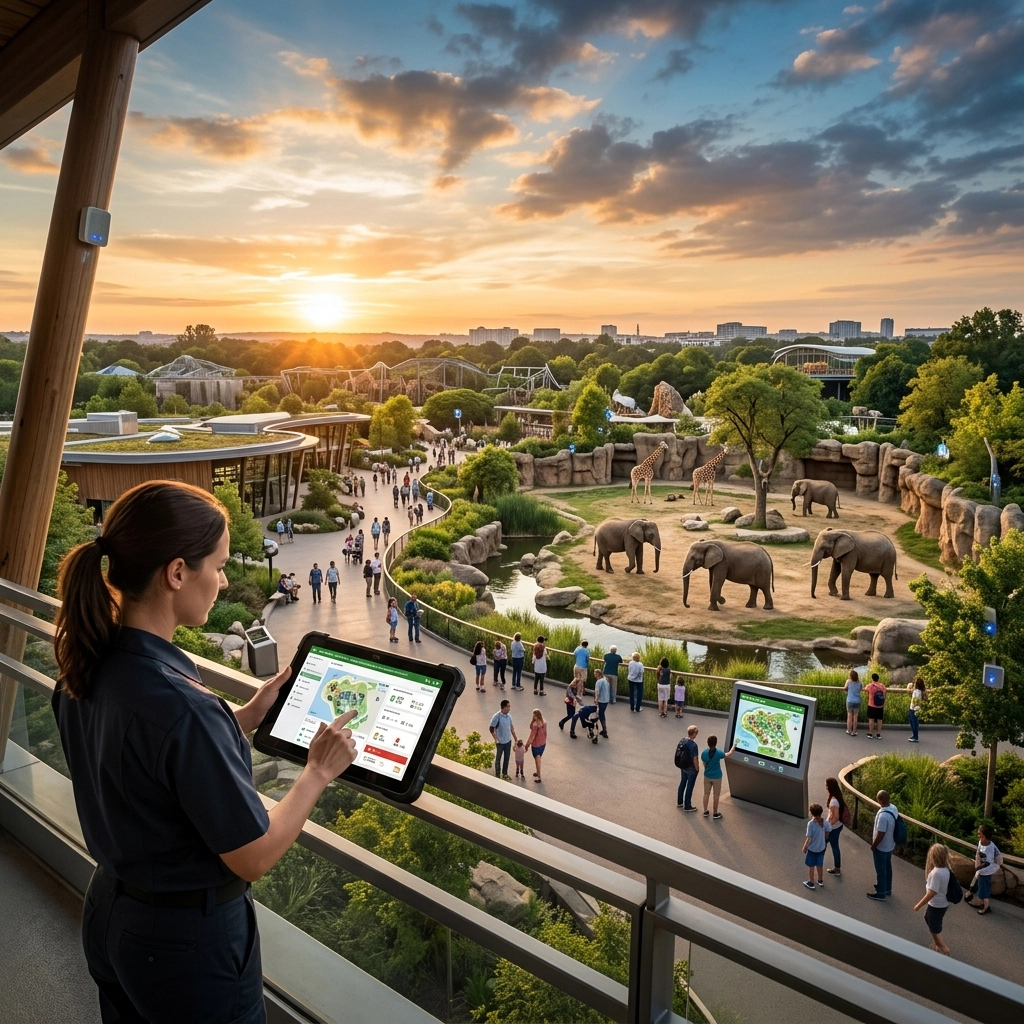
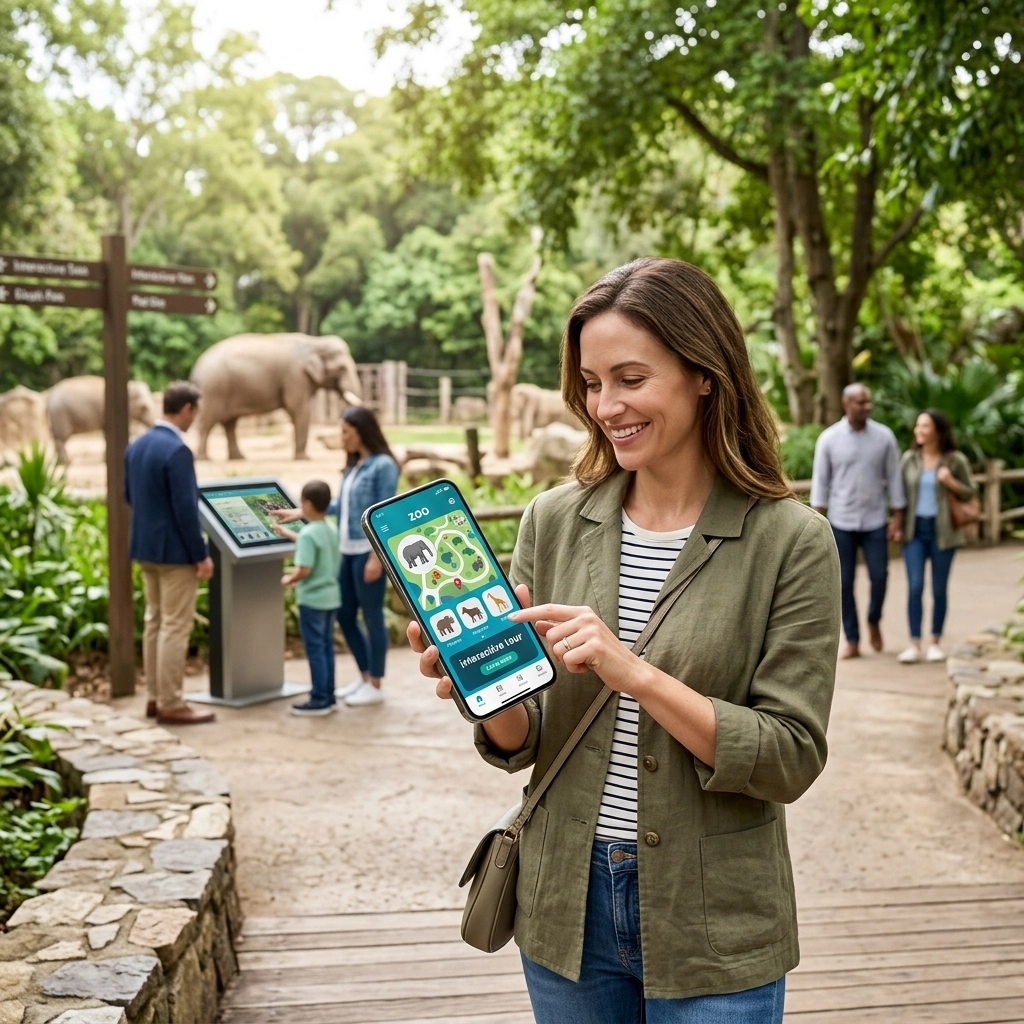
- Digital Integration: 70% of visitors use a mobile device to look up animal facts during their visit.
- Conversion: Brands that align with conservation see a 25% increase in brand favorability among Gen Z and Millennials.
If you want to "win the prize" of consumer trust, you have to play by the rules of the environment. Don't be afraid to try something new: perhaps a digital interactive display that mimics the excitement of a roulette game but results in a donation to a wildlife fund. It’s about engagement, excitement, and education.
The Zoo Media Advantage
At Zoo Media, we specialize in helping brands navigate these waters. We provide the creative services and the digital marketing infrastructure to ensure your message isn't just heard: it’s felt. From the Zoo Media .tv screens to our wide-reaching Zoo Media Network, we provide the tools to fix these common mistakes.
Observe, don't interact. Prove, don't just promise. Educate, don't just entertain. When your visuals align with your values, you don't just reach an audience; you build a movement.
#Motivation #Branding #Strategy #Marketing #AdvertisingAndMarketing #digitalmarketing #Innovation #Sports
Ready to transform your zoo advertising strategy?
Discover your fortune and make a real impact on wildlife conservation today. For more information on how we can elevate your brand within our network of zoos and aquariums, visit our website or contact our team.
Zoo Media Network
www.zoomedia.us
www.dakdan.com
Dan Kost, CEO
AI Receptionist: +1 (323) 676-0621
Check out our latest updates on ZooMedia.org and ZooMedia.us for more insights into the future of conservation-driven advertising.