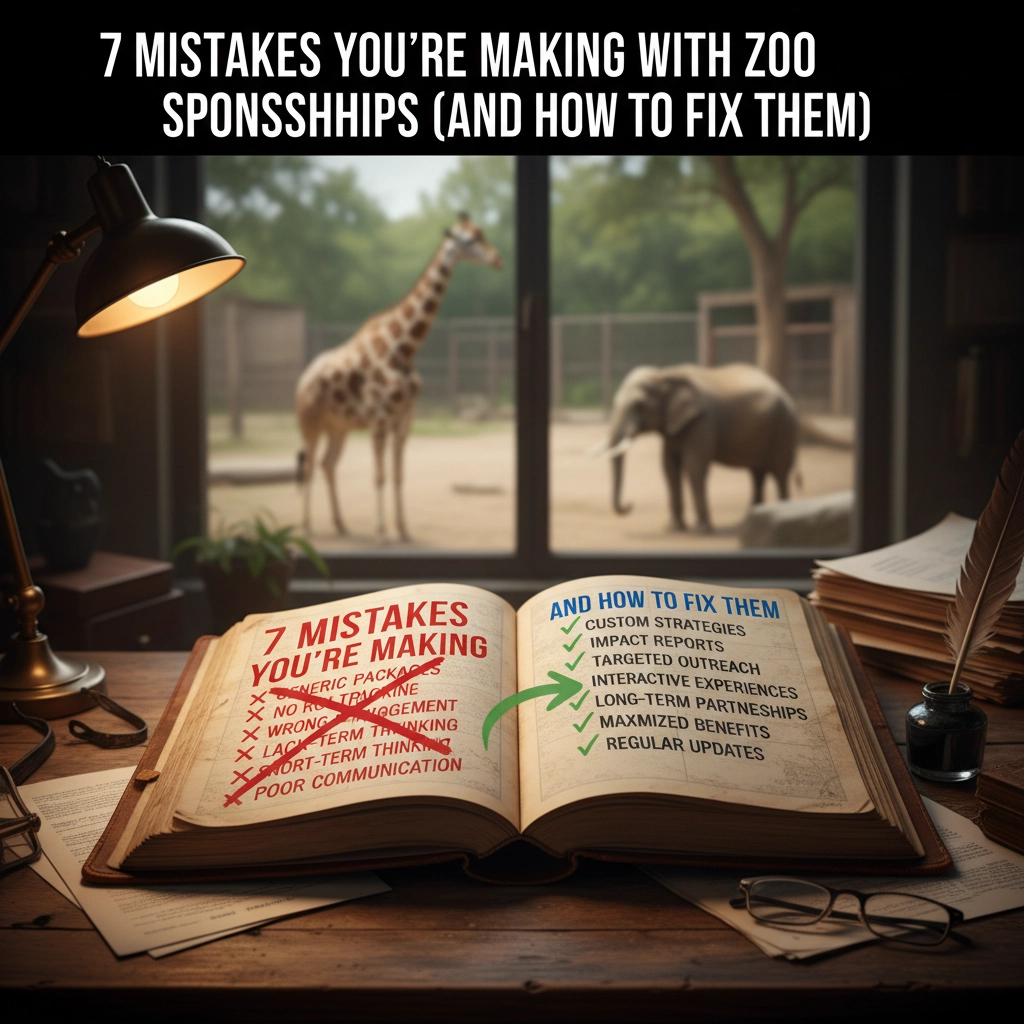
Zoo sponsorships represent one of the most untapped revenue streams in the entertainment industry. With millions of visitors annually seeking authentic experiences, zoos offer sponsors unique opportunities to connect with diverse, engaged audiences. Yet many zoos struggle to maximize their sponsorship potential, leaving significant revenue on the table while missing chances to create meaningful partnerships that benefit both conservation efforts and corporate marketing objectives.
Mistake #1: Starting Your Sponsorship Hunt Too Late
The biggest mistake zoos make is treating sponsorship like a last-minute fundraising effort. Many zoo administrators begin reaching out to potential sponsors just months before major exhibits open or events launch, expecting companies to immediately jump on board.
The Reality Check: Corporate sponsorship decisions are made 12-18 months in advance, integrated into annual marketing budgets and strategic planning cycles. When you approach sponsors with short timelines, you're essentially asking them to reallocate already-committed resources.
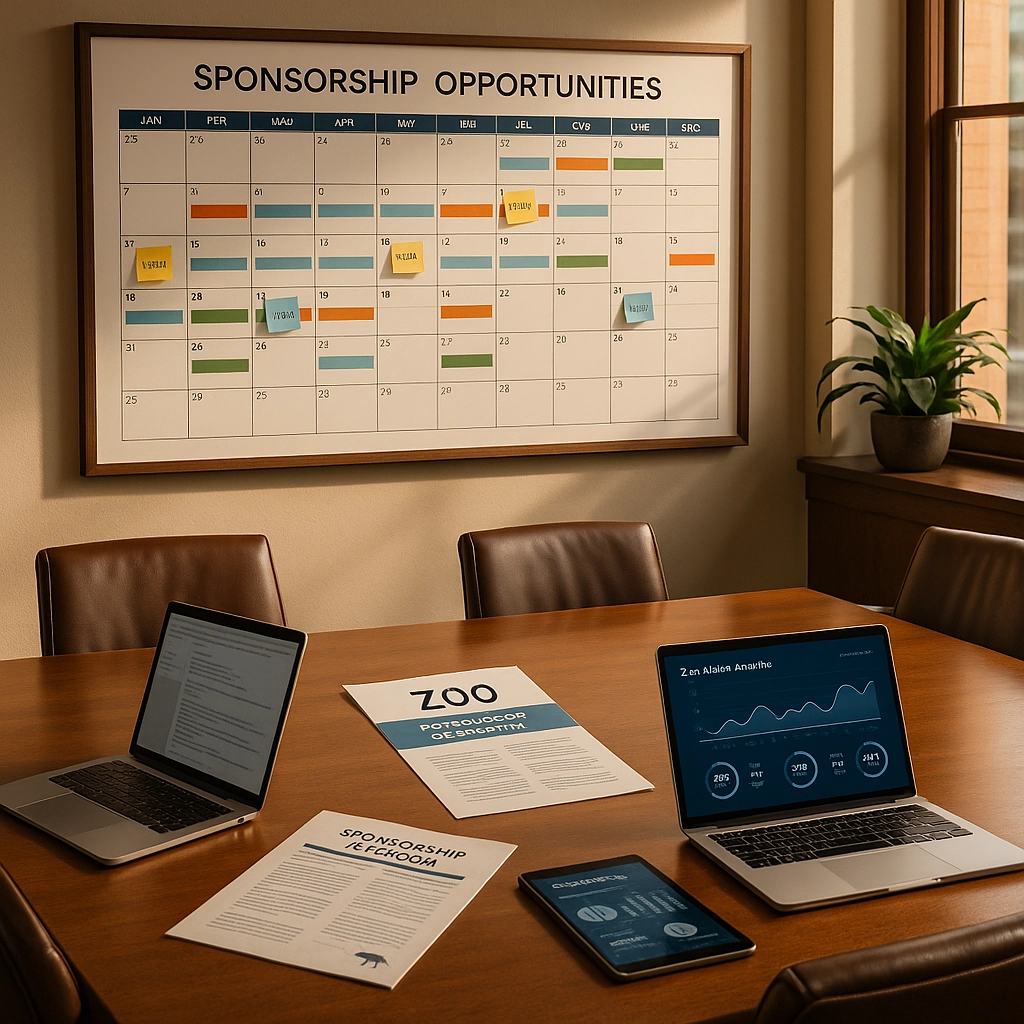
How to Fix It: Create a rolling 24-month sponsorship calendar that outlines all major opportunities – new exhibit openings, seasonal events, educational programs, and conservation initiatives. Begin outreach 15-18 months before each opportunity, giving sponsors adequate time to evaluate, budget, and develop activation strategies.
Start building relationships during "off" periods when there's no immediate ask. Invite potential sponsors for behind-the-scenes tours, conservation talks, or informal networking events. These relationship-building activities create the foundation for future partnerships.
Mistake #2: Treating Sponsors Like Donors Instead of Business Partners
This fundamental misunderstanding kills more zoo sponsorship deals than any other factor. Many zoos approach companies with a charity mindset, emphasizing conservation needs rather than marketing opportunities.
Why This Fails: Sponsorship budgets come from marketing departments, not charitable giving funds. Marketing directors need to justify every dollar spent by demonstrating measurable business value – brand exposure, lead generation, customer engagement, or market penetration.
The Solution: Completely reframe your sponsorship proposals around business value. Instead of "Help us save endangered species," lead with "Reach 2.3 million annual visitors from your target demographic." Replace conservation statistics with marketing metrics – visitor demographics, engagement rates, social media reach, and brand exposure opportunities.
Develop comprehensive media kits that include visitor surveys, demographic breakdowns, social media analytics, and case studies from previous successful partnerships. Make it easy for sponsors to calculate their potential return on investment.
Mistake #3: Undervaluing Your Assets and Over-Discounting
Zoo administrators often lack confidence in their sponsorship value proposition, leading to aggressive discounting that undermines long-term revenue potential and creates unrealistic expectations for future partnerships.
The Problem: Deep discounts signal low value rather than good deals. When you offer a $50,000 sponsorship package for $15,000, sponsors question whether the original price was artificially inflated or if the opportunity lacks real value.
Strategic Pricing: Calculate actual costs for each sponsorship component – signage, printing, staff time, promotional materials, and opportunity costs. Research comparable sponsorship rates at similar attractions, sports venues, and entertainment properties in your market.
Build packages with clear value propositions. A $25,000 exhibit sponsorship should include quantifiable benefits: logo placement reaching X visitors monthly, Y social media impressions, Z promotional opportunities, and specific activation rights. Price packages based on demonstrated value, not arbitrary numbers.
Mistake #4: Ignoring Audience-Sponsor Alignment
Zoos often pursue any sponsor willing to write a check, regardless of whether their products or services align with zoo audiences. This mismatch leads to poor performance for sponsors and difficult renewal conversations.
Why Alignment Matters: A luxury car dealership sponsoring your reptile house might sound lucrative, but if your visitors are primarily families with young children, the sponsor won't see meaningful results. Failed partnerships damage your reputation and make future sponsorship sales more difficult.
Better Targeting: Analyze your visitor demographics thoroughly – age ranges, income levels, family composition, geographic distribution, and interests. Identify companies whose target customers overlap significantly with your audience.
Family-oriented brands, outdoor recreation companies, educational technology firms, and environmentally conscious businesses typically align well with zoo audiences. Create target sponsor lists based on audience alignment rather than sponsorship budget size alone.

Mistake #5: Failing to Develop Activation Strategies
Many zoos focus exclusively on securing sponsorship agreements without investing in activation programs that help sponsors achieve their marketing objectives. This approach reduces sponsor satisfaction and decreases renewal likelihood.
The Activation Gap: Simply displaying a sponsor's logo doesn't create meaningful engagement or drive business results. Sponsors need interactive experiences, customer touchpoints, and measurable outcomes to justify their investment.
Comprehensive Activation: Dedicate 20-30% of your sponsorship revenue to activation programming. Work collaboratively with sponsors to develop creative engagement opportunities:
- Interactive educational stations featuring sponsor messaging
- Family photo opportunities with sponsored backdrops
- Digital integration through QR codes, apps, or social media campaigns
- Exclusive sponsor events or early access programs
- Cross-promotional opportunities with local marketing initiatives
Regular performance reporting demonstrates value and strengthens relationships for future renewals.
Mistake #6: Overlooking Multi-Year Partnership Opportunities
Short-term thinking limits revenue potential and relationship development. Most zoos approach each sponsorship as a single-year commitment, missing opportunities for deeper, more valuable long-term partnerships.
Short-Term Limitations: Annual renewals require constant sales effort, relationship rebuilding, and price renegotiation. Sponsors invest significant time learning your audience and developing effective activation strategies – value that's lost with short-term commitments.
Long-Term Strategy: Proactively propose multi-year agreements that offer increasing value over time. Consider providing modest discounts for longer commitments while including benefits that grow with partnership duration:
- Years 1-2: Basic naming rights and logo placement
- Years 3-4: Enhanced activation opportunities and exclusive access
- Years 5+: Premium positioning and co-marketing opportunities
Multi-year agreements provide predictable revenue for operational planning while allowing sponsors to develop deeper brand integration and measure long-term marketing impact.
Mistake #7: Neglecting Sponsor Relationship Management
The final critical mistake involves treating sponsorship as a transactional relationship rather than an ongoing partnership requiring regular communication, performance tracking, and relationship nurturing.
Relationship Breakdown: Many zoos collect sponsorship payments and provide minimal ongoing communication until renewal time. This neglect leads to sponsor dissatisfaction, even when partnerships perform well technically.
Proactive Management: Assign dedicated relationship managers for major sponsors. Establish regular communication schedules with quarterly business reviews, monthly performance updates, and informal check-ins. Provide sponsors with detailed analytics, visitor feedback, and success stories that demonstrate partnership value.
Create sponsor appreciation programs, invite sponsors to special events, and involve them in conservation education initiatives. Strong relationships often lead to increased investment, contract extensions, and valuable referrals to other potential sponsors.
Ready to transform your zoo's sponsorship program? At Zoo Media, we specialize in helping entertainment venues maximize their partnership potential through strategic sponsorship development and comprehensive marketing solutions.
Contact our AI Receptionist at +1 (323) 676-0621 or visit www.dakdan.com to discover how our proven strategies can increase your sponsorship revenue while creating meaningful partnerships that support your conservation mission.
Dan Kost, CEO of Zoo Media, has helped entertainment venues across North America develop sustainable sponsorship programs that generate millions in annual revenue while strengthening community relationships and conservation impact.
#ZooMarketing #Sponsorship #PartnershipsStrategy #RevenueGeneration #AdvertisingAndMarketing #BusinessDevelopment #ConservationMarketing