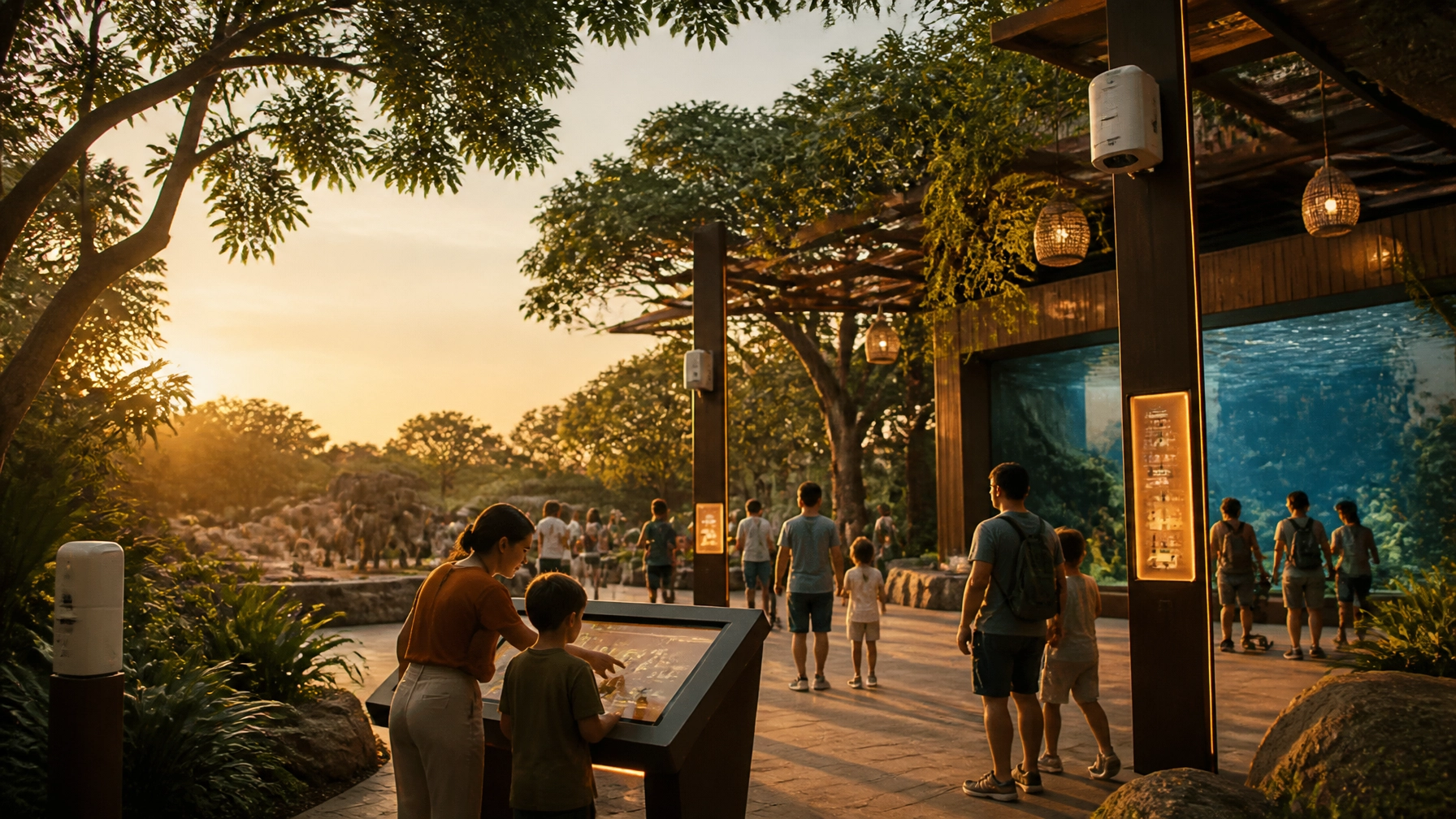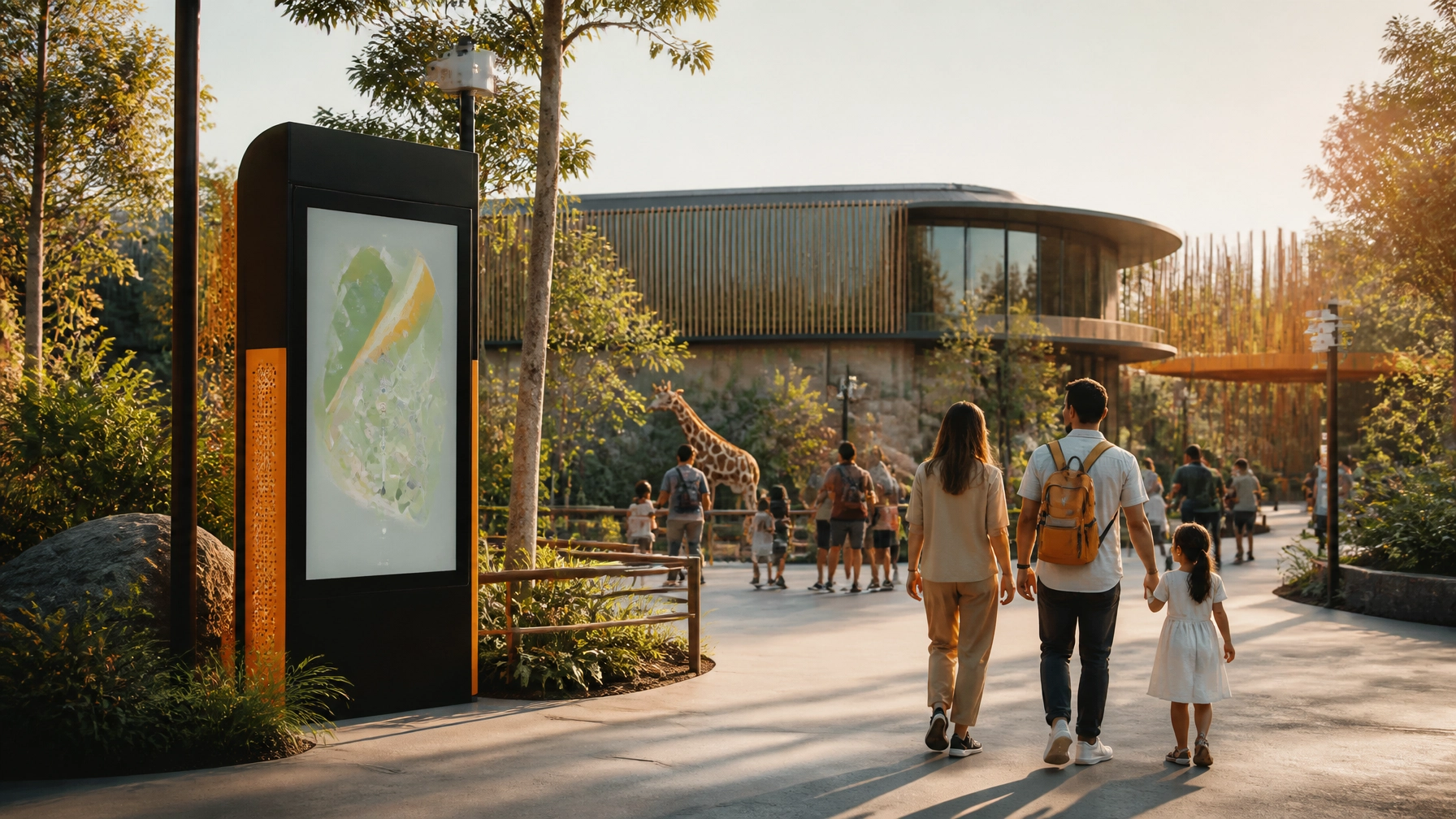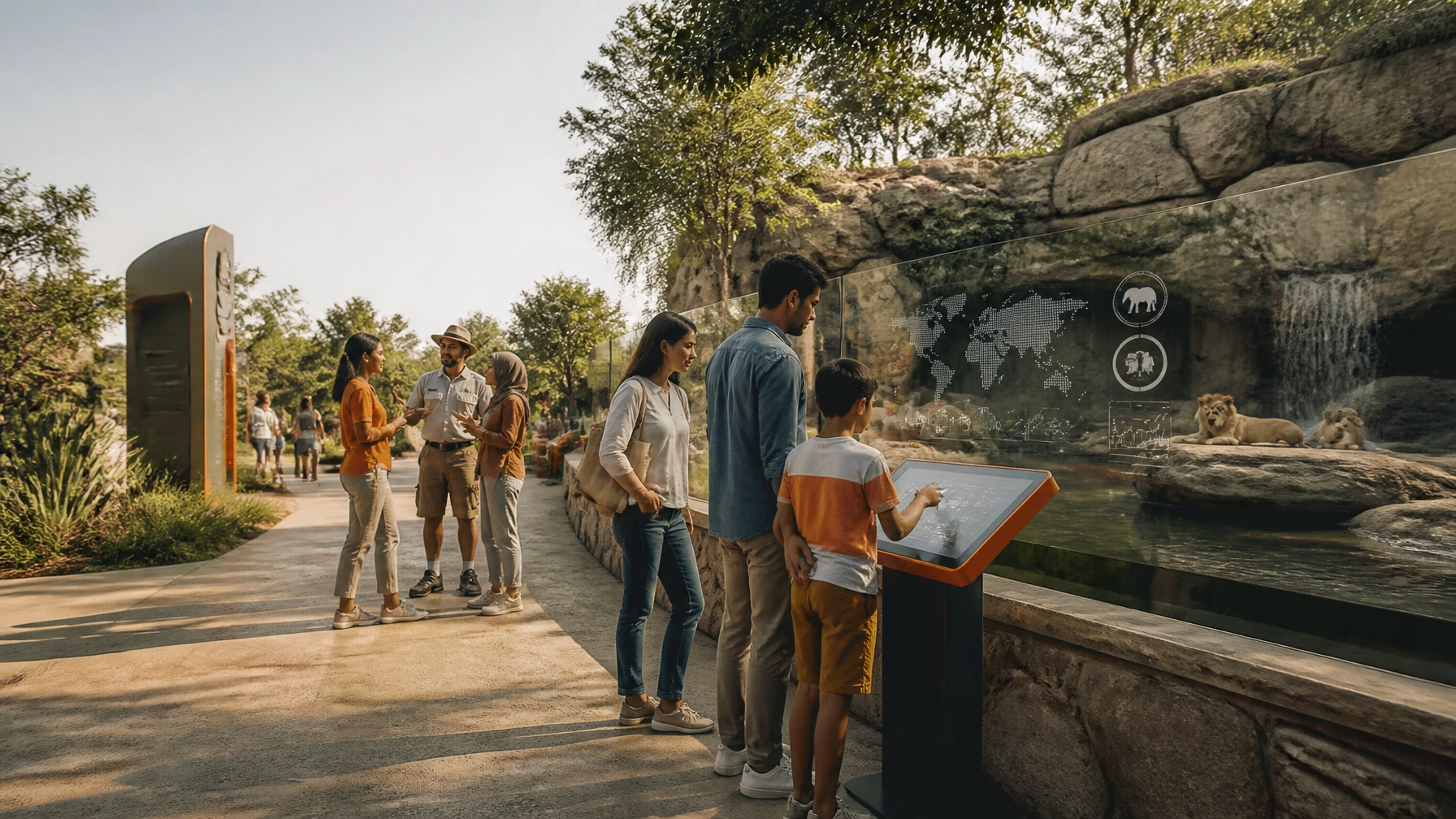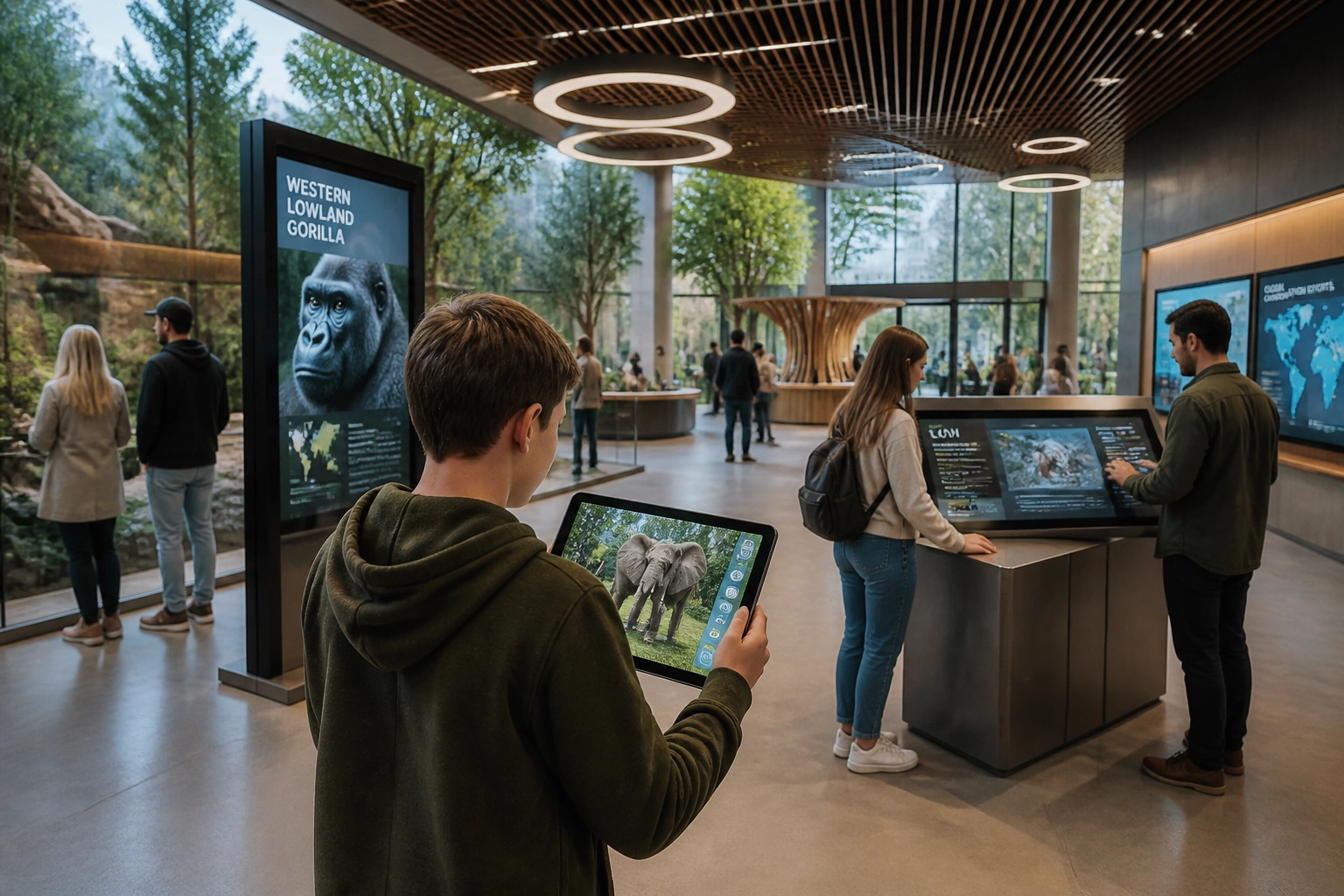
The days of visitors squinting at faded information boards and weathered plaques are rapidly coming to an end. Modern zoo-goers, armed with smartphones and raised on interactive digital experiences, expect more from their wildlife encounters than static text panels that often go unread.
Research from leading zoos worldwide reveals a clear trend: facilities that embrace interactive technology see significantly higher visitor engagement, longer dwell times, and improved educational outcomes. The Toronto Zoo's 1.3 million annual visitors and Columbus Zoo's 2.2 million guests have already experienced this transformation firsthand.
But are static displays truly obsolete? The answer isn't black and white. While traditional signage still serves accessibility needs, the future belongs to dynamic, personalized experiences that adapt to individual visitor preferences and learning styles.
The Problem with Traditional Zoo Displays
Static displays face multiple challenges in today's digital landscape. Weather exposure deteriorates printed materials, making text illegible within months. Information becomes outdated quickly, requiring costly reprints and installations. Most critically, static content fails to capture the attention of visitors accustomed to interactive media.
Studies show that traditional zoo signage receives minimal visitor attention, with most guests spending less than 15 seconds reading informational panels. This creates a significant gap between educational goals and actual learning outcomes.
1. Weather-Resistant Digital Signage Networks
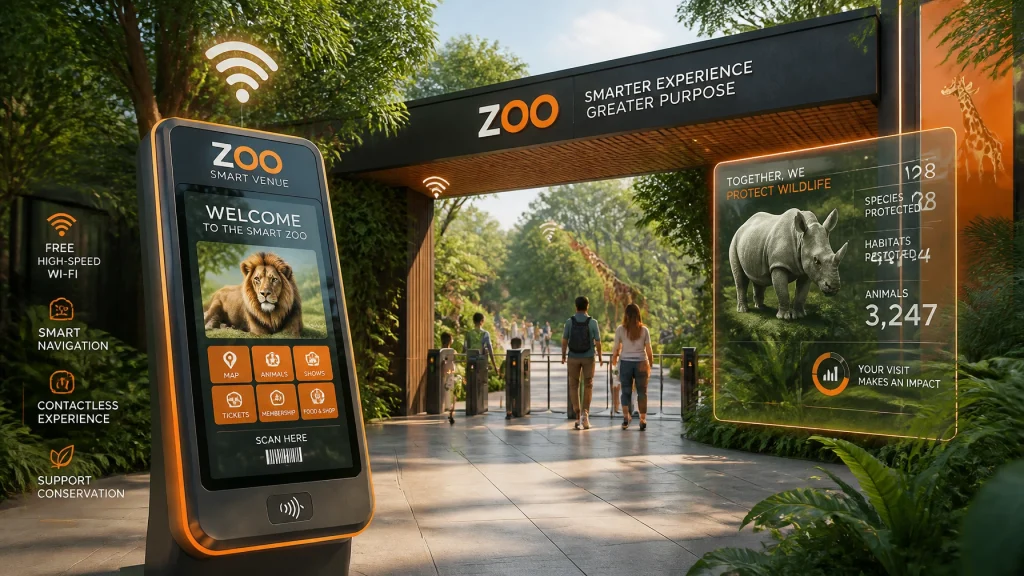
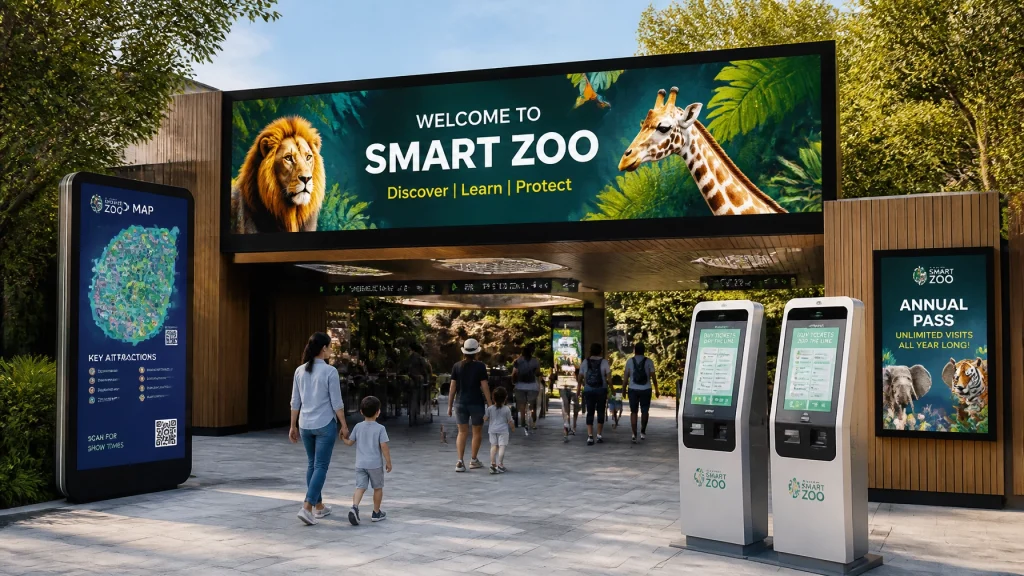
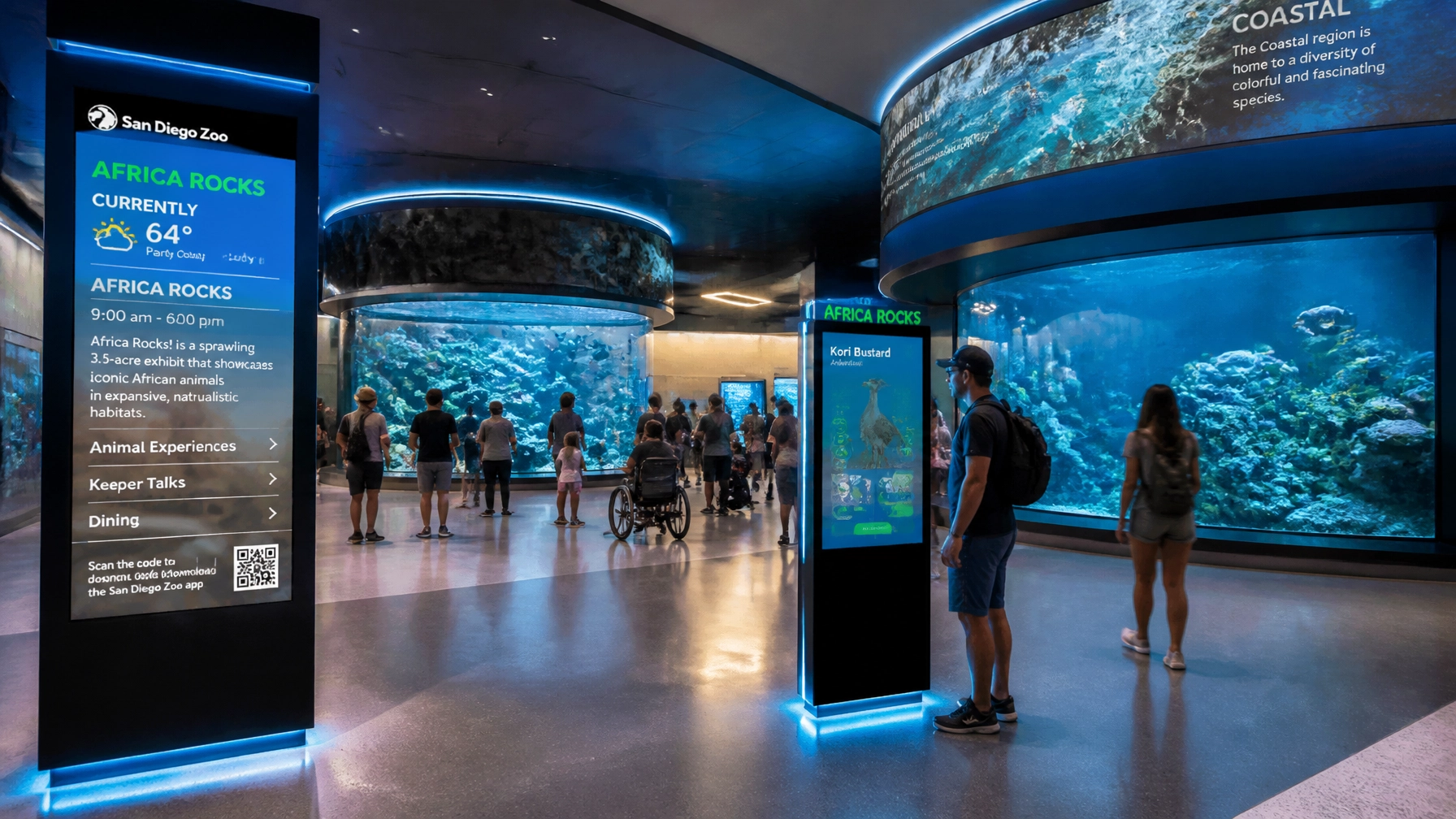
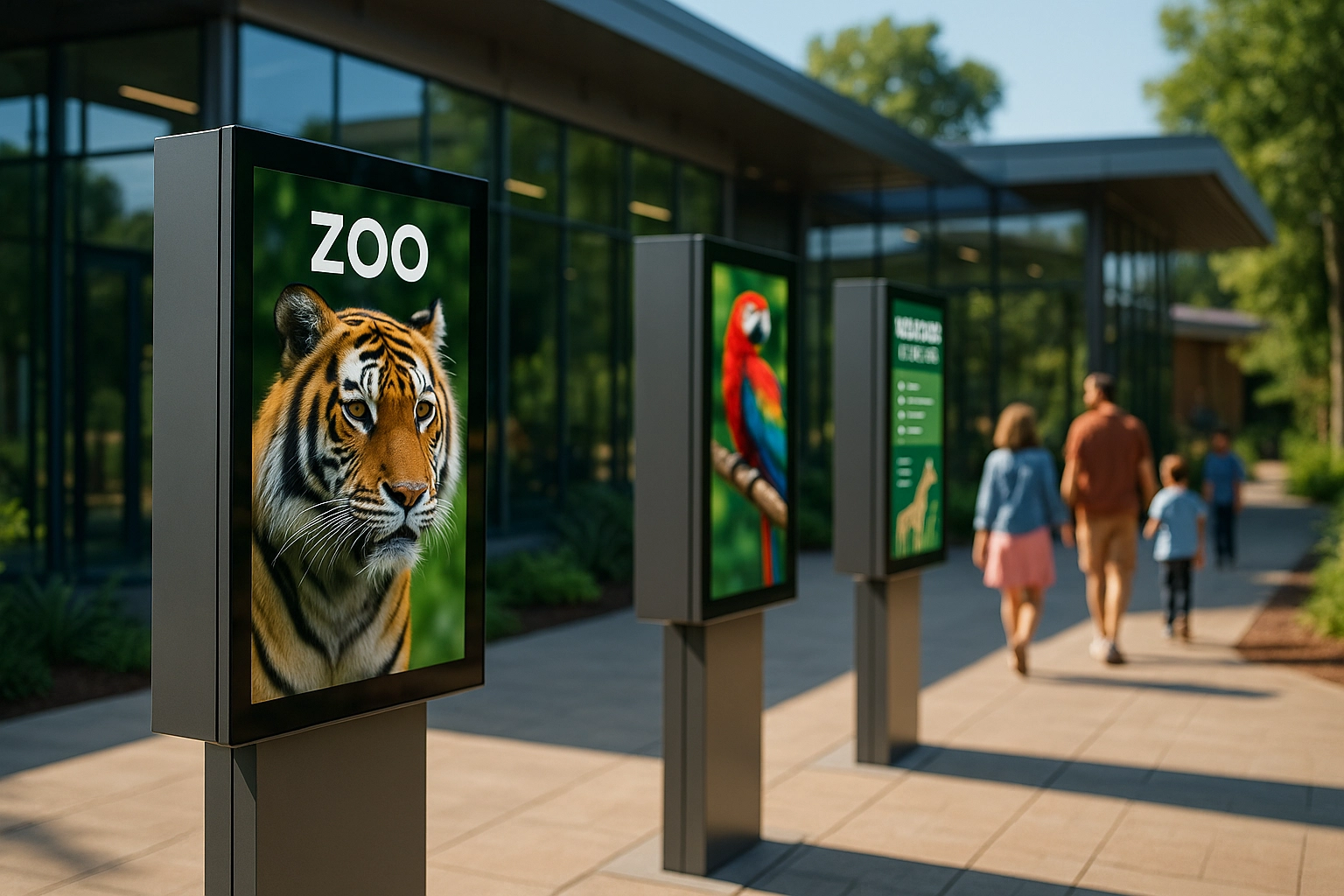
Outdoor Digital Displays represent the foundation of modern zoo communication infrastructure. Unlike traditional printed signs that fade and deteriorate, digital displays deliver crisp, updatable content regardless of weather conditions.
The Toronto Zoo's implementation of SunBriteDS Marquee Series displays at admission gates demonstrates this technology's potential. These systems function in extreme temperatures while supporting energy efficiency missions through solar integration capabilities.
Key Benefits:
- Real-time content updates
- Weather-resistant durability
- Multi-purpose functionality (information + advertising)
- Energy-efficient operation options
Columbus Zoo's partnership with Peerless-AV showcases how weatherproof digital signage keeps 2.2 million annual guests informed about zoo updates, events, and weather warnings without maintenance interruptions.
2. Augmented Reality Mobile Applications
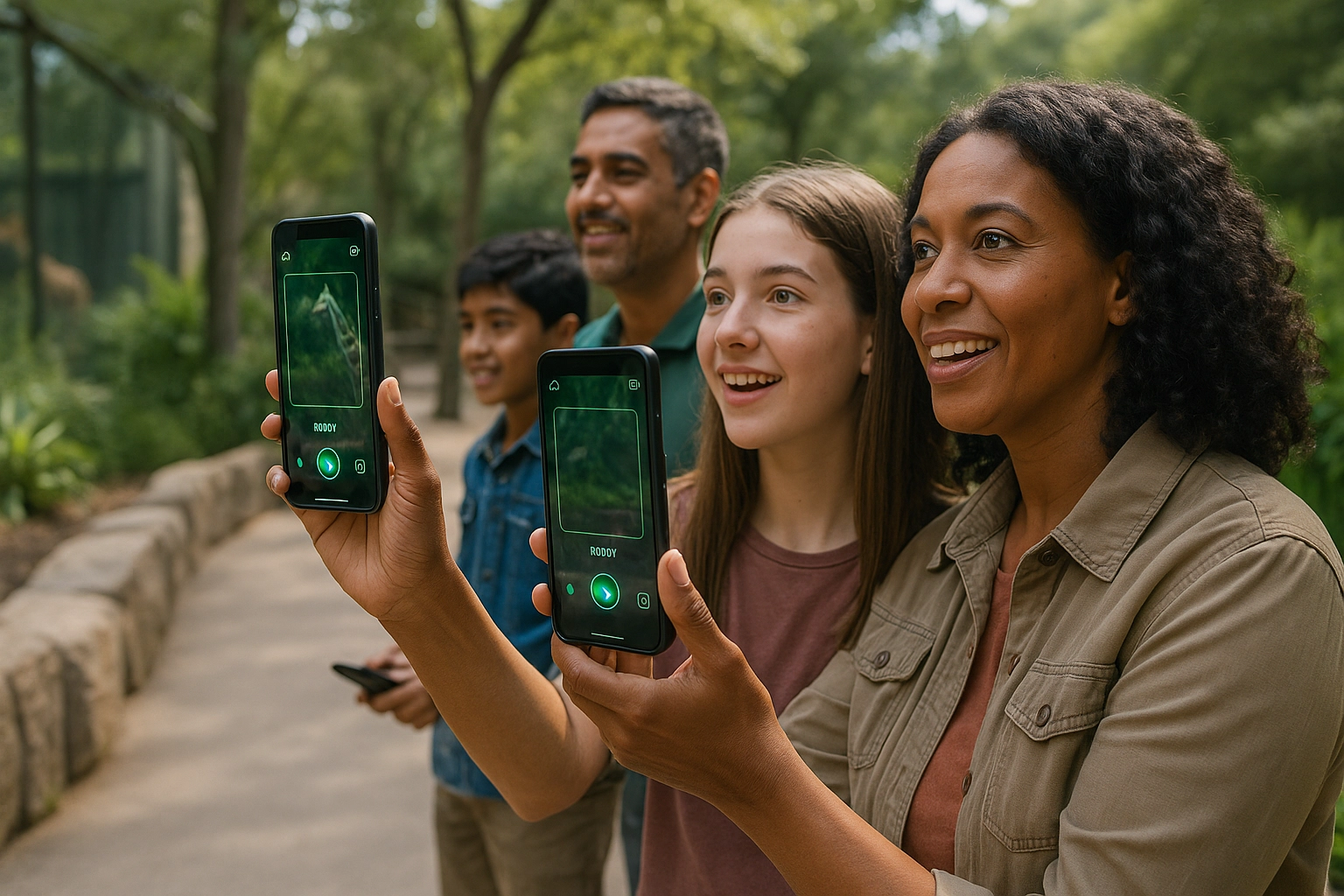
AR Mobile Apps have emerged as the most requested interactive technology among zoo visitors. Research indicates that guests view AR as a "highly positive" addition that significantly boosts engagement and encourages deeper animal observation.
These applications transform any smartphone into an interactive guide, overlaying rich multimedia content onto live exhibits. Visitors simply point their devices at enclosures to access videos, facts, conservation information, and even virtual feeding demonstrations.
Popular AR Features:
- Animal behavior explanations
- Species conservation status updates
- Interactive feeding schedules
- Multi-language support
- Photo overlay opportunities
3. Personalized Learning Analytics Platforms
Data-Driven Personalization revolutionizes how zoos deliver educational content by tracking visitor preferences and adapting information accordingly. These systems monitor which content receives the most interaction and how long visitors engage with different exhibits.
Advanced analytics platforms can identify that a visitor shows particular interest in birds, then automatically provide more avian-focused information throughout their zoo experience. This personalized approach increases retention and creates more meaningful connections between visitors and conservation messages.
ZooTampa exemplifies this approach by using technology to create emotional connections that inspire action, such as encouraging sustainable palm oil purchases after viewing orangutan exhibits.
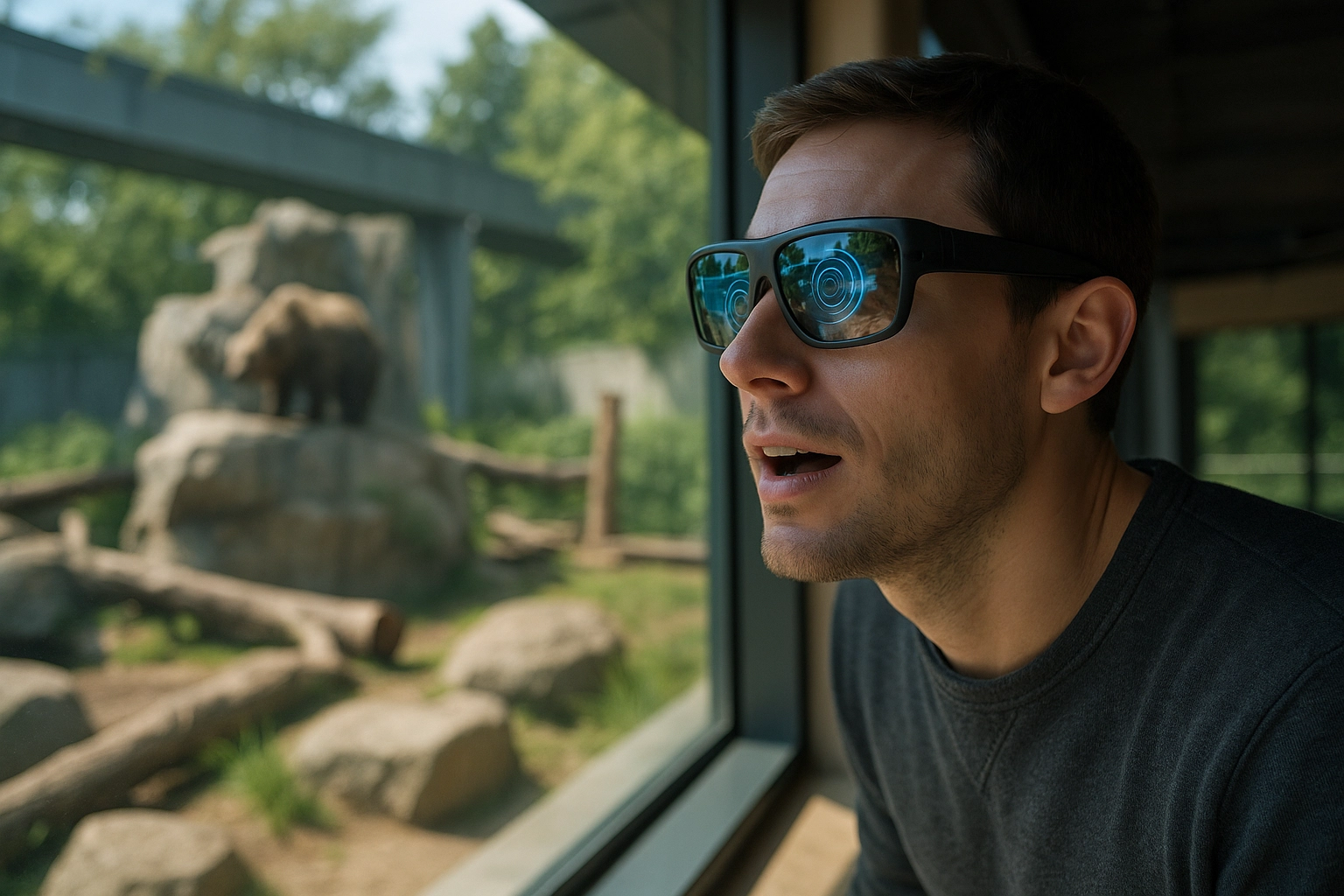
4. AR Glasses and Interactive Kiosks
Next-Generation AR Hardware positions forward-thinking zoos for the future of visitor experiences. Disney's Animal Kingdom has tested AR viewers and kiosks that overlay information directly onto exhibits without requiring personal devices.
Future implementations may include:
- Rental AR glasses with automatic exhibit recognition
- Multi-language translation overlays
- Virtual guide characters
- Premium experience packages
These technologies command higher ticket prices while delivering unparalleled immersive experiences that traditional displays cannot match.
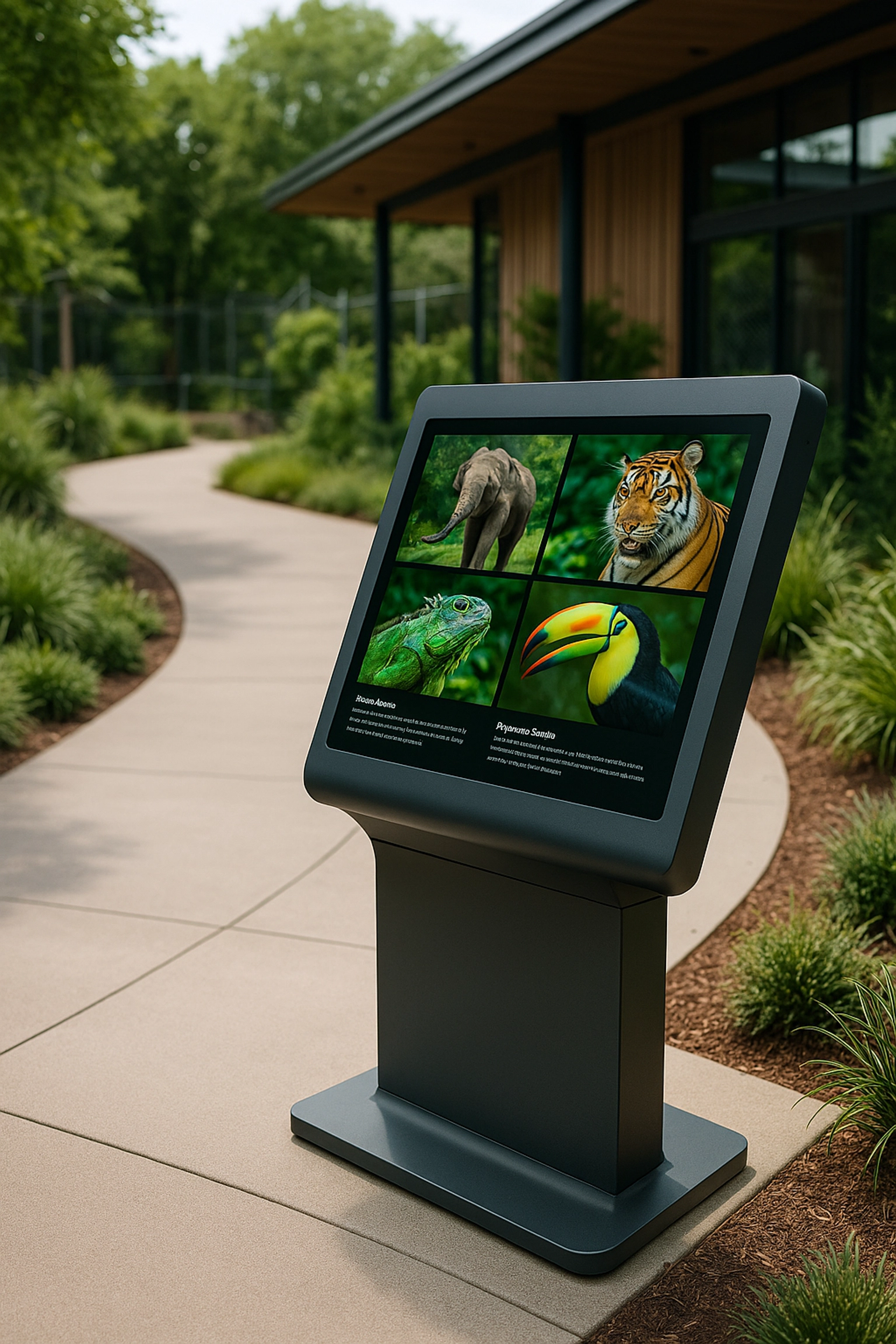
5. High-Definition Video Networks
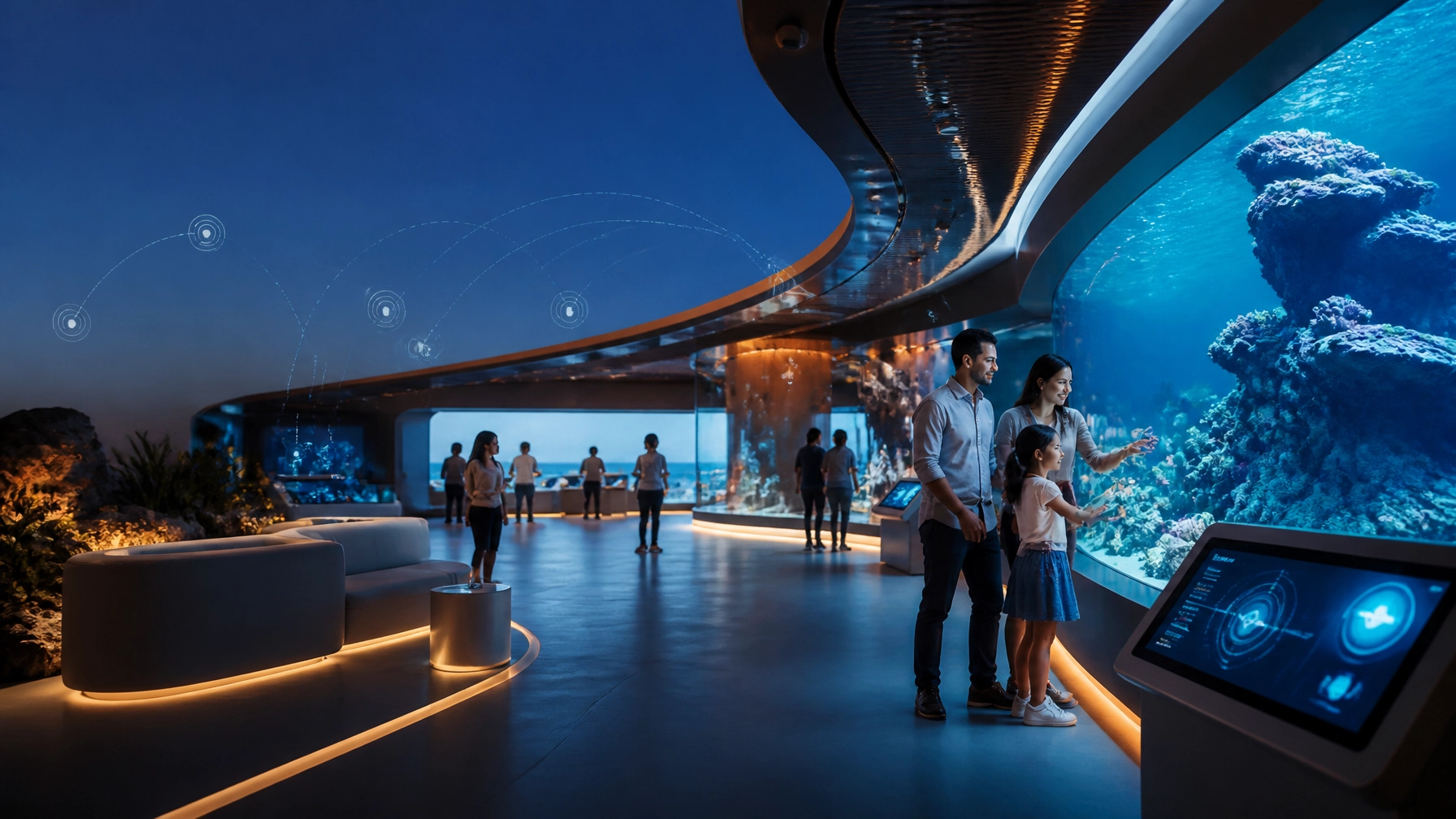
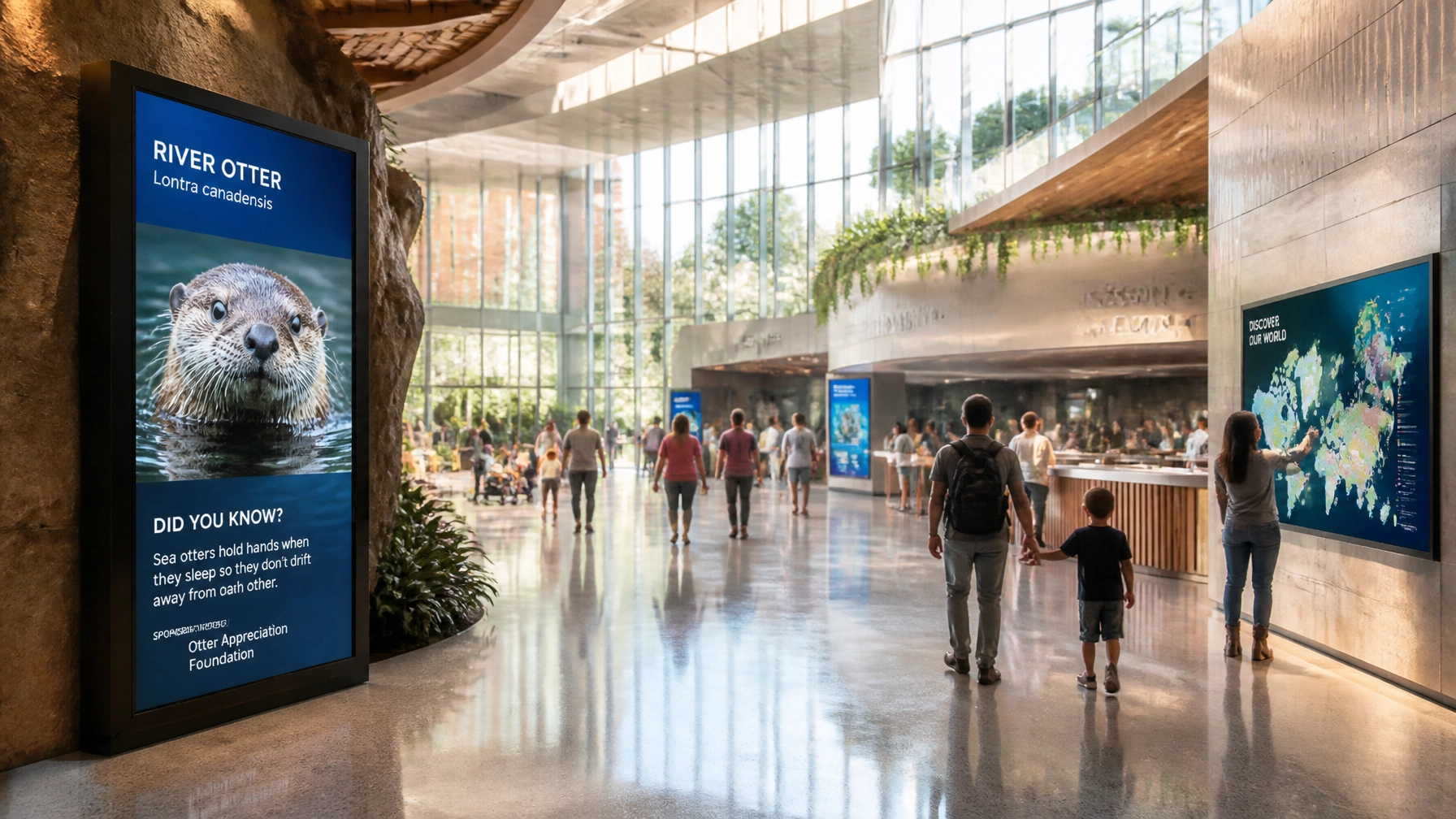
Interactive Multimedia Systems supplement live animal viewing with rich background content. These networks provide educational videos, fun facts, and behavioral explanations that enhance visitor experiences beyond what's possible with static displays.
When animals are sleeping, hiding, or not visible, interactive video displays ensure visitors still receive valuable educational content. This technology particularly benefits exhibits with nocturnal species or seasonal animal rotations.
Advanced Features:
- Motion-activated content delivery
- Time-based information scheduling
- Integration with feeding demonstrations
- Multi-screen synchronized experiences
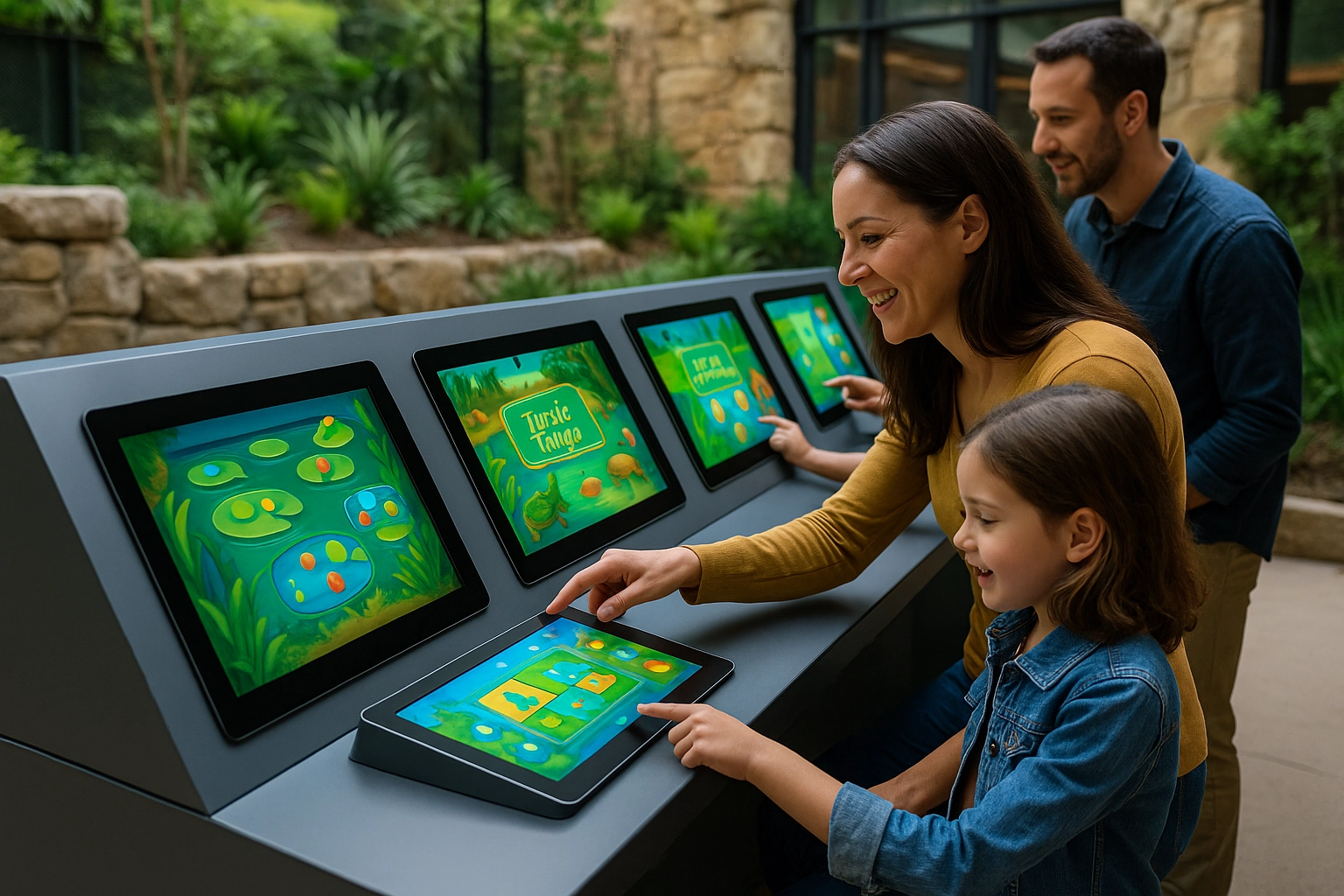
6. Smart Interactive Gaming Elements
Gamification Technologies transform learning into entertainment, addressing the reality that visitors aren't naturally drawn to lecture-style education. Interactive quiz stations, digital scavenger hunts, and conservation challenge games create memorable educational experiences.
These systems recognize that effective zoo education must feel like entertainment rather than instruction. Successful implementations include:
- Species identification challenges
- Habitat construction games
- Conservation decision simulators
- Photo sharing and social integration
7. Voice-Activated Information Systems
Smart Audio Guides provide hands-free information access while visitors observe animals. These systems use voice recognition to answer specific questions and adapt content based on visitor age groups and interests.
Unlike traditional audio tours with predetermined scripts, modern voice-activated systems offer conversational interfaces that respond to natural language queries. Families with children can access age-appropriate content while serious researchers receive detailed scientific information.
Implementation Strategy for Modern Zoos
Successful technology integration requires careful planning and phased implementation. Leading zoos recommend starting with mobile AR applications and weather-resistant digital signage before advancing to more complex systems.
Phase 1: Mobile apps and basic digital displays
Phase 2: Interactive kiosks and video networks
Phase 3: Advanced AR hardware and gaming elements
Phase 4: AI-powered personalization and voice systems
The Hybrid Future
The most successful zoos aren't completely eliminating static displays but creating hybrid environments where traditional signage works alongside interactive technologies. This approach accommodates different visitor preferences, technological comfort levels, and accessibility needs.
Physical interpretation boards still serve important functions for visitors with limited technology access or those preferring traditional learning methods. The key is providing multiple engagement options rather than forcing a single approach.
Return on Investment
Interactive technologies deliver measurable returns through increased visitor satisfaction, longer stay durations, and higher return visit rates. Zoos implementing comprehensive interactive systems report:
- 35% increase in average visit length
- 45% improvement in educational outcome assessments
- 25% boost in membership conversions
- 60% increase in social media engagement
Moving Forward
Static zoo displays aren't completely dead, but they're insufficient for meeting modern visitor expectations. The future belongs to dynamic, personalized experiences that combine entertainment with education while supporting conservation messaging.
Zoos that embrace interactive technologies position themselves as leaders in both education and conservation, creating lasting connections between visitors and wildlife that inspire real-world action.
Ready to transform your organization's visitor experience? Contact Dan Kost, CEO at www.dakdan.com or call our AI Receptionist at +1 (323) 676-0621 to discover how Zoo Media's integrated advertising solutions can help you implement cutting-edge interactive technologies that engage modern audiences while achieving your educational and conservation goals.
#Innovation #DigitalMarketing #TechnologySolutions #VisitorExperience #InteractiveMedia #ZooTechnology #AdvertisingAndMarketing