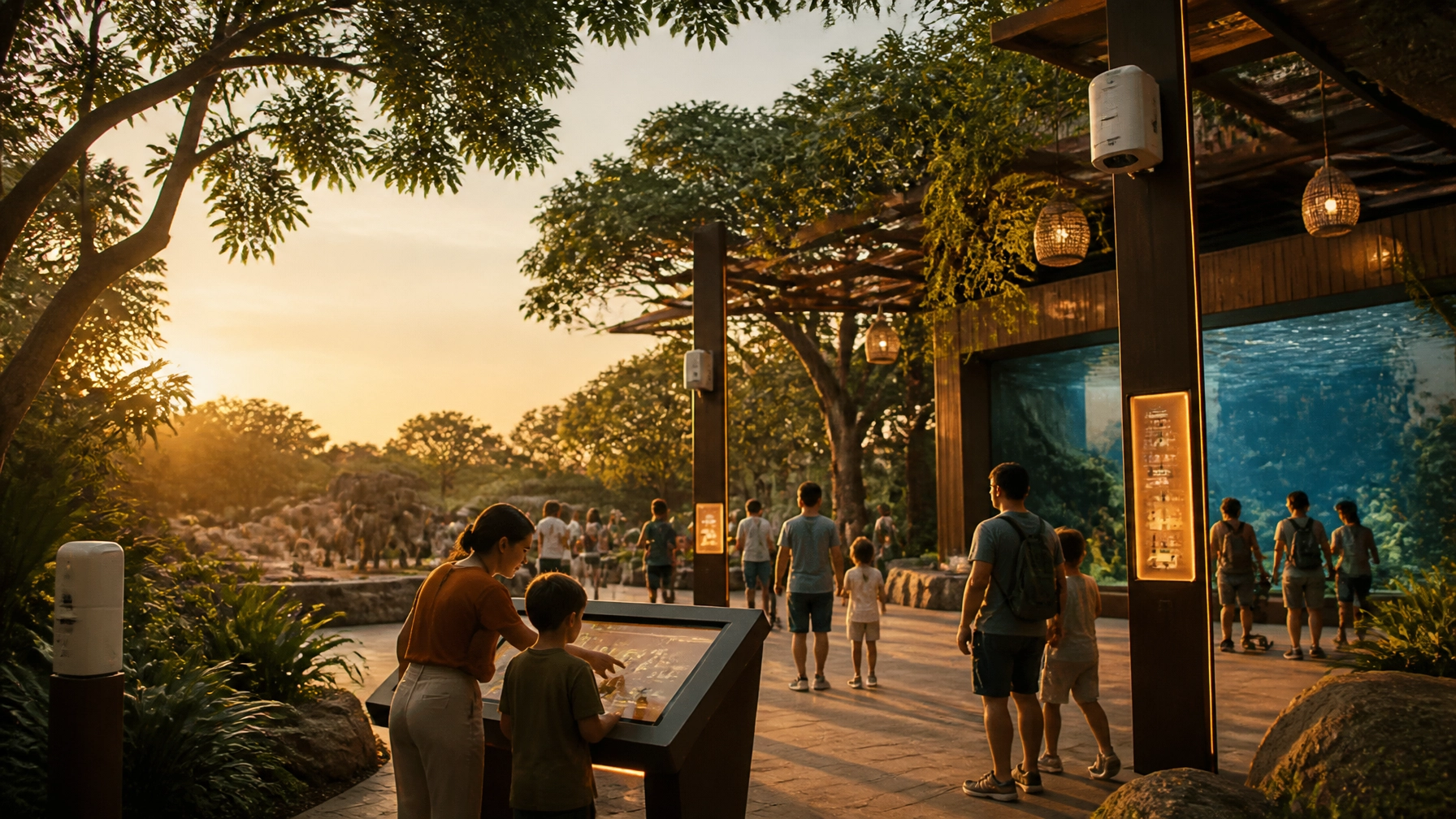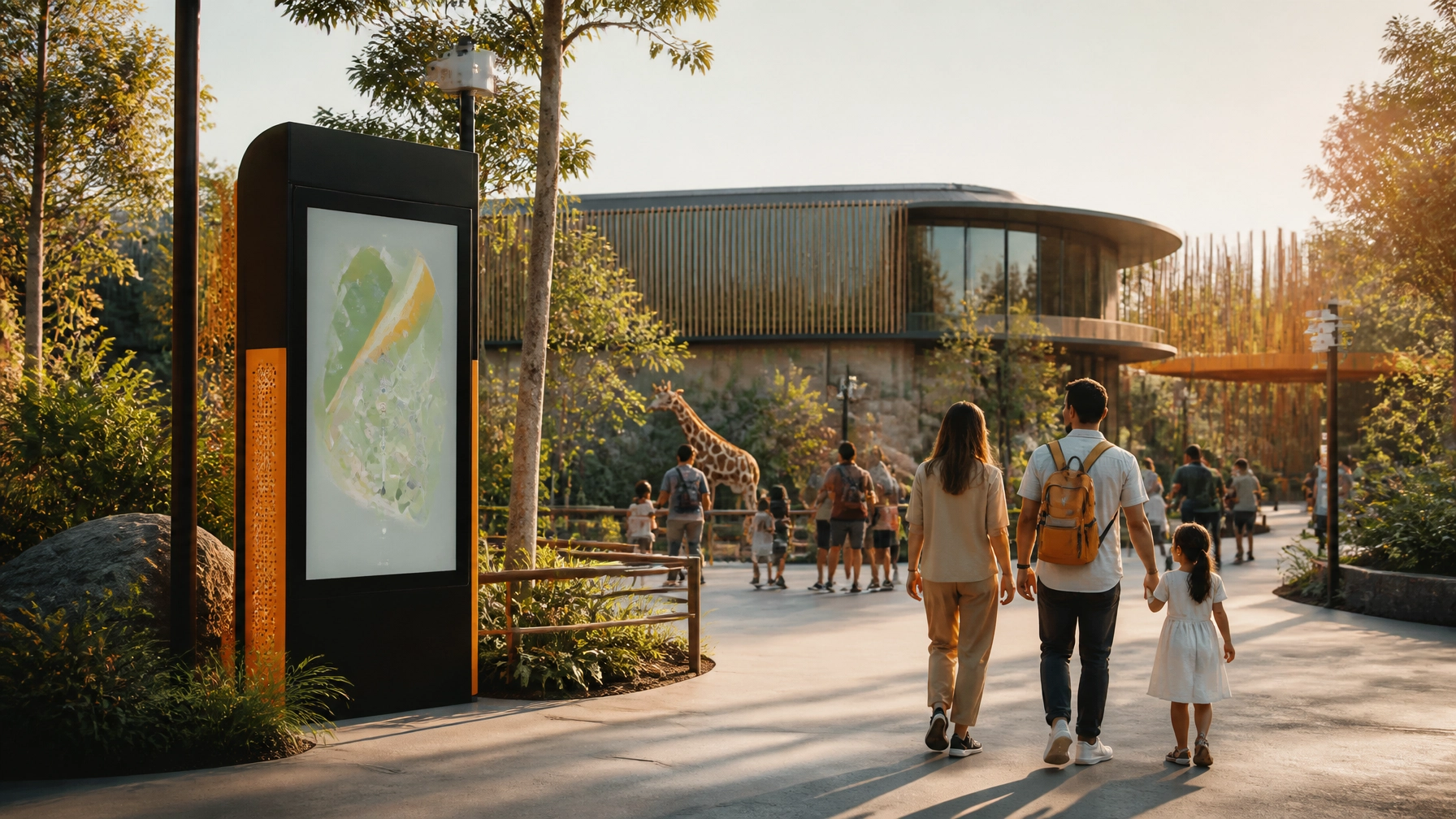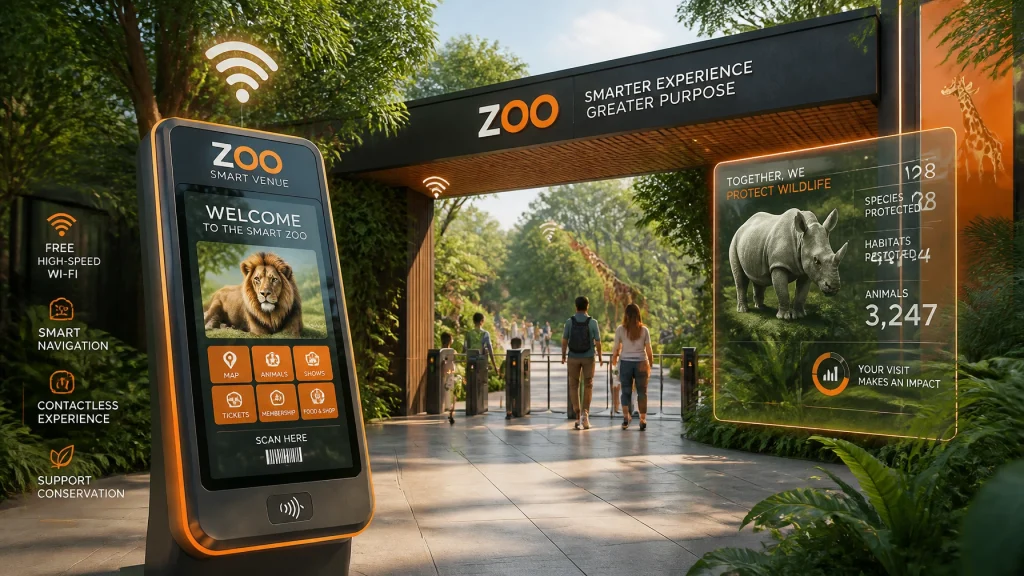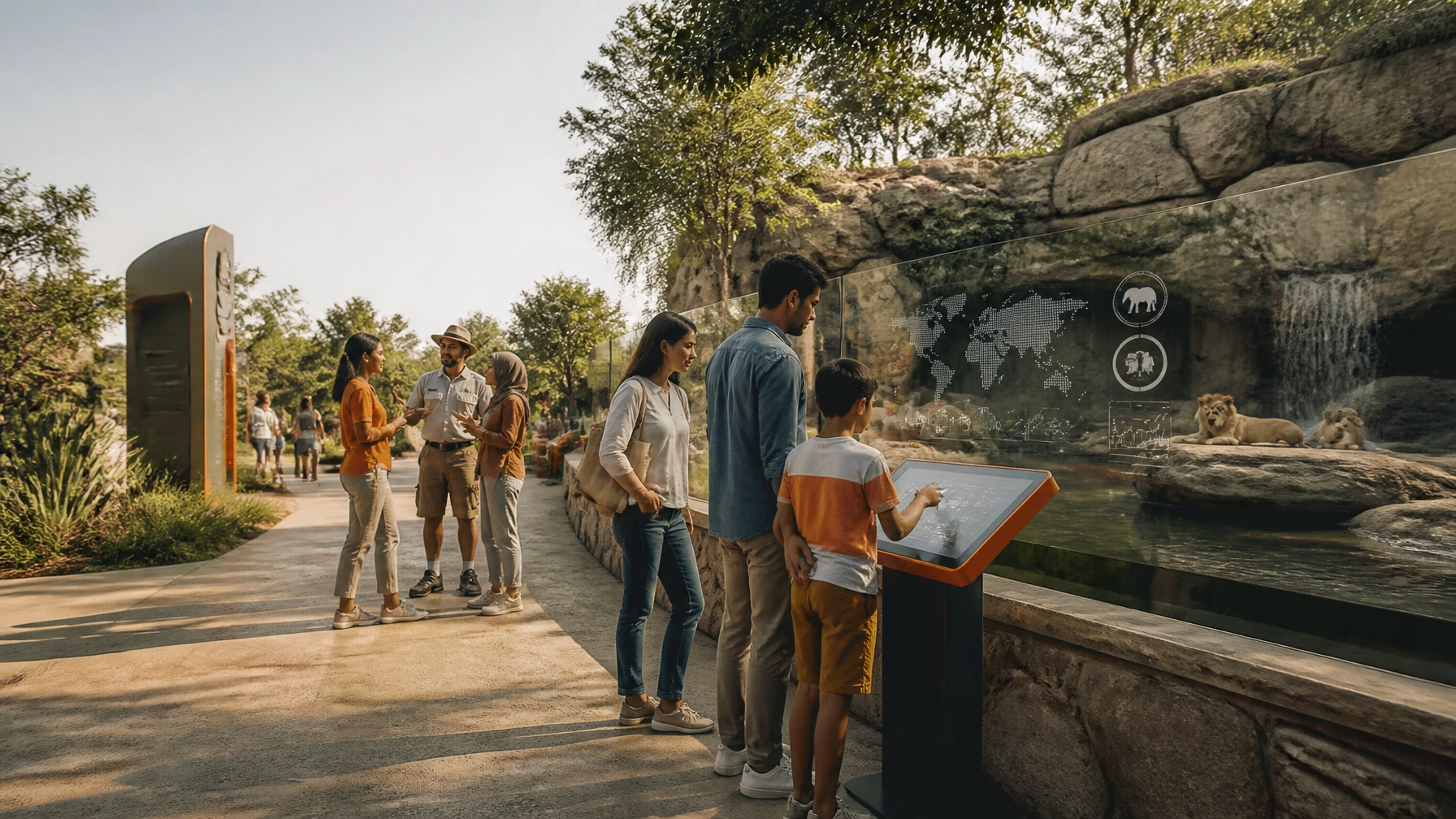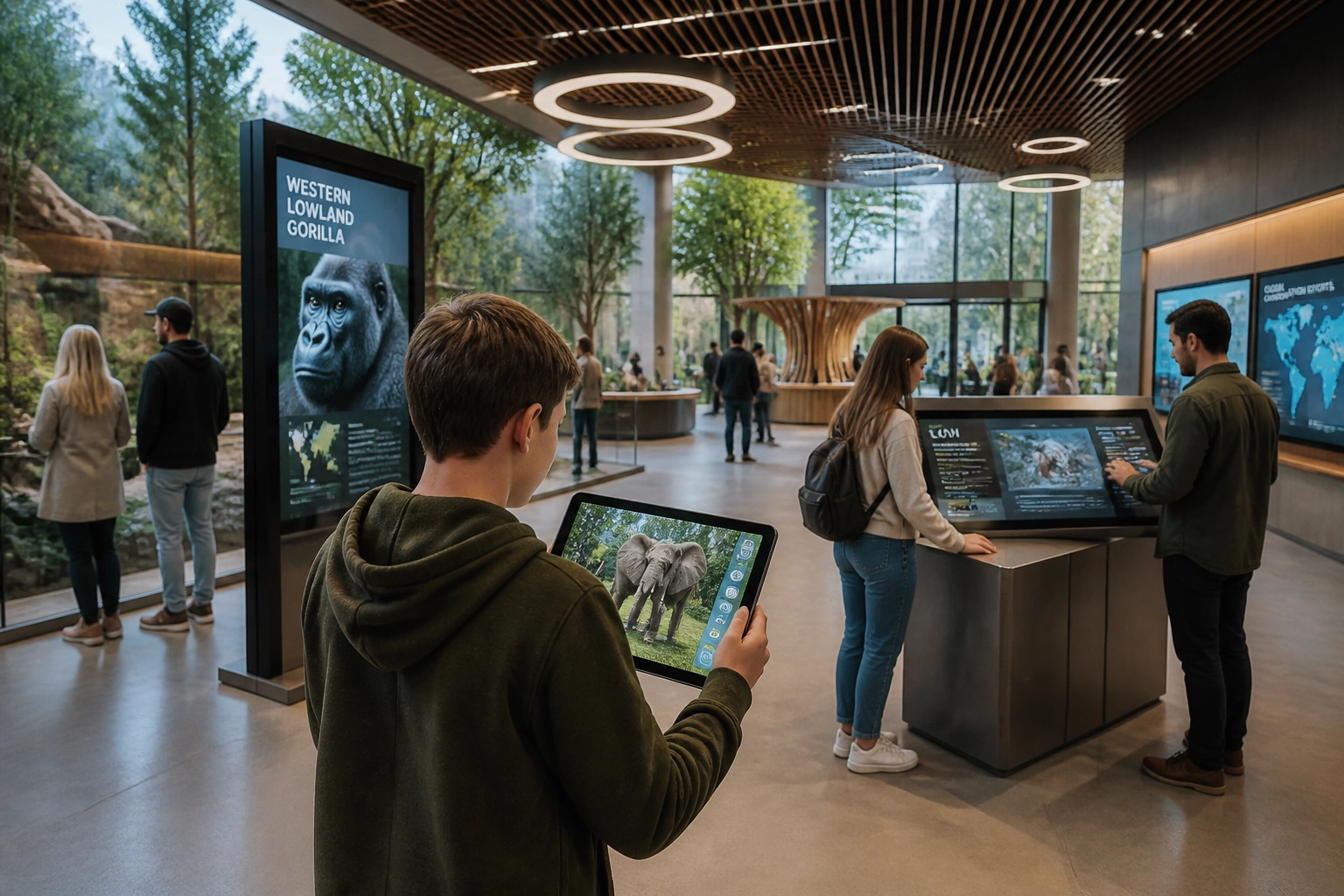
The future of zoo experiences lies in smart technology integration. As we move through 2025, zoos worldwide are revolutionizing visitor engagement through innovative digital solutions that enhance both educational value and operational efficiency. Whether you're managing a small community zoo or a large-scale wildlife conservation facility, transforming your venue into a smart destination requires strategic planning and the right technological foundation.
Modern zoo visitors expect immersive, interactive experiences that go beyond traditional animal viewing. They want personalized content, real-time information, and engaging educational opportunities that inspire conservation action. Smart venue transformation delivers exactly that while providing zoo operators with valuable data insights and streamlined operations.
Step 1: Build Your Data Infrastructure Foundation
Establish Comprehensive Data Collection Systems
The foundation of any smart zoo begins with robust data collection capabilities. Deploy ruggedized mobile devices and tablets throughout your facility to enable staff real-time data entry about animal behaviors, visitor patterns, and operational metrics. This creates a centralized database that can quickly analyze, visualize, and act upon collected information.
Your data infrastructure should capture:
- Visitor flow patterns and dwell times
- Animal behavior and welfare indicators
- Environmental conditions and controls
- Staff productivity and operational efficiency
- Revenue streams and visitor spending patterns
Implement IoT Sensor Networks
Install Internet of Things (IoT) sensors across exhibits to monitor temperature, humidity, noise levels, and crowd density. These sensors provide continuous environmental data that ensures optimal conditions for both animals and visitors while alerting staff to any issues requiring immediate attention.
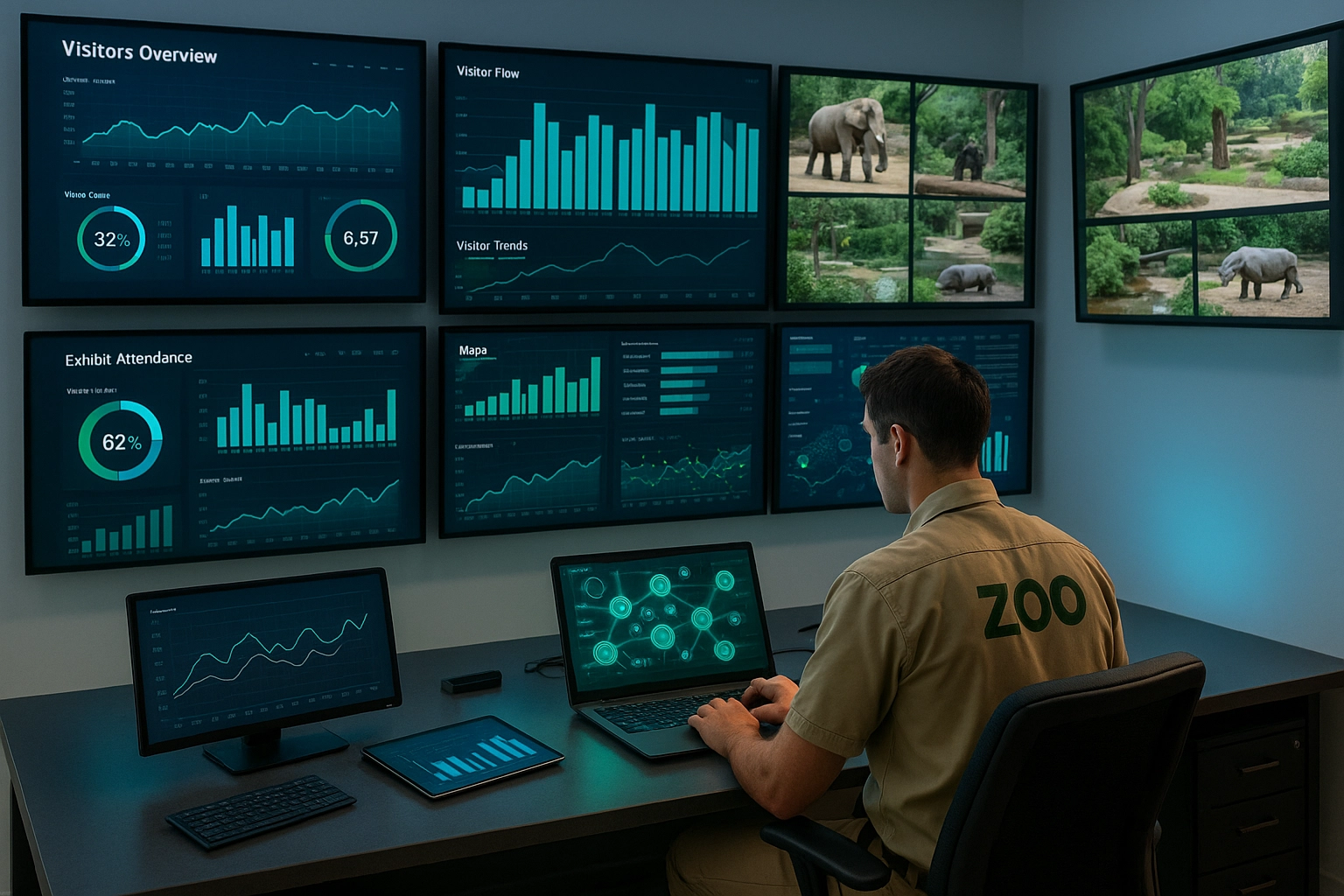
Create Unified Data Dashboards
Consolidate all collected data into intuitive dashboards that provide real-time insights to management teams. This eliminates manual reporting across multiple platforms and enables rapid decision-making based on current conditions rather than historical data.
Step 2: Deploy Interactive Visitor Engagement Technologies
Strategic Camera and Display Integration
Transform static exhibits into dynamic viewing experiences by positioning high-definition cameras in animal habitats. Stream real-time footage from areas typically hidden from public view onto strategically placed displays near exhibit glass. This addresses the common visitor frustration of animals being out of sight while maintaining animal welfare as the top priority.
Professional audiovisual technology should include:
- 4K cameras with night vision capabilities
- Weather-resistant display screens
- Wireless streaming infrastructure
- Audio enhancement systems for presentations
Implement Smart Kiosk Networks
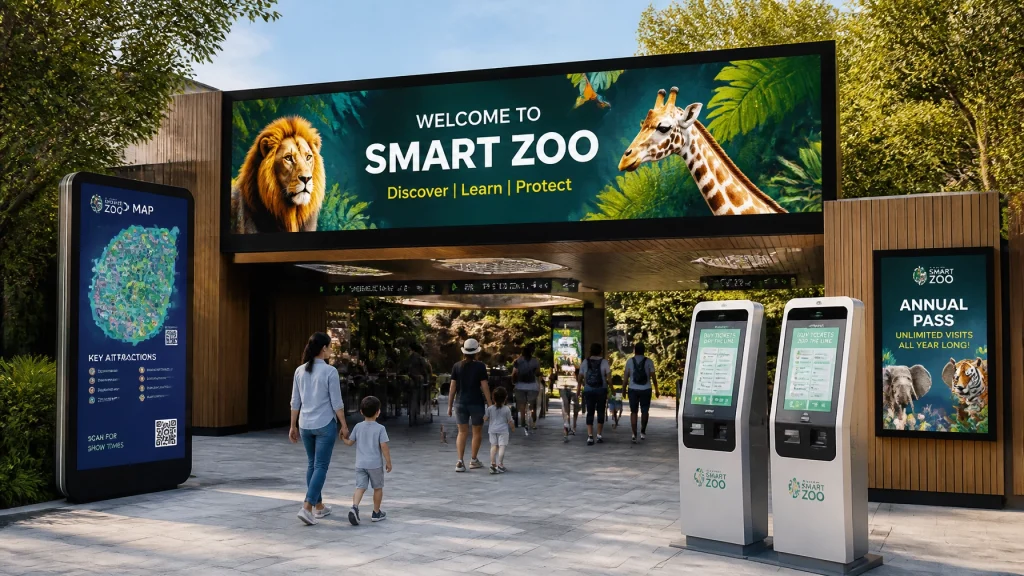
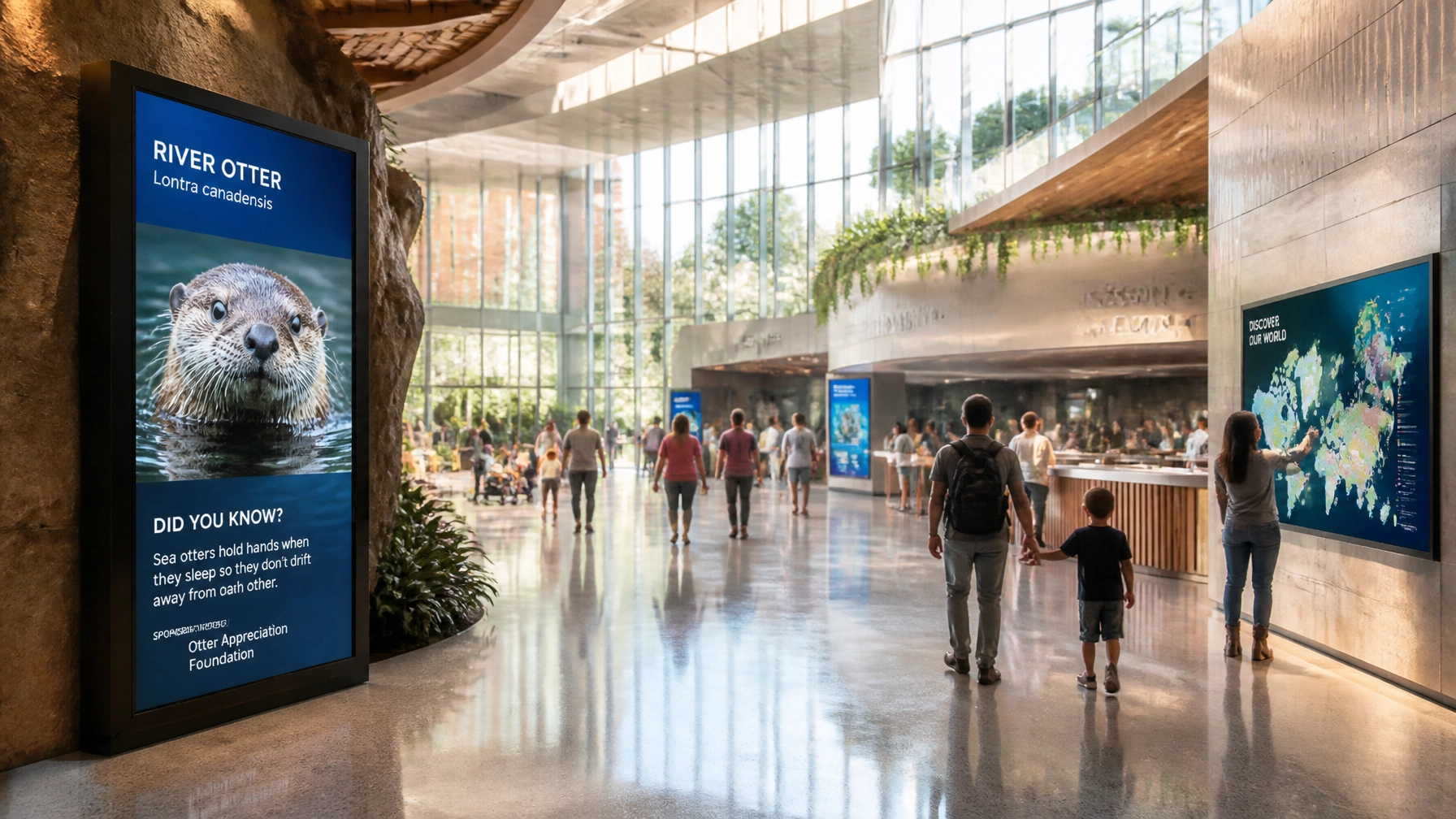
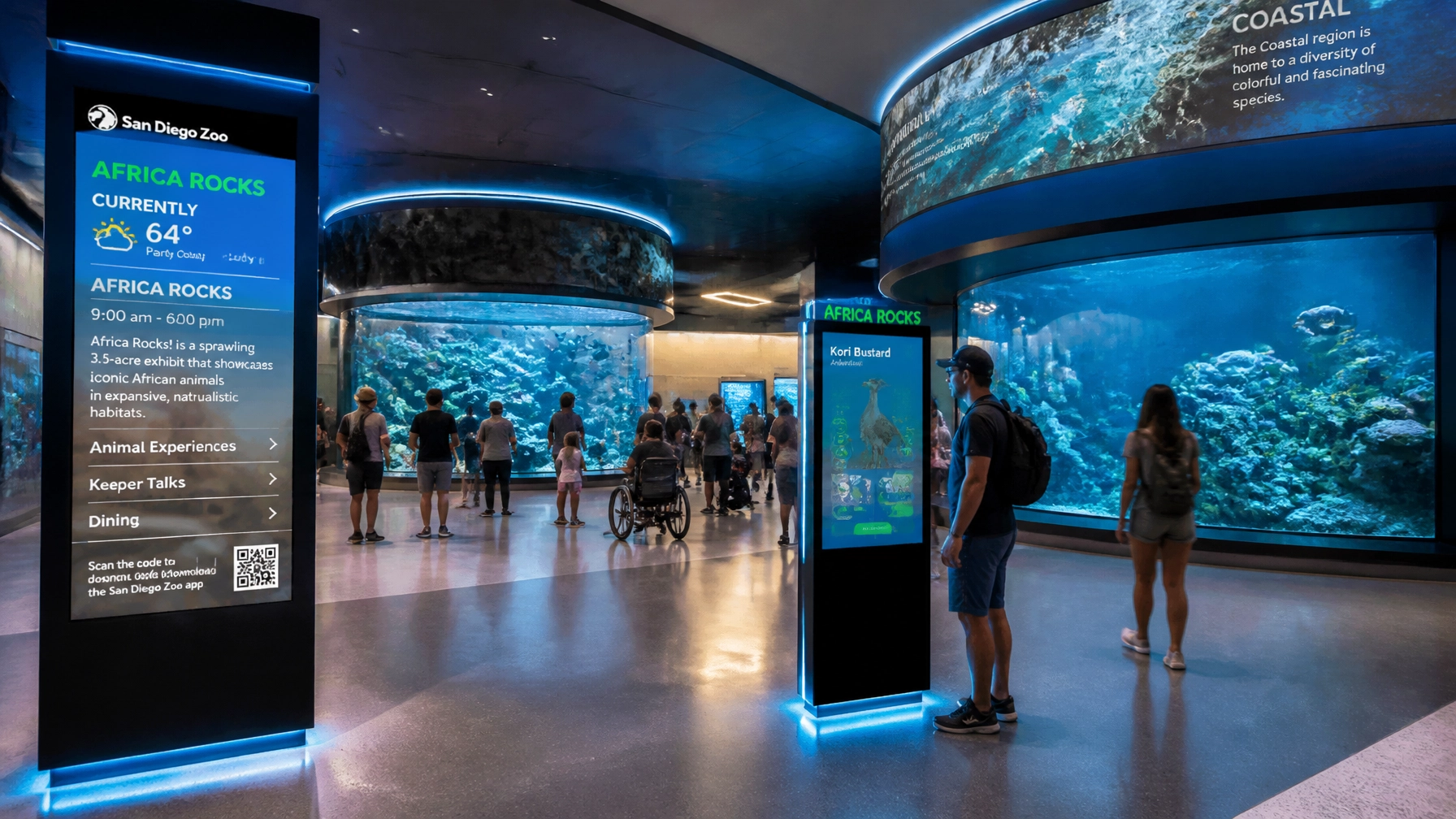
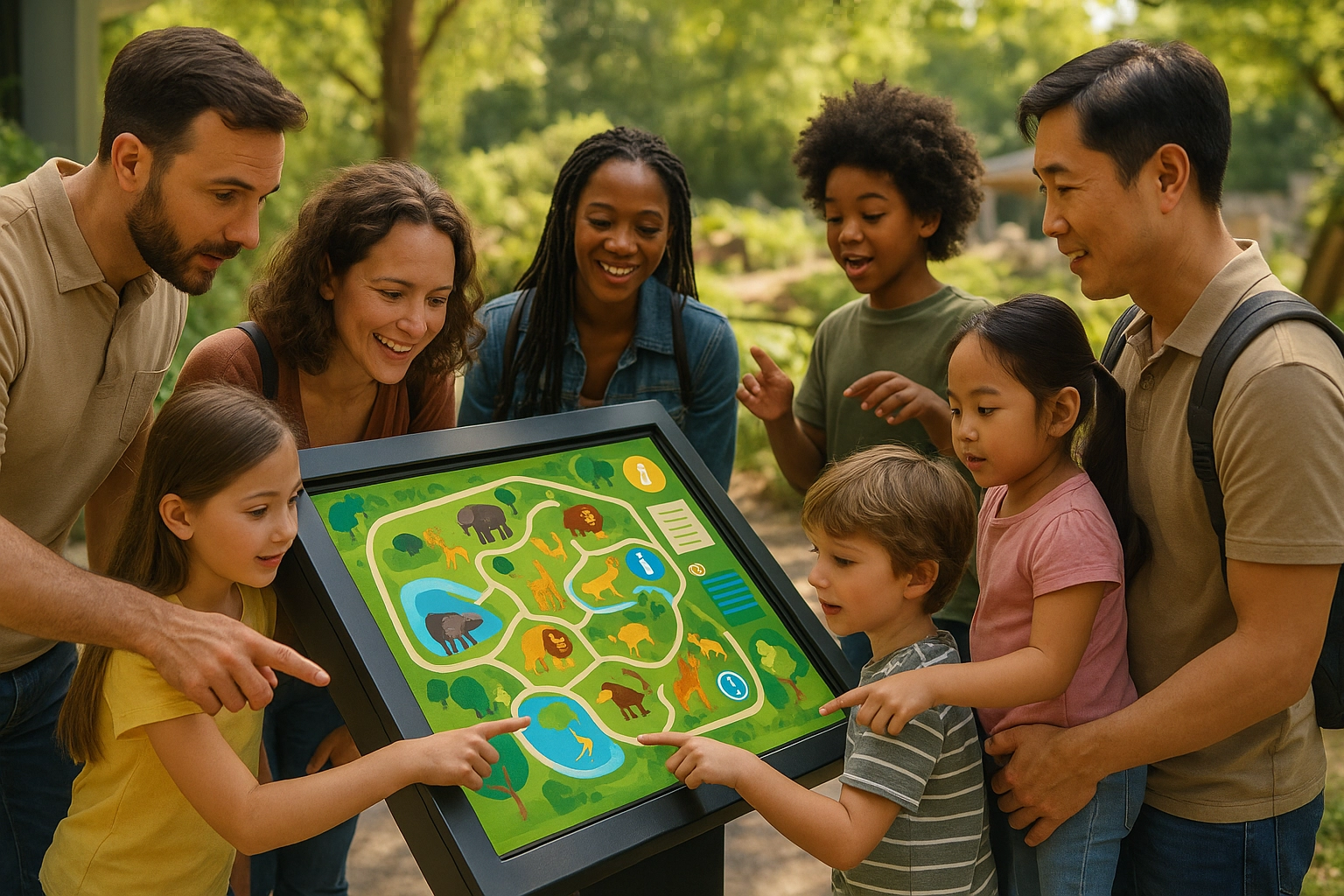
Install interactive kiosks throughout your zoo that provide multilingual information, interactive maps, and educational games. These touchscreen stations can display feeding schedules, conservation facts, and personalized recommendations based on visitor interests.
Develop Mobile App Integration
Create a comprehensive mobile application that serves as visitors' digital companion throughout their zoo experience. The app should include GPS-enabled maps, augmented reality features, push notifications for special events, and the ability to book experiences or make purchases directly from their device.
Step 3: Integrate Augmented Reality and Immersive Experiences
AR-Enhanced Animal Encounters
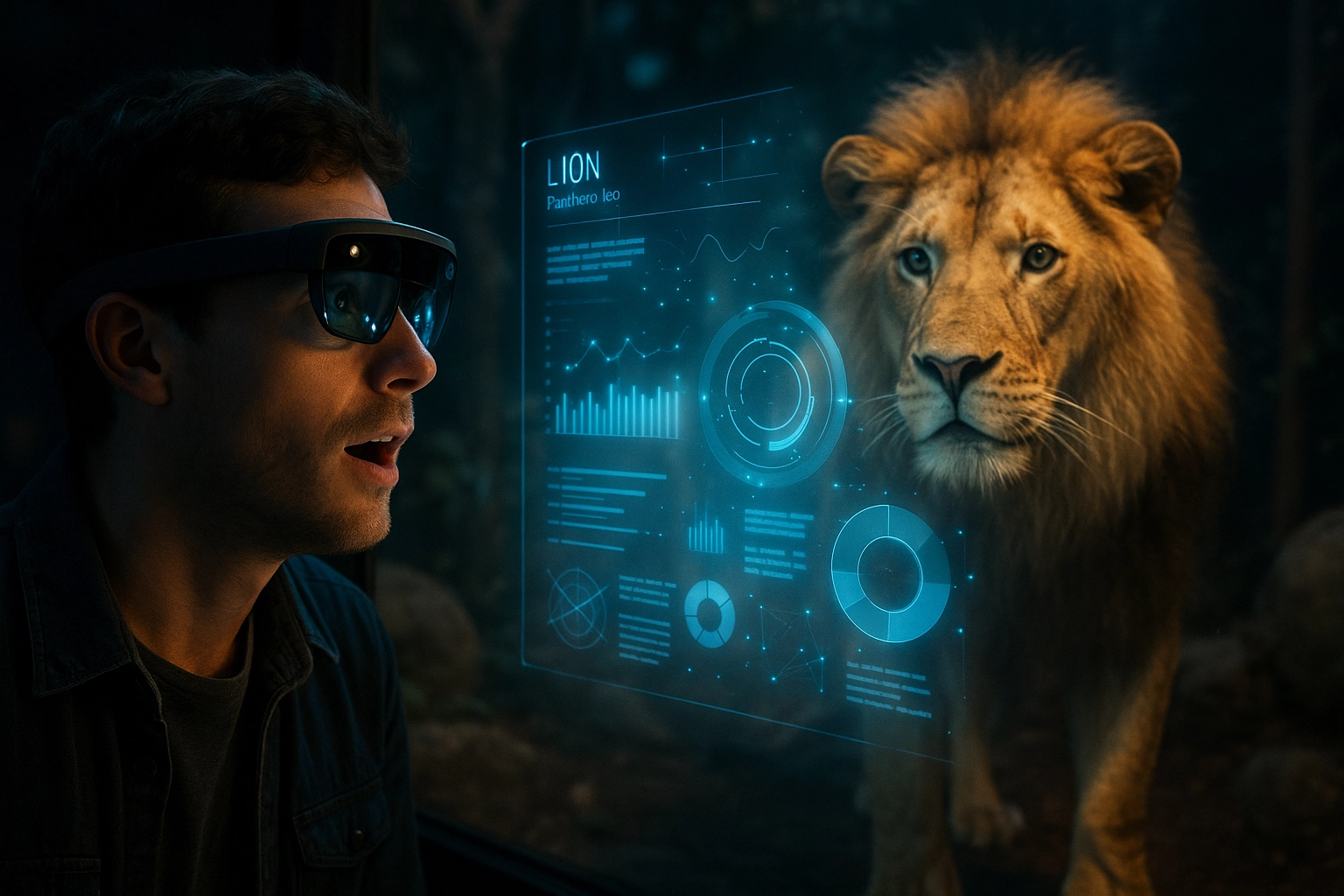
Augmented reality technology represents the next frontier in zoo visitor engagement. Research shows that most zoo visitors view AR as a highly positive addition that significantly boosts engagement and encourages deeper animal observation. Develop AR applications that overlay educational information, conservation facts, and interactive elements directly onto visitors' smartphone screens.
Key AR implementation strategies include:
- Virtual guide characters at each exhibit
- Interactive educational games and quizzes
- 3D animal anatomy and behavior demonstrations
- Conservation impact visualizations
Immersive Storytelling Experiences
Create AR experiences that transport visitors into animal habitats around the world. Visitors can virtually swim with polar bears in the Arctic or walk through African savannas while standing in your zoo exhibits. These experiences create emotional connections that drive conservation awareness and support.
AR Hardware Solutions
While smartphone-based AR is most accessible, consider offering dedicated AR glasses or headsets for premium experiences. These devices provide more immersive interactions and can display complex 3D models and animations that smartphone screens cannot effectively render.
Step 4: Create Dynamic Environmental and Lighting Systems
Projection Mapping Technology
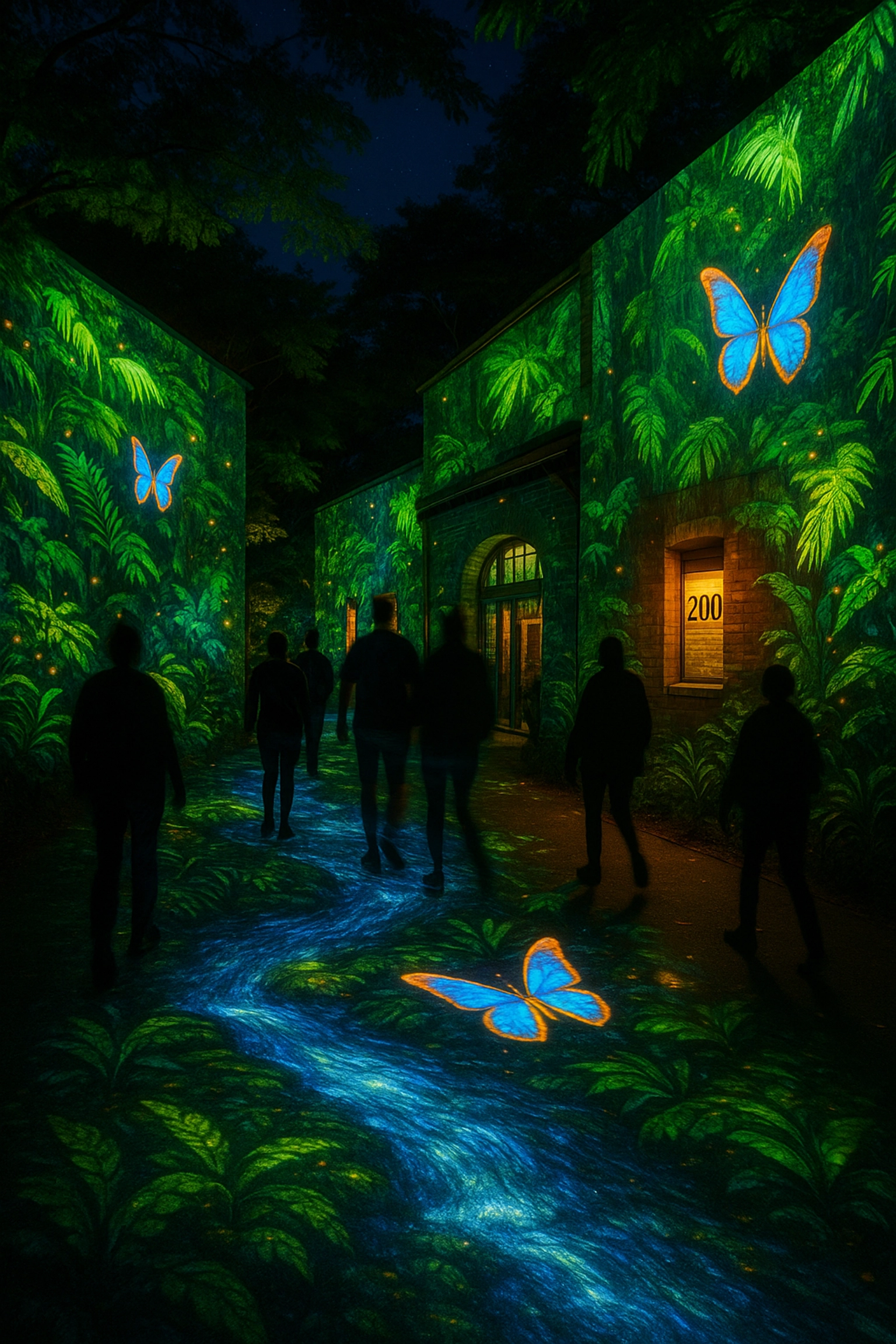
Transform ordinary spaces into extraordinary experiences using projection mapping systems that turn architectural features into massive video canvases for digital storytelling. Large buildings, pathways, and even exhibit barriers can become dynamic surfaces that display conservation messages, animal behaviors, or immersive environments.
Synchronized Lighting and Sound Systems
Deploy programmable LED lighting systems throughout your zoo that can create themed experiences during special events or seasonal celebrations. Synchronize these lights with audio systems to create fully immersive environments that enhance storytelling and create memorable moments.
Interactive Environmental Controls
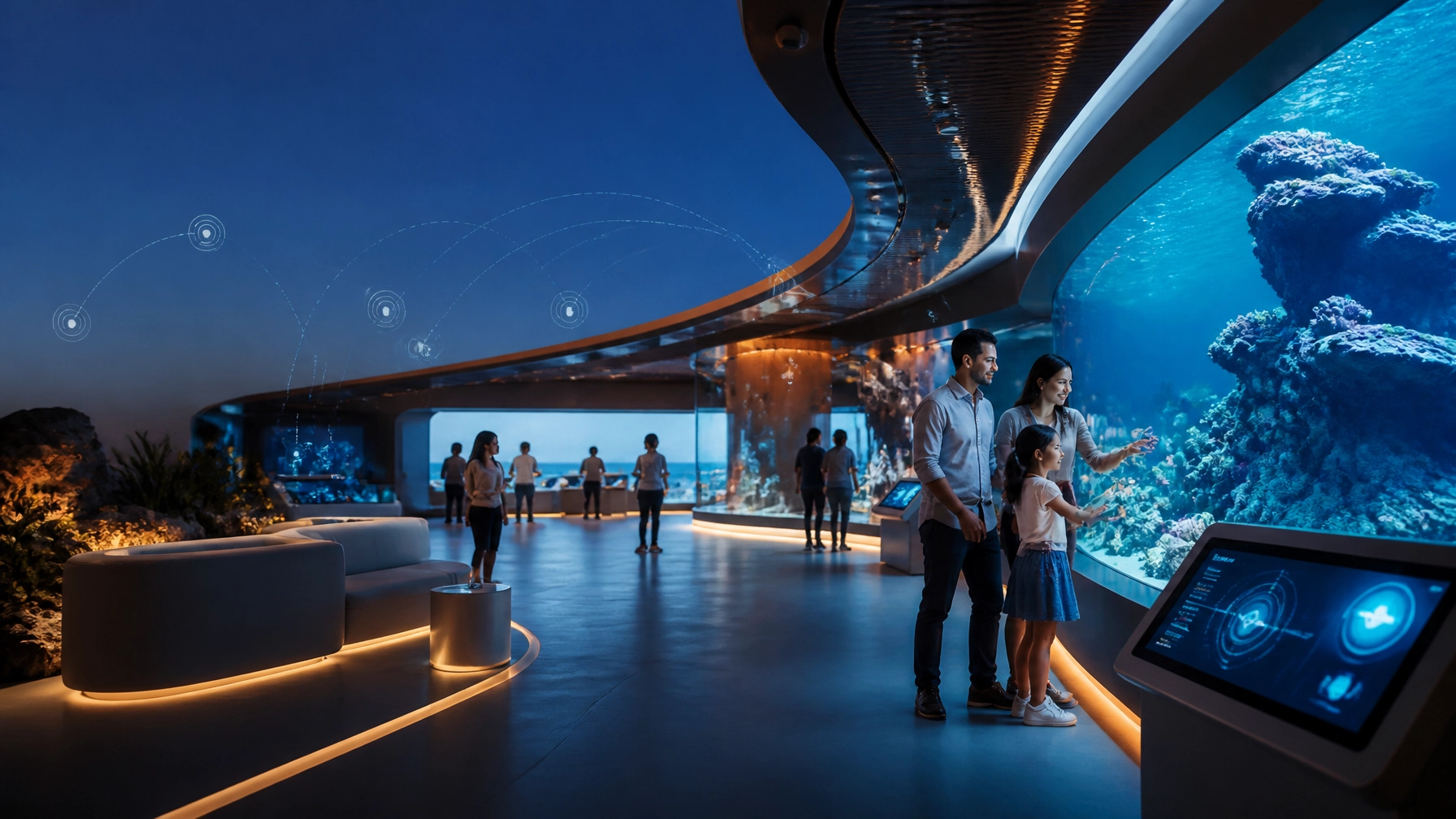
Implement systems that allow visitors to interact with exhibit environments through touchscreen controls or mobile app interfaces. Visitors might trigger misting systems in tropical exhibits, adjust lighting to observe nocturnal animals, or activate feeding mechanisms during designated times.
Weather-Adaptive Technologies
Install systems that automatically adjust environmental conditions based on weather patterns and animal needs. These smart controls maintain optimal conditions year-round while reducing energy consumption and operational costs.
Step 5: Implement Advanced Analytics for Optimization
Visitor Behavior Analytics
Leverage machine learning algorithms to analyze visitor movement patterns, exhibit preferences, and engagement levels. This data reveals which exhibits generate the most interest, optimal pathways through your zoo, and peak visitation times that require additional staffing or resources.
Predictive Maintenance Systems
Use IoT sensors and analytics platforms to predict when equipment requires maintenance before breakdowns occur. This proactive approach reduces unexpected closures, maintains visitor satisfaction, and controls operational costs.
Personalized Content Delivery
Develop AI systems that learn from visitor interactions and preferences to deliver personalized content recommendations. If analytics reveal a visitor's interest in specific animal categories, the system can automatically provide relevant content through AR applications or mobile notifications.
Revenue Optimization Analytics
Monitor visitor spending patterns, popular merchandise, and food service preferences to optimize pricing strategies and inventory management. Analytics can reveal opportunities for upselling experiences or identifying new revenue streams.
Integration Best Practices
Prioritize Animal Welfare
All technology implementations must maintain animal welfare as the highest priority. Ensure camera systems use non-invasive mounting techniques, audio systems operate within acceptable noise levels for animals, and visitor interactions don't disrupt natural behaviors.
Staff Training and Support
Provide comprehensive training programs for staff to effectively utilize new technologies. Create user-friendly interfaces and establish clear protocols for troubleshooting common issues. Staff confidence in technology systems directly impacts visitor experience quality.
Gradual Implementation Strategy
Roll out smart technologies in phases rather than attempting complete transformation simultaneously. Start with high-impact, low-complexity systems like mobile apps and interactive displays before advancing to complex AR implementations or projection mapping systems.
Visitor Privacy and Security
Implement robust data protection measures that comply with privacy regulations while collecting valuable visitor insights. Provide clear opt-in/opt-out mechanisms for data collection and ensure all personal information remains secure.
Measuring Success and ROI
Key Performance Indicators
Track metrics including average visit duration, repeat visitation rates, visitor satisfaction scores, and per-capita spending to measure transformation success. Advanced analytics can reveal correlations between technology usage and conservation education effectiveness.
Conservation Impact Metrics
Monitor how smart technology implementations influence conservation awareness and action. Track website visits to conservation programs, donation increases, and social media engagement with conservation content to demonstrate educational impact.
Operational Efficiency Gains
Measure improvements in staff productivity, energy consumption reduction, and maintenance cost savings. Smart systems should demonstrate clear return on investment through operational improvements and increased revenue generation.
Ready to Transform Your Zoo Into a Smart Destination?
Smart venue transformation represents the future of zoo operations and visitor engagement. By implementing these five strategic steps, your zoo can create memorable experiences that inspire conservation action while improving operational efficiency and revenue generation.
For expert guidance on zoo marketing and technology implementation strategies, visit Zoo Media or contact our AI Receptionist at +1 (323) 676-0621. Dan Kost, CEO of Zoo Media, specializes in helping entertainment venues leverage cutting-edge technology for maximum impact.
Learn more about our comprehensive marketing solutions at www.dakdan.com.
#Innovation #Technology #ZooManagement #DigitalTransformation #VisitorExperience #Conservation #SmartVenues #AugmentedReality #DataAnalytics #Marketing