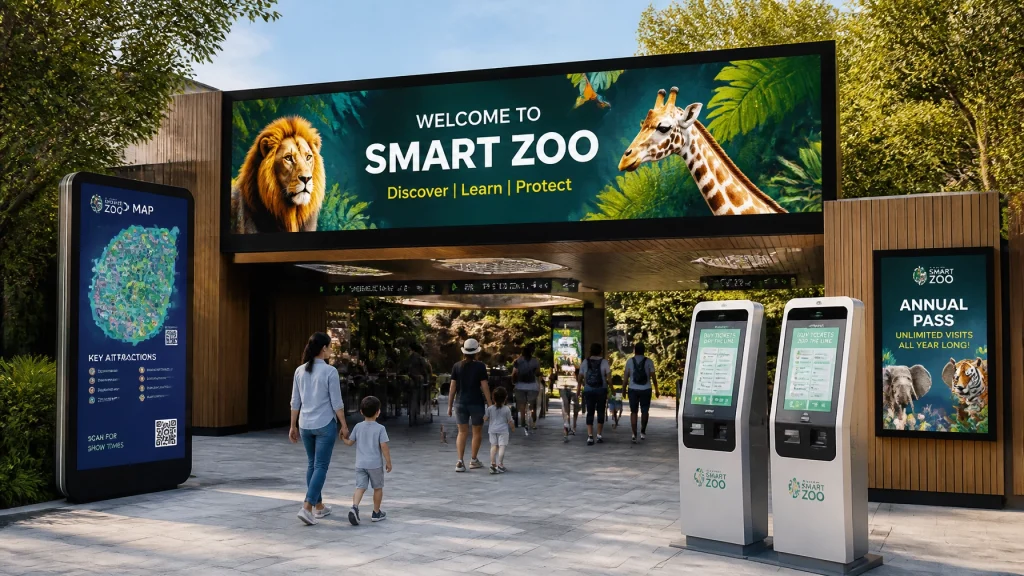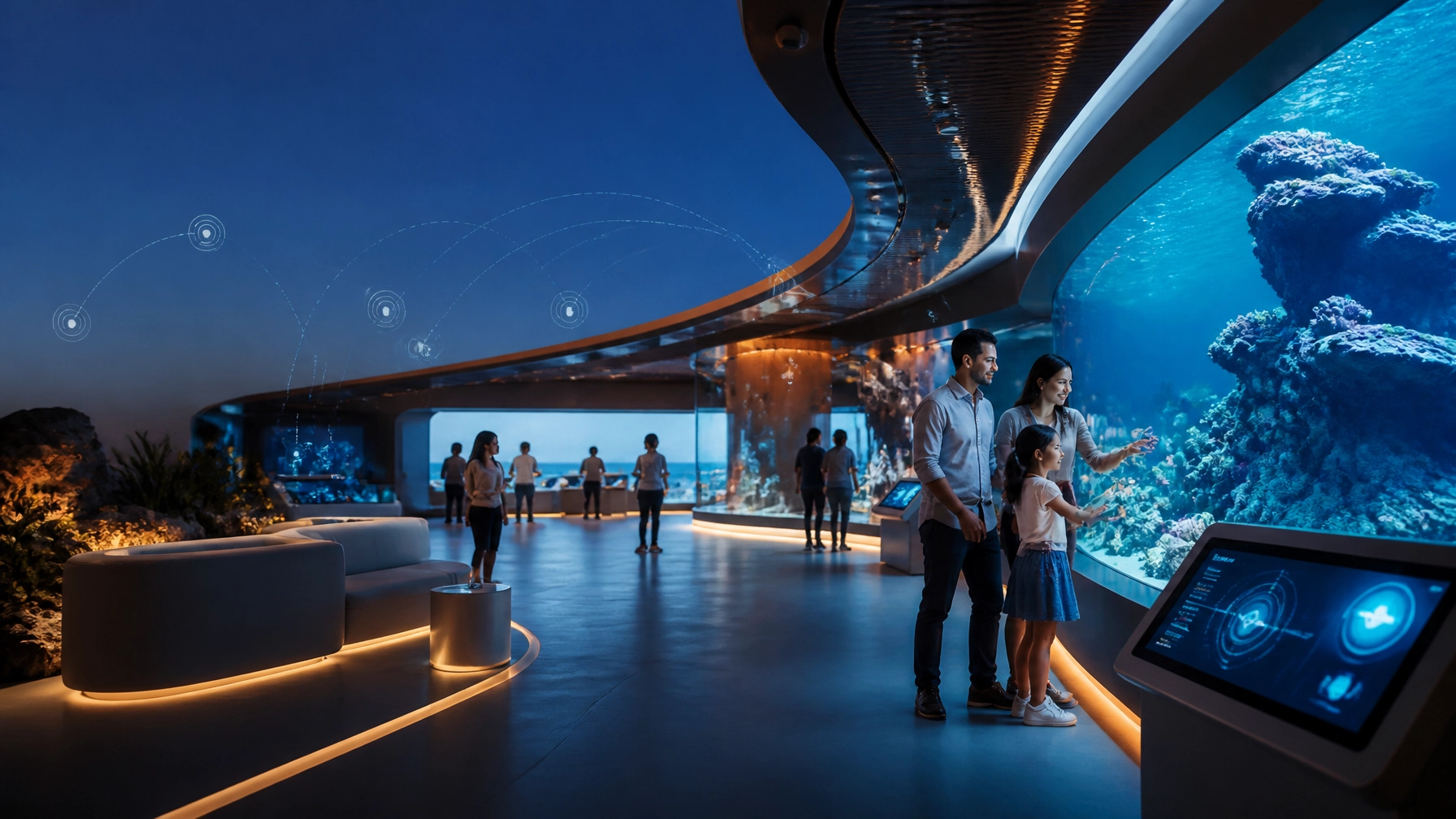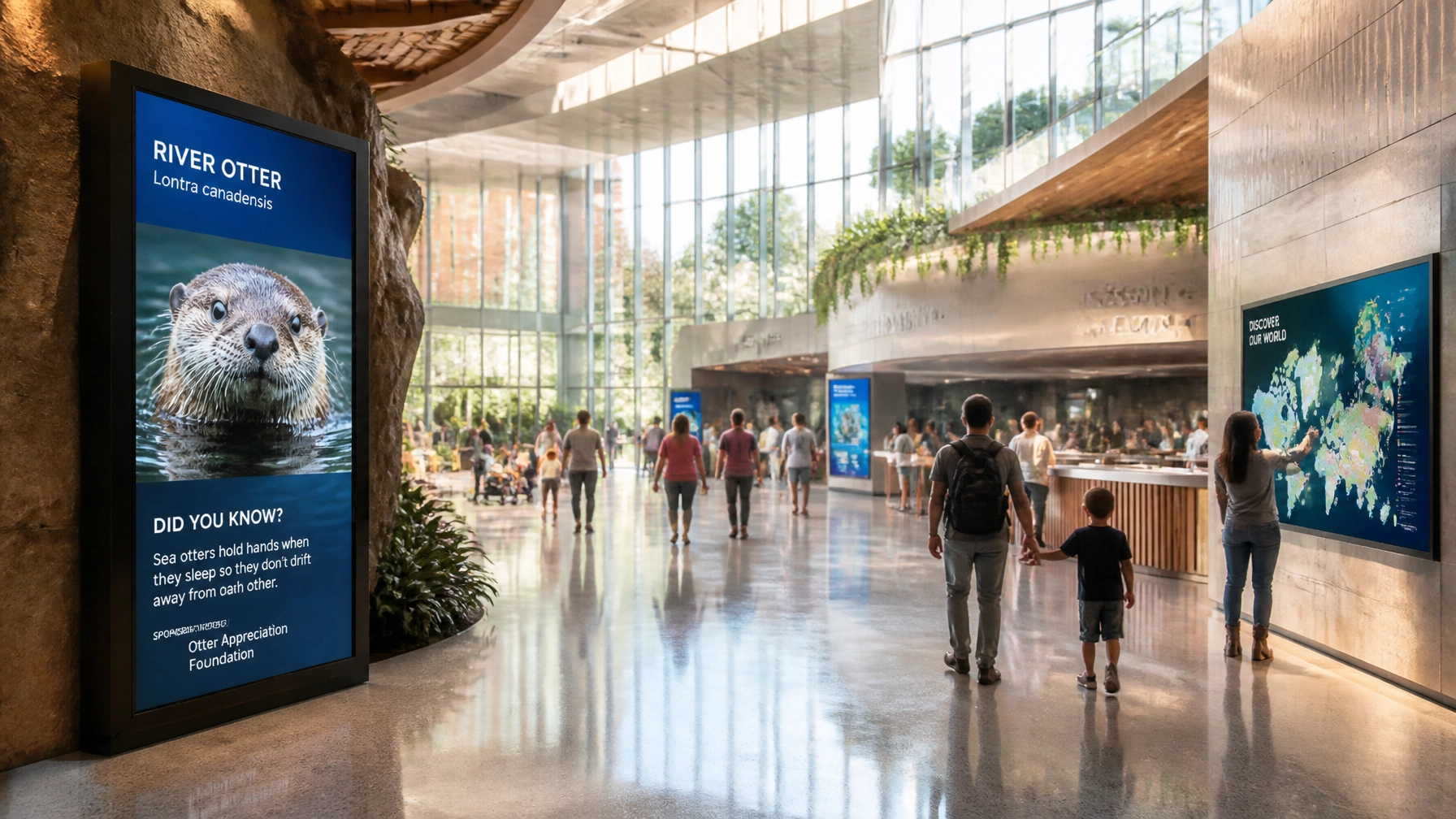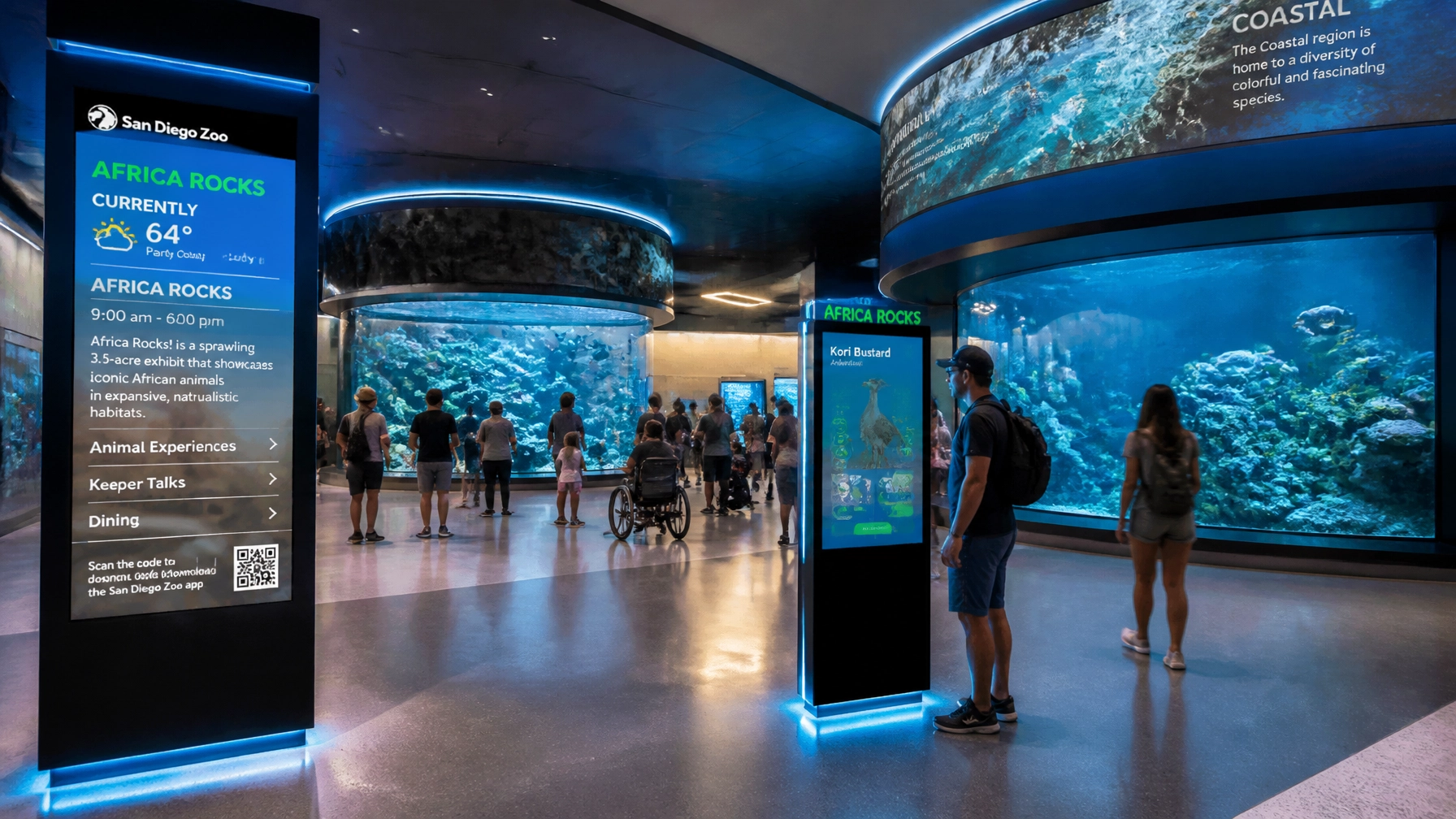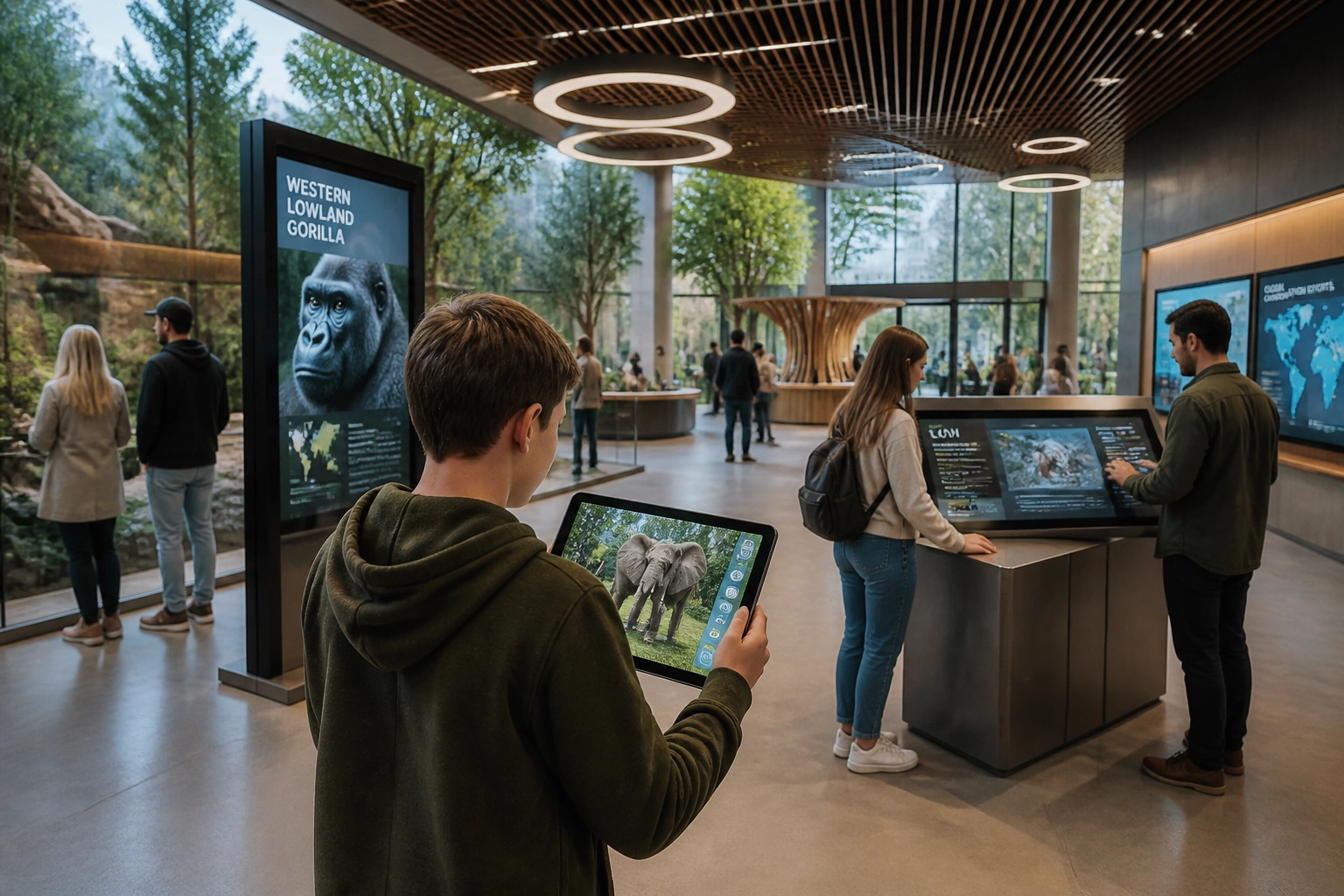
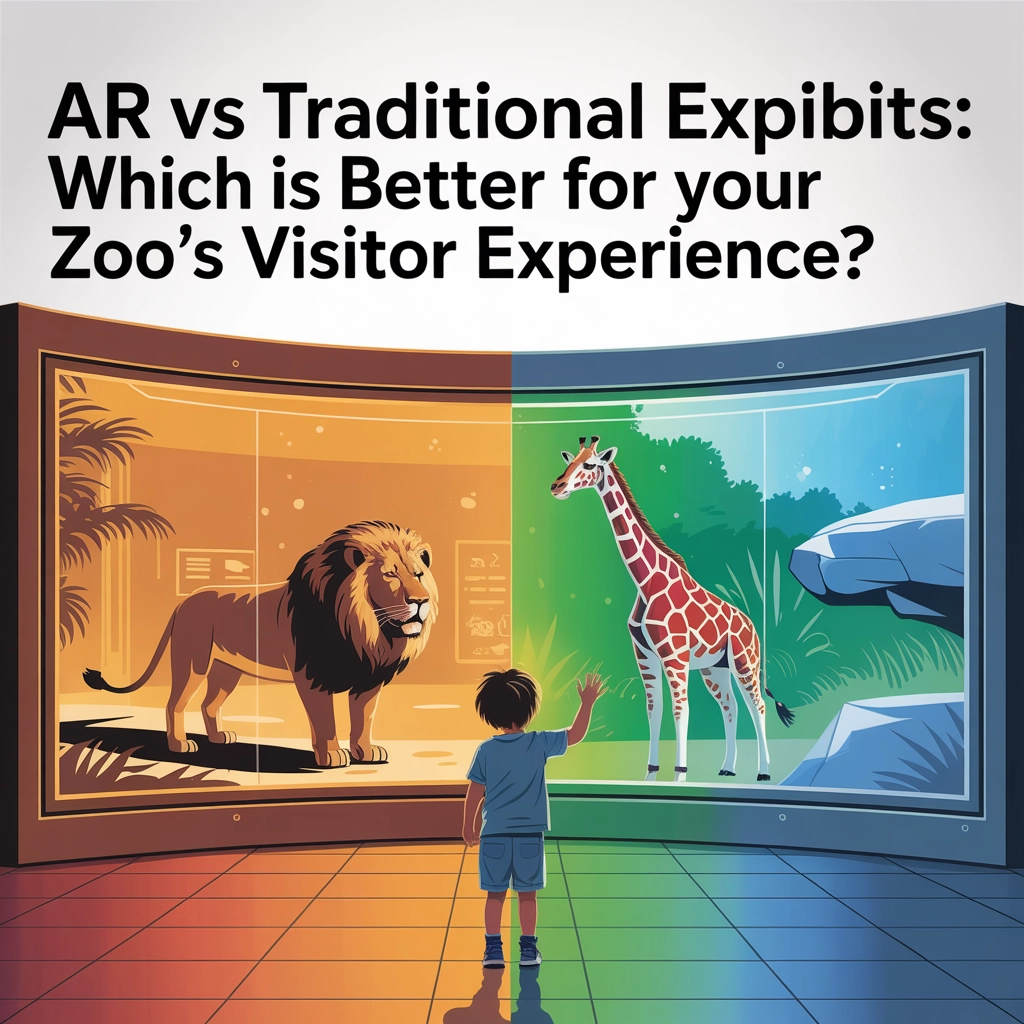
The modern zoo landscape is experiencing a technological revolution that's reshaping how visitors connect with wildlife. As institutions worldwide grapple with evolving visitor expectations and tightening budgets, the question isn't just about what animals to showcase: it's about how to showcase them effectively.
This debate has reached a tipping point where traditional exhibit approaches are being challenged by cutting-edge augmented reality (AR) solutions. The stakes are high: visitor satisfaction, educational impact, and long-term sustainability all hang in the balance.
The Rise of Augmented Reality in Modern Zoos
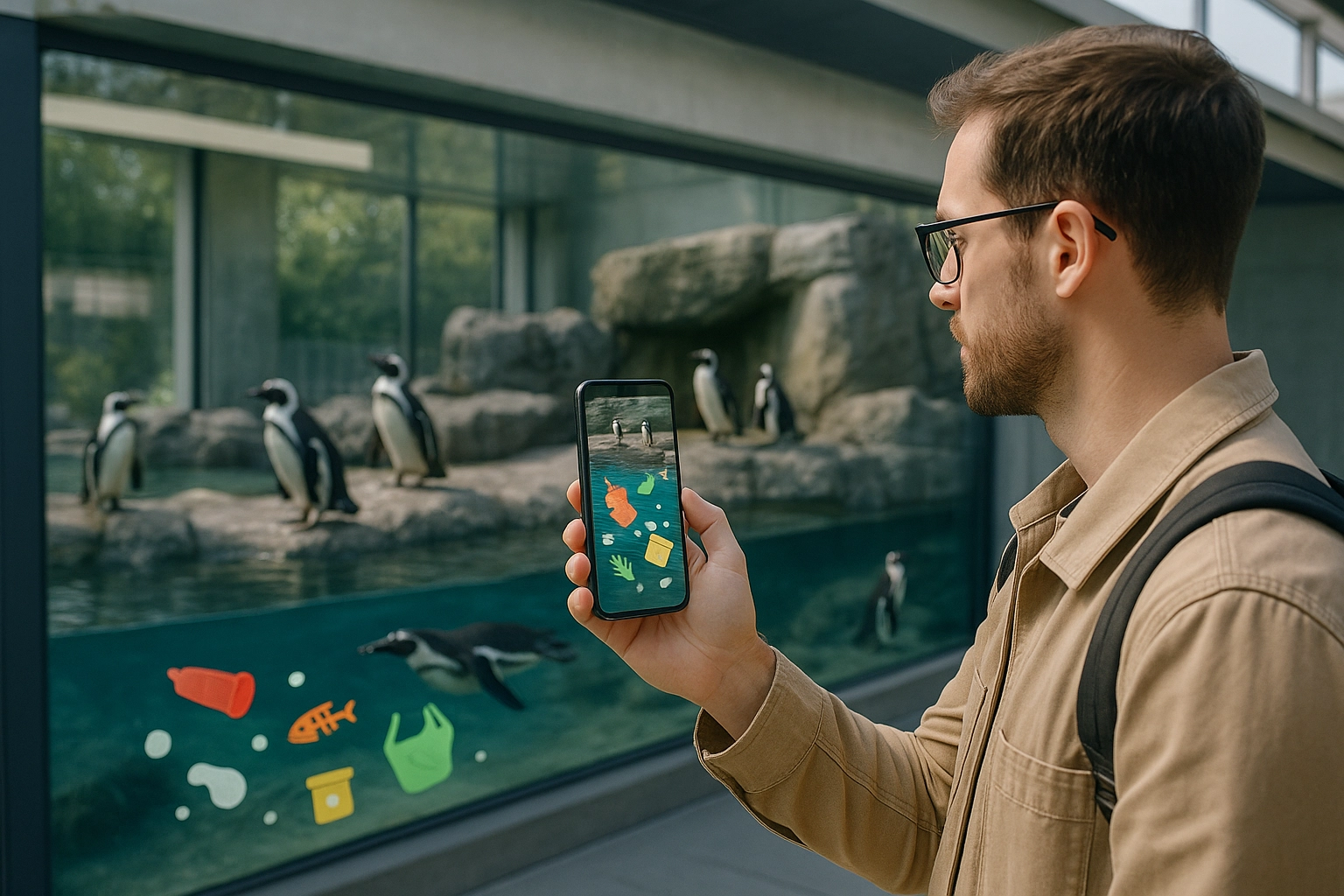
AR technology has moved beyond science fiction into practical zoo applications. At Magdeburg Zoo, visitors now experience interactive AR content near penguin enclosures that reveals hidden pollutants threatening these animals in their natural habitats. This isn't just entertainment: it's environmental education with emotional impact.
Halle Zoo takes a different approach, using AR to display life-sized 3D models of animals, allowing visitors to appreciate true scale and unique features that might be missed during traditional viewing. These experiences transform passive observation into active discovery.
Key AR Advantages Include:
- Showcasing extinct or rare species impossible to display physically
- Educational storytelling about environmental challenges
- Interactive entertainment during wait times
- Cost-effective expansion of exhibit variety
- Data collection on visitor engagement patterns
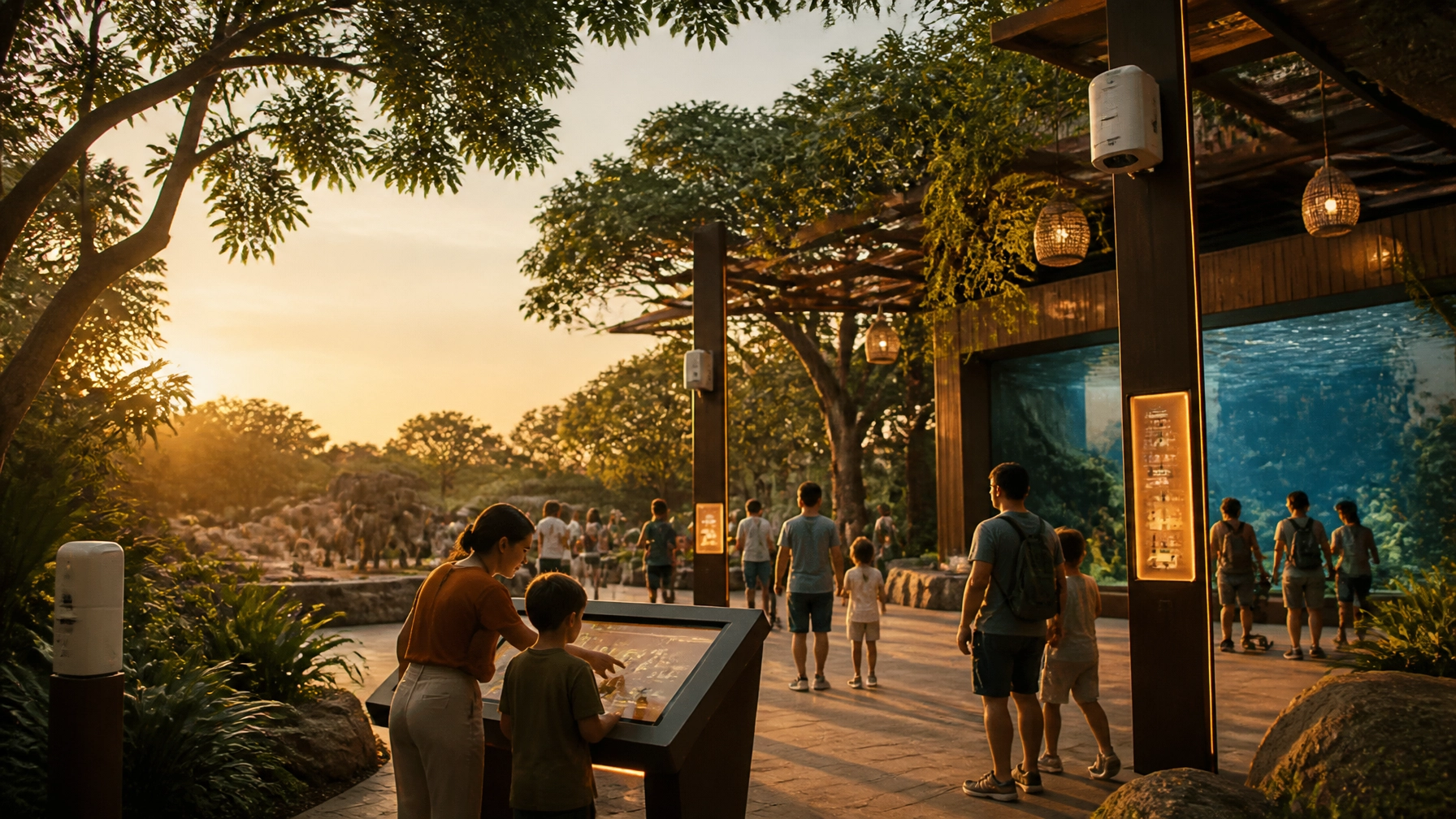
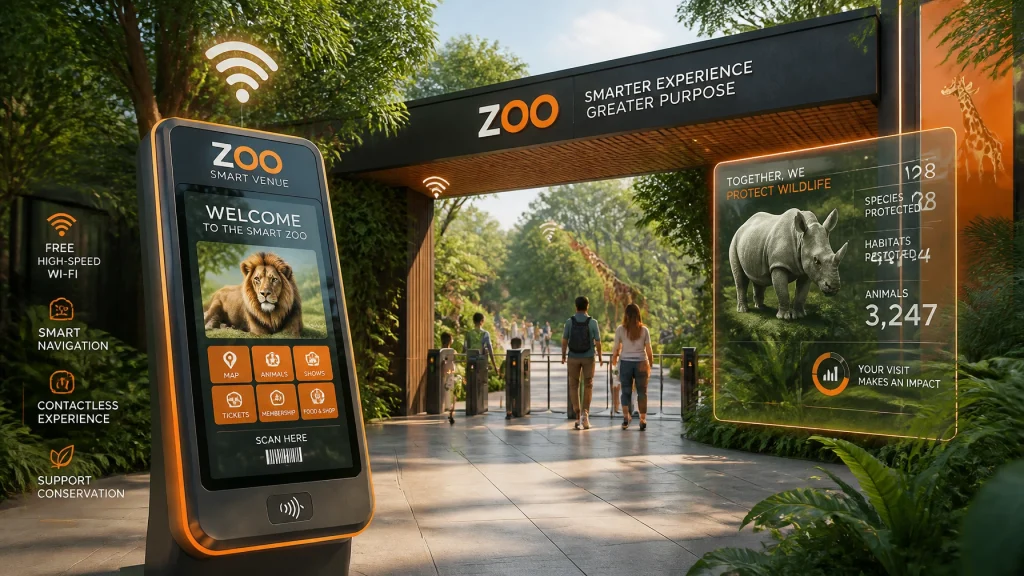
The technology addresses practical challenges too. Floor graphics and wall displays become portals to mini-games, educational quizzes, and immersive content that keeps families engaged even when animals aren't visible or active.
Traditional Exhibits: The Authentic Connection
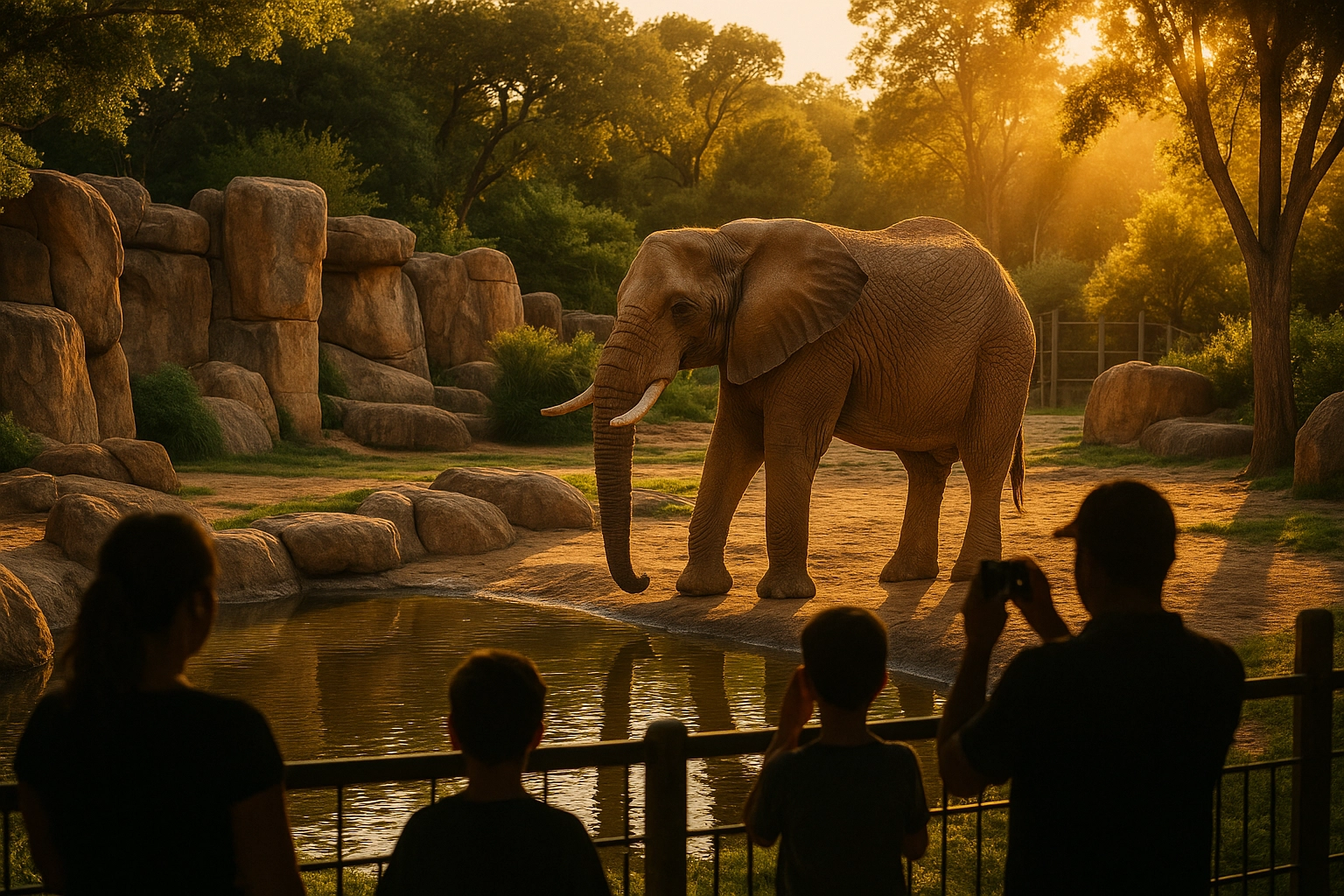
Traditional zoo exhibits remain the gold standard for authentic wildlife encounters. There's something irreplaceable about watching a lion's natural hunting instincts emerge during feeding time, or observing complex social interactions within a primate group.
These experiences engage multiple senses simultaneously: the sounds of tropical birds, the scent of a barnyard exhibit, the visual spectacle of a big cat stretching in morning sunlight. This sensory richness creates lasting memories and emotional connections that virtual experiences struggle to replicate.
Traditional Exhibit Strengths:
- Genuine animal encounters and behaviors
- Universal accessibility without technology barriers
- Spontaneous, unpredictable moments
- Multi-sensory engagement
- Established visitor expectations and comfort
Traditional exhibits also provide valuable conservation messaging through direct animal observation. Visitors develop empathy for living creatures in ways that virtual representations simply cannot match.
Comparative Analysis: Breaking Down the Numbers
| Factor | AR Exhibits | Traditional Exhibits |
|---|---|---|
| Initial Setup Cost | Moderate | High |
| Ongoing Maintenance | Low | Very High |
| Educational Scope | Unlimited species potential | Limited to housed animals |
| Visitor Accessibility | Device-dependent | Universal |
| Environmental Impact | Minimal | Significant resources required |
| Emotional Connection | Interactive but simulated | Authentic and spontaneous |
Strategic Implementation: Finding the Sweet Spot
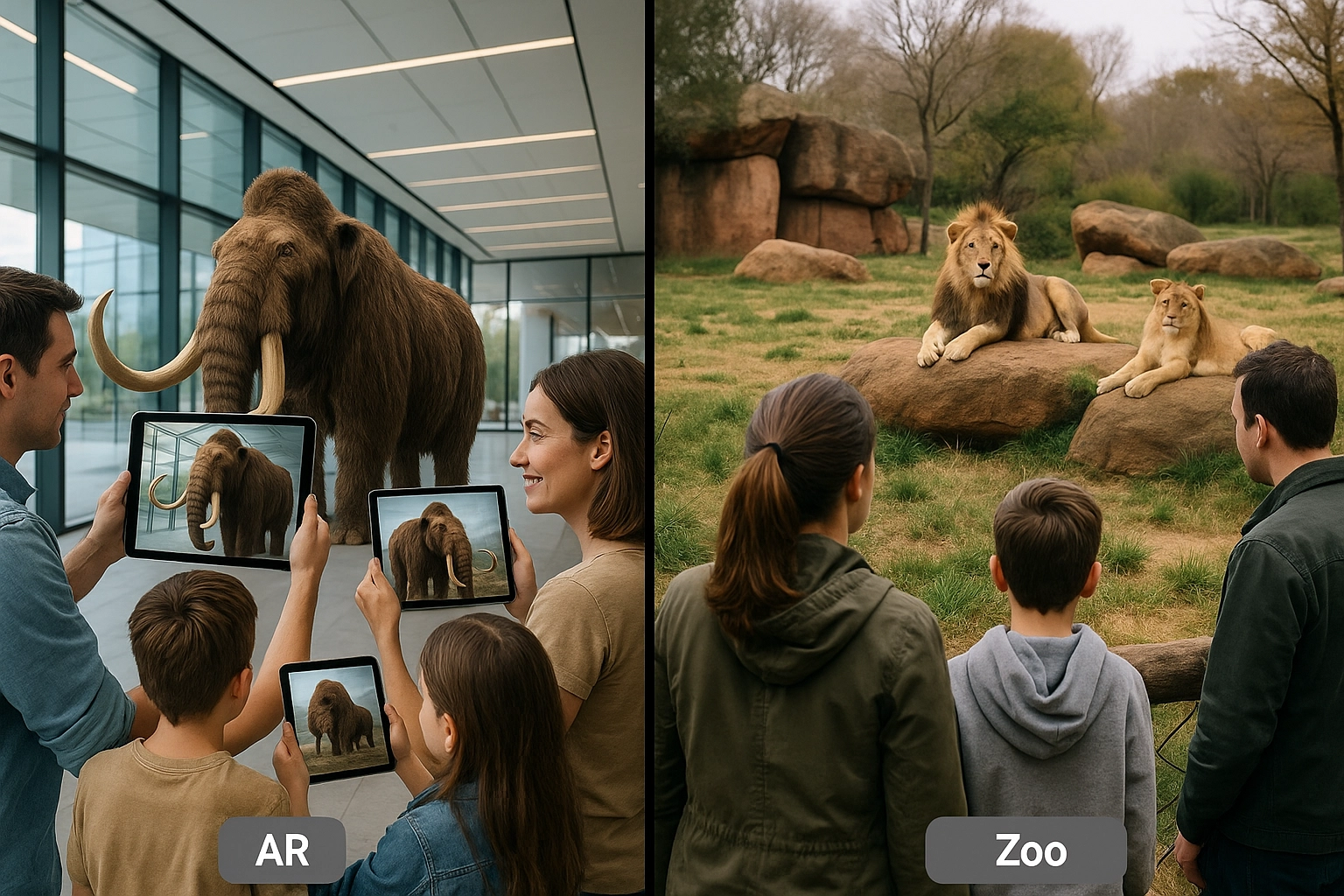
The most successful zoos aren't choosing sides: they're integrating both approaches strategically. AR works exceptionally well for educational storytelling and conservation messaging, while traditional exhibits remain irreplaceable for authentic animal encounters.
For Family-Focused Facilities:
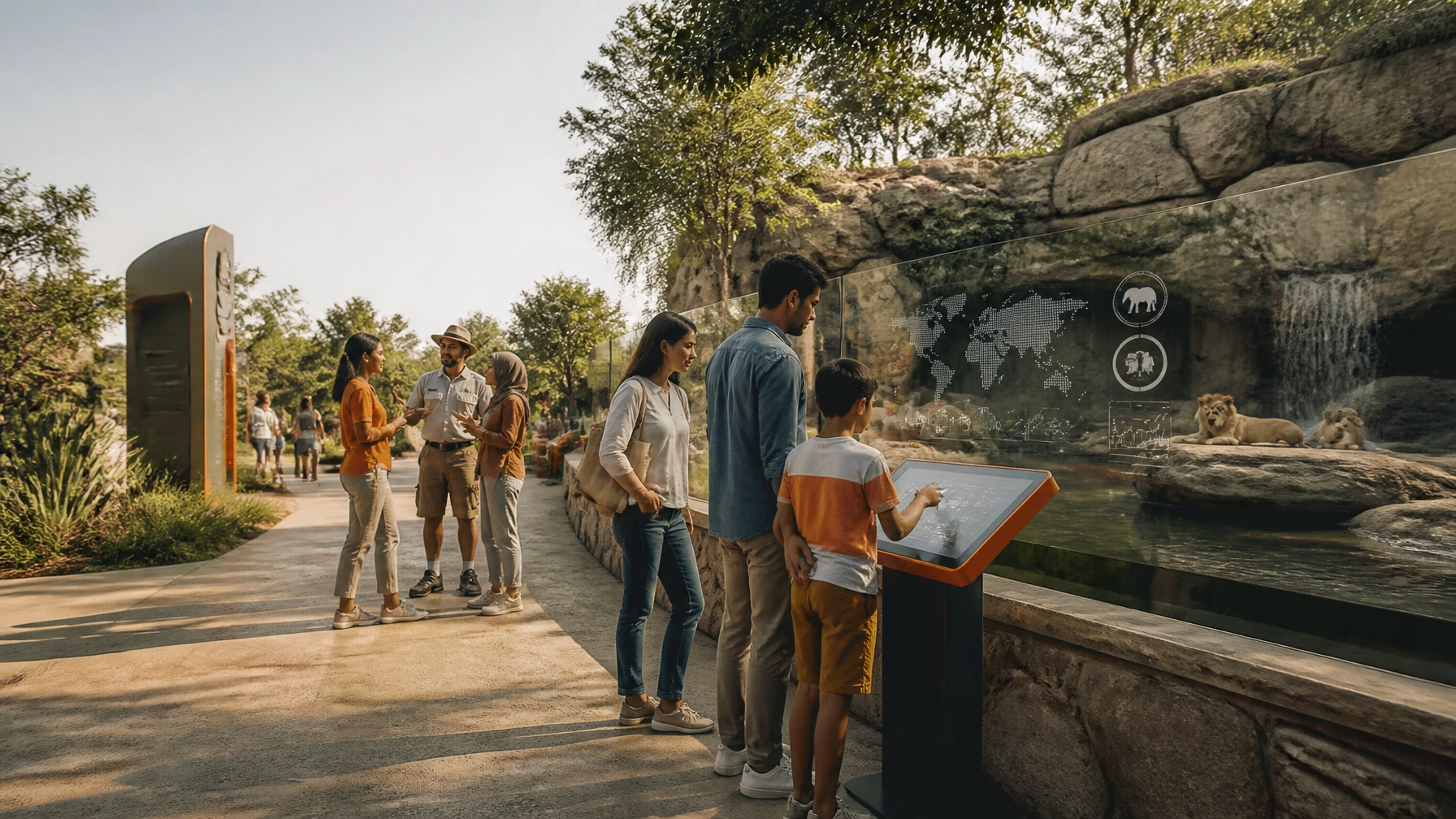
Consider AR enhancements that complement existing animal exhibits. Use technology to provide additional educational context during quieter observation periods or to explain behaviors visitors might miss.
For Conservation-Oriented Institutions:
Leverage AR's storytelling capabilities to highlight environmental challenges, as demonstrated in Magdeburg Zoo's pollution awareness experiences. Traditional exhibits can then showcase conservation success stories through healthy animal populations.
For Budget-Conscious Operations:
AR offers expansion opportunities without the substantial costs of acquiring and maintaining additional live animals. This approach can diversify visitor experiences while controlling operational expenses.
Visitor Experience Optimization
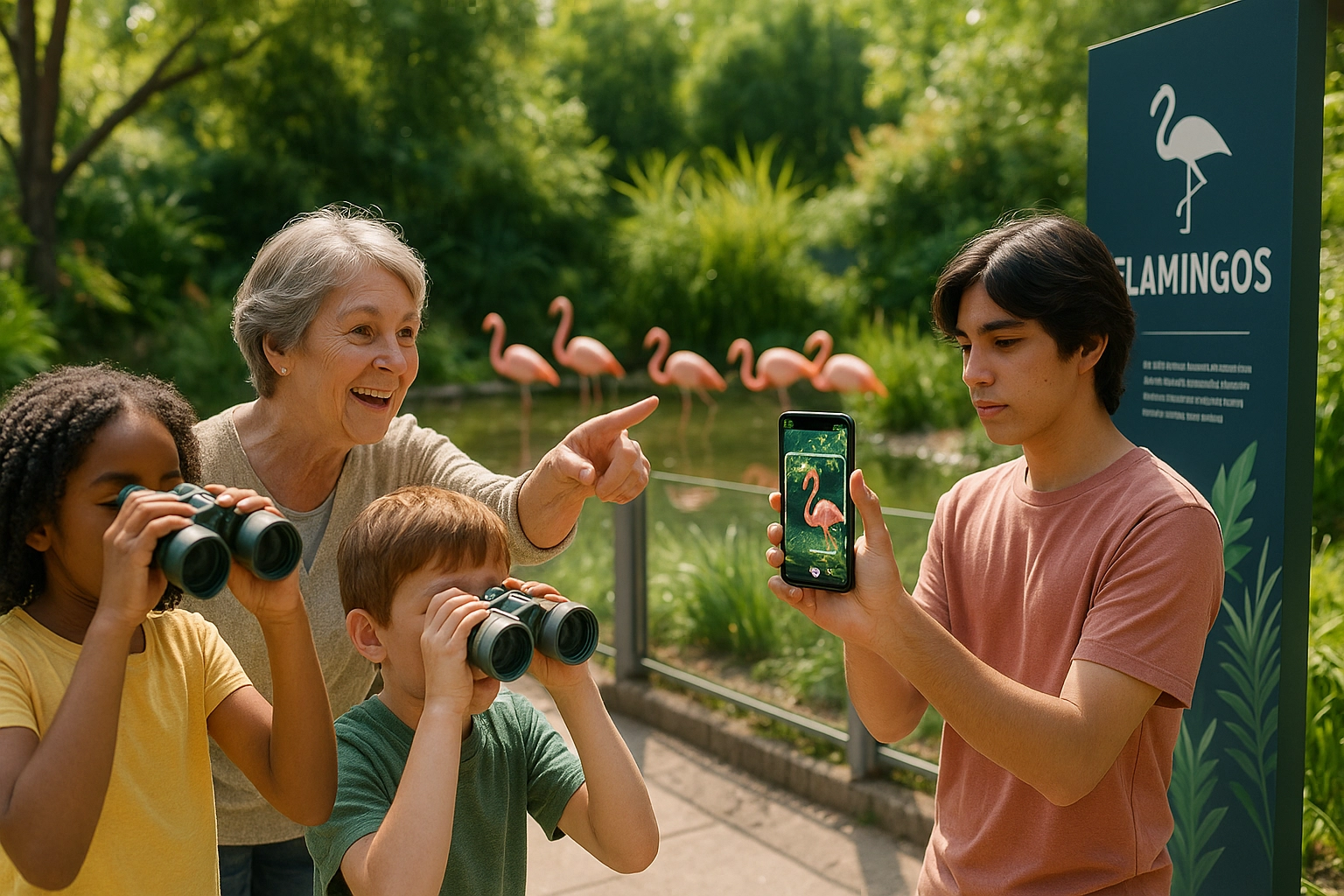
Modern visitors arrive with diverse expectations and learning styles. Some seek authentic wildlife encounters, while others expect interactive, technology-enhanced experiences. The most effective strategy accommodates both preferences within the same visit.
Smart zoos are implementing AR as supplementary technology that enhances rather than replaces core animal exhibits. This approach maximizes visitor satisfaction while preserving the authentic experiences that define traditional zoo visits.
Best Practice Implementation:
- Use AR for educational context and environmental messaging
- Maintain traditional exhibits for authentic animal encounters
- Integrate technology seamlessly into existing pathways
- Provide alternative experiences for visitors without compatible devices
- Collect visitor feedback to continuously refine offerings
Future-Proofing Your Visitor Experience
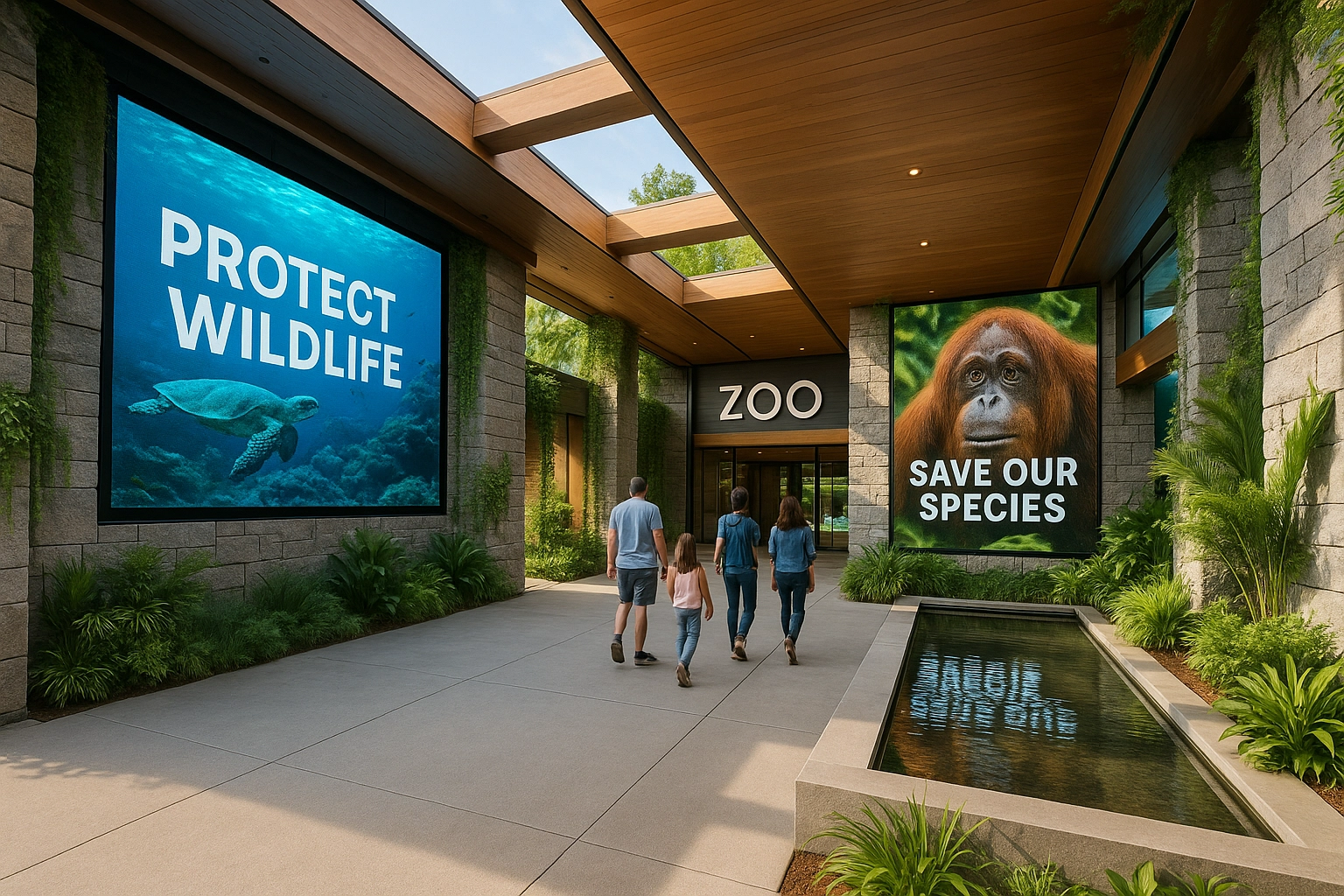
The zoo industry's future lies in thoughtful technology integration rather than wholesale replacement of traditional approaches. Successful facilities will combine AR's educational capabilities with traditional exhibits' authentic impact to create comprehensive visitor experiences.
This hybrid approach serves diverse visitor needs while maintaining the emotional connections that drive conservation support and return visits. The key is strategic implementation that enhances rather than diminishes the core zoo experience.
Implementation Considerations:
- Start with pilot AR programs in high-traffic areas
- Monitor visitor engagement and feedback closely
- Ensure technology enhances rather than distracts from animal observation
- Maintain staff training for both traditional and technology-enhanced experiences
- Plan for ongoing technology updates and maintenance
The debate between AR and traditional exhibits ultimately misses the point. The most successful zoos of the future will leverage both approaches strategically, creating rich, diverse experiences that educate, inspire, and entertain visitors while advancing conservation goals.
Ready to revolutionize your venue's visitor experience? At Zoo Media, we specialize in creating compelling marketing strategies that showcase your unique blend of traditional and cutting-edge offerings. Whether you're implementing AR technology or enhancing traditional exhibits, effective storytelling makes all the difference.
For personalized consultation on optimizing your visitor experience strategy, contact Dan Kost, CEO at www.dakdan.com or reach our AI Receptionist at +1 (323) 676-0621. Let's transform your visitor engagement approach together.
Explore more insights at zoomedia.us and discover how strategic marketing amplifies every visitor interaction.
Tags: #Motivation #Branding #Strategy #Marketing #AdvertisingAndMarketing #digitalmarketing #Innovation #Sports #VisitorExperience #ZooTechnology #AugmentedReality #TraditionalExhibits