Let's settle this once and for all: traditional billboards aren't dead. They're just getting smarter.
With Super Bowl 2026 around the corner and sports venues transforming into tech-powered advertising powerhouses, we're witnessing a marketing revolution. The question isn't whether billboards work anymore: it's how brands can leverage both traditional and digital formats to dominate in today's fragmented media landscape.
The Billboard "Death" Myth Gets Debunked
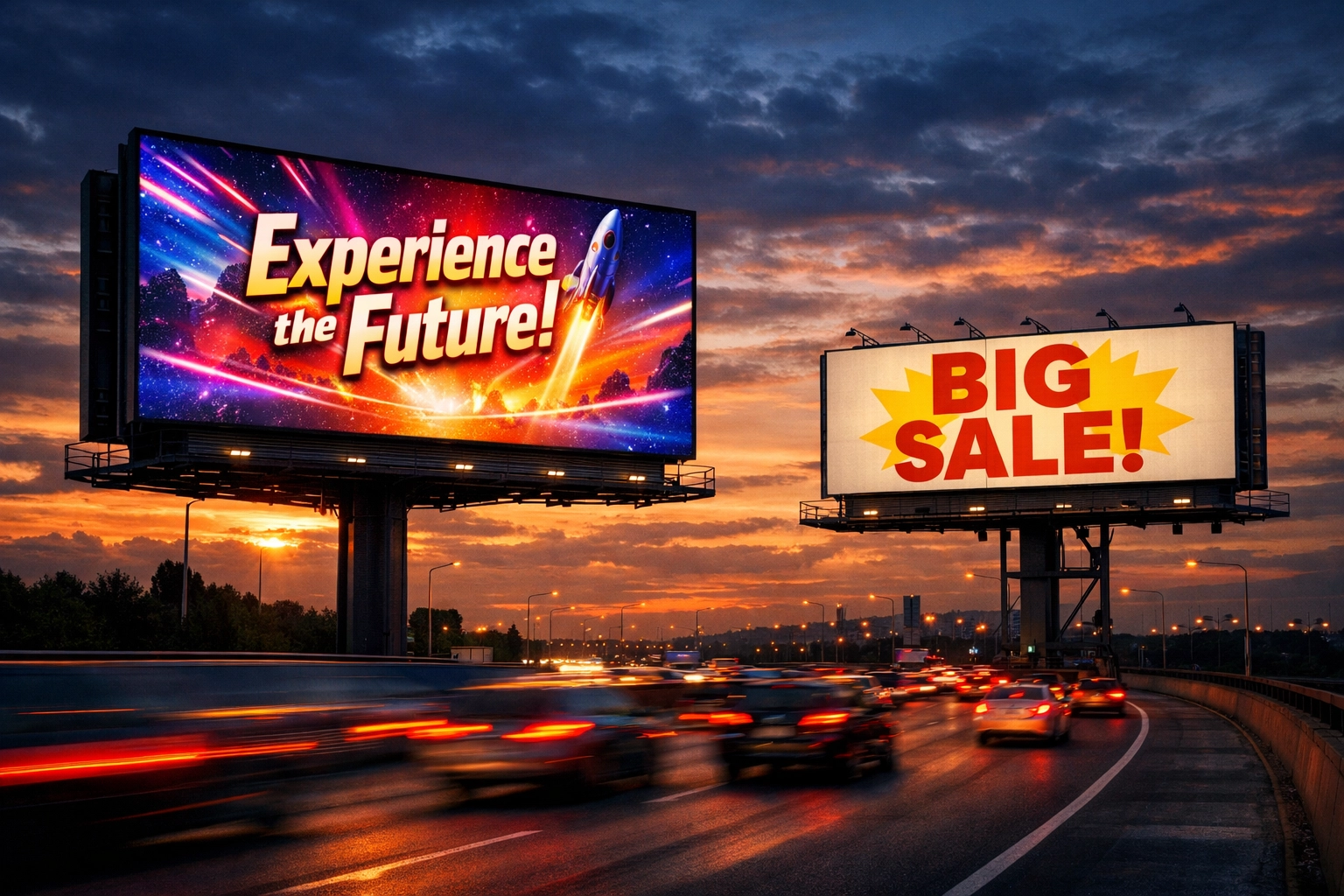
Here's something that might surprise you: U.S. out-of-home (OOH) advertising revenue has been climbing steadily year over year. Both digital and traditional formats are expanding simultaneously, not competing for survival.
Why? Because billboards solve problems that digital channels simply can't.
They're unskippable. They don't get blocked by ad software. They don't rely on cookies or personal data. And they deliver massive scale without forcing you to navigate a maze of fragmented digital platforms.
The meat and potatoes of the outdoor advertising industry is still old-school billboards: especially outside densely populated markets where digital signage isn't practical. Brands are seeing measurable real-world impact through search lift, site traffic increases, and foot traffic attribution models.
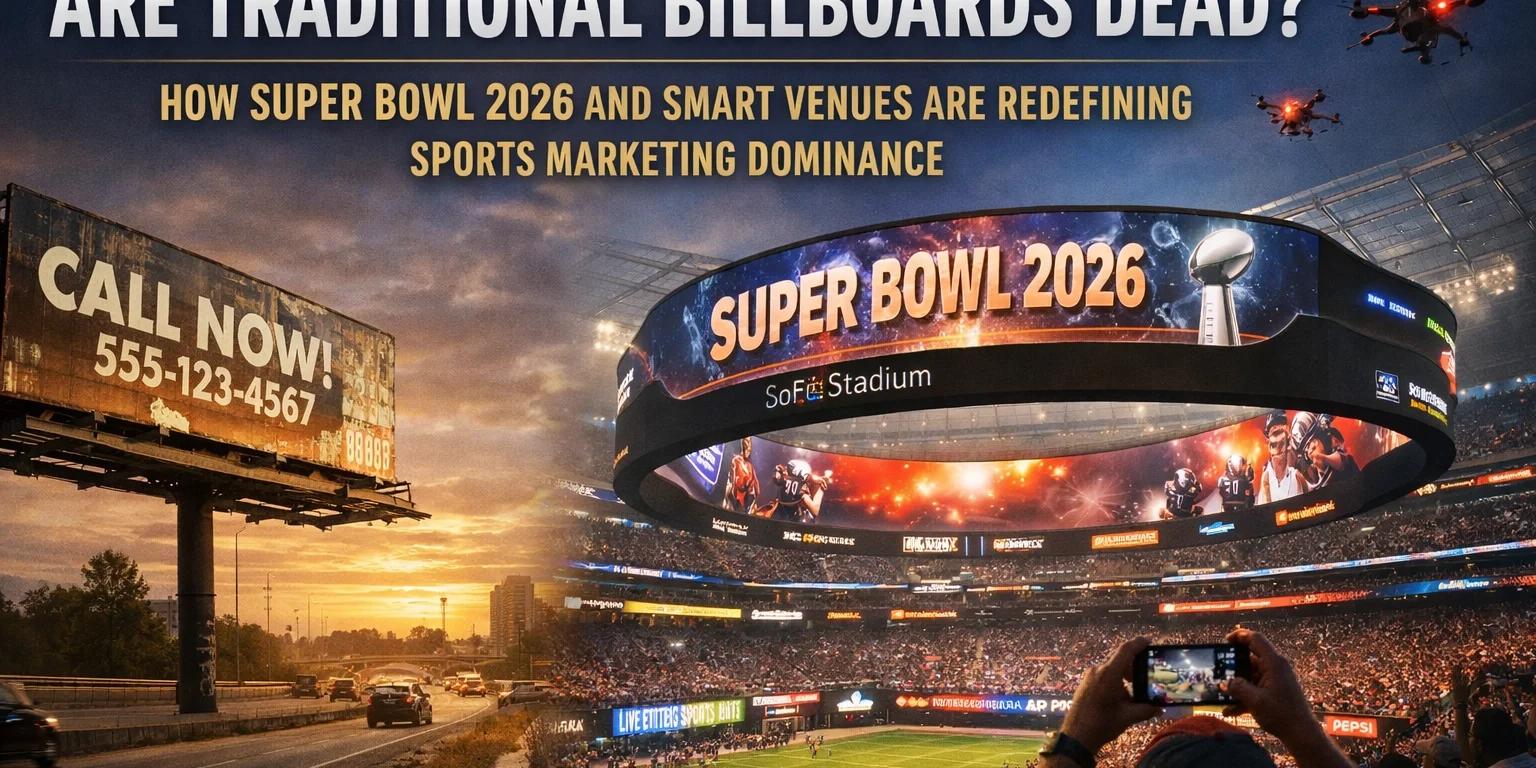
What Super Bowl 2026 Teaches Us About Modern Sports Marketing
Super Bowl advertising has always been the gold standard for brand visibility. But Super Bowl 2026 is different. We're not just talking about 30-second TV spots anymore: we're talking about integrated experiences that span physical venues, digital screens, mobile devices, and social platforms.
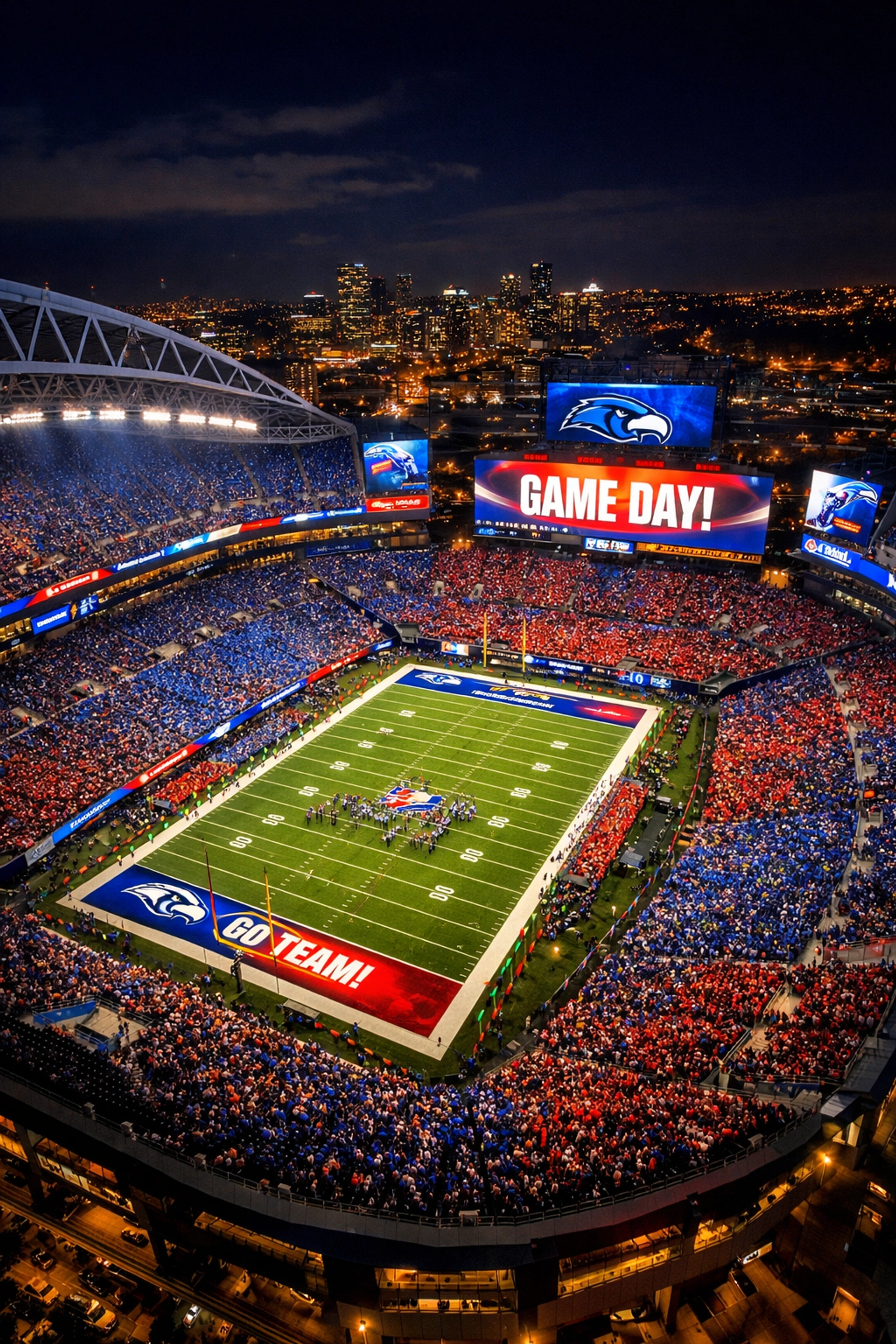
Smart venues are changing the game. Modern stadiums and arenas are equipped with massive jumbotrons, digital billboards, LED ribbon boards, and interconnected screens that create immersive brand experiences. These aren't your grandfather's static signs: they're dynamic, data-driven platforms that respond to real-time events.
Check out how innovative advertising technology is transforming live events:
https://www.youtube.com/watch?v=l6J-0zileKE
The Super Bowl represents the pinnacle of this evolution. Brands investing in Super Bowl 2026 aren't just buying ads: they're buying into an ecosystem where traditional and digital advertising work together to create unforgettable moments.
Smart Venues: The New Frontier for Advertising Dominance
Smart venues are where the rubber meets the road for modern sports marketing. These spaces combine traditional billboard impact with digital flexibility and data-driven targeting.
Here's what makes them game-changers:
Dynamic Content Delivery – Screens can change messages based on game action, time of day, or audience demographics. Imagine a billboard promoting cold beer during a timeout in a hot afternoon game, then switching to highlight a brand's social responsibility initiative during a community moment.
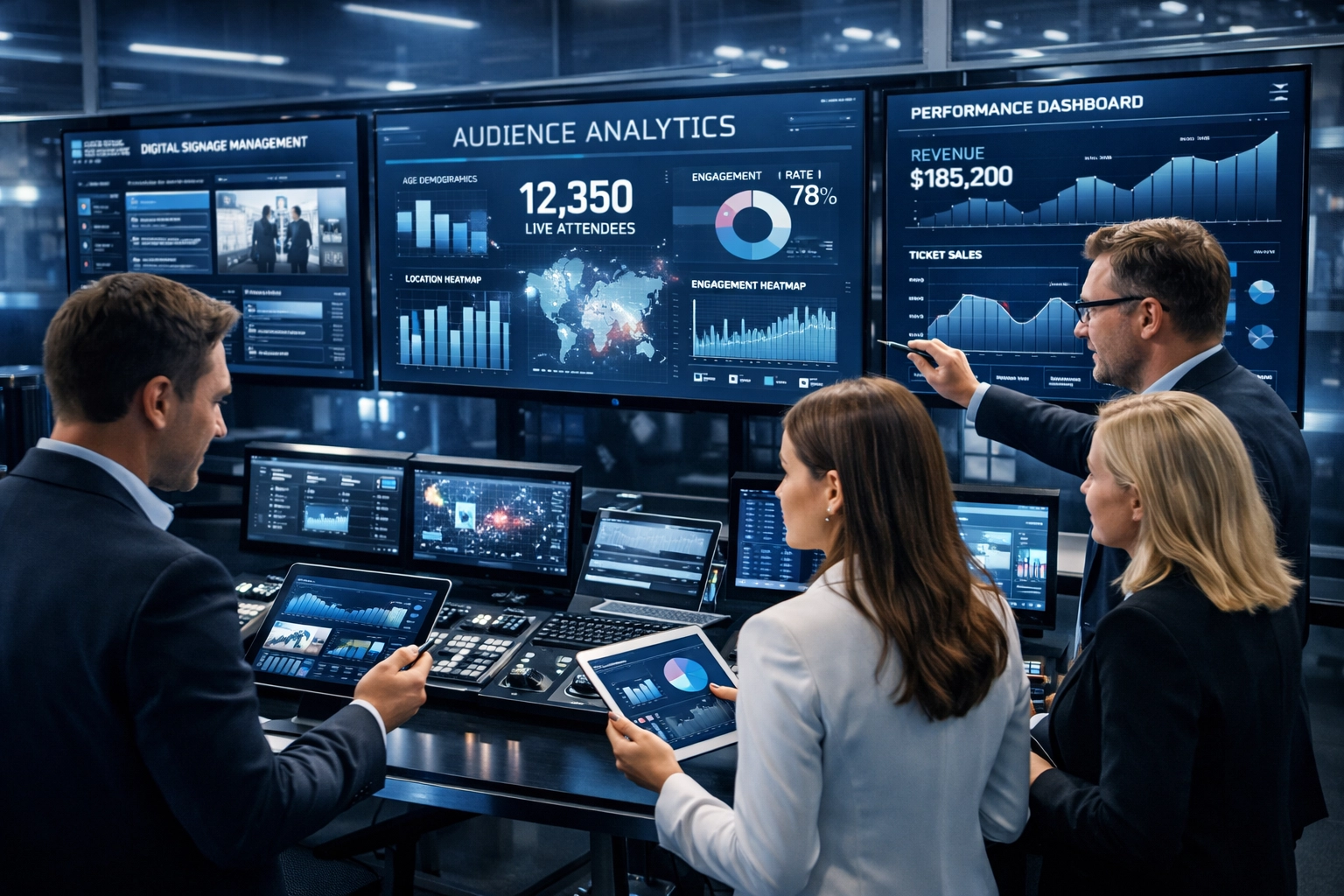
Measurement and Attribution – Unlike traditional outdoor advertising, smart venue technology provides concrete data on impressions, engagement, and even post-exposure behavior through mobile integrations.
Seamless Integration – The best smart venues create cohesive brand experiences across multiple touchpoints: from parking lot signage to in-stadium jumbotrons to mobile app notifications.
Why Traditional Billboards Still Win (When Used Right)
Despite all the hype around digital, traditional billboards maintain distinct advantages that keep them relevant in 2026:
Long-Term Brand Awareness – Static billboards excel at building consistent brand presence. A billboard on a major highway near a stadium delivers thousands of impressions daily for months at predictable costs.
Cost Efficiency – For sustained visibility, traditional formats often deliver better ROI than constantly refreshed digital content.
Creative Impact – Some of the most memorable advertising moments come from bold, simple creative that works best on static formats. Think about the iconic billboards that become Instagram moments themselves.
Geographic Dominance – In strategic locations: like the routes leading to Super Bowl venues: traditional billboards create unavoidable brand presence that digital ads can't replicate.
The secret isn't choosing between traditional and digital. It's understanding when each format delivers maximum impact.
The Integration Strategy: How Winners Play the Game
Brands winning in 2026 aren't picking sides: they're building integrated strategies that leverage multiple channels.
Here's what that looks like in practice:
Phase 1: Awareness – Traditional billboards near venues and on major routes create broad awareness and brand recall.
Phase 2: Engagement – Digital screens inside venues deliver targeted, contextual messages that drive immediate action (app downloads, social engagement, product purchases).
Phase 3: Conversion – Mobile integration and retargeting turn venue exposure into measurable business results.
This layered approach creates multiple touchpoints that reinforce brand messages and drive results that single-channel strategies can't match.
Programmatic Billboard Buying Changes Everything
One of the biggest shifts in outdoor advertising is the rise of programmatic buying. Advertisers can now purchase billboard placements through automated platforms, optimize based on performance data, and adjust campaigns in real-time.
This brings digital marketing's agility to traditional formats. You can test creative, shift budgets to high-performing locations, and measure results with precision that was impossible just a few years ago.
For Super Bowl 2026, this means brands can execute sophisticated campaigns that respond to game developments, social media trends, and audience behavior in ways that feel almost magical to consumers.
What This Means for Zoos, Aquariums, and Entertainment Venues
You might be wondering what Super Bowl advertising has to do with zoos and aquariums. The answer: everything.
The same smart venue technology transforming sports marketing can revolutionize how educational and entertainment venues connect with visitors and sponsors. Digital signage, interactive displays, and data-driven content delivery create opportunities for:
- Enhanced sponsor visibility and ROI
- Personalized visitor experiences
- Real-time content updates for special events
- Measurable advertising performance
- Year-round revenue generation from venue assets
The technology and strategies driving Super Bowl 2026's advertising innovation scale beautifully to venues of all sizes.

The Future Is Hybrid, Not Digital-Only
As we look toward Super Bowl 2026 and beyond, the lesson is clear: the future of advertising isn't about abandoning what works. It's about evolution, not replacement.
Traditional billboards bring scale, reliability, and brand-building power. Digital formats deliver flexibility, measurement, and real-time relevance. Smart venues combine both to create advertising experiences that drive real business results.
Brands that understand this hybrid approach: that see advertising as an integrated ecosystem rather than a choice between old and new: will dominate in 2026 and beyond.
The question isn't whether traditional billboards are dead. The question is: are you ready to leverage both traditional and digital formats to own your market?
Ready to transform your venue into an advertising powerhouse? Zoo Media specializes in helping venues leverage both traditional and digital advertising technology to create unforgettable brand experiences and maximize sponsor ROI. Learn more at zoomedia.us or contact Dan Kost, CEO, to discuss how smart venue technology can work for you.
#Sports #Marketing #AdvertisingAndMarketing #Innovation #SuperBowl2026 #SmartVenues #DigitalMarketing #Branding #Strategy