Let's be honest: if you're still thinking a single 30-second Super Bowl spot is the golden ticket to advertising success, you're already playing yesterday's game.
Super Bowl 2026 just pulled back the curtain on what the smartest sports marketers have known for months: the real winners aren't buying ads, they're building ecosystems. And the data proves it.
The $7 Million Truth Nobody's Talking About
Here's what happened: brands spent an average of $7 million per 30-second spot during Super Bowl 2026. But the campaigns that actually moved the needle? They treated that expensive airtime as just one piece of a much bigger puzzle.
The winning formula looked nothing like traditional Super Bowl advertising. Instead of dropping millions on a single moment and hoping for viral magic, top performers orchestrated three-phase campaigns that started in mid-January and continued weeks after the final whistle.
Watch how innovative venue technology is transforming sports advertising:
Why Your Favorite Celebrity Isn't Enough Anymore
Celebrity appearances showed up in 61% of Super Bowl 2026 ads. But here's the kicker: most of them fell flat.
The issue? Brands leaned too heavily on star power without building compelling stories around their actual products. Think about it: when was the last time you bought something just because a celebrity smiled at you from your screen for 30 seconds?
The new playbook focuses on:
- Product-first storytelling
- Celebrities as supporting characters, not the main event
- Authentic connections over manufactured moments
- Multi-touchpoint engagement that extends beyond broadcast
Take the Carl's Jr. campaign as a prime example. Their partnership with influencer Alix Earle generated 91% follower growth and 47% engagement rates: not through a flashy commercial, but through behind-the-scenes Instagram content that felt genuine and relatable.
The Tech Revolution You Didn't See Coming
Sixteen tech companies advertised during Super Bowl 2026: up from fourteen in 2025. This isn't random. It's a signal that innovation and automation now dominate the advertising landscape.
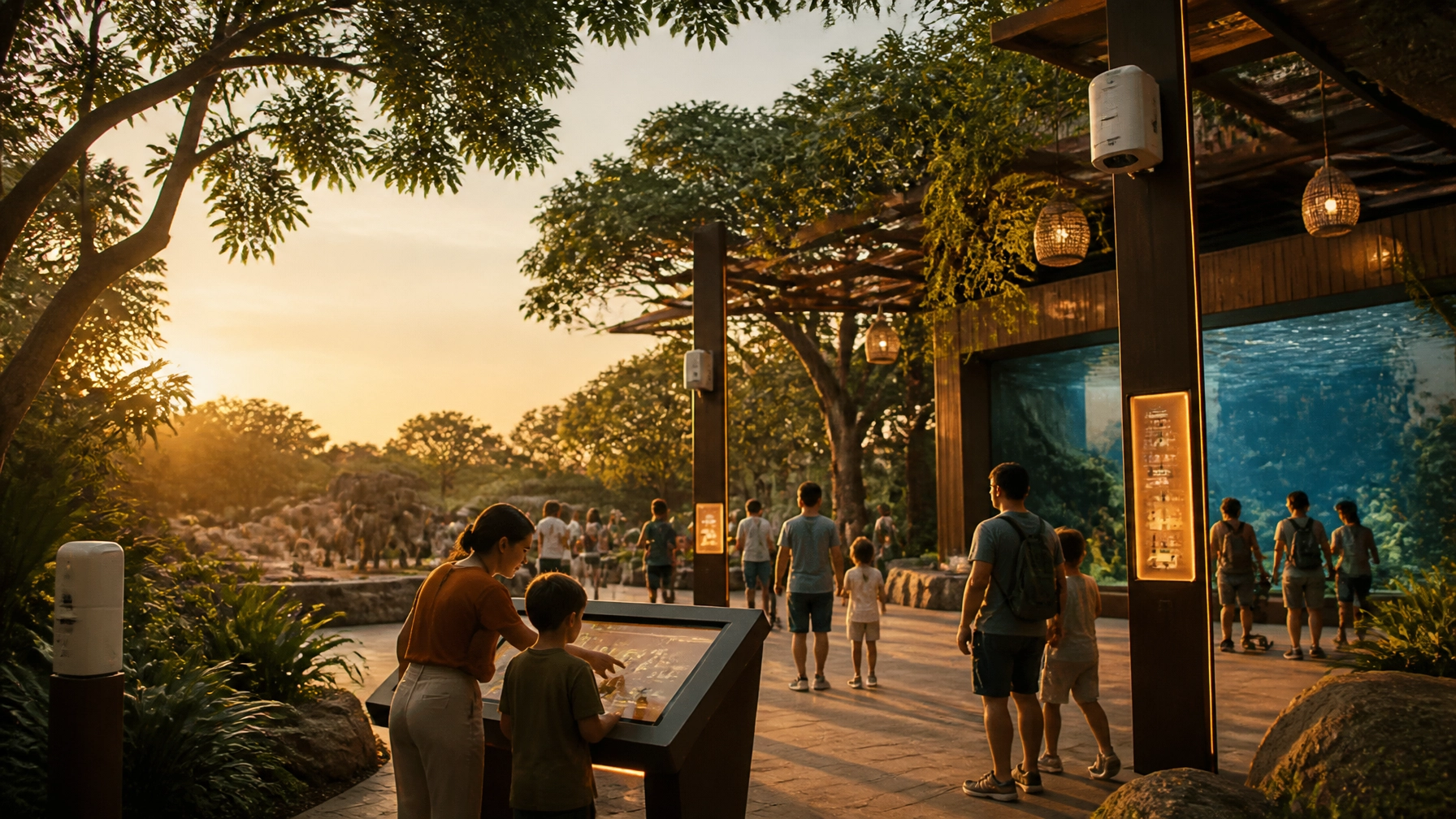
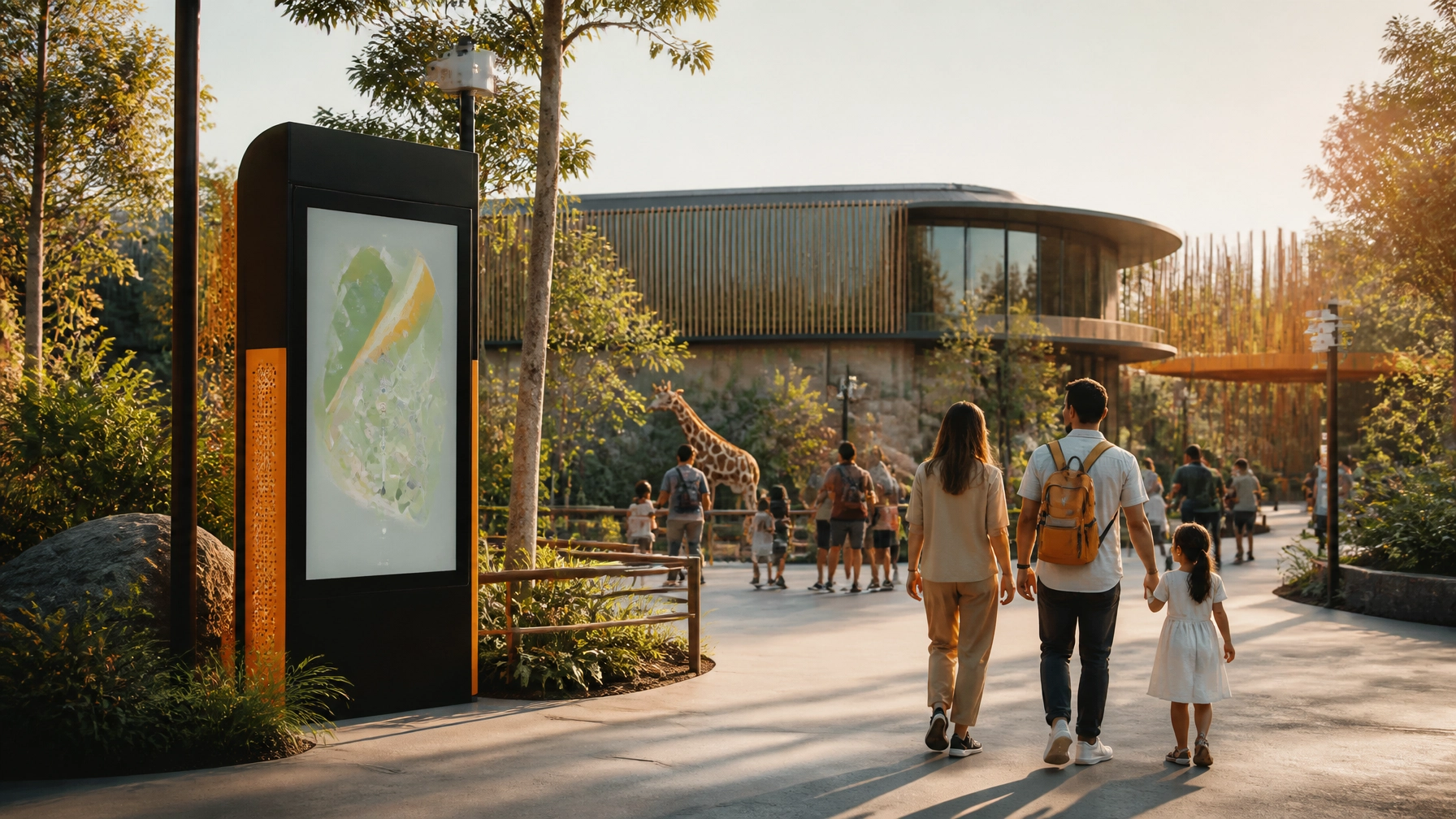
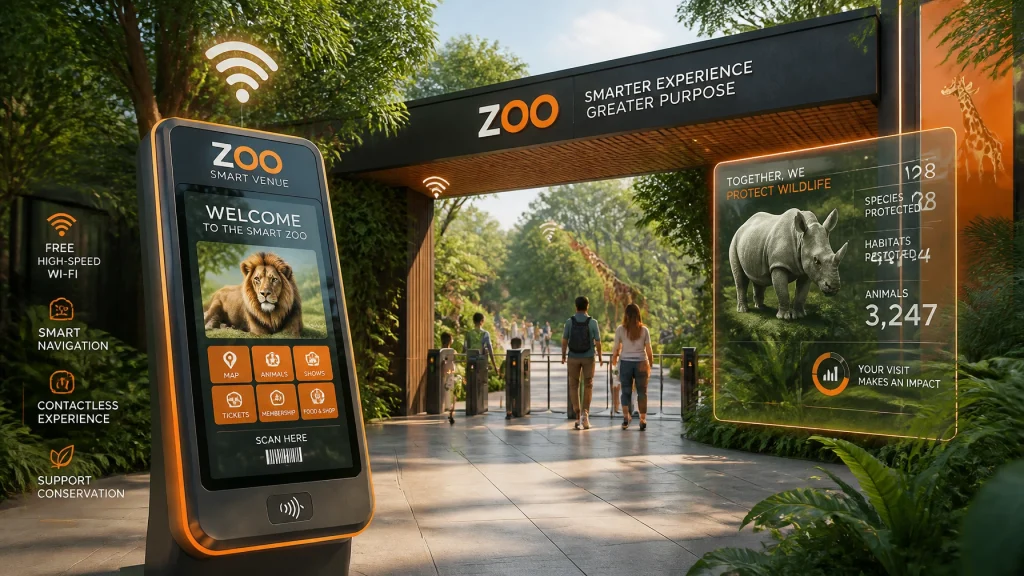
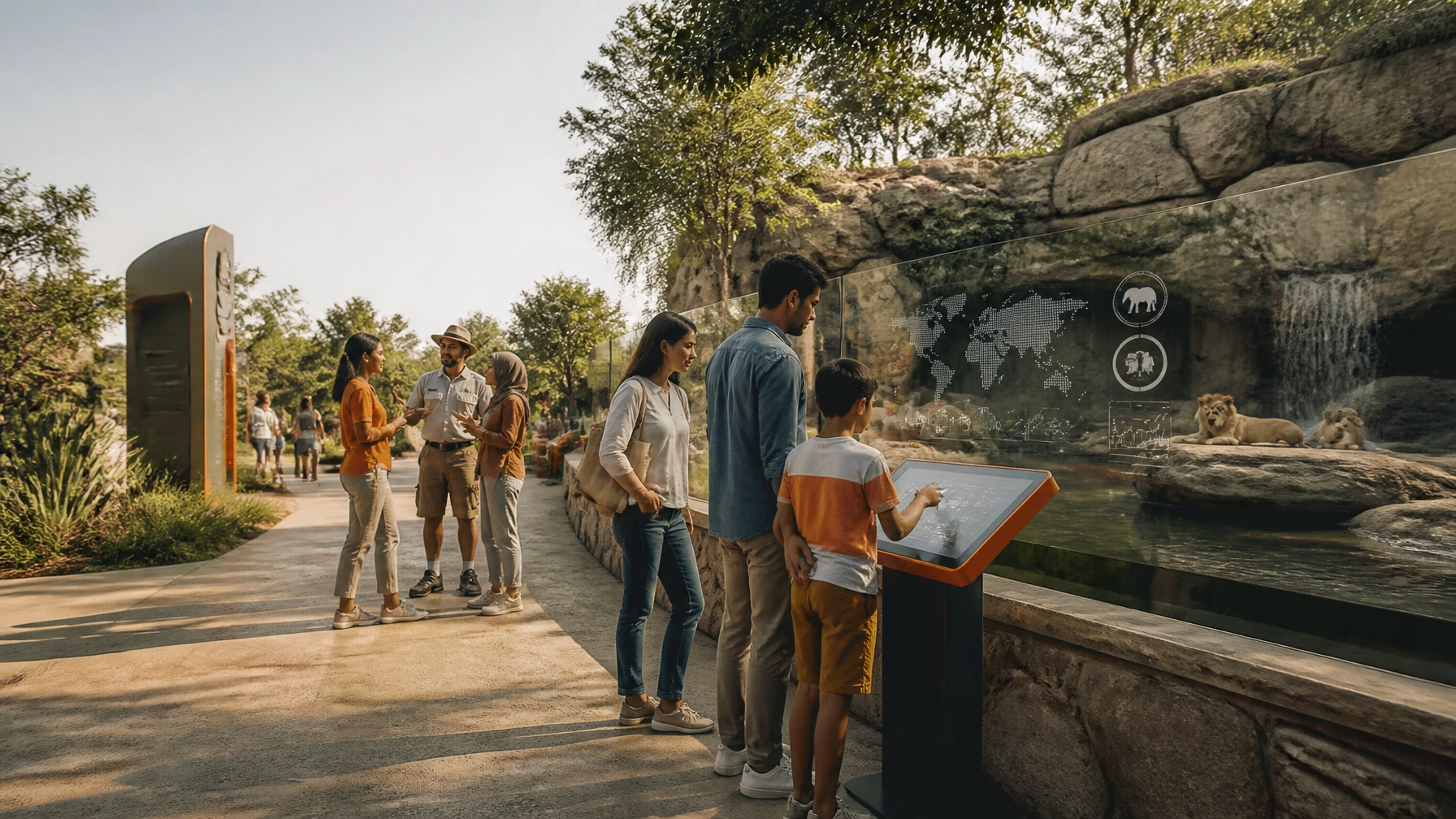
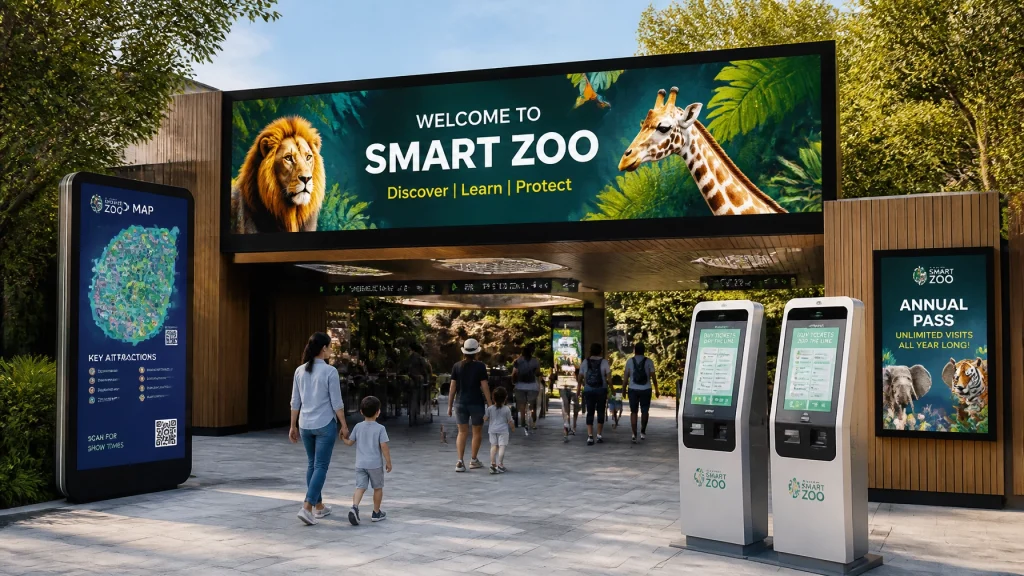
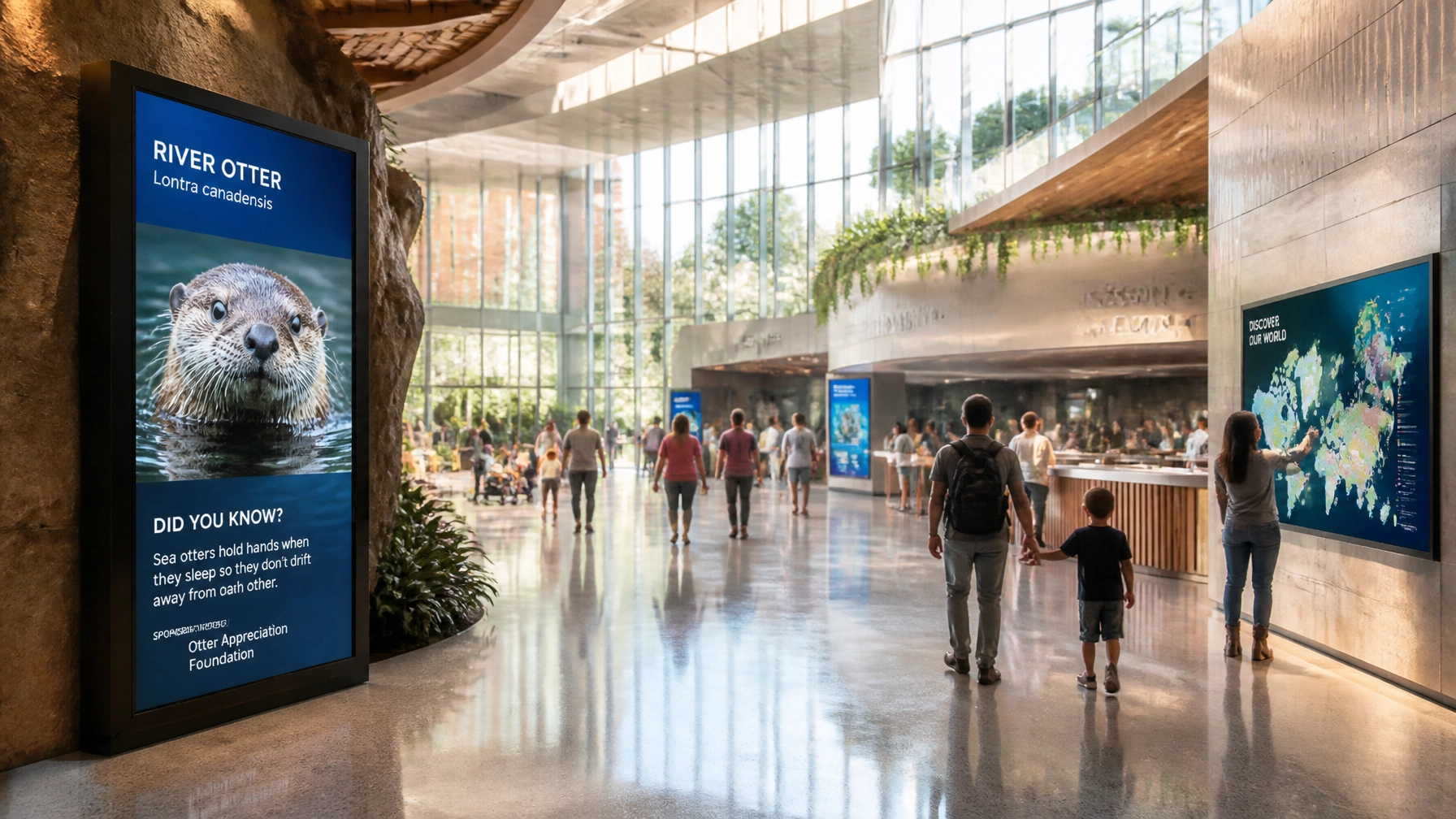
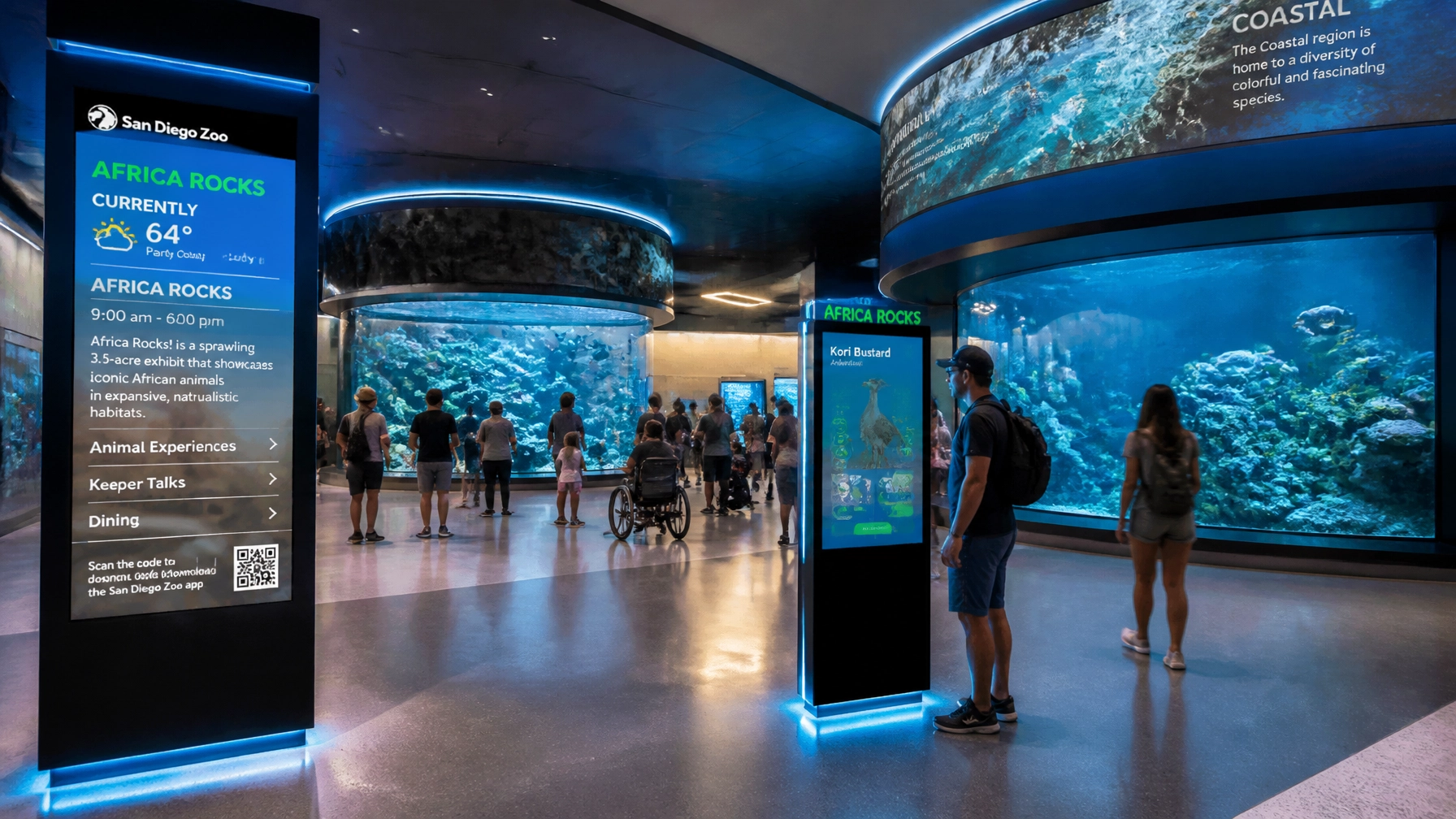
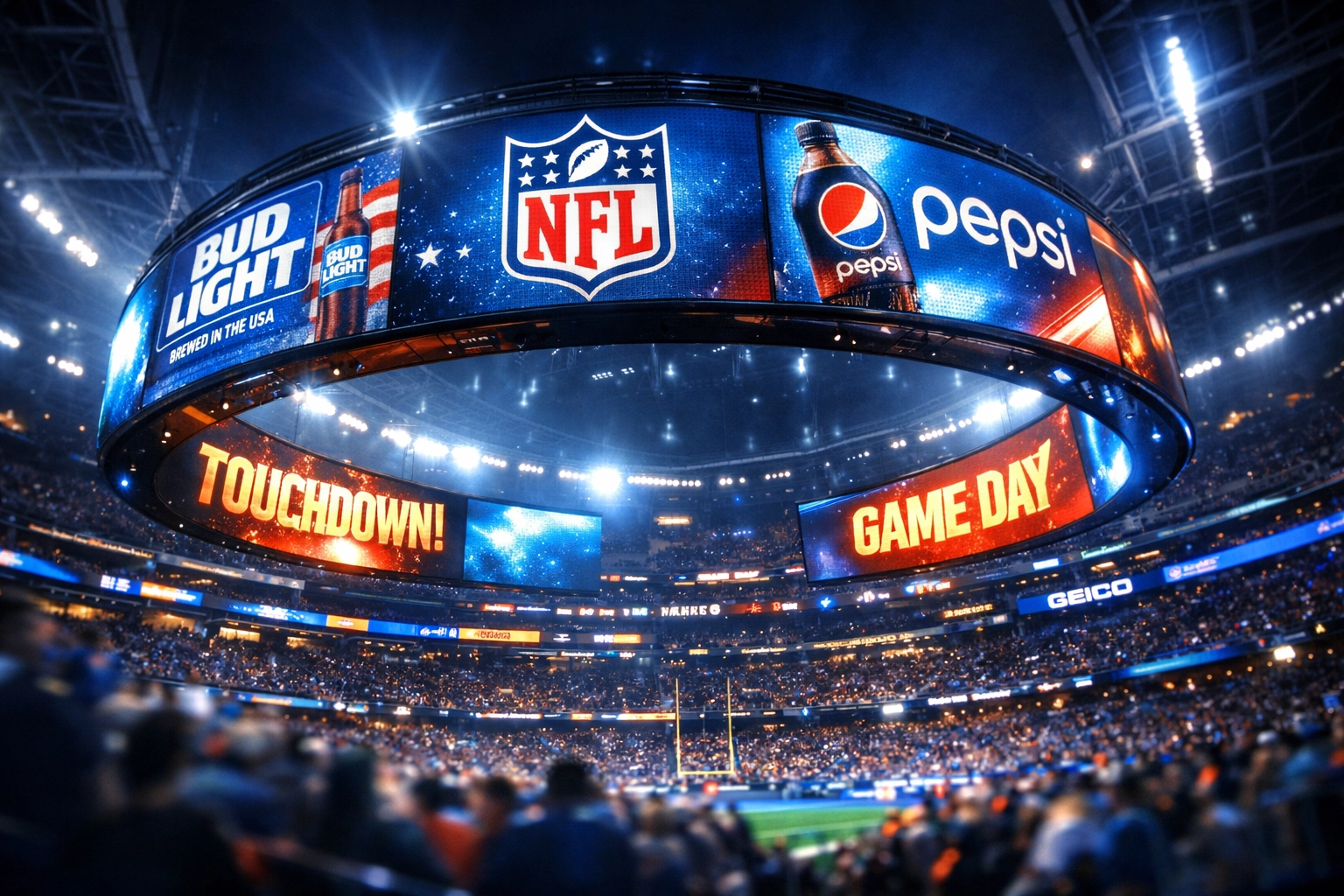
But here's where it gets interesting for venues and brands alike: the real innovation isn't happening on your TV screen. It's happening in stadiums, on jumbotrons, across digital billboard networks, and through smart venue technology that creates immersive experiences traditional ads can't touch.
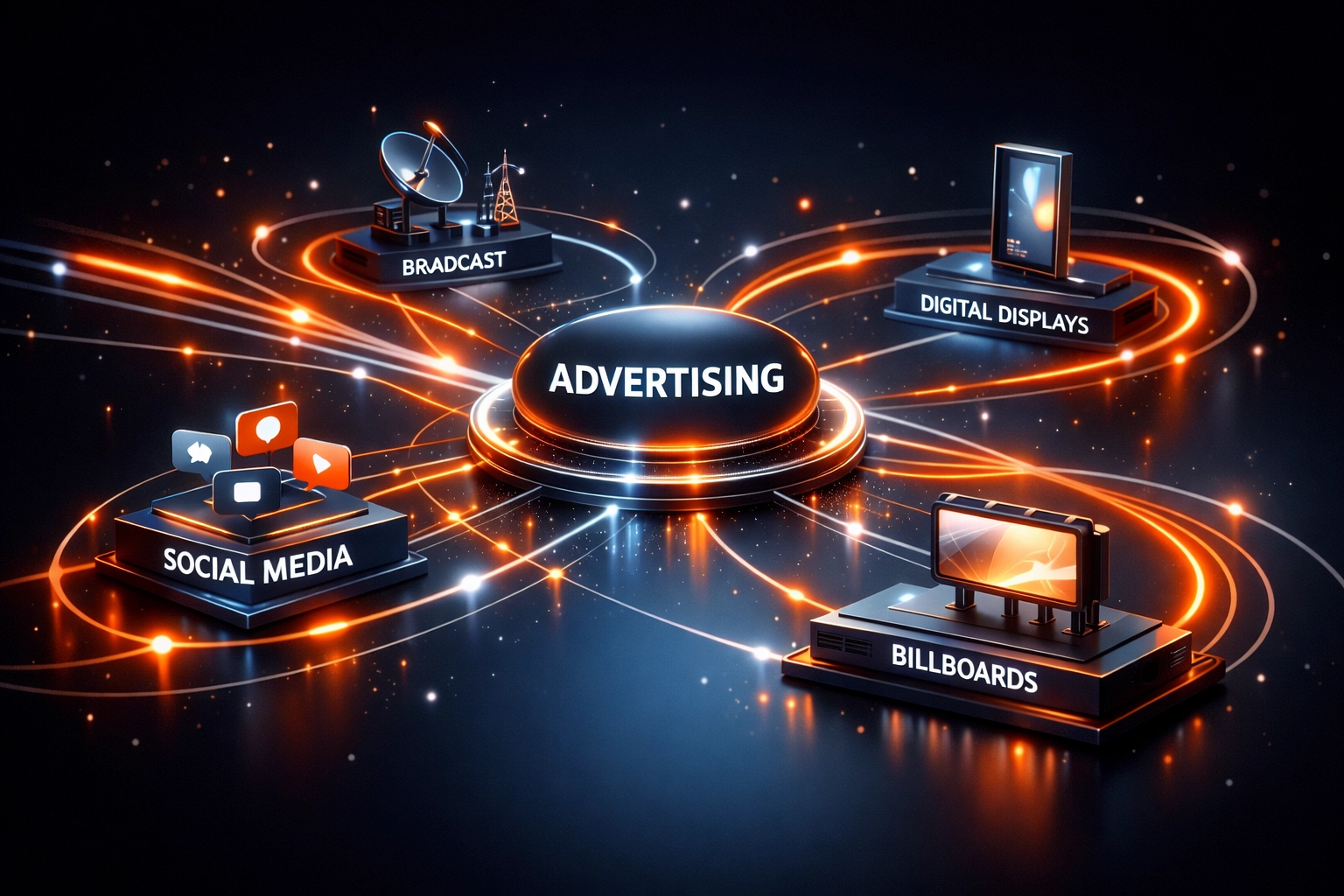
At Zoo Media, we've seen this shift firsthand. Our digital networks, jumbotrons, and billboard placements create contextual advertising moments that connect with audiences when they're already engaged: not when they're running to grab more chips during a commercial break.
The Multi-Channel Secret That Changes Everything
Here's the advertising secret sports marketing experts have been quietly using: contextual relevance beats advertising volume every single time.
Successful Super Bowl 2026 campaigns didn't just throw money at airtime. They aligned their messages with what audiences were already doing:
- Researching team statistics
- Organizing watch parties
- Analyzing betting lines
- Sharing game-day recipes
- Discussing halftime predictions
This meant deploying coordinated messaging across:
- Pre-game social media content
- In-venue digital displays
- Game-day broadcasts
- Post-game engagement platforms
- Contextual digital networks
The brands that won big understood something crucial: your audience isn't sitting passively waiting for your commercial. They're actively consuming content across multiple channels, and your advertising needs to meet them where they already are.
The Three-Phase Strategy That Actually Works
Let's break down the timeline that separated winners from losers:
Phase 1: Pre-Game (Mid-January through February 7)
Establish narrative frameworks. Build anticipation. Create content that gets people talking before game day. This is where smart brands used digital billboards, social media teasers, and venue partnerships to plant seeds.
Phase 2: Game-Day Impact
Deliver your high-impact broadcast moment. But: and this is critical: ensure it's supported by simultaneous activations across jumbotrons, digital networks, and social platforms. One touchpoint isn't enough.
Phase 3: Post-Game Engagement
Capitalize on cultural conversations. The Super Bowl might be over, but the discussions continue for weeks. Brands that extended their messaging through continued digital placements and social engagement saw dramatically better ROI.
What the Numbers Really Mean
Here's where most brands mess up: they measure the wrong things.
Vanity metrics like "ad likability scores" and "social media impressions" tell you almost nothing about actual business impact. Modern campaigns that succeed prioritize:
- Sales lift (actual revenue increases)
- Brand consideration (movement in purchase intent)
- Qualified lead generation (not just eyeballs, but engaged prospects)
The data from Super Bowl 2026 showed that brands focusing on these real business outcomes achieved measurably better ROI than those chasing viral moments and social buzz alone.
The Venue Technology Advantage
Smart venues aren't just hosting events anymore: they're becoming advertising platforms themselves.
Digital jumbotrons, interactive billboards, and networked displays create opportunities for:
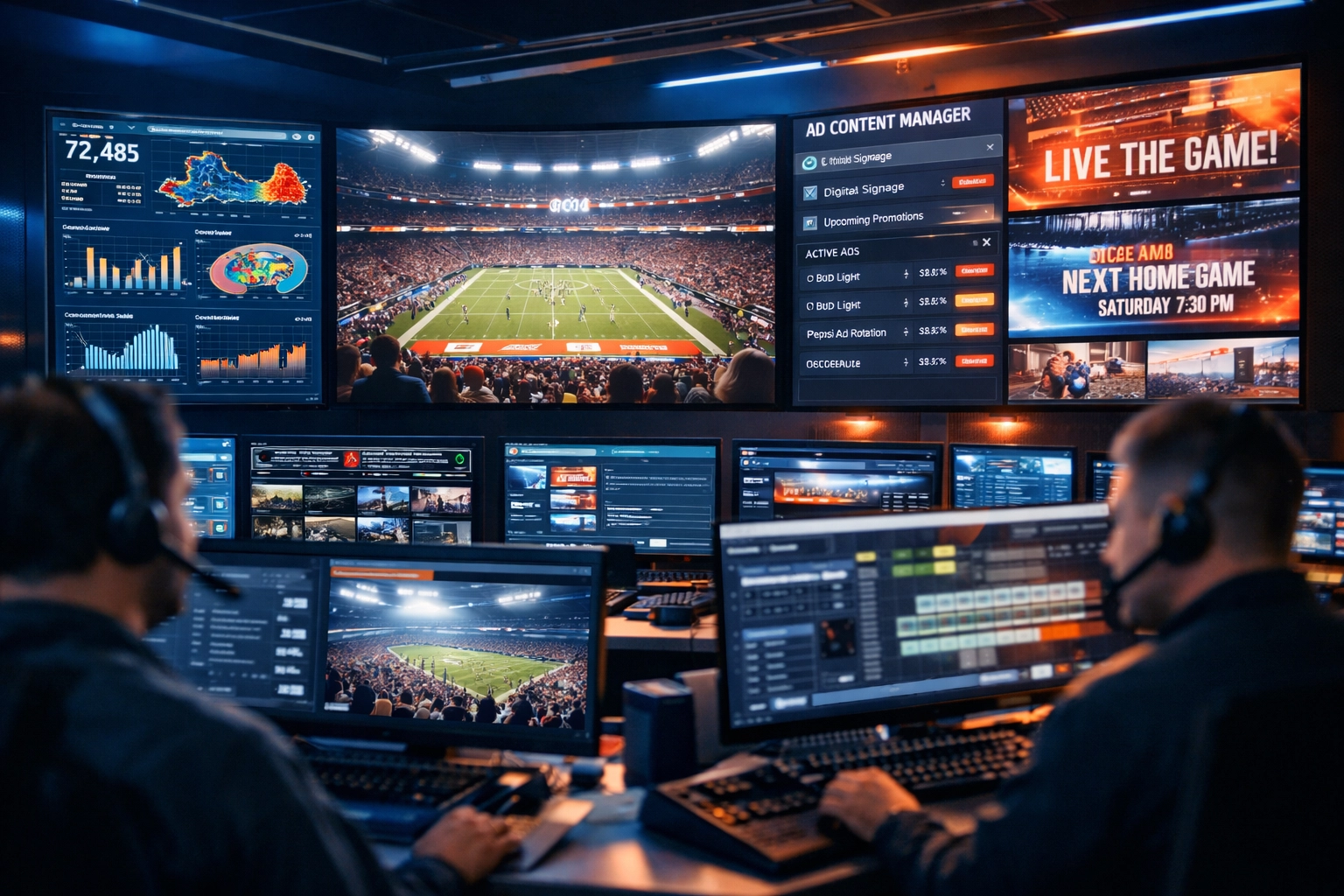
- Real-time content updates based on game situations
- Contextually relevant advertising that matches audience mood
- Multi-screen storytelling that extends your message
- Data-driven optimization during live events
Zoo Media's approach to venue technology recognizes this shift. We're not selling ad space: we're creating advertising ecosystems that amplify your message when audiences are most receptive.
Your Competitive Edge for 2027
So what does this mean for brands planning their next big sports marketing play?
Stop thinking about standalone placements. Start building integrated campaigns.
The Super Bowl 2026 data makes it crystal clear: success requires coordination across digital networks, venue technology, social platforms, and traditional media. The brands that treat these as separate silos will continue wasting millions on ads nobody remembers.
The brands that orchestrate them into unified experiences? They're the ones writing case studies about record-breaking results.
Ready to transform your sports marketing strategy?
At Zoo Media, we specialize in creating multi-channel advertising ecosystems that actually move the needle. From jumbotrons to digital billboards to comprehensive network placements, we help brands reach massive audiences through innovative technology and strategic positioning.
Contact Dan Kost, CEO
📞 AI Receptionist: +1 (323) 676-0621
🌐 www.dakdan.com
🦁 www.zoomedia.us
#Motivation #Branding #Strategy #Marketing #AdvertisingAndMarketing #digitalmarketing #Innovation #Sports #SuperBowl2026 #SportsMarketing #VenueTechnology #AdvertisingROI