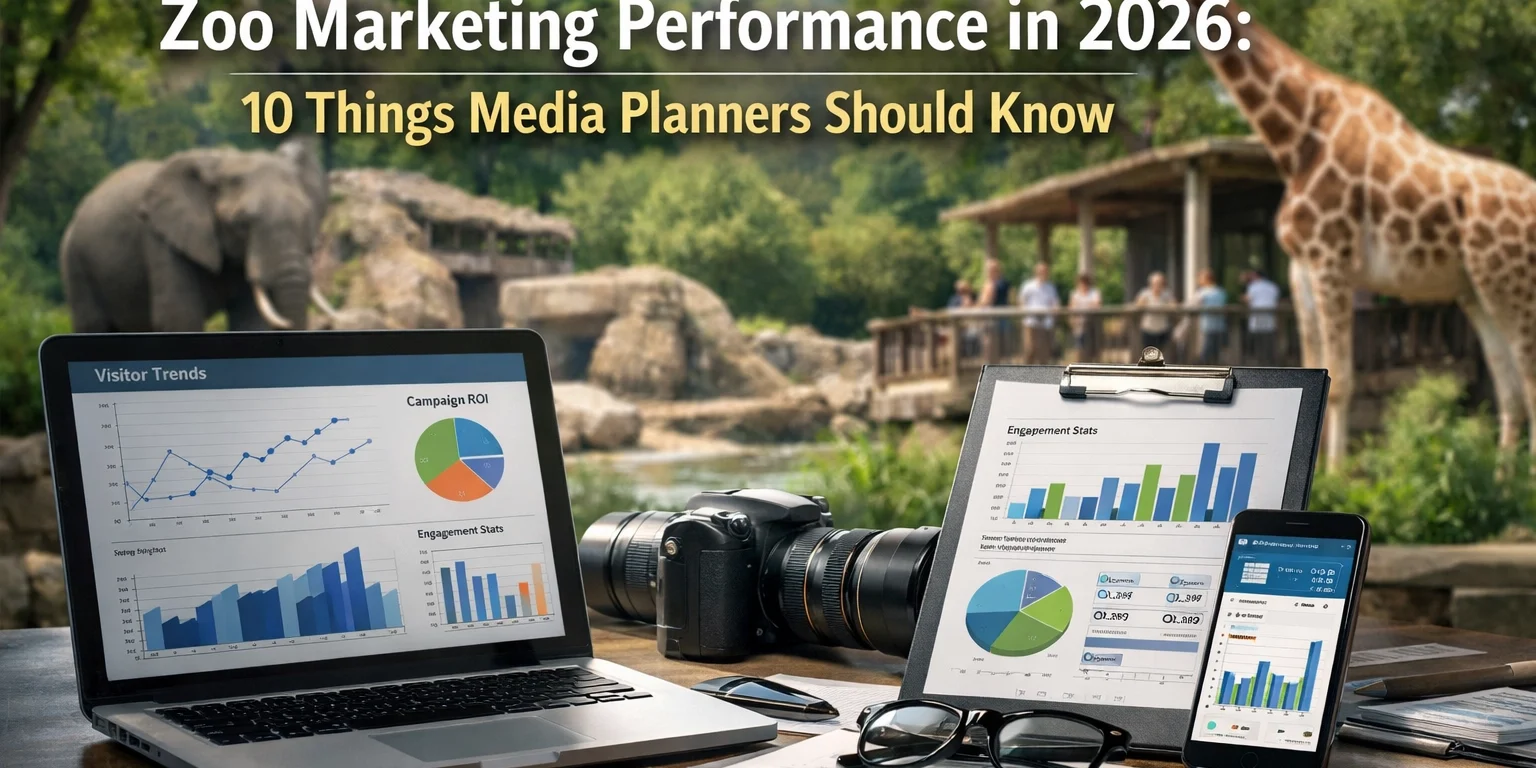
If you're a media planner or brand manager looking at unconventional sponsorship opportunities in 2026, zoo marketing deserves a serious second look. The wildlife attraction landscape has evolved dramatically, and the performance metrics we're seeing tell a compelling story for advertisers willing to think beyond traditional outdoor advertising.
Here's what the latest data reveals about zoo marketing performance and why it matters for your next campaign.
1. The Market Is Growing: And Fast
The global zoos and aquariums market isn't just surviving; it's thriving. Current projections show elevated growth driven by two powerful consumer trends: heightened interest in wildlife conservation and demand for enhanced visitor experiences. This growth translates directly to increased foot traffic, longer dwell times, and more engaged audiences: all metrics that matter when you're planning media placements.
For context, the zoo management software market alone is projected to reach $505.4 million by 2033, growing at a 6.8% CAGR. Why does this matter? Because operational technology investments signal institutions that are serious about data collection, visitor analytics, and: most importantly for media planners: measurement capabilities.
2. Audiences Are Pre-Qualified and Highly Engaged
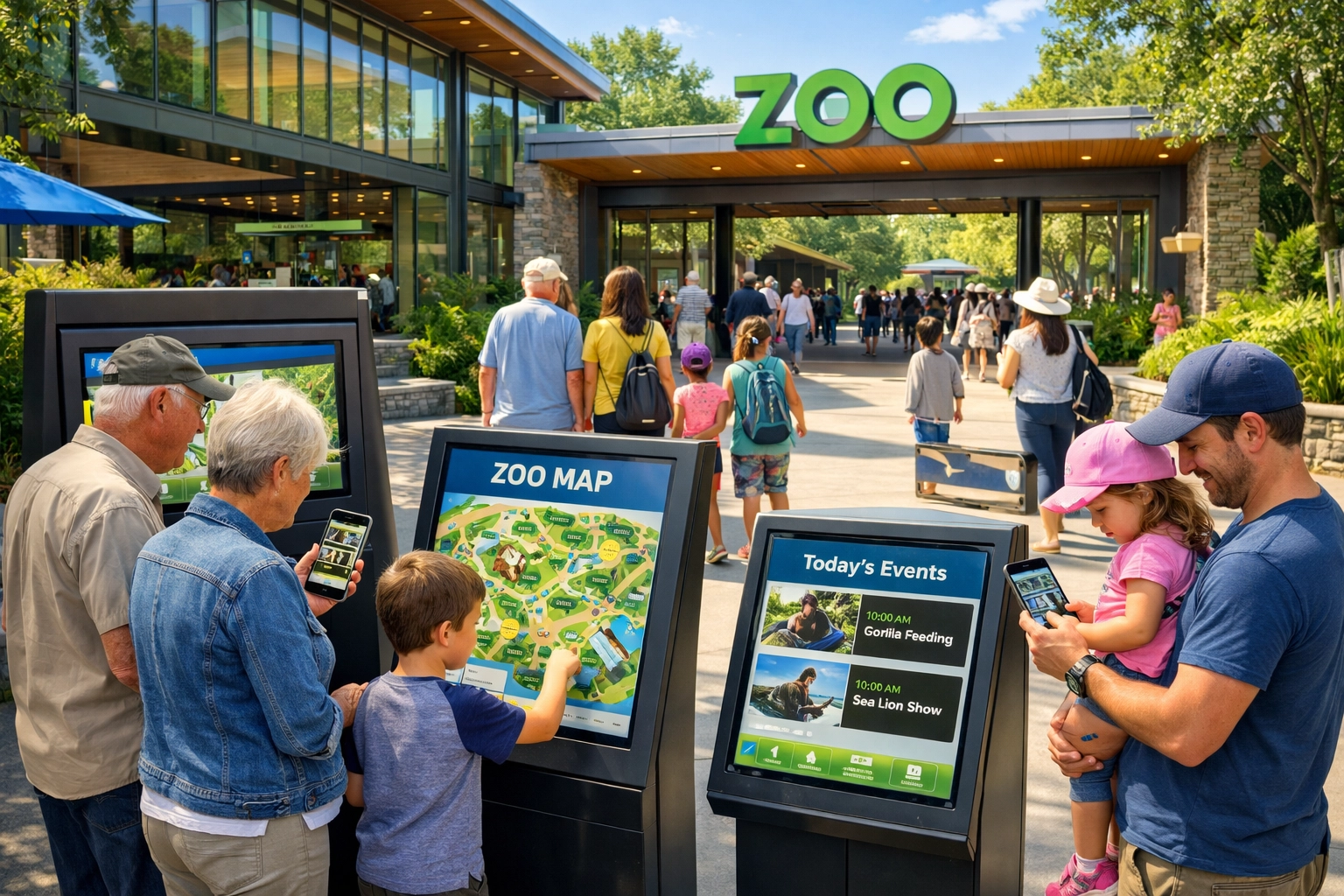
Zoo visitors aren't passive observers. They're actively choosing to spend 4-6 hours in an environment focused on education, conservation, and family bonding. This creates a unique mindset that's receptive to brand messaging: particularly from sponsors aligned with conservation values or family-friendly positioning.
Unlike digital marketing where attention spans are measured in seconds, zoo environments offer sustained engagement. Visitors are present, attentive, and primed for storytelling. For brands in the right categories, this represents a captive audience in the truest sense.
3. Technology Integration Opens New Creative Possibilities
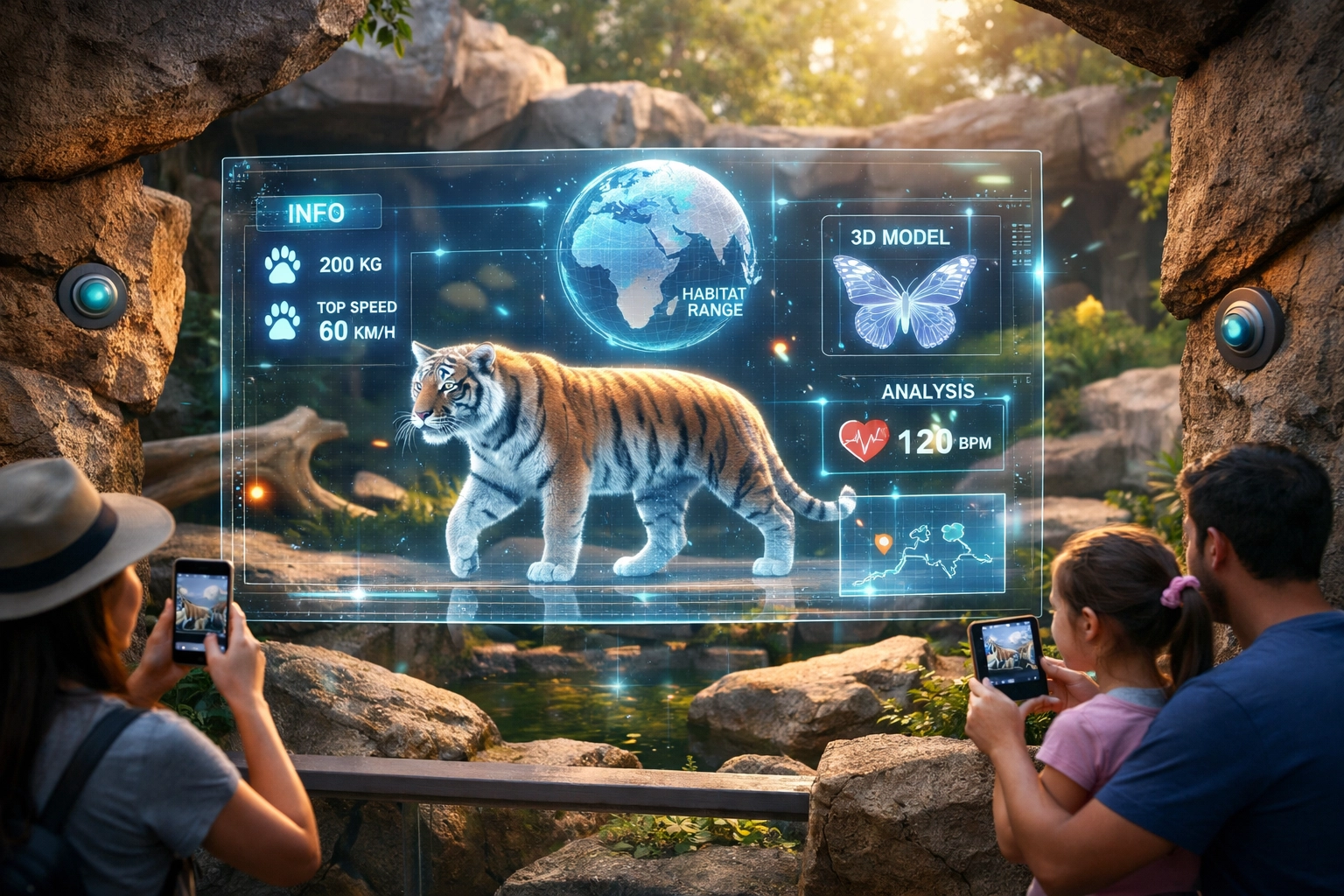
The adoption of mobile applications, IoT devices, and advanced analytics in zoo environments is creating opportunities that didn't exist even two years ago. Interactive exhibits powered by digital technology can now incorporate sponsor messaging seamlessly. Real-time data collection enables personalized visitor experiences that can be co-branded with partners.
Think beyond static signage. Modern zoo marketing encompasses app-based experiences, augmented reality activations, and interactive touchpoints that generate measurable engagement data. For creative services teams, this is a playground of opportunity.
4. Demographics Skew Family-Focused and Affluent
Zoo visitors typically represent the coveted family demographic with above-average household incomes. These are decision-makers with spending power who are actively seeking quality experiences for their children. For brands targeting parents, particularly in categories like automotive, financial services, health and wellness, or consumer electronics, the audience alignment is nearly perfect.
The multi-generational nature of zoo visits also creates opportunities for brands with broad appeal. You're reaching grandparents, parents, and children simultaneously: a rare occurrence in today's fragmented media landscape.
5. Seasonal Patterns Create Campaign Flexibility
Unlike some entertainment venues with unpredictable attendance, zoos have relatively predictable seasonal patterns. Summer months and holiday periods drive peak attendance, while shoulder seasons offer value pricing opportunities. This predictability allows media planners to optimize campaigns around attendance curves and budget constraints.
Spring and fall also present unique opportunities for educational programming partnerships, as schools frequently schedule field trips during these periods. For brands with educational missions or products, these targeted windows can maximize relevance and impact.
6. Conservation Messaging Resonates With Modern Consumers
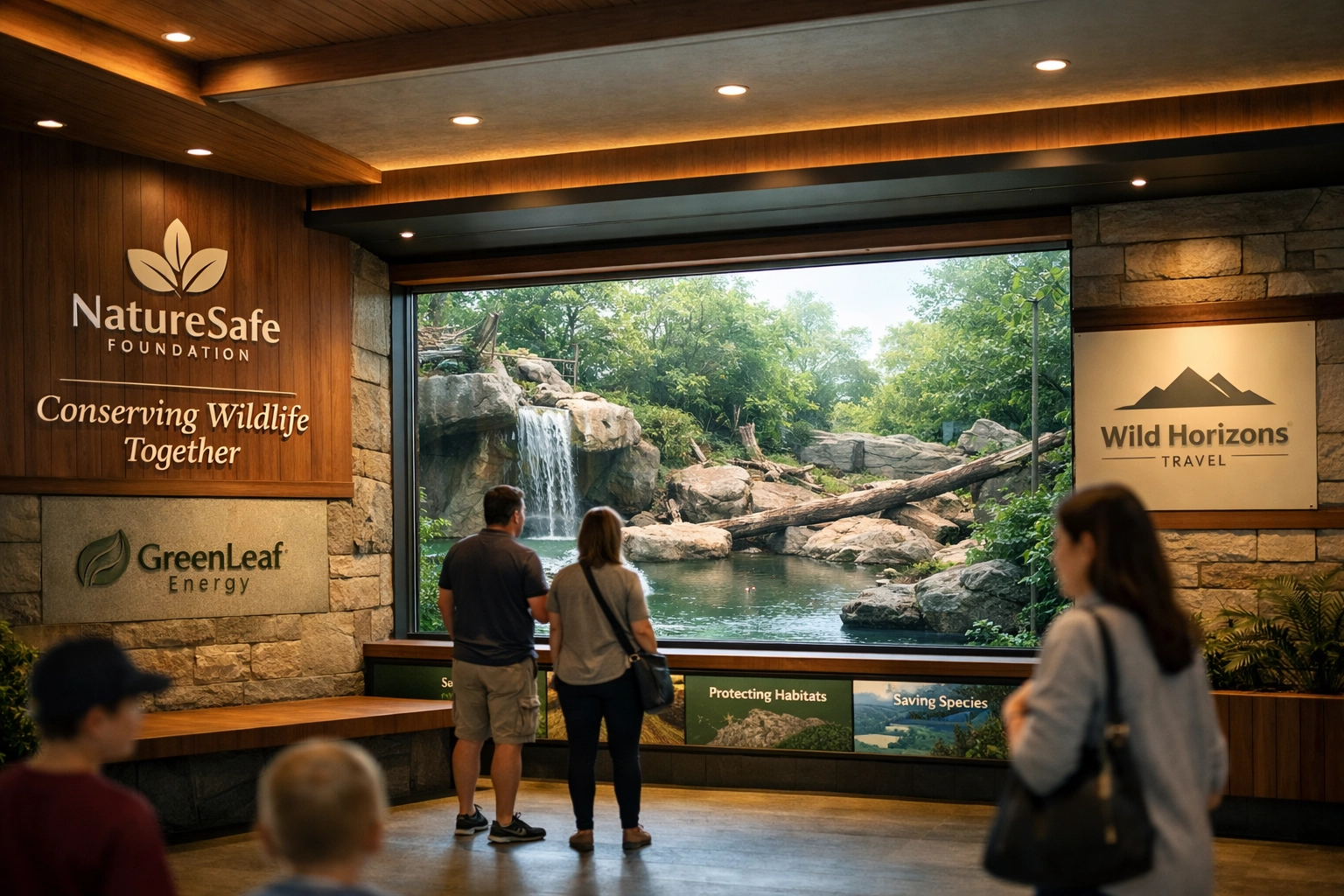
In 2026, consumers: particularly younger demographics: expect brands to demonstrate social responsibility. Zoo partnerships provide authentic conservation credentials that can't be easily replicated through traditional advertising. When your brand sponsors a habitat restoration project or endangered species program, you're not just buying impressions; you're building equity.
The halo effect of conservation-aligned partnerships shows up in brand perception studies consistently. For companies facing ESG pressures or seeking to improve their sustainability positioning, zoo marketing offers credible storytelling opportunities backed by legitimate conservation work.
7. Measurement Capabilities Have Matured Significantly
One historical challenge with zoo marketing has been measurement. Not anymore. Modern zoo partnerships can deliver detailed analytics including visitor counts, dwell time at branded exhibits, mobile app engagement, and even foot traffic patterns analyzed through IoT sensors.
Some progressive institutions are now offering digital marketing integration that connects on-site engagement with post-visit behavior. This means media planners can track the customer journey from physical interaction at the zoo through digital conversion: creating closed-loop attribution that rivals online campaign measurement.

8. Naming Rights and Major Sponsorships Offer Long-Term Value
Unlike short-term advertising placements, zoo naming rights and major exhibit sponsorships typically span 5-10 years. For brands playing the long game, this creates consistent brand presence with relatively stable annual costs: a refreshing change from the volatile CPMs of digital advertising.
Major zoo renovations and new construction projects also present opportunities for founding sponsor positions. These premium placements often include exclusive category rights, ensuring your brand isn't competing with direct competitors in the same environment.
9. Corporate Hospitality Adds B2B Value
Beyond consumer reach, zoo partnerships offer exceptional corporate hospitality opportunities. Private events in unique settings create memorable experiences for client entertainment, employee appreciation, or VIP programs. For B2B brands, this added value can justify sponsorship investments that might otherwise seem purely consumer-focused.
The combination of consumer reach during regular operations plus exclusive access for corporate events creates a dual-purpose marketing asset that delivers value across multiple stakeholder groups.
10. Competition for Premium Partnerships Is Intensifying
Here's the catch: More brands are recognizing these opportunities. Premium zoo partnerships in major metropolitan markets are becoming increasingly competitive, with multiple brands vying for limited sponsorship inventory. Category exclusivity means once a competitor secures a partnership, you're locked out until the contract expires.
For media planners considering zoo marketing as part of their 2026 strategy, the time to act is now. Waiting another year could mean finding that your preferred partnership opportunities have been claimed by competitors.
Making Zoo Marketing Work for Your Brand
Zoo marketing isn't right for every brand or campaign, but for the right partners, it offers unique advantages that traditional media channels can't match. The key is approaching these opportunities strategically, with clear objectives and measurement frameworks established upfront.
Consider starting with a pilot program at a single institution to test messaging, creative approaches, and measurement capabilities before scaling to multi-market partnerships. The data you collect will inform optimization and help build the business case for expanded investment.
As we move deeper into 2026, expect to see continued innovation in how zoos and brands collaborate. The institutions investing in technology infrastructure and visitor experience enhancements are creating platforms for increasingly sophisticated marketing partnerships.
For media planners willing to look beyond conventional channels, zoo marketing represents an opportunity to reach engaged audiences in meaningful contexts with measurable results. The question isn't whether zoo marketing works: the data clearly shows it does: but whether your brand is positioned to take advantage of these unique opportunities before your competitors do.
Ready to explore zoo marketing opportunities for your brand? At Zoo Media, we specialize in connecting brands with innovative sponsorship opportunities in zoo environments. Contact Dan Kost, CEO, to discuss how digital marketing and creative services can amplify your next campaign.
📞 AI Receptionist: +1 (323) 676-0621
🌐 Learn more: www.dakdan.com
#Marketing #AdvertisingAndMarketing #digitalmarketing #Strategy #Innovation #Branding #Motivation #Sports