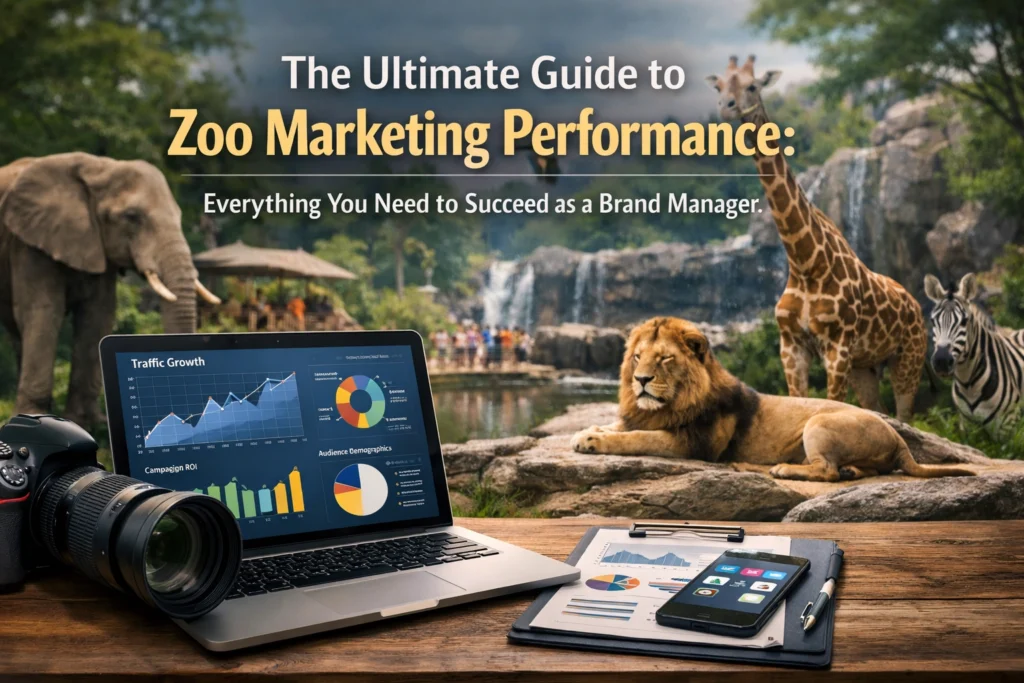
In the high-stakes world of modern advertising, brand managers are constantly looking for the "lion's share" of consumer attention. While digital noise reaches a fever pitch, the physical and emotional environment of a zoo offers a rare opportunity for deep engagement. But how do you measure success in such a unique ecosystem?
This comprehensive guide explores the intersection of high-level digital marketing, creative services, and corporate sponsorship within the zoo environment. Whether you are a seasoned media buyer or a planner looking for the next big thing, understanding zoo marketing performance is the key to unlocking massive ROI.
Why Zoo Marketing? The Untapped Advantage
Zoos aren't just for school field trips anymore. They are sophisticated media hubs that attract millions of high-value visitors annually. For a brand manager, the zoo represents a "captured" audience: families, tourists, and educators who are relaxed, happy, and receptive to messaging.
Unlike a standard billboard on a highway, a zoo sponsorship or advertisement lives within an experience. This creates a positive brand association that is hard to replicate. When you partner with a platform like Zoo Media, you aren't just buying space; you are buying into an emotional connection.
Key Benefits of Zoo Environments:
- High Engagement: Visitors spend an average of 3 to 5 hours on-site.
- Positive Association: Brands are linked to conservation, education, and family fun.
- Diverse Demographics: From Gen Z students to high-net-worth donors.

Performance Metrics: Tracking Your "Wild" Success
In the advertising world, data is king. You wouldn't play a game of multi-wheel roulette without understanding the odds, and you shouldn't launch a marketing campaign without a robust tracking strategy. To succeed as a brand manager, you must move beyond "gut feelings" and look at hard data.
1. Click-Through Rate (CTR) and Conversions
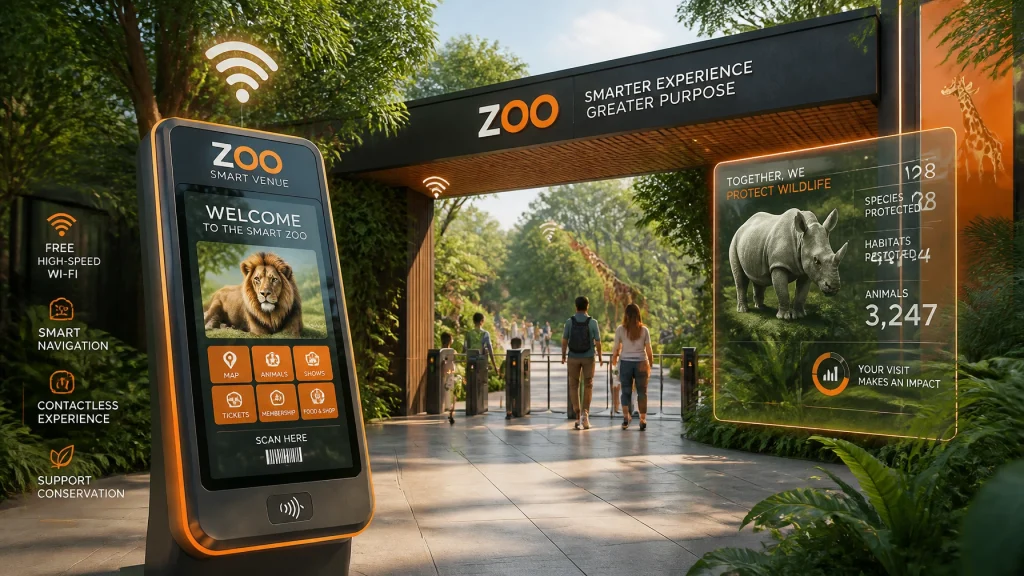
Digital ads within the zoo's ecosystem: such as those on mobile apps or Wi-Fi login pages: must be tracked with precision. Are visitors clicking on your "Visit the Gift Shop" call-to-action? Using Google Analytics to track website traffic sources is essential for understanding where your visitors are coming from.
2. Cost-Per-Acquisition (CPA)
For non-profits like the Lincoln Park Zoo, which relies on 85% donations and on-ground purchases, every dollar counts. Brand managers need to calculate the CPA for each campaign. If a seasonal "Zoo Lights" promotion drives a 35% increase in attendance, the marketing performance is clearly hitting the mark.
3. Foot Traffic and Heat Mapping
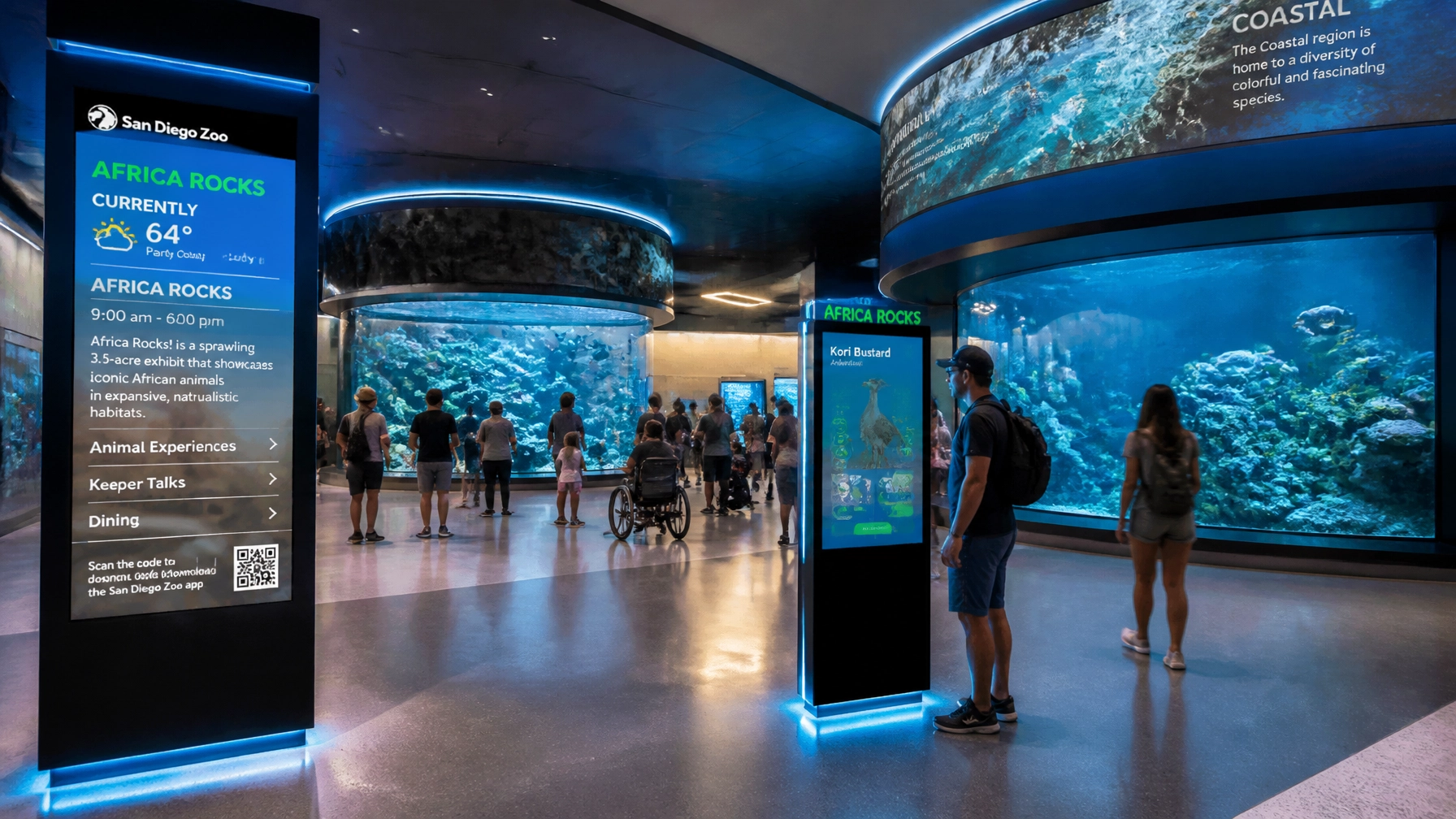
Modern zoo environments use sophisticated technology to track visitor flow. This allows brands to see exactly how many people passed by a sponsored exhibit or a digital kiosk. It’s about more than just eyeballs; it’s about physical presence.
The Power of Creative Services in Zoo Environments
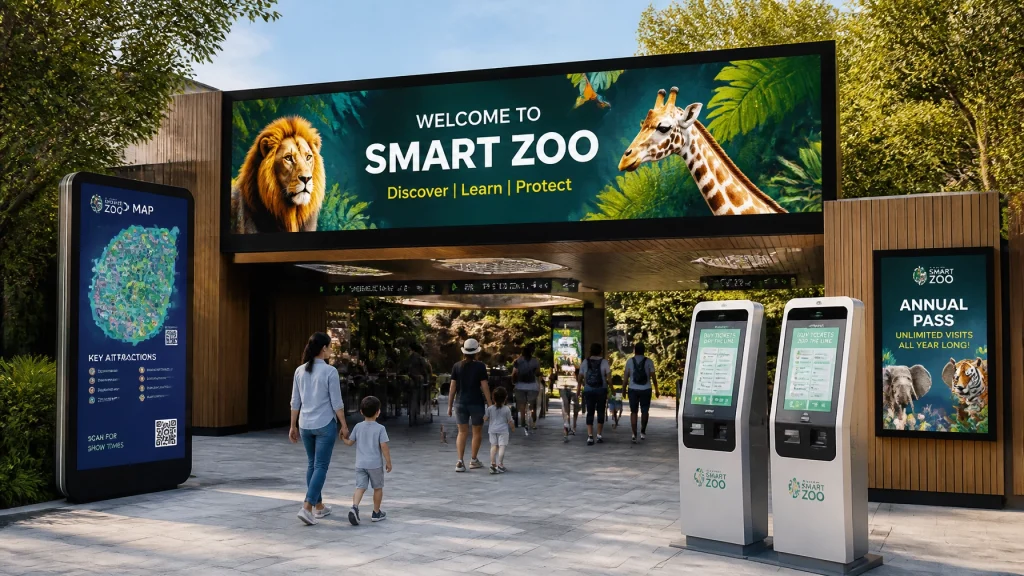
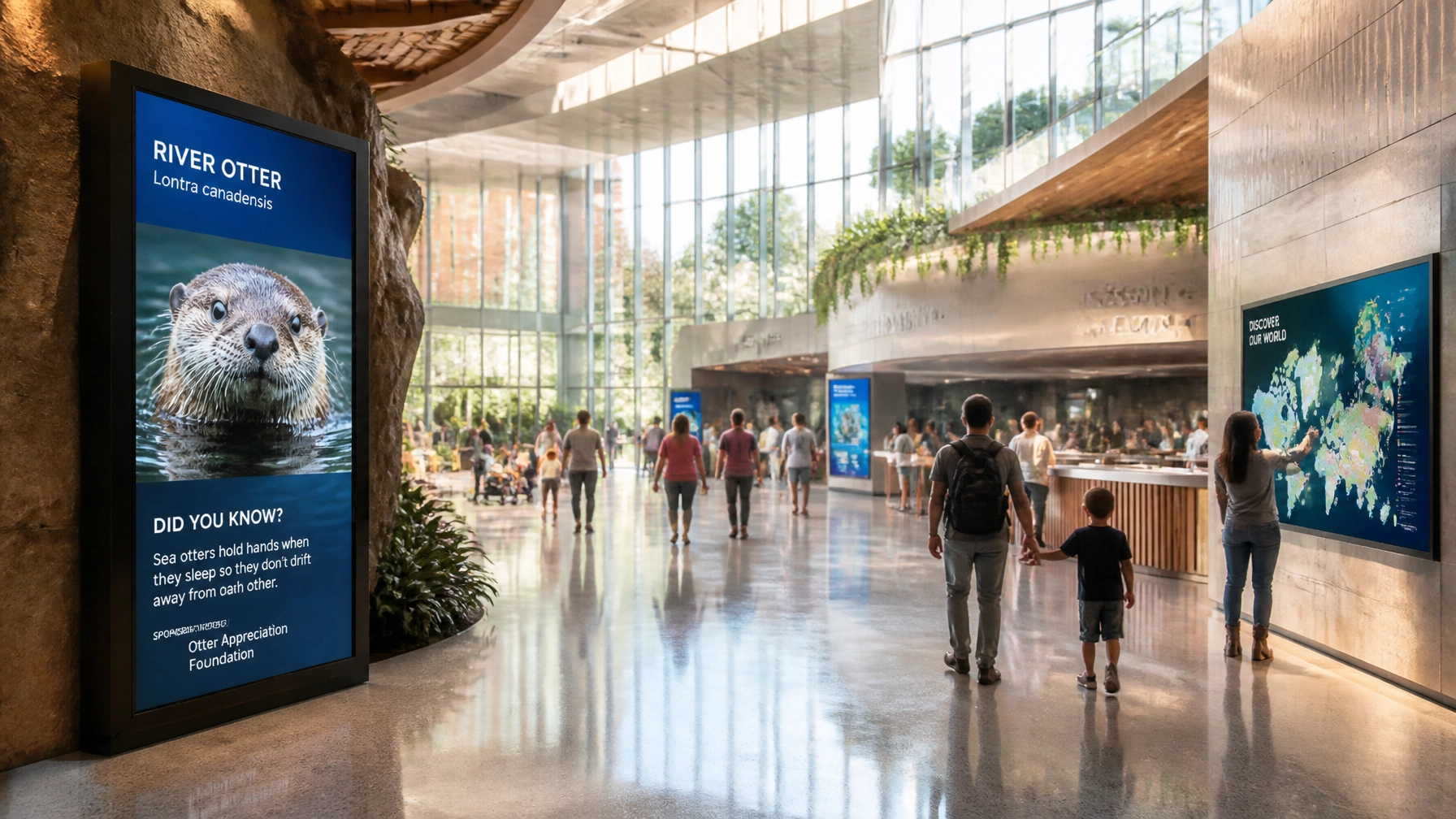
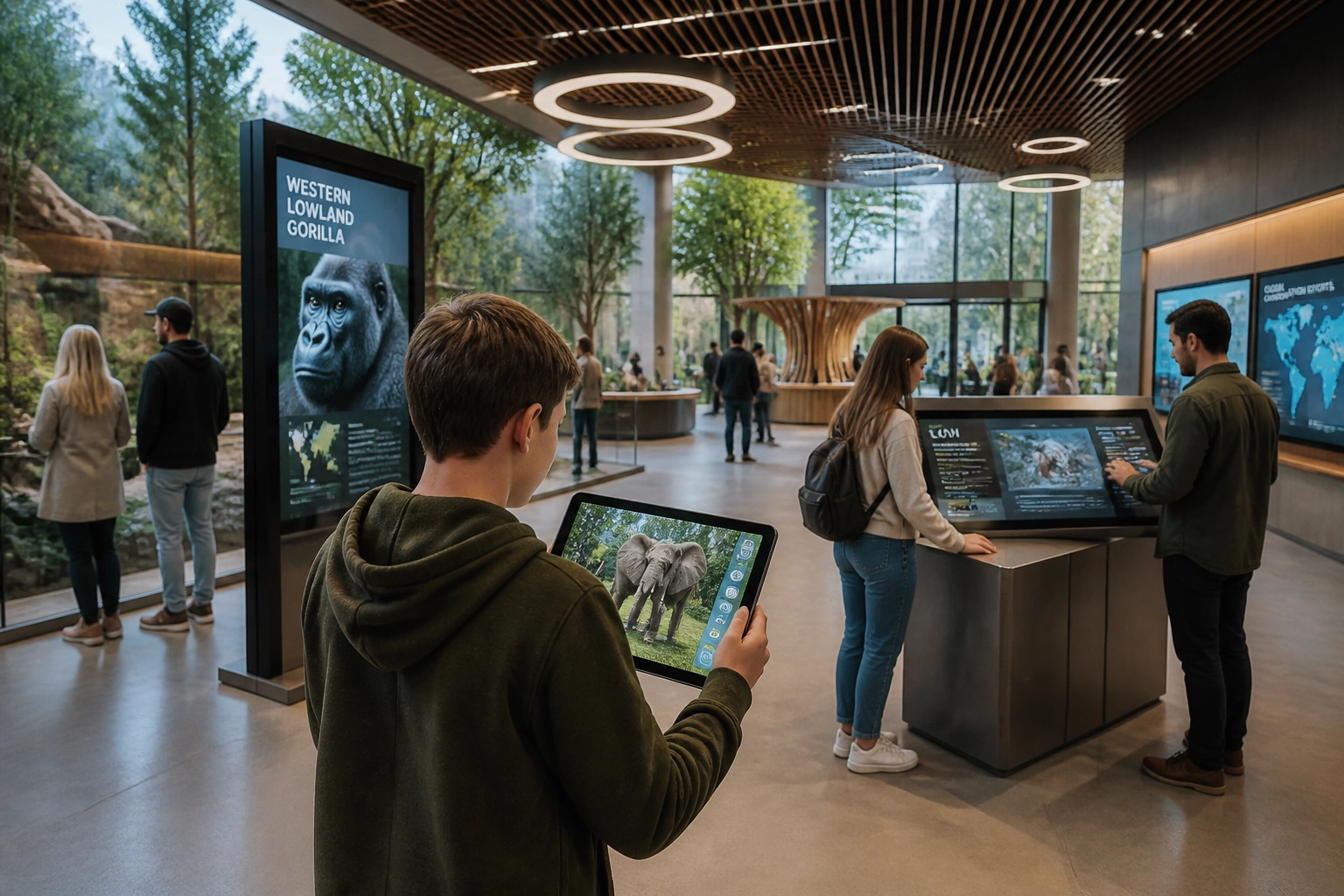
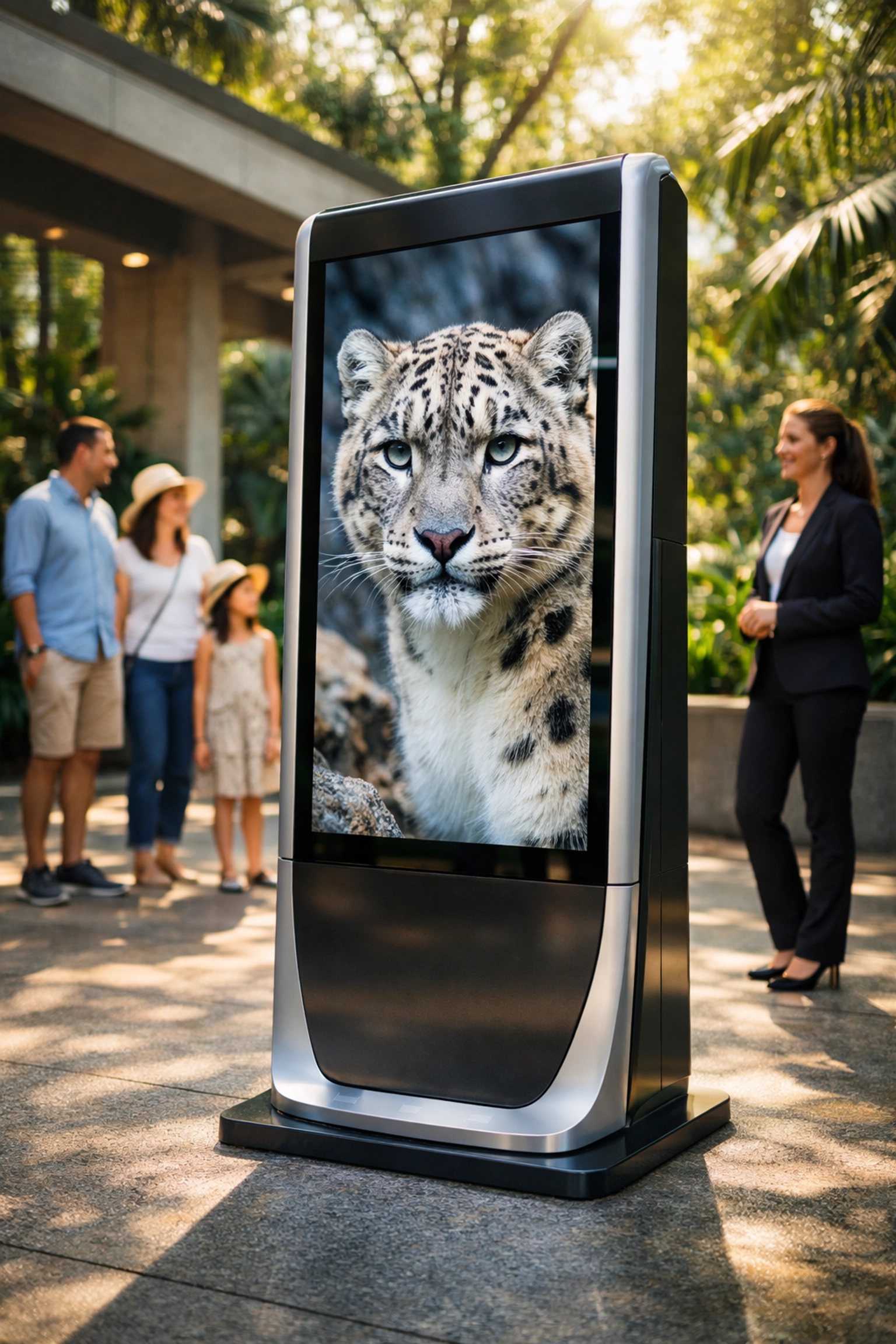
A static banner is no longer enough. To truly capture the imagination of a visitor, you need top-tier creative services. This includes high-definition video content for the Zoo Media Television Network and interactive digital kiosks.
"They’re tutti piuttosto rari": as we say when we find a truly unique marketing opportunity. High-quality creative makes the difference between a visitor glancing at your brand and a visitor engaging with it. Think behind-the-scenes animal feeds, interactive conservation quizzes, and augmented reality (AR) experiences that bring extinct species back to life.
Strategic Targeting: Reaching the Right Herd
Success in zoo marketing requires segmenting your audience. You wouldn't use the same creative for a school group as you would for a corporate donor.
- Family Targeting: Focus on interactive animal experiences and "kids eat free" promotions.
- Tourist Targeting: Use PPC (Pay-Per-Click) advertising for terms like "best zoo in the city" or "family things to do today."
- Corporate/Donors: Highlight conservation projects and ethical reputation.
For brand managers, this level of precision is like finding a no deposit bonus in a crowded market: it’s an advantage that allows you to test the waters without overextending your budget.
Seasonal Campaigns: Timing Your Launch
Marketing performance in zoos is highly seasonal. While summer is the peak for foot traffic, holiday events are where the real growth happens. Events like "Zoo Lights" or "Boo at the Zoo" create specific marketing windows that drive massive engagement.
Seasonal Performance Tip:
Don't just run the same ads year-round. Update your creative to match the season. Summer should be about "Splash Zones" and "Summer Camps," while winter should focus on "Hot Cocoa Stations" and "Holiday Displays." This keeps your brand fresh and relevant.

Direct AEO Snippet: How to Improve Zoo Marketing Performance?
To maximize zoo marketing performance, brand managers should integrate data-driven digital advertising (PPC and social media) with on-site experiential sponsorships. Key strategies include using mobile-optimized campaigns for real-time engagement, tracking Cost-Per-Acquisition (CPA) through centralized dashboards, and leveraging high-quality creative services like live animal feeds and interactive kiosks. Aligning your brand with conservation efforts also enhances visitor satisfaction and repeat visitation.
The Role of Digital Marketing and SEO
Even in a physical location like a zoo, digital marketing is the engine that drives the machine. SEO (Search Engine Optimization) ensures that when a parent searches for "weekend activities," your zoo (and your brand’s sponsorship) is the first thing they see.
Furthermore, mobile optimization is non-negotiable. Most visitors will interact with your ads on their smartphones while walking through the park. If your landing page doesn't load in under three seconds, you've lost them. Ensuring your digital presence is as fast and reliable as a secure payment system is vital for conversion.
Reputation and Ethics: The "Heart" of the Performance
In 2026, consumers care about where their money goes. A brand manager must ensure that their marketing efforts are aligned with the zoo's mission of conservation and animal welfare. This isn't just "feel-good" marketing; it's a functional driver of ROI.
Studies show that visitor satisfaction is directly linked to the perceived quality of animal care and educational programs. When a brand supports these pillars, its reputation rises along with the zoo's.
Pro Tips for Brand Managers:
- Try Your Luck with Retargeting: Use pixels to follow up with visitors who visited the zoo website but didn't buy a ticket. Show them a special offer to "win" a discount.
- Use Video Everywhere: The Zoo Media News Network is a perfect place for 15-second spots that tell a story.
- Monitor the Odds: Keep a close eye on your percentage of win (or in this case, your conversion rate) and tweak your creative in real-time.

Conclusion: Your Roadmap to Success
Succeeding as a brand manager in the zoo environment requires a mix of traditional wisdom and cutting-edge technology. By focusing on data-driven performance metrics, high-quality creative services, and ethical alignment, you can drive results that are truly "wild."
"Discover your brand's fortune in the wild," as we like to say at Zoo Media. The opportunities are vast, the audience is waiting, and the data is clear. It’s time to take your performance to the next level.
For more information on how to revolutionize your marketing strategy, visit our sitemap or contact us directly to explore unique sponsorship opportunities.
About the Author:
Dan Kost is the CEO of Zoo Media and a pioneer in the advertising industry. With a focus on innovation and strategic partnerships, Dan has helped hundreds of brands find their voice in unique environments.
Contact Us:
Zoo Media Network
www.dakdan.com
AI Receptionist: +1 (323) 676-0621
Dan Kost, CEO
#Motivation #Branding #Strategy #Marketing #AdvertisingAndMarketing #digitalmarketing #Innovation #Sports #CreativeServices #ZooMarketing #ROI #DataDriven
This post was brought to you by Zoo Media. Check back daily for more insights into the world of zoo media, technology, and fundraising.