What are smart visual communication solutions for zoos and aquariums?
Smart visual communication solutions for zoos and aquariums include interactive touch screens, augmented reality (AR) exhibits, digital wayfinding, personalized signage, and RFID-enhanced interactions. These technologies leverage IoT and smart hardware to transform static displays into immersive, data-driven experiences that increase visitor engagement, streamline navigation, and boost revenue by up to 25% through targeted digital marketing.
In the world of modern advertising and venue management, the "old way" of doing things: static signs, printed maps, and silent plaques: just doesn't cut it anymore. Today’s visitors, especially the younger, tech-savvy generation, expect interaction. They want to be part of the story, not just observers.
At Zoo Media, we’ve seen firsthand how a shift toward smart technology can turn a standard visit into a lifelong memory. Under the leadership of our CEO, Dan Kost, we are pushing the boundaries of what a "smart venue" looks like. We’re talking about a seamless blend of website development, IoT technology, and high-impact visual communication.
Whether you are managing a world-class aquarium or a local botanical garden, these five smart visual communication solutions are the keys to unlocking a truly unforgettable visitor experience.

1. Interactive Touch Screens: Beyond the Smartphone
We all carry a powerful computer in our pockets, so why shouldn't your exhibits be just as responsive? Interactive touch screens are the foundational block of any modern smart venue.
By leveraging the familiarity people have with smartphone navigation, multi-touch displays allow multiple visitors to engage at once. Imagine a group of school children all tapping on a screen to explore the migratory patterns of a humpback whale or the complex social structure of a lion pride. These systems offer intuitive navigation that works for all ages, from toddlers to seniors.
The Zoo Media Advantage:
- Dynamic Content: Unlike printed signs, digital content can be updated in seconds. If a new animal arrives or an exhibit is temporarily closed, you don’t need a new sign; you just need a quick click in your CMS.
- Engagement Data: You can track which topics are being clicked the most, giving you invaluable insights into what your visitors actually care about.
- Gamification: Turn learning into a game. Integrating elements similar to digital entertainment can keep kids engaged for much longer than a standard plaque ever could. To see how we bridge the gap between entertainment and engagement, check out Zoo Media Network.
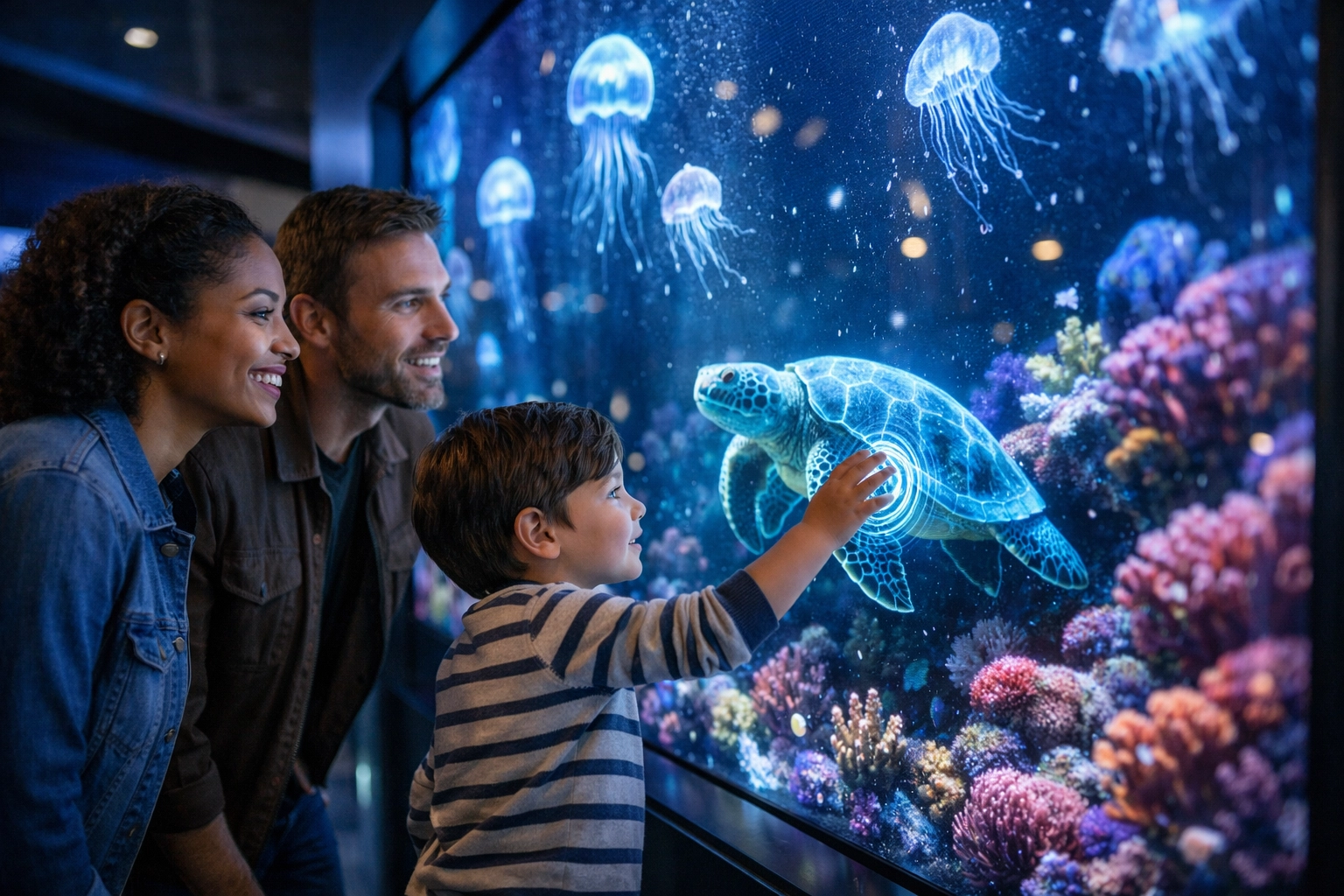
2. Augmented Reality (AR): Bringing the Past (and Future) to Life
Static displays are great, but what if a visitor could hold up their phone or look through a dedicated viewer and see a prehistoric creature walking through the current enclosure? Augmented Reality (AR) is the ultimate tool for multi-sensory engagement.
Institutions like the Natural History Museum of Utah have already shown the way, using digital screens to allow users to interact with lifelike animations. AR can overlay digital information onto physical spaces, providing context that a simple text box cannot. You can show the skeletal structure of an animal right over its living body or show the devastating effects of climate change on a specific habitat in real-time.
Practical Tip: Don't just use AR for the sake of it. Use it to solve a problem. If an animal is nocturnal and usually sleeping during the day, use AR to show a video of its nighttime activities triggered by a QR code on the glass. This ensures no visitor walks away disappointed.
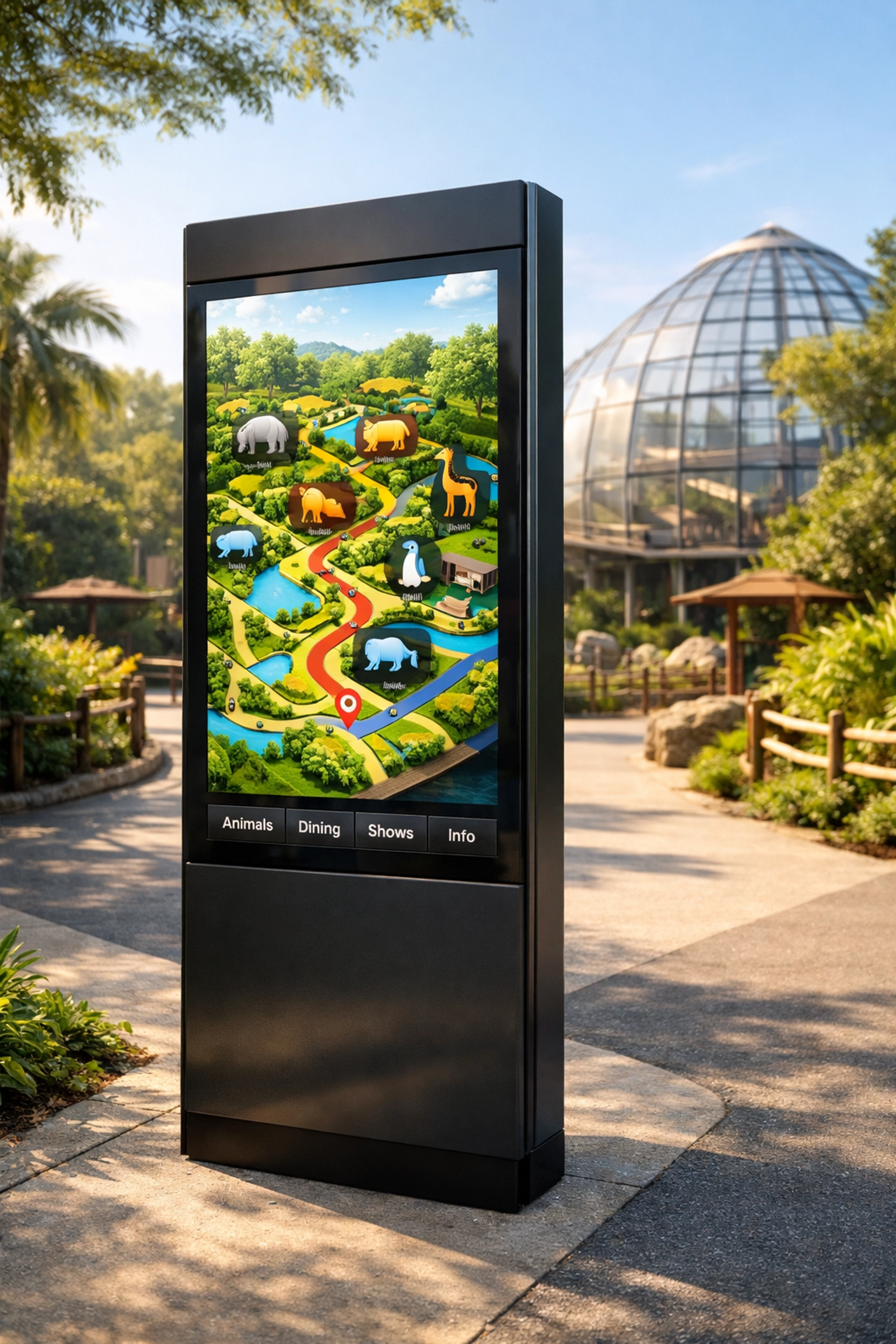
3. Advanced Digital Wayfinding: Never Lose a Visitor Again
There is nothing that ruins a visitor’s mood faster than getting lost or missing a scheduled feeding time because they couldn't find the penguin enclosure. Traditional maps are often confusing and don't account for real-time changes.
Digital wayfinding systems go far beyond simple "You Are Here" markers. Modern solutions include:
- Real-time Updates: If a path is closed for maintenance, the digital map reroutes visitors automatically.
- QR Code Integration: Visitors can scan a code at a kiosk and take the directions with them on their mobile devices, complete with AR overlays.
- Accessibility Routing: You can provide specific routes for families with strollers or visitors using wheelchairs, ensuring everyone has a smooth experience.
According to recent studies, venues that implement digital wayfinding see a 50% decrease in schedule-related questions directed at staff. This frees up your team to focus on animal care and deeper visitor education.
4. Personalized Reception Signage: The Art of the Welcome
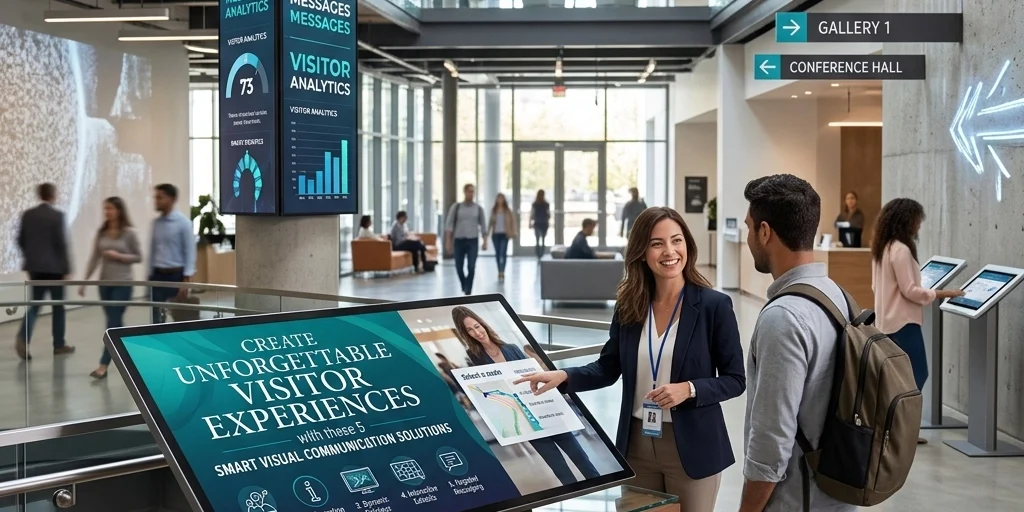
First impressions are everything. When a guest walks into your lobby, what do they see? If it’s a cluttered wall of paper flyers, you’re missing a branding opportunity.
Reception digital signage creates an immediate positive vibe. You can use these screens to:
- Welcome specific donor groups or school tours by name.
- Display live weather updates and "What's Happening Now" schedules.
- Showcase high-margin items from the gift shop or cafe.
Strategic placement of these screens in high-traffic areas has been shown to reduce front-desk inquiries by up to 45%. It's about empowering the visitor to find the information they need while making them feel like a VIP.

5. RFID-Enhanced "Phygital" Interactions
One of the coolest trends we’re seeing at Zoo Media is the "phygital" experience: where the physical world meets the digital world. This is often achieved through Radio Frequency Identification (RFID) technology.
How does it work? A visitor might be given a "discovery wristband" or a "passport" at the entrance. As they move through the zoo, they can tap their wristband at various stations.
- Personalized Narratives: The screen recognizes the visitor and continues a story or a scavenger hunt they started at the previous exhibit.
- Interactive Props: Visitors can pick up a physical "bone" or "leaf" (tagged with RFID), and placing it on a sensor triggers a specific video or animation about that object.
- End-of-Day Summary: At the end of the visit, the zoo can email the visitor a summary of everything they "collected" or learned, creating a lasting digital connection long after they leave the gates.
This technology creates a powerful emotional connection. It’s not just looking at a screen; it’s interacting with the physical environment to unlock digital secrets.
Why the Tech Matters (The Numbers)
Look, I know what you’re thinking. "This sounds expensive." But as our CEO Dan Kost often says, the cost of staying stagnant is far higher. Digital marketing and smart signage are investments that pay for themselves.
Consider these stats:
- Sales Increase: Restaurant groups and cafes within venues have seen a 25% increase in sales of high-margin items after switching to digital menu boards.
- Operational Efficiency: Reducing the time staff spends answering "Where is the bathroom?" or "When is the sea lion show?" allows for better labor allocation.
- Revenue Growth: Interactive exhibits often lead to higher visitor satisfaction scores, which directly correlates to repeat visits and higher membership sales.
If you’re looking to explore how to integrate these solutions, whether it’s through custom website development or on-site hardware, we’re here to help. At Zoo Media, we specialize in the intersection of technology and the natural world.
Summary Checklist for Your Venue:
- Do you have interactive elements that allow for multi-user engagement?
- Is your wayfinding system updated in real-time?
- Are you collecting data on what exhibits are most popular?
- Can visitors "take the experience home" via digital integration?
- Does your lobby signage create a professional first impression?
Let’s Build the Future Together
Transforming a traditional zoo or aquarium into a smart venue doesn't happen overnight, but the journey is worth it. By implementing these five solutions, you aren't just installing screens; you’re creating a platform for education, conservation, and unforgettable memories.
Ready to take the next step? Discover your fortune in the world of smart technology and see how Zoo Media can revolutionize your visitor journey. Don't leave your visitor experience to chance: invest in the visual communication tools that work.
For more information on how we can help you lead the pack in innovation, visit us at www.zoomedia.us.
Contact Information:
- Dan Kost, CEO
- Zoo Media Network
- AI Receptionist: +1 (323) 676-0621
- Corporate Site: www.dakdan.com
#Motivation #Branding #Strategy #Marketing #AdvertisingAndMarketing #digitalmarketing #Innovation #Sports #ZooMedia #SmartVenues #VisualCommunication
Zoo Media is a leader in the advertising and technology space, specifically focused on the zoo and aquarium industry. We provide end-to-end solutions from website development to IoT integration. Visit ZooMediaNetwork.com for more insights and daily updates.