In the modern landscape of leisure and education, the standard for "a day at the zoo" has shifted. Gone are the days when a simple map and a few placards were enough to satisfy a family of four. Today’s visitors are tech-savvy, hyper-connected, and looking for more than just a view through a glass enclosure. They want an experience.
As CEO of Zoo Media, I’ve seen firsthand how the right mix of creative services and smart technology can turn a standard visit into an unforgettable journey. Integrating these elements isn’t just about being "high-tech" for the sake of it; it’s about using digital marketing, visual communication, and IoT to build a bridge between the animal kingdom and the human heart.
The Foundation: Creative Services Meet Smart Tech
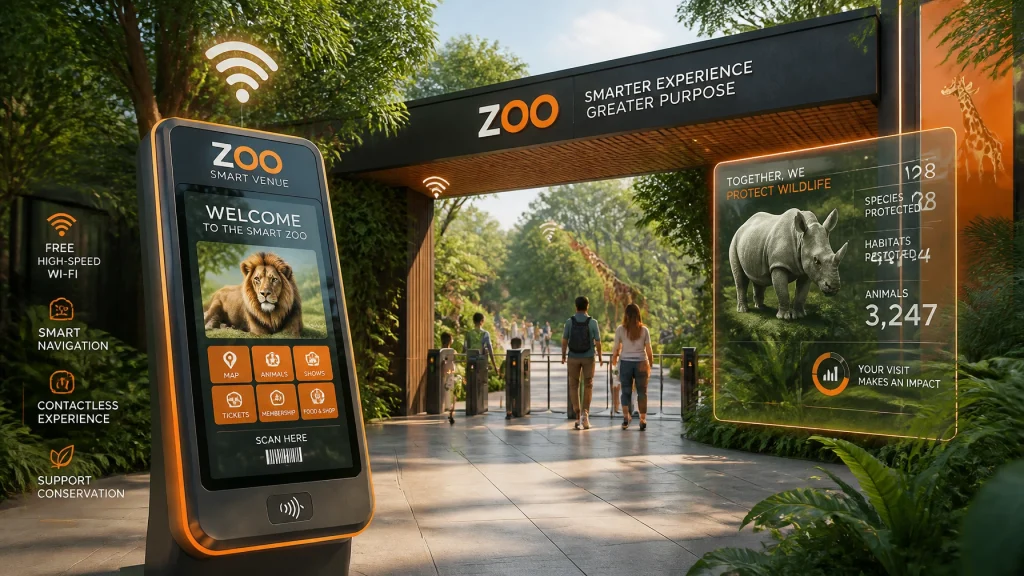
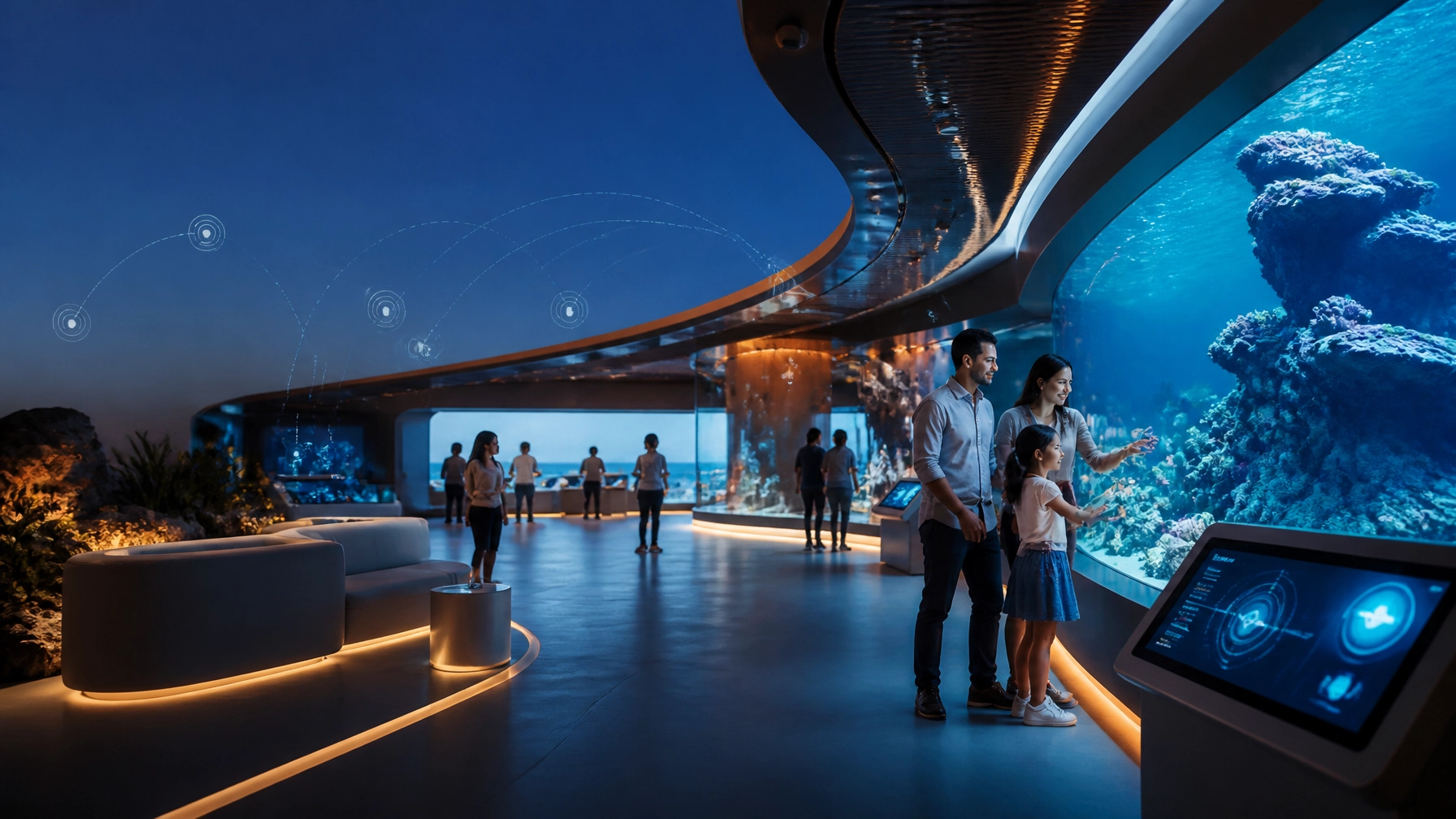
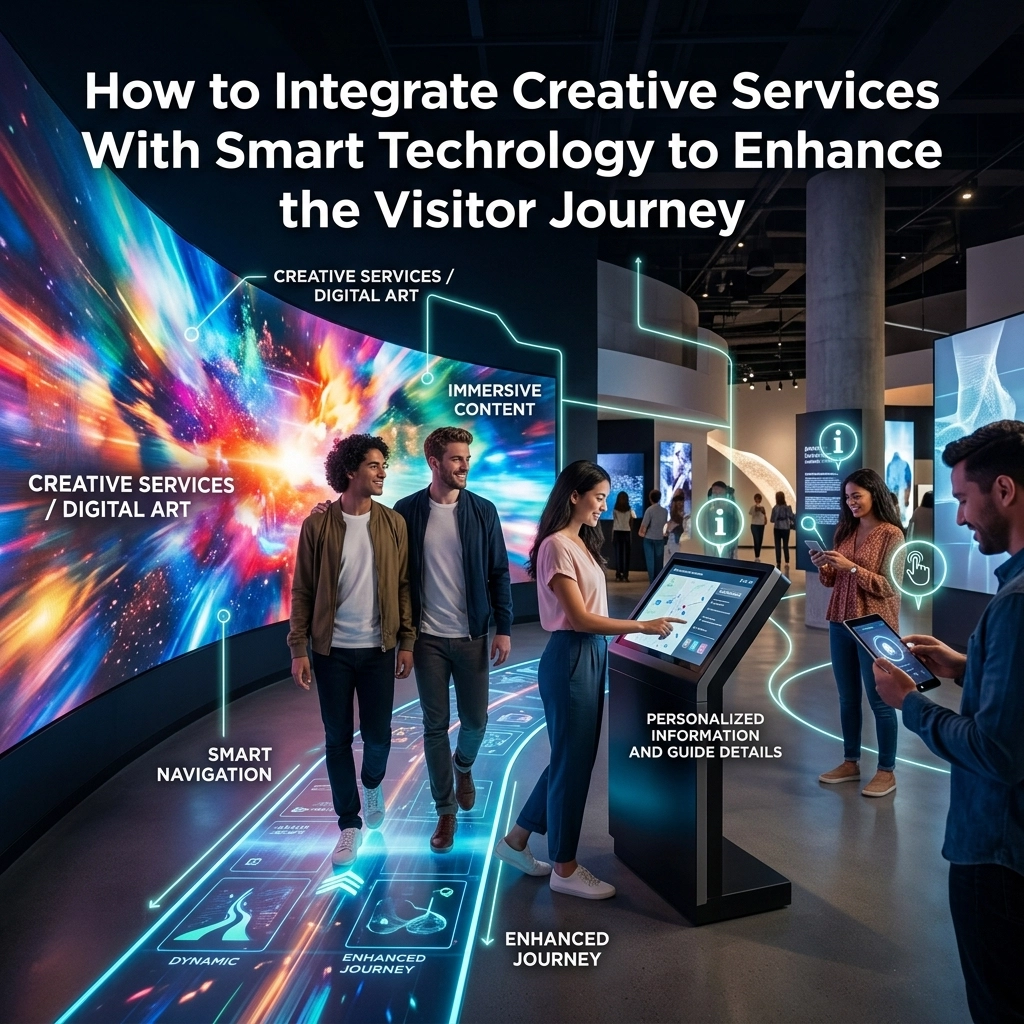
When we talk about creative services, we aren’t just talking about a pretty logo. We are talking about the soul of your brand. When you combine that soul with smart technology: like interactive displays and smart signage: you create a "smart venue" that talks to your visitors in real-time.
Integrating these two worlds requires a strategic approach:
- Identify the Touchpoints: Where does the visitor interact with you first? Usually, it's your website.
- Enhance the Visuals: Use professional visual communication to make data and facts look like art.
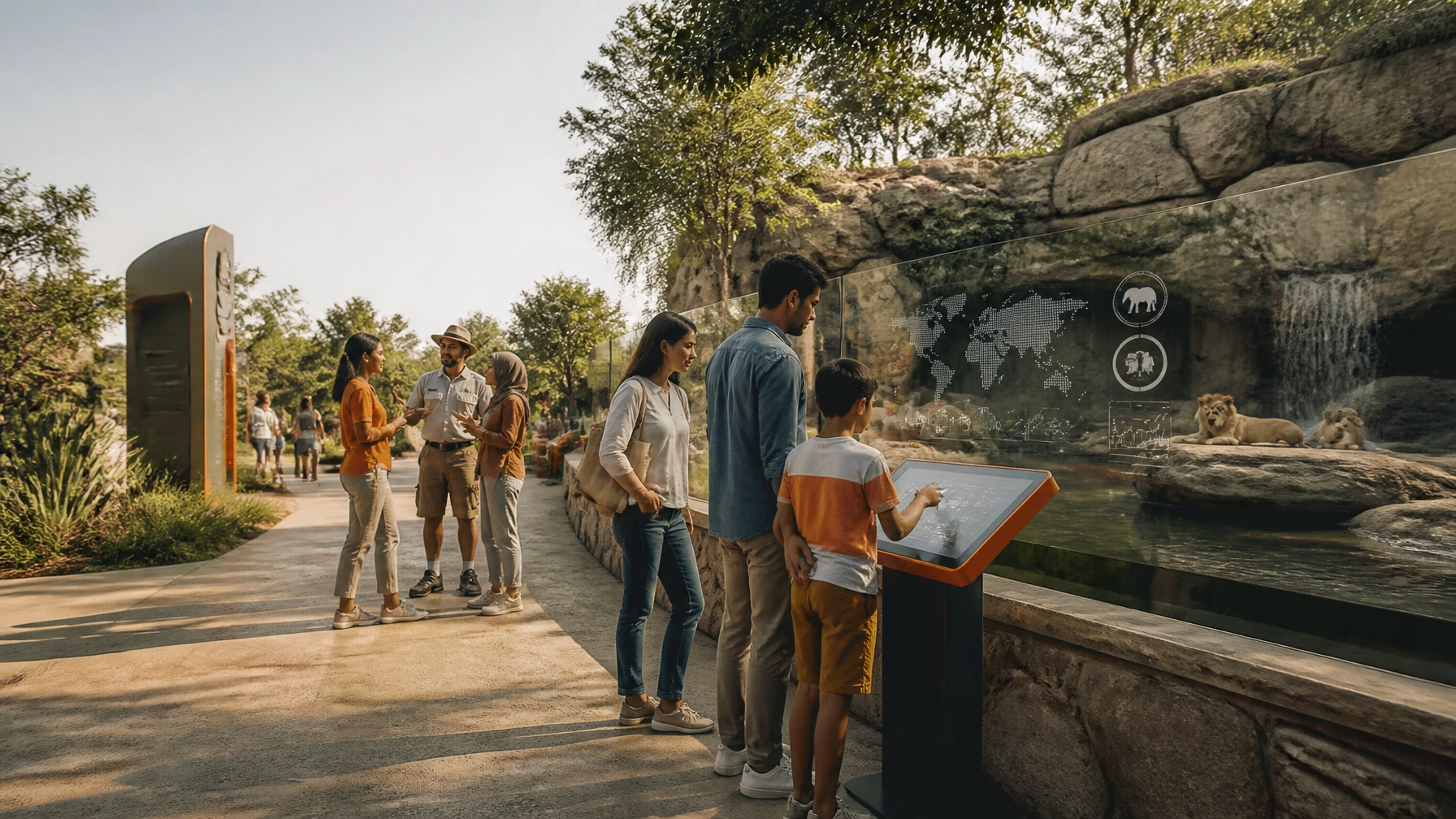
- Leverage the Hardware: Deploy IoT sensors and interactive displays to provide context at the exact moment a visitor is looking at an animal.
Step 1: The Pre-Visit Digital Handshake
The visitor journey starts long before they pull into your parking lot. It begins with website development that prioritizes user experience (UX). If your site is clunky, the visitor assumes the experience will be too.
A smart website doesn't just sell tickets; it sets the stage. By using data-driven personalization, you can offer custom itineraries. For instance, if a user spends a lot of time on your "African Savannah" page, your site should automatically suggest the best time for the giraffe feeding. This kind of interaction is very similar to how high-traffic digital platforms, such as those seen in online casino reviews, use engagement data to keep users interested and informed.
Step 2: Arrival and Smart Signage
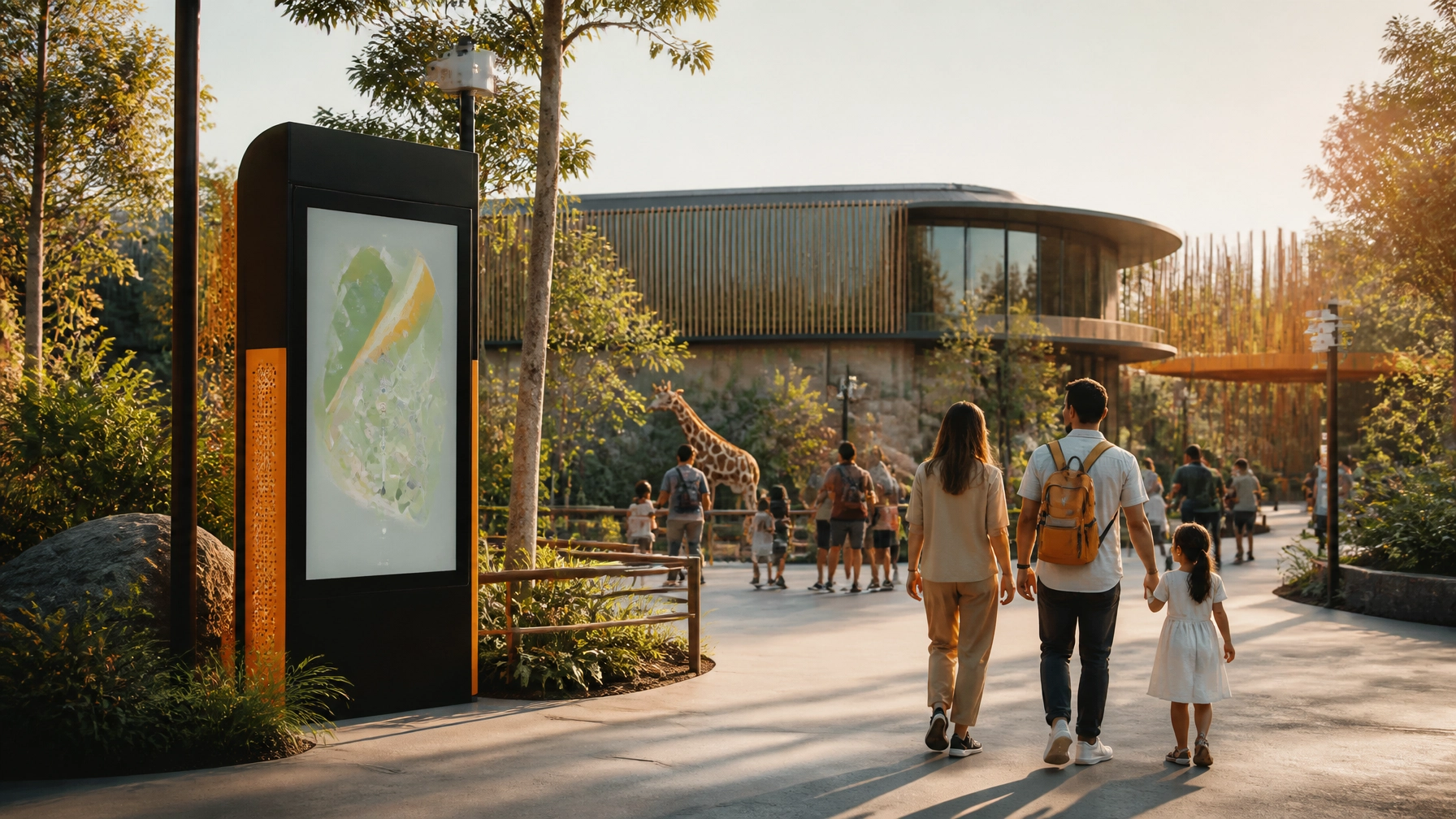
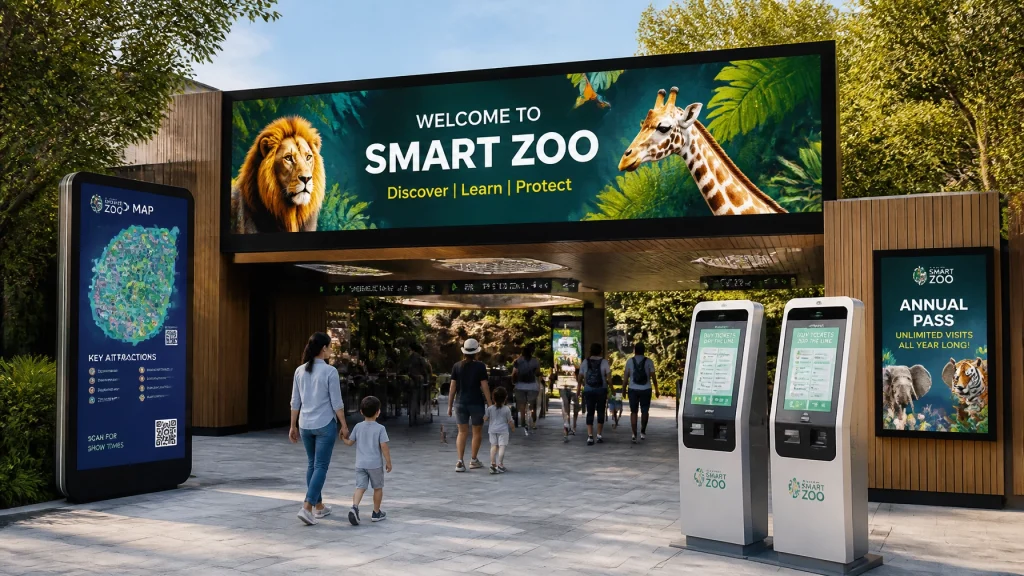
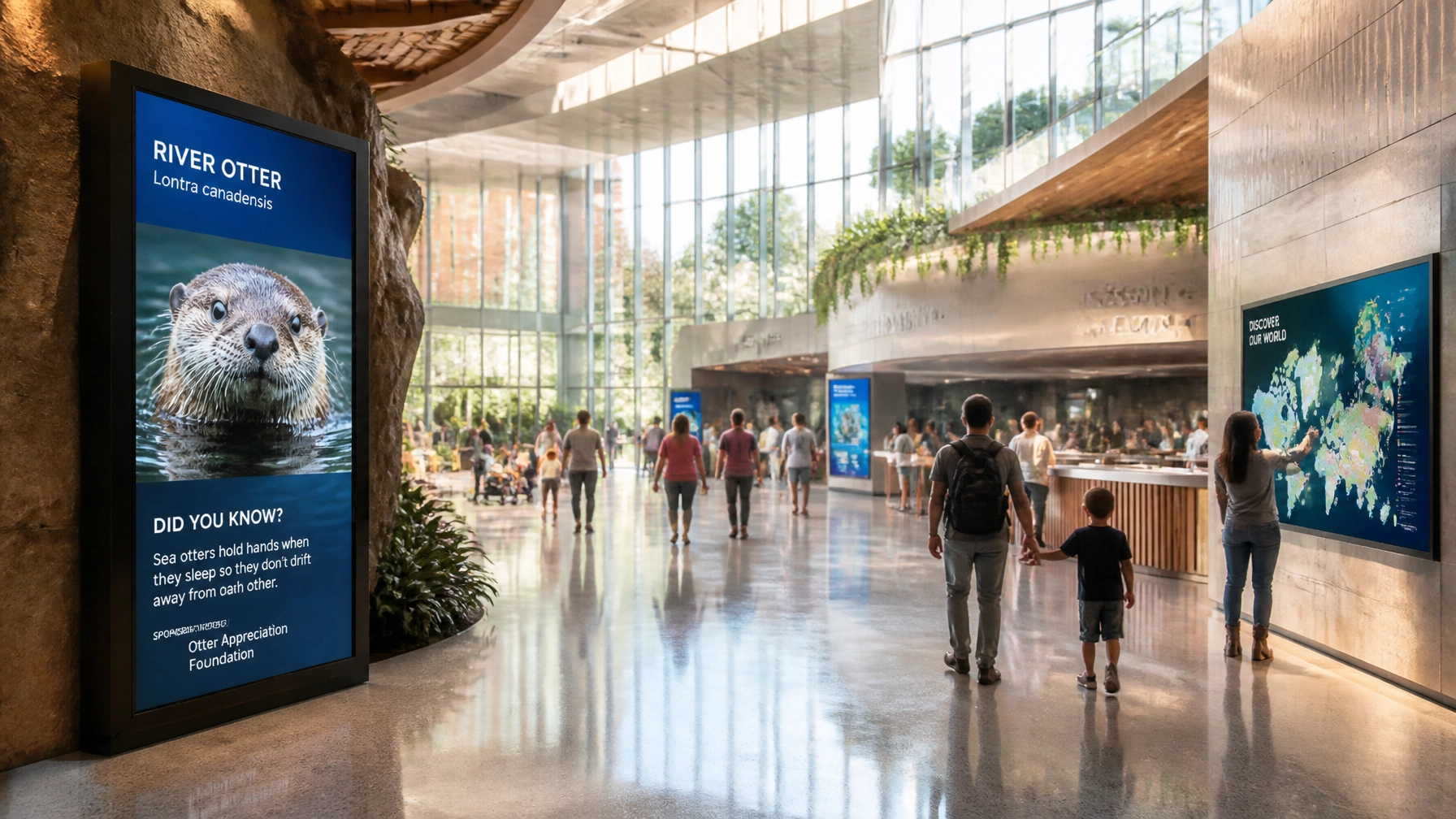
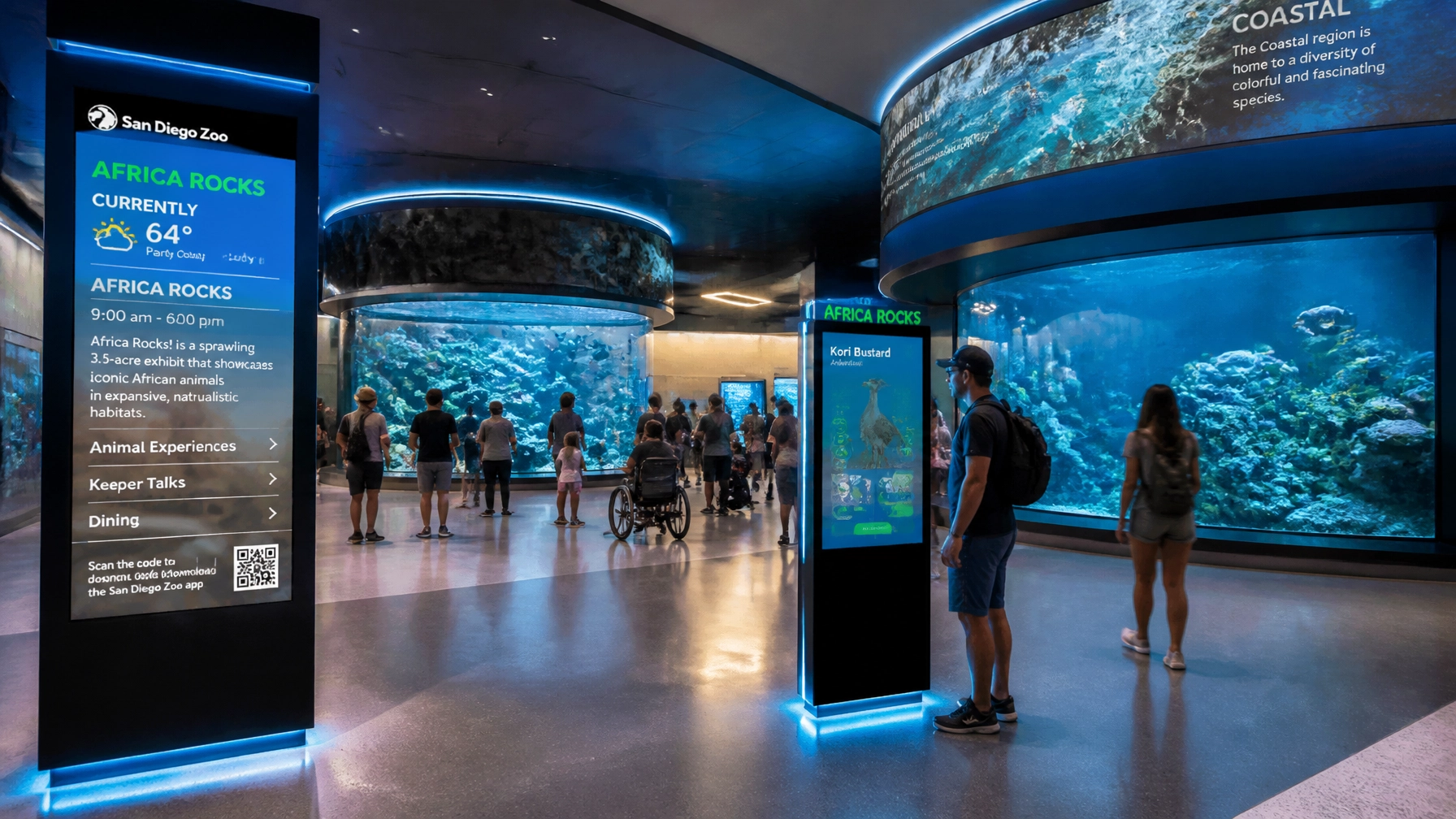
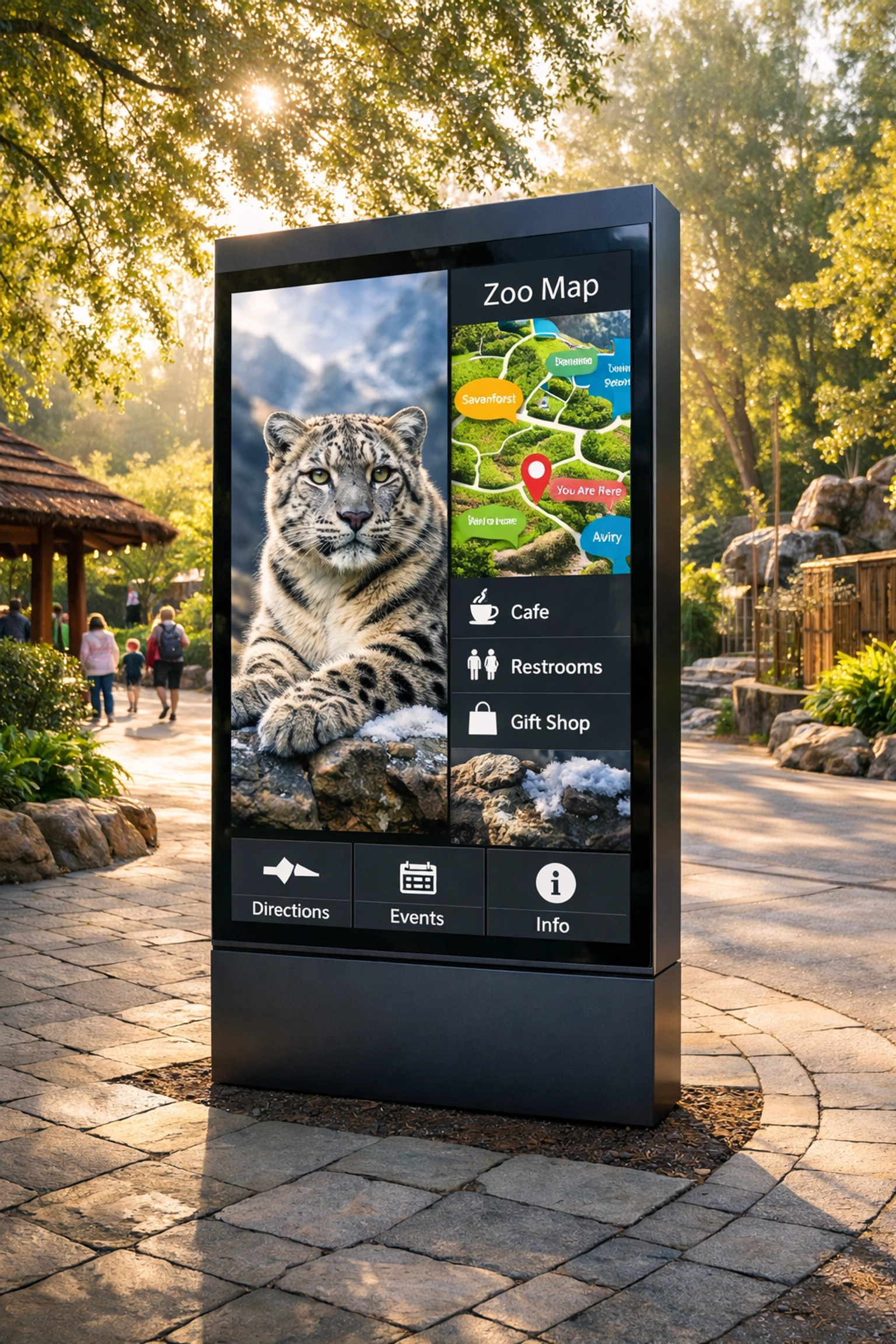
Once they arrive, the transition from the digital world to the physical one should be seamless. This is where smart signage comes in. Traditional static signs are easily ignored. Smart signs, however, can change based on the time of day, current weather, or even crowd density.
Imagine a sign that redirects traffic to a less crowded part of the park while simultaneously showing a live video feed of a new baby penguin. That’s not just a sign; that’s a traffic management tool and a marketing asset in one. It’s about creating a sense of "finding the hidden gems" of the zoo, much like a player might look for the best percentage of winnings in a specialized digital environment.
Step 3: Immersive On-Site Interaction
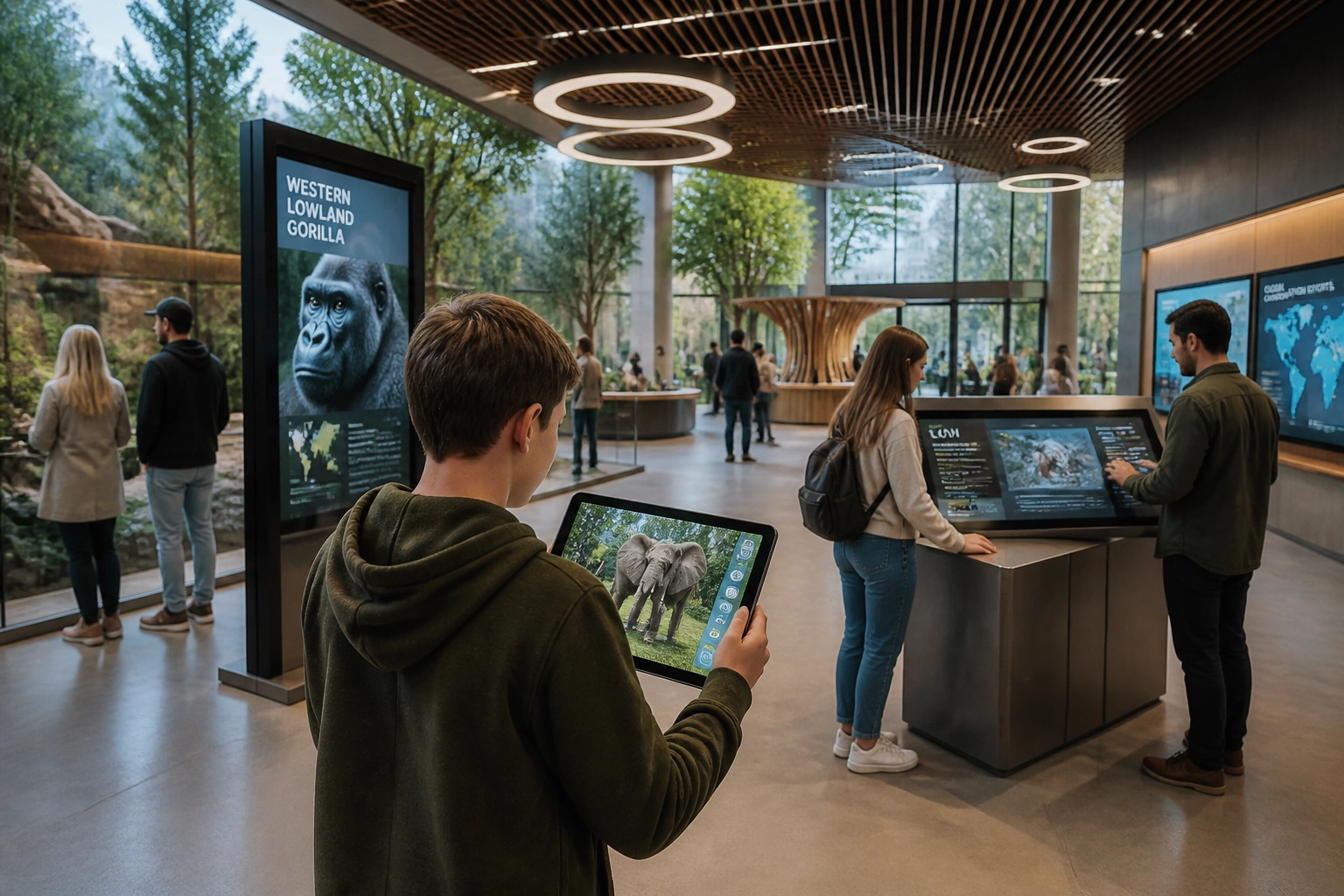
This is the "meat" of the visitor journey. How do you keep a teenager engaged with a tortoise? You give them a way to interact through their phone or a nearby display.
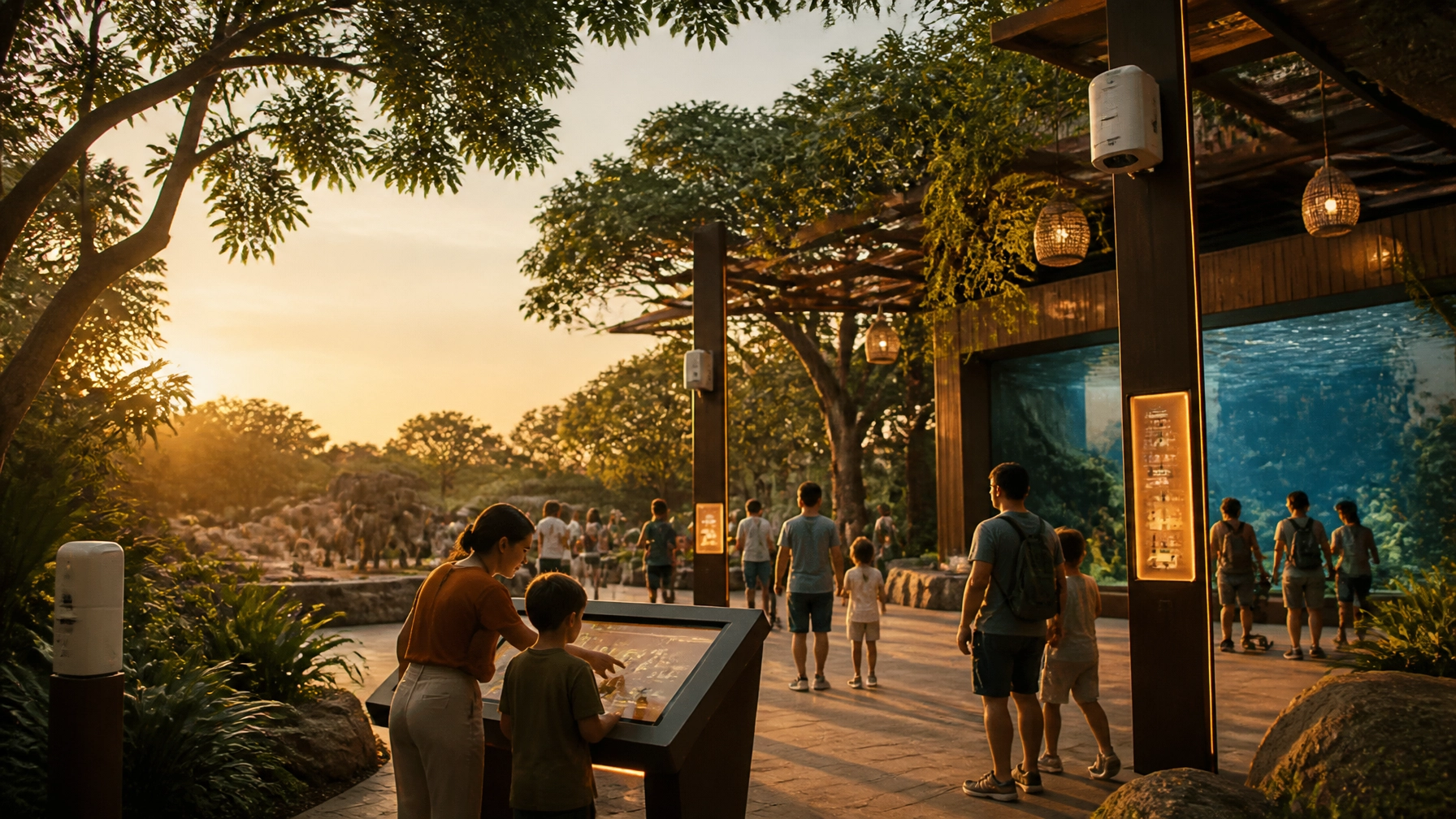
Interactive displays powered by IoT (Internet of Things) can provide deep-dive content that a physical plaque simply can't hold.
- Augmented Reality (AR): Point a phone at a habitat and see the animal's natural migration path overlaid on the screen.
- NFC Chips: Tap a phone to a railing to receive a digital "collector card" of that specific animal.
- Real-Time Data: Show the animal's heart rate, recent diet, or even their "mood" based on keeper notes.
These creative solutions make the visitor feel like an insider. They aren't just looking at an animal; they are learning its story. This level of engagement is what we strive for at Zoo Media: it's about making every visitor feel like they’ve hit the jackpot of knowledge and experience.
Step 4: The Role of Visual Communication
Technology is the skeleton, but visual communication is the skin. If the interface of your interactive display is hard to navigate, people won't use it. Our creative services focus on making the complex simple.
We use high-impact graphics and intuitive layouts to ensure that whether a visitor is 5 or 85, they can navigate your digital world. Think of it like the clear, inviting interface of a modern digital game; it should be fun, responsive, and rewarding.
Why Your Zoo Needs to Be a "Smart Venue"
Transforming into a smart venue isn't just about the "cool factor." It’s about data. Every time a visitor taps an interactive display or uses your app to find the nearest restroom, they are giving you valuable data.
- Heat Maps: See where people congregate and where they get bored.
- Dwell Time: Know exactly how long people spend at each exhibit.
- Engagement Rates: Understand which creative campaigns are actually driving interest.
With this data, you can refine your digital marketing strategies. You’ll know exactly who your audience is and what they want. It’s about taking the "luck" out of management and replacing it with "certainty." While some might enjoy the thrill of trying their luck at a casino, zoo directors prefer the sure bet of data-backed decision-making.

Personalization and AI
As we move toward the 2030s, AI will play an even larger role. AI-generated content can create personalized "conservation reports" for every visitor based on the animals they spent the most time with. This creates a lasting emotional bond that far outlives the three-hour visit.
We can even use AI to manage visitor flows. If the tiger exhibit is getting too crowded, the system can send a push notification to users' phones offering a "limited-time discount" at the gift shop or a "special viewing" of the sea lions, effectively balancing the load across the park.
Post-Visit: Turning Visitors into Advocates
The journey shouldn't end at the exit gate. By using the data collected during the visit, your post-visit marketing can be hyper-personalized.
- "We saw you loved the giraffes! Here is an update on our latest conservation efforts in Kenya."
- "Thanks for visiting! Here is a 10% discount on a membership so you can see the tiger cubs grow up."
This transforms a one-time visitor into a lifelong donor and advocate. It’s a strategy that builds loyalty, much like the welcome bonuses used by digital platforms to encourage return visits.
Conclusion: Let’s Build the Future Together
Integrating creative services with smart technology is no longer optional: it’s the new baseline. At Zoo Media, we specialize in helping zoos and aquariums navigate this transition. We provide the tools, the tech, and the creative spark needed to transform your venue into a world-class smart destination.
Are you ready to enhance your visitor journey? "Scopri la tua fortuna" (discover your fortune) by investing in the future of visitor engagement. Don’t leave your guest experience to chance; let’s build something incredible.
Want to learn more?
Visit us at www.zoomedia.us or explore our network at ZooMediaNetwork.com. We are dedicated to the travel industry, fundraising, and conservation through innovation.
Contact Us Today:
Dan Kost, CEO
Zoo Media
AI Receptionist: +1 (323) 676-0621
Web: www.dakdan.com
#Motivation #Branding #Strategy #Marketing #AdvertisingAndMarketing #digitalmarketing #Innovation #Sports #ZooMedia #SmartVenues #IoT #VisitorExperience
This blog post is a production of Zoo Media News Network. For more updates on how technology is changing the face of wildlife conservation and education, subscribe to Zoo Media.tv.