What is visual communication for zoos?
Visual communication for zoos is the strategic use of design, signage, digital media, and branding to convey an institution's mission of conservation and education while ensuring a seamless, engaging visitor experience. It involves a "digital-first" mindset and a deep understanding of how to balance entertainment with scientific credibility.
Managing a brand in the zoo and aquarium world is a bit like herding cats, literally, sometimes. You aren’t just selling a ticket; you’re selling a mission, a memory, and a massive amount of educational content. As a brand manager or creative director, your job is to make sure that the visual communication strategy is as sharp as a tiger’s tooth and as welcoming as a petting zoo.
At Zoo Media, we’ve seen it all. From logos that look like they were drawn by a confused lemur to wayfinding systems that actually lead people into the enclosures (not ideal). Today, we’re diving into the essential guide for visual identity in the wild.
The "Conservation Gene" in Creative Services
When you hire a branding agency, you don't just want a group of people who can make things look "pretty." You need an agency with the "Conservation Gene." This means every piece of corporate identity work: from the color of the letterhead to the typography on a digital kiosk: must respect the animals and the mission.
If your creative services team doesn't understand that a strobe-light installation near the nocturnal house is a disaster, you have the wrong team. Visual communication in this niche requires a delicate balance: you have to be loud enough to attract the public but quiet enough to respect the inhabitants.

The 50-Foot Rule of Signage
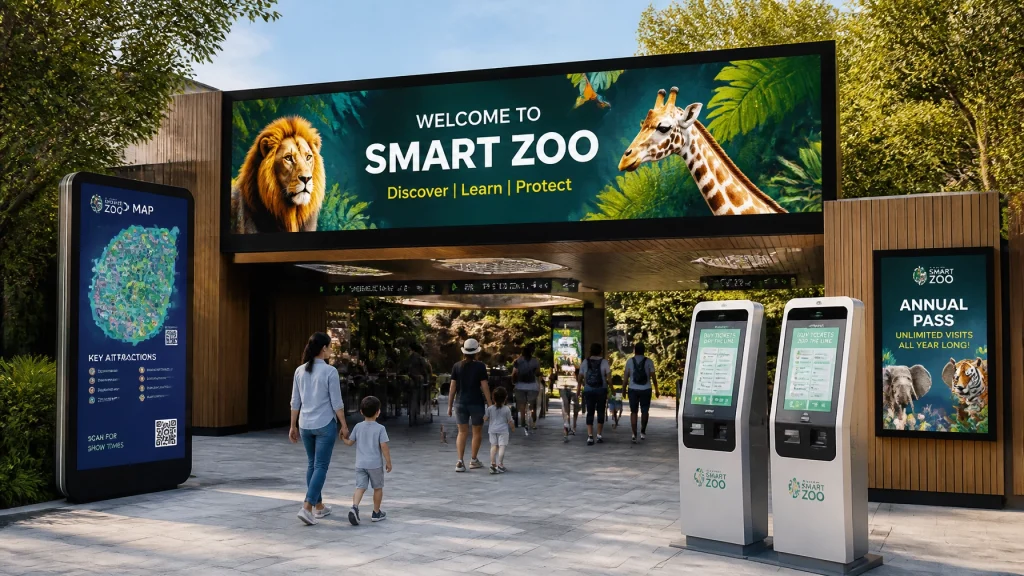
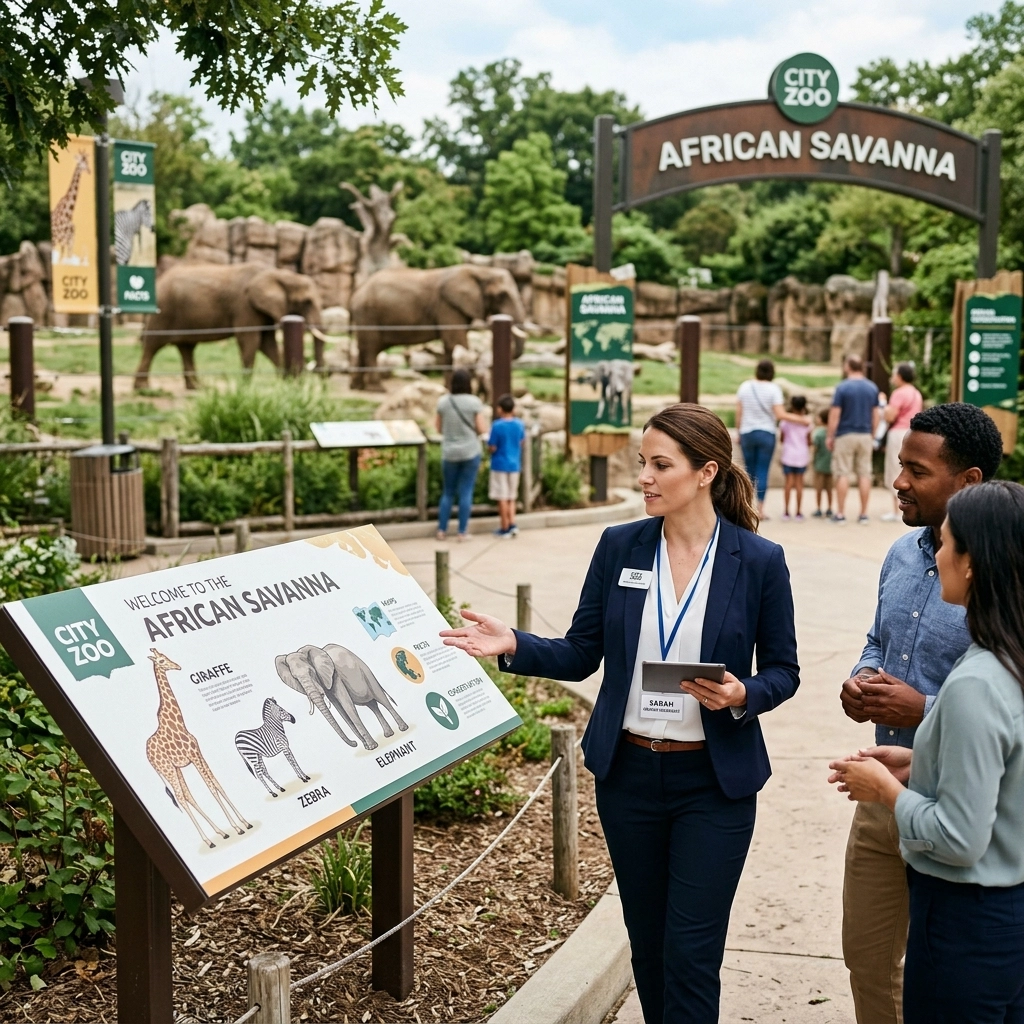
One of the most practical tips we give our partners involves the "50-Foot Rule." Zoos are primarily outdoor environments. This means your brand has to survive the high-noon sun, the pouring rain, and the visual noise of thousands of excited children.
If a guest can’t read your educational signage or wayfinding from 50 feet away, you’ve lost them. They’ll get frustrated, miss the tiger feeding, and likely end up complaining on social media. Your visual communication needs to be high-contrast and high-impact.
Pro-tip: Use sans-serif fonts for accessibility. They are easier to read for both children and seniors, ensuring that everyone can participate in the learning experience.
Digital-First: Bridging the Gap Between Screen and Soil
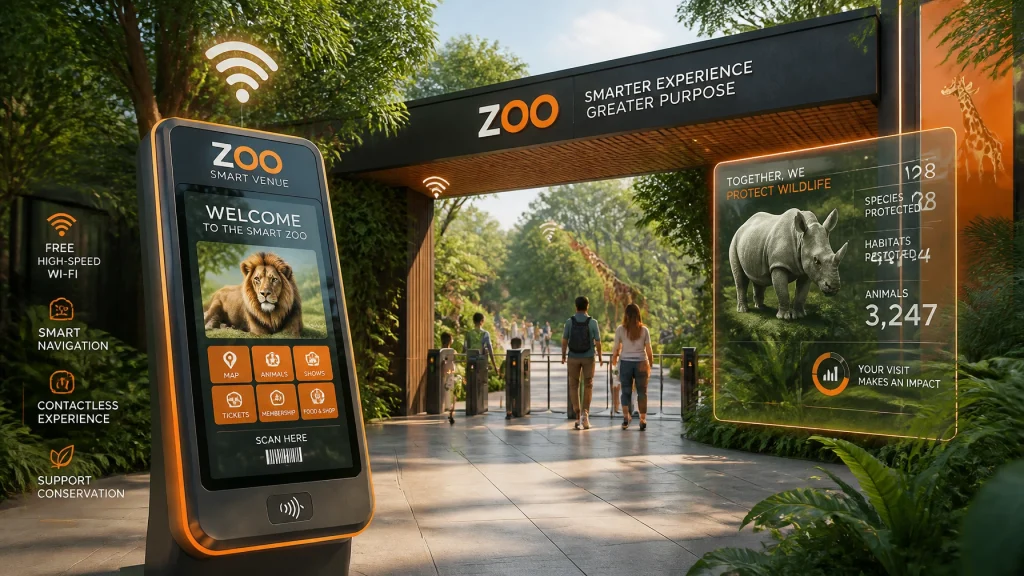
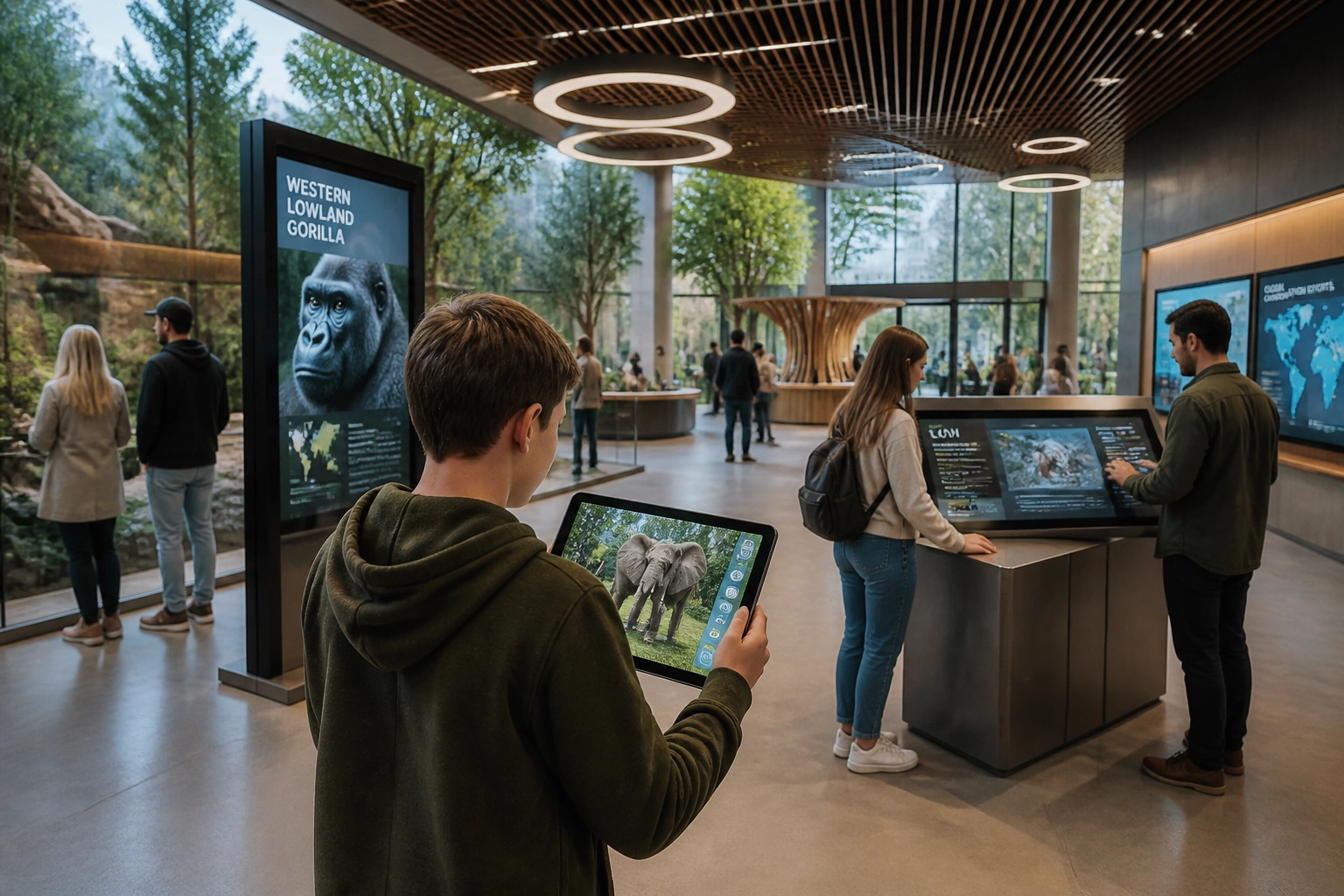
In 2026, the zoo experience starts on a smartphone. Long before a family walks through the gates, they’ve looked at your website, checked your Instagram, and maybe even played a gamified educational app. This is where your digital marketing strategy needs to be flawless.
We often talk about "gamification" in the visitor journey. For example, some zoos use interactive kiosks that feel as engaging as a slot machine in linea to keep kids interested in learning about biodiversity. By using high-energy visual cues and rewarding interactions: much like the excitement of a 7-bit casino bonus: you can create a lasting educational impact.
A seamless digital interface is vital. Whether someone is checking a map on their phone or looking for the percentage of success in your latest conservation project, the visual language must remain consistent.
The Visual Identity Checklist
If you are currently auditing your brand, here is a quick checklist to ensure your corporate identity is doing its job:
- Typography: Is it legible at all sizes? (From a mobile screen to a billboard).
- Color Palette: Do your colors reflect your specific geography? (Desert zoos vs. tropical aquariums).
- Tone of Voice: Is your copy witty, authoritative, yet accessible?
- Accessibility: Are you meeting ADA standards for contrast and font size?
- Iconography: Can a four-year-old look at your restroom or cafe icon and know exactly where to go?

Creating Emotional Connections Through Imagery
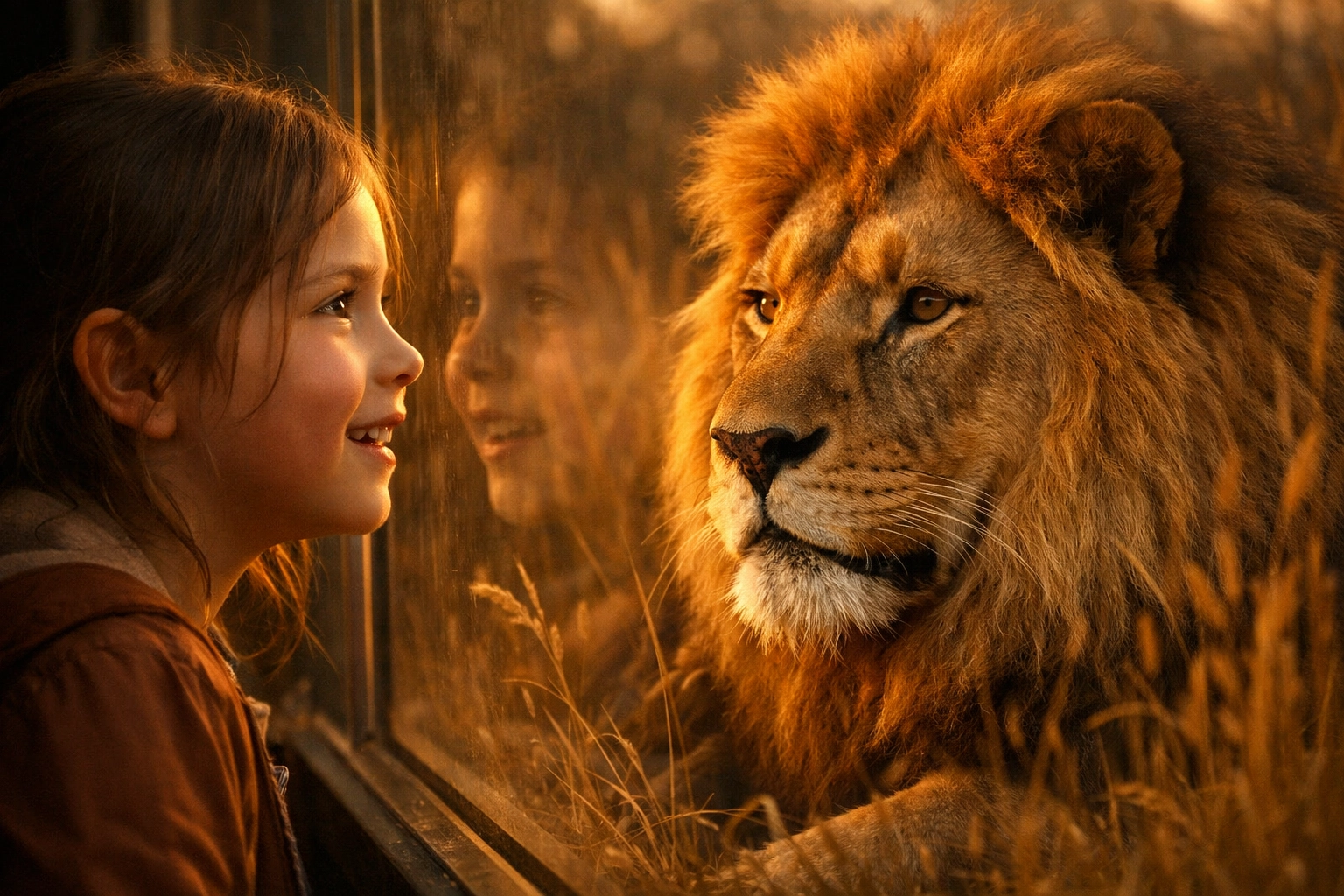
Visual communication isn’t just about information; it’s about emotion. A brand manager needs to curate imagery that makes people feel something. High-resolution, candid shots of animals are great, but showing the connection between the keepers and the animals: or a child’s face lighting up at a touch-tank: is what sells the experience.
Don't be afraid to be bold. Use the same psychology that drives people to try their luck at a casino. People are drawn to vibrant colors, clear calls to action, and the feeling that they are part of something special. When you "Scopri la tua fortuna" (discover your luck) at the zoo, the "luck" is the magical encounter with a rare species. Your visuals should celebrate that.
Wayfinding: The Silent Guide
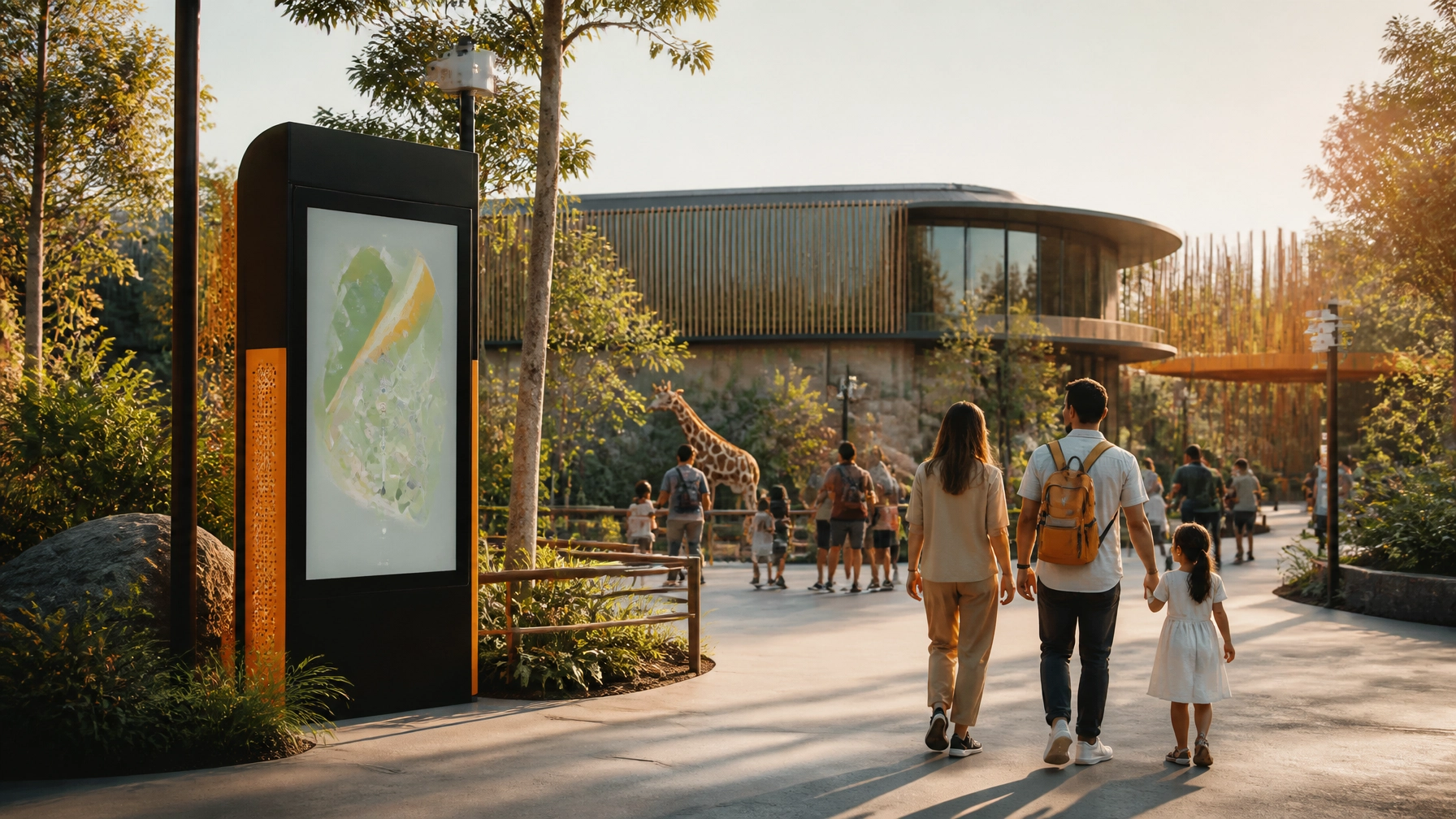
There is nothing worse than a guest feeling lost. Effective wayfinding is the unsung hero of zoo branding. It’s part of your creative services package that often gets overlooked until it’s too late.
Think of your zoo layout like a complex game. Just as a player needs to know the rules to understand how a roulette works, your visitor needs a map that is intuitive. Use color-coded zones (e.g., Africa is orange, Asia is green) to help visitors navigate without needing to read every single sign.
Why Consistency is King
Consistency builds trust. If your social media looks like a high-end fashion magazine but your physical signage looks like a garage sale, the visitor experience feels disjointed. A branding agency specialized in zoos, like Zoo Media, ensures that the "visual thread" is never broken.
Whether a donor is reading your annual report or a toddler is looking at a trash can, the brand should feel unified. This is the hallmark of professional visual communication.
Engaging the Modern Visitor
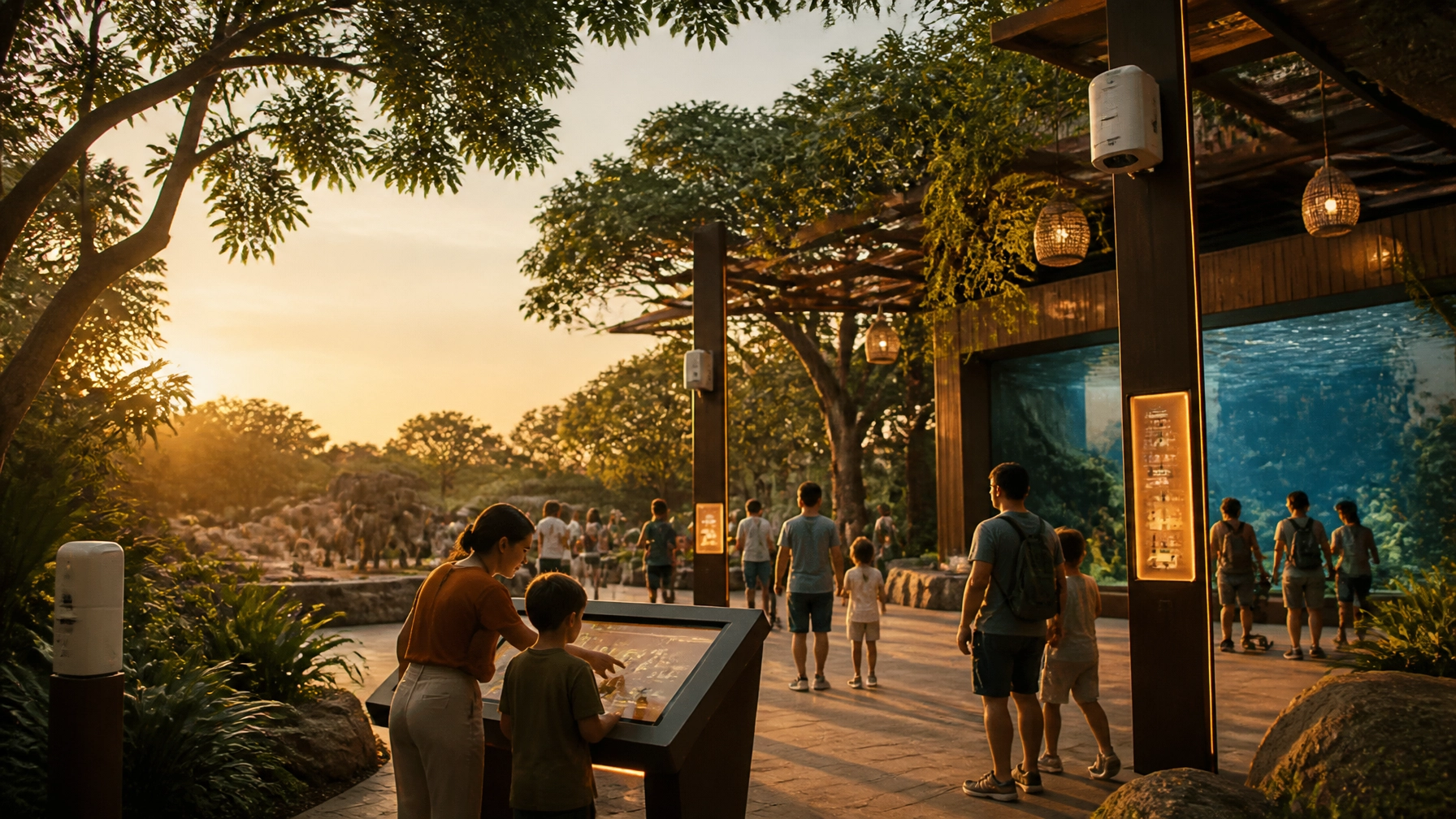
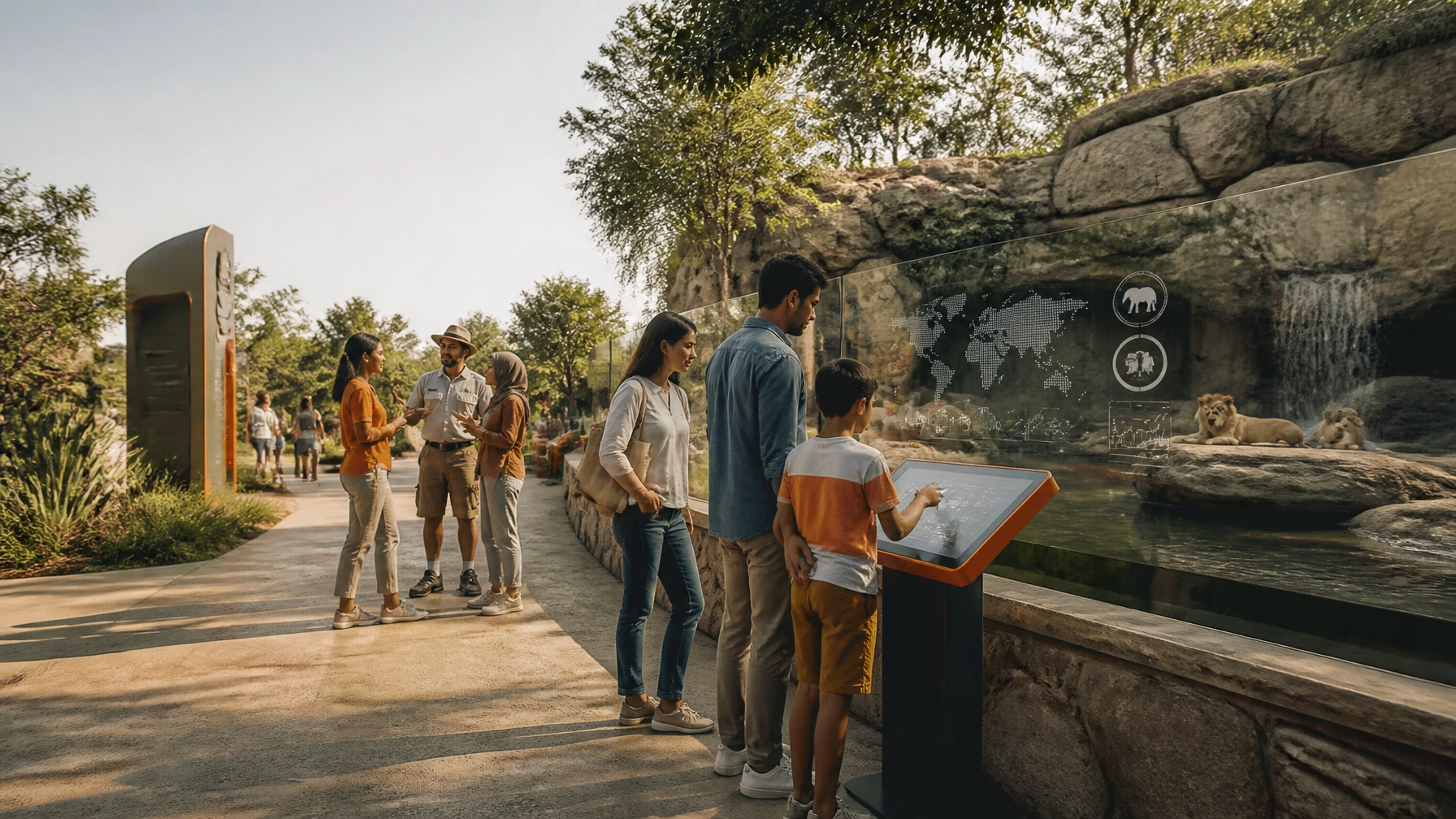
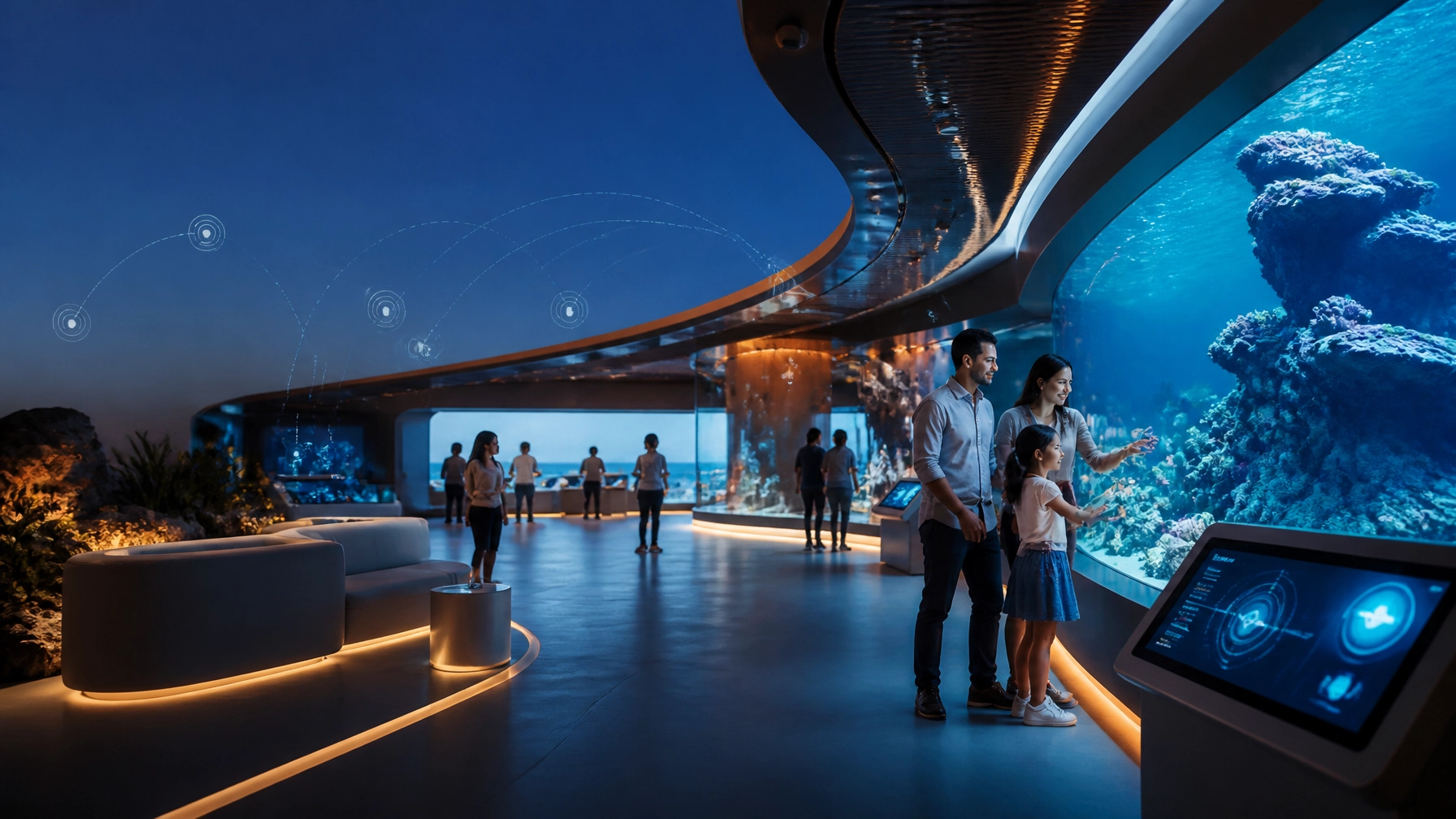
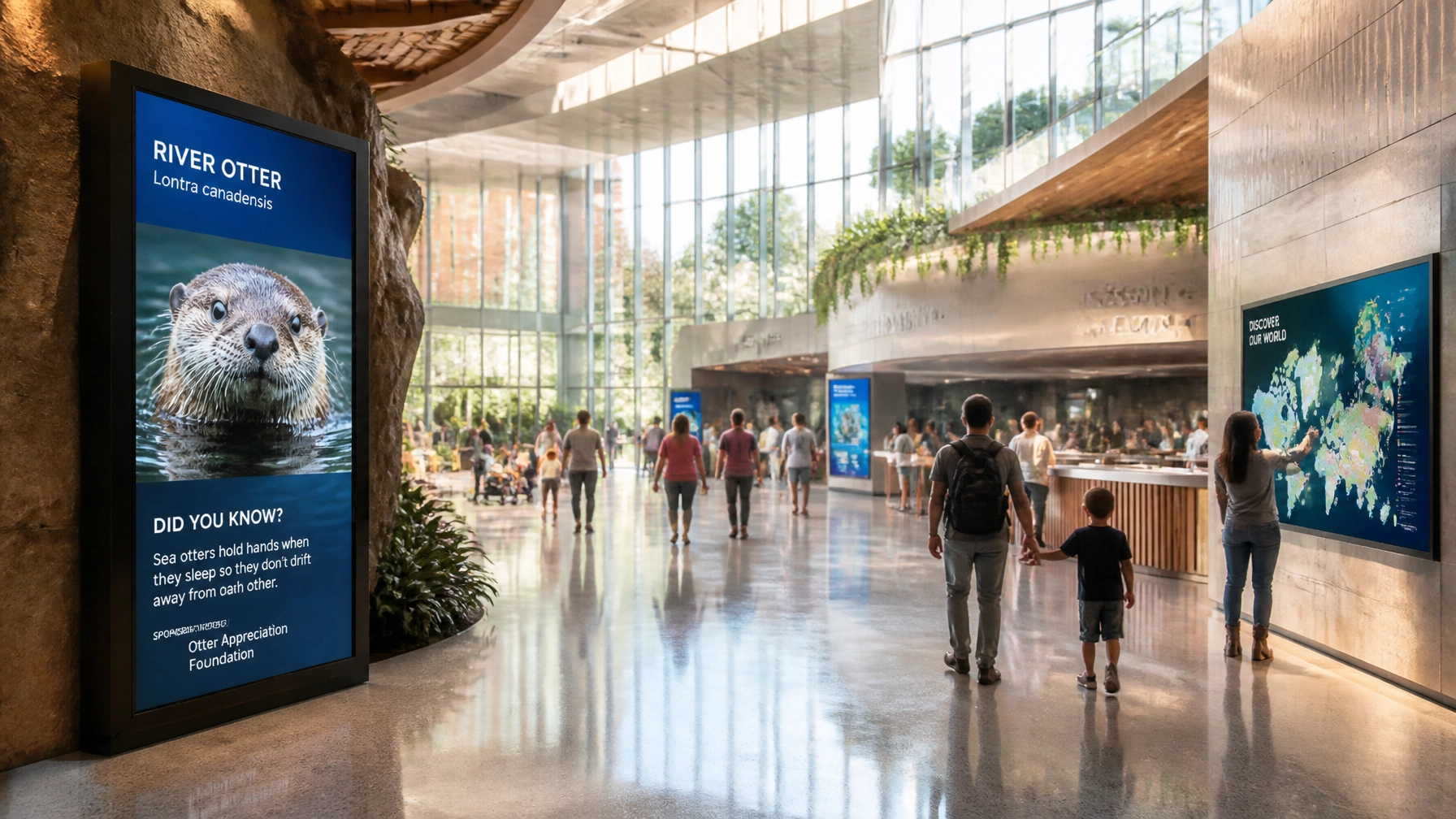
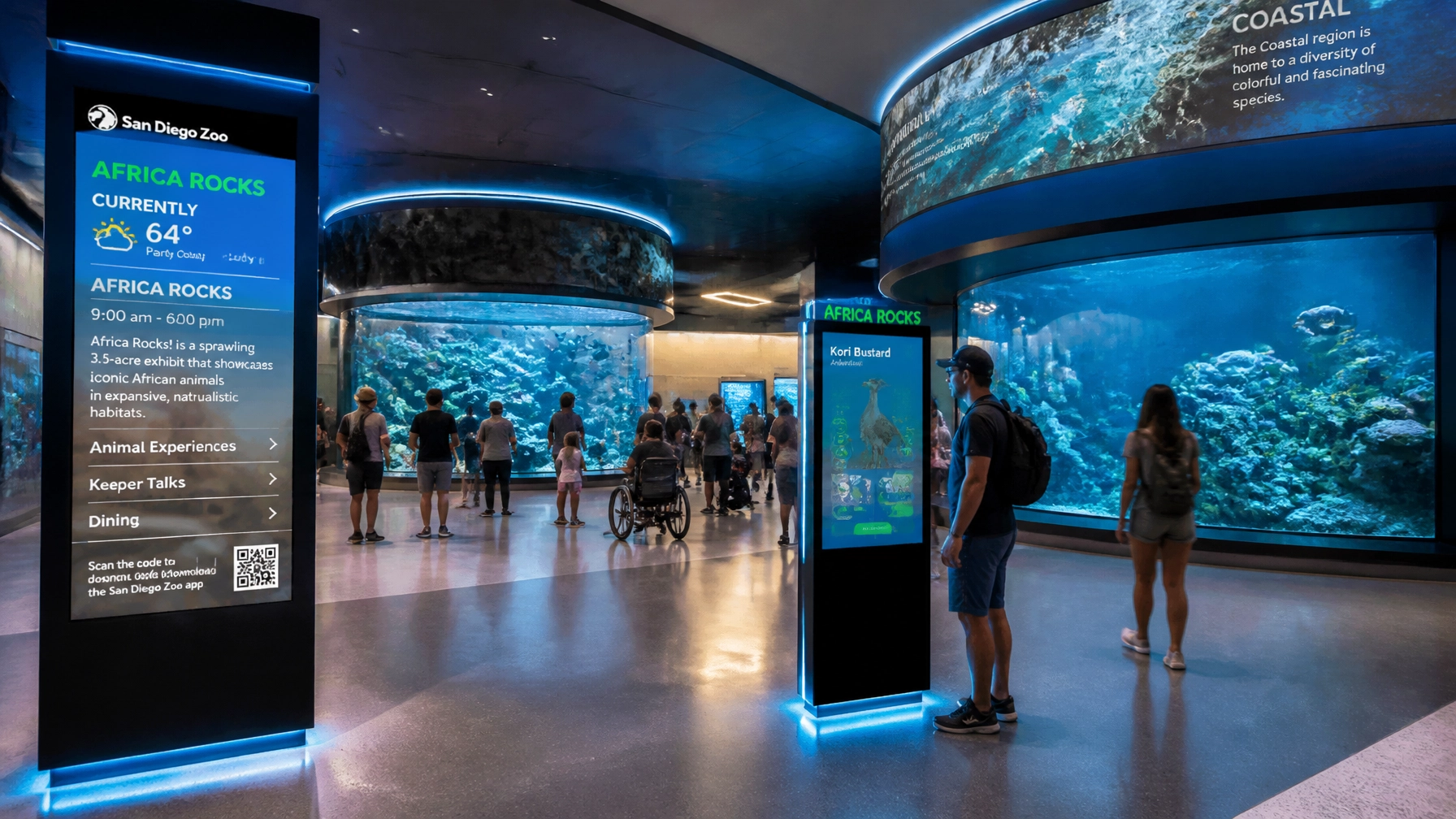
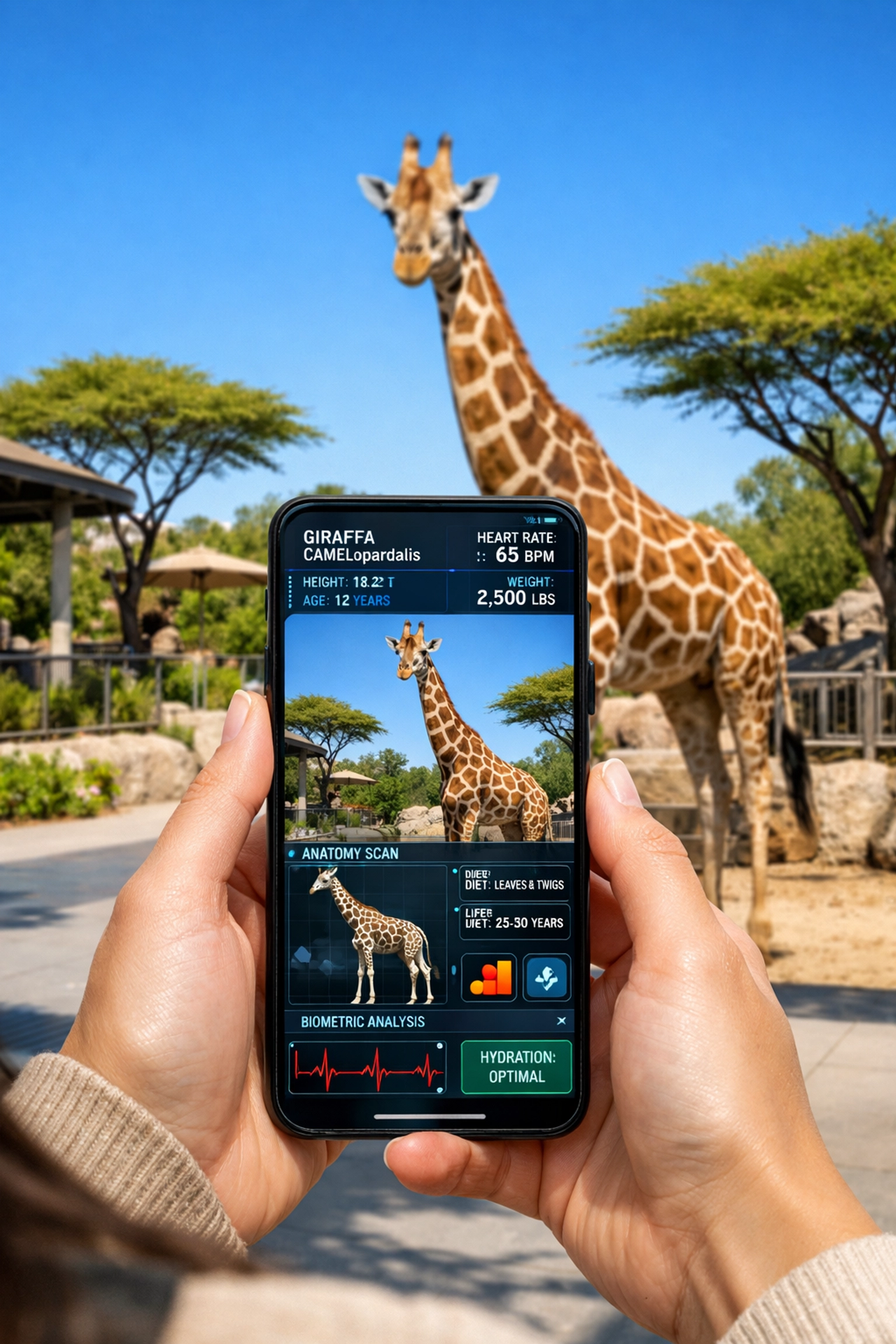
Let’s be honest: you’re competing with Disney, Netflix, and every local park for attention. Your brand needs to pop. Use interactive kiosks, augmented reality (AR) trail markers, and dynamic digital signage that can be updated in real-time.
Imagine a visitor scanning a QR code next to the lion habitat and seeing a video of the cubs being born: that’s a win. It’s about using technology to enhance nature, not replace it. Much like checking for a no deposit bonus before playing a game, your visitors are looking for that "extra value" in their experience. Give it to them through stellar design.
Final Thoughts for Brand Managers
The zoo industry is evolving. We are moving away from simple "static" attractions toward immersive, conservation-led storytelling platforms. As a brand manager, you are the narrator of that story.
Your tools: typography, color, layout, and digital tech: are the brushes you use to paint the future of wildlife appreciation. Make sure you’re working with a team that understands the weight of that responsibility.
At Zoo Media, we’re dedicated to helping you "vincere" (win) the hearts and minds of your visitors. Ready to elevate your visual identity? Let’s get to work.
#Motivation #Branding #Strategy #Marketing #AdvertisingAndMarketing #digitalmarketing #Innovation #Sports #VisualCommunication #ZooMedia
Work with the Experts
Looking to revolutionize your zoo's visual presence? At Zoo Media, we specialize in high-impact creative services tailored specifically for the wildlife and conservation industry. From corporate identity overhauls to cutting-edge digital marketing strategies, we help your mission shine.
Contact Us Today:
Dan Kost, CEO
Zoo Media Network
www.zoomedia.us
www.dakdan.com
AI Receptionist: +1 (323) 676-0621
Check out our latest news at Zoo Media News Network or explore our travel partnerships at Zoo Media Travel.