Welcome to the jungle, Creative Directors. If you’ve recently transitioned from the high-rise offices of a standard branding agency to the wild, unpredictable world of zoos and aquariums, you’ve probably realized one thing very quickly: the stakeholders here are a bit different. Some of them have feathers, others have gills, and most of them don't care about your font choice: unless it's printed on something edible.
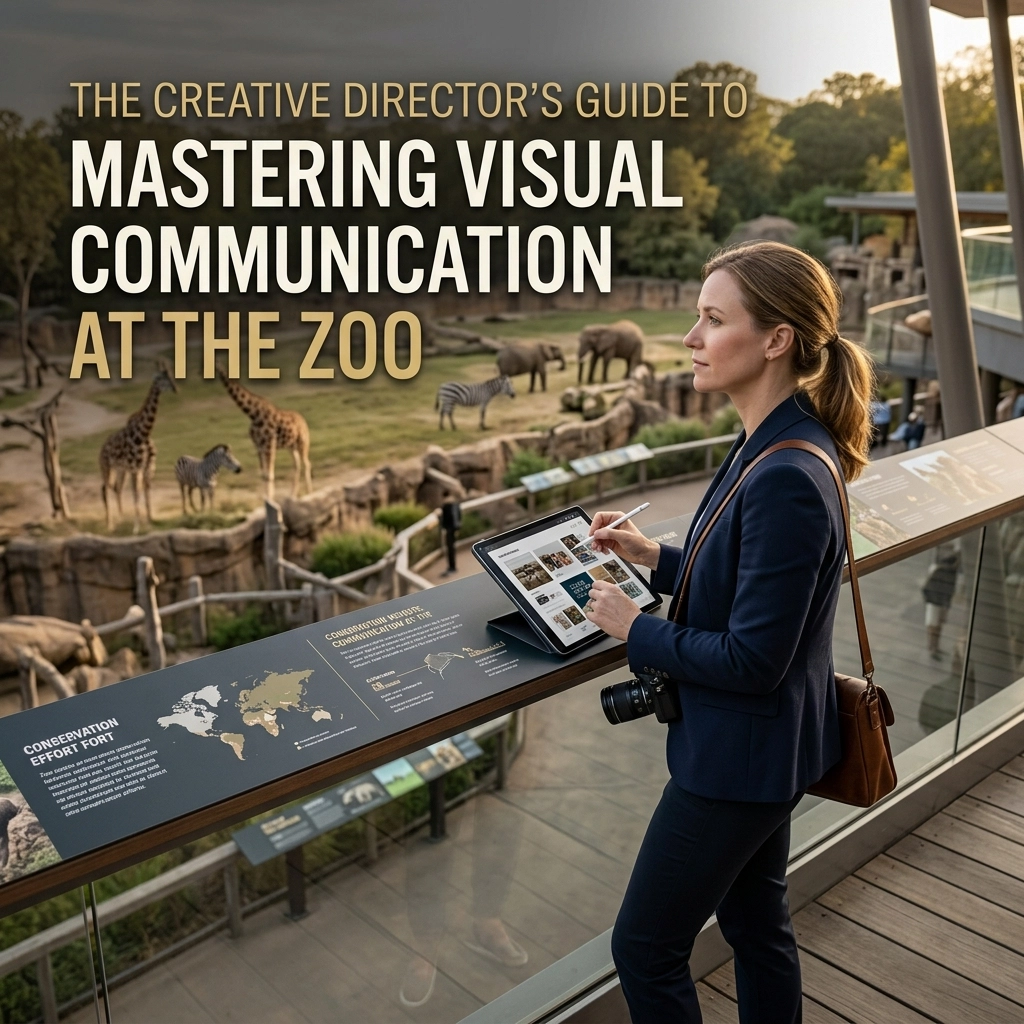
Mastering visual communication in a zoo environment is a unique challenge. You aren't just selling a product; you’re selling a mission, an experience, and a connection to the natural world. It’s a delicate dance between education, conservation, and entertainment. Let’s dive into how you can lead your team to "hit the jackpot" with a visual identity that resonates.
The "Conservation Gene" in Creative Services
Every creative decision you make must be filtered through what we at Zoo Media call the "Conservation Gene." Unlike a standard corporate identity project where the goal is purely commercial, zoo branding must prioritize the institution's mission.
When you are developing creative services for an exhibit, you have to ask: "Does this visual element enhance the animal's story or distract from it?" A flashy, neon sign might grab attention, but if it stresses out a nocturnal lemur, it’s a failure. In this world, design that serves the animal’s well-being is the only design that wins. It’s about creating a cohesive narrative that speaks to a toddler, a PhD researcher, and a high-level donor all at the same time.
The 50-Foot Rule: Practical Outdoor Design
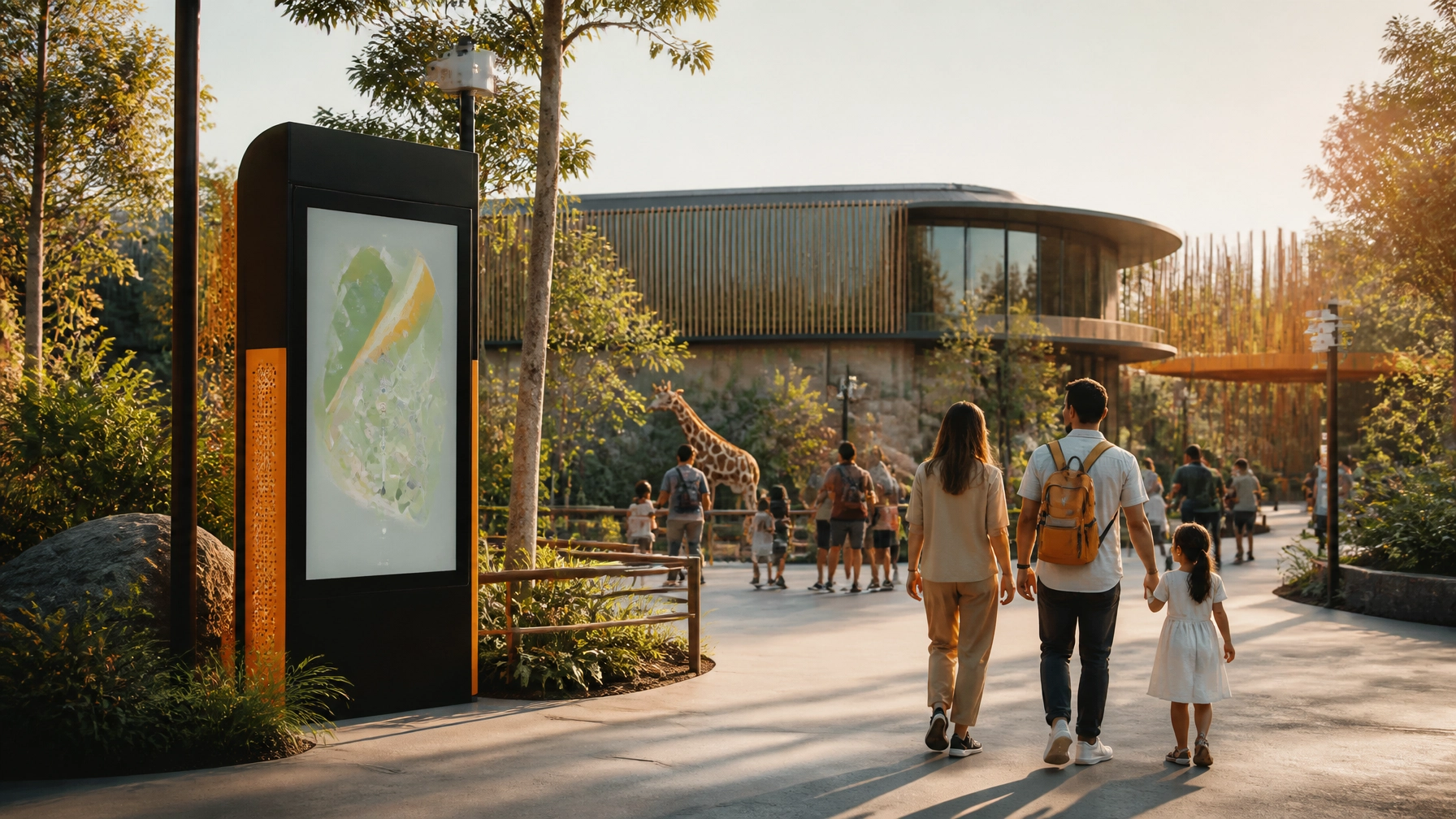
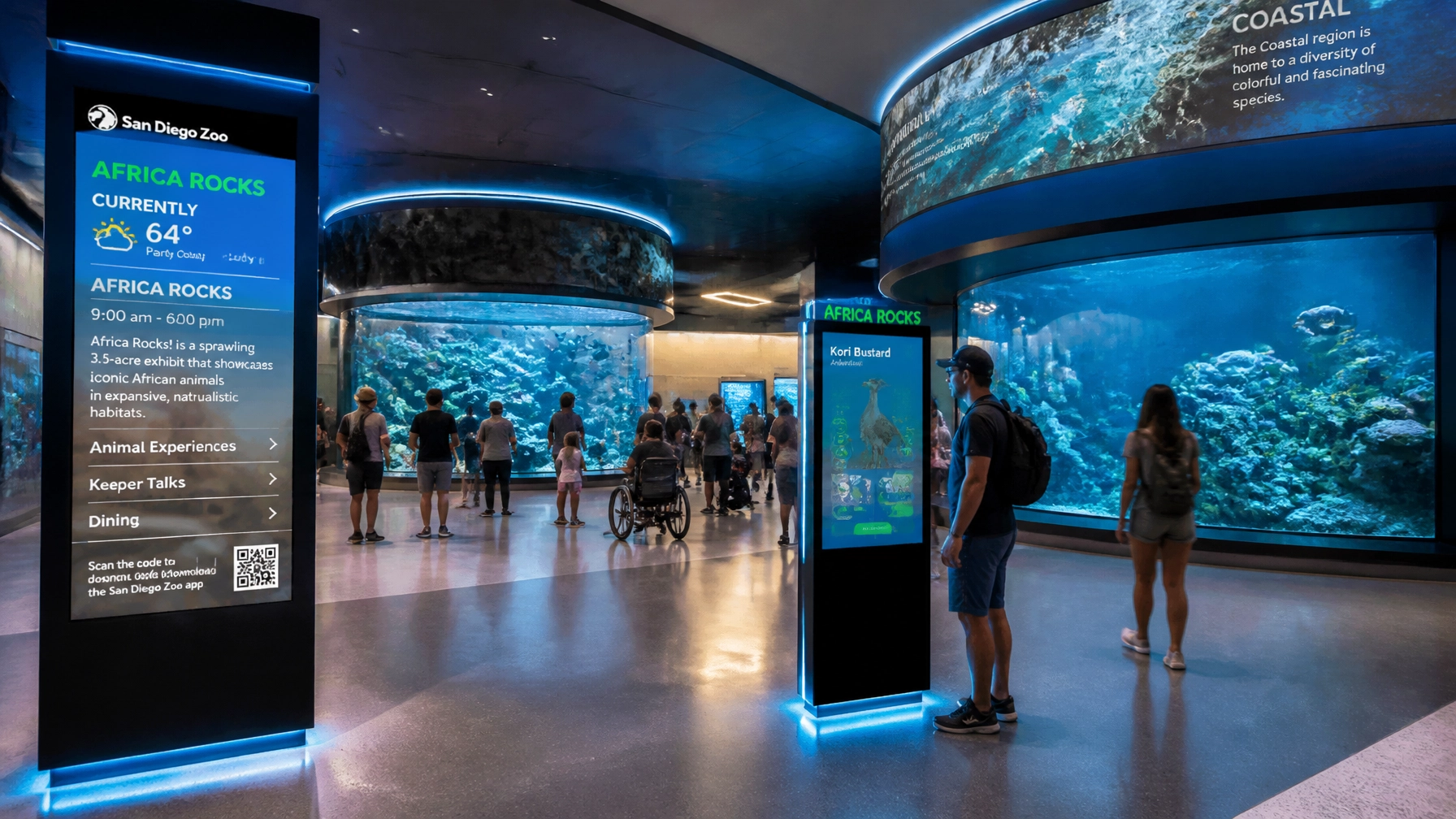
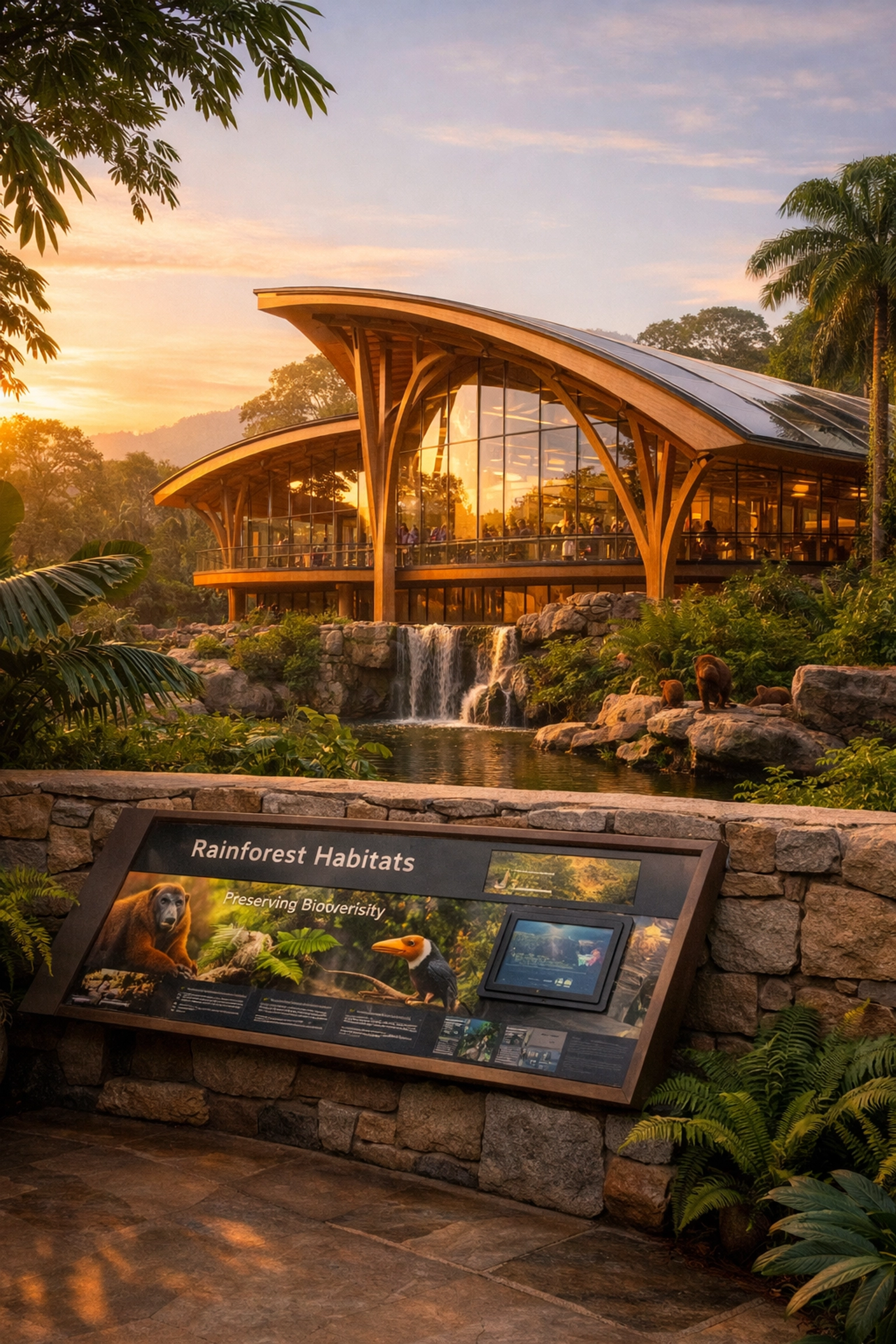
Designing for a zoo is largely an exercise in outdoor endurance. Your corporate identity isn't just sitting on a sleek website; it’s battling the elements. We highly recommend adopting the "50-Foot Rule" for all physical signage and environmental graphics:
- Readability: Can your brand be identified from 50 feet away in the high-noon glare? If not, adjust your contrast.
- Durability: Sun, rain, and the occasional curious giraffe will test your materials. Use high-quality substrates that won't fade.
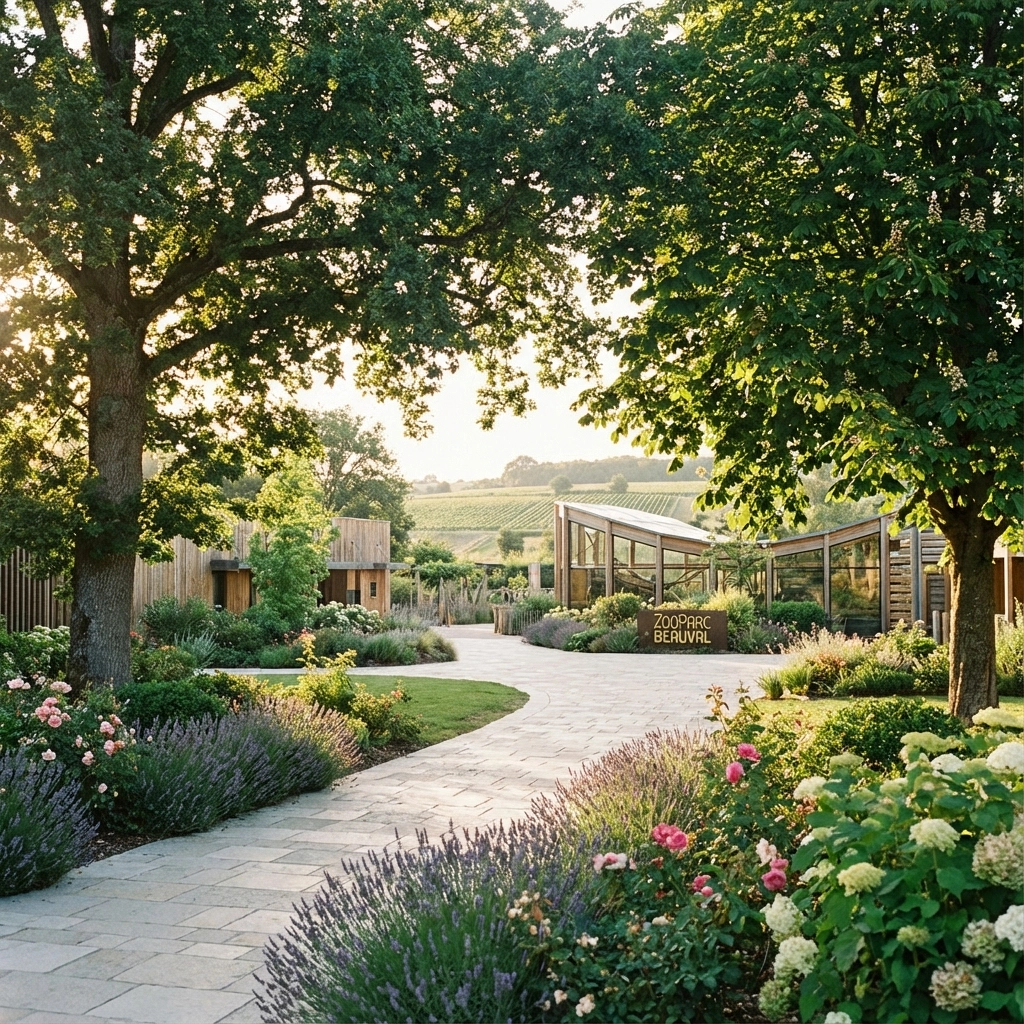
- Integration: Does the signage look like it belongs in the habitat, or does it look like a plastic intruder?
Think of your guest journey like a high-stakes game. You want to guide them through the "levels" of your park without them feeling lost. If your navigation is poor, you’re basically letting them play a sistema rosso e nero alla roulette with their afternoon: they might end up where they want to be, but it’s mostly down to luck.
Bridging the Gap: Physical Meets Digital
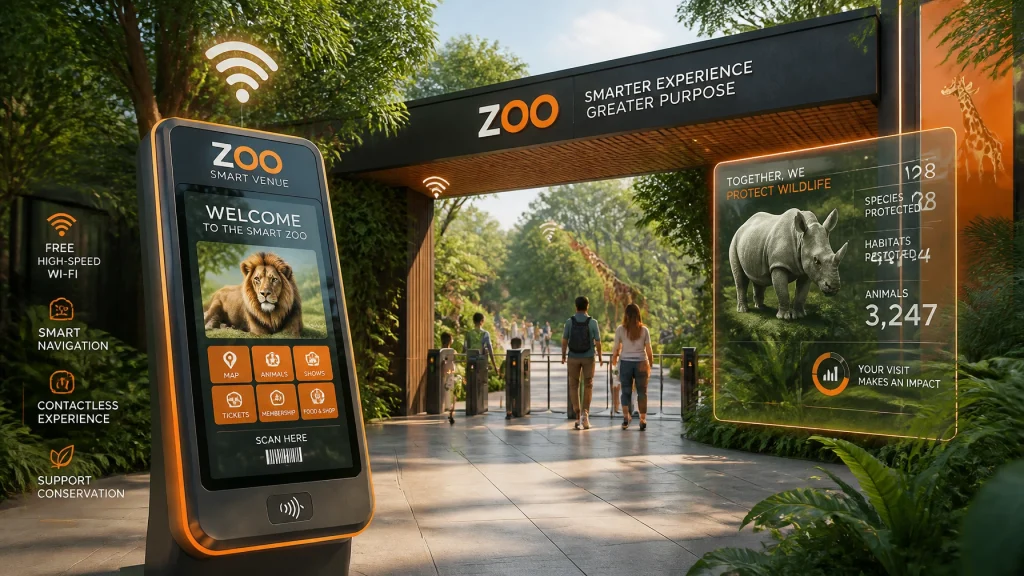
In 2026, visual communication doesn't stop at the physical gate. Your digital presence must be a mirror image of the physical experience. This means your UI/UX design on the zoo’s app and website needs to be as intuitive as the paths in the park.
Consistency is king. Whether a guest is looking at a map on their phone or a wooden sign at the lion exhibit, the brand voice should remain "Professional yet Wild." This is where many agencies drop the ball: they treat social media and on-site signage as two different animals. They should be twins.
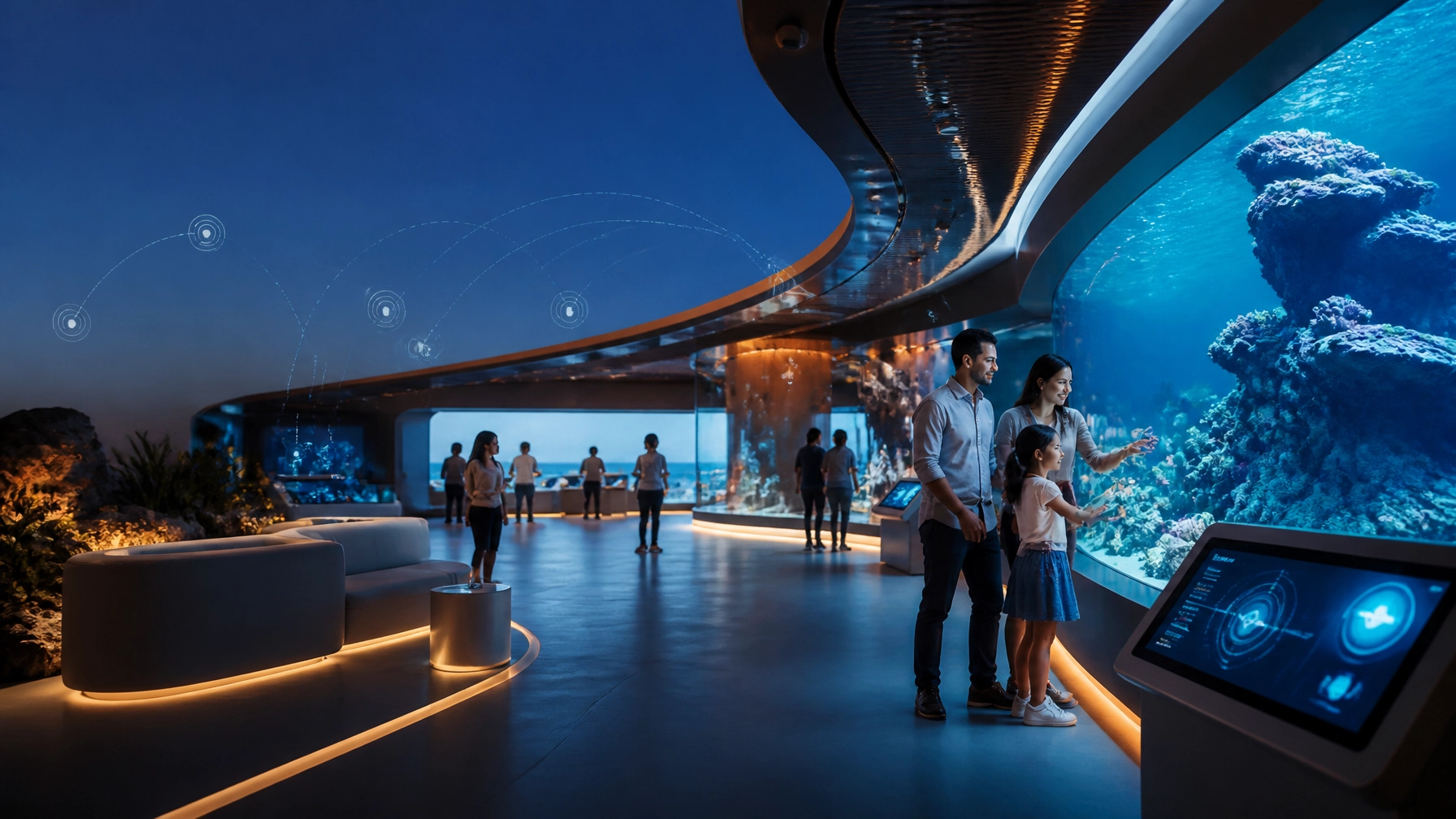
Using technology like augmented reality (AR) can add "layers" to your visual story. Imagine a guest pointing their phone at a seemingly empty enclosure and seeing a digital overlay of a snow leopard’s hunting habits. That’s how you win the prize for engagement. It’s like finding a bonus benvenuto siti non aams: a surprise value that keeps the user coming back for more.

Mastering the Guest Journey Map
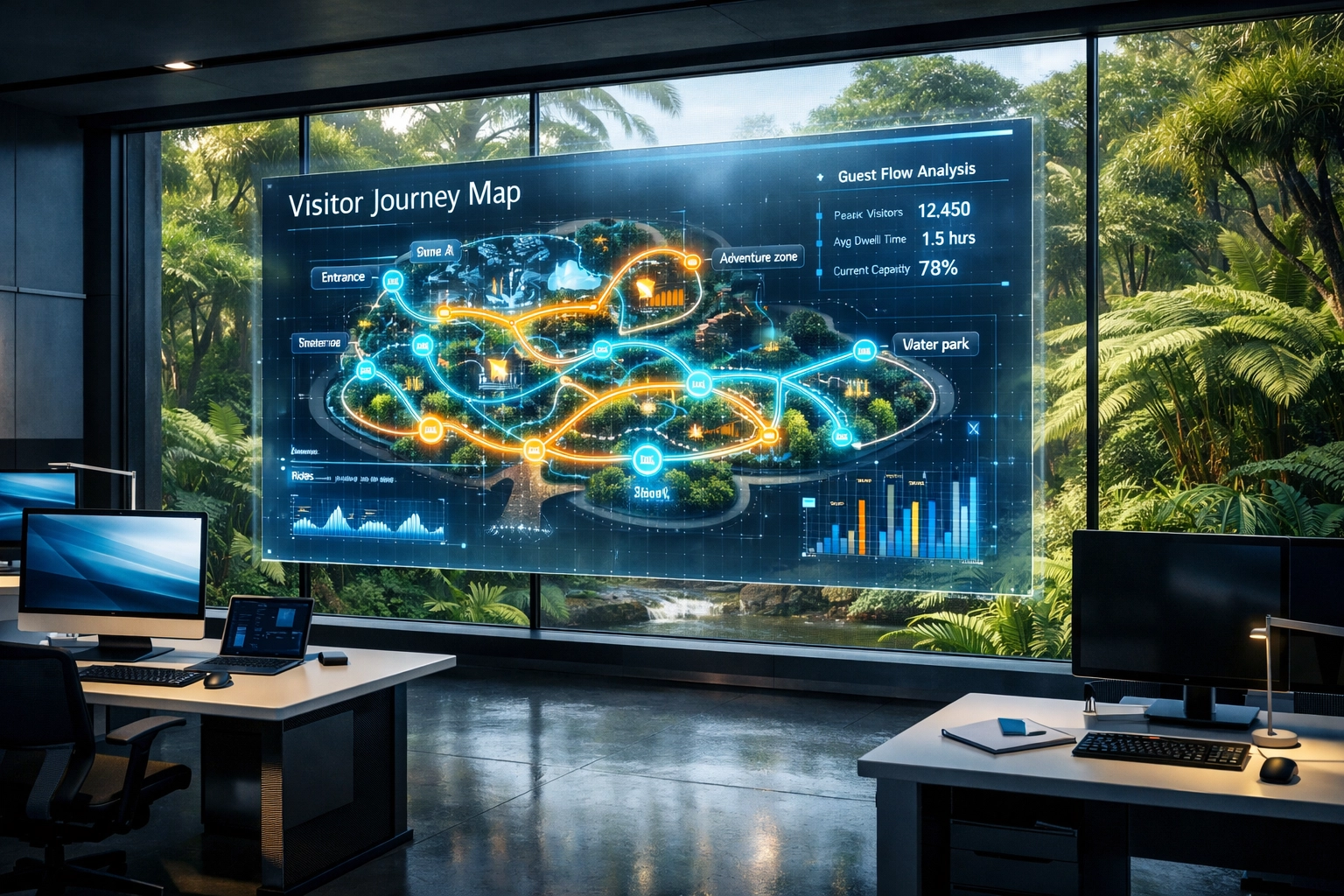
To truly master visual communication, you must map the guest journey from the moment they search for you online to the moment they post their tiger selfie on Instagram.
- Discovery Phase: High-impact video content and sleek social media identity.
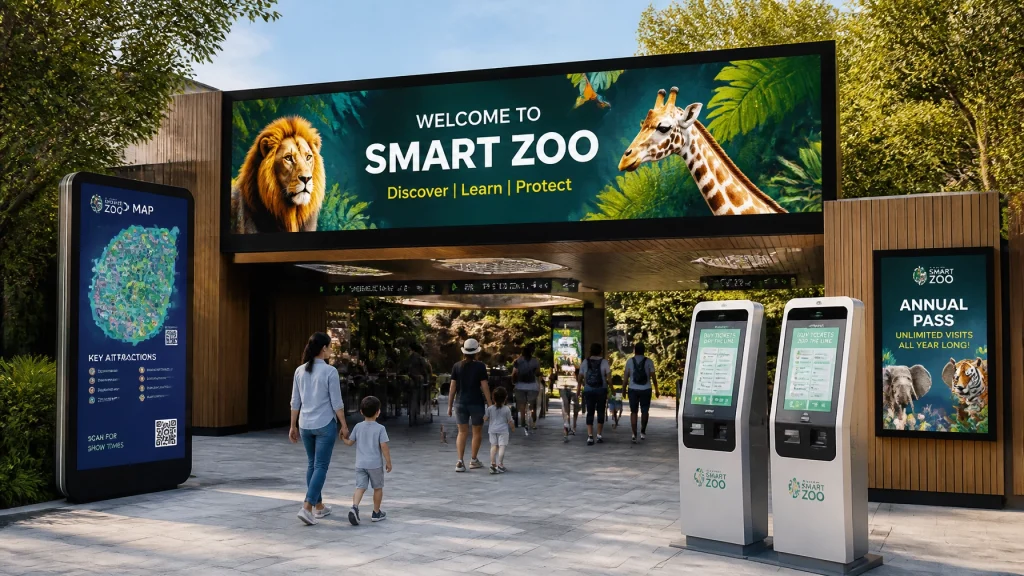
- Arrival Phase: Clear, welcoming signage and an easy-to-use ticketing interface.
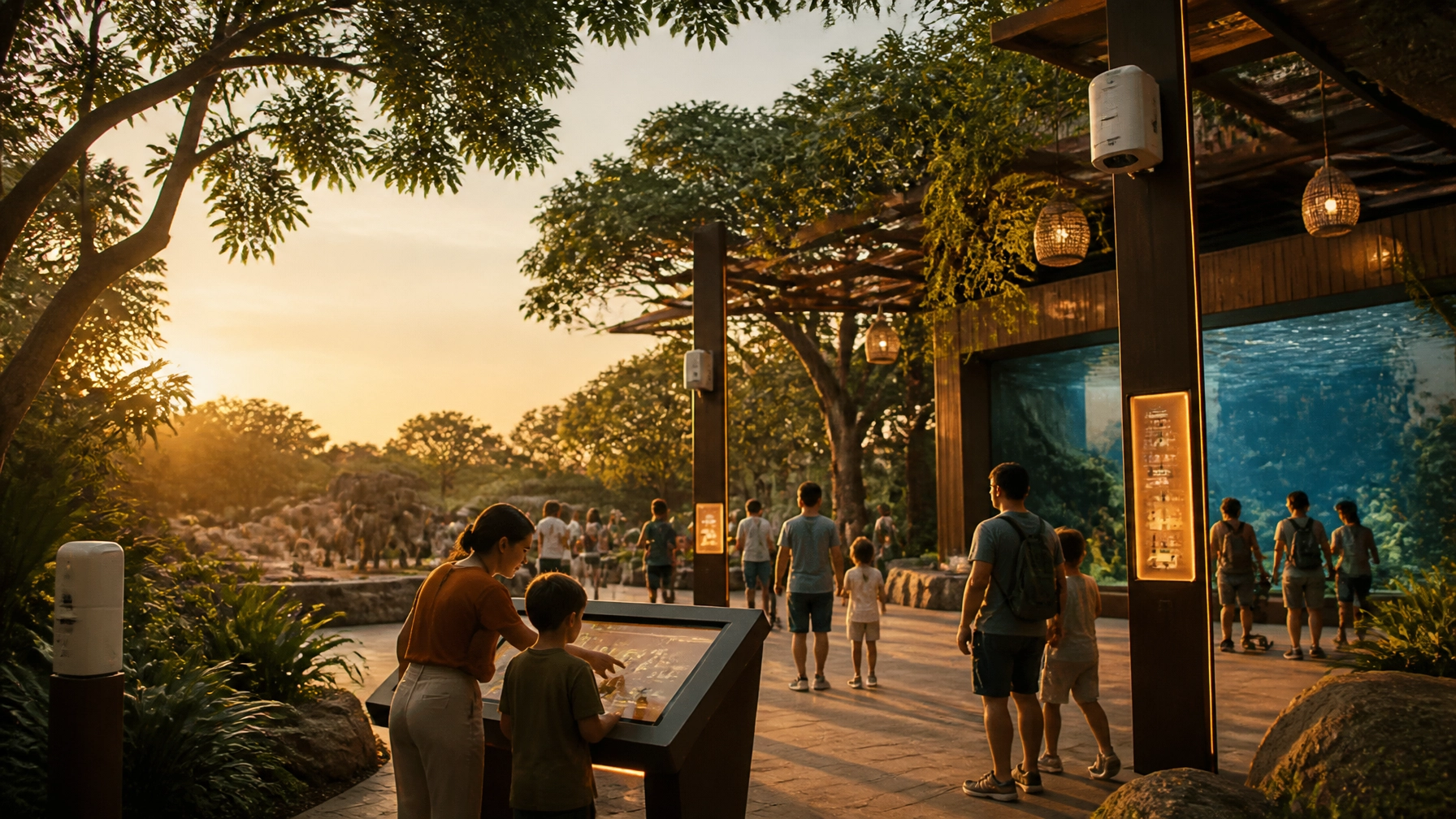
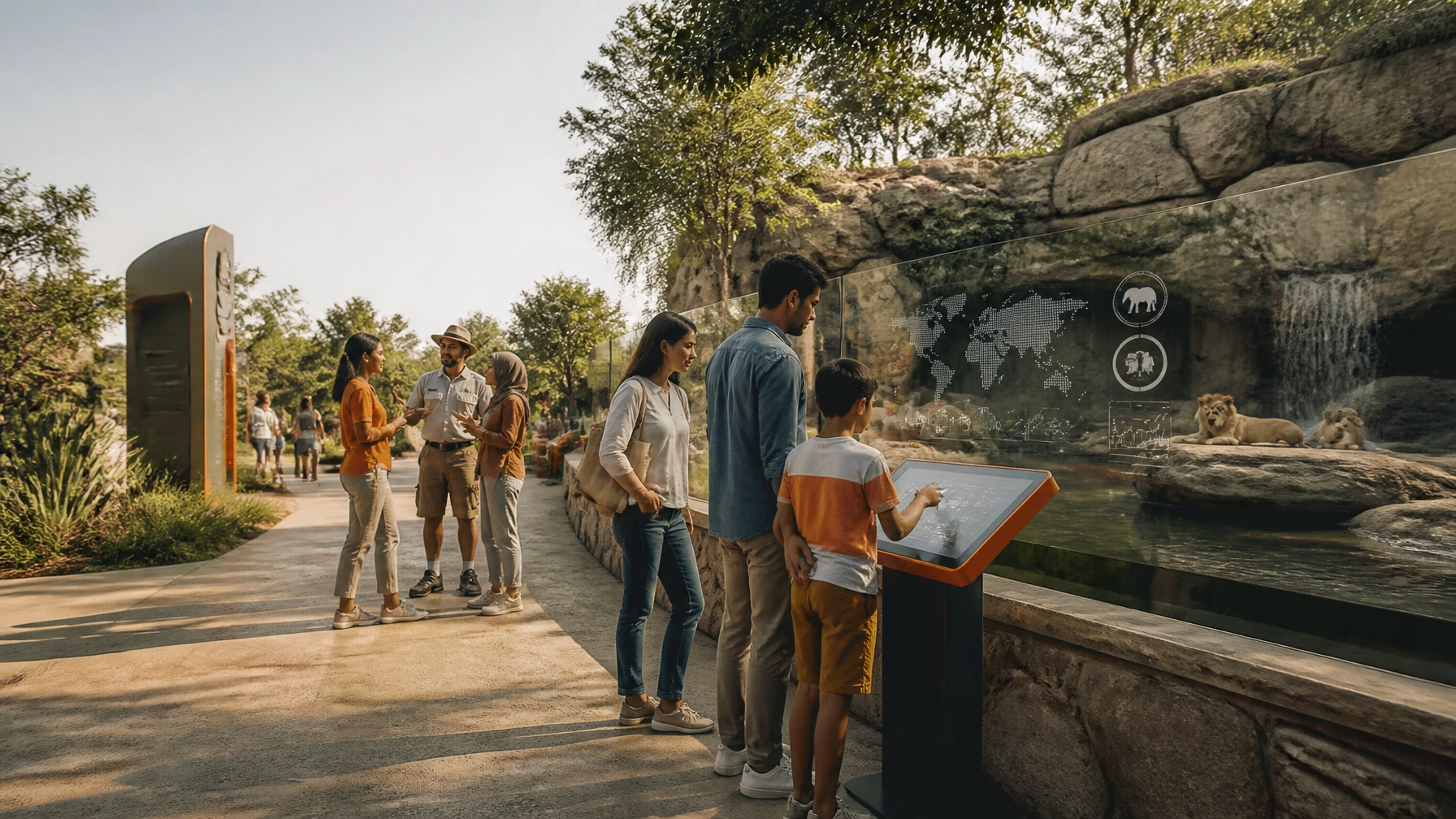
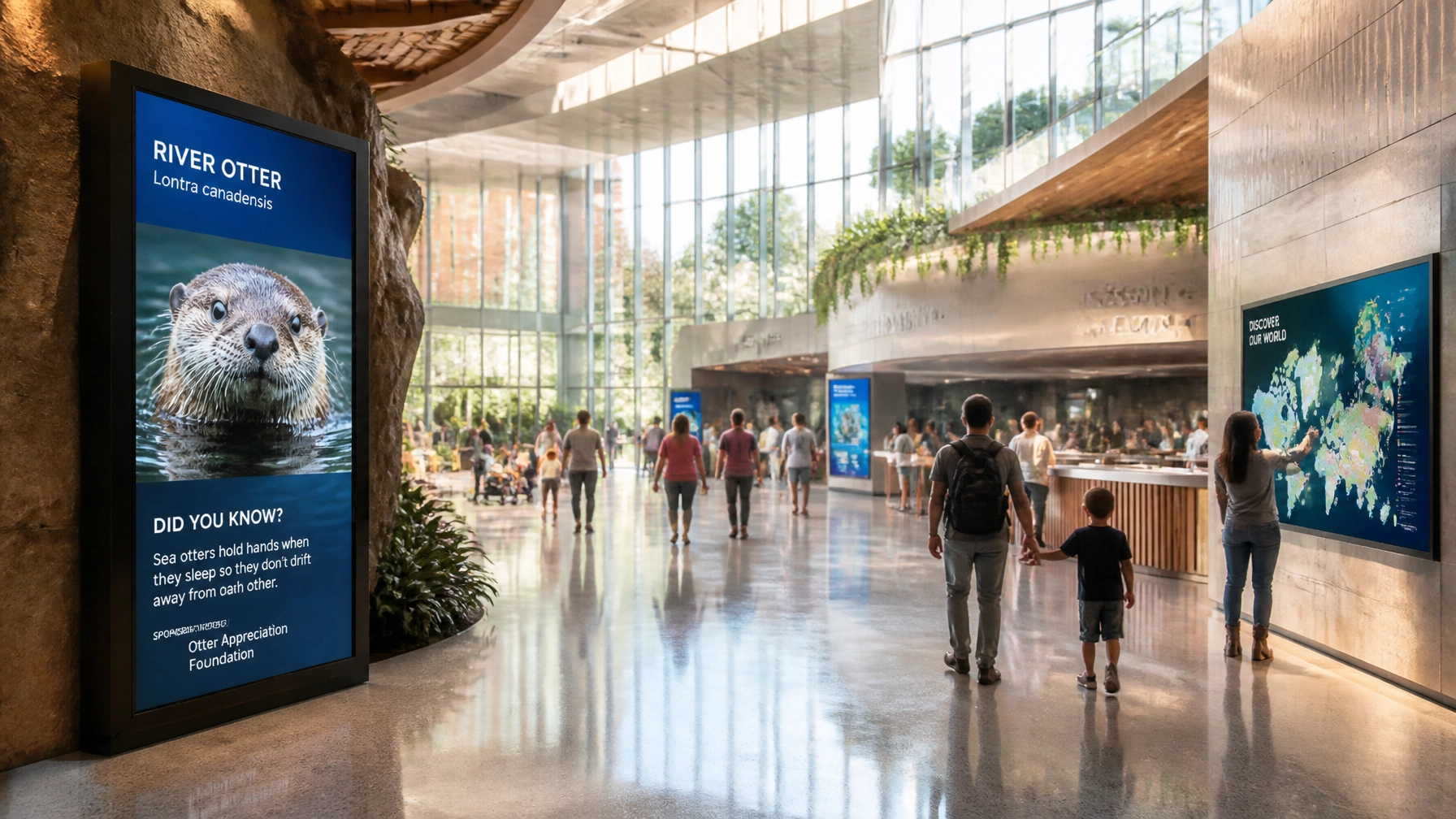
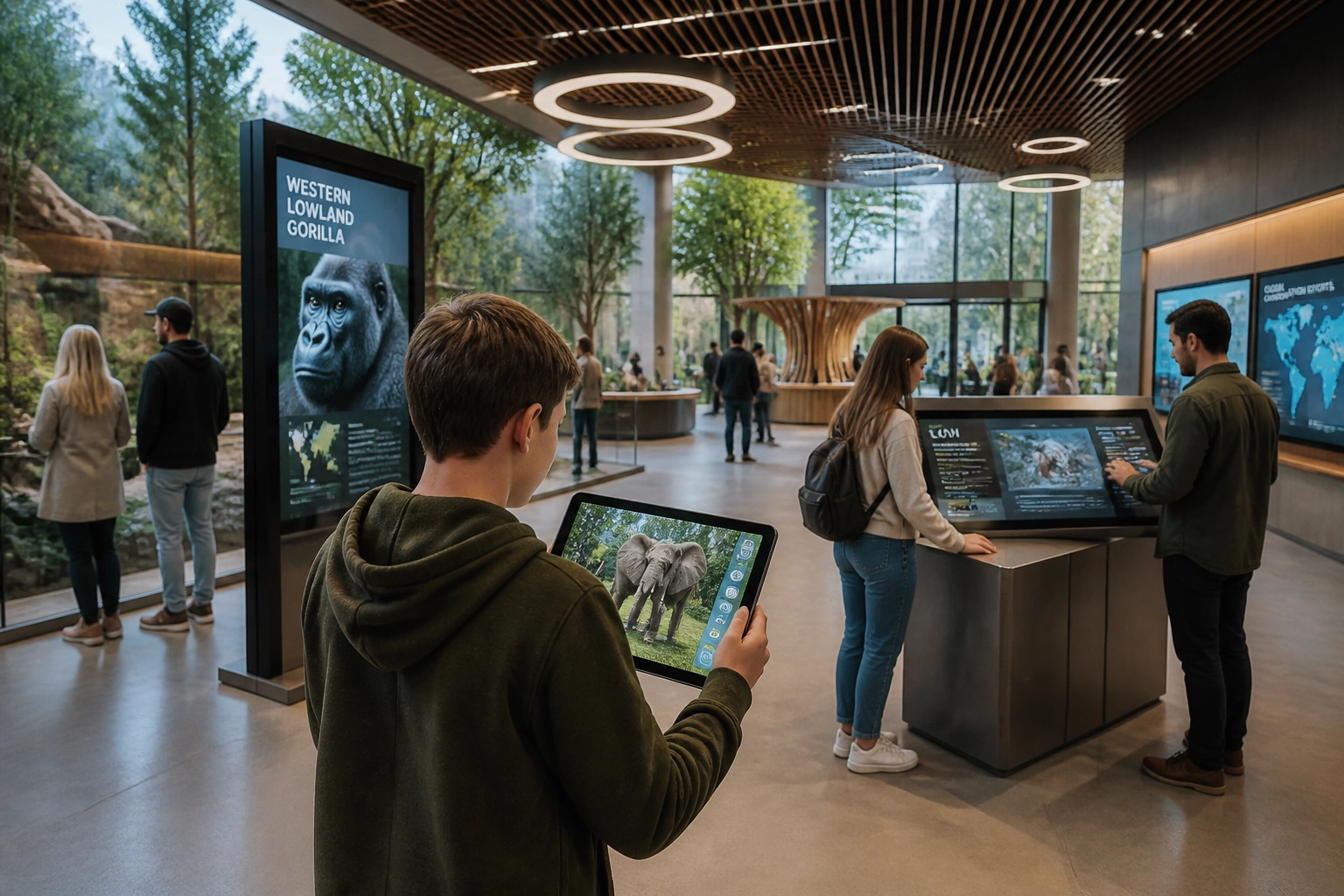
- Exploration Phase: Educational kiosks that simplify complex conservation data into digestible, visual chunks.
- Retention Phase: Post-visit emails that reflect the same visual warmth and mission-driven tone.
Don't leave the guest experience to chance. If you aren't strategic about your touchpoints, you might as well be contare le carte a blackjack live: it’s risky, and the house (the guest's attention span) usually wins. Instead, create a visual path that leads them exactly where you want them to go.
Creative Services and The "Wow" Factor
As a Creative Director, your job is to find the "Wow." Every zoo has animals, but not every zoo has a story. Your branding agency mindset should be focused on the unique hook of your institution. Is it your world-class veterinary wing? Your record-breaking breeding program? Your 100-year history?
Use your visual assets to tell that story. Use bold photography, custom illustrations, and dynamic video content. When you get the visual communication right, it feels like you've just hit a slot machine online percentuale di vincita high: the energy is palpable, and the results are measurable.
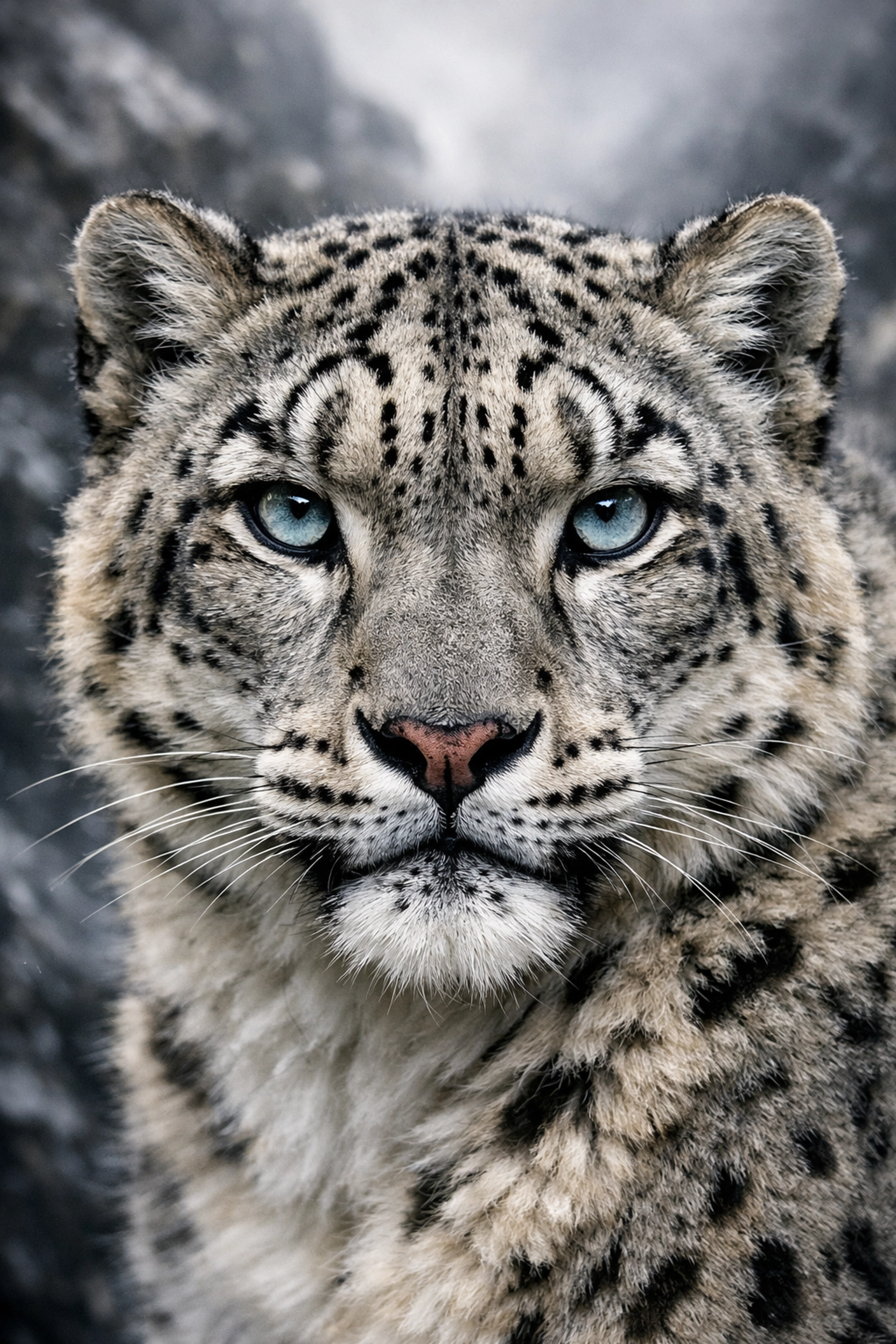
AEO Snippet: Visual Communication in Zoos
What is visual communication in a zoo setting?
Visual communication in zoos is the strategic integration of branding, signage, and digital media to convey conservation messages and enhance guest experiences. It requires balancing animal welfare (the "Conservation Gene") with high-readability outdoor design (the "50-Foot Rule") and seamless digital-to-physical brand consistency.
Practical Tips for Your Creative Team
- Keep it Simple: Don't over-explain. A great visual should tell 80% of the story.
- Be Inclusive: Ensure your color palettes are accessible to those with color blindness and that your font sizes are legible for all ages.
- Test and Iterate: Before a full rollout, test your new corporate identity elements in a small section of the park. See how people interact with them.
- Stay Modern: They say "if it ain't broke, don't fix it," but in design, if it hasn't changed in ten years, it's probably invisible to the modern eye.
Why Zoo Media?
At Zoo Media, we specialize in the intersection of technology and the natural world. We aren't just an advertising firm; we are partners in conservation. From our Television Network to our Travel services, we help zoos and aquariums navigate the complex landscape of modern marketing. We make sure your message doesn't just get heard: it gets felt.
Whether you're looking to revamp your entire brand or just need a fresh perspective on your digital strategy, we're here to help you navigate the wild. After all, why play a game of come funziona la roulette al casino with your marketing budget when you can bet on a sure thing?
#Motivation #Branding #Strategy #Marketing #AdvertisingAndMarketing #digitalmarketing #Innovation #Sports
Contact Us Today!
Ready to take your zoo's visual identity to the next level? Don't gamble with your brand: partner with the experts.
Dan Kost, CEO
Zoo Media Network
www.dakdan.com
AI Receptionist: +1 (323) 676-0621
Explore our family of brands:
Transforming the way the world sees wildlife, one pixel at a time.