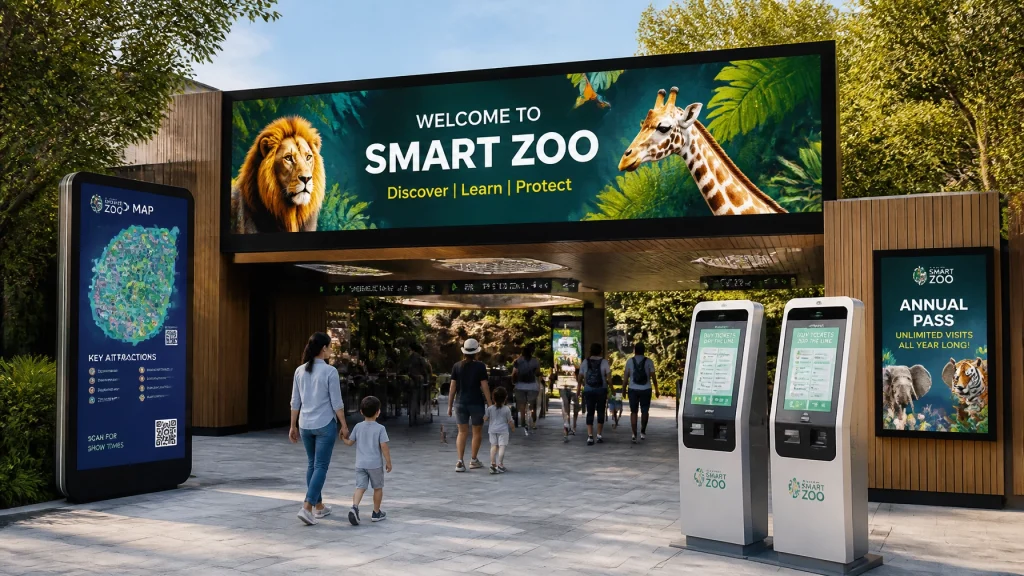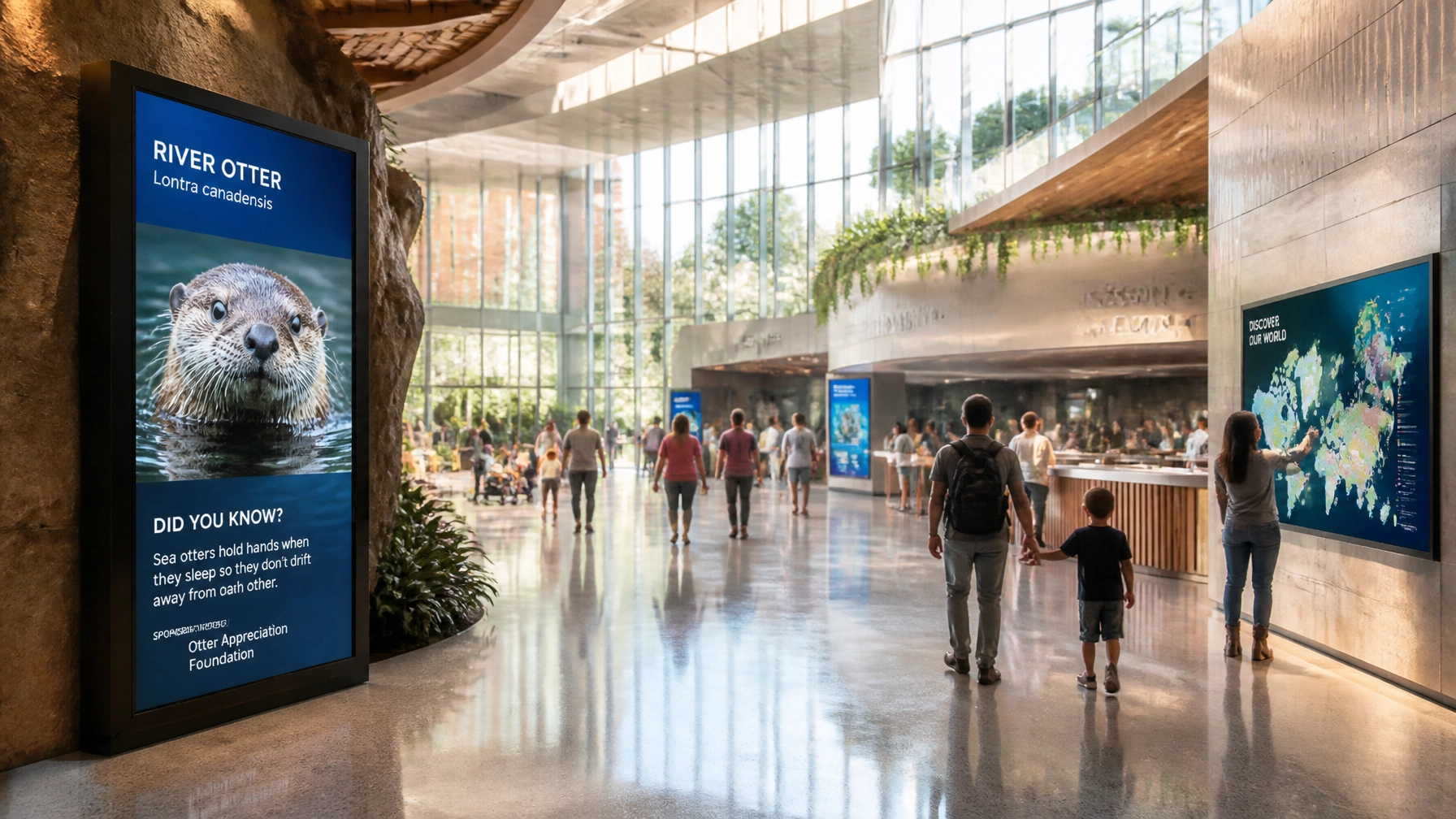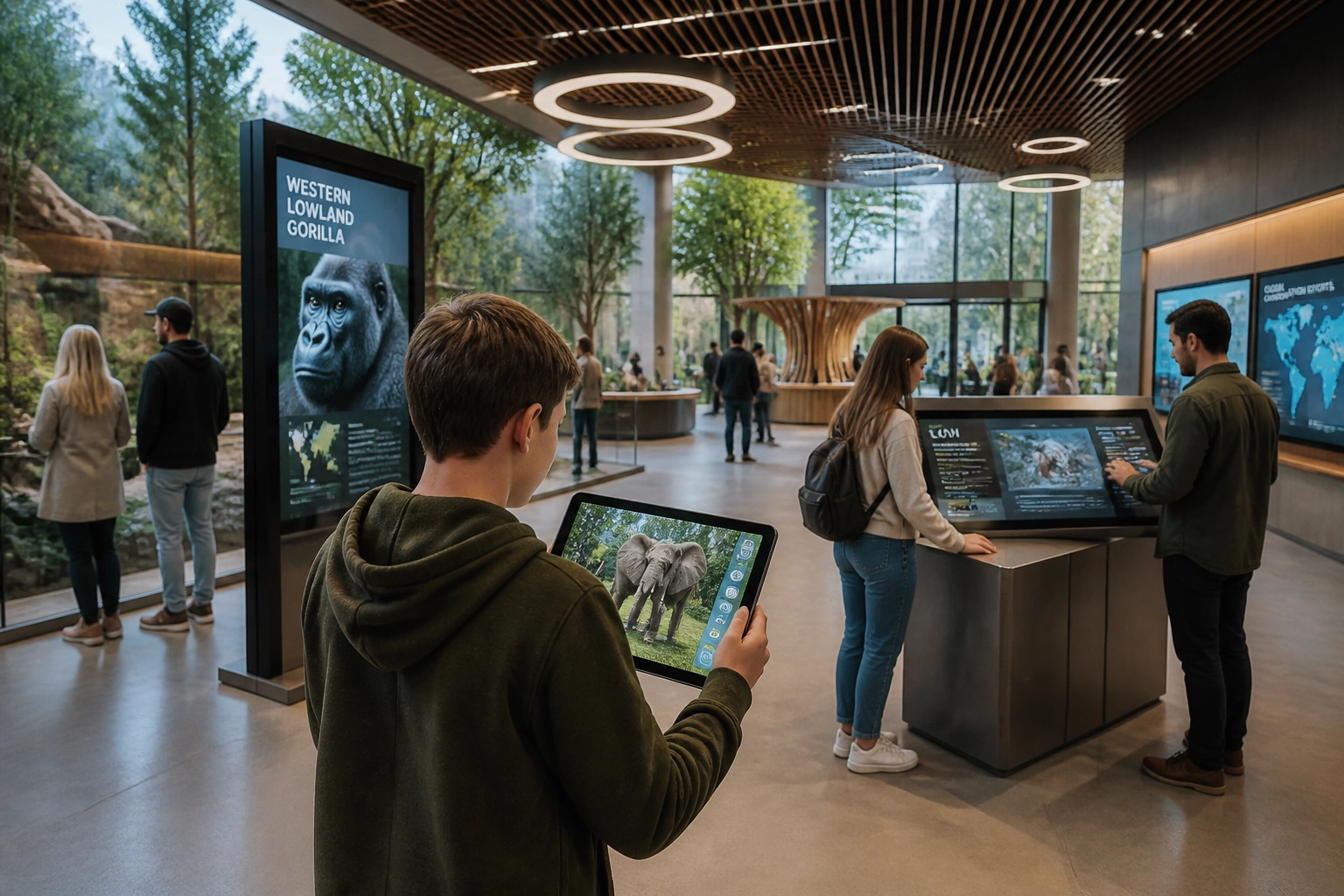
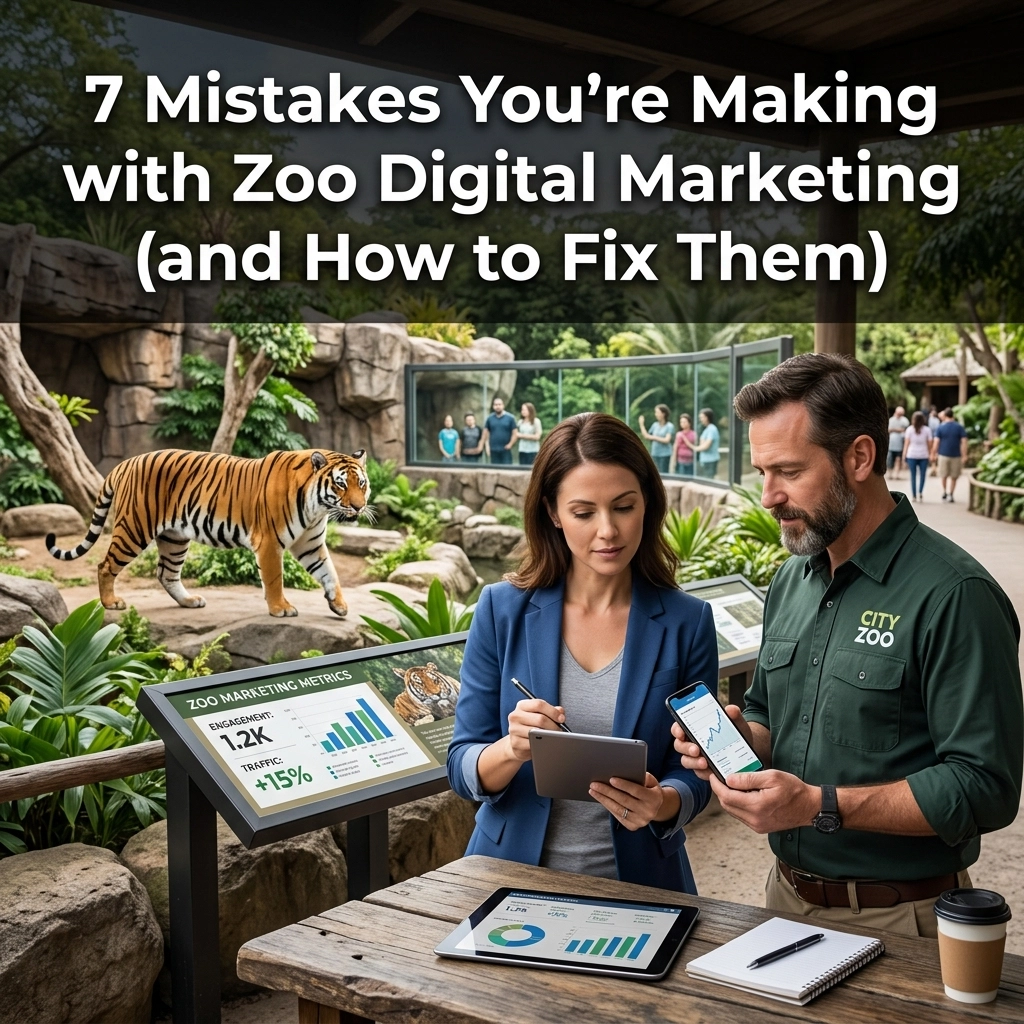
In the high-stakes world of media buying and brand management, we are always hunting for that "unfair advantage": a high-dwell-time environment where the audience is not just captive, but emotionally engaged. Zoos and aquariums represent one of the most lucrative, yet often misunderstood, sectors for digital marketing. With millions of annual visitors who are relaxed, tech-forward, and ready to spend, the opportunity is massive.
However, as I often tell our partners at Zoo Media, just showing up isn't enough. We see brand managers and planners making the same tactical errors year after year, leaving performance on the table. If you want to maximize your ROI in these unique corporate sponsorship environments, you need to stop treating the zoo like a subway station or a highway billboard.
Here are the 7 most common mistakes brands make with zoo digital marketing and, more importantly, how you can fix them today to start seeing real growth.
1. Using "Standard" Creative Assets in a Specialized Environment
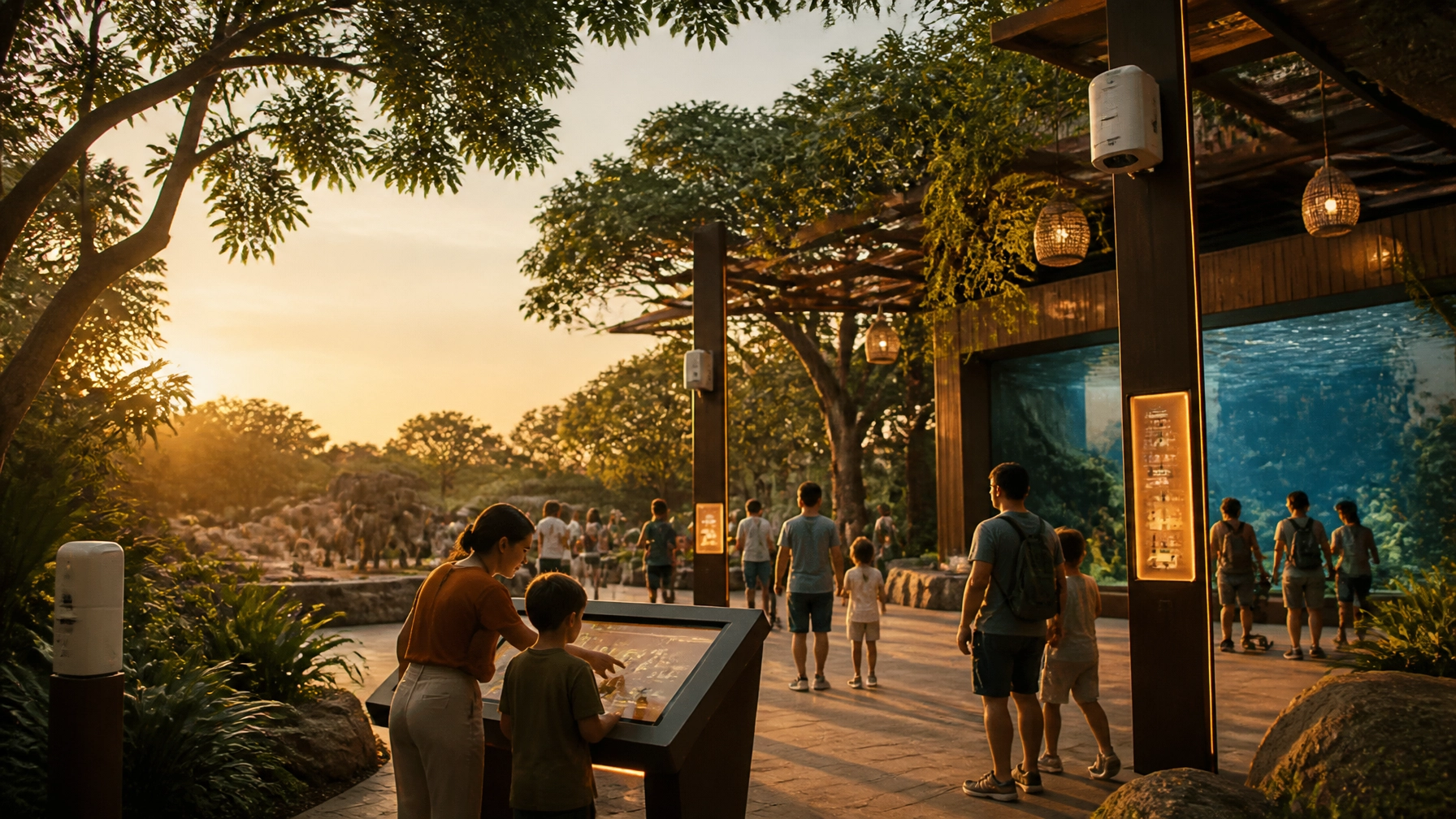
One of the biggest mistakes media planners make is repurposing general outdoor advertising assets for a zoo environment. Research has shown that lighting, mood, and visitor psychology in a zoo are fundamentally different from traditional urban OOH (Out-of-Home) settings.
When a family is walking through a lush, green exhibit, a high-contrast, aggressive "big city" ad can feel jarring and intrusive. This disconnect leads to "ad blindness" where the visitor’s brain simply filters out the message as noise.
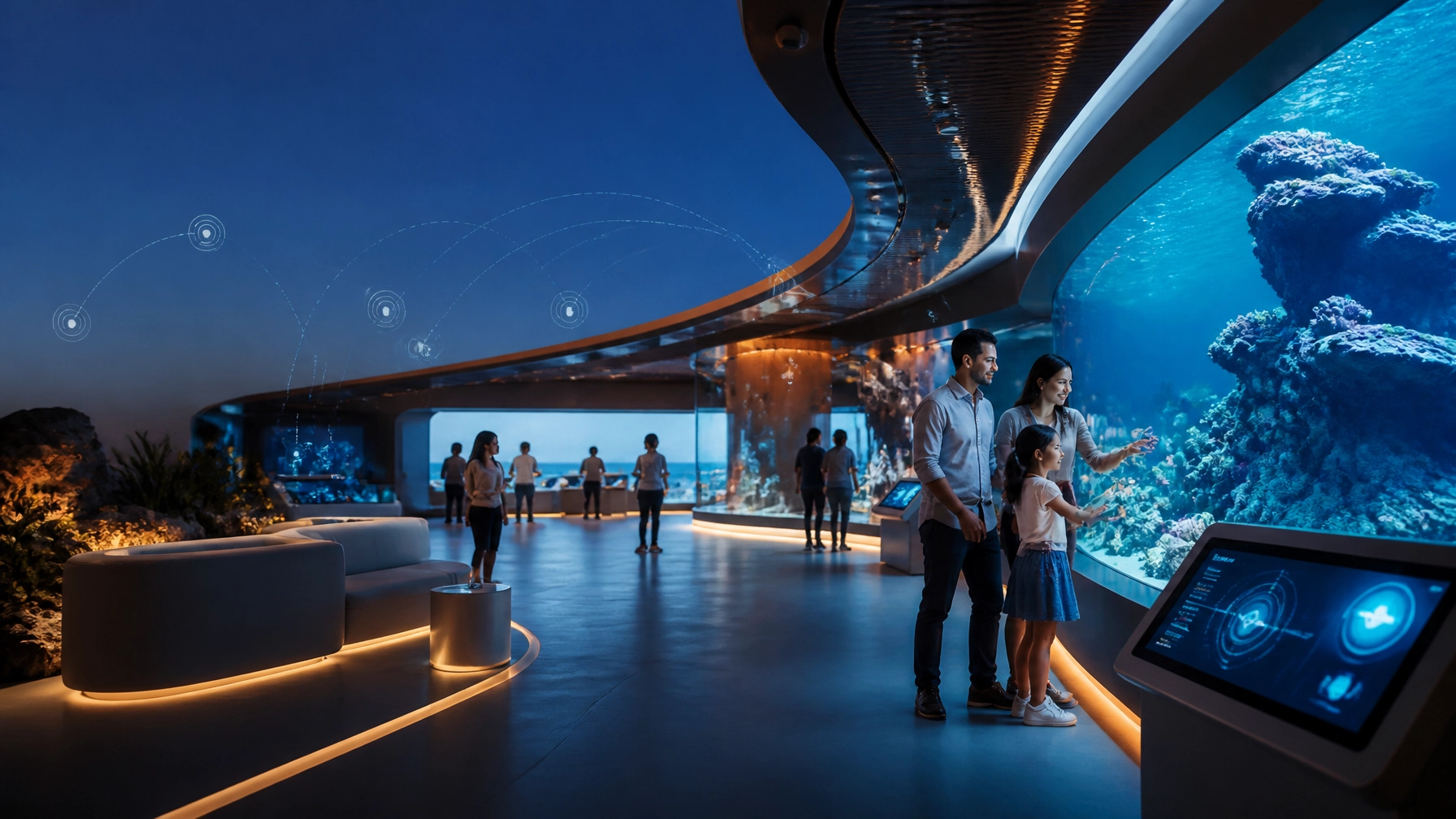
The Fix: Leverage professional creative services that understand the environmental context. Your creative should harmonize with the atmosphere. Think about the "mood" of the exhibit where your digital screen is placed. Is it high-energy? Use vibrant colors. Is it a quiet, indoor aquarium setting? Use softer, more fluid animations. You can learn more about our integrated approach at https://www.zoomedia.us.
2. Ignoring the "Family Micro-Moment"
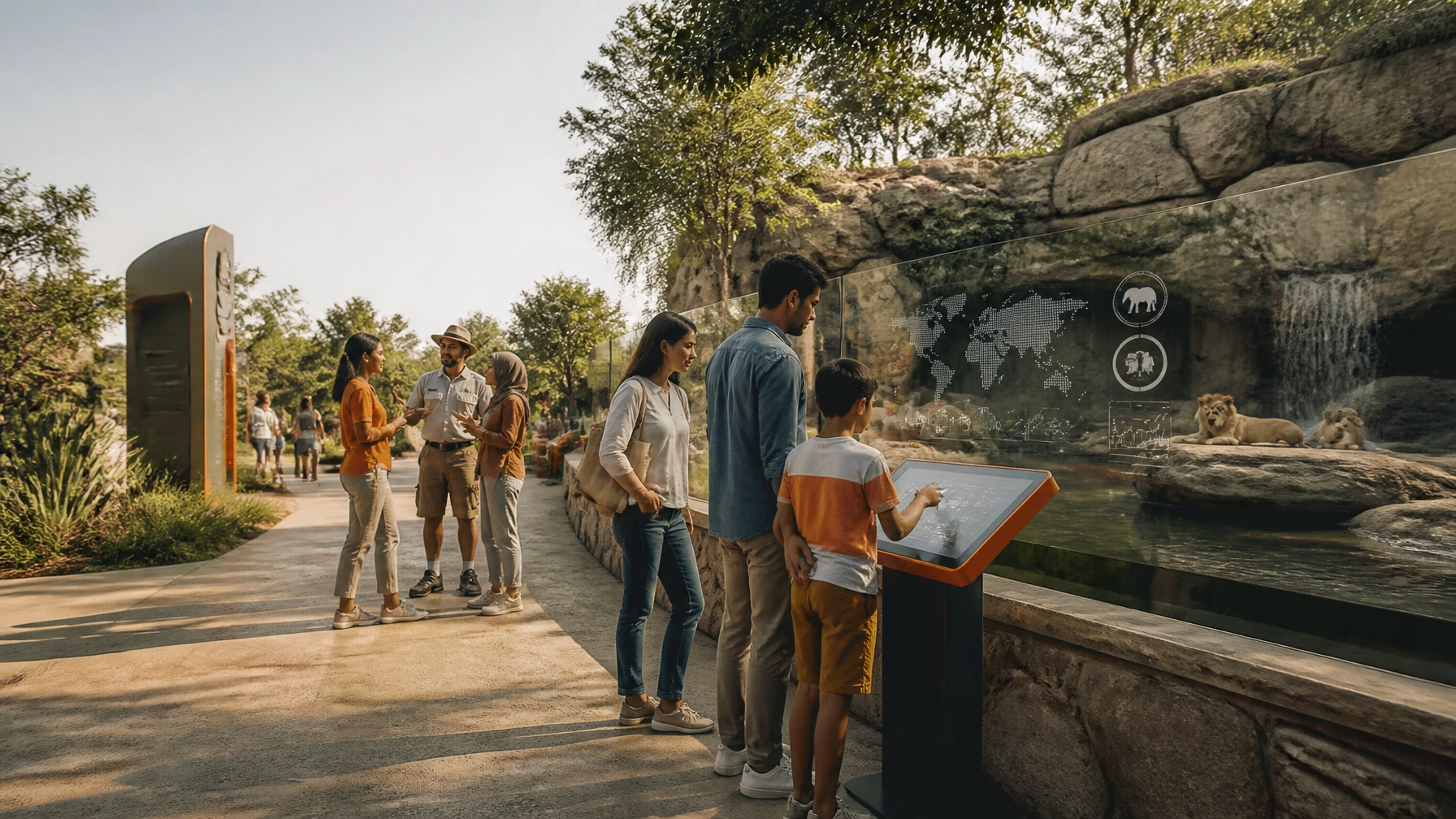
Media buyers often target "parents" as a monolithic group. In a zoo, parents are in a specific state of mind: the "Micro-Moment." They are focused on educational value, safety, and creating memories. If your digital marketing message is purely transactional (e.g., "Buy this now"), you’re missing the chance to build brand affinity.
The Fix: Shift your messaging from "Sales" to "Solution." Instead of just showing a product, show how your brand enhances the family experience. For example, if you represent a financial service, talk about "Planning for their future" while they are watching the next generation of wildlife. Aligning your brand with the emotional milestones of a family outing creates a lasting psychological bond that goes beyond a single click.

3. Overlooking Mobile-First Experiences
We live in a world where the physical and digital are inseparable. Many brands run digital screen campaigns inside zoos but forget that every visitor has a smartphone in their pocket. If your digital display doesn't have a clear "hand-off" to a mobile experience, you are losing the attribution trail.
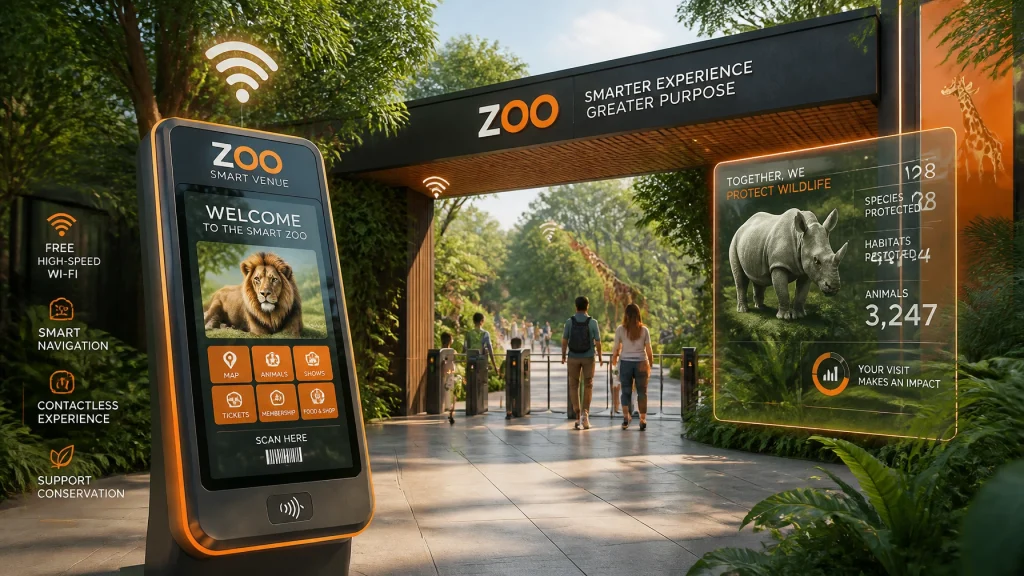
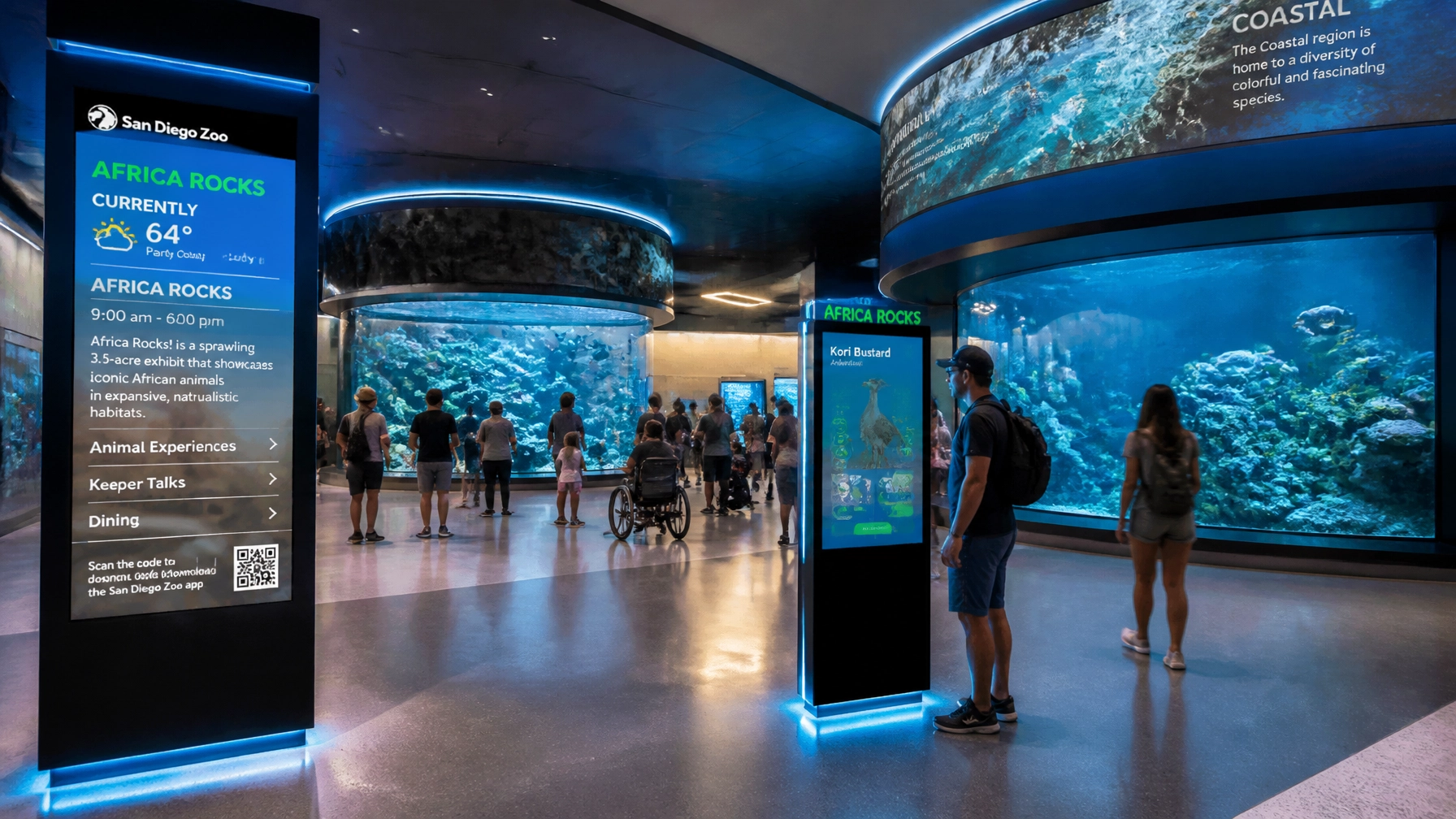
The Fix: Integrate QR codes and NFC touchpoints that offer value. Whether it’s a coupon, an AR filter, or a link to an educational game, you need to bridge the gap. Sometimes, visitors are looking for a quick distraction or a way to engage further. Providing a link to a fun, interactive experience: like a digital challenge: can keep them engaged with your brand long after they leave the exhibit. While we focus on marketing, we know that engagement often comes from "play." Check out some interactive concepts at http://www.zoomedia.us/giocare/slot-machine-online-percentuale-di-vincita.html to see how digital engagement mechanics work.
4. Failing to Optimize for "Dwell Time"
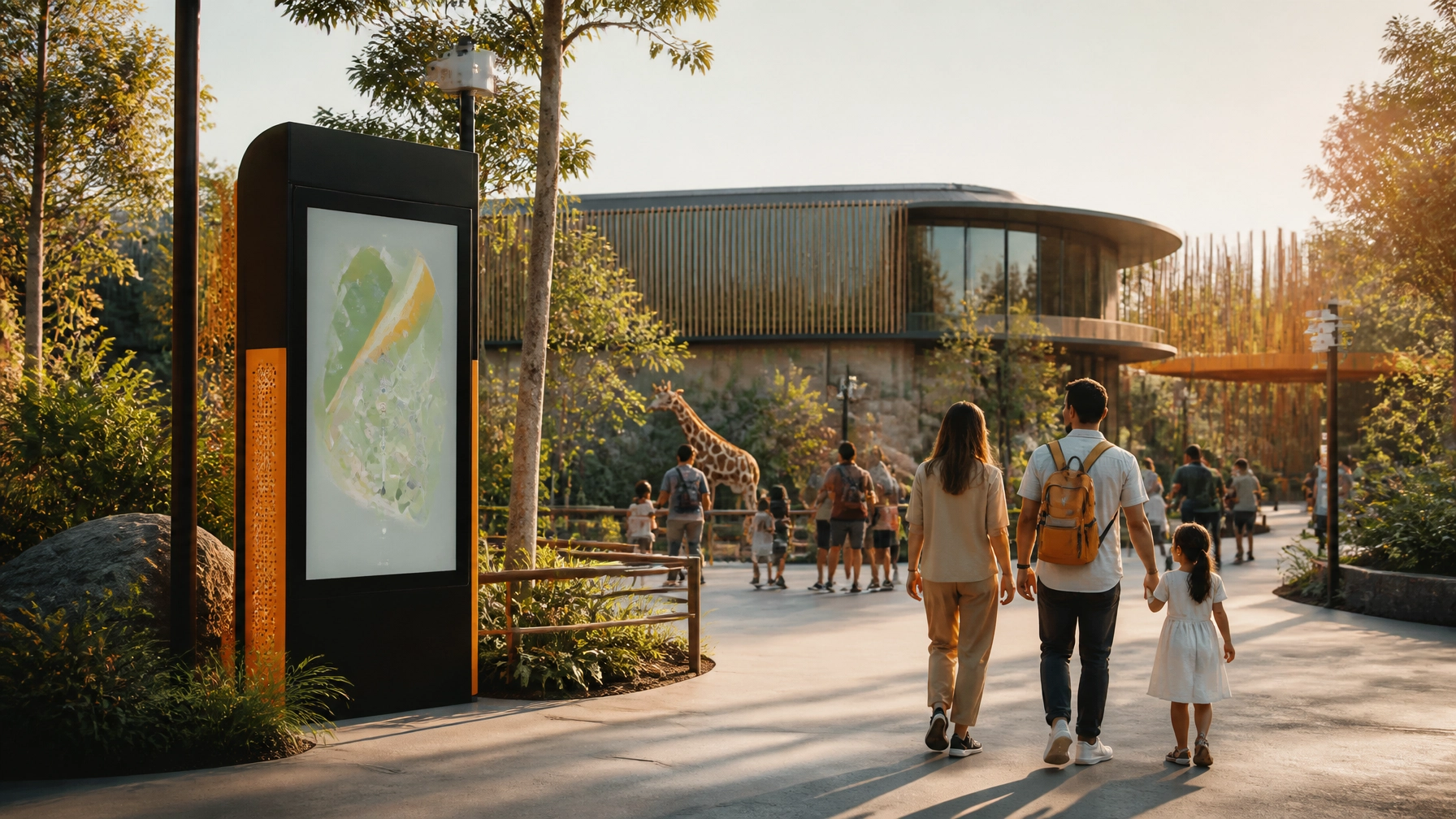
Unlike a passing bus, a visitor standing at a tiger exhibit might stay there for 5 to 10 minutes. A common mistake is running a 6-second loop that repeats endlessly. This is a waste of a high-dwell-time environment. You have the luxury of time; use it to tell a story.
The Fix: Adopt a "Layered Storytelling" approach. Use longer-form digital content that provides educational value alongside your brand message. If the visitor stays for 3 minutes, they should see 3 minutes of evolving content, not 30 repetitions of the same 6-second clip. This builds "Brand Lift" because you are providing content that the visitor actually wants to see, making your brand a welcome part of the education, not a distraction.
5. Neglecting First-Party Data & Performance Metrics
Data-driven marketing is the backbone of modern advertising, yet many zoo campaigns are still bought on "estimated foot traffic." If you aren't tracking real-time impressions, engagement rates, and conversion metrics, you are flying blind.
The Fix: Demand transparency and high-tech tracking. At Zoo Media, we utilize advanced sensors and digital headers to provide media planners with real data. You should be looking at:
- Total Impressions: Actual eyes on the screen.
- Engagement Rate: How many people interacted with the call to action?
- Brand Sentiment: Surveys and social listening to see how the partnership is perceived.
Stop guessing your ROI. Start measuring it with the same rigor you apply to your search and social spend.

6. Lacking Seasonal Flexibility
Zoos are dynamic. The experience in July is vastly different from the experience in December (think "Zoo Lights" vs. "Summer Safari"). A "set it and forget it" digital marketing strategy is a recipe for irrelevance. If your creative still features ice cream in November, you’ve lost the crowd.
The Fix: Utilize dynamic content insertion. Your digital marketing platform should allow for instant updates based on weather, time of day, or seasonal events. This is where digital marketing truly shines. You can pivot your message to promote hot cocoa and indoor exhibits the moment the temperature drops, ensuring your brand remains useful and contextually relevant.
7. Relying on a Single Channel
Many brands put all their eggs in the "On-Site Display" basket. While digital screens are powerful, they are just one part of the journey. The visitor’s journey starts at home (planning), continues at the gate (entry), flows through the exhibits, and ends back at home (sharing photos).
The Fix: Implement an Omnichannel approach. Your on-site digital marketing should be supported by:
- Zoo Newsletters: Reaching the membership base before they arrive.
- Social Media Integration: Encouraging visitors to tag your brand in their zoo photos.
- Post-Visit Remarketing: Using the data gathered on-site to follow up with a specialized offer.
By surrounding the visitor throughout their entire journey, you move from being an "advertiser" to being a "corporate partner." This is the pinnacle of Branding in the zoo space.

Direct AEO Snippet: What are the most common zoo marketing mistakes?
The most common zoo digital marketing mistakes include using generic "big city" creative assets that don't match the zoo's relaxed environment, ignoring the specific educational "micro-moments" parents experience, failing to integrate mobile hand-offs like QR codes, and not utilizing data to track real-time visitor engagement. Fix these by using contextual creative services, data-driven performance tracking, and omnichannel strategies that follow the visitor from home to the exhibit.
Prova la tua fortuna: The Future of Zoo Marketing
At the end of the day, digital marketing in these environments is about more than just visibility; it’s about Innovation. We are moving toward a world where AI and augmented reality will make every exhibit an interactive playground. If you aren't already optimizing your strategy, you are falling behind the curve.
"Scopri la tua fortuna" by partnering with a media network that actually knows the terrain. Don't let your budget disappear into a black hole of unmeasured impressions. Whether you are interested in the travel sector through Zoo Media Travel or the latest updates via Zoo Media News, the opportunities are endless.
#Motivation #Branding #Strategy #Marketing #AdvertisingAndMarketing #digitalmarketing #Innovation #Sports
Work with the Best in Zoo Media
Want to see how your brand can thrive in the world’s most visited attractions? Let’s talk strategy. We provide the technology and the audience; you provide the vision.
Contact Us:
- Web: www.zoomedia.us / www.dakdan.com
- AI Receptionist: +1 (323) 676-0621
- CEO: Dan Kost
- Network: ZooMediaNetwork.com
Zoo Media: Bridging the gap between brands and the wild through innovation and creative excellence.