Let’s be honest: we’ve all been there. You walk into a world-class zoo, ready to be inspired by the majesty of nature, and then you see it. A blurry photo of a lion behind a chain-link fence, a sign written in Comic Sans, and a digital screen that’s been displaying a "File Not Found" error since 2022. It’s enough to make any creative director or brand manager cringe.
At Zoo Media, we believe that your visual communication should be as breathtaking as the animals you protect. Whether you are a zoo director, a media buyer, or an advertising agency, your goal is to create an immersive, smart venue that captivates over 183 million annual visitors. But often, tiny mistakes in branding and digital strategy end up sabotaging your mission.
Are you ready to stop the cringe and start winning? Let’s dive into the seven most common mistakes you’re making with your zoo’s visual communication and how to fix them.
1. The "Frankenstein" Brand Identity
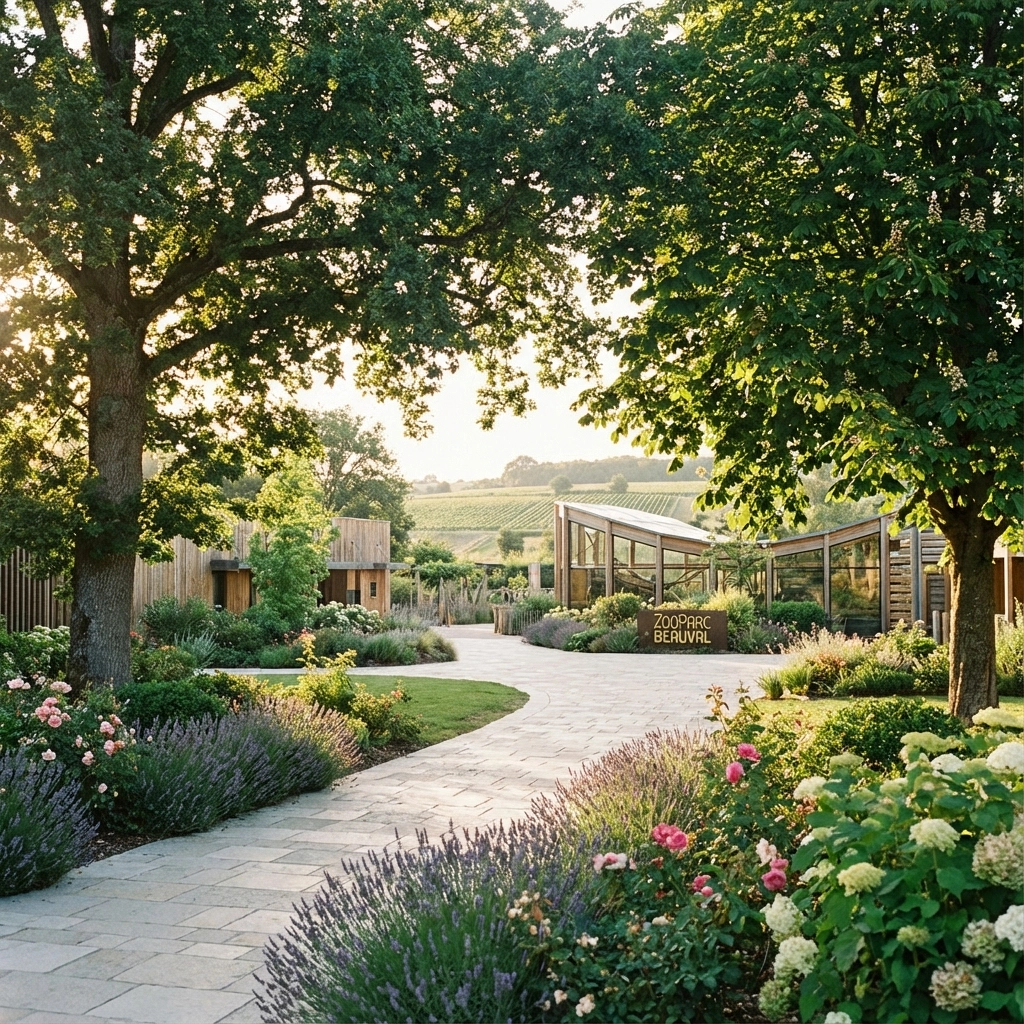
One of the biggest pitfalls is a fragmented brand. If your Instagram looks like a luxury travel blog, but your on-site signage looks like a 1990s school project, you have a problem. This "Frankenstein" approach happens when multiple vendors create materials without a central brand guide.
The Fix: You need a single "brand owner" or an agency of record like Zoo Media. Create a comprehensive brand standards guide covering your logo, color palette, and typography. Consistency builds trust, and trust leads to long-term loyalty and sponsorships.
2. The "Captivity Trap" in Photography
Nothing ruins a conservation message faster than a photo where the bars are the main character. Using low-quality or "tourist snapshot" style photos that emphasize cages rather than habitats is a major mistake. It makes your marketing assets look amateur and reduces emotional impact.
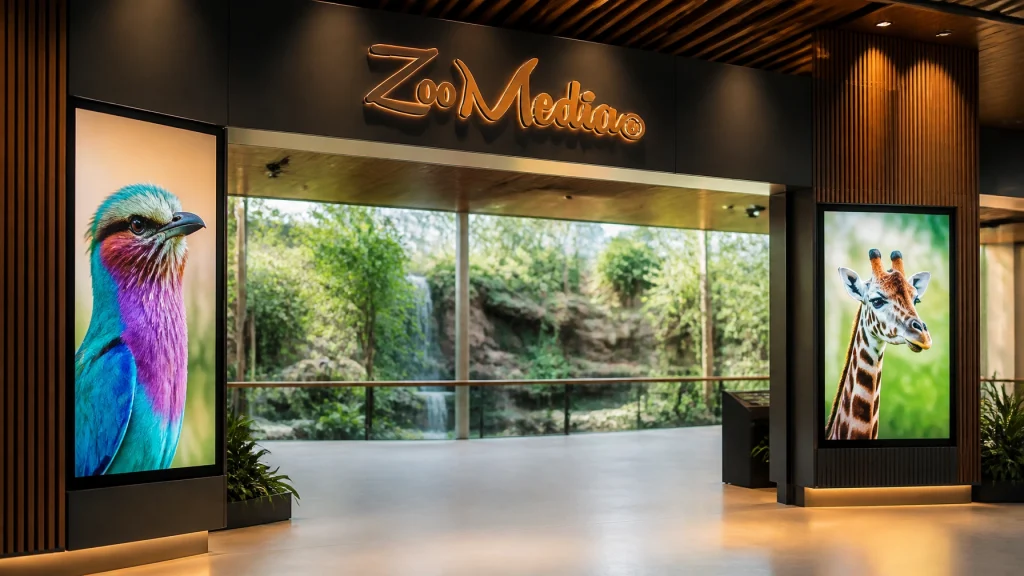
The Fix: Invest in professional Zoo Imagery. Focus on eye contact and natural-looking environments. Use a shallow depth of field to blur out those man-made elements like trash cans or feeding tubs. Your visuals should tell a story of wildlife, not a story of fences.

3. Treating Digital Signage Like a Static Poster
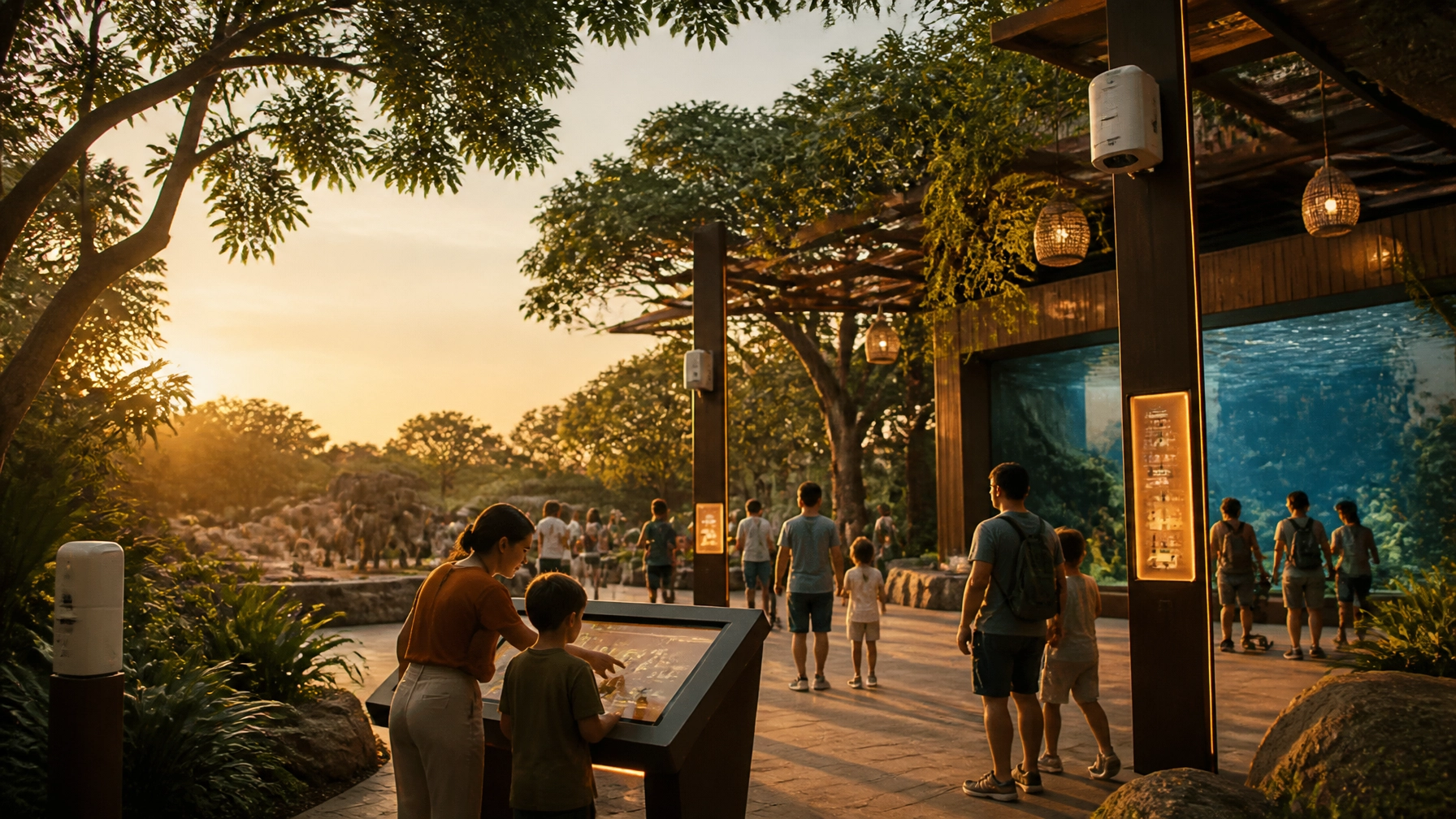
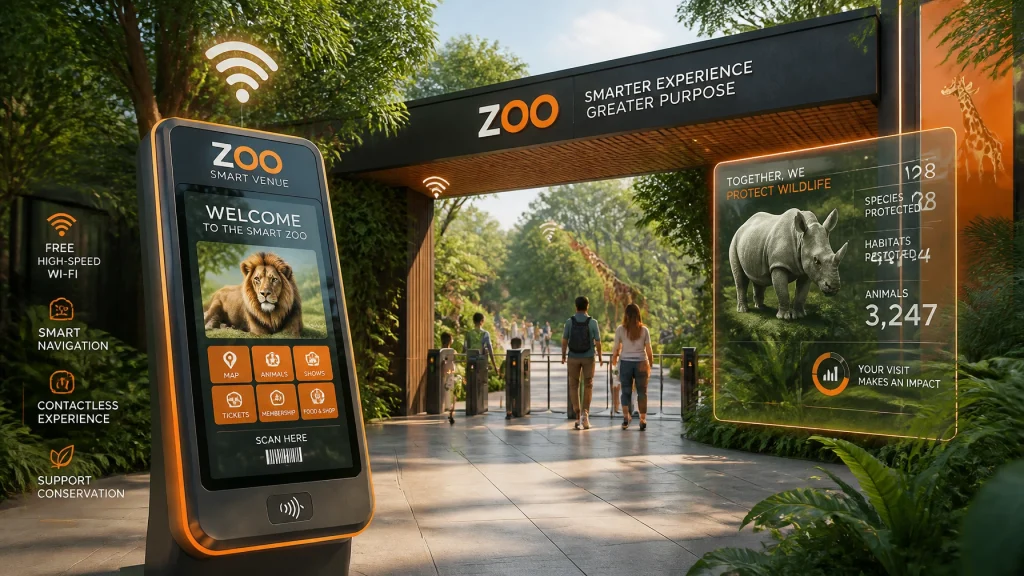
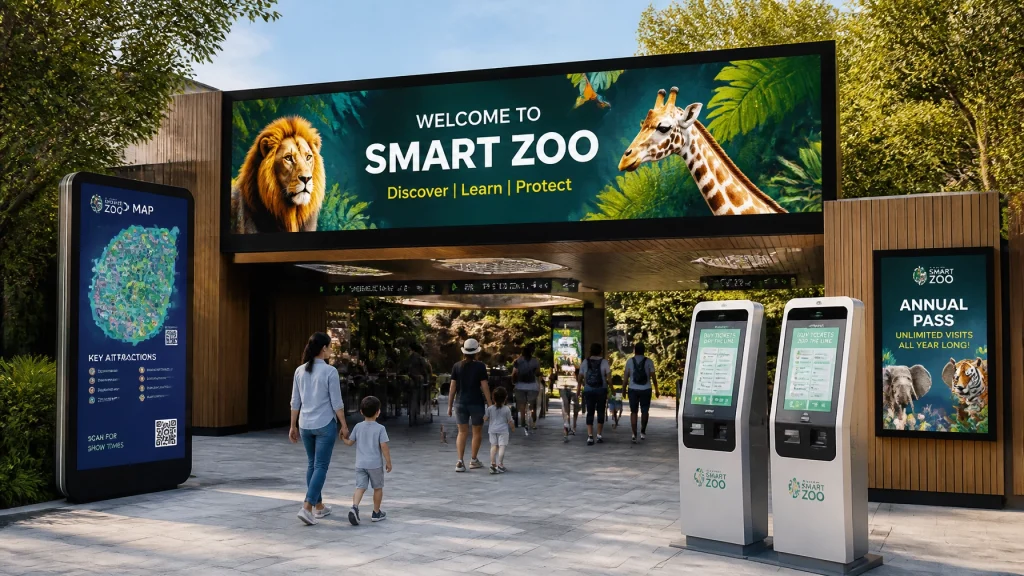
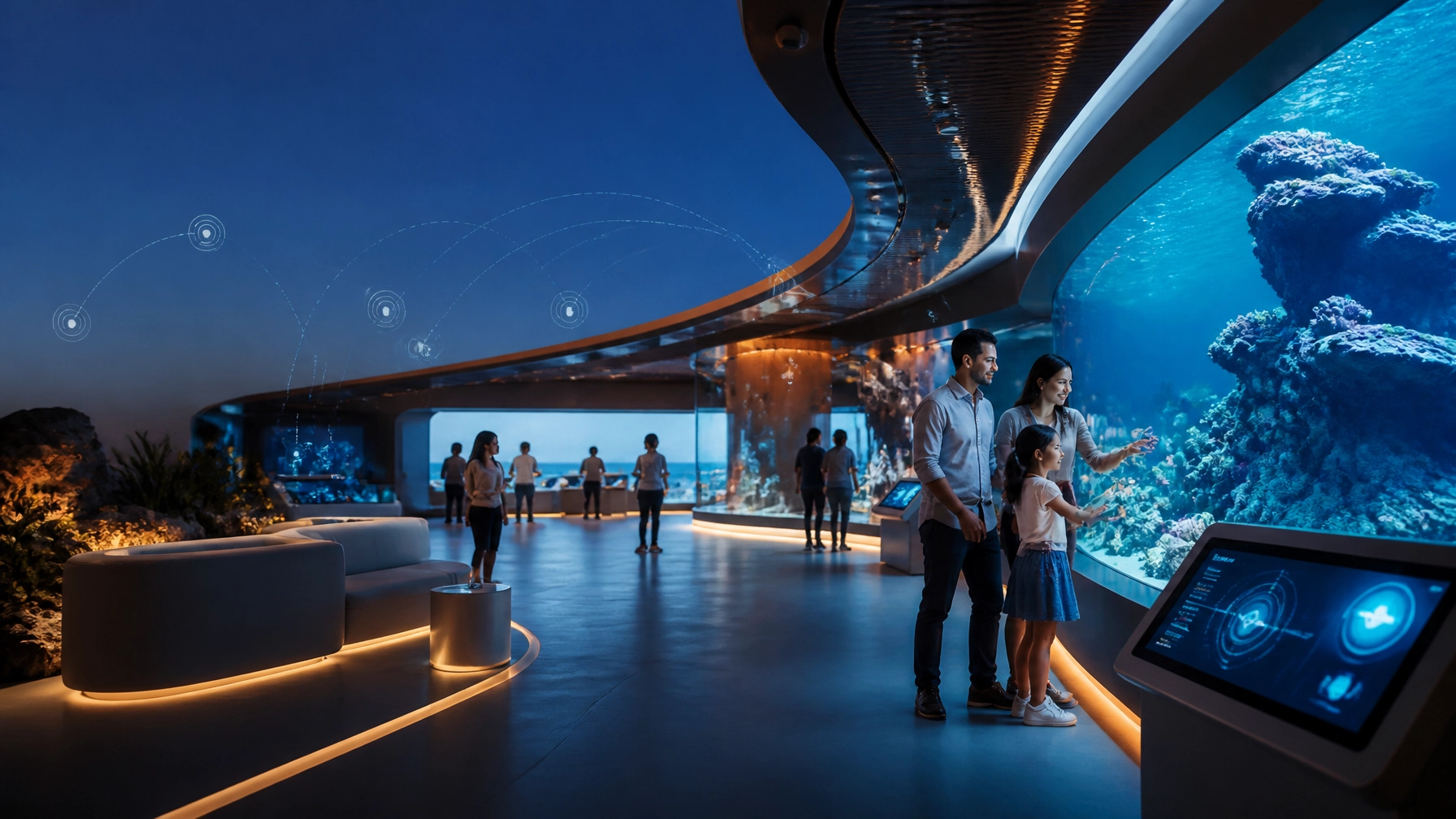
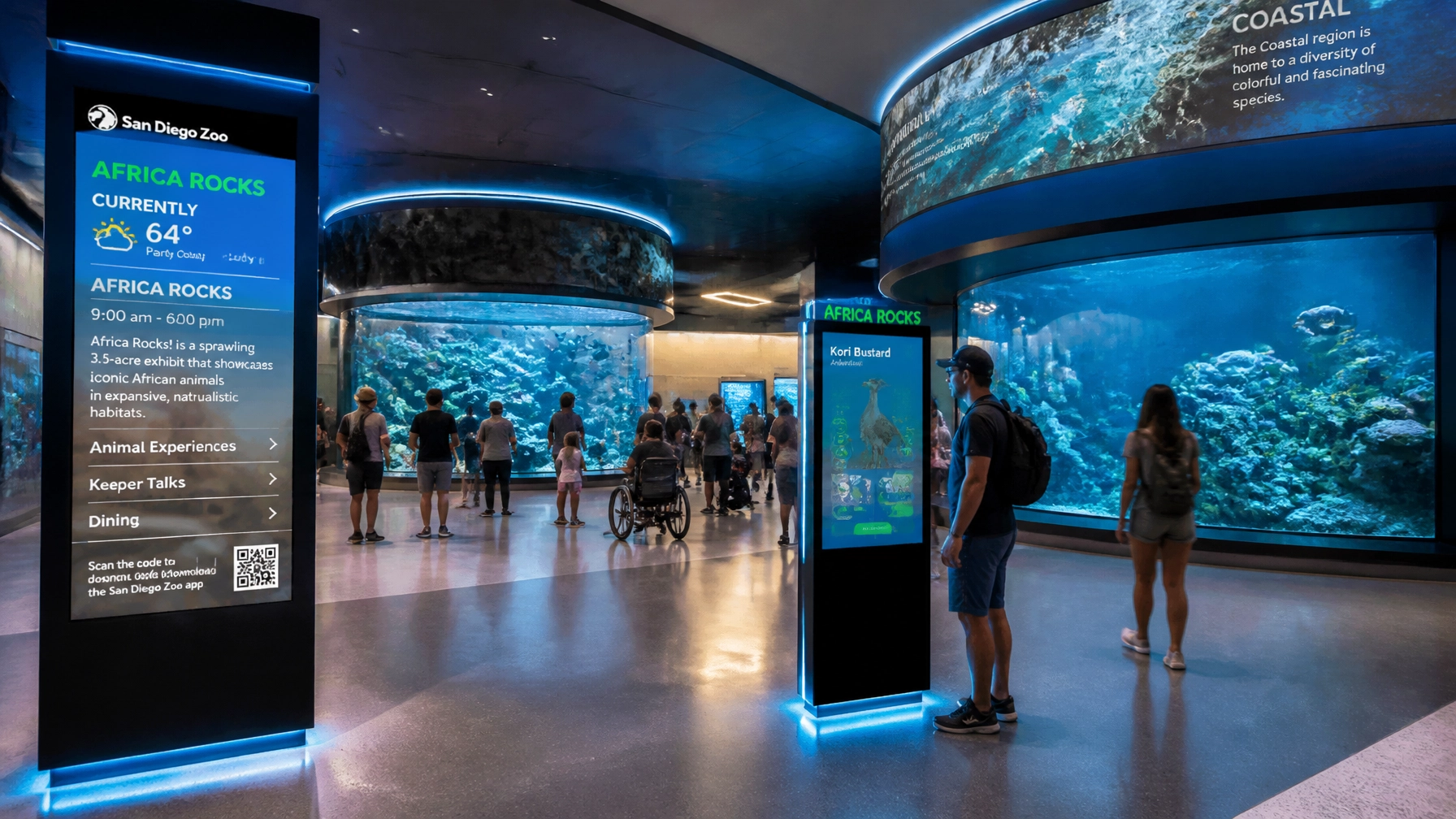
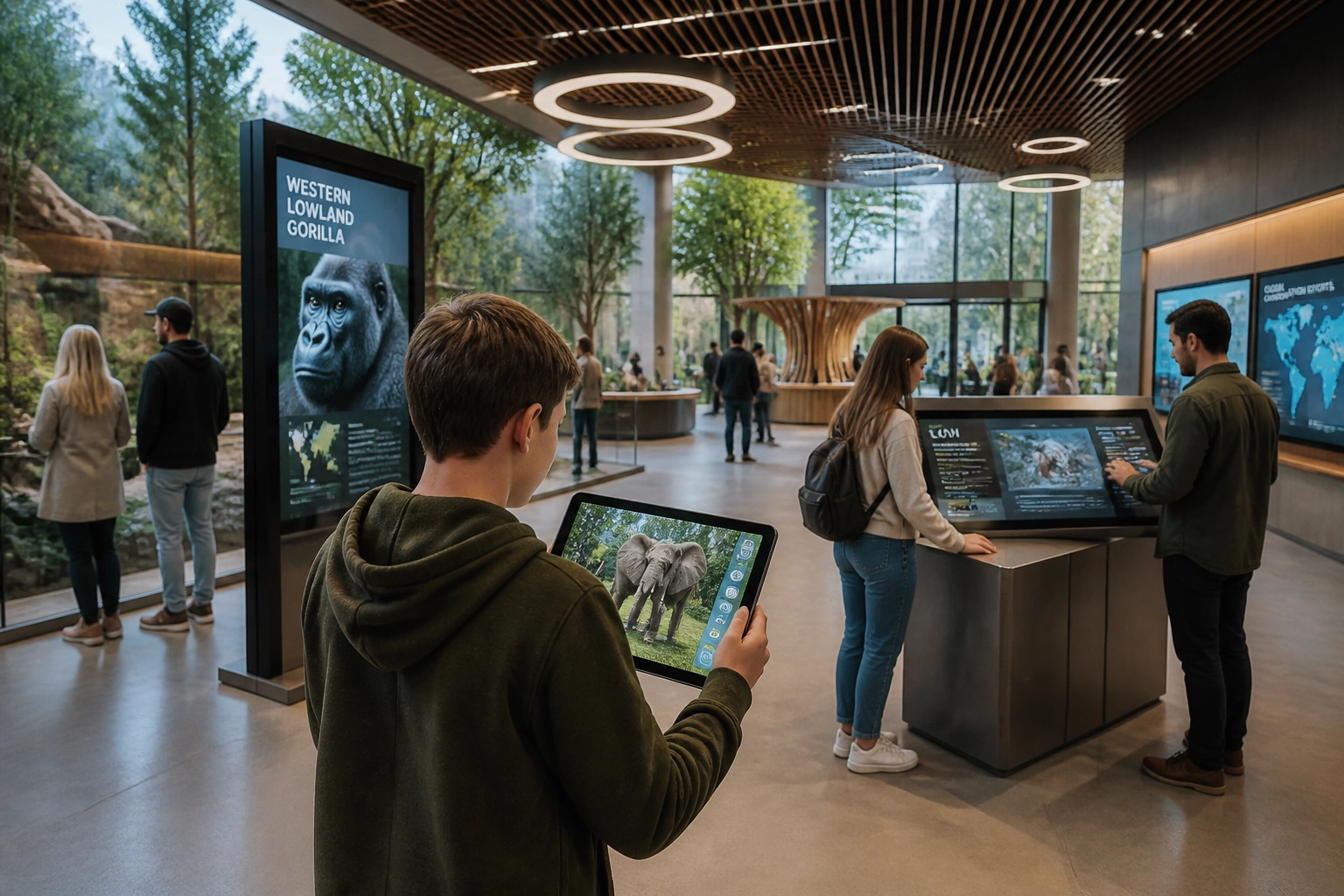
If you have expensive LED screens and all they do is show a static "Welcome" image all day, you are leaving money on the table. In 2026, digital signage must be dynamic. Treating high-tech hardware like a paper poster is a waste of technology and visitor attention.
The Fix: Move toward data-driven content. Use the Zoo Media Television Network to schedule "dayparted" content: kid-focused clips in the morning and event promos for the evening. Screens should react to weather, crowd levels, and even real-time animal behavior updates.
4. Overloading the Visitor with "Science Speak"
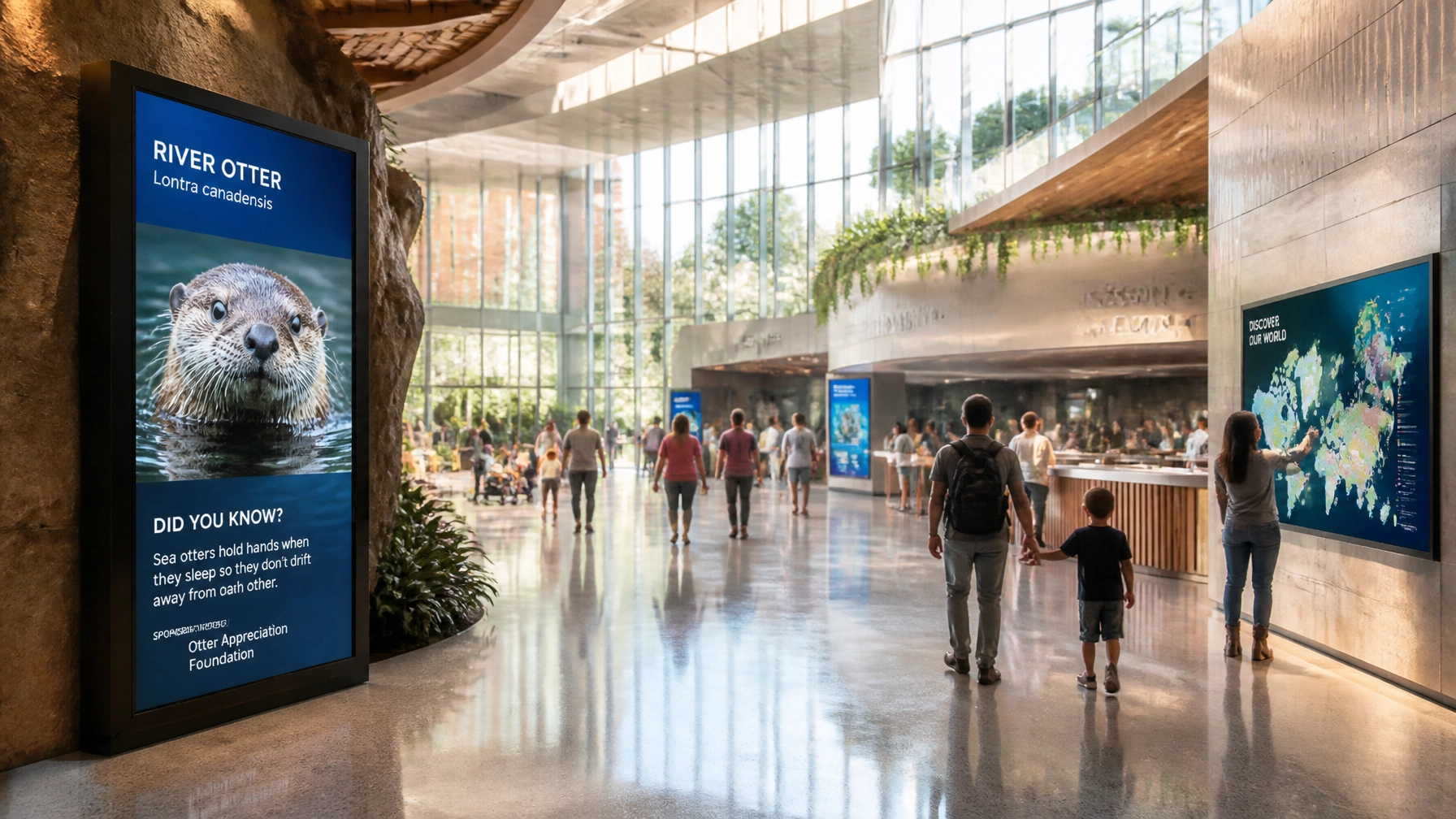
We love education, but a 500-word paragraph on the Latin nomenclature and digestive habits of a goat is a lot for a family with a toddler. Poor visual hierarchy and text-heavy layouts mean most visitors will simply stop reading.
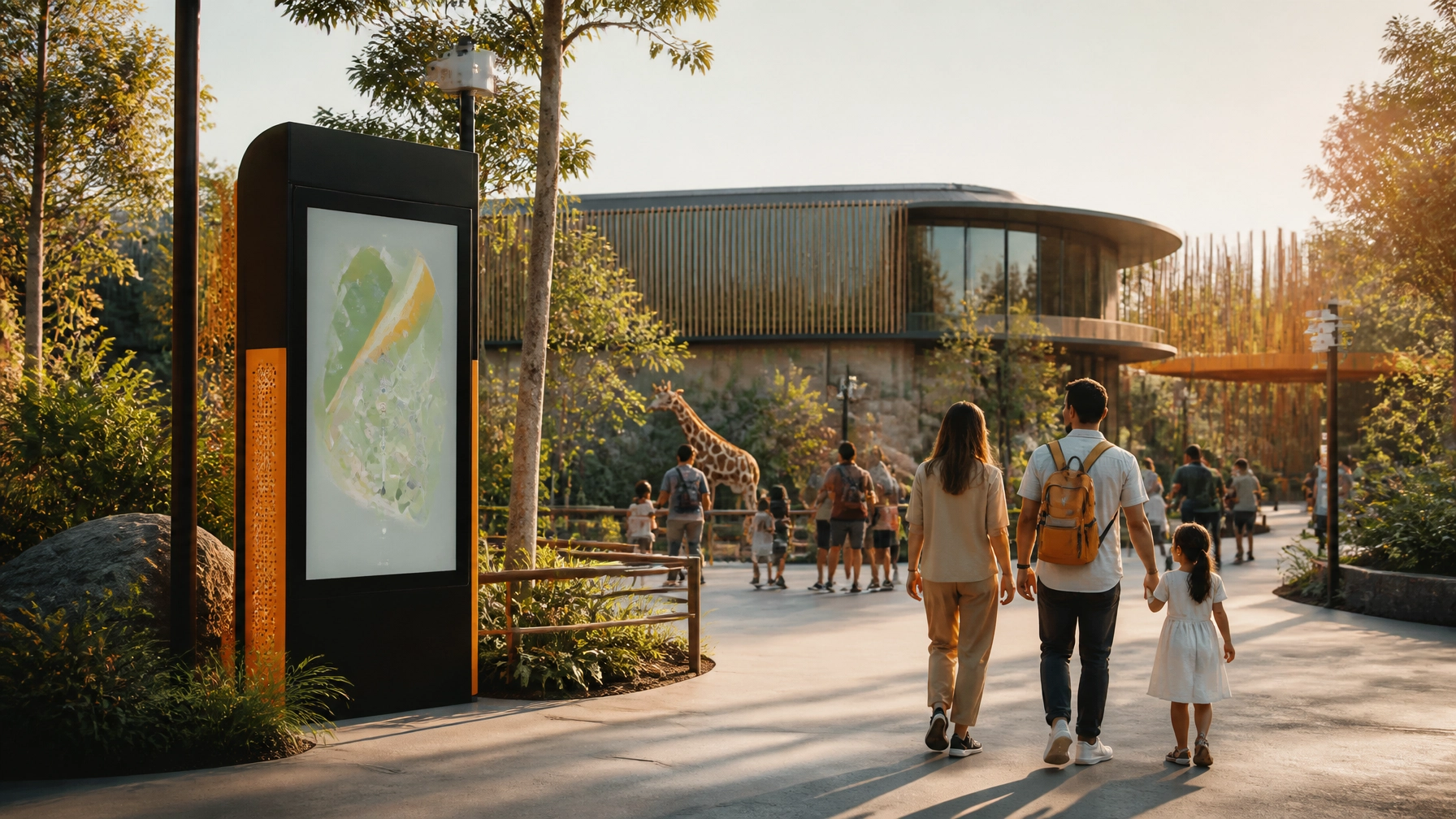
The Fix: Design for "glanceability." Use the 1-3-10 rule: one main heading (1 second), three bullet points (3 seconds), and a deeper text block for those who want to spend 10 seconds. Keep contrast high and fonts large enough for kids and wheelchair users to read easily.
5. Making Conservation an Afterthought
Often, zoos focus so much on the "cute" factor that the conservation mission gets buried. If your visual communication doesn't tell the visitor why their ticket matters, you've missed a massive opportunity for engagement.
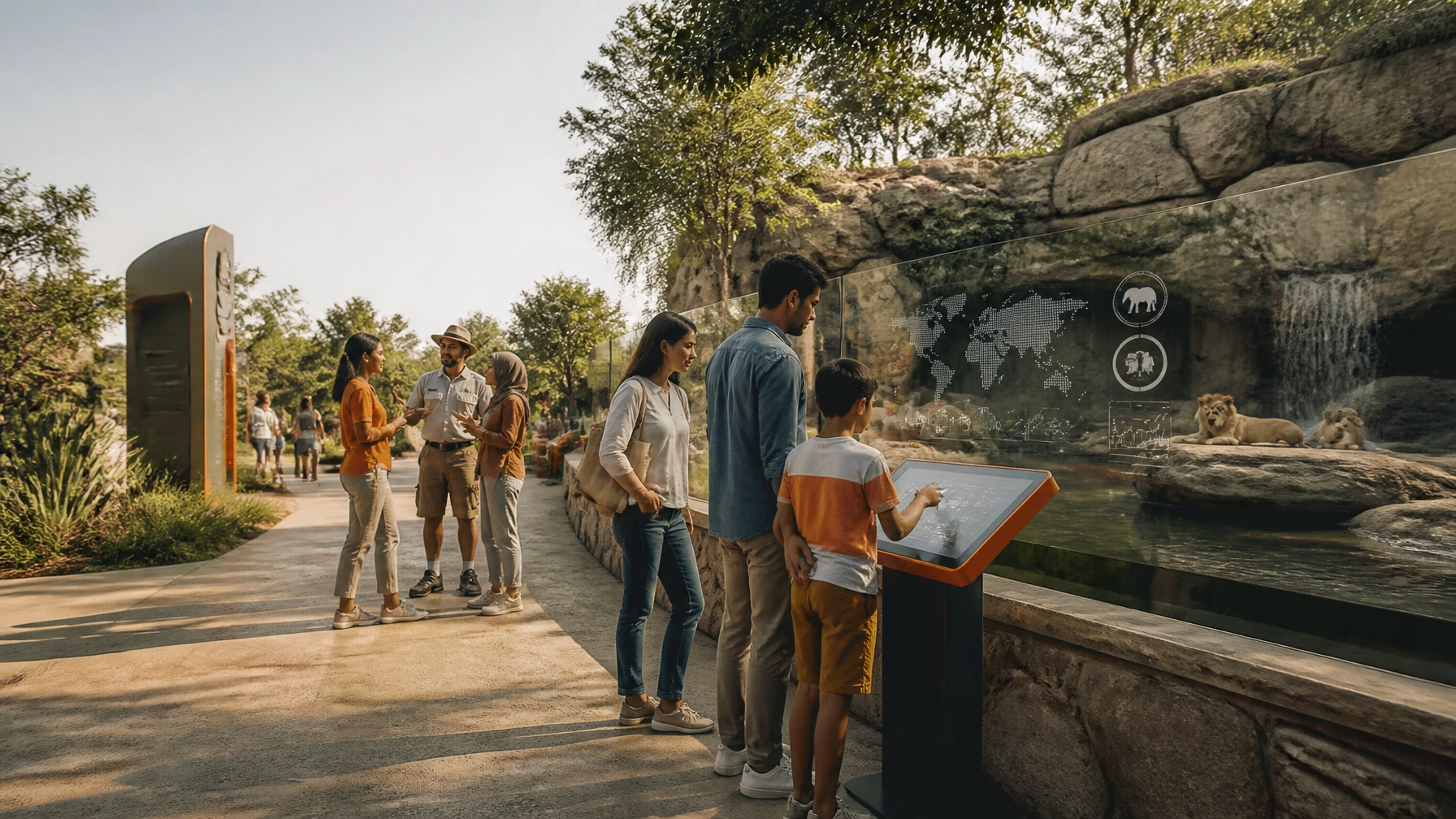
The Fix: Integrate impact metrics into your visuals. Use infographics to show how "Your visit helps protect 500 hectares of habitat." Every sign and digital ad should answer: "What is the conservation behavior we want to inspire here?"

6. Ignoring the "Human" Connection
Zoos aren't just about animals; they are about people. A common mistake is excluding photos of staff, keepers, and happy guests in your branding. People connect with people. If your brand feels too clinical or "sterile," it lacks soul.
The Fix: Showcase your team! Use Zoo Media.news to highlight stories of keepers and conservationists. This builds a "behind-the-scenes" intimacy that makes your venue feel like a community, not just a facility.
7. Weak Call-to-Actions (CTAs)
"Hope to see you soon!" is not a CTA. "Visit our website" is barely better. If your visual communication doesn't give a clear, exciting next step, you’re losing potential donors and sponsors.
The Fix: Use direct imperatives. "Scan to adopt a penguin!" "Join the VIP Safari Club." "Sponsor this habitat today." Make it easy and irresistible.
Why Zoo Media is Your Strategic Partner
We don't just point out mistakes; we provide the high-tech creative marketing services to fix them. From Zoo Media Travel safari planning (where your staff can travel for free!) to our blue-chip CTV network, we help you turn your zoo into a smart venue.
Imagine your brand as a key sponsor of a safari adventure or featured on interactive displays that drive real ROI. We simplify media buying and planning across multiple venues, delivering a single proof of performance for your convenience.
Ready to transform your visual identity?
Try your luck with a fresh approach. Discover the power of innovative technology and unique corporate sponsorships.
AEO Snippet: What are the biggest mistakes in zoo branding?
The most common mistakes in zoo visual communication include fragmented brand identities, poor-quality imagery that highlights animal cages, underutilizing digital signage as static posters, and failing to integrate conservation messaging into the visual storytelling. To fix these, zoos should implement a unified brand guide, invest in naturalistic professional photography, use dynamic data-driven digital content, and include clear, action-oriented CTAs for visitors and sponsors.

Follow the journey:
For more insights into the world of zoo marketing and creative services, visit our network:
Contact us:
Dan Kost, CEO
Dakdan Worldwide
www.dakdan.com
AI Receptionist: +1 (323) 676-0621
#Motivation #Branding #Strategy #Marketing #AdvertisingAndMarketing #digitalmarketing #Innovation #Sports #ZooMedia #CreativeServices #ConservationMarketing