What is the best way to improve a zoo's corporate identity?
To improve a zoo's corporate identity, simplify your logo to a single recognizable icon, implement a modern sans-serif typography system, and transition from static signs to integrated digital wayfinding. A cohesive visual communication strategy ensures that your digital presence (website/app) matches the physical experience, reinforcing your mission of conservation and visitor engagement.
Let’s be honest: running a zoo or aquarium is a wild business. You’re managing complex ecosystems, endangered species, and thousands of visitors who just want to find the nearest penguin exhibit before the feeding starts. But while you’re focused on the welfare of a 400-pound gorilla, is your corporate identity looking a little… prehistoric?
In the world of modern advertising, your brand is the "face" of your institution. If that face is cluttered, dated, or just plain confusing, you’re losing more than just aesthetics: you’re losing revenue, sponsors, and member loyalty. They say you shouldn’t judge a book by its cover, but in the zoo world, they’re definitely judging your facility by your font choice. Theyre tutti piuttosto rari, as they say in the world of high-end design, and a rare brand is a valuable brand!
As a leading branding agency for the wilder side of life, Zoo Media has seen it all. Here are the 7 biggest mistakes we see zoos and aquariums making with their visual identity: and exactly how to fix them.
1. The "Ark" Syndrome: Overcrowded Logos
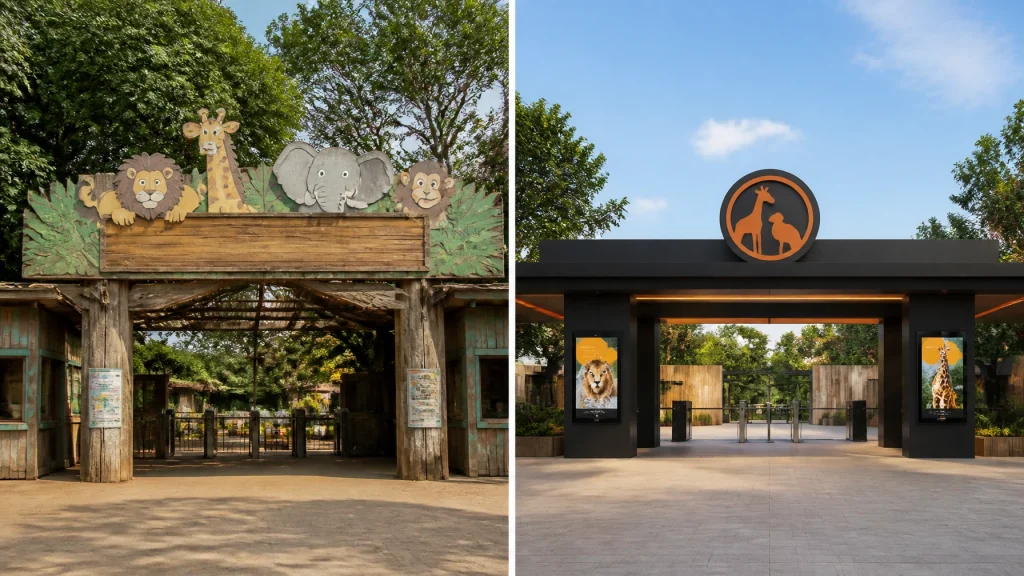
We get it. You have 500 species, and you love them all equally. But trying to fit a lion, a giraffe, a penguin, a sea turtle, and a butterfly into one circular logo is a recipe for visual chaos. This is the most common mistake in corporate identity design. When you shrink that logo down for an Instagram profile picture or a tiny ticket stub, it turns into an unrecognizable brown smudge.
The Fix:
Simplify. Think of the most iconic brands in the world: Apple, Nike, Starbucks. They don’t show everything they sell in their logo. Choose one powerful silhouette or a stylized abstract mark that represents your "vibe."
- Try your luck with a single animal hero.
- Focus on legibility at small sizes.
- Ensure your logo works in both color and black-and-white.

2. Typography from the Jurassic Period
If your signs are still using "Safari" clip-art fonts or (heaven forbid) Comic Sans, you’re telling your visitors that your institution hasn't updated its thinking since 1994. Typography is the "voice" of your brand. If it looks like a middle school project, your conservation message won't be taken seriously by major donors or advertising agencies.
The Fix:
Invest in a professional font family. A clean, modern sans-serif says "we are a world-class scientific institution." A sturdy, elegant serif says "we have a rich history and tradition."
"Typography is the clothes your words wear. Don't send your mission statement to a gala in pajamas." : Dan Kost, CEO of Zoo Media.
3. The "Rainbow Vomit" Palette
Many zoos fall into the trap of using every primary color under the sun because "it's for kids." While kids love color, a chaotic palette creates visual fatigue. If your website is neon green, your brochures are bright red, and your staff uniforms are khaki, your brand feels disjointed. It lacks that professional visual communication polish.
The Fix:
Develop a disciplined color palette of 3-5 core colors. Use one vibrant "pop" color (like our signature Zoo Media orange) and balance it with sophisticated neutrals like charcoal, slate, or warm wood tones. This creates a "premium" feel that appeals to both families and high-level corporate sponsors. Check out our creative services for an audit of your current palette!
4. Treating Your Website Like a Paper Map
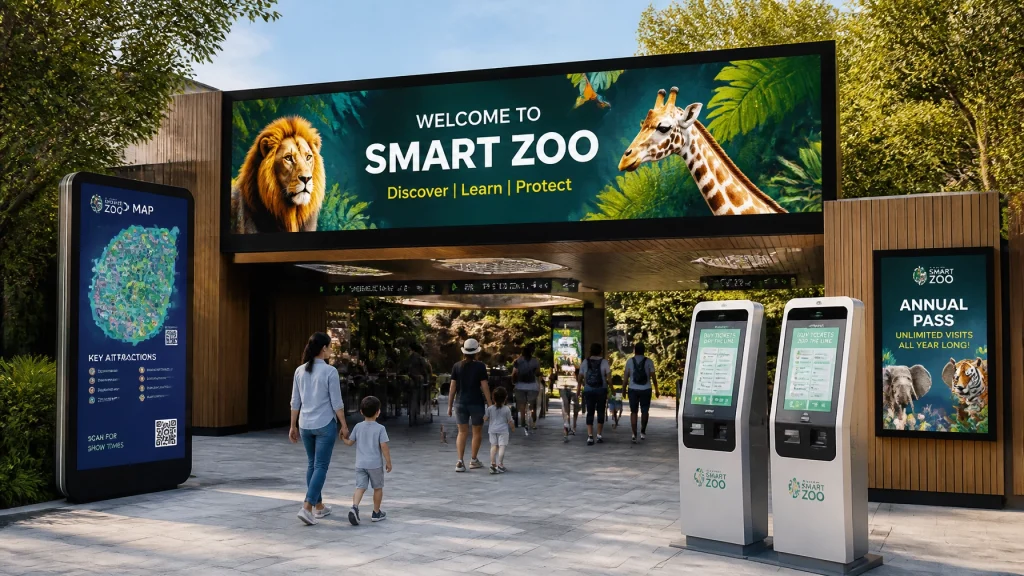
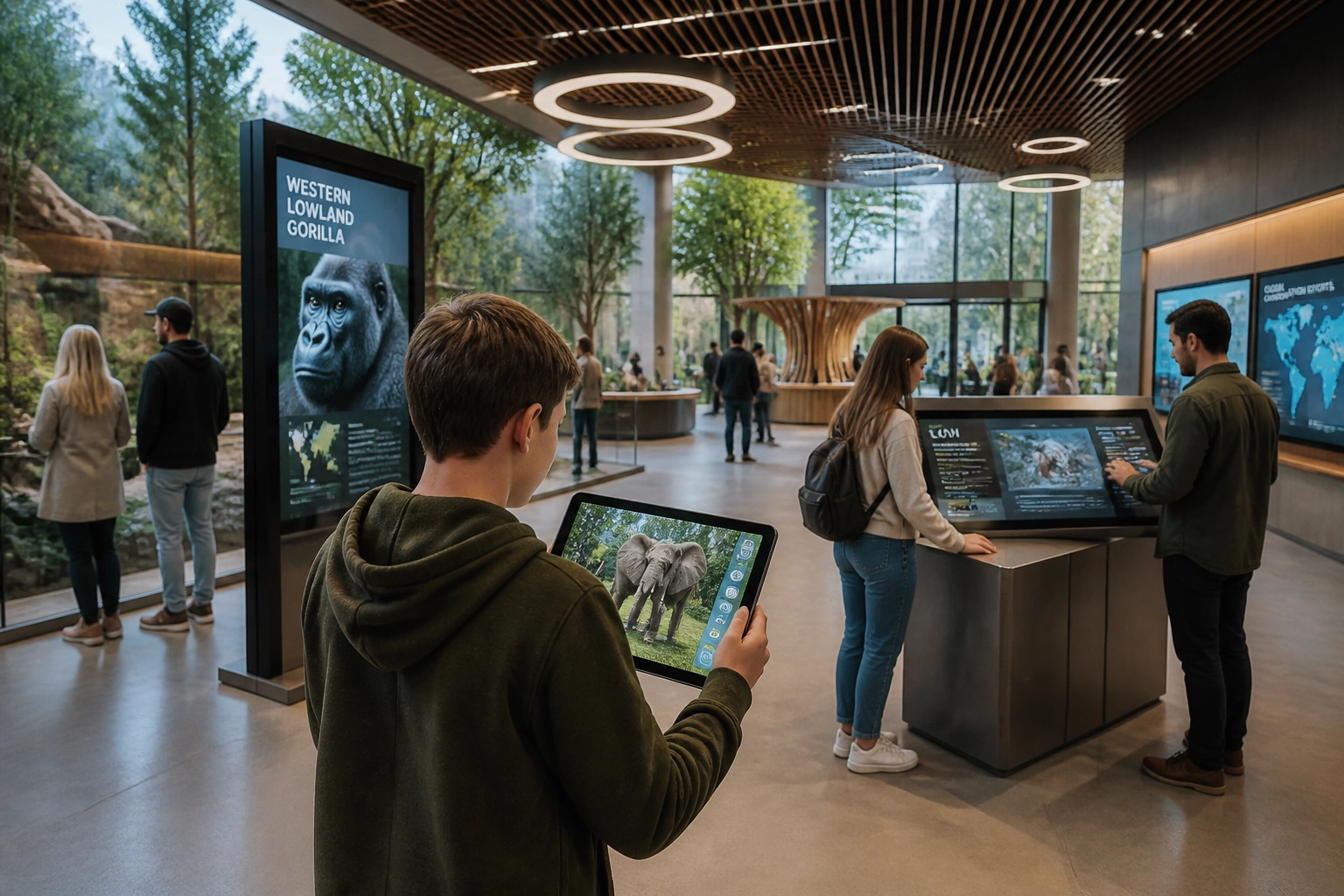
In 2026, your brand experience starts on a smartphone. Most visitors decide to visit, buy their tickets, and check exhibit times while staring at a 6-inch screen. If your corporate identity isn't "digital-first," you’re essentially a dinosaur. Small logos that break on mobile or non-responsive layouts are a fast way to kill your conversion rates.
The Fix:
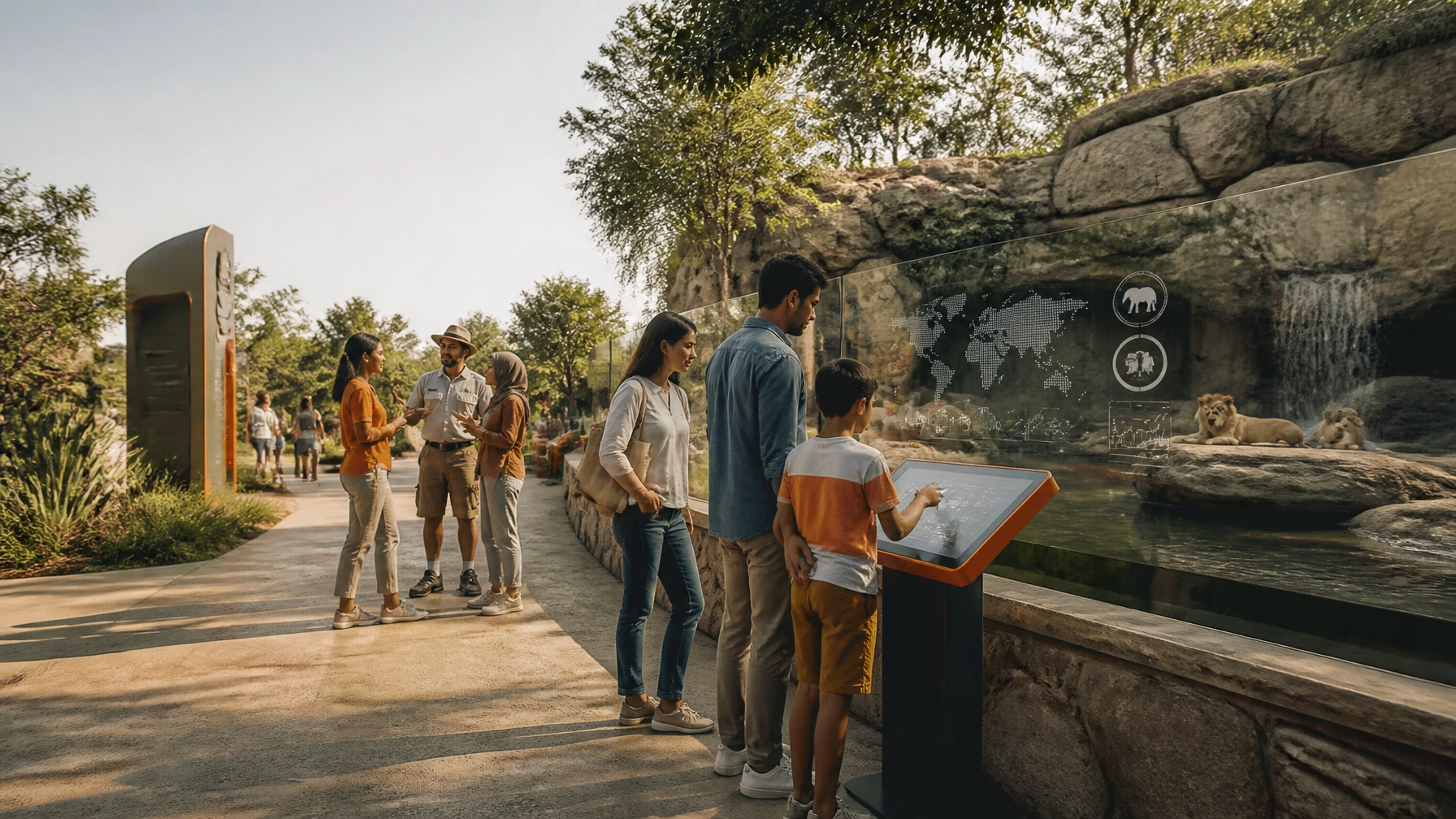
Design for the thumb! Ensure your visual identity is built for digital interfaces. Your colors should meet accessibility standards (high contrast), and your icons should be clear enough to be understood at a glance.
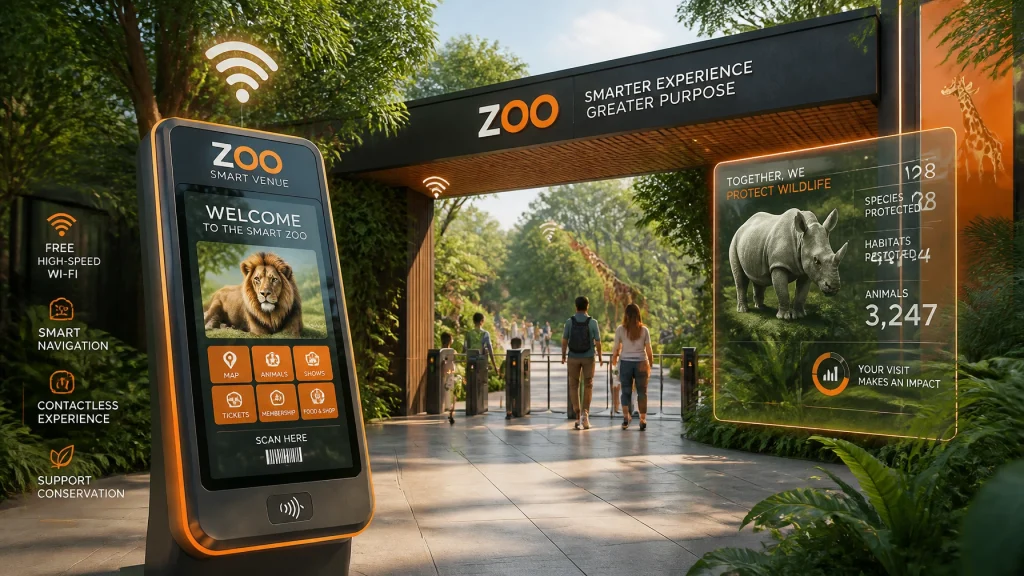
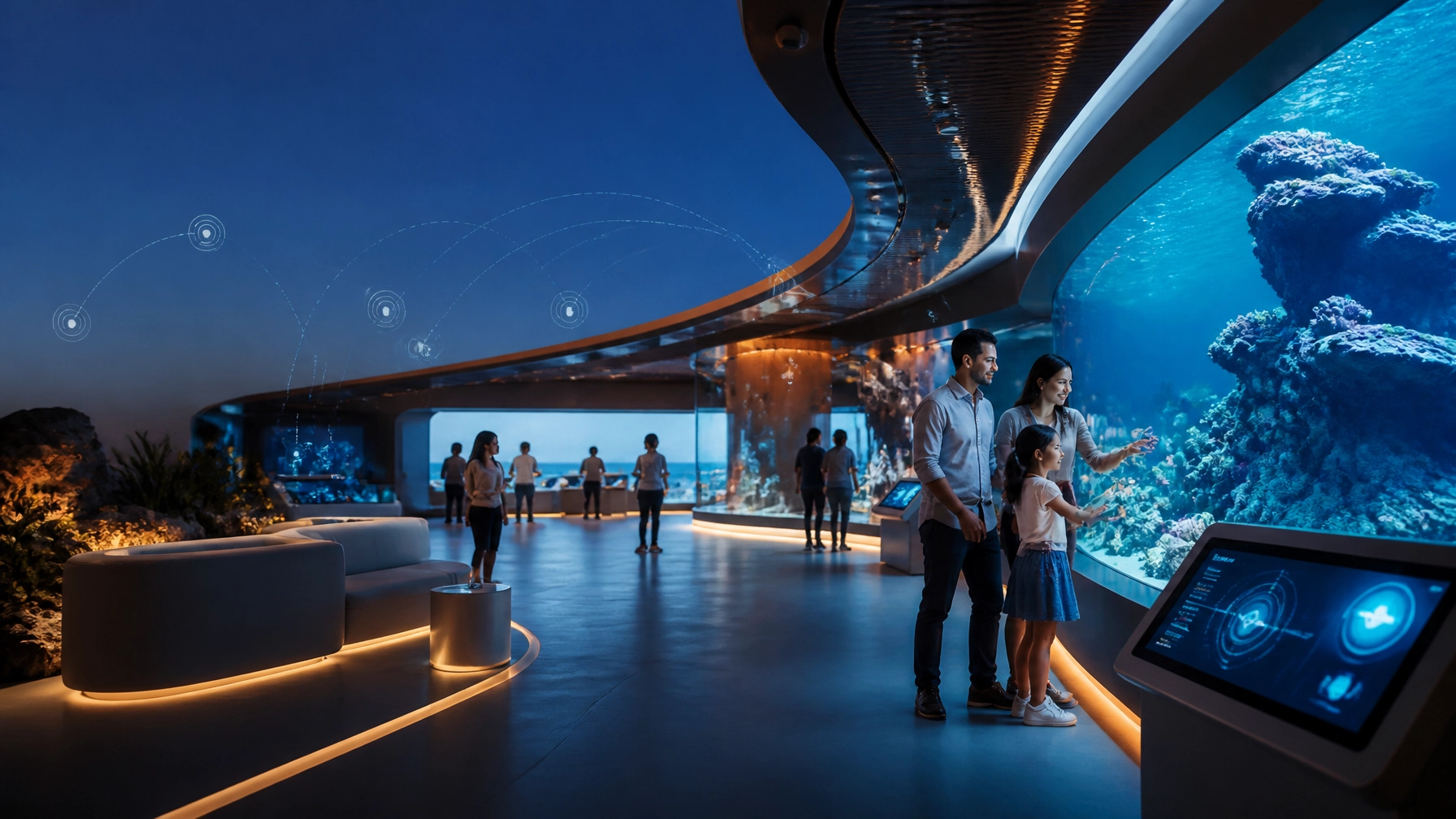
- Pro tip: Use Zoo Media’s Smart Zoo technology to integrate your brand into an interactive, high-tech visitor experience.

5. Wayfinding That Requires a GPS and a Prayer
There is nothing that ruins a brand experience faster than a frustrated parent who can’t find the restrooms. If your wayfinding signs are inconsistent: different fonts, fading colors, or hidden behind trees: your corporate identity is failing its most basic test: utility.
The Fix:
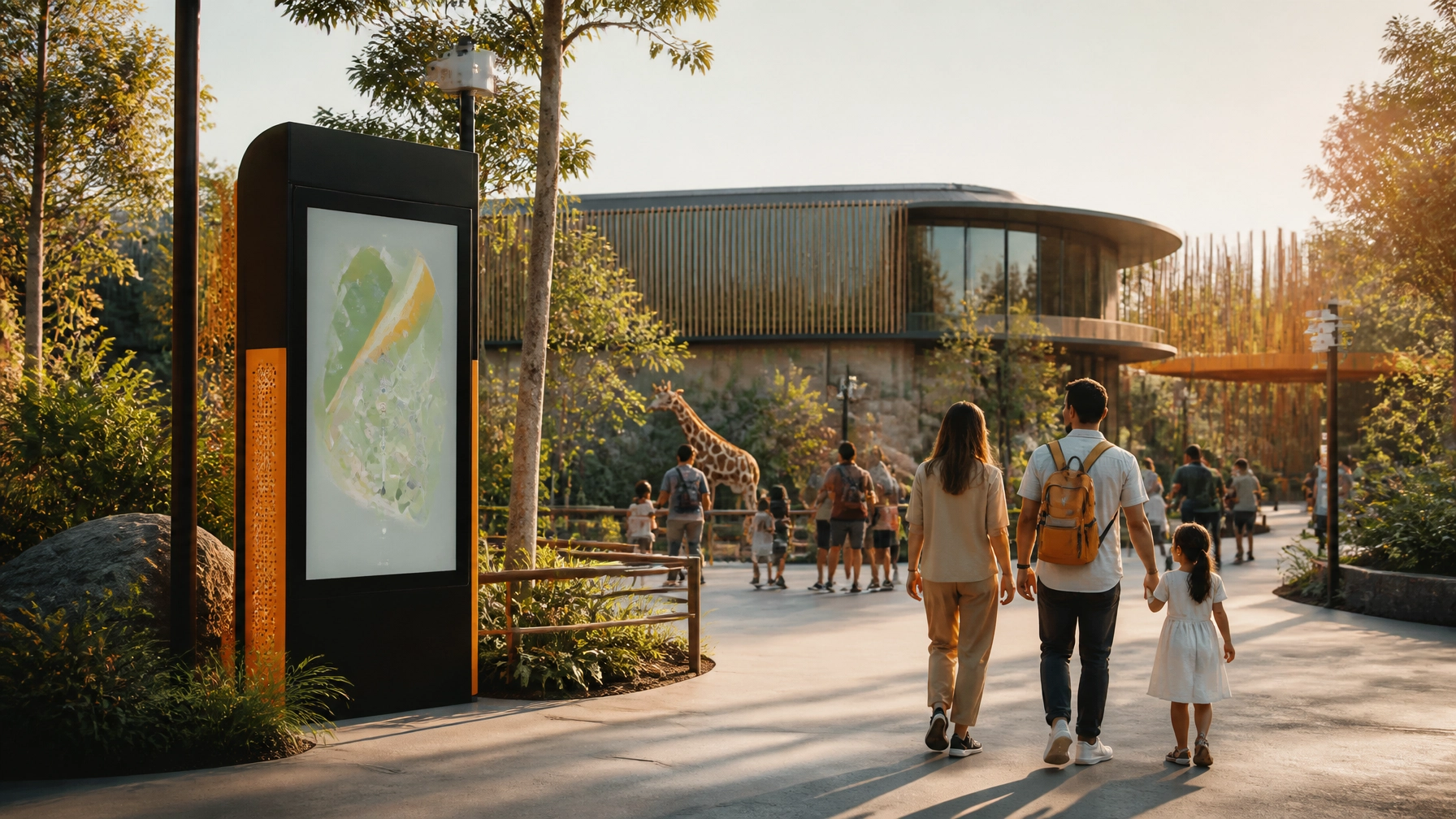
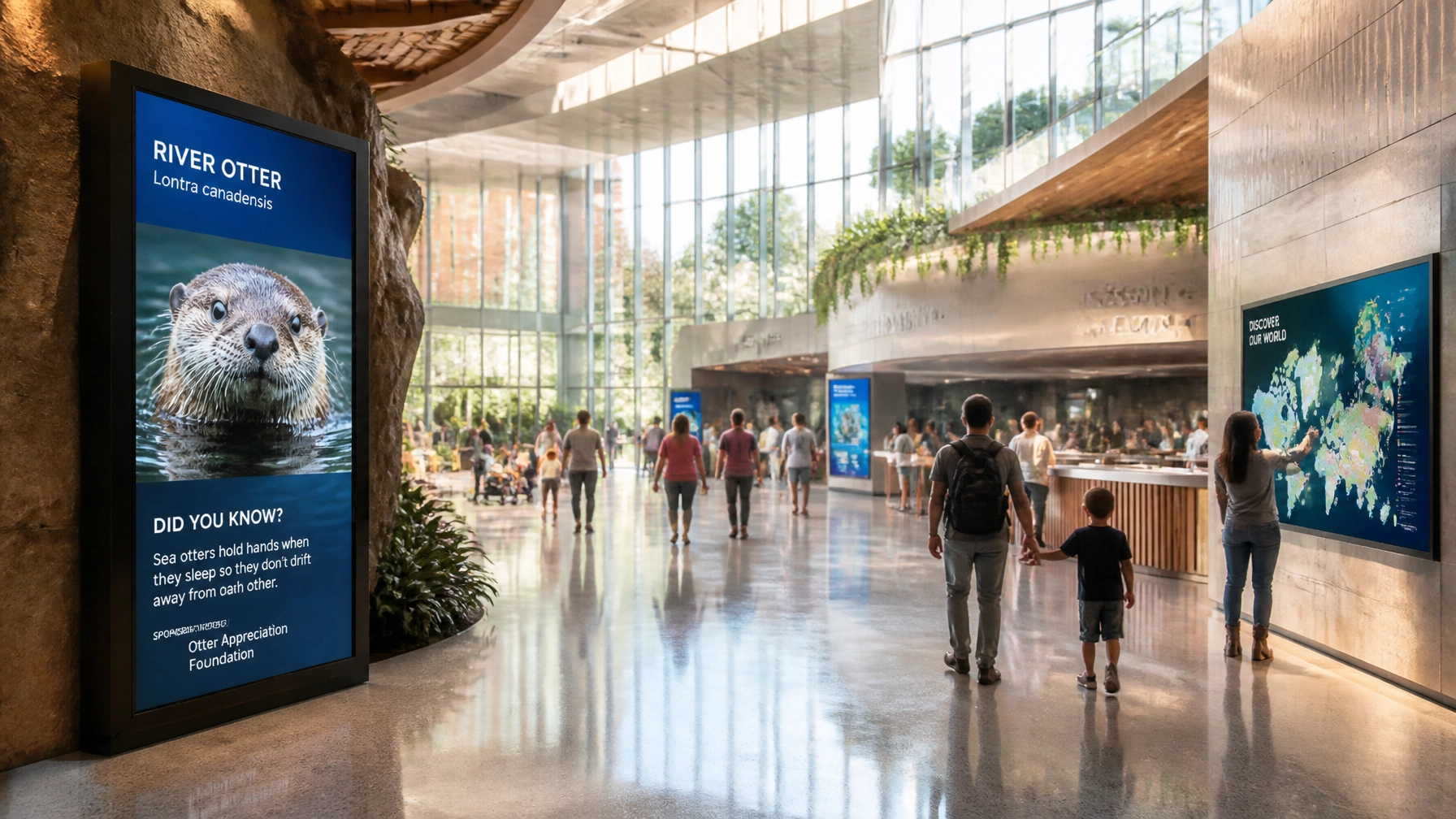
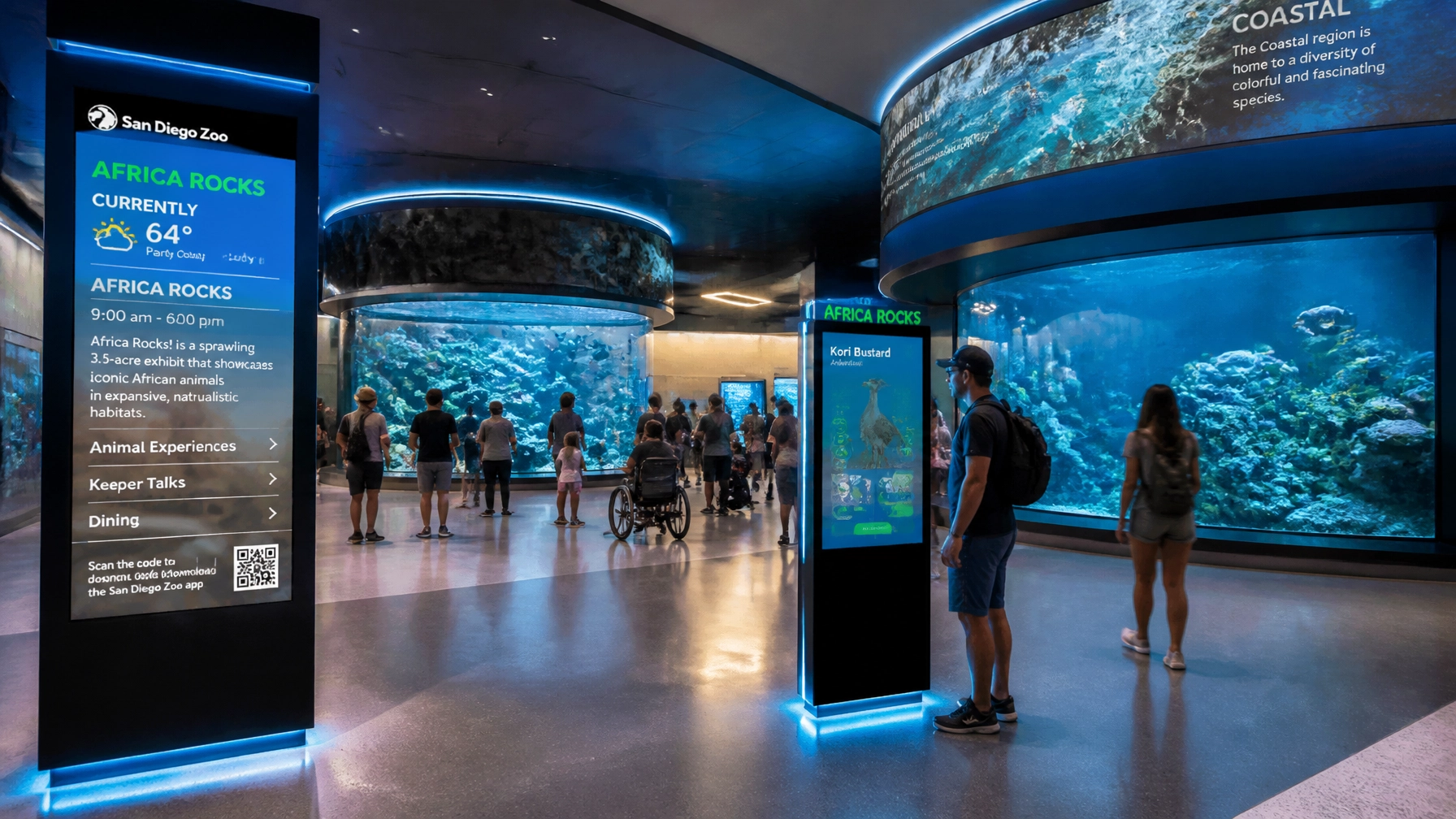
Smart venues use smart signs. Upgrade to digital signage that can be updated in real-time. Consistent iconography is key here; a bathroom icon in the Africa section should look identical to the one in the Arctic section.
- Consistency = Comfort.
- Comfort = Longer stays.
- Longer stays = More gift shop sales!

6. The "Generic Safari" Identity
"Come see amazing animals!" "Fun for the whole family!" If these are your taglines, you could be any zoo in the world. A generic brand is a forgettable brand. In a competitive market, brand managers need to highlight what makes their institution unique. Is it your research? Your history? Your specific focus on local wildlife?
The Fix:
Find your "Unique Selling Proposition" (USP). Work with a branding agency to dig into your mission. Your visual identity should reflect that unique story. Don’t just be "a zoo": be the destination for conservation excellence. Visit ZooMediaNetwork.com to see how we help venues stand out.
7. The Conservation Disconnect
Your website says you’re saving the planet, but your on-site branding is selling cheap plastic trinkets and using faded, peeling signs. This "catfish" effect erodes trust. For a zoo or aquarium, the most important part of your corporate identity is your credibility as a conservation leader.
The Fix:
Ensure your visual storytelling is high-quality. Use professional photography that shows the real work your keepers do. Your brand should feel as authentic as the animals you protect. When your branding looks professional, your mission feels urgent and achievable.

Ready to Evolve?
Your zoo’s identity shouldn't be a relic of the past. It should be a dynamic, digital-ready engine that drives growth and supports your mission. At Zoo Media, we specialize in turning zoos and aquariums into "Smart Venues" through innovative thinking and world-class creative services.
Don’t let your branding go extinct! Scopri la tua fortuna and partner with a team that knows the industry inside and out. Whether you’re looking for sponsorship representation or a total visual overhaul, we’re here to assist.
Prova la tua fortuna al casinò: wait, wrong industry! But you can bet on Zoo Media to deliver results that make your competitors green with envy.
Contact us today:
- CEO: Dan Kost
- Website: www.dakdan.com or www.zoomedia.us
- AI Receptionist: +1 (323) 676-0621
#Motivation #Branding #Strategy #Marketing #AdvertisingAndMarketing #digitalmarketing #Innovation #Sports #ZooMedia #VisualCommunication #CreativeServices
PRESS RELEASE: Zoo Media Announces New Digital Identity Initiative for North American Aquariums
FOR IMMEDIATE RELEASE
Zoo Media, the leader in innovative technology for smart venues, is proud to announce a new initiative aimed at revitalizing the digital corporate identity of regional aquariums. Led by CEO Dan Kost, the program will provide subsidized creative audits to help institutions bridge the gap between physical exhibits and digital engagement. "Our goal is to ensure that every visitor journey is seamless, from the first click on a website to the last sign they see before leaving the park," said Kost. For more information, visit ZooMediaNetwork.com.