By Victoria Teresa Alescio | Special Feature
Direct answer: Modern zoos can support wildlife conservation through coordinated breeding and research programs, partnerships that protect animals in the wild, and education that helps visitors understand conservation challenges. Their work connects people with wildlife while contributing expertise and resources to broader species-recovery efforts.
Zoos are more than places where people come to see fascinating animals. From majestic lions and towering giraffes to playful penguins and colorful tropical birds, they offer an opportunity to discover the diversity of the animal kingdom. Today, many modern zoos also contribute to wildlife conservation, environmental education, and the protection of threatened species.
That work takes place in several ways. Zoos may help maintain carefully managed animal populations, support veterinary and conservation research, partner with organizations working in the field, and help visitors connect what they see with the needs of wildlife and habitats around the world. These efforts vary among institutions and species, but they share a common purpose: to make care for wildlife meaningful, informed, and lasting.
The International Union for Conservation of Nature (IUCN) describes a role for zoos and aquariums that spans research, species management, education, community engagement, and conservation partnerships. It also emphasizes coordination between work in human care and work in the wild. That connection matters: conservation is not a single exhibit or program, but a long-term effort involving many people and organizations.
Education Meets Adventure
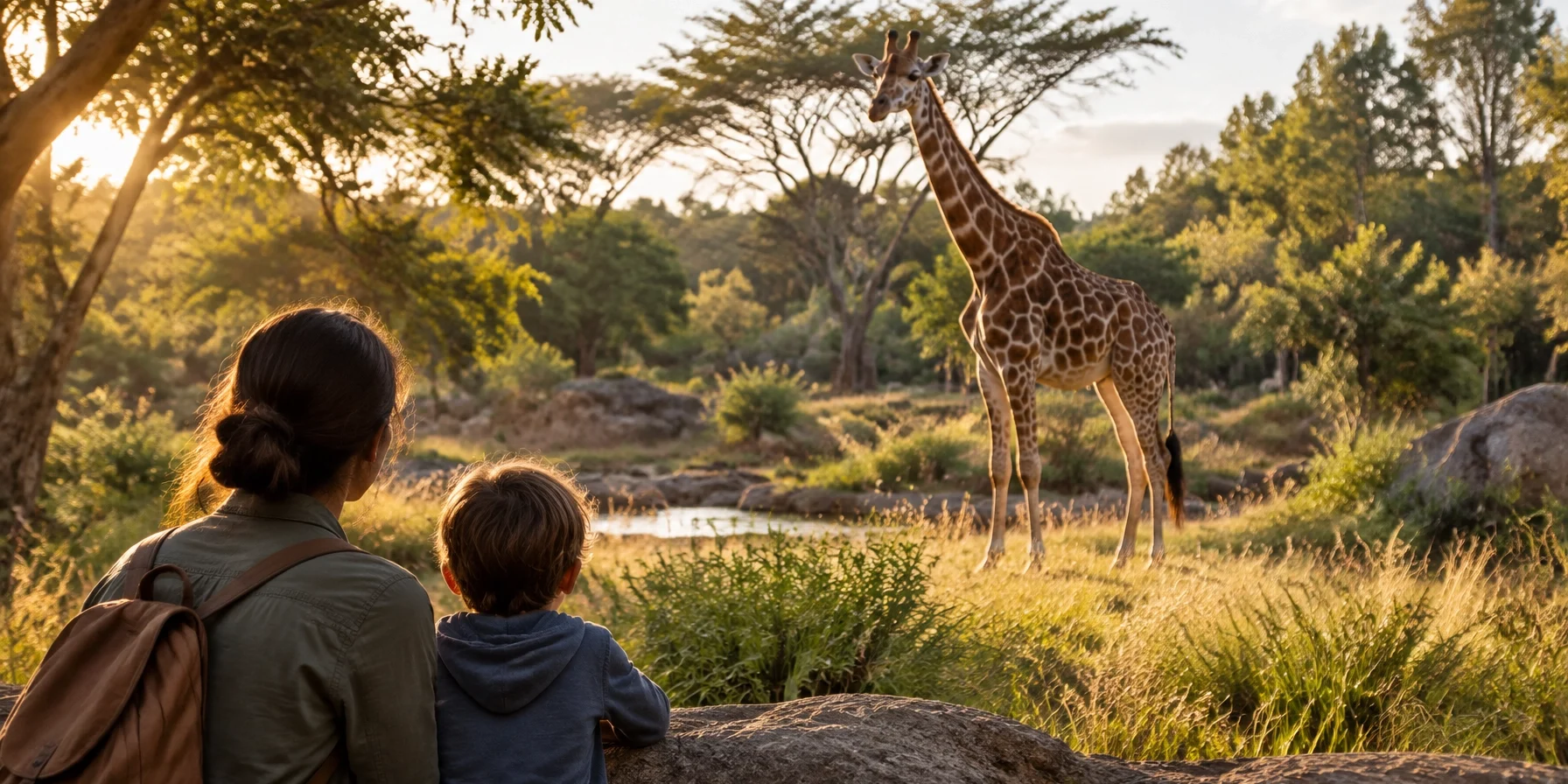
A visit to the zoo can be an unforgettable learning experience for families and children. Seeing an animal in person can spark curiosity in a way a photograph or textbook may not. Interactive exhibits, educational presentations, and thoughtfully designed animal encounters help visitors explore animal behavior, natural habitats, and the challenges wildlife faces.
The strongest experiences do more than share facts. They help visitors make connections: how habitat loss affects a species, why biodiversity matters, or how human choices can influence ecosystems. An exhibit can invite a question; a keeper talk or educator can add context; a clear, practical takeaway can help a visitor carry that learning home.

Conservation education is also a chance to meet visitors where they are. Families may be looking for an engaging day out, while students might be gathering material for a class project. A well-designed experience can serve both: make the visit enjoyable, offer accurate information, and provide an accessible next step for anyone who wants to learn more.
For zoos and aquariums, the details of communication matter. Consider whether exhibit labels are easy to read, whether presentations explain why a species needs protection, and whether digital content works for people with different ages, languages, and abilities. A visitor should not need a biology degree to understand the central idea.
For sponsors and brand teams, conservation education offers a meaningful context, but only when the partnership fits the institution’s mission. A useful sponsorship should enhance the visitor experience, support credible learning, or help fund conservation work. It should be transparent about its purpose and avoid turning complex environmental issues into simplistic claims.
The opportunity is significant: the Association of Zoos and Aquariums (AZA) reports that accredited institutions reach millions of visitors and students through education. A 2024 meta-analysis published in Conservation Biology found an overall positive effect of zoo and aquarium visits on visitors’ conservation knowledge, beliefs, and intended behavior. A visit cannot solve a conservation challenge on its own, but it can help make the challenge understood and personal.
Protecting Wildlife for Future Generations
Habitat destruction, climate change, and illegal wildlife trafficking threaten countless animal species. Zoos can support initiatives that address these challenges by contributing expertise, research, funding, and long-term partnerships. Much conservation work takes place far from the visitor’s view, in collaboration with field researchers, local communities, governments, and conservation organizations.
Coordinated breeding programs are one part of this work. They can help maintain healthy populations of species in human care and, in some cases, contribute to broader recovery plans. The WAZA overview of conservation breeding programs explains how institutions coordinate population management across regions. Breeding is not an automatic path to release in the wild: any reintroduction depends on the species, the condition of its habitat, and careful planning with relevant conservation partners.

Research and veterinary care also contribute to conservation. Better understanding of animal health, behavior, nutrition, and reproduction can inform care in zoos and support knowledge that benefits conservation efforts. For threatened wildlife, every program requires thoughtful planning and cooperation; no single institution can do the work alone.
Field partnerships help make that connection tangible. For example, the Denver Zoo Conservation Alliance describes its partnership with the Rwanda Wildlife Conservation Association, which supports community-based monitoring and conservation of grey crowned cranes. The specific needs of each species and region are different, but these collaborations demonstrate how expertise and resources can support work beyond zoo grounds.
Zoos can help visitors understand these efforts by explaining what a conservation partnership does, who is involved, and what challenges remain. Clear communication matters. Avoid suggesting that a single donation, breeding program, or visit guarantees a species’ recovery. Instead, explain how one contribution fits into a larger, ongoing effort.
For zoo leaders and their partners, a few practical questions can help keep conservation communication credible:
- Is the conservation claim specific, accurate, and supported by the organization doing the work?
- Can visitors see how a program connects to species or habitat needs?
- Are local partners and communities represented respectfully?
- Does a sponsorship or campaign support the mission without overstating its impact?
These questions can guide exhibit storytelling, digital campaigns, fundraising, and corporate sponsorships alike. The goal is not simply to attract attention. It is to build understanding and trust.
A Mission Beyond Entertainment
The modern zoo represents a connection between people, animals, and nature. Every visit offers an opportunity to learn, appreciate wildlife, and become part of a greater conservation mission.
That opportunity depends on how the experience is designed. Naturalistic habitats and appropriate animal care are essential foundations. So are accessible interpretation, knowledgeable staff, and honest explanations of the work, and the challenges, involved in conservation. When these elements come together, a visit can be both enjoyable and thoughtful.

For zoo and aquarium teams, the mission can shape decisions throughout the visitor journey: what people encounter at the entrance, what they learn at an exhibit, and what they can explore after their visit. Consistent, clear storytelling helps visitors connect individual animals with larger questions about habitats and biodiversity.
For brands, creative directors, media buyers, and agencies, that mission creates a distinctive setting for responsible partnerships. The best activations feel like they belong. They respect the animals, serve visitors, and support a purpose the institution can explain. A campaign should invite participation without distracting from animal care or reducing conservation to a slogan.
There is no single action that protects wildlife everywhere. People can begin by learning about a species or habitat, asking how a conservation organization works with local partners, and choosing credible opportunities to support ongoing efforts. Zoos can help make those choices easier by sharing useful, transparent information and directing visitors toward trusted resources.
The conservation role of a zoo is not measured only by what visitors see on a given day. It is also reflected in the partnerships, research, care, and learning that continue beyond the exhibit. When visitors leave with a deeper understanding of wildlife, and a clearer sense of how they can help, the visit has reached beyond entertainment.
Protecting wildlife begins with awareness and every generation has a role to play.
Frequently Asked Questions
How do modern zoos contribute to wildlife conservation?
Depending on the institution and species, zoos may contribute through coordinated breeding and population management, veterinary and conservation research, field partnerships, habitat initiatives, and public education. These efforts work best as part of broader conservation plans developed with relevant partners.
Do zoo breeding programs always lead to animal reintroductions?
No. Breeding programs can support population management and conservation planning, but not every animal or species is suited for release. Reintroduction requires careful assessment, suitable habitat, and coordination with conservation partners.
How can a zoo visit support conservation?
A visit can help people learn about wildlife, habitats, and conservation challenges. Visitors can also look for clear information about an institution’s programs and follow its recommended ways to support credible conservation work.
How can brands partner with zoos responsibly?
Start with the zoo’s mission and visitor needs. Choose an activation that supports education or conservation, make claims transparent and evidence-based, and work with the institution to ensure the experience respects animals and enhances the visit.
What should visitors look for in conservation messaging?
Look for specific explanations of the challenge, the partners involved, and how a program contributes to longer-term work. Credible communication is clear about both progress and what remains to be done.
Learn More & Connect
Zoo Media helps zoos and aquariums explore technology and creative marketing that can enhance visitor experiences and support education. For partnership inquiries, visit Zoo Media.
Call to action: To discuss strategic opportunities, visit www.dakdan.com or contact the AI Receptionist at +1 (323) 676-0621.
Dan Kost, CEO
#ZooMedia #WildlifeConservation #WildlifeProtection #MissionToInspireWildlifeConservation #Motivation #Branding #Strategy #Marketing #AdvertisingAndMarketing #digitalmarketing #Innovation #Sports