The world of zoo sponsorships operates behind carefully crafted marketing materials and polished partnership packages. While zoos present their offerings in the best possible light, there are crucial insights that brands need to understand before writing that sponsorship check. These aren't necessarily "secrets" that marketing teams deliberately hide, but rather strategic realities that can make or break your investment.
The Truth About Sponsorship vs. Sales Disguised as Partnership

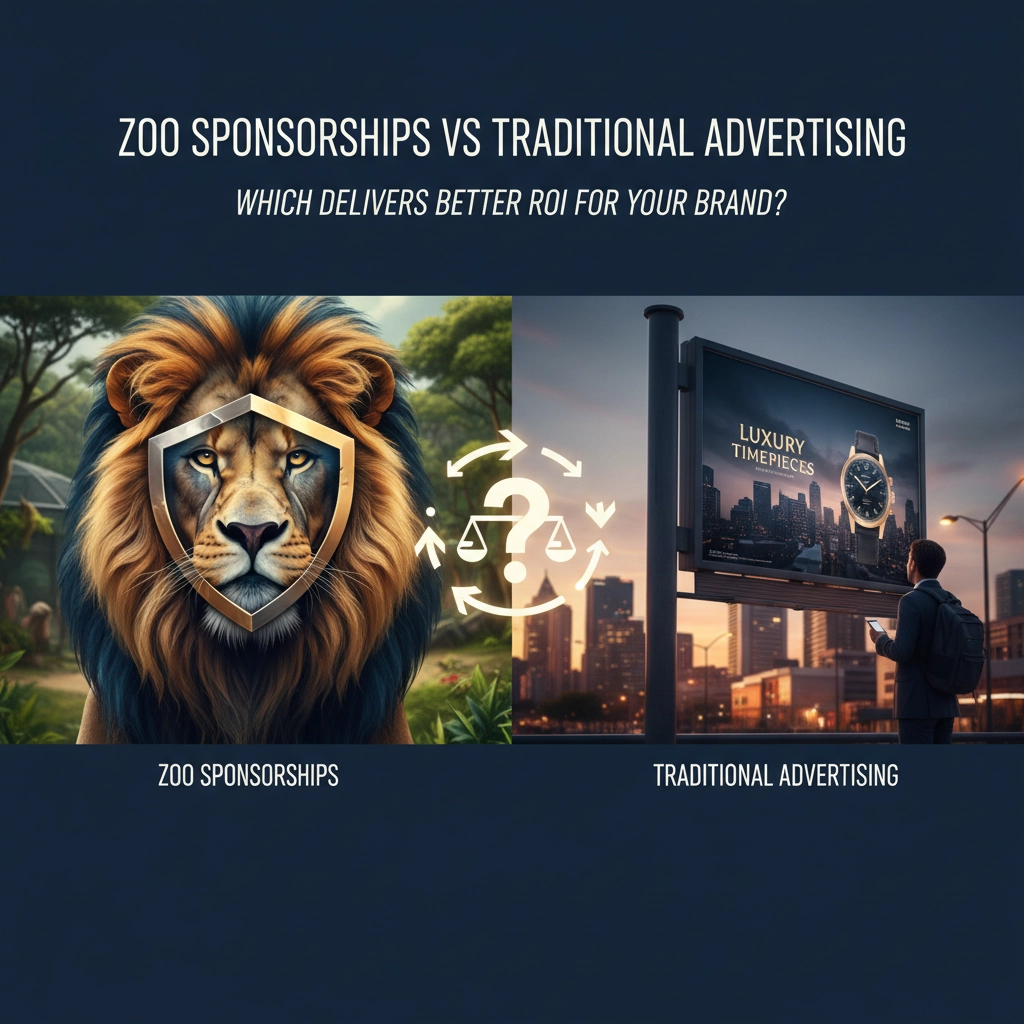
Here's the first reality check: many organizations offer what they call "sponsorships" when they're actually just providing discounted services or gift certificates. Real sponsorship occurs when companies provide funding to help organizations accomplish goals they cannot achieve independently.
True zoo sponsorships involve:
- Supporting conservation research that wouldn't happen otherwise
- Funding educational programs that directly serve the community
- Enabling facility improvements that enhance visitor experiences
- Contributing to animal care initiatives beyond basic operations
Fake sponsorships typically offer:
- Discounted admission tickets for employees
- Gift shop vouchers at reduced rates
- Restaurant discounts during slow periods
- Basic signage without meaningful brand integration
The distinction matters because authentic partnerships deliver measurable value, while disguised sales tactics provide minimal return on investment.
The Hidden Audience Goldmine
Most brands underestimate the true reach of zoo partnerships. The Smithsonian's National Zoo alone attracts over 2.3 million visitors annually, plus nearly 7 million online visitors. But here's what the marketing materials don't emphasize:
Dwell Time Advantage
Unlike shopping centers or sports venues where visitors move quickly, zoo guests spend 3-4 hours on average exploring exhibits. This extended engagement creates multiple brand touchpoints throughout their visit.
Family Decision-Making Power
Zoo visitors often include multiple family members involved in purchasing decisions. Parents, grandparents, and children all influence household spending patterns, giving sponsors access to diverse demographic segments simultaneously.
Educational Mindset
Visitors arrive in learning mode, making them more receptive to brand messages that provide value or educational content rather than pure advertising.
Strategic Positioning That Marketing Teams Won't Advertise

Zoos offer positioning opportunities that aren't available through traditional advertising channels, but these advantages require strategic thinking to maximize.
Conservation Credibility
Associating with legitimate conservation efforts provides authentic sustainability messaging that resonates with environmentally conscious consumers. This isn't just about looking good: it's about demonstrating genuine corporate responsibility.
Local Community Integration
Zoos serve as cultural anchors in their communities. Sponsoring exhibits or programs connects brands with local identity and civic pride in ways that national advertising campaigns cannot replicate.
Multi-Generational Appeal
Few venues attract visitors from toddlers to great-grandparents regularly. This cross-generational exposure helps brands build awareness across entire family networks.
The Economics They Don't Discuss Upfront
Smart brands understand the hidden economics of zoo sponsorships before committing resources.
Concentrated Marketing Impact
Rather than spreading marketing budgets across multiple venues with uncertain returns, zoo partnerships concentrate promotional efforts where target audiences already gather voluntarily.
Reduced Customer Acquisition Costs
When executed properly, zoo sponsorships can actually lower customer acquisition costs by providing direct access to engaged family audiences during positive experiences.
Extended Campaign Lifecycles
Unlike event-based sponsorships that last days or weeks, zoo partnerships provide year-round brand exposure through permanent installations and ongoing programs.
Customization Opportunities Beyond Standard Packages
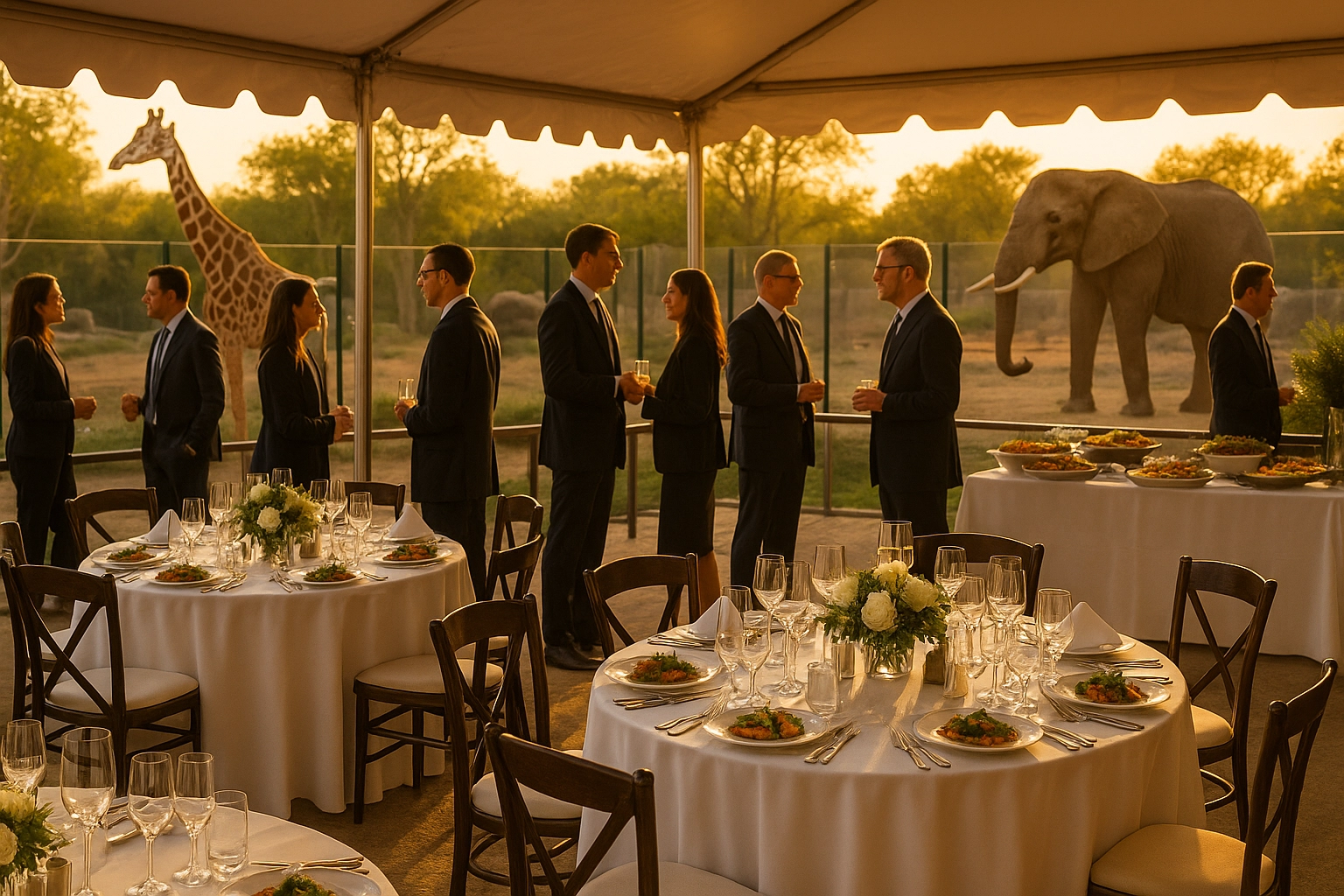
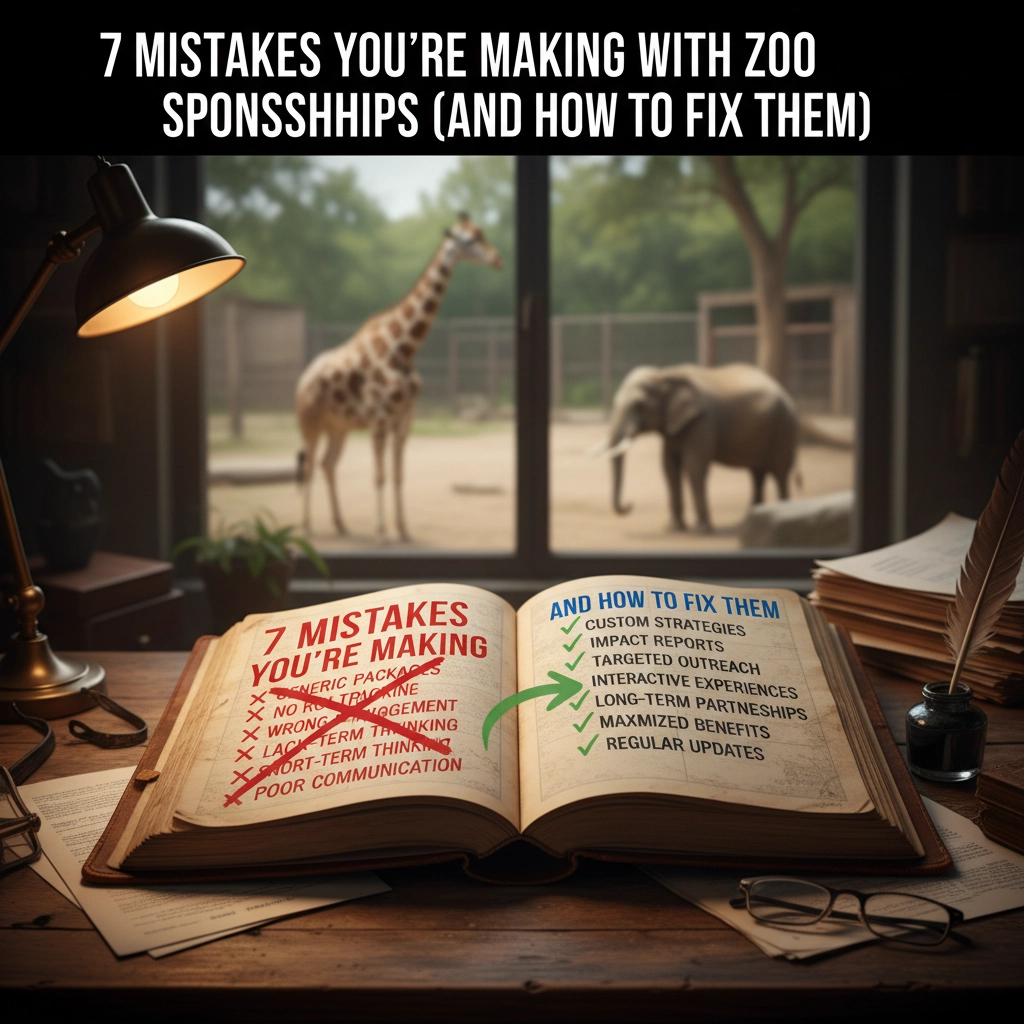
The real value emerges when brands move beyond cookie-cutter sponsorship packages to create customized partnerships aligned with business objectives.
Exhibit Integration
Savvy sponsors don't just slap logos on existing displays. They work with zoos to create educational content that naturally incorporates brand messaging while providing genuine value to visitors.
Program Development
Forward-thinking partnerships involve developing new programs, events, or initiatives that serve both the zoo's mission and the sponsor's marketing goals.
Digital Asset Creation
Modern zoo partnerships extend far beyond physical signage to include social media content, virtual experiences, and educational resources that amplify brand reach.
Corporate Hospitality Assets That Deliver ROI
Zoo partnerships provide premium hospitality opportunities that many brands overlook:
VIP Animal Encounters
Private behind-the-scenes experiences create memorable moments for client entertainment and employee recognition programs.
Exclusive Event Access
Many zoos offer sponsor-only events during off-hours, providing intimate networking opportunities in unique settings.
Educational Workshop Hosting
Brands can host workshops, seminars, or corporate retreats using zoo facilities and educational resources as backdrop.
Measurement Challenges and Solutions

Zoo sponsorship measurement requires sophisticated approaches beyond basic visitor counts.
Attribution Difficulties
Unlike digital campaigns with clear conversion tracking, zoo sponsorships influence brand awareness and preference over extended timeframes through multiple touchpoints.
Effective Measurement Strategies
- Pre/post sponsorship brand awareness surveys
- Website traffic analysis from zoo-specific landing pages
- Social media engagement tracking around zoo-related content
- Customer behavior analysis among zoo visitors vs. control groups
Negotiation Leverage Points
Understanding zoo operations provides negotiation advantages that standard marketing presentations won't reveal.
Seasonal Flexibility
Zoos face seasonal attendance variations. Brands willing to commit during slower periods often secure better rates and more prominent positioning.
Multi-Year Commitments
Long-term partnerships typically provide better value and strategic positioning than single-year agreements.
Cross-Platform Integration
Zoos increasingly offer digital content creation, educational resources, and social media collaboration beyond traditional signage.
Making Zoo Sponsorships Work

Success requires approaching zoo partnerships as genuine business relationships rather than simple advertising purchases.
Align with Authentic Brand Values
The most effective zoo sponsorships connect naturally with company missions, values, or target audience interests.
Think Beyond Brand Awareness
While exposure matters, the best partnerships create meaningful connections between brand messaging and visitor experiences.
Plan for Long-Term Relationship Building
One-off sponsorships rarely maximize available opportunities. Sustained partnerships allow for relationship development and program refinement over time.
The most successful zoo sponsorships happen when brands understand these operational realities and structure partnerships accordingly. Rather than simply purchasing premium advertising space, smart companies create authentic collaborations that serve both organizational missions while delivering measurable business results.
For brands serious about leveraging zoo partnerships effectively, the key lies in moving beyond standard marketing materials to understand the full scope of opportunities and challenges these unique venues present.
Ready to explore strategic sponsorship opportunities? Contact Dan Kost, CEO at www.dakdan.com or reach our AI Receptionist at +1 (323) 676-0621 to discuss customized partnership strategies that deliver real business results.
#Sponsorship #BrandStrategy #Marketing #ZooMarketing #CorporatePartnerships #AdvertisingStrategy #BrandDevelopment #MarketingROI