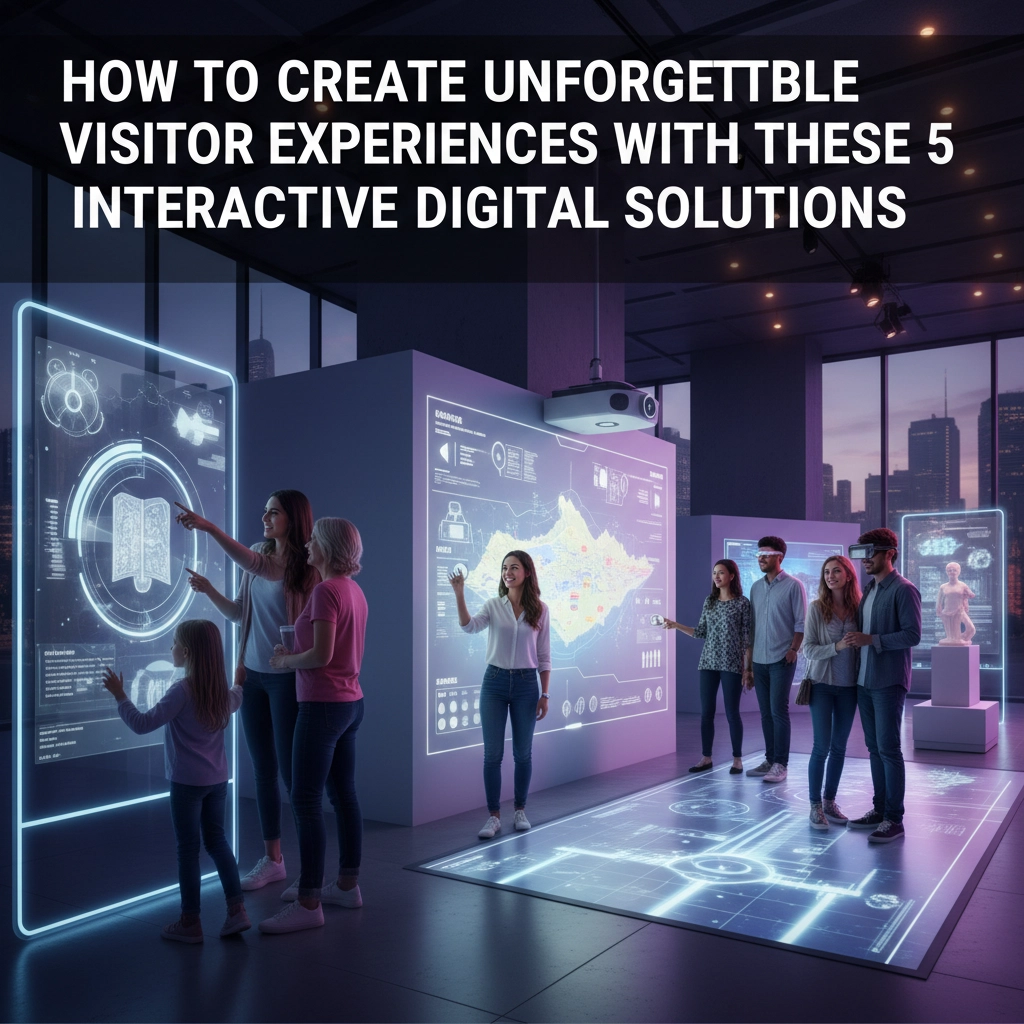
The zoo industry is experiencing a technological revolution that's transforming traditional animal exhibits into immersive, data-driven experiences. Smart venues aren't just the future: they're happening right now, and zoos that adapt will thrive while others struggle to keep visitors engaged.
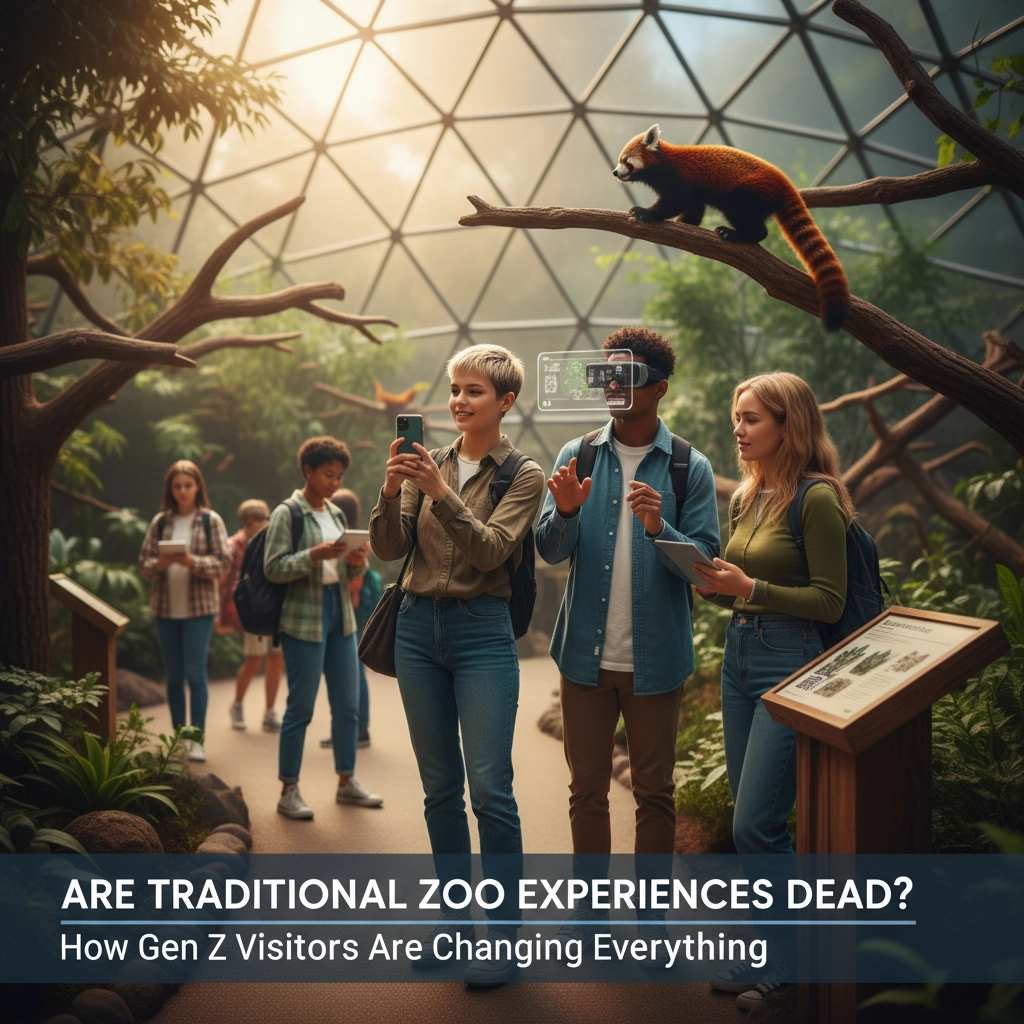
Modern families expect more than static displays and basic signage. They want interactive experiences, real-time information, and memorable moments they can share on social media. The good news? Transforming your zoo into a smart venue is more achievable than ever.
What Makes a Zoo "Smart" in 2025?
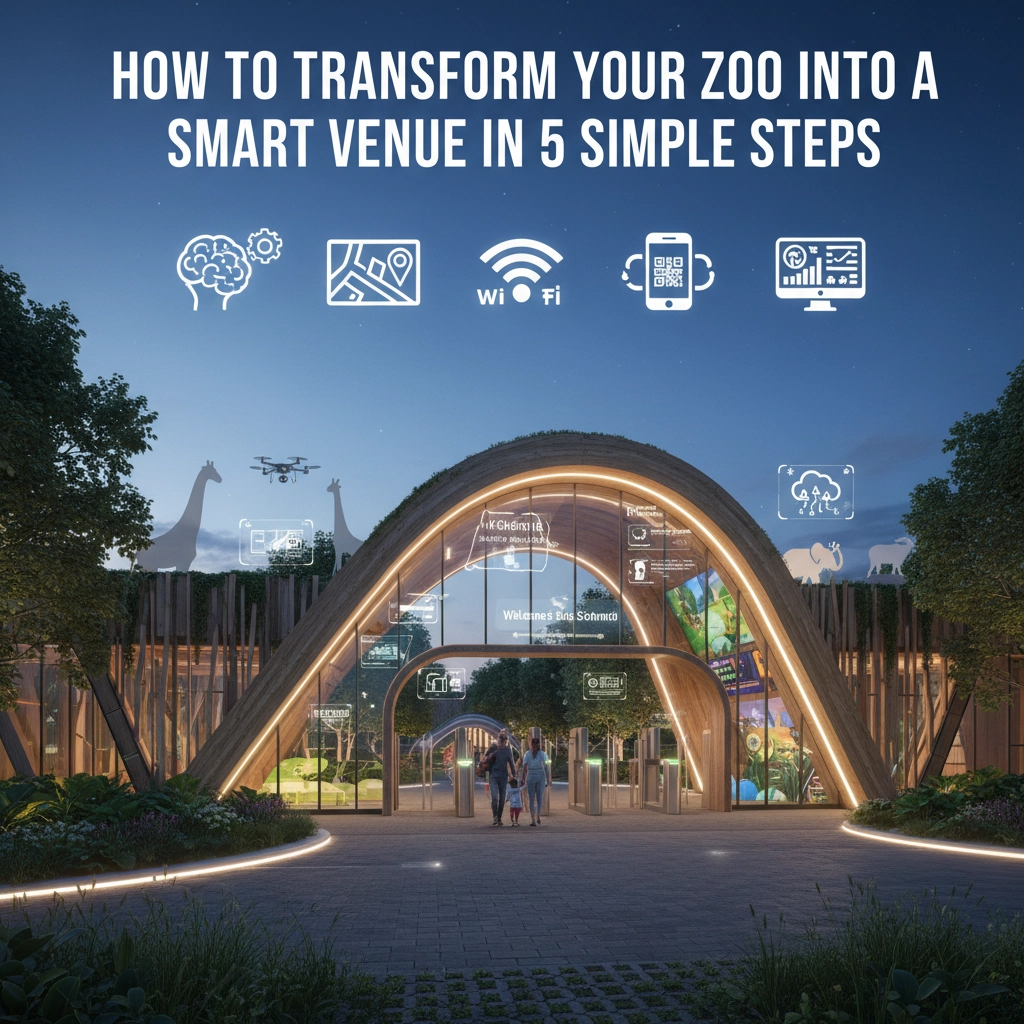
A smart zoo integrates technology seamlessly into every aspect of operations: from animal care monitoring to visitor engagement systems. Think beyond simple apps and WiFi. We're talking about connected ecosystems that enhance conservation efforts, streamline operations, and create unforgettable visitor experiences.
Key Smart Zoo Features:
- Real-time animal behavior tracking
- Interactive digital displays
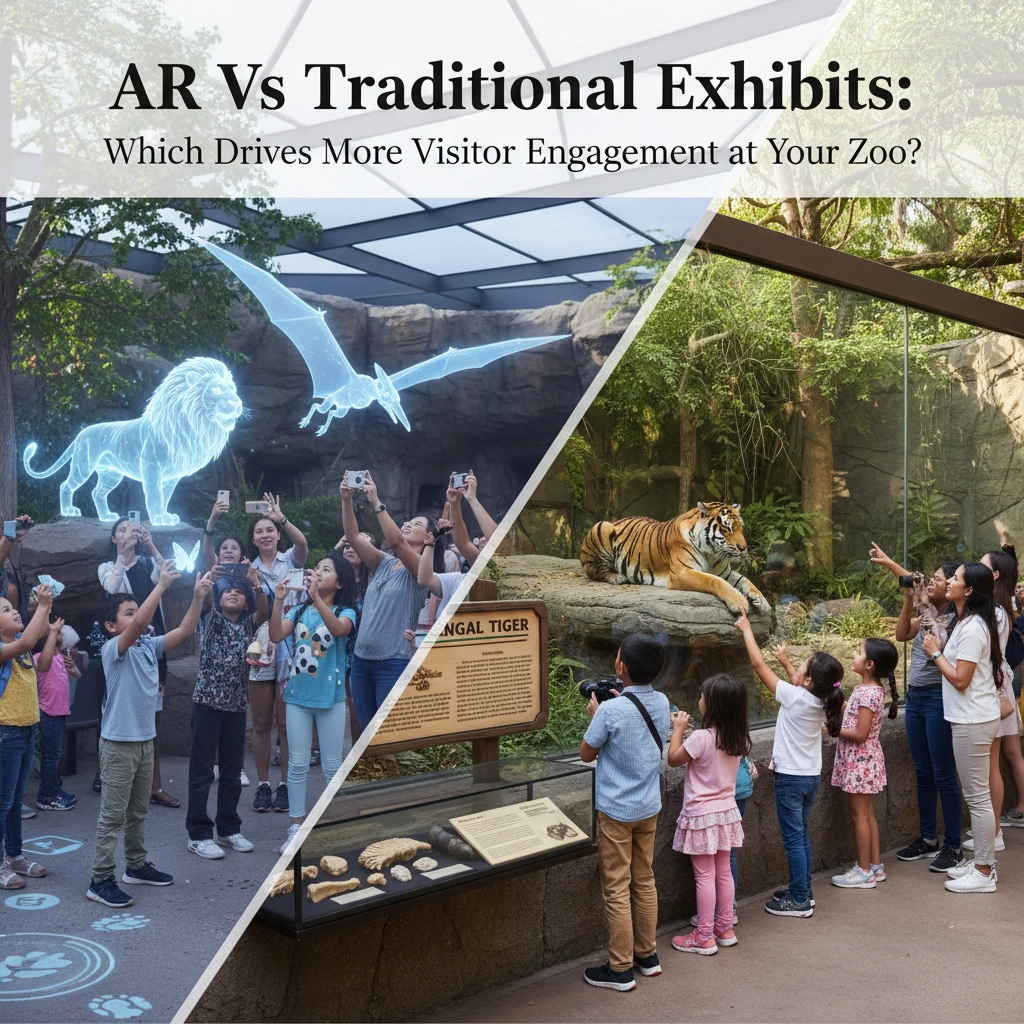
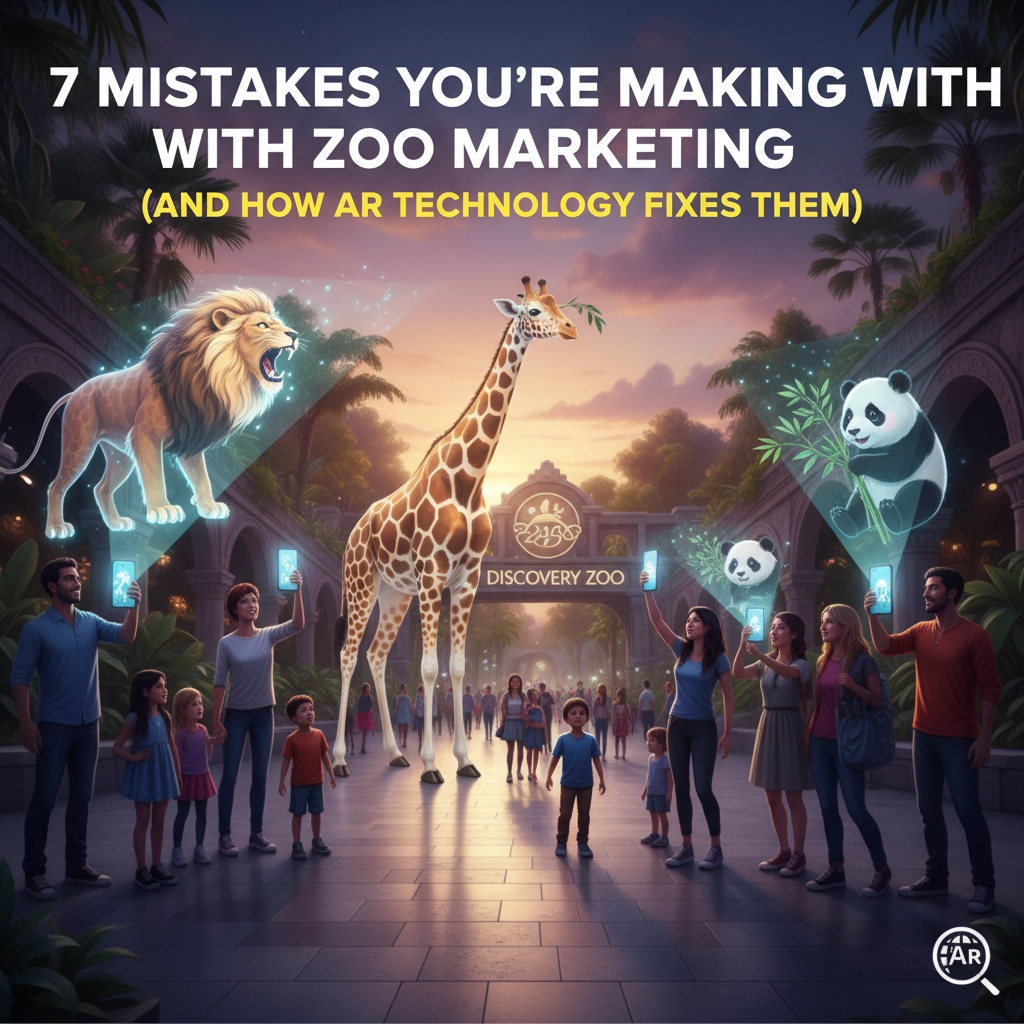
- Augmented reality experiences
- Predictive maintenance systems
- Dynamic crowd flow management
- Personalized visitor journeys
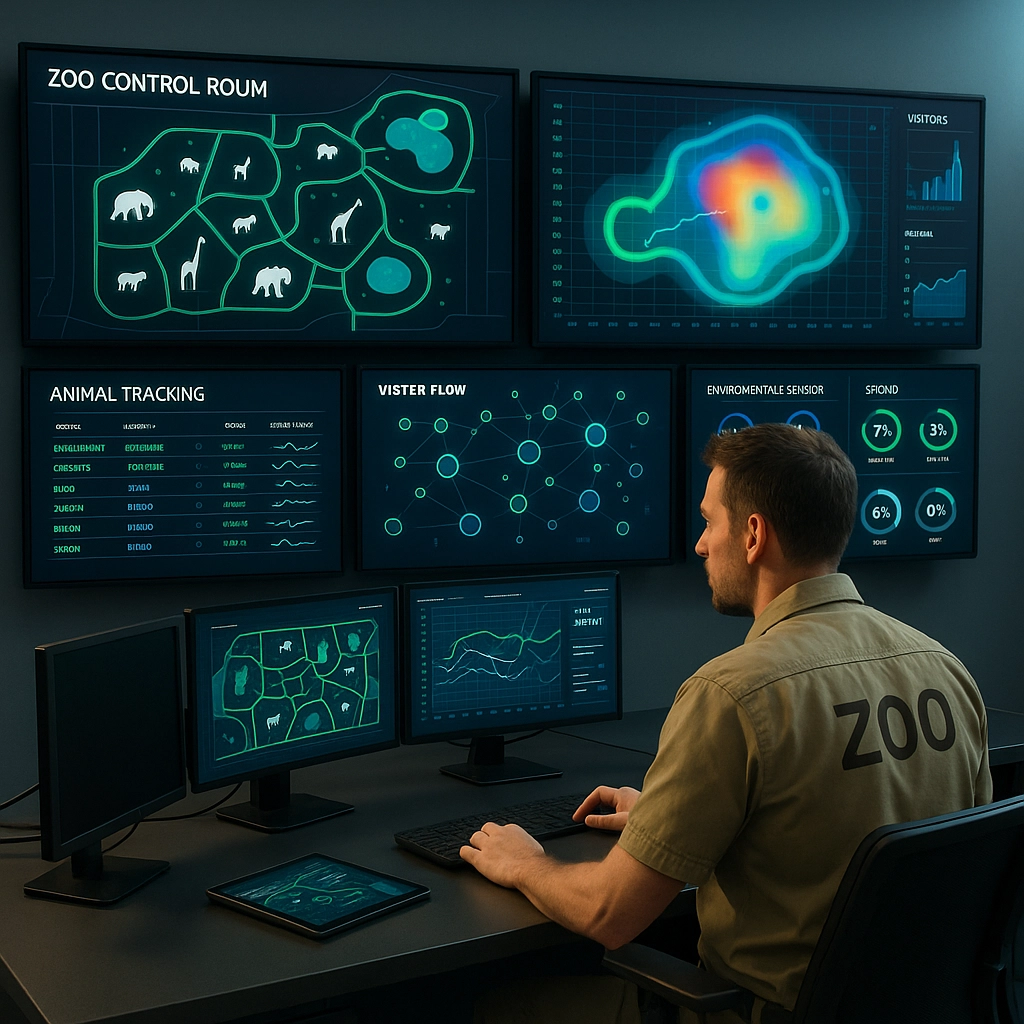
Step 1: Deploy SMART Conservation and Management Systems
Your transformation begins with the backbone of modern zoo operations: comprehensive data collection and management. SMART (Spatial Monitoring and Reporting Tool) technology represents the gold standard, currently used in over 1,000 protected sites across 70+ countries.
Implementation Strategy:
- Equip staff with ruggedized smartphones for real-time data collection
- Install central databases for instant analysis and visualization
- Create automated reporting systems for animal behaviors and maintenance needs
- Establish patrol route tracking for enhanced security monitoring
This foundation allows zookeepers to document animal encounters, track health metrics, and respond immediately to emerging situations. Information flows seamlessly from field observations to management dashboards, enabling data-driven decisions about resource allocation and animal care protocols.
Pro Tip: Start with pilot programs in high-traffic exhibits before expanding zoo-wide. This approach minimizes disruption while demonstrating clear ROI to stakeholders.
Step 2: Install Advanced Audiovisual Infrastructure
Modern visitors expect crystal-clear presentations and seamless technological integration. Your AV infrastructure should work invisibly, enhancing experiences without drawing attention to the technology itself.
Essential AV Components:
- Professional-grade cameras in animal habitats
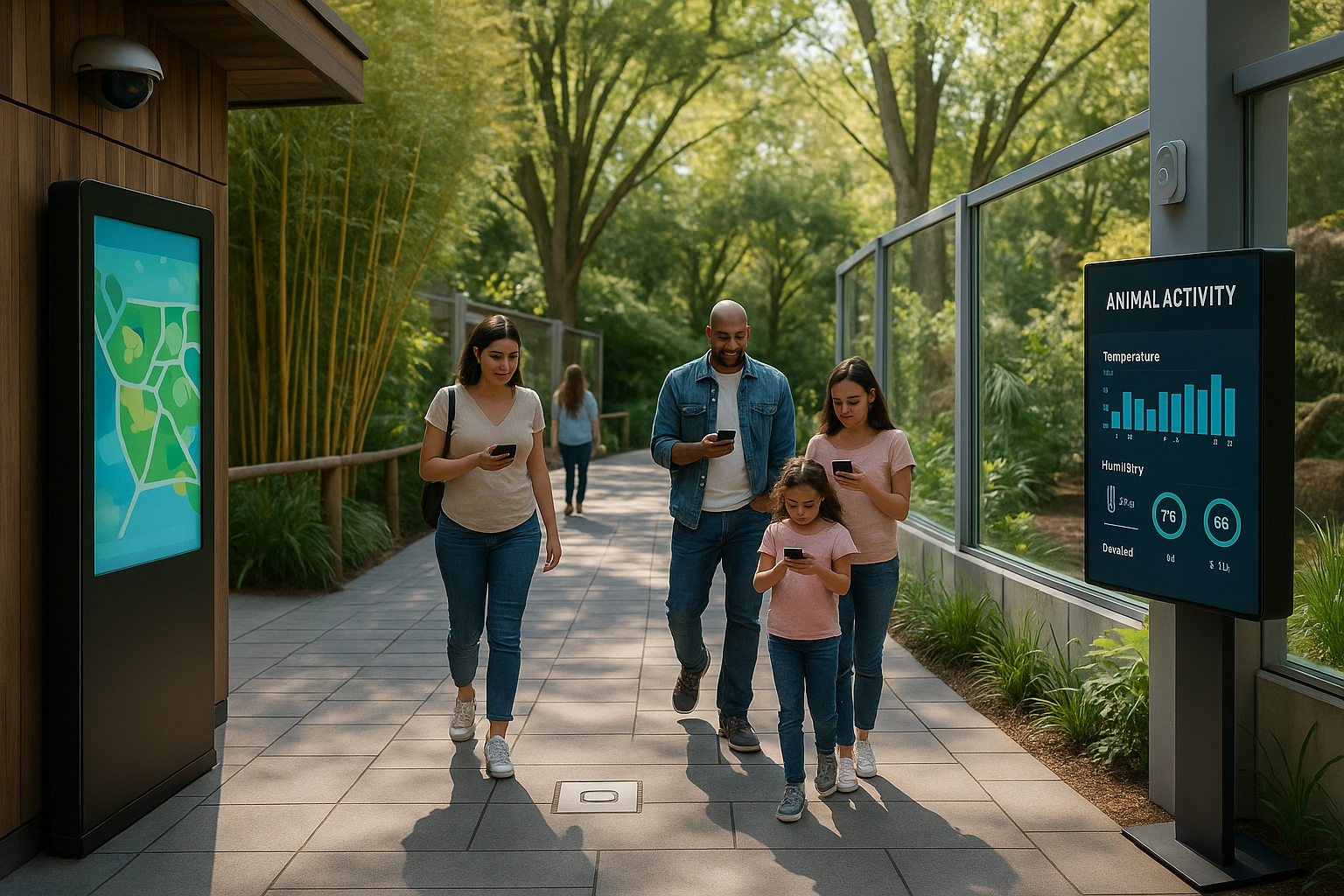
- High-definition displays near exhibit viewing areas
- Centralized show management systems
- Sound reinforcement for educational presentations
- Environmental monitoring integration
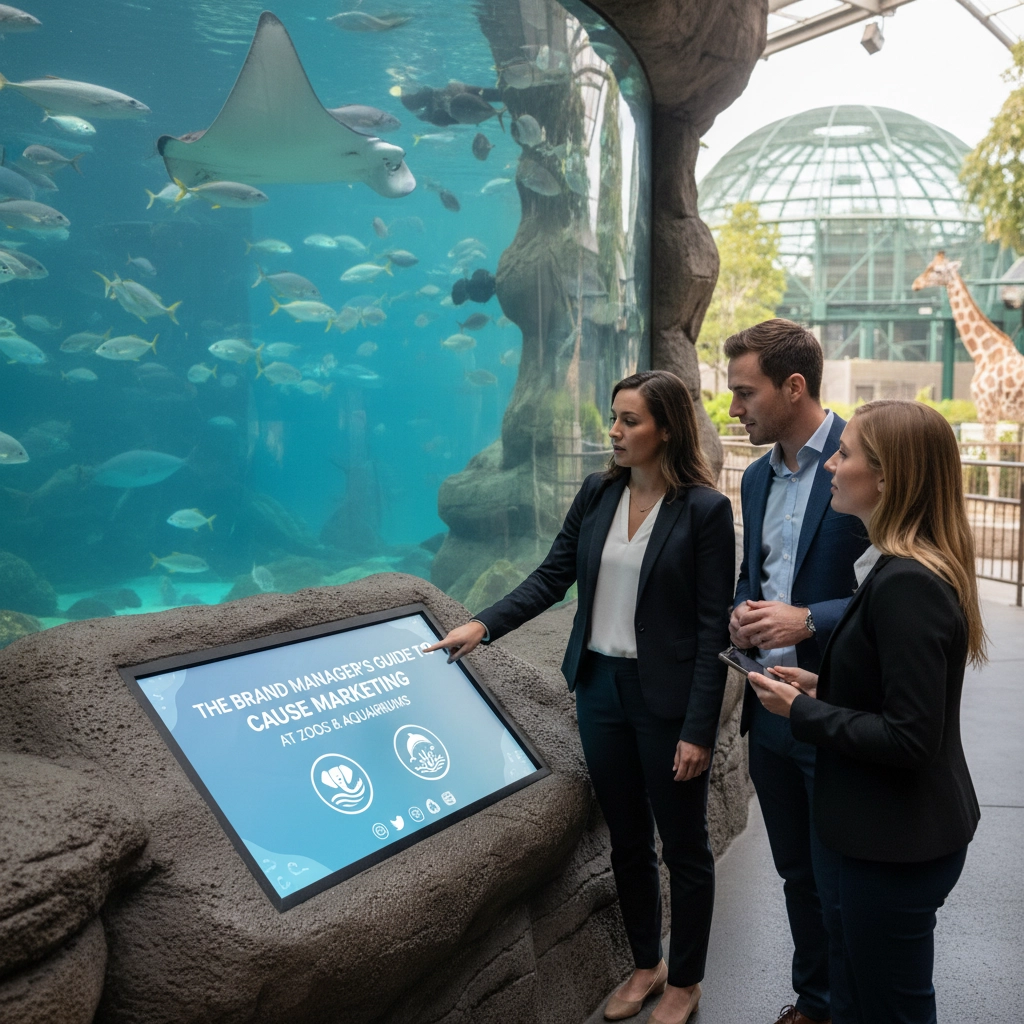
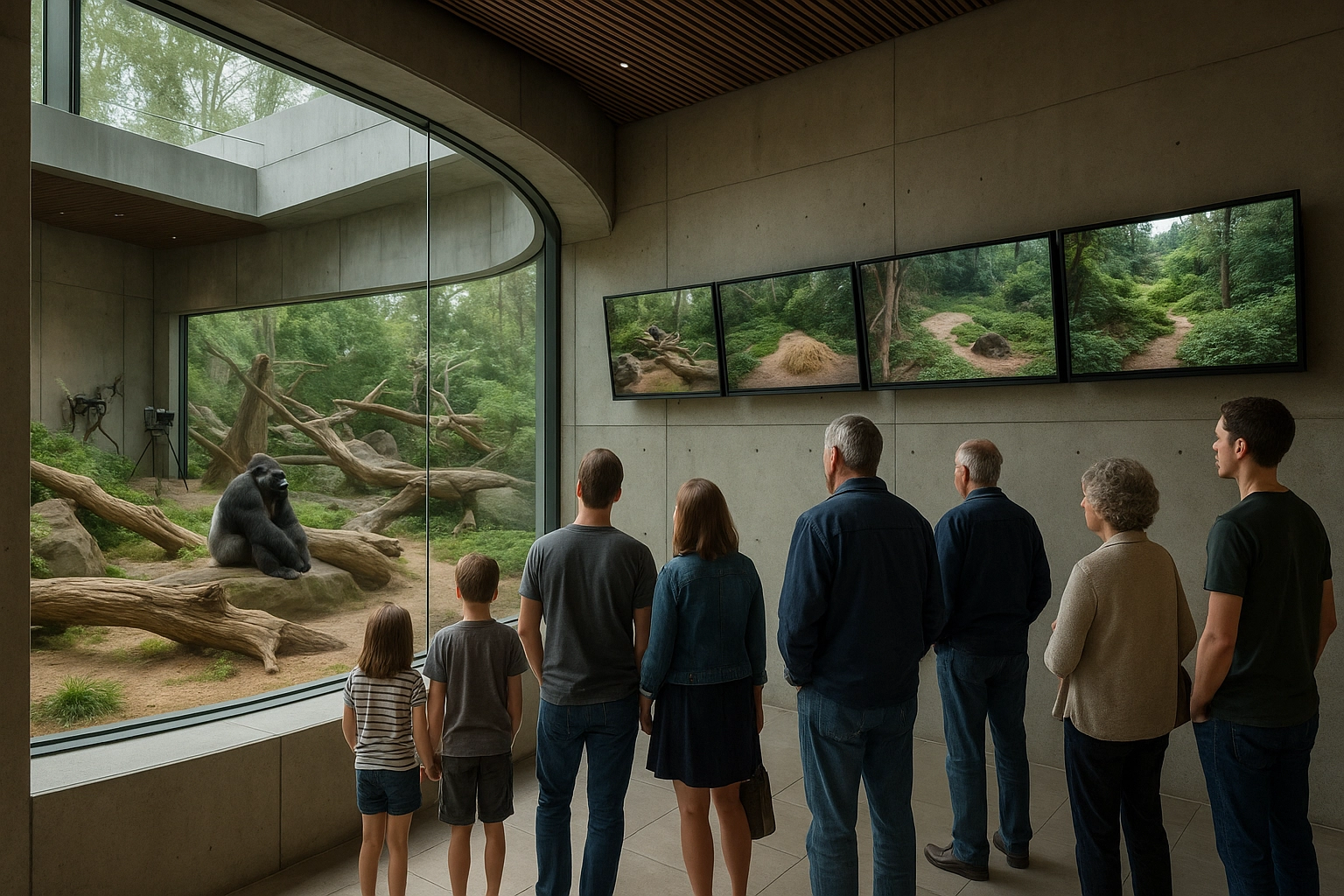
Strategic camera placement captures footage from areas where animals naturally retreat, streaming real-time video to displays positioned near exhibit glass. This technology proves especially valuable in aquatic environments where visibility can be challenging.
Create dedicated control spaces equipped with modern monitoring technology to oversee environmental conditions, visitor flow patterns, and facility operations. These command centers foster collaboration among teams while ensuring optimal experiences throughout your venue.
Step 3: Implement Immersive Digital Projection Systems
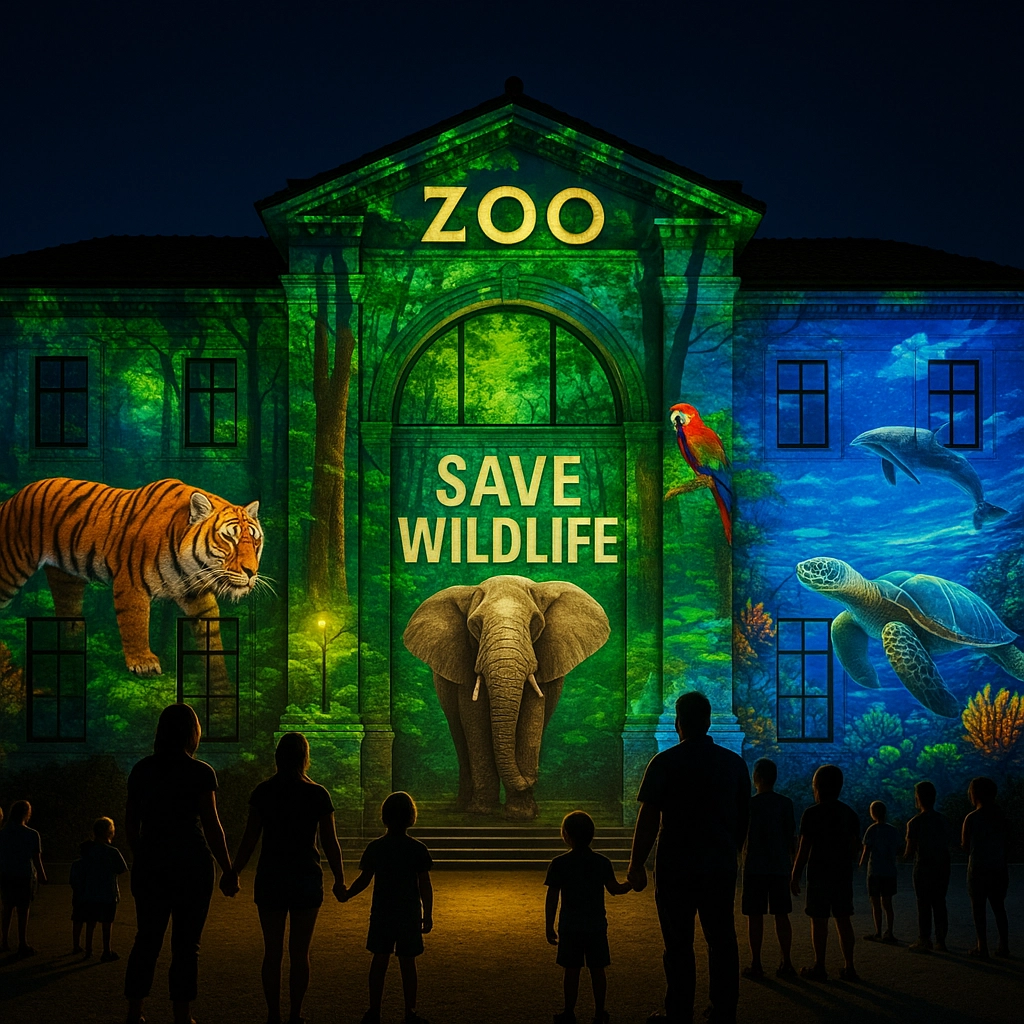
Transform static architectural elements into dynamic storytelling canvases using projection mapping technology. The Detroit Zoo's Wild Lights experience demonstrates how projections can convert structures like penguinariums into massive responsive displays.
Projection Applications:
- Seasonal light shows on building facades
- Interactive floor projections in visitor areas
- Educational content overlay on natural habitats
- Immersive tunnel experiences between exhibits
- Weather-responsive outdoor displays
Digital projections activate otherwise underutilized spaces, creating vibrant zones that enhance storytelling capabilities. Visitors engage actively with projected content rather than passively observing static displays.
Implementation Timeline: Plan seasonal rotations to maintain novelty and encourage repeat visits. Summer safari adventures, autumn migration stories, winter conservation tales: the possibilities are endless.
Step 4: Establish Connected IoT Monitoring Networks
Deploy comprehensive sensor networks throughout your facility to monitor real-time conditions and visitor patterns. Smart venues utilize live data feeds to optimize operations and enhance safety protocols.
IoT Integration Points:
- Crowd flow sensors at exhibit entrances
- Environmental monitoring in animal habitats
- Automated lighting and climate control systems
- Digital ticketing and mobile app integration
- Predictive maintenance alerts for equipment
Connected platforms enable seamless communication between departments while providing visitors with up-to-date information through mobile applications. Real-time data about feeding times, special events, and exhibit availability keeps guests engaged and informed.
Security Benefits: IoT networks provide 24/7 monitoring capabilities, alerting staff to unusual animal behaviors, equipment failures, or security concerns before they become critical issues.
Step 5: Create Unified Analytics and Management Platforms
Integrate all smart systems into cohesive management ecosystems that enable collaboration and data-driven decision making. Centralized platforms should unify conservation data, visitor analytics, and operational metrics.
Platform Capabilities:
- Predictive analytics for maintenance scheduling
- Visitor engagement tracking and optimization
- Conservation program effectiveness measurement
- Staff scheduling based on crowd predictions
- Revenue optimization through dynamic pricing
Automated reporting systems track key performance indicators including visitor satisfaction scores, animal welfare metrics, and operational efficiency measures. This integration transforms your zoo from disconnected systems into a unified smart venue that responds dynamically to changing conditions.
ROI Tracking: Measure success through increased visitor engagement, reduced operational costs, improved animal welfare outcomes, and enhanced conservation program effectiveness.
Technology Implementation Best Practices
Staff Training is Critical
Success depends heavily on proper implementation and user adoption across your organization. Invest in comprehensive training programs for all staff members interacting with new systems. Technology without proper training creates more problems than solutions.
Infrastructure Assessment
Evaluate current network capabilities and power systems before deploying new technologies. Many smart venue systems require robust WiFi coverage and reliable power distribution throughout facilities. Plan infrastructure upgrades as foundational investments.
Visitor Privacy Protection
Implement appropriate data protection measures when collecting visitor information through mobile apps, ticketing systems, and behavioral analytics. Maintain transparency about data usage while ensuring compliance with privacy regulations.
Future-Proofing Your Smart Zoo Investment
Choose technologies and platforms that grow with your organization and integrate with emerging innovations. The smart venue landscape evolves rapidly: select flexible solutions that adapt to changing requirements.
Emerging Technologies to Watch:
- Artificial intelligence for predictive animal care
- Virtual reality conservation education programs
- Drone surveillance for large habitat monitoring
- Blockchain for transparent conservation funding
- 5G networks enabling real-time AR experiences
Making the Transformation Happen
Phase 1: Start with SMART conservation systems and basic IoT monitoring
Phase 2: Add AV infrastructure and mobile app integration
Phase 3: Deploy projection systems and advanced analytics
Phase 4: Implement AI-powered predictive systems
Phase 5: Explore emerging technologies and expansion opportunities
The investment in smart zoo technology pays dividends through increased visitor satisfaction, improved operational efficiency, and enhanced conservation outcomes. Zoos that embrace these innovations position themselves as leaders in wildlife education and protection.
Ready to transform your zoo into a cutting-edge smart venue? The technology exists today: the question isn't whether to upgrade, but how quickly you can implement these game-changing systems.
About Zoo Media: As leaders in innovative advertising and technology solutions, Zoo Media helps venues across industries implement transformative digital experiences. From conservation centers to entertainment complexes, we specialize in creating connected, engaging environments that drive results.
Contact Dan Kost, CEO at www.dakdan.com or call our AI Receptionist at +1 (323) 676-0621 for personalized consultation on your smart venue transformation project.
Ready to revolutionize your visitor experience? Let's make it happen.
#Innovation #Technology #SmartVenues #DigitalTransformation #AdvertisingAndMarketing #Strategy #digitalmarketing