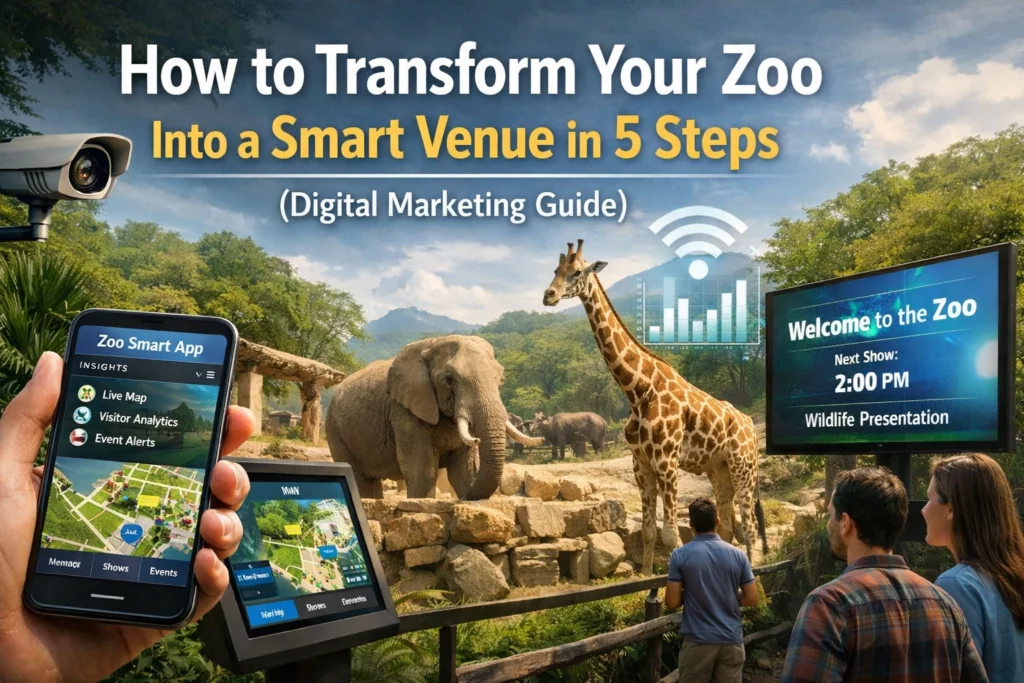
Modern zoos and aquariums face mounting pressure to deliver exceptional guest experiences while advancing conservation missions and maintaining operational efficiency. The solution? Smart venue transformation powered by digital marketing, IoT technology, and innovative visual communication strategies.
Leading institutions like Chester Zoo and Northumberland Zoo have proven that strategic digital transformation doesn't just enhance visitor satisfaction: it drives revenue, optimizes operations, and amplifies conservation messaging. This guide breaks down the proven framework for transforming your venue into a data-driven, guest-centric smart facility.
Step 1: Establish a Clear Digital Strategy Aligned with Your Mission
Before investing in any technology, define your transformation vision. Too many zoos jump straight to purchasing interactive displays or mobile apps without establishing how these tools serve their broader goals.
Start by identifying your core priorities: Are you focused on improving ticketing efficiency? Enhancing educational programming? Increasing secondary spending in gift shops and cafés? Your digital strategy must balance immediate operational needs with long-term objectives.
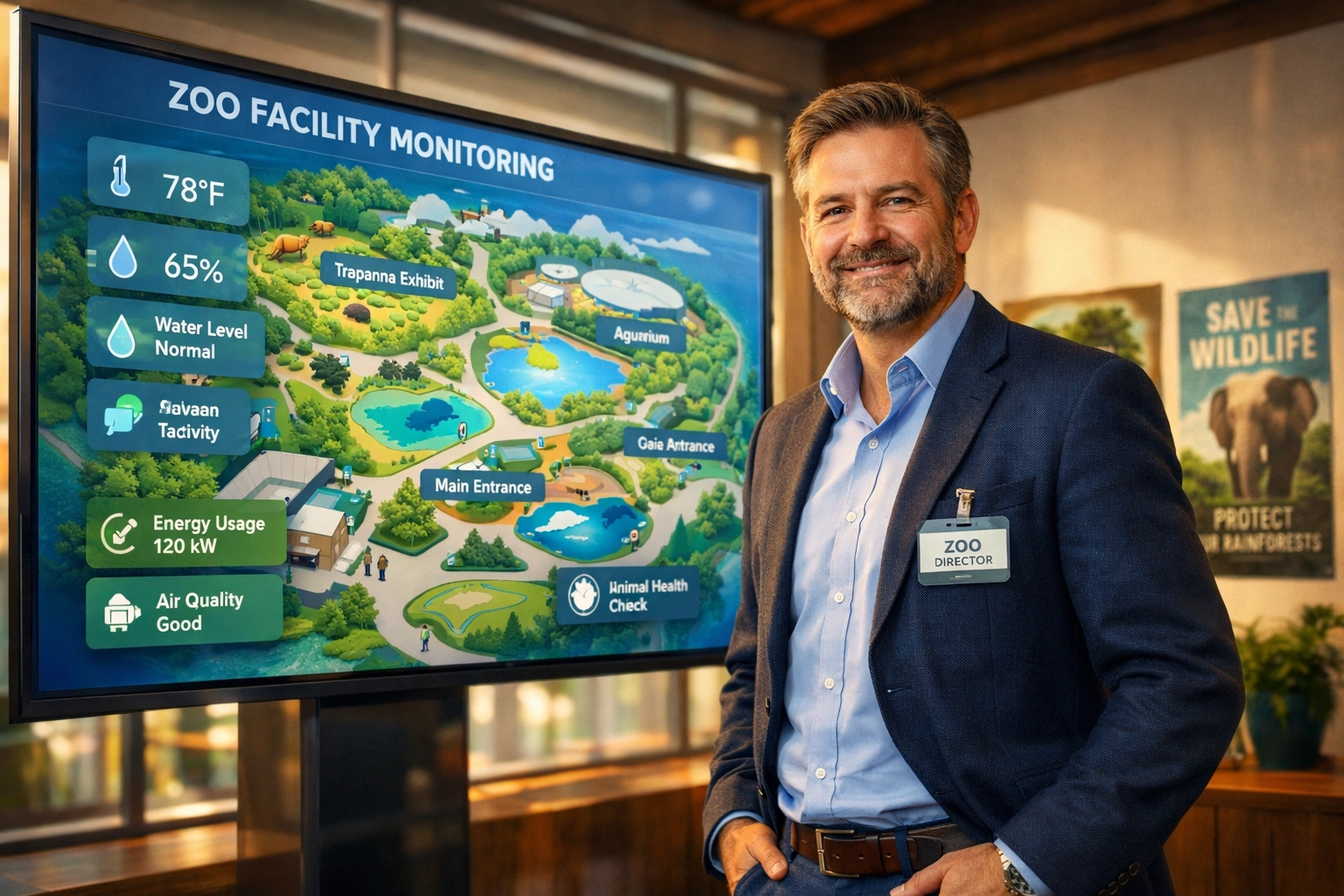
Chester Zoo's approach centers on "delivering immediate value for guests while building for the future." They recognized that adding a hotel would fundamentally change payment processing requirements, necessitating consolidated billing across multiple revenue streams. This forward-thinking prevented costly system overhauls down the road.
Create specific, measurable aims for your digital transformation. Northumberland Zoo condensed their strategy into seven targeted objectives including data insights, sustainability initiatives, conservation messaging amplification, and enhanced learning capabilities. This clarity kept stakeholders aligned throughout implementation.
Your digital strategy should address three critical questions:
- What guest pain points will technology solve?
- How will digital tools advance our conservation and education missions?
- What data do we need to make smarter operational decisions?
Step 2: Implement Integrated Ticketing and Payment Systems
Your ticketing platform isn't just about processing transactions: it's the foundation of your guest data ecosystem. Modern ticketing systems provide actionable intelligence on demographics, visit patterns, and spending behavior that inform every other digital initiative.
Prioritize solutions that integrate seamlessly with your broader technology stack. When Chester Zoo expanded operations, they discovered their fragmented payment systems couldn't handle the complexity of multi-venue billing. A unified platform now enables them to track guest spending across admissions, hotels, dining, and retail from a single dashboard.
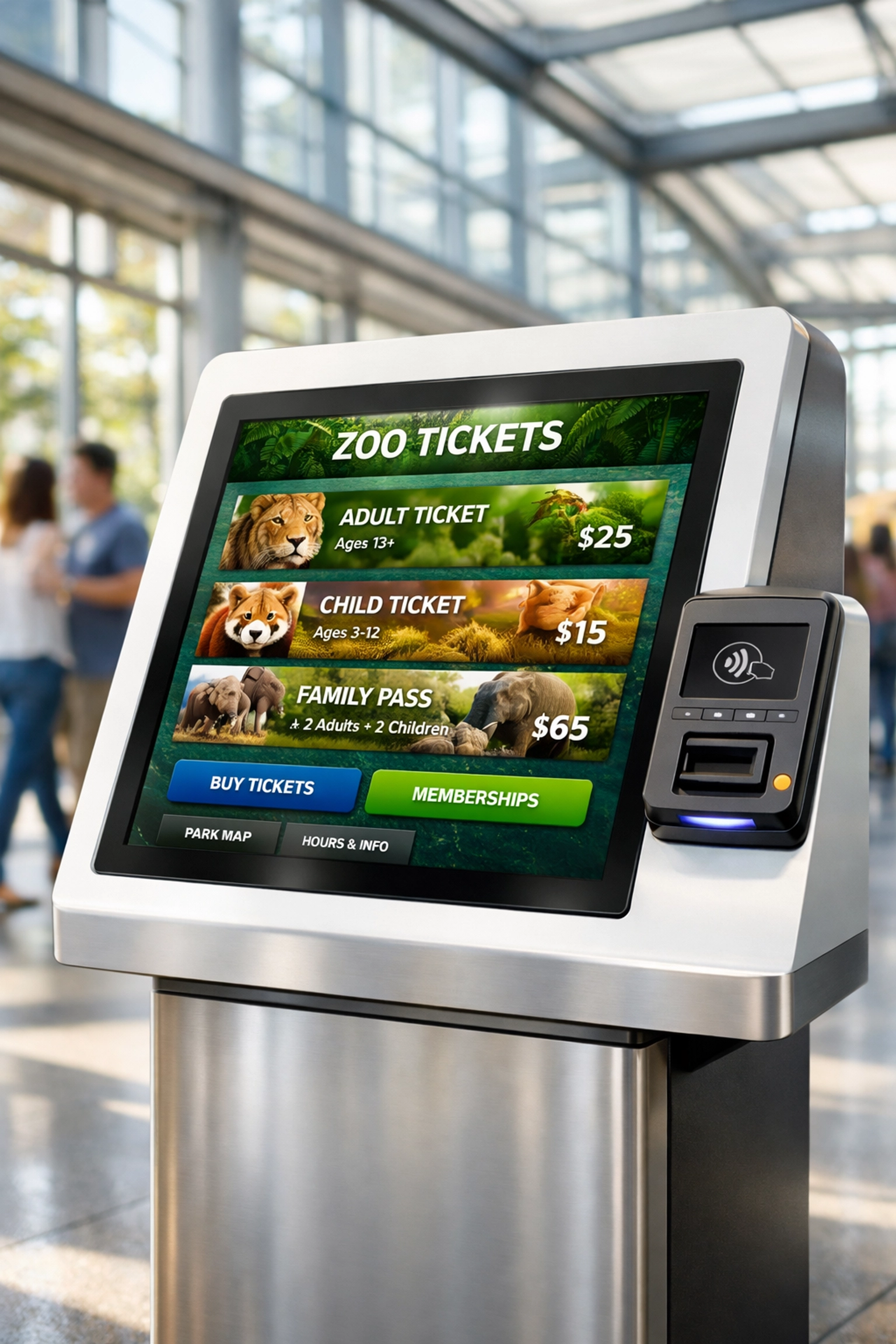
Look for ticketing systems that offer:
- Real-time inventory management for timed-entry tickets
- Dynamic pricing capabilities based on demand
- Integration with CRM platforms for personalized marketing
- Mobile-first purchasing experiences
- Contactless payment options including digital wallets
The data generated by your ticketing system becomes invaluable for capacity planning, staffing optimization, and targeted promotional campaigns. But this only works if your ticketing platform communicates with other systems: which brings us to the importance of interoperability in website development and backend infrastructure.
Don't underestimate payment consolidation. Many zoos operate multiple point-of-sale systems that don't communicate with each other. Guests expect seamless experiences where they can charge everything to a single account or payment method. Fragmented systems create friction that reduces secondary spending and complicates financial reporting.
Step 3: Build a Unified Mobile App as Your Central Guest Hub
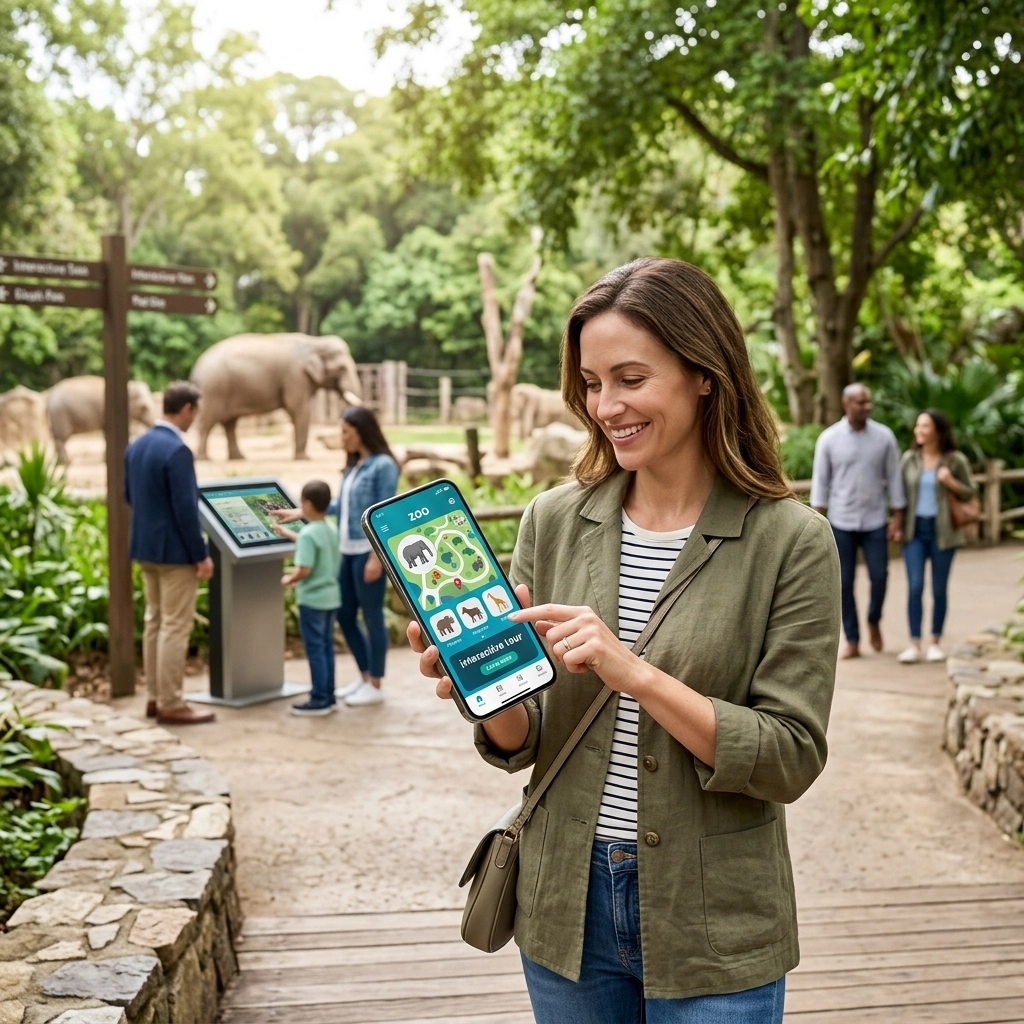
A comprehensive mobile application connects the entire visitor journey across three critical phases: pre-visit planning, on-site navigation and engagement, and post-visit relationship building.
Your app should function as a digital concierge that enhances every moment of the guest experience. Essential features include:
Pre-Visit Capabilities:
- Ticket purchasing and digital wallet integration
- Personalized itinerary planning based on interests and group composition
- Exhibit schedules and special event information
- Parking and accessibility information
On-Site Experience:
- Interactive wayfinding with GPS-enabled maps
- Real-time animal tracking and feeding schedules
- Educational content triggered by location (AR-enhanced exhibits)
- Mobile food ordering and queue management
- Point-of-interest information with multimedia content
Post-Visit Engagement:
- Photo galleries and souvenir purchases
- Conservation impact updates
- Membership renewals and donation opportunities
- Surveys and feedback collection
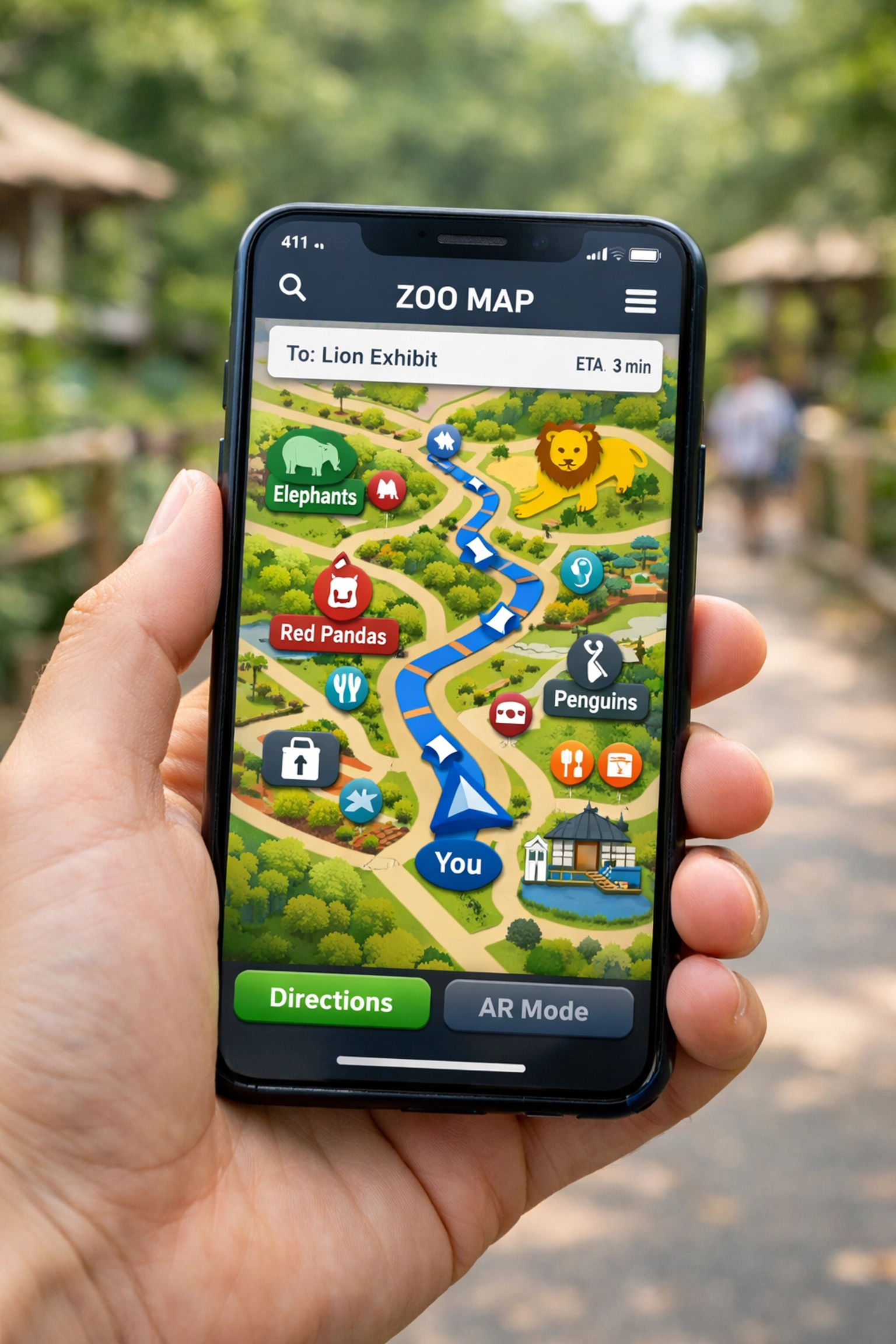
Northumberland Zoo leverages location-based notifications to deliver personalized experiences. When visitors dwell at specific exhibits, they receive tailored content: educational videos about that species, behind-the-scenes keeper talks, or exclusive photo opportunities. This contextual engagement deepens learning while creating memorable moments that guests share on social media.
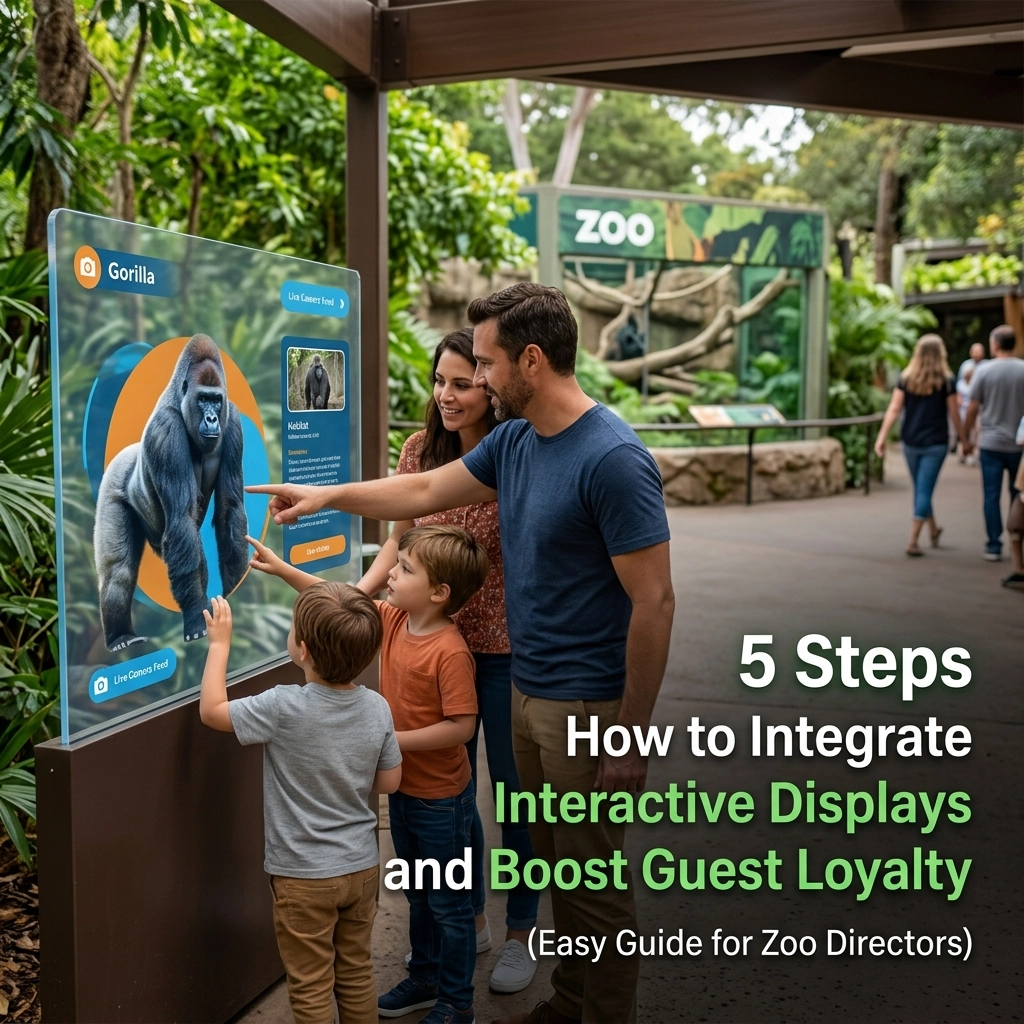
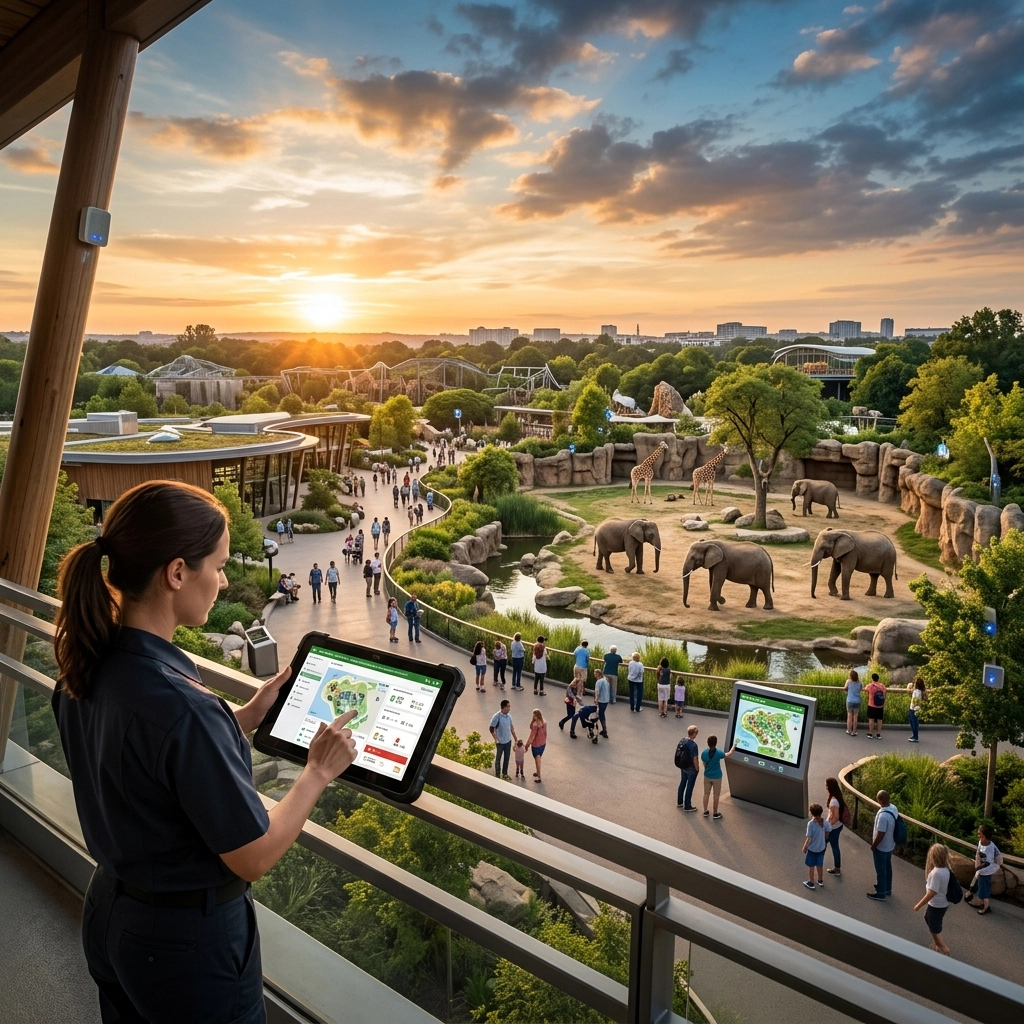
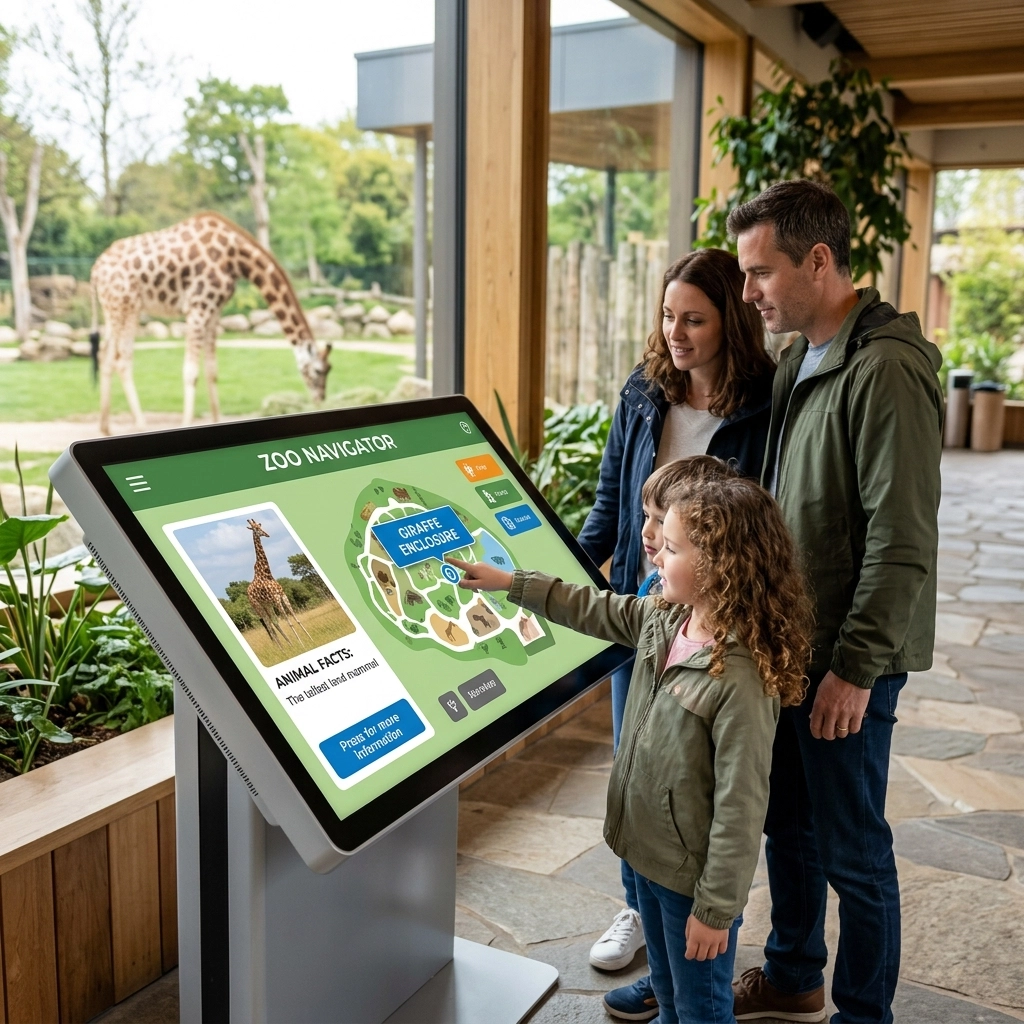
The most successful zoo apps integrate with IoT sensors and smart signage throughout the venue. Digital wayfinding kiosks, interactive displays at exhibits, and smart restroom monitors all feed information to the central app, creating a connected ecosystem that responds to real-time conditions.
Step 4: Consolidate Data Systems and Enable Personalization
Guest data scattered across disconnected systems is useless. The transformative power of smart venues comes from aligning data across all touchpoints to create a 360-degree view of visitor behavior and preferences.
Data consolidation enables sophisticated personalization that drives both satisfaction and revenue. When your ticketing system, mobile app, point-of-sale terminals, and web analytics all feed into a unified data warehouse, you can:
- Segment audiences based on visit frequency, interests, and spending patterns
- Deliver targeted marketing campaigns via email, push notifications, and social media
- Provide personalized recommendations for exhibits, dining, and retail
- Optimize staffing based on predicted attendance and traffic patterns
- Identify high-demand areas requiring capacity expansion or enhanced offerings
Northumberland Zoo's integrated approach has yielded impressive results. By analyzing real-time data, they send personalized promotions: reduced-price food alerts during slow café periods, customized retailer vouchers based on past purchases: that have measurably increased secondary spending.
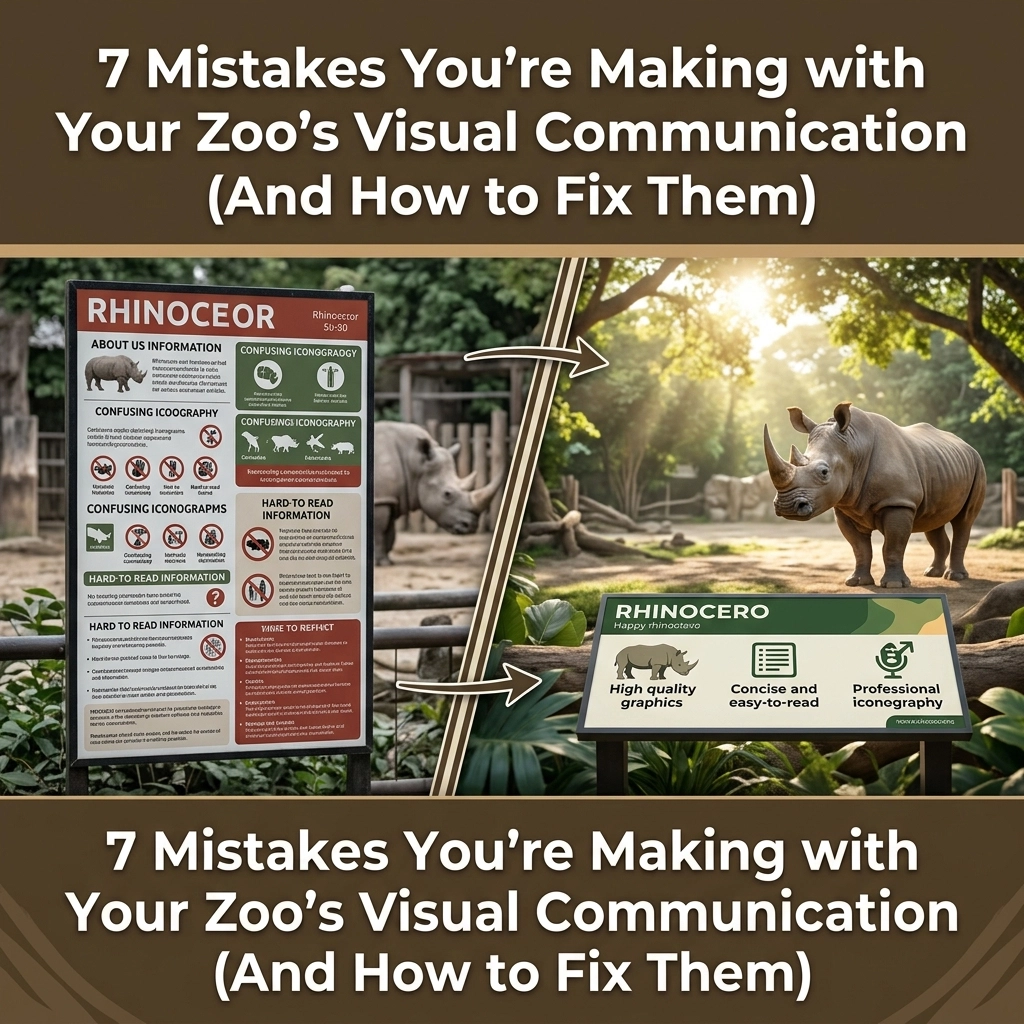
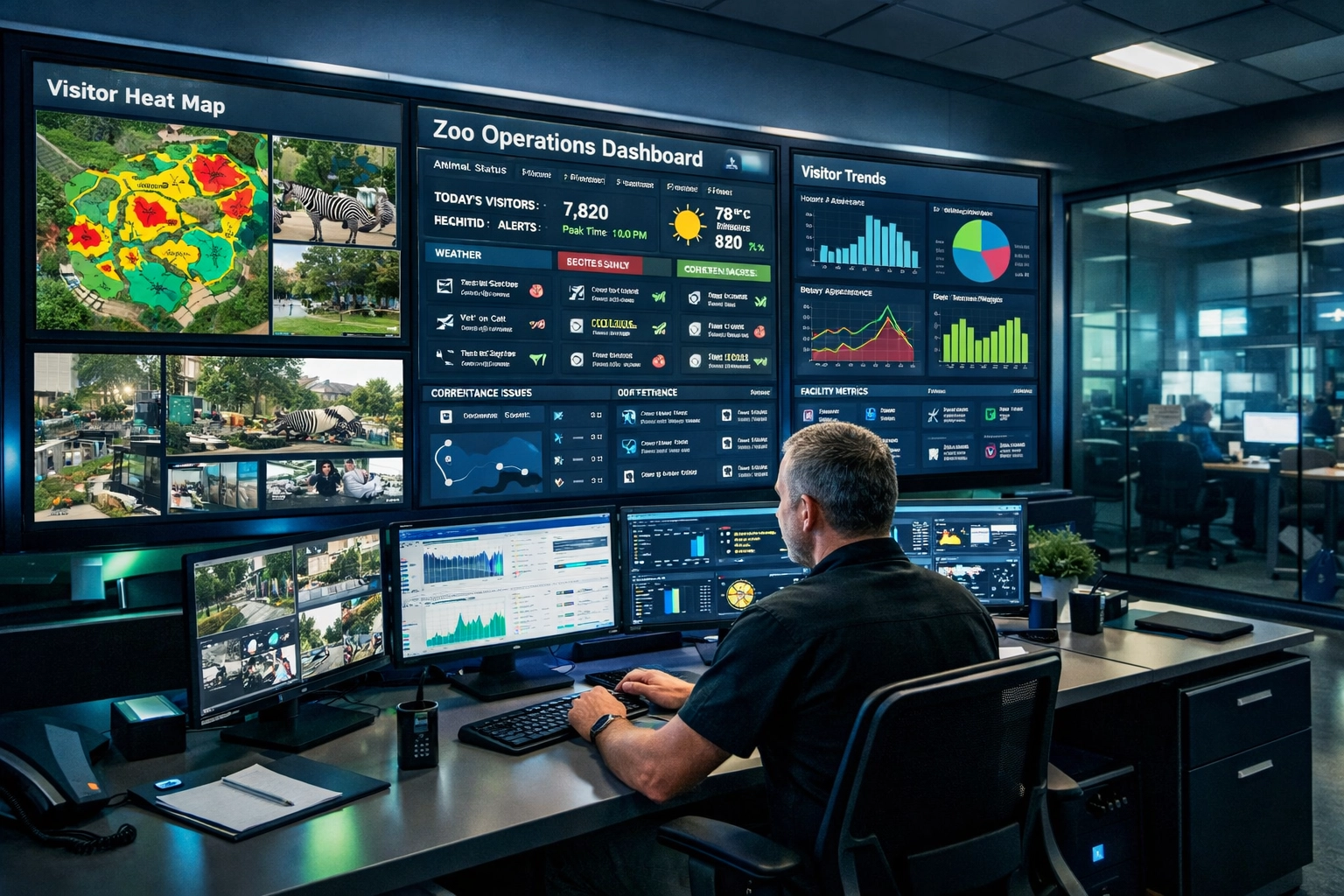
Visual communication plays a crucial role in data-driven personalization. Smart digital signage can display different content based on current crowd levels, weather conditions, or special events. Interactive kiosks can adapt their interface based on guest demographics or accessibility needs.
Your data strategy should also address sustainability and operational efficiency. Smart sensors can monitor food waste in dining areas, track energy consumption across facilities, and optimize HVAC systems based on occupancy patterns. This isn't just good for your bottom line: it demonstrates environmental stewardship that resonates with conservation-minded visitors.
Privacy and security must be foundational considerations. Implement transparent data collection practices, provide clear opt-in mechanisms, and ensure compliance with regulations like GDPR and CCPA. Guests are willing to share data when they understand how it enhances their experience and supports your mission.
Step 5: Define and Track Success Metrics
You can't improve what you don't measure. Establish clear KPIs that evaluate your transformation's impact across multiple dimensions: financial performance, operational efficiency, guest satisfaction, and mission advancement.
Chester Zoo tracks a balanced scorecard including:
- Revenue growth across all channels
- Profit margins by business unit
- Cost reduction from efficiency gains
- Customer satisfaction scores (CSAT)
- Employee engagement metrics
Technology-specific metrics provide insight into digital adoption and effectiveness:
- Mobile app download and retention rates
- Active user percentages
- Feature utilization statistics
- Average session duration
- Conversion rates from app browsing to purchasing
Monitor how digital tools impact your conservation and education missions. Track engagement with educational content, participation in conservation programs, and amplification of messaging through social sharing. These mission-aligned metrics demonstrate ROI beyond pure financial returns.
Don't forget operational improvements. Measure reductions in queue times, improvements in staff productivity, decreases in resource waste, and optimization of asset utilization. Northumberland Zoo's smart alerts about food waste have reduced costs while supporting sustainability goals: a win across multiple priorities.
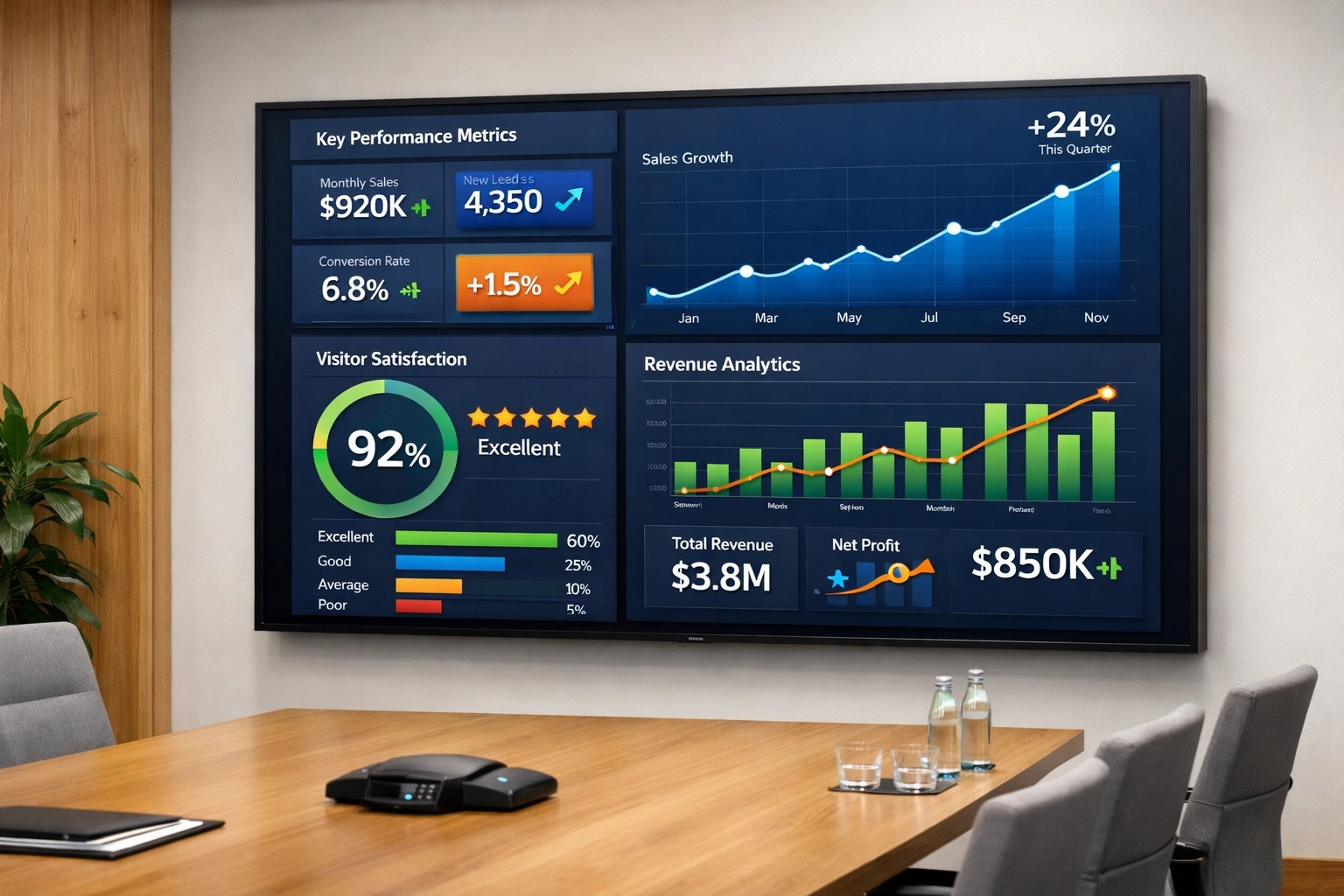
Regular reporting to stakeholders keeps momentum strong and justifies continued investment. Create dashboards that visualize progress against goals, making successes visible and identifying areas needing adjustment.
Moving Forward: Your Smart Venue Journey Starts Now
Transforming your zoo or aquarium into a smart venue isn't a one-time project: it's an ongoing commitment to leveraging digital marketing, website development, and visual communication technologies to serve guests and advance your mission.
The institutions leading this transformation share common characteristics: clear strategic vision, commitment to integrated systems over point solutions, focus on data-driven decision-making, and willingness to invest in guest-centric technology.
Start with an honest assessment of your current capabilities and biggest opportunities. Engage stakeholders across departments: operations, education, conservation, marketing, and IT: to build consensus around priorities. Then methodically implement solutions that deliver quick wins while building toward your long-term vision.
The future of zoos and aquariums is undeniably digital. Visitors expect seamless, personalized experiences powered by technology. Conservation efforts increasingly depend on data insights and digital storytelling. Operational excellence requires smart systems that optimize resources and enable agile decision-making.
Your transformation journey begins with a single step. Which of these five steps represents your greatest opportunity for impact? Start there, measure results, and build momentum toward becoming the smart venue your guests, animals, and mission deserve.
Ready to explore how technology can transform your venue? Visit Zoo Media to discover innovative solutions for zoos and aquariums.
For more information about digital transformation strategies for zoos and aquariums, contact Dan Kost, CEO of Zoo Media. Connect with our AI Receptionist at +1 (323) 676-0621 or visit www.dakdan.com to learn how our integrated approach to digital marketing, visual communication, and smart venue technologies can elevate your institution.
#DigitalMarketing #SmartVenues #ZooTechnology #Innovation #AdvertisingAndMarketing #VisualCommunication #Strategy #WebsiteDevelopment #IoT #GuestExperience