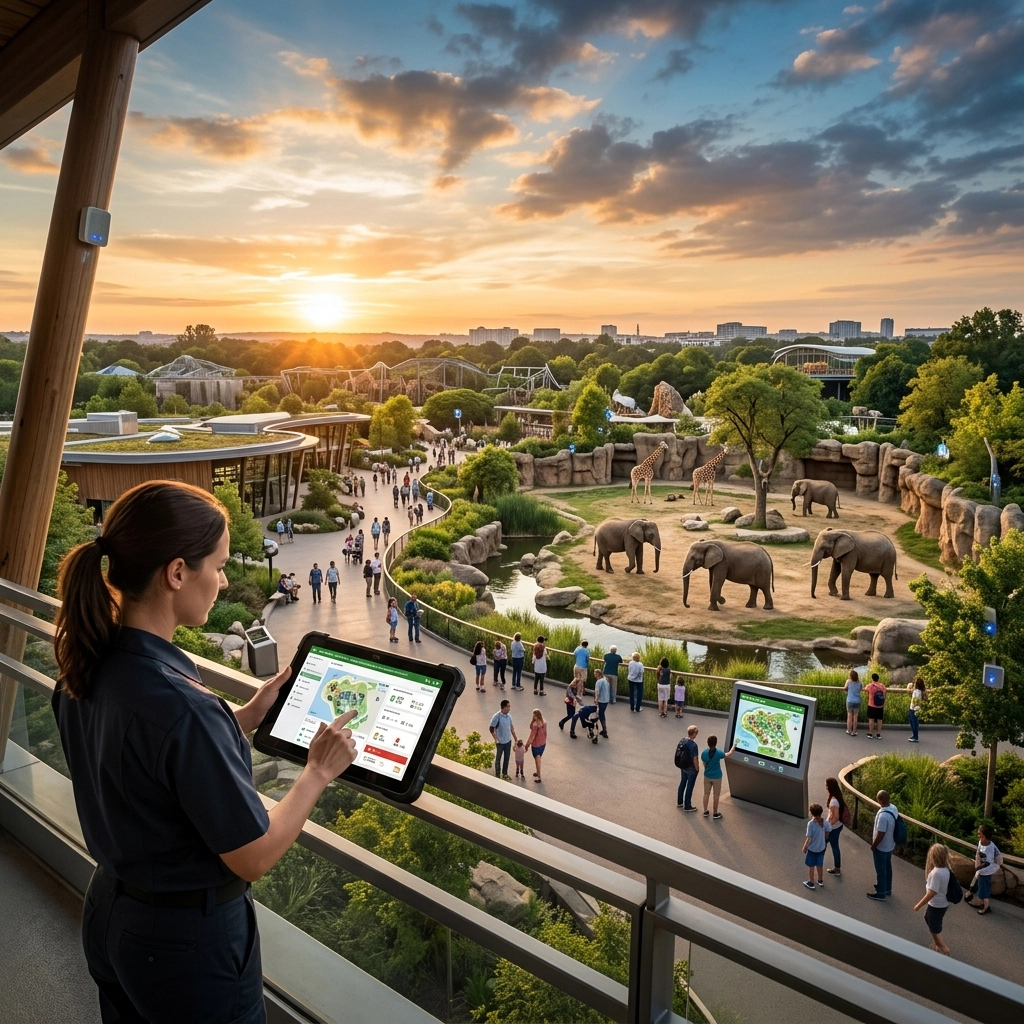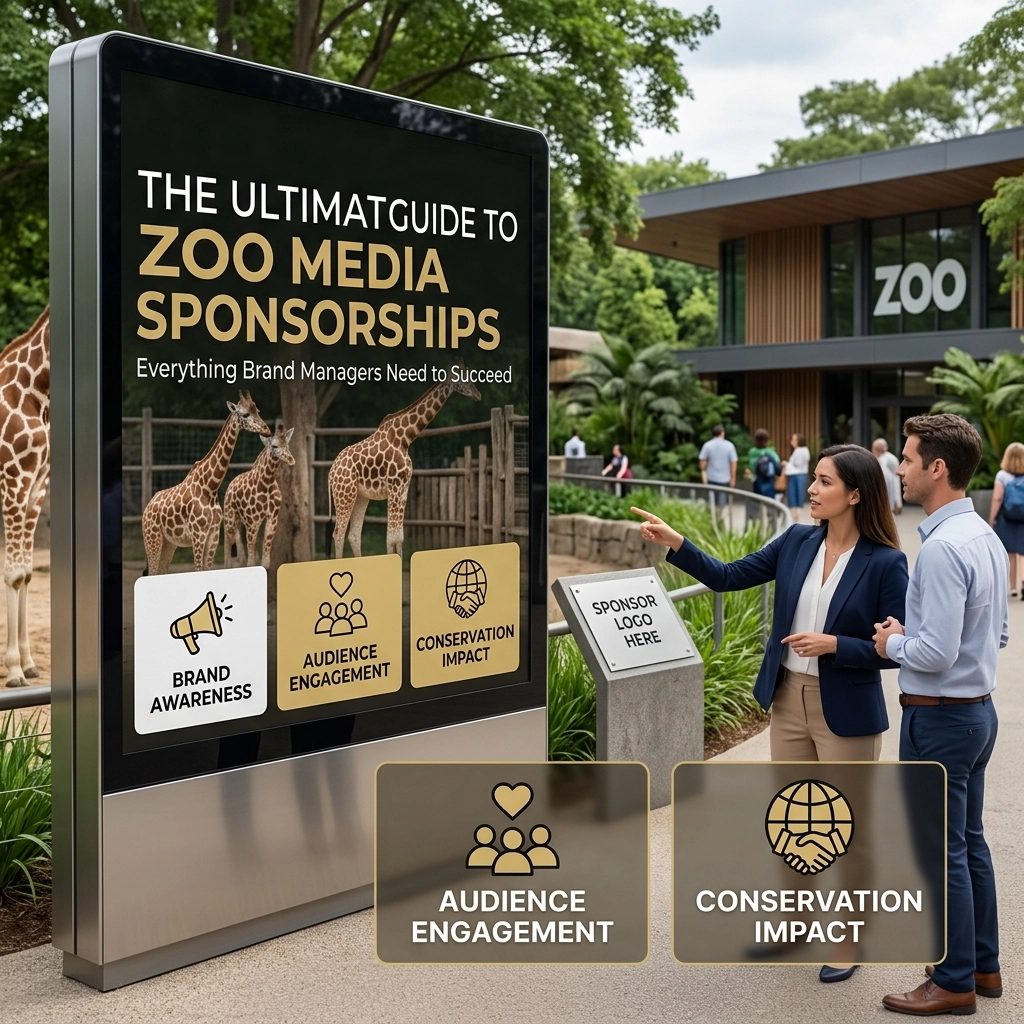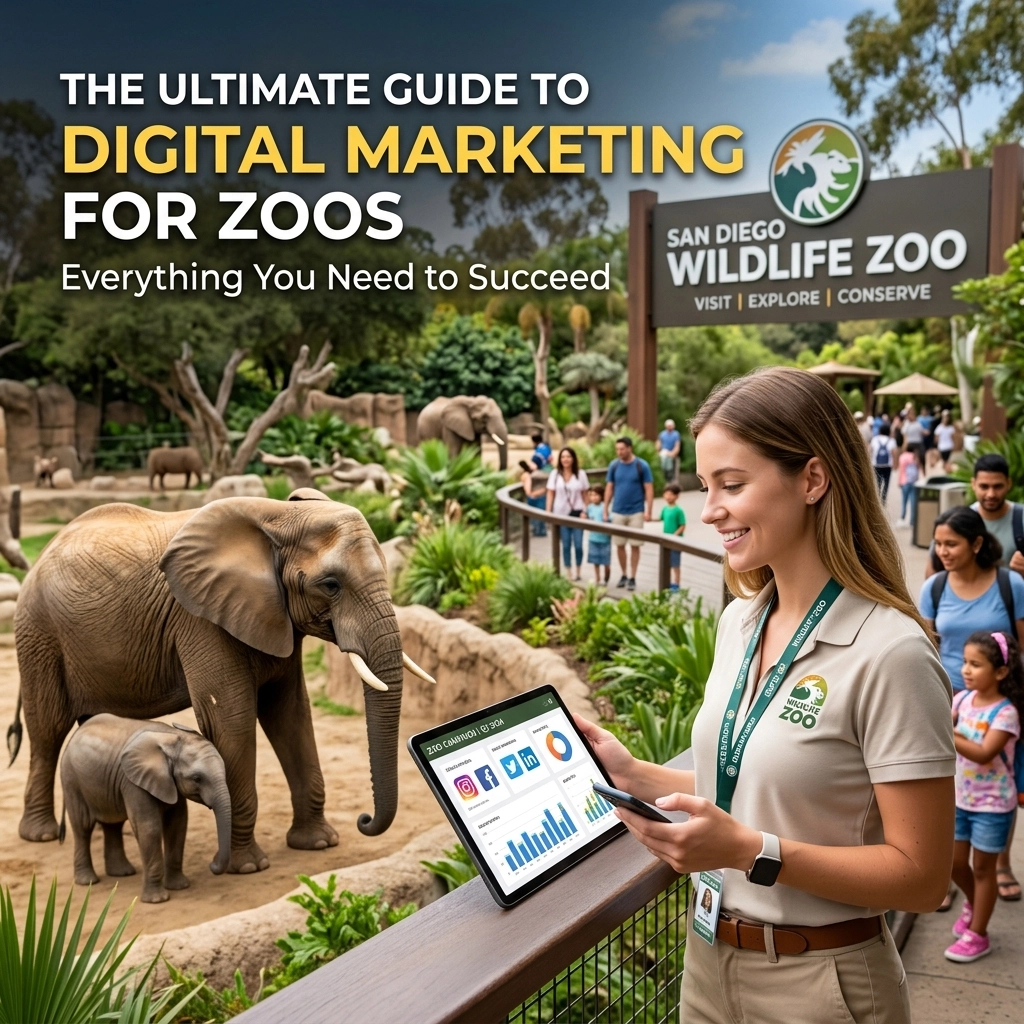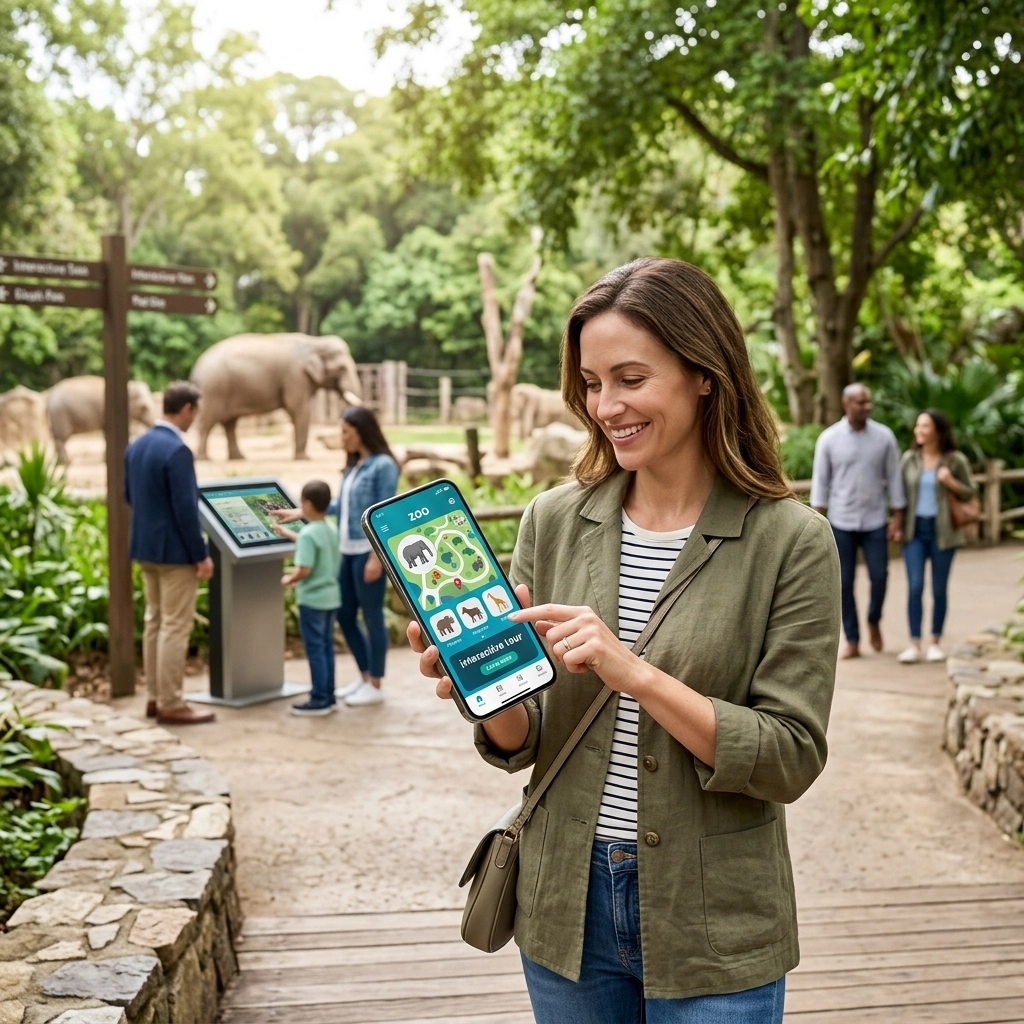
In the world of modern attractions, the line between "just a visit" and "a memorable experience" is getting thinner every day. For years, zoos and aquariums relied on the natural beauty of their inhabitants and static information boards to educate the public. It worked: until it didn’t. Today, the modern visitor carries a supercomputer in their pocket and expects an experience that is as interactive as their favorite app.
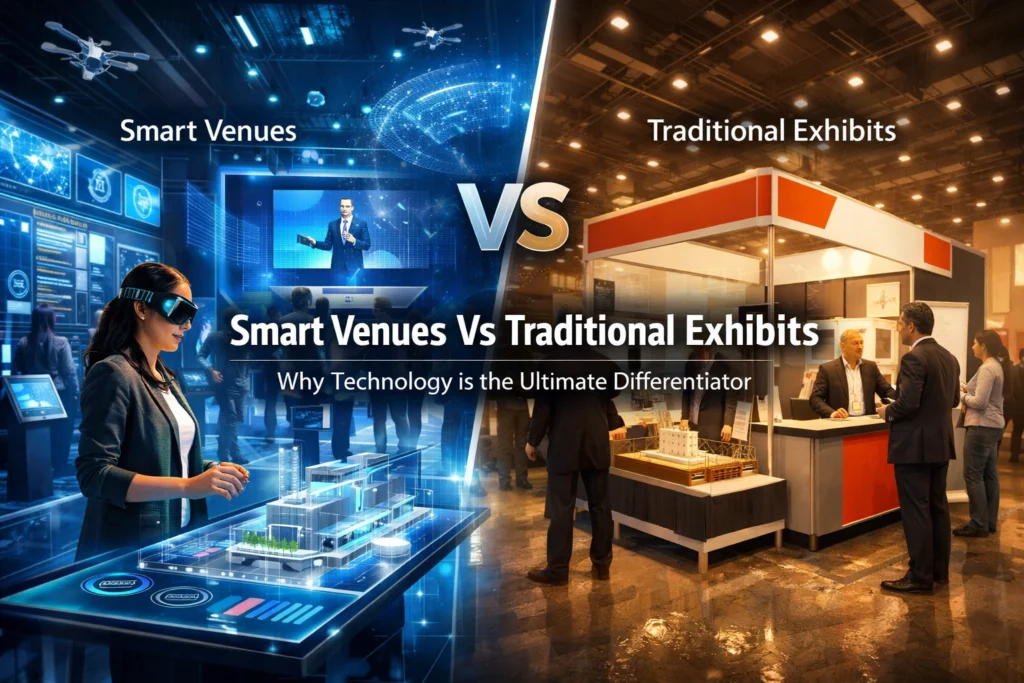
At Zoo Media, we’ve seen the shift firsthand. The transition from traditional exhibits to "Smart Venues" isn't just a trend; it's an evolution of how we communicate conservation, education, and entertainment. Whether you are a Zoo Director looking to boost foot traffic or a tech partner aiming for the next big integration, understanding why technology is the ultimate differentiator is key to staying relevant in 2026.
What is a Smart Venue? (AEO Snippet)
A Smart Venue is an interactive environment that utilizes a network of integrated technologies: such as IoT (Internet of Things), smart signage, augmented reality (AR), and data analytics: to enhance the visitor experience, personalize educational content, and optimize operational efficiency. Unlike traditional exhibits, smart venues offer two-way communication between the visitor and the facility.
The Limitations of the Traditional Exhibit
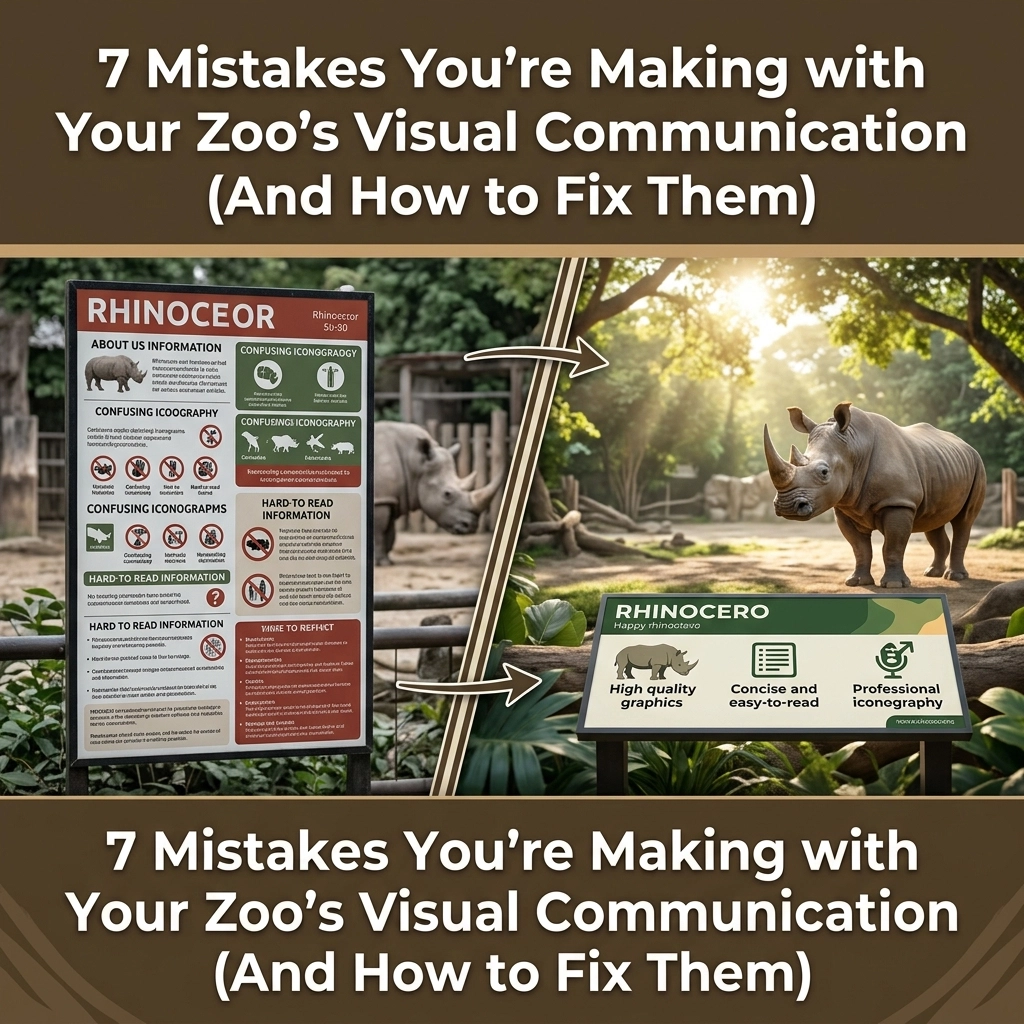
We’ve all seen it: a beautiful enclosure, a rare animal, and a small, fading plastic plaque explaining the species. While the intent is educational, the delivery is often passive. Traditional exhibits are "one-way" conversations. The information is static, it doesn't change based on who is reading it, and it provides zero feedback to the venue about how much time people actually spend learning.
In the fast-paced world of digital marketing, standing still is the same as moving backward. When visitors feel like "bystanders" rather than "participants," their emotional connection to the mission: whether it’s wildlife conservation or marine biology: weakens.

The Rise of the Smart Venue: Engagement Reimagined
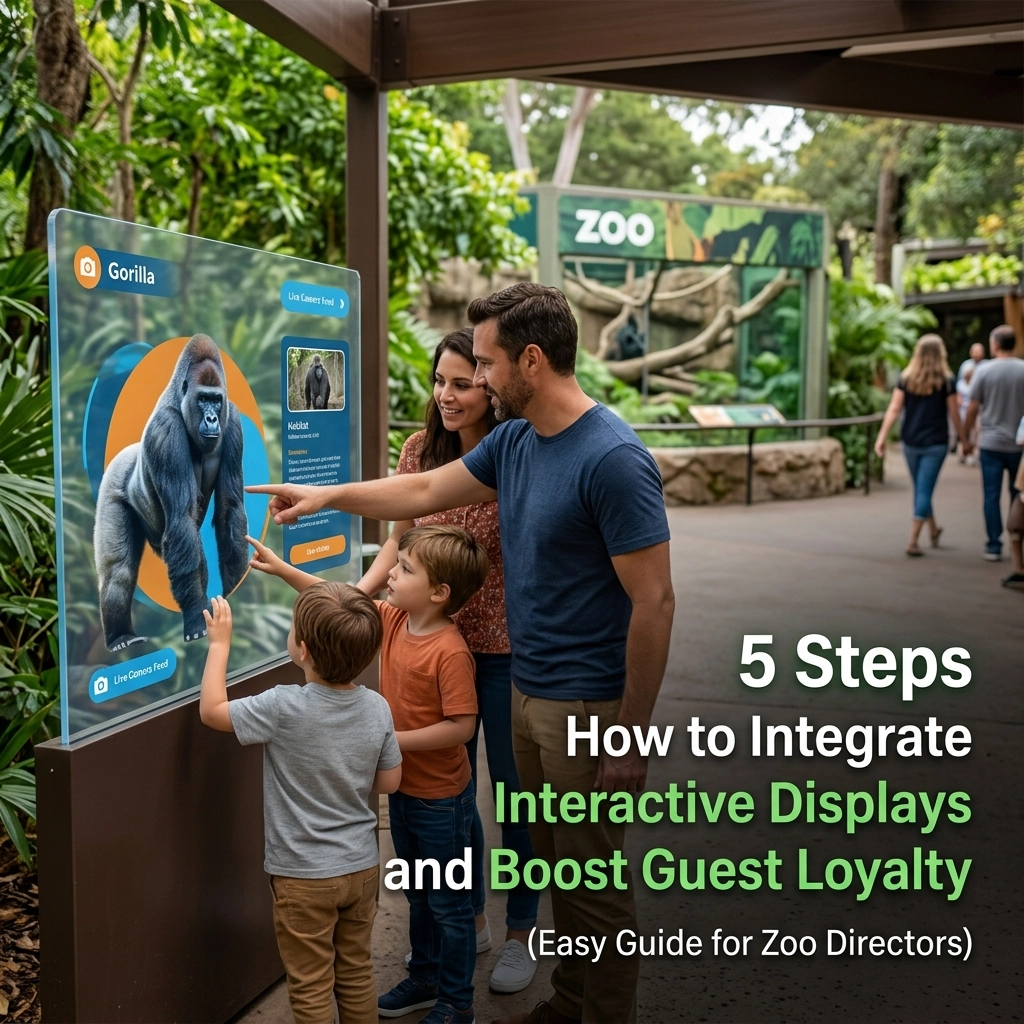
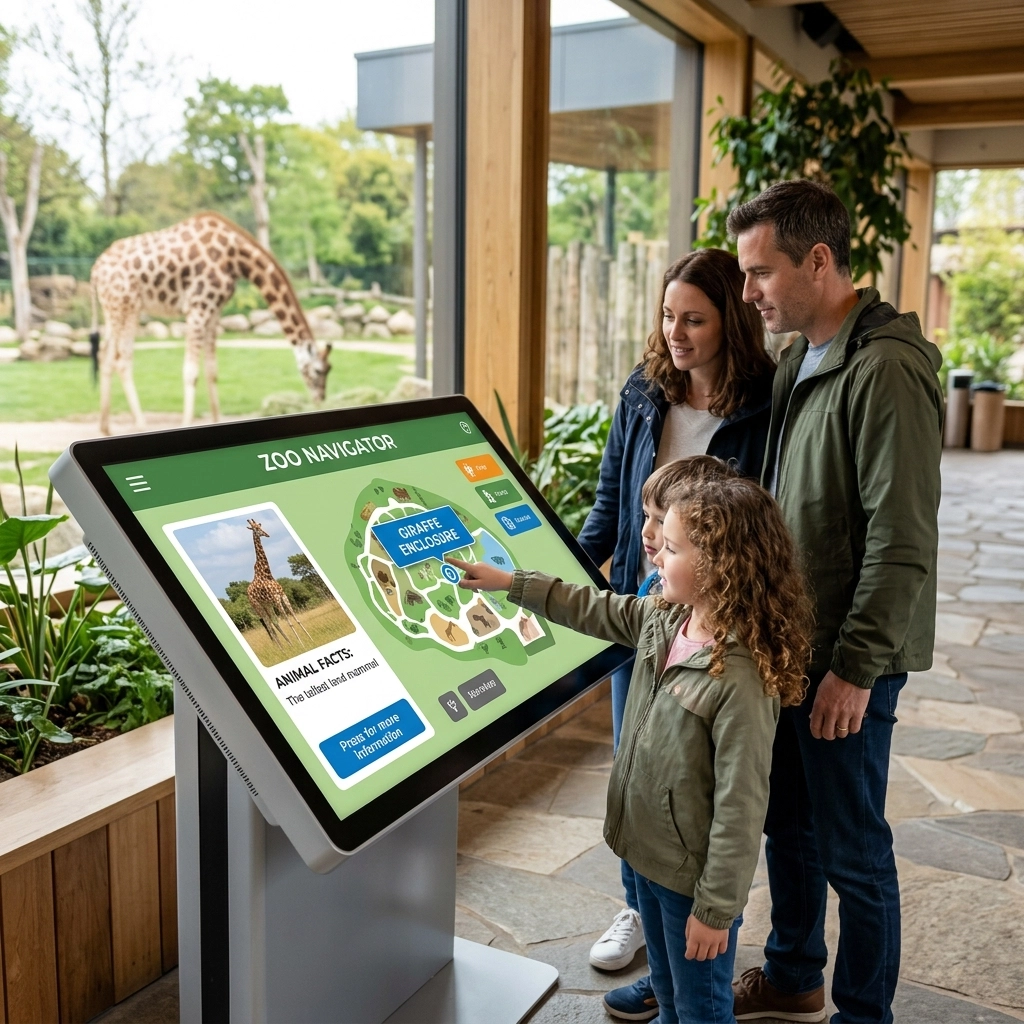
When we talk about Smart Venues, we are talking about a "Multisensory Immersion" experience. Imagine a visitor walking up to a penguin exhibit. Instead of a wooden sign, they encounter a high-definition smart signage display that changes content based on the time of day or the specific animal’s behavior.
Through IoT sensors, the display could show real-time data about the water temperature or the penguin's last feeding time. This level of transparency and real-time interaction builds trust and fascination. They aren't just looking at a penguin; they are learning about that specific penguin's life.
Why Technology Wins the Experience War:
- Active Participation: Visitors can use their smartphones or interactive kiosks to "manipulate" virtual representations of artifacts or animals. This transforms a static viewing into a dynamic exploration.
- Personalized Learning: No two visitors are the same. A 6-year-old child and a university biology student shouldn't be reading the same plaque. Smart venues use website development techniques and mobile apps to serve content that matches the user's level of expertise and interest.
- Extended Reach: The visit doesn't end when the guest leaves. Digital tools allow zoos to stay in touch through post-visit content, virtual reality "revisits," and updates on the animals they saw.
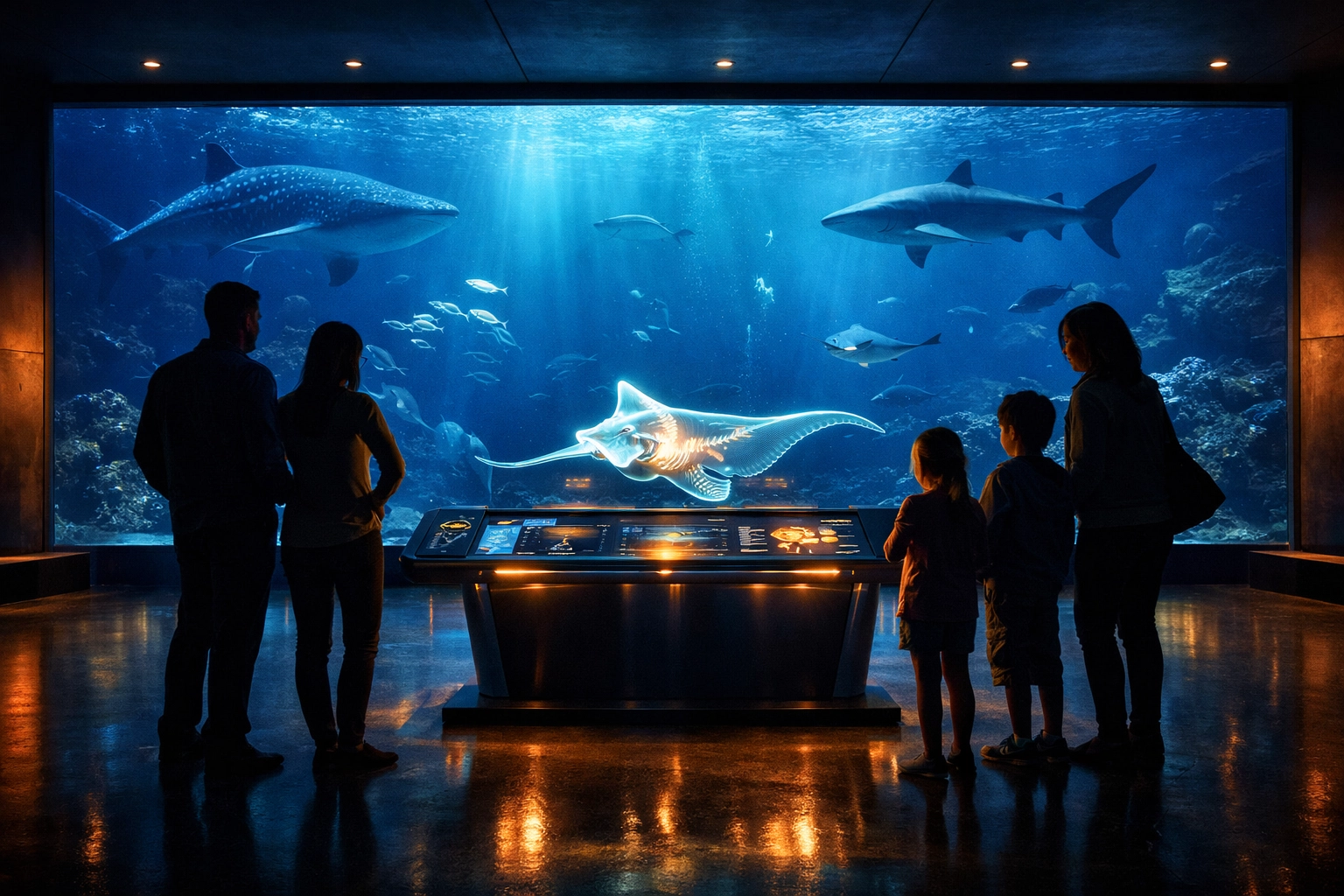
IoT and Smart Signage: The Backbone of Innovation
At Zoo Media, we emphasize that the "Smart" in Smart Venue comes from connectivity. IoT (Internet of Things) allows different parts of your facility to talk to each other.
For instance, smart signage isn't just about showing a video loop. It’s about visual communication. Integrated signage can help with crowd control by redirecting traffic to less crowded areas of the park in real-time. It can offer "limited-time" promotions to nearby cafes to boost revenue during off-peak hours. It’s a tool for both education and business strategy.
If you’re looking to upgrade your facility’s digital footprint, exploring how these systems integrate is vital. You might even find inspiration in how other high-engagement industries use technology to keep users coming back. For example, some venues have experimented with gamification: much like how people "try their luck" and scopri la tua fortuna in digital environments: to make learning more addictive and rewarding.
Operational Efficiency: More Than Just "Cool Tech"
For directors and stakeholders, the decision to go "Smart" isn't just about the "wow" factor; it's about the bottom line.
- Content Agility: In the past, changing an exhibit meant physical construction and new printing. With digital displays and AI-driven content tools, you can update your entire park's messaging in minutes. This allows for rapid responses to news, conservation breakthroughs, or even weather changes.
- Data-Driven Decisions: Traditional exhibits are a black box. You don't know which signs are read or which animals are the most popular. Smart venues provide heat maps and engagement metrics. You can see exactly where people stop, how long they stay, and what interactive elements they click on.
- Revenue Streams: Integrated tech allows for seamless fundraising opportunities. A "Tap to Donate" sensor next to a high-engagement interactive display can see much higher conversion rates than a donation box at the exit.

Bridging the Gap with Zoo Media
Transitioning from a traditional mindset to a tech-forward one can feel overwhelming. That’s where we come in. Dan Kost, CEO of Zoo Media, has always championed the idea that technology should serve the story, not distract from it. Whether it's through our Zoo Media Television Network or our travel and fundraising divisions, we focus on creating a cohesive brand identity that resonates.
We believe that "they’re tutti piuttosto rari": every zoo and aquarium has a unique story that deserves a unique digital stage. Our approach to visual communication ensures that your message isn't just seen, it's felt.
Practical Steps to Get Started:
- Audit Your Signage: Identify which areas have the lowest engagement and target them for a smart signage upgrade.
- Enhance Connectivity: Ensure your facility has the Wi-Fi infrastructure to support IoT and mobile app integration.
- Focus on Gamification: Create "quests" or digital badges for visitors who interact with multiple exhibits. This keeps them moving through the park and increases their dwell time.
Conclusion: Don't Leave Your Success to Chance
In the competitive world of modern entertainment, you can’t just hope people will visit. You have to give them a reason they can’t find anywhere else. Smart venues offer a level of "multisensory immersion" and "emotional penetration" that traditional exhibits simply cannot match. It is the difference between reading a book and being part of the story.
Are you ready to transform your venue into a smart, interactive masterpiece? Let’s talk about how Zoo Media can help you lead the way in advertising and marketing for the next generation of animal lovers.
Try your luck at transforming your venue today! Whether you're looking to "vincere il premio più grande" in visitor satisfaction or simply looking to update your website development strategy, we have the tools to make it happen.
Contact Information
For more information on how to revolutionize your zoo or aquarium, reach out to us:
- CEO: Dan Kost
- Website: www.zoomedia.us
- AI Receptionist: +1 (323) 676-0621
- Corporate Site: www.dakdan.com
Follow our journey across our networks:
#Motivation #Branding #Strategy #Marketing #AdvertisingAndMarketing #digitalmarketing #Innovation #Sports #ZooMedia #IoT #SmartSignage #VisualCommunication #DanKost #AEO #SEO
About Zoo Media:
Zoo Media is a leader in the advertising and technology space, specifically tailored for zoos and aquariums. We specialize in transforming physical spaces into digital experiences that educate, entertain, and inspire conservation efforts worldwide. Through innovative IoT solutions, smart signage, and strategic marketing, we help our partners stay at the forefront of the industry.