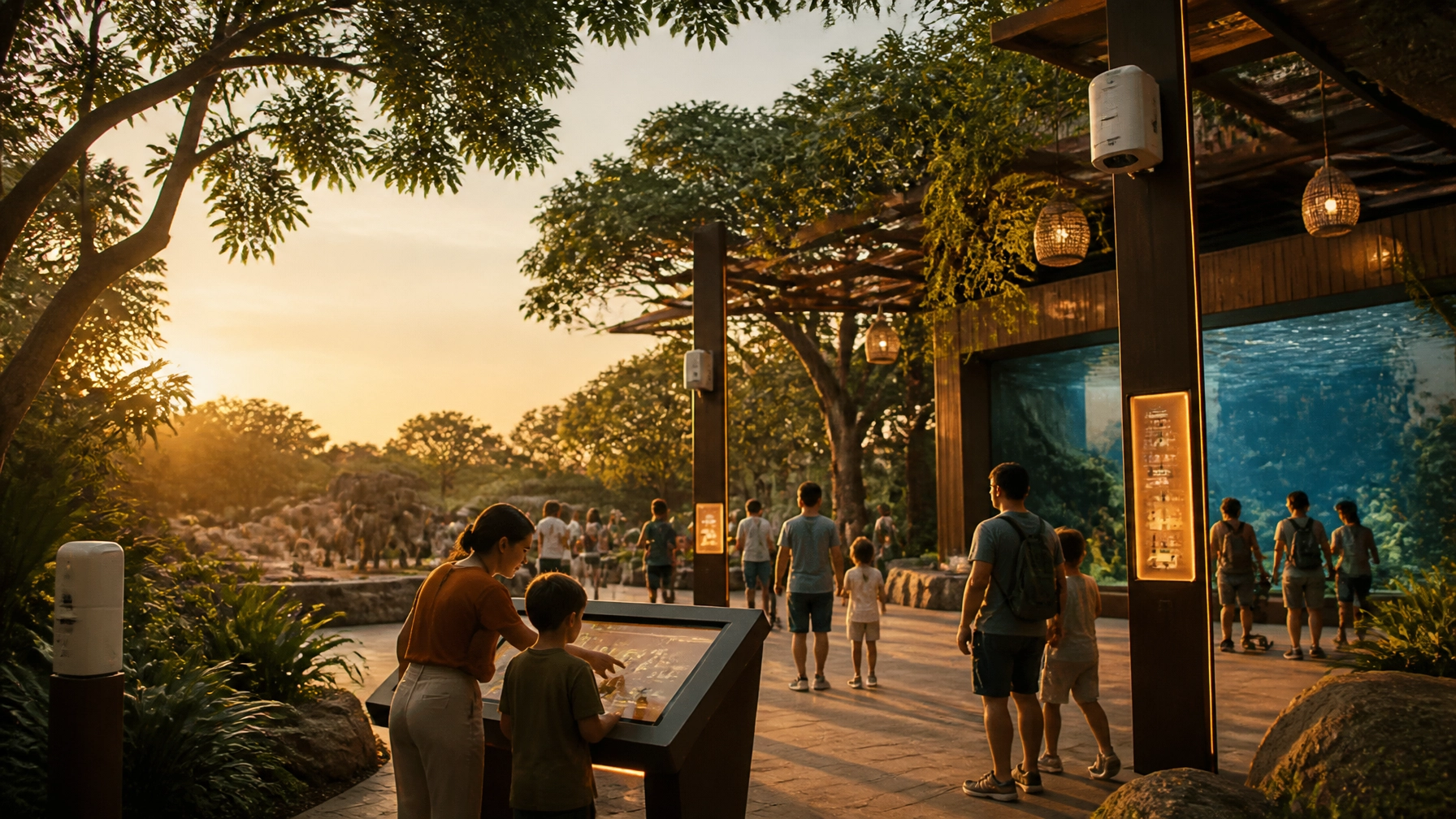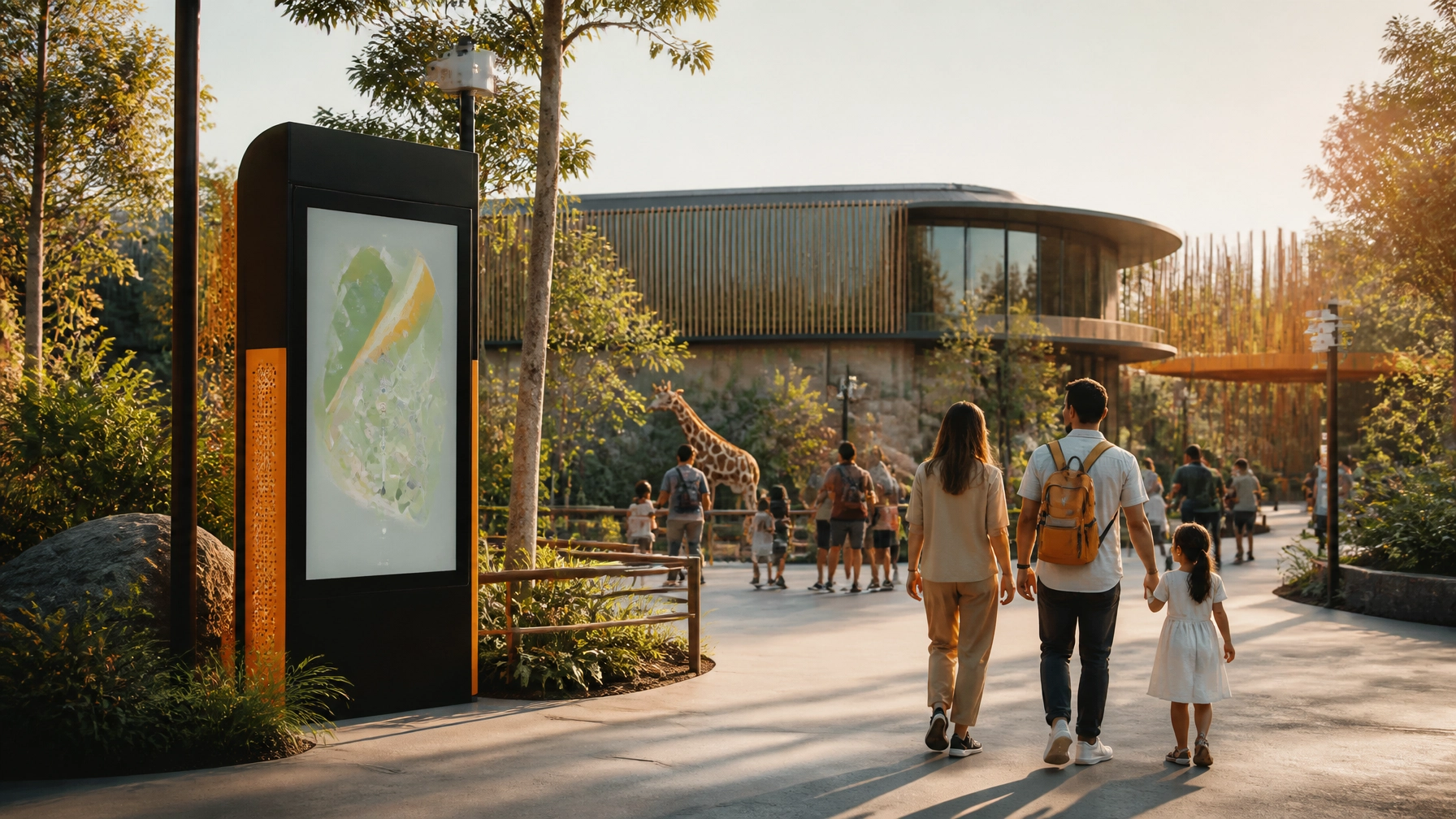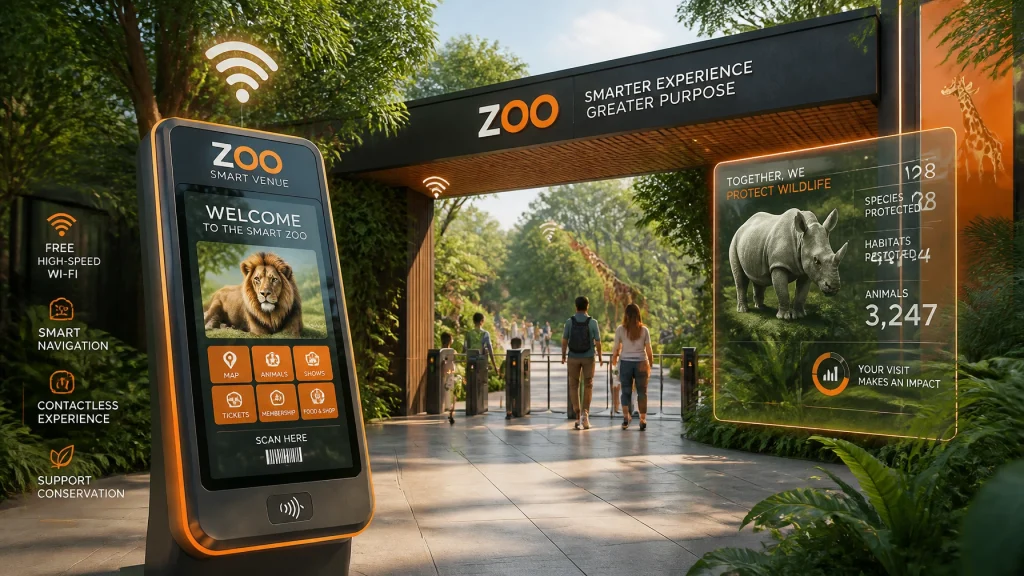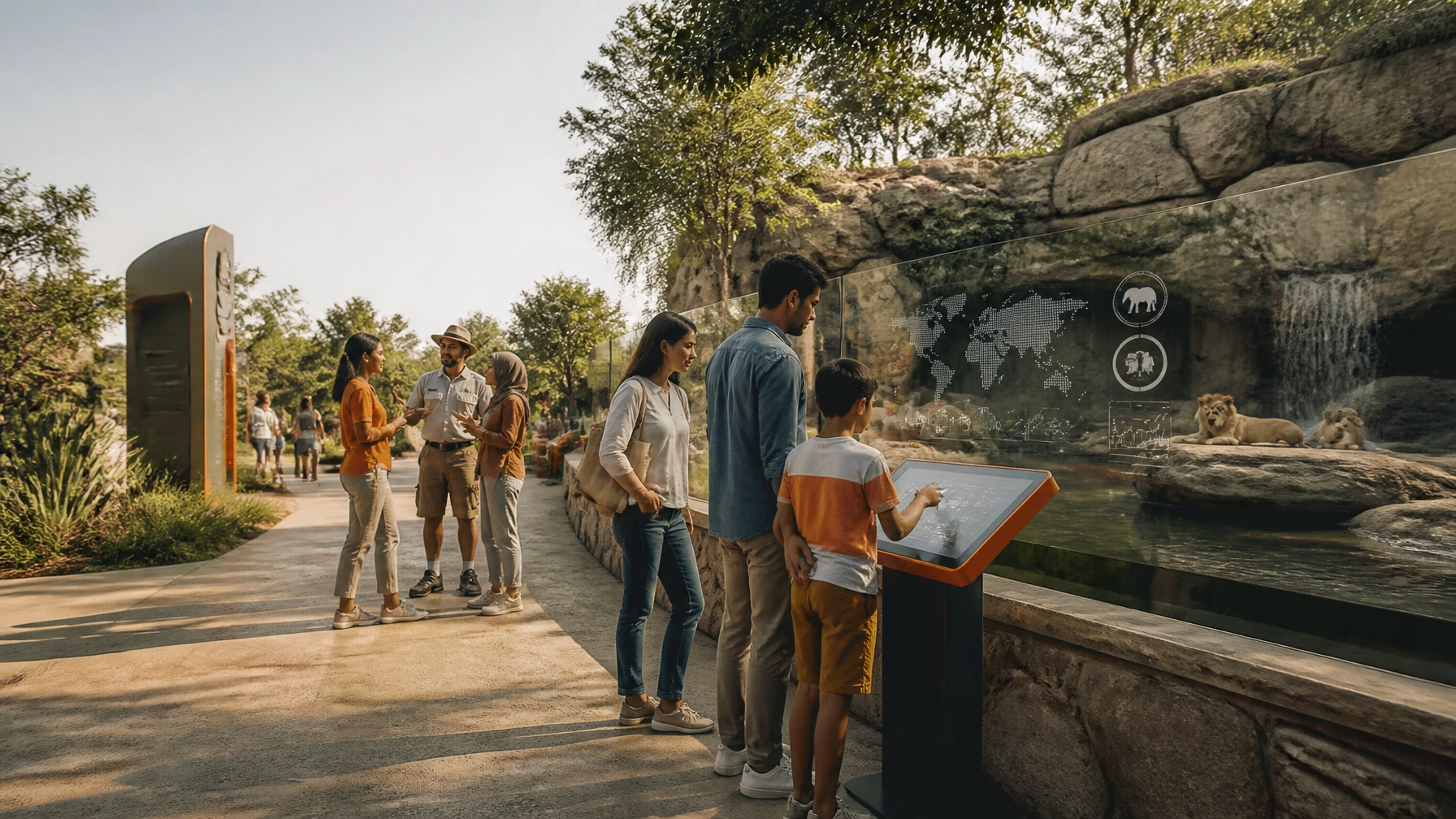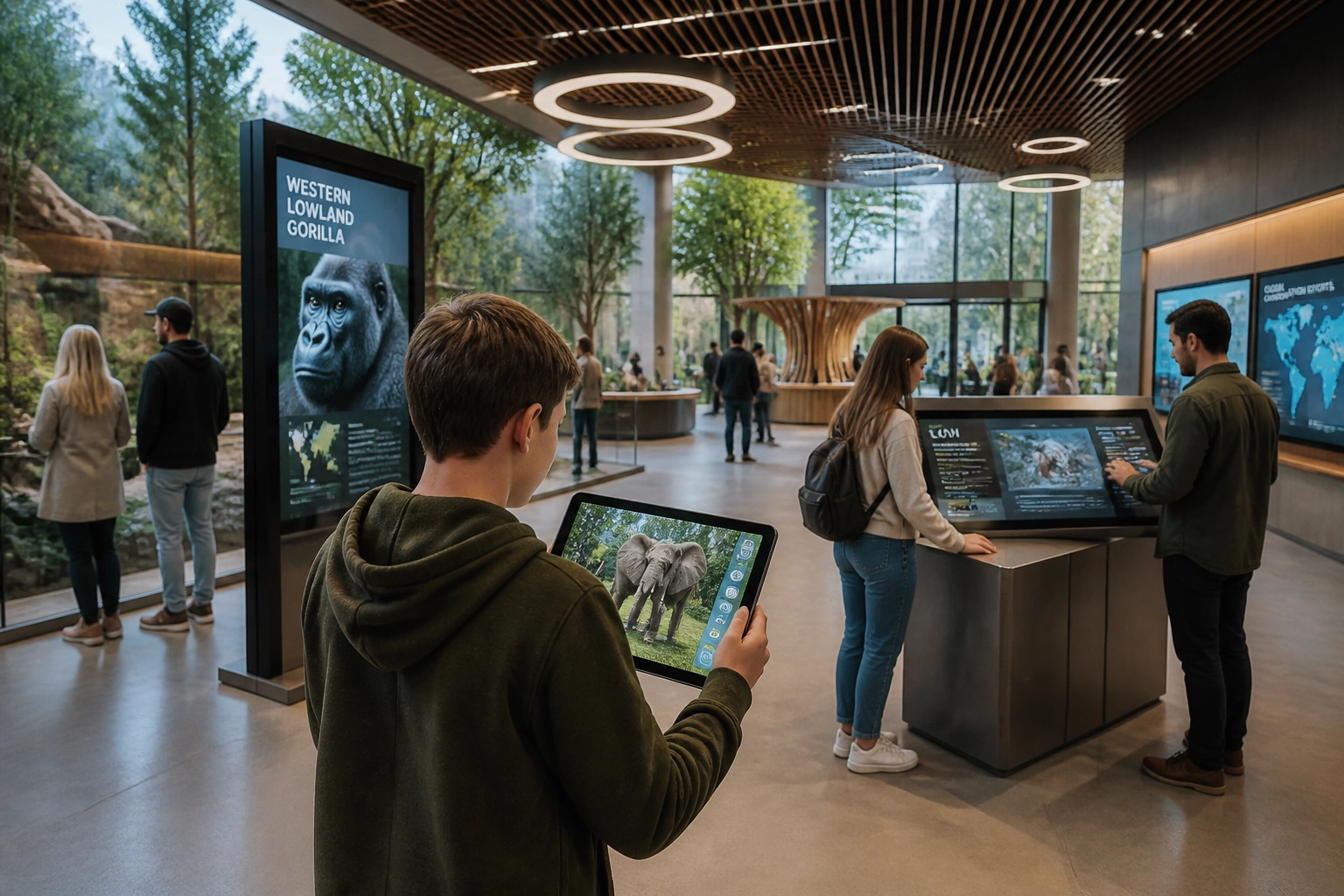

Let’s be honest: it’s a jungle out there. In the world of attractions, the competition for eyeballs: and ticket sales: is fiercer than a hungry lion at feeding time. With approximately 183 million people visiting zoos and aquariums annually in the United States, you might think the audience is just waiting to walk through your gates. But here’s the kicker: they have options. If your zoo looks like a relic from the 1980s or lacks a cohesive visual communication strategy, you’re basically leaving your success to chance.
At Zoo Media, we believe that professional creative services aren't just a "nice-to-have" luxury; they are the backbone of your corporate identity. Whether you are a brand manager or a creative director, your mission is to ensure your facility isn't just another place to see a zebra, but a destination that resonates emotionally.
Don’t Leave Your Brand to Chance
In many ways, marketing a zoo is a bit like high-stakes gaming. You’re betting your budget on campaigns, hoping for a massive payout in foot traffic. But you shouldn't just "spin the wheel" and hope for the best. Just as savvy players look for a slot machine online with a high percentage of winning, savvy marketers look for strategies that offer the best Return on Investment (ROI).
Building a brand is about stacking the deck in your favor. If you want to "win the prize" of visitor loyalty, you need more than just luck. You need a branding agency that understands the unique ecosystem of wildlife conservation and family entertainment.

Defining Your Core Brand Identity
The first step in any creative overhaul is defining who you are. What is your "North Star"? Your mission and values should form the foundation of all creative efforts. If your zoo is focused on rhinoceros conservation, that needs to be front and center. Take Chester Zoo, for instance; their logo is inspired by a rhinoceros horn. It’s simple, iconic, and tells a story instantly.
When developing your visual identity, focus on these core elements:
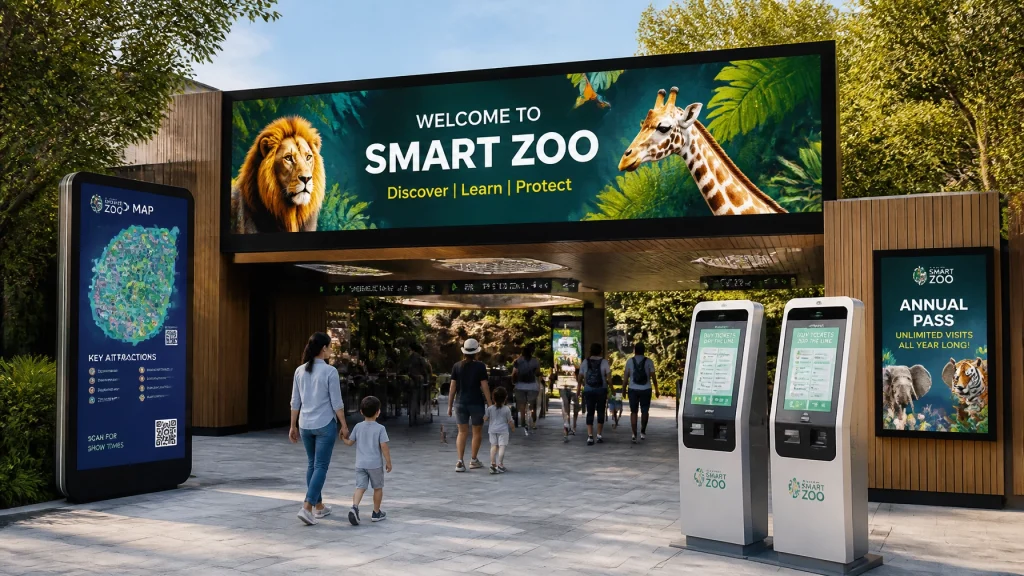
- Logo Design: Your logo is your face. It needs to be recognizable from a mile away and look just as good on a tiny smartphone screen as it does on a massive billboard.
- Color Palette: Nature-inspired colors are a classic choice. Think deep forest greens, earthy browns, and sunset oranges. These colors subconsciously signal "wildlife" and "nature" to the human brain.
- Typography: Don't go too wild with fonts. You need something clean and professional. If a visitor can't read your signage, they’re going to get lost, literally and figuratively.
Crafting a Story That Sticks
People don’t just buy tickets to see animals; they buy tickets to be part of a story. Emotional connection is what drives engagement. Instead of just saying "we have tigers," try telling the story of Mala, the tiger who was rescued from an illegal trade and now thrives in your sanctuary.
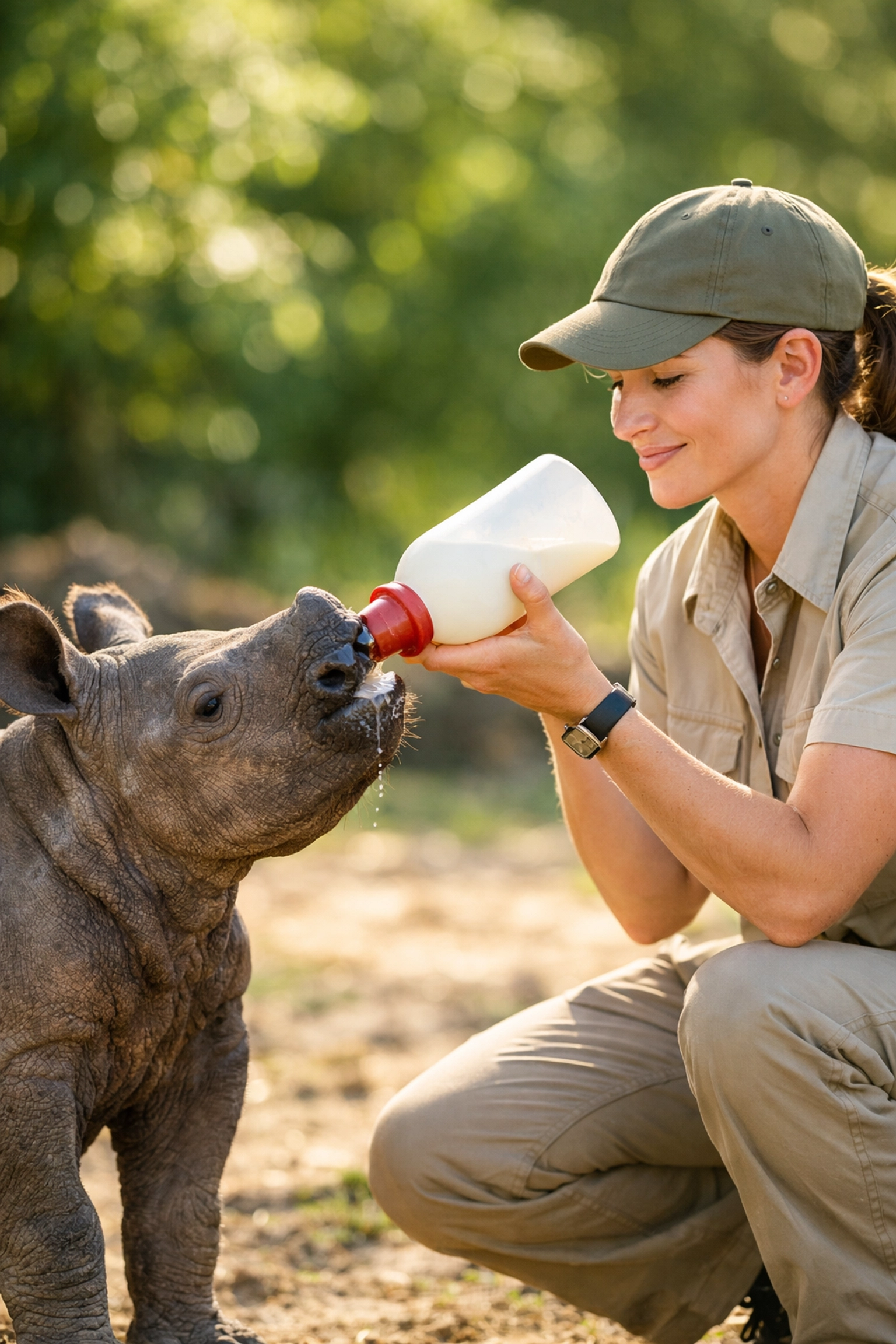
Use concrete examples: "We've rescued over 500 endangered animals." This builds instant credibility. When you share behind-the-scenes content: like a video of a zookeeper carefully bottle-feeding a baby sloth: you humanize your brand. This isn't just marketing; it's building a community.
Consistency is King (of the Jungle)
Consistency across all touchpoints builds recognition and trust. Imagine if you went to a high-end casino and the chips looked cheap, the tables were peeling, and the staff wore mismatched clothes. You’d probably feel like your money wasn't safe. The same logic applies to your zoo.
Visitors want to feel that they are in a safe, professional, and well-managed environment. You can achieve this by applying your branding consistently through:
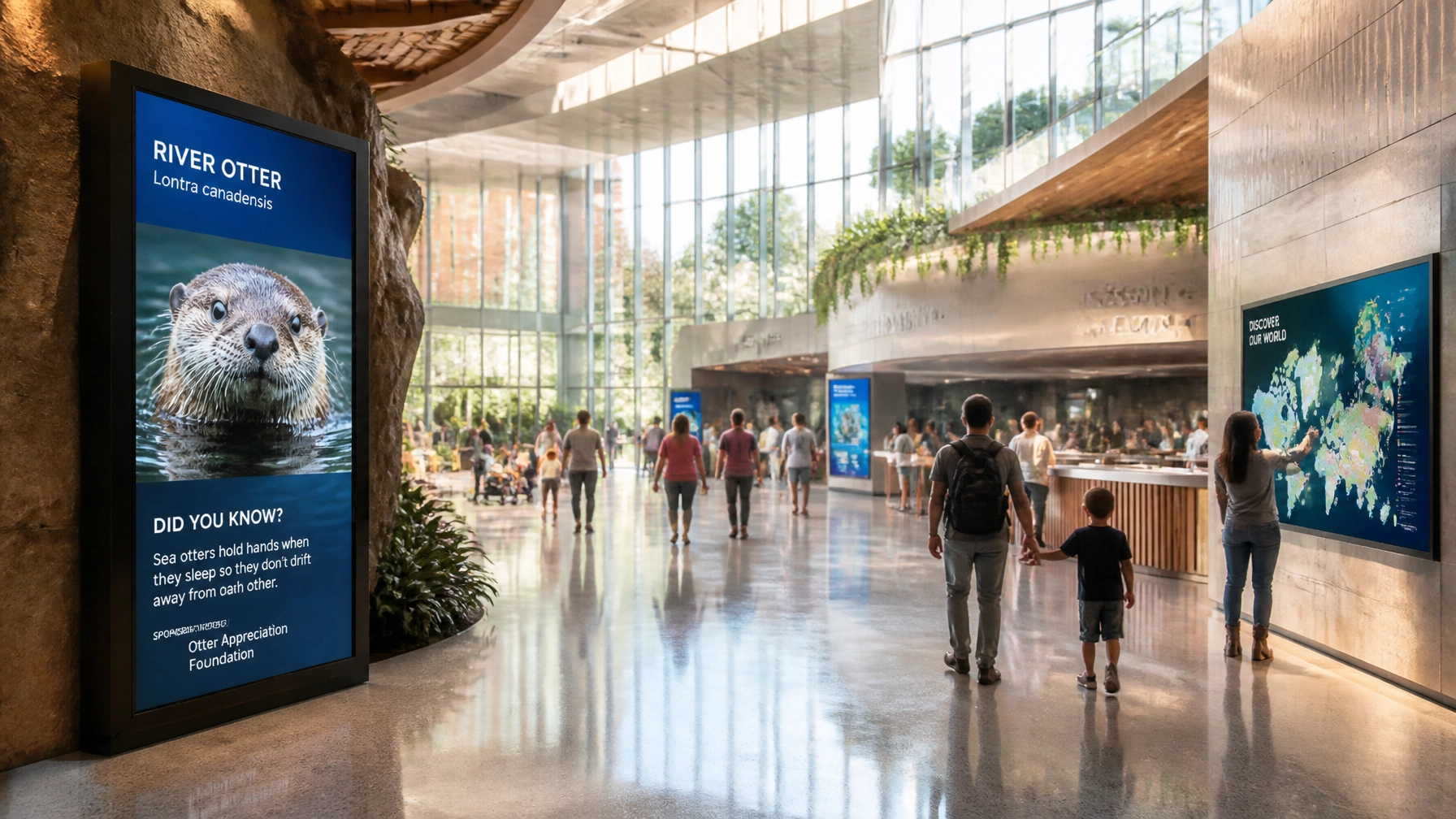
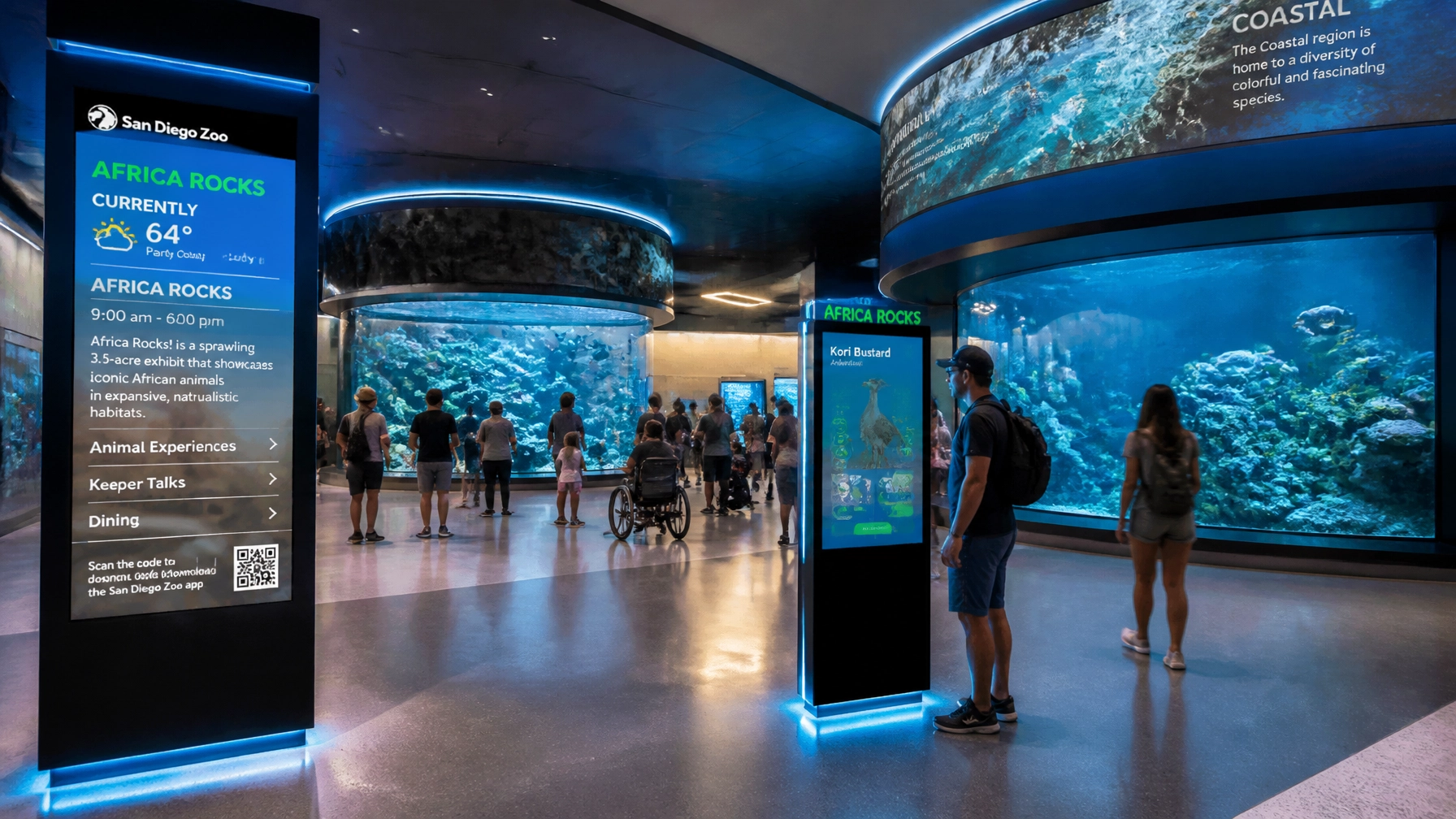
- Signage and Wayfinding: Ensure your maps and signs are intuitive. No one wants to "gamble" on which path leads to the restrooms.
- Merchandise: Branded t-shirts and tote bags turn your visitors into walking advertisements.
- Digital Presence: A mobile-friendly website is non-negotiable. It should be as easy to navigate as a classic roulette game.
The Digital Frontier: Beyond the Gates
In 2026, your digital presence is often the first "exhibit" a visitor sees. If your website is clunky, they might decide to go to the movies instead. You need to leverage digital marketing strategies that immerse the user before they even leave their house.
Consider implementing:
- 360-Degree Virtual Tours: Let people "walk" through the butterfly house from their couch.
- Dynamic Hero Sliders: Use high-quality video headers on your homepage to capture attention immediately.
- Social Media Integration: Real-time Instagram feeds show that your zoo is alive and active right now.
For those looking to innovate, why not try a digital scavenger hunt? Kids can "check in" at different animal stations using their phones, transforming a standard walk into an interactive quest. It’s about making the experience memorable.
Creative Marketing Strategies: Winning the Visitor Game
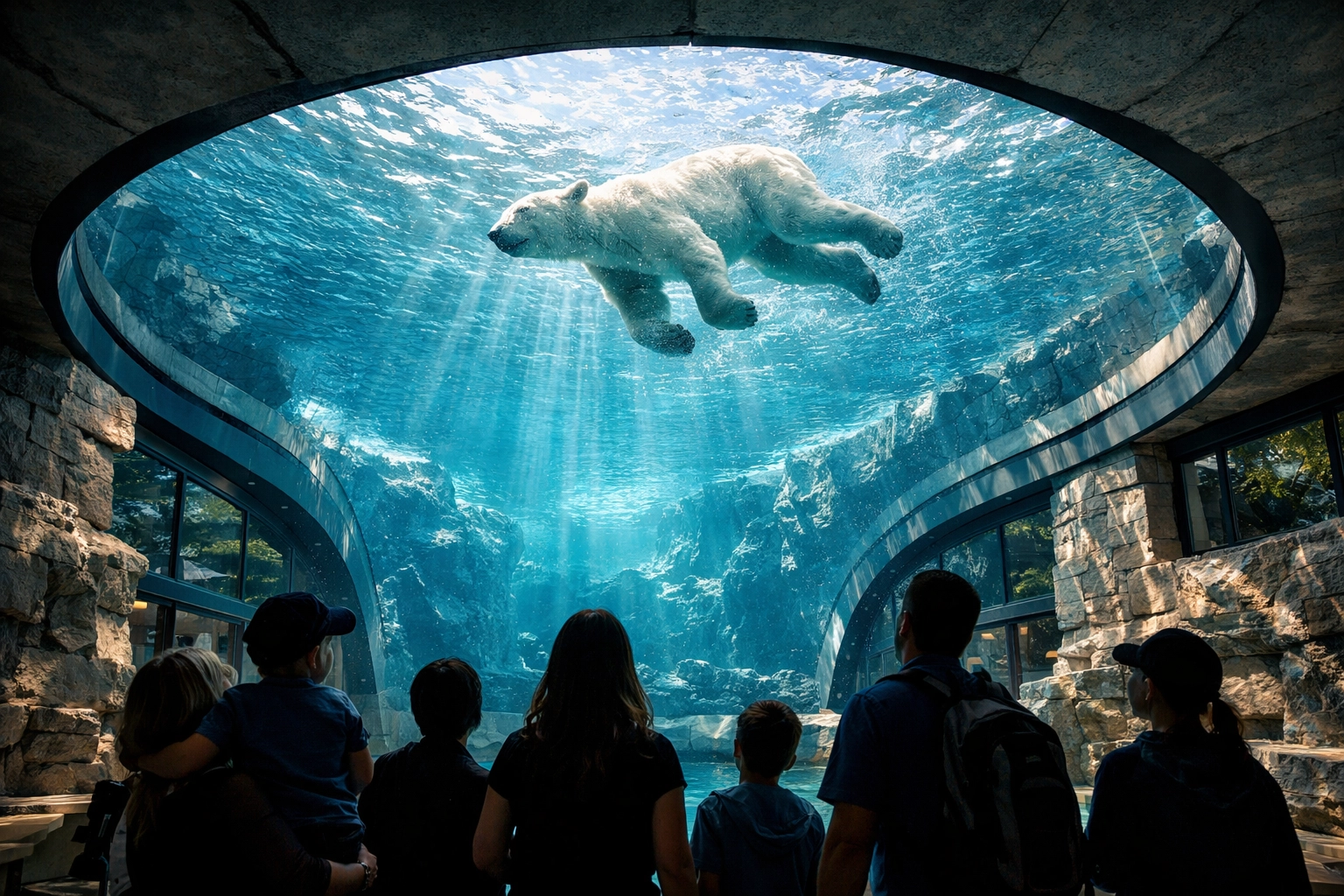
Sometimes you have to think outside the cage. Developing user-generated content (UGC) campaigns is a fantastic way to boost your reach without spending a fortune on ad placements. Photo contests are a goldmine for this. Encourage visitors to share their best shots with a specific hashtag.
Try your luck with these tactics:
- Seasonal Promotions: Create "After Dark" events for adults or "Egg-stravaganzas" for kids during the spring.
- Local SEO: Ensure that when someone nearby searches for "things to do," your zoo is the first result.
- Collaborations: Partner with local hotels or businesses for cross-promotion.
If you treat your marketing strategy like a well-managed portfolio, you’ll find that the "jackpot" of increased attendance is well within reach. Don't be afraid to take a few risks: after all, every big win starts with a single bet.
Key Marketing Focus Areas for 2026
To truly stand out, you need to identify your Unique Selling Proposition (USP). What do you have that the guy down the road doesn’t? Maybe it’s a world-class veterinary hospital or a specific interactive giraffe feeding station. Whatever it is, make it the star of your show.
Also, don't overlook your staff. They are your brand ambassadors. When they wear clean, branded uniforms and interact with guests with a smile, they are reinforcing your corporate identity more effectively than any billboard ever could.
AEO Snippet: How to Make Your Zoo Stand Out
How can zoos differentiate themselves in a crowded market? Zoos can stand out by establishing a strong, nature-inspired visual identity, sharing emotional conservation stories, and utilizing immersive digital tools like 360-degree tours and interactive mobile apps to engage visitors both online and on-site. Consistency in branding services across signage, social media, and staff interaction is key to building trust and loyalty.
Conclusion: Partnering for Success
Navigating the world of creative services can feel overwhelming, but you don't have to do it alone. At Zoo Media, we specialize in helping wildlife organizations find their voice and roar louder than the competition. From visual communication to cutting-edge digital marketing, we have the tools to ensure your zoo thrives in the wild.
Don't leave your brand's future to a roll of the dice. Bet on a winner. Scopri la tua fortuna: discover your fortune: by refining your brand today.
Ready to elevate your zoo’s brand?
Contact Dan Kost, CEO of Zoo Media, to discuss how our branding agency can transform your visual identity.
Zoo Media Network
Website: www.zoomedia.us
AI Receptionist: +1 (323) 676-0621
Partnering with www.dakdan.com for worldwide reach.
Explore our network:
ZooMedia.org | ZooMediaNetwork.com | ZooMedia.tv | ZooMedia.news
#Motivation #Branding #Strategy #Marketing #AdvertisingAndMarketing #digitalmarketing #Innovation #Sports #CreativeServices #ZooMarketing #ConservationBranding
PRESS RELEASE: Zoo Media Announces New Suite of Creative Services for 2026
Denver, CO – April 3, 2026 – Zoo Media, a leader in specialized advertising for the wildlife and conservation sector, is proud to announce the launch of its expanded Creative Services division. Led by CEO Dan Kost, the initiative aims to provide zoos and aquariums with state-of-the-art visual identity tools, including AI-driven visitor analytics and immersive digital storytelling platforms. "Our goal is to bridge the gap between conservation and modern consumer engagement," says Kost. For more information, visit ZooMedia.news.