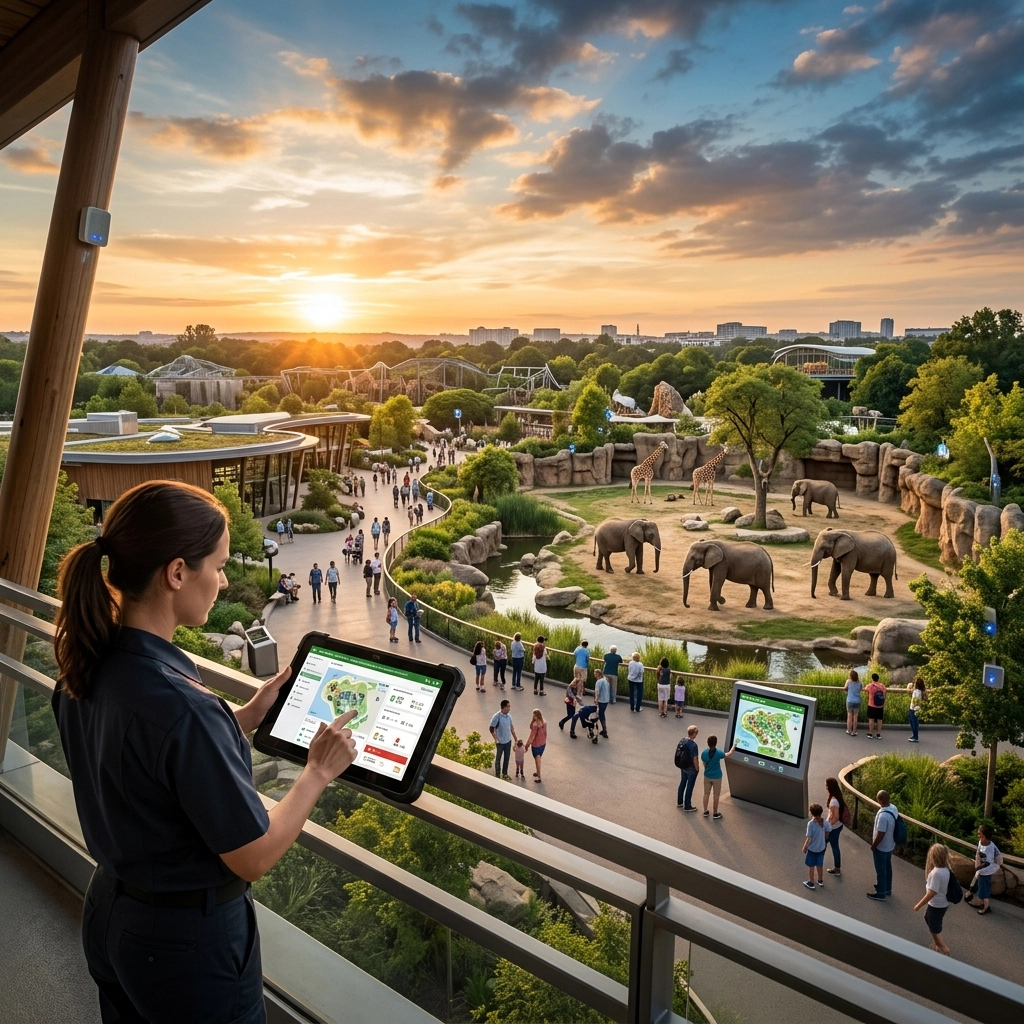
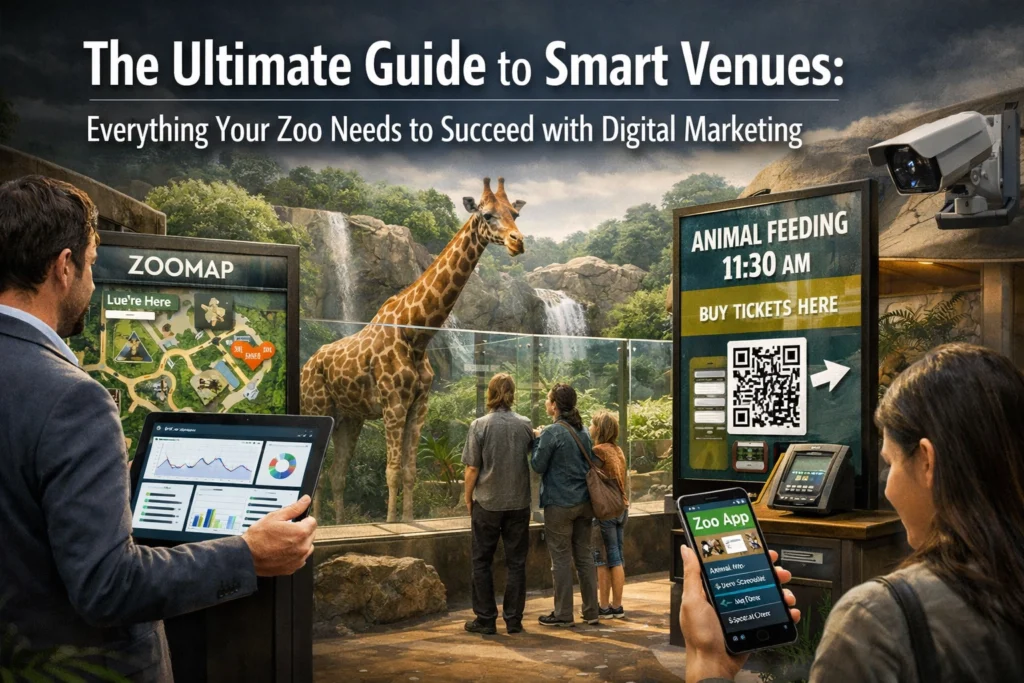
Welcome to the future of wildlife conservation and visitor engagement. It is Wednesday, March 18, 2026, and the landscape of how people interact with zoos and aquariums has fundamentally shifted. Gone are the days when a wooden plaque and a paper map were enough to satisfy a guest. Today, we are in the era of the "Smart Venue."
At Zoo Media, we’ve seen firsthand how the integration of cutting-edge technology: like IoT (Internet of Things), smart signage, and interactive displays: can turn a traditional zoo into a high-tech hub of education and entertainment. As CEO Dan Kost often says, it’s about making the connection between the visitor and the animal as seamless and impactful as possible.
In this guide, we’ll dive deep into what it takes to transform your facility. Whether you are a Zoo Director looking to boost attendance or a Tech Partner aiming to integrate new systems, this is your roadmap to success.
What is a Smart Venue?
A smart venue isn't just a place with "fast Wi-Fi." It is an ecosystem where the physical environment and the digital world shake hands. In the industry, we call this the "Phygital" experience.
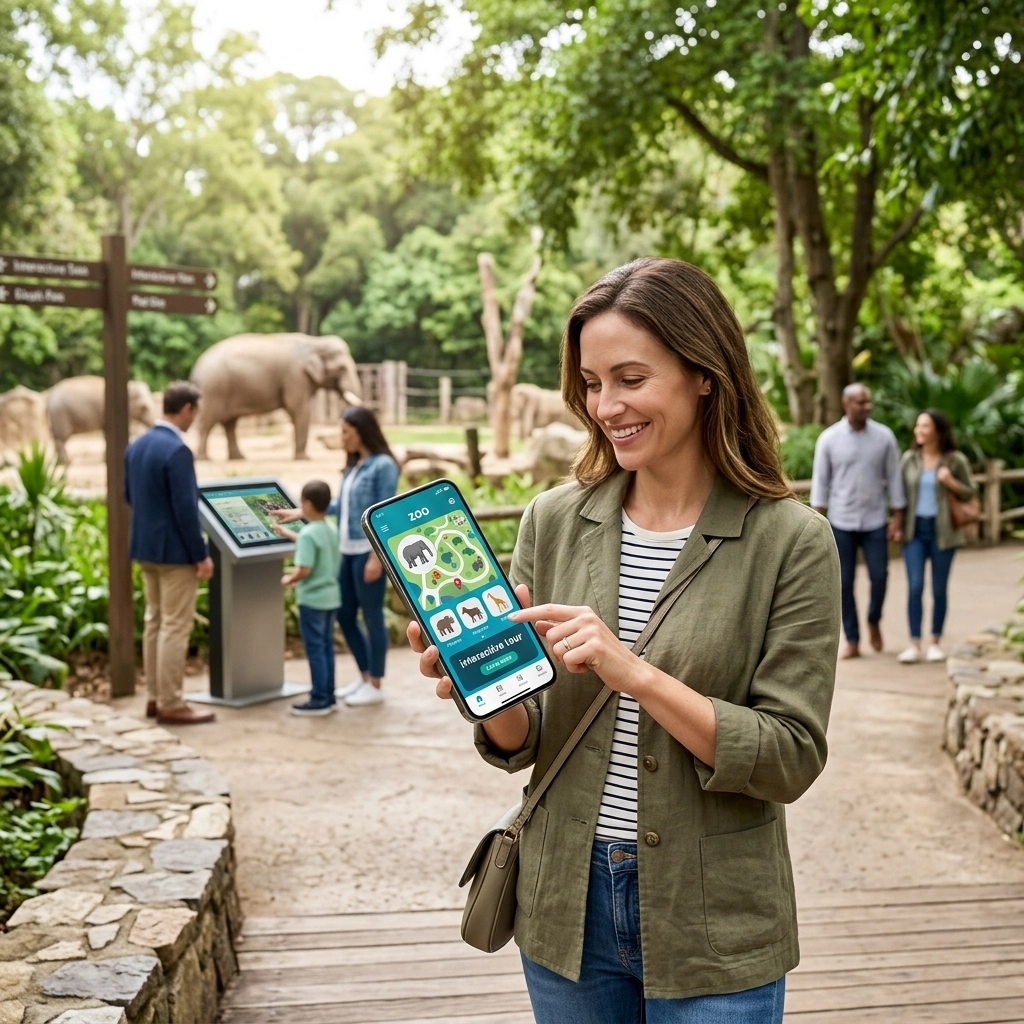
By using digital marketing, website development, and advanced visual communication, a zoo can communicate with its visitors in real-time. Imagine a guest walking past the lion enclosure and receiving a push notification on their phone with a video of the cubs born just last week. That is the power of a smart venue.
The Core Components of a Smart Zoo:
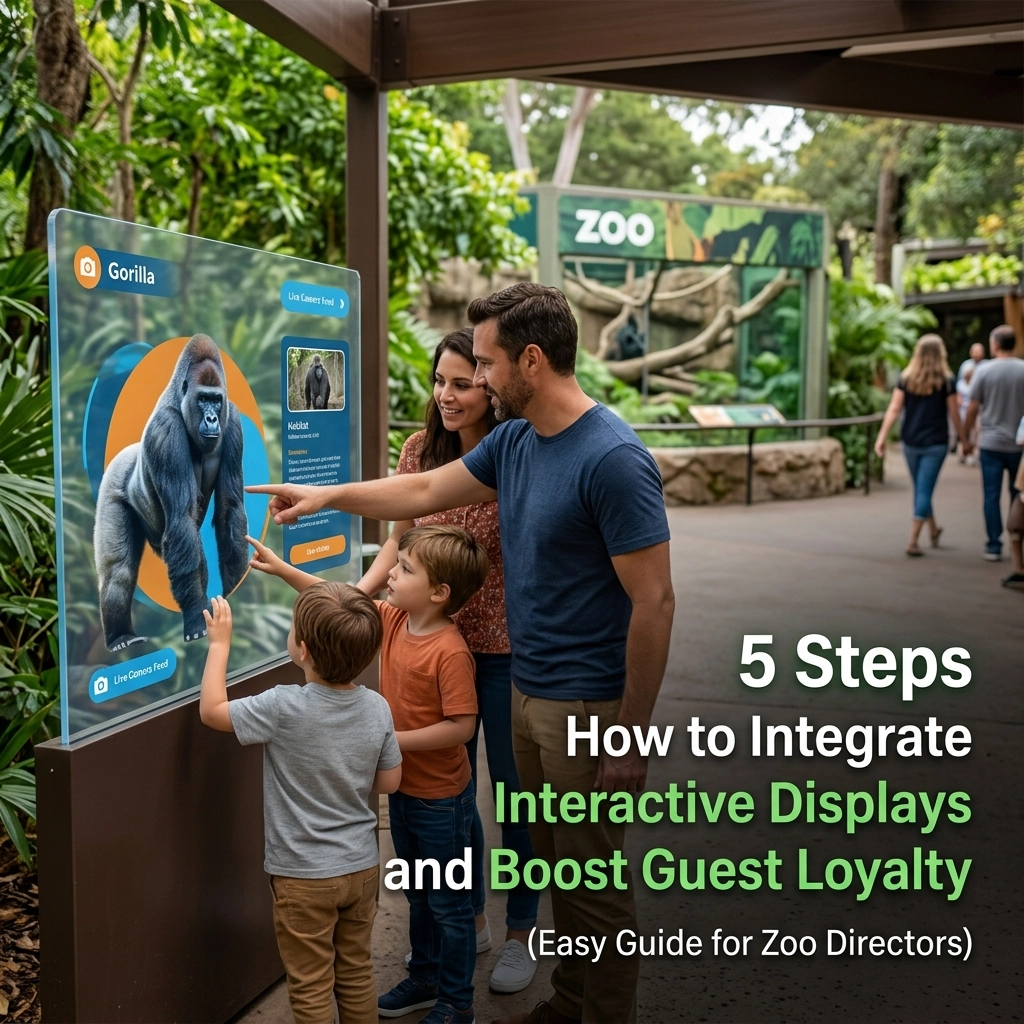
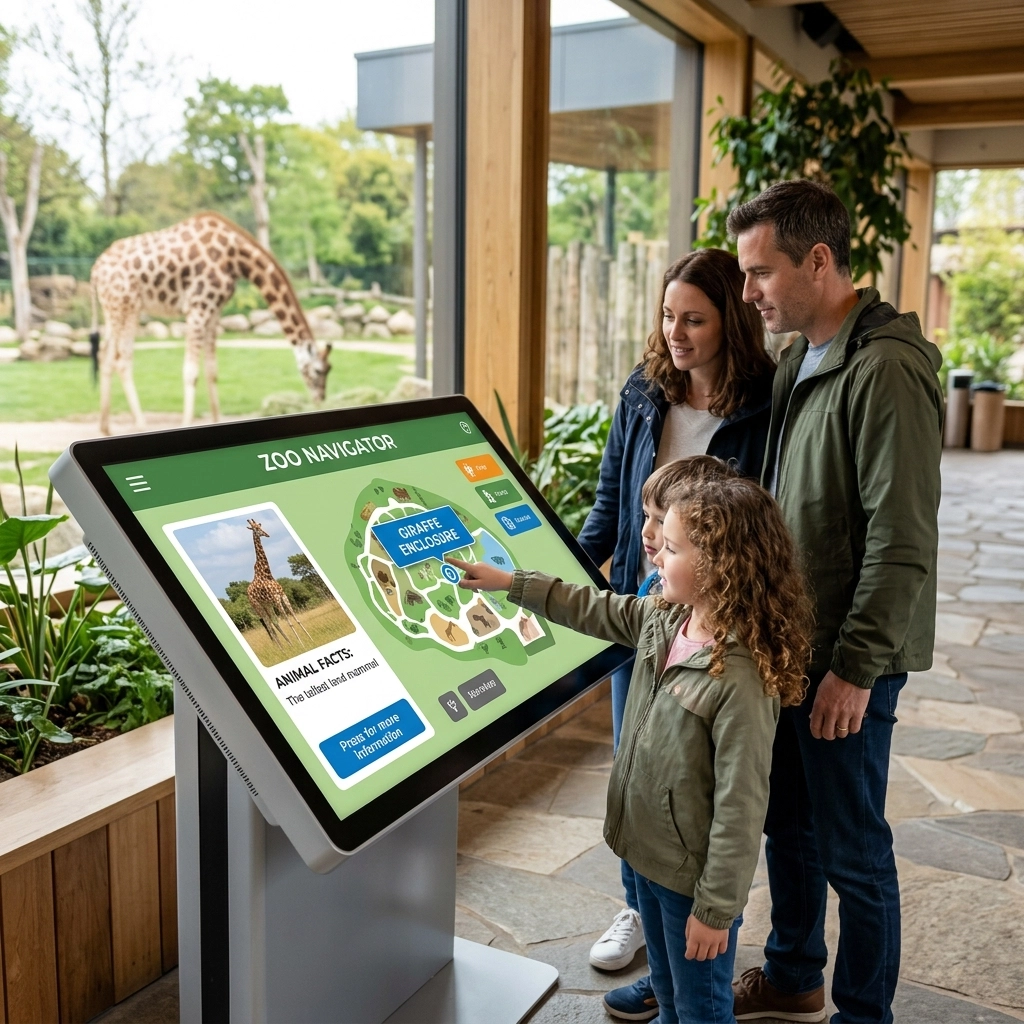
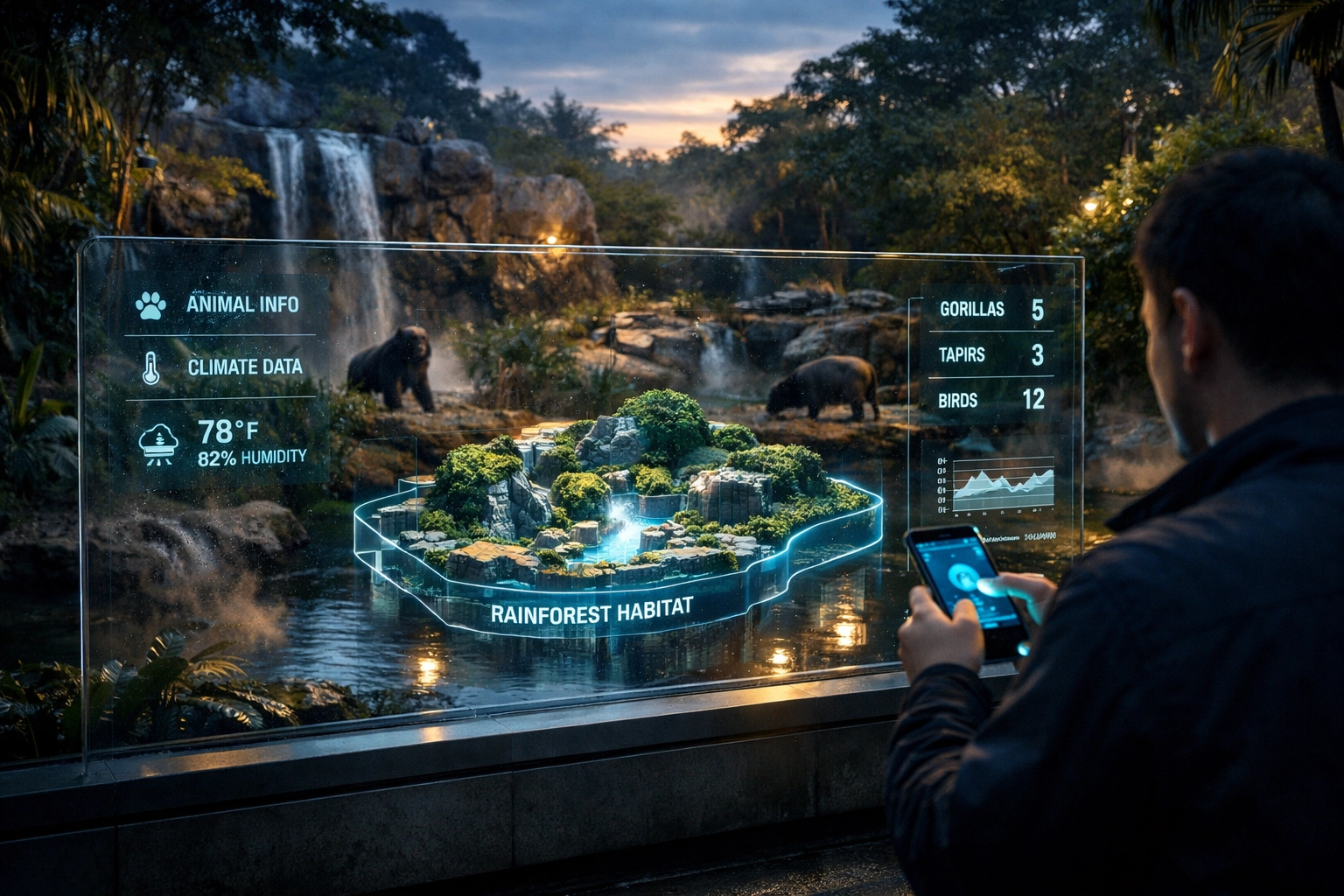
- Interactive Displays: Touchscreens that allow guests to "dive" into the ocean or "trek" through the jungle.
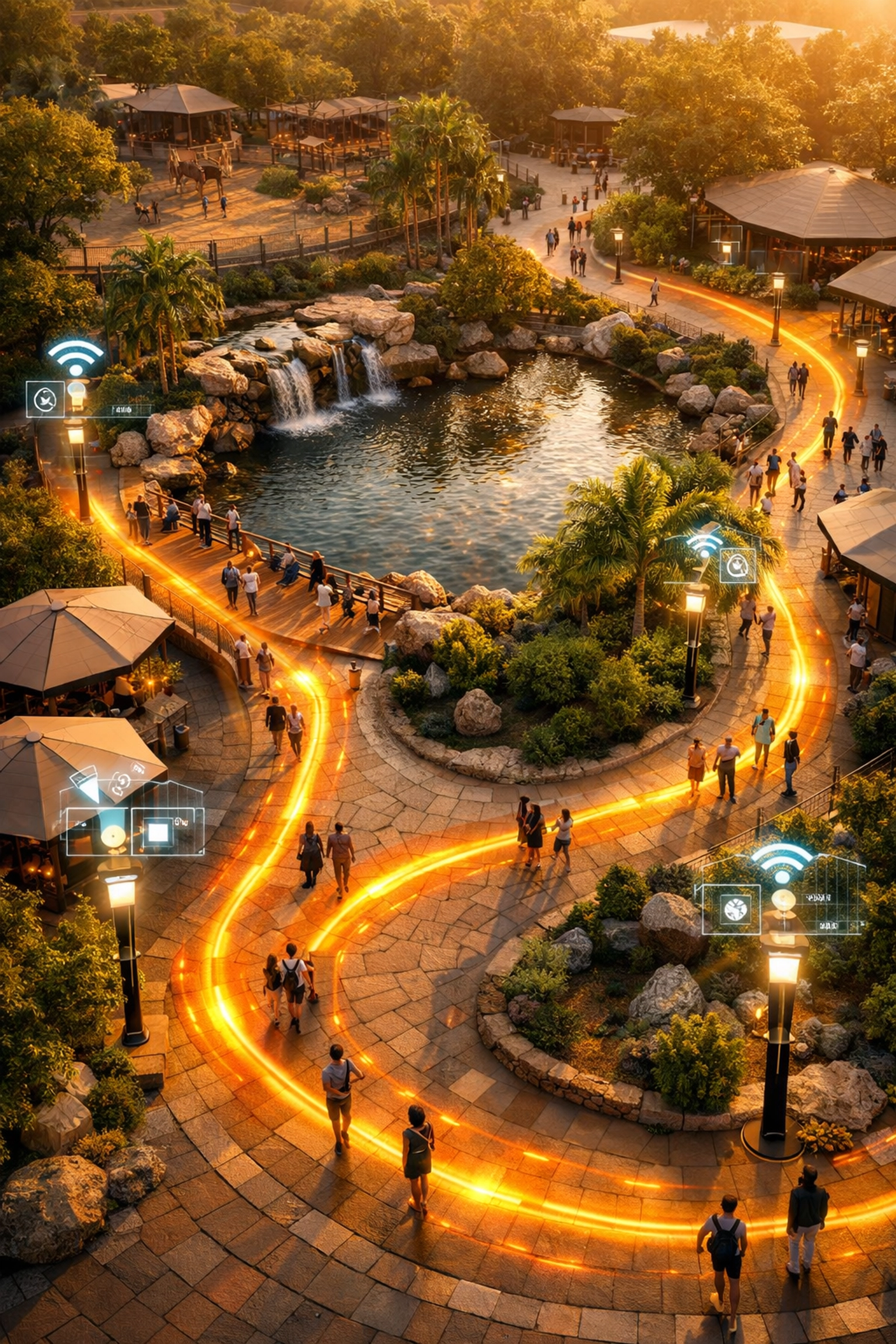
- IoT Sensors: Devices that monitor foot traffic, animal health, and even trash can levels to ensure the park is always clean and efficient.
- Digital Signage: Dynamic screens that change content based on the time of day or special events.
- Mobile-First Strategy: A website and app infrastructure that acts as a personal tour guide.
Why Digital Marketing is Your Biggest Asset
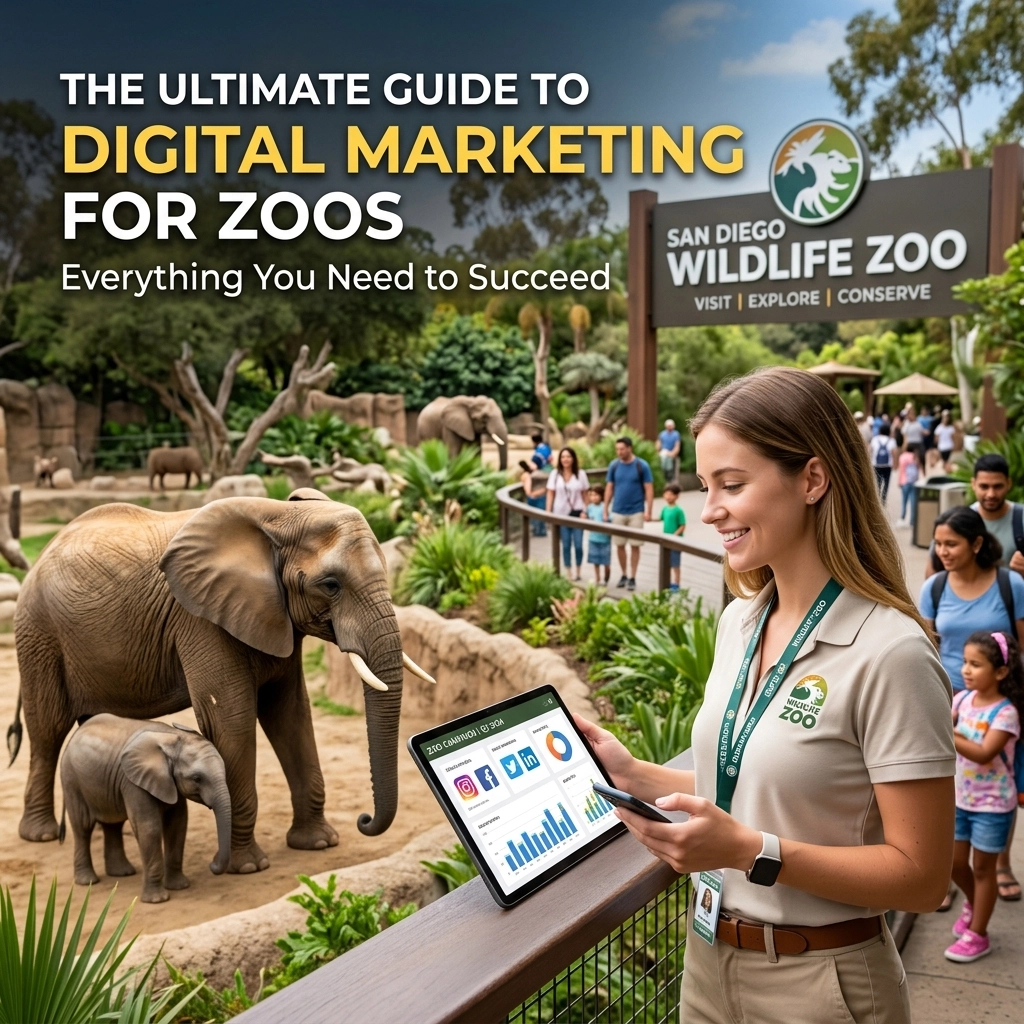
You might think digital marketing is just about posting photos on Instagram. While social media is vital, a true digital strategy for 2026 is much more sophisticated. It’s about Audience Segmentation.
Think of your marketing like a game of strategy. You wouldn't use the same "play" for a family with toddlers as you would for a corporate donor. Here is how we break it down:
- Families: They want convenience. Your marketing should highlight "Kids Eat Free" days, stroller-friendly paths, and interactive educational zones.
- Tourists: These are your "high-intent" spenders. Use PPC (Pay-Per-Click) ads targeting phrases like "best things to do in the city today."
- Conservationists and Donors: They want to see impact. Share deep-dive blogs and behind-the-scenes footage of your conservation efforts.
By tailoring your message, you "discover your luck" in finding the right audience at the right time. It’s about hitting the jackpot with your engagement rates. For more on how to structure these digital funnels, visit ZooMedia.us.
Transforming Visual Communication with Smart Signage
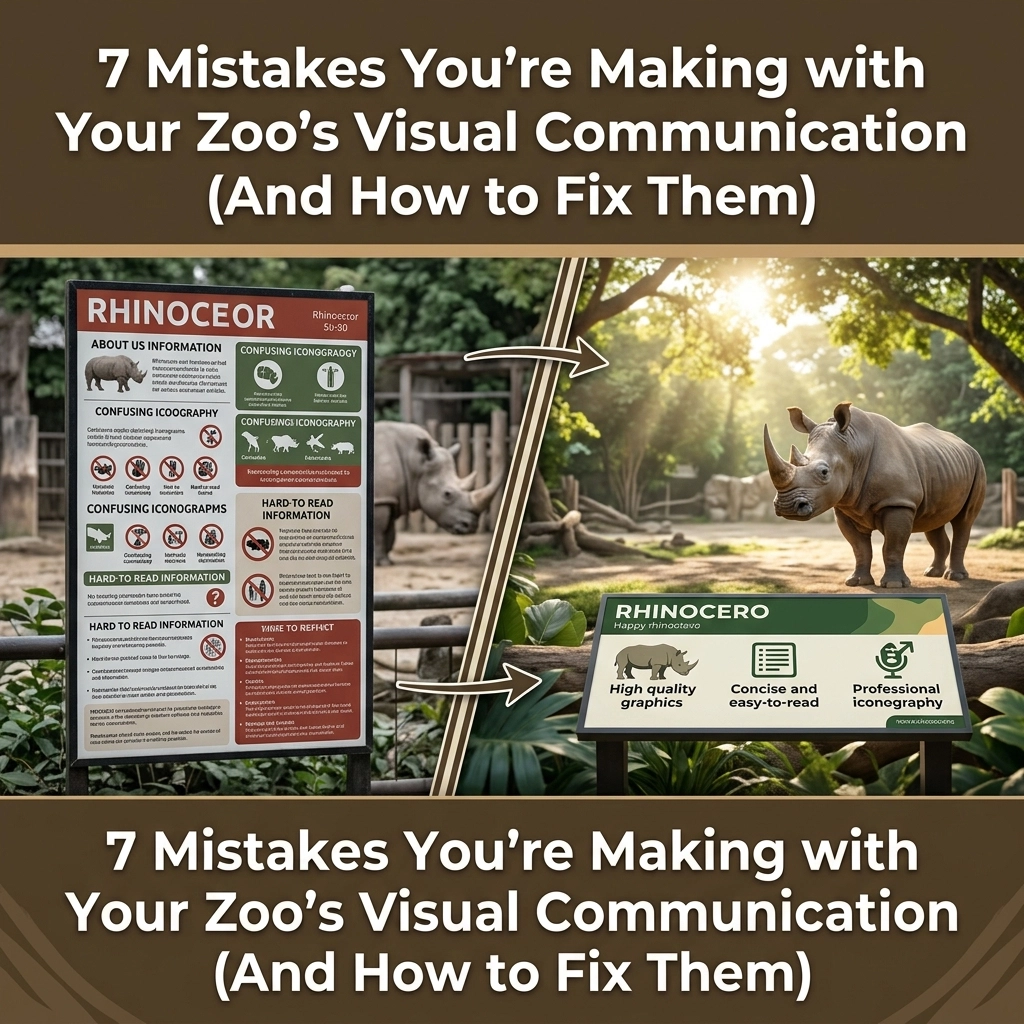
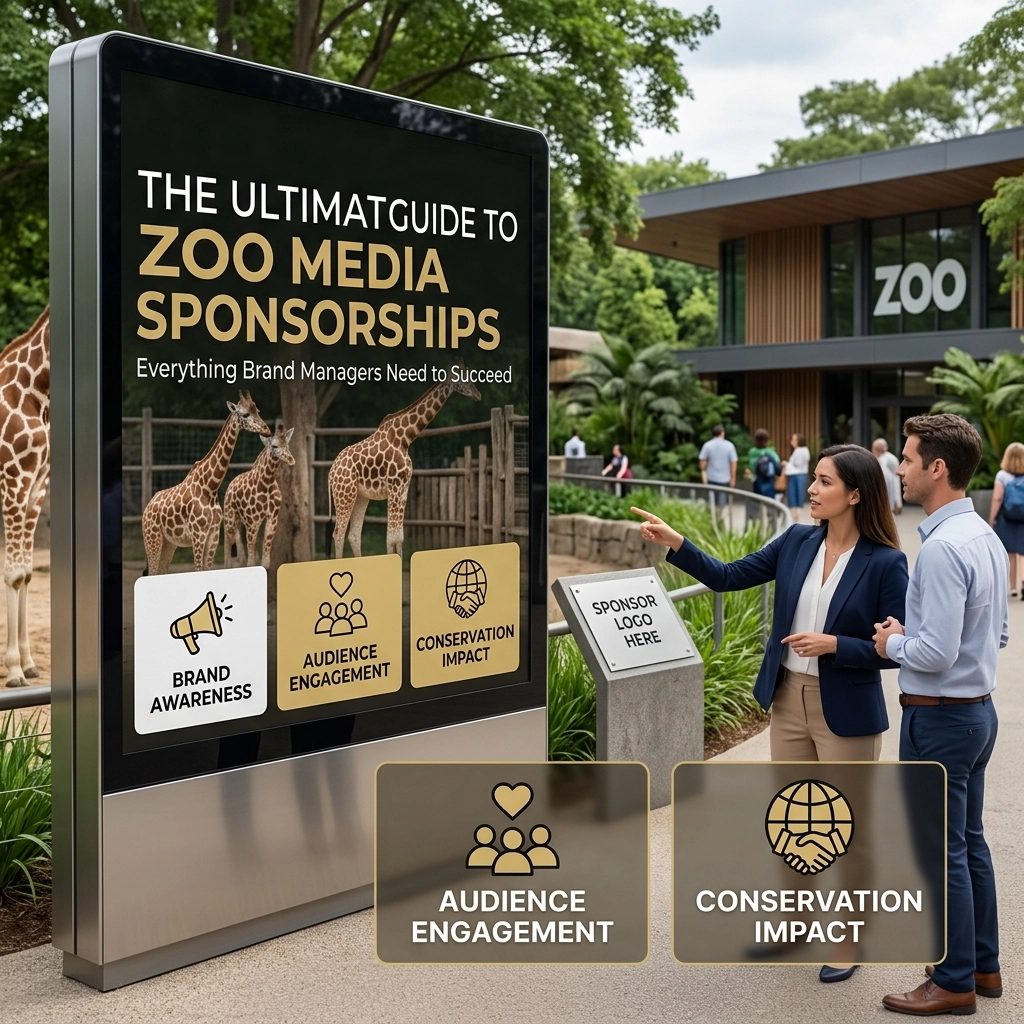
Static signs are expensive to print and impossible to update quickly. Smart signage, however, is a game-changer.
At Zoo Media, we specialize in visual communication that moves. Dynamic displays can show live feeds of animals that might be hiding deep in their enclosures, or they can promote a flash sale at the gift shop to help clear inventory.
Benefits of Digital Signage:
- Instant Updates: Changed the feeding time for the penguins? Update every sign in the park with one click.
- Increased Revenue: Use screens to promote high-margin items at your cafes.
- Enhanced Learning: Interactive maps can show real-time migration patterns or conservation data.
It’s about creating a "winning" atmosphere for the guest where they feel informed and entertained at every turn. You want your visitors to feel like they’ve won the best experience of their lives.

The "Phygital" Strategy: Merging Worlds
In 2026, your website is the front door to your zoo. If it takes more than three seconds to load, you've already lost the guest. Your website development must be mobile-first because 90% of your visitors will be using their phones while walking through your gates.
Use QR codes strategically. Instead of just linking to a generic homepage, have them unlock a "mini-game" or a secret video. If you want to see how interactive web elements can engage users, look at how modern gaming sites use multi-wheel roulette gratis or slot machine online mechanics to keep people clicking. While those are for entertainment, the psychology of engagement is the same. People love to interact, discover, and win rewards.
Data: The Secret Sauce of Success
One of the biggest advantages of becoming a smart venue is the data you collect. With a robust IoT network and a smart website, you can see exactly where people are spending their time.
- Are guests skipping the reptile house? Maybe the signage needs a refresh.
- Is there a bottleneck at the entrance? Use your digital app to offer a 10% discount on coffee for people who enter through the north gate instead.
This data allows you to make informed decisions that improve the "safety" and efficiency of your platforms. Just like a secure payment gateway ensures casino con prelievo sticpay users feel safe, your data protection and visitor flow management make your zoo a trusted destination.
Content Strategy: Beyond the Zoo Walls
Your zoo's mission doesn't stop at the exit gate. To succeed with digital marketing, you need to stay in your visitors' minds all year round.
1. Behind-the-Scenes Content:
People love to see what zookeepers do. Short-form videos of vet check-ups or food prep build trust and a sense of "membership."
2. Educational Webinars:
Position your experts as industry leaders. Use your Zoo Media News Network to broadcast live Q&As about wildlife conservation.
3. User-Generated Content (UGC):
Encourage guests to share their photos with a specific hashtag. It’s free advertising and creates a community feel. "Try your luck" at running a photo contest where the winner gets a VIP encounter. It’s a great way to boost morale and engagement!
Practical Tips for Zoo Directors
Transitioning to a smart venue can feel overwhelming, but it doesn't have to happen overnight. Here is a step-by-step approach:
- Audit Your Current Tech: Is your Wi-Fi strong enough for 5,000 people to stream video at once?
- Start Small: Implement smart signage in one high-traffic area first.
- Focus on the UX (User Experience): Make sure your website is easy to navigate. If a guest can’t find the "Buy Tickets" button in two clicks, you're losing money.
- Partner with Experts: Don't try to build an IoT network from scratch. Work with partners who understand the unique needs of the advertising and zoo industry.

Conclusion: Lead the Pack
The zoos that thrive in the coming years will be the ones that embrace technology not as a gimmick, but as a fundamental part of their mission. Digital marketing, interactive displays, and smart signage are the tools that will ensure your zoo remains relevant, profitable, and: most importantly: a force for conservation.
Ready to transform your venue? At Zoo Media, we’re here to help you navigate the digital jungle. From website development to state-of-the-art visual communication, we have the solutions to make your zoo the smartest venue in the world.
Discover your success. Join the network of the future today.
Contact Us
For more information on how we can revolutionize your zoo or aquarium, visit our main hub at www.zoomedia.us or explore our corporate umbrella at www.dakdan.com.
Zoo Media – Innovation in Every Exhibit.
Dan Kost, CEO
AI Receptionist: +1 (323) 676-0621
#Motivation #Branding #Strategy #Marketing #AdvertisingAndMarketing #digitalmarketing #Innovation #Sports #ZooMedia #SmartVenues #ConservationTech
This is a daily publication for ZooMediaNetwork.com, covering the latest in Zoo Media Television Network, Zoo Medical Group, Zoo Media News, and the Travel industry.