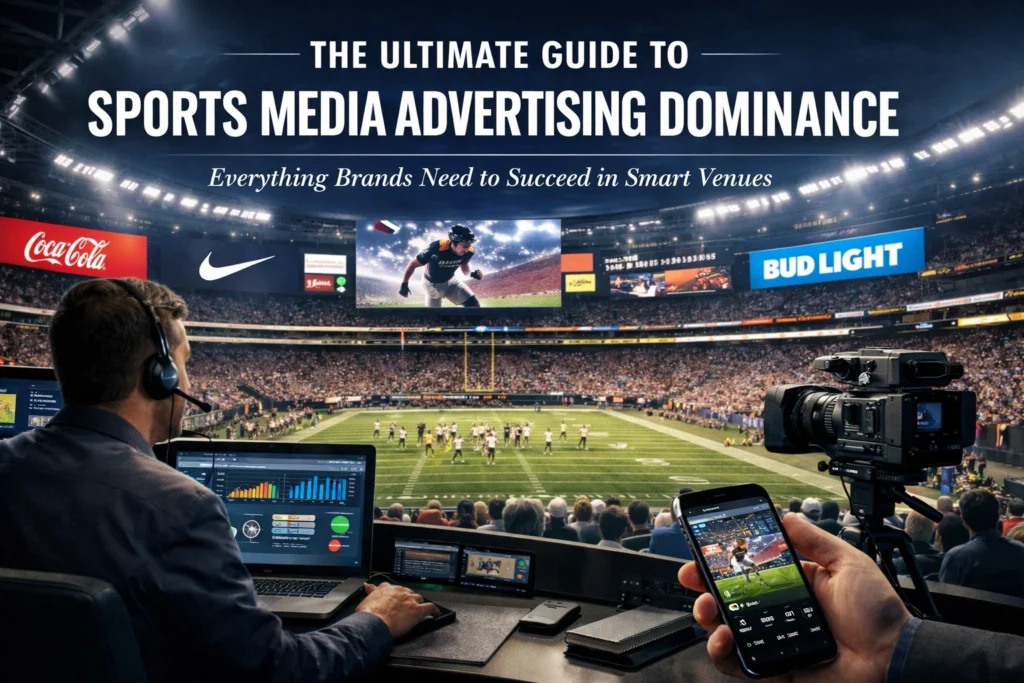
Super Bowl LX is coming to Levi's Stadium on February 9, 2026, and if your brand isn't already thinking about sports media advertising strategy, you're already behind. But here's the thing: dominating sports advertising in 2026 isn't just about buying a Super Bowl commercial spot anymore. It's about understanding how smart venue technology, multi-screen engagement, and innovative advertising formats are completely transforming how brands connect with sports fans.
Let's break down everything you need to know to win in this space.
Why 2026 Is Different: The Smart Venue Revolution
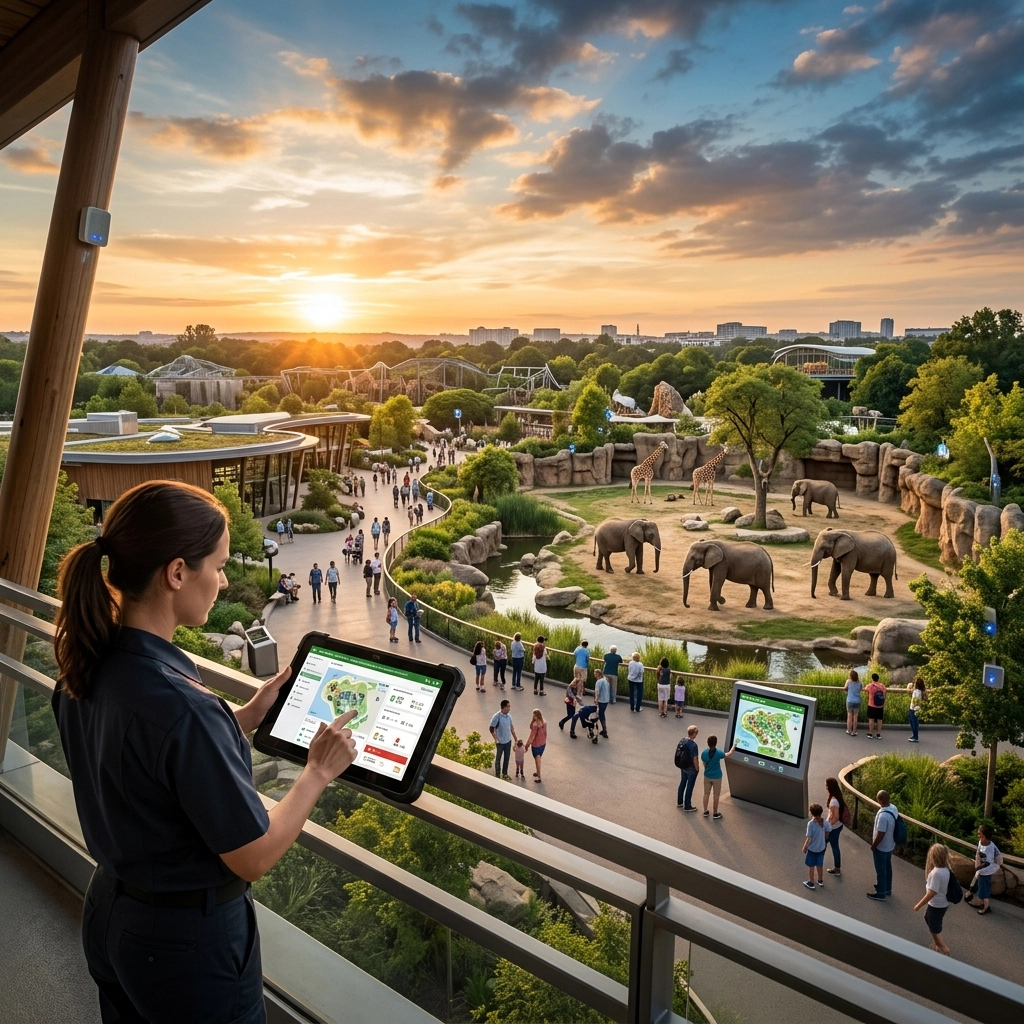
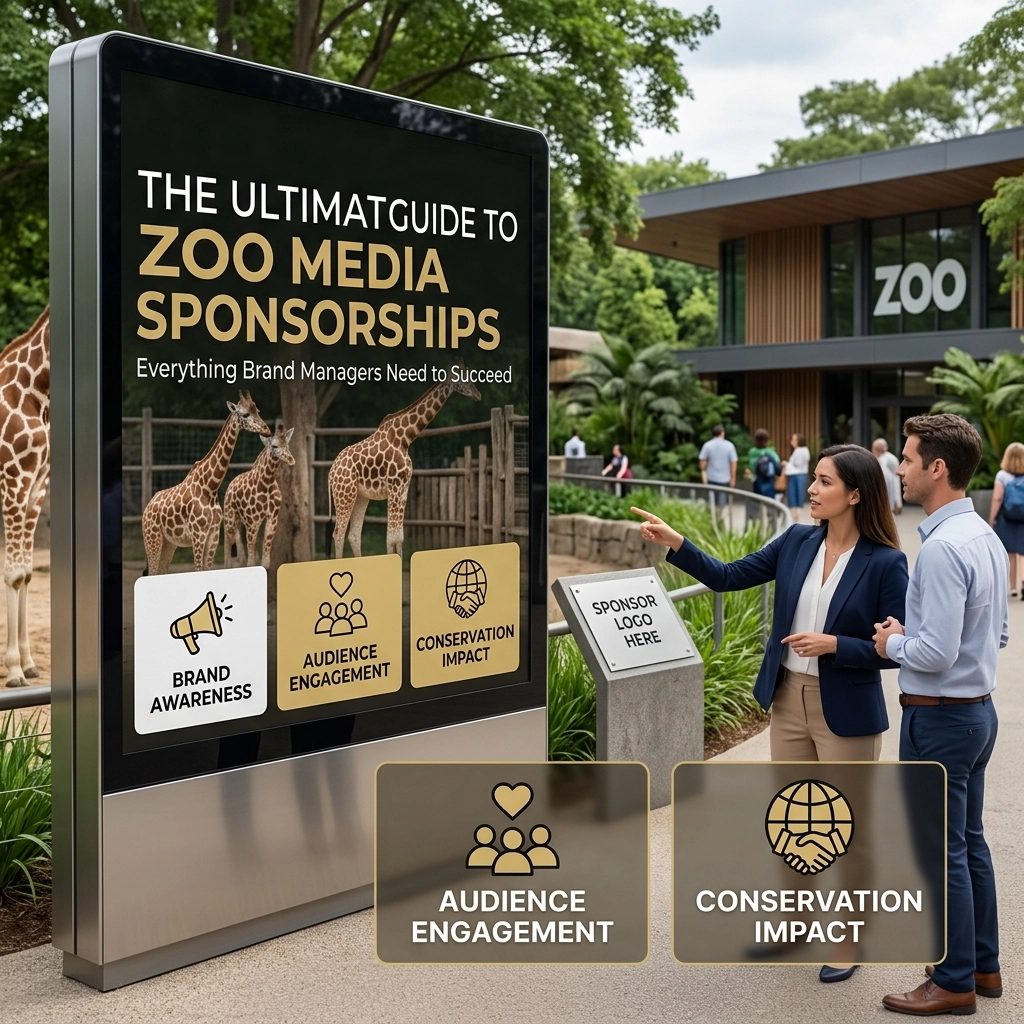
Smart venues aren't just stadiums with better Wi-Fi anymore. They're sophisticated digital ecosystems where every surface becomes an advertising opportunity: from massive jumbotrons to individual seat-back screens, from mobile apps to interactive kiosks. Zoo Media has been pioneering this transformation, and we've learned that the brands winning right now are the ones thinking beyond traditional placements.
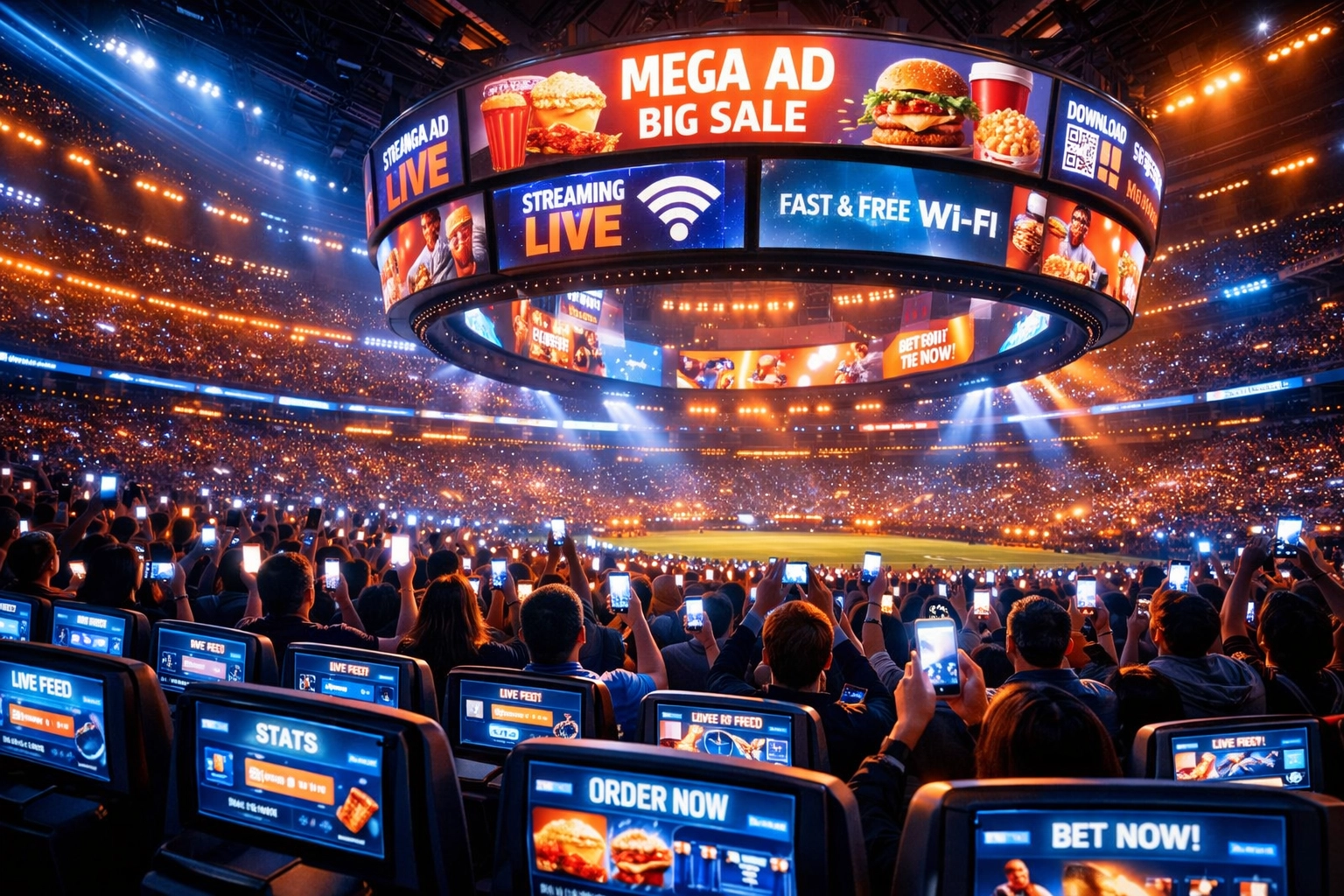
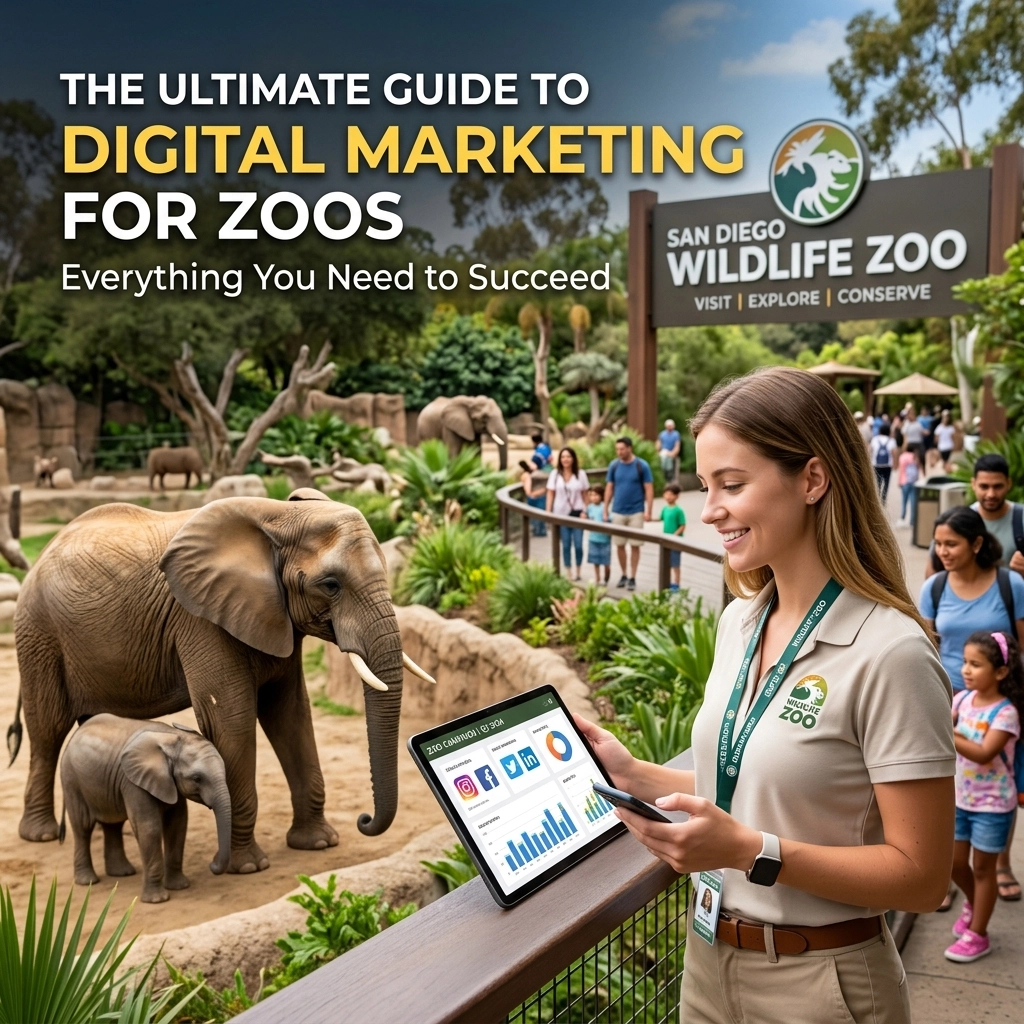
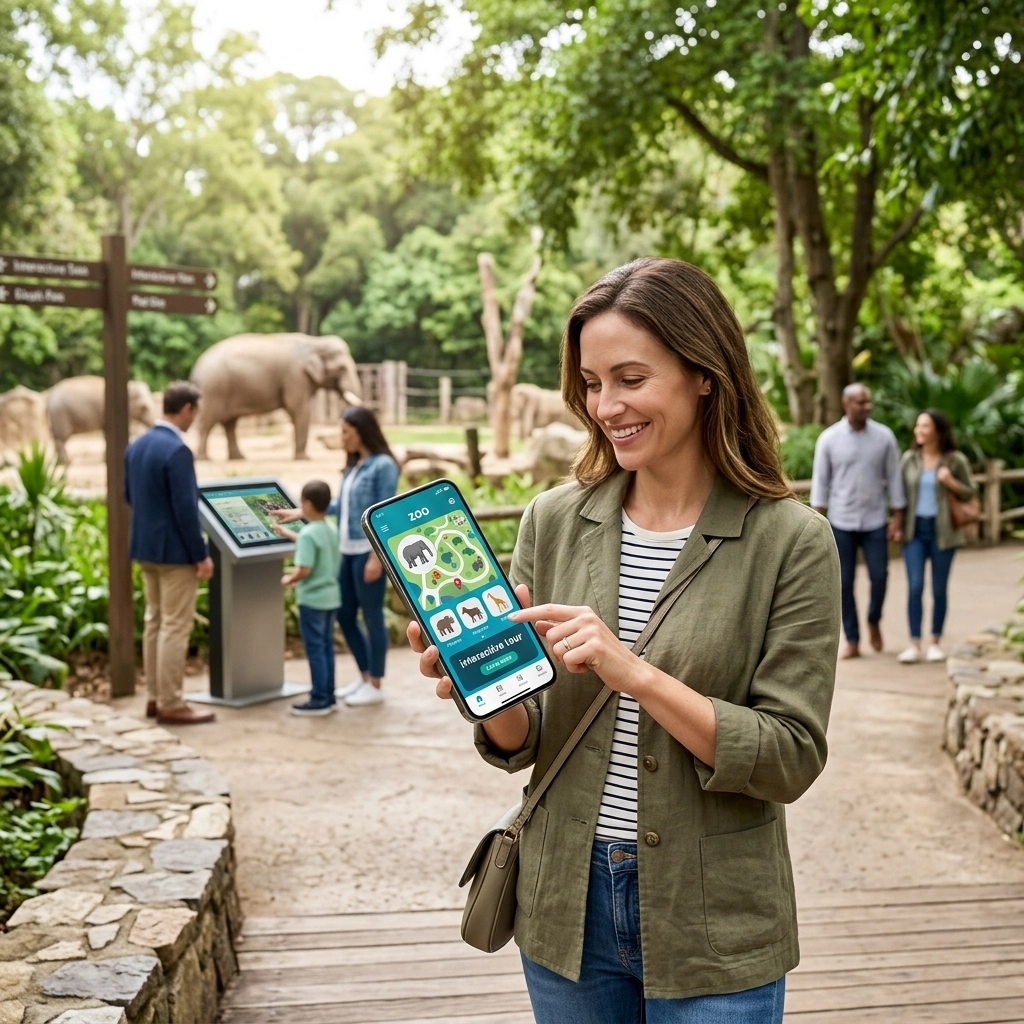
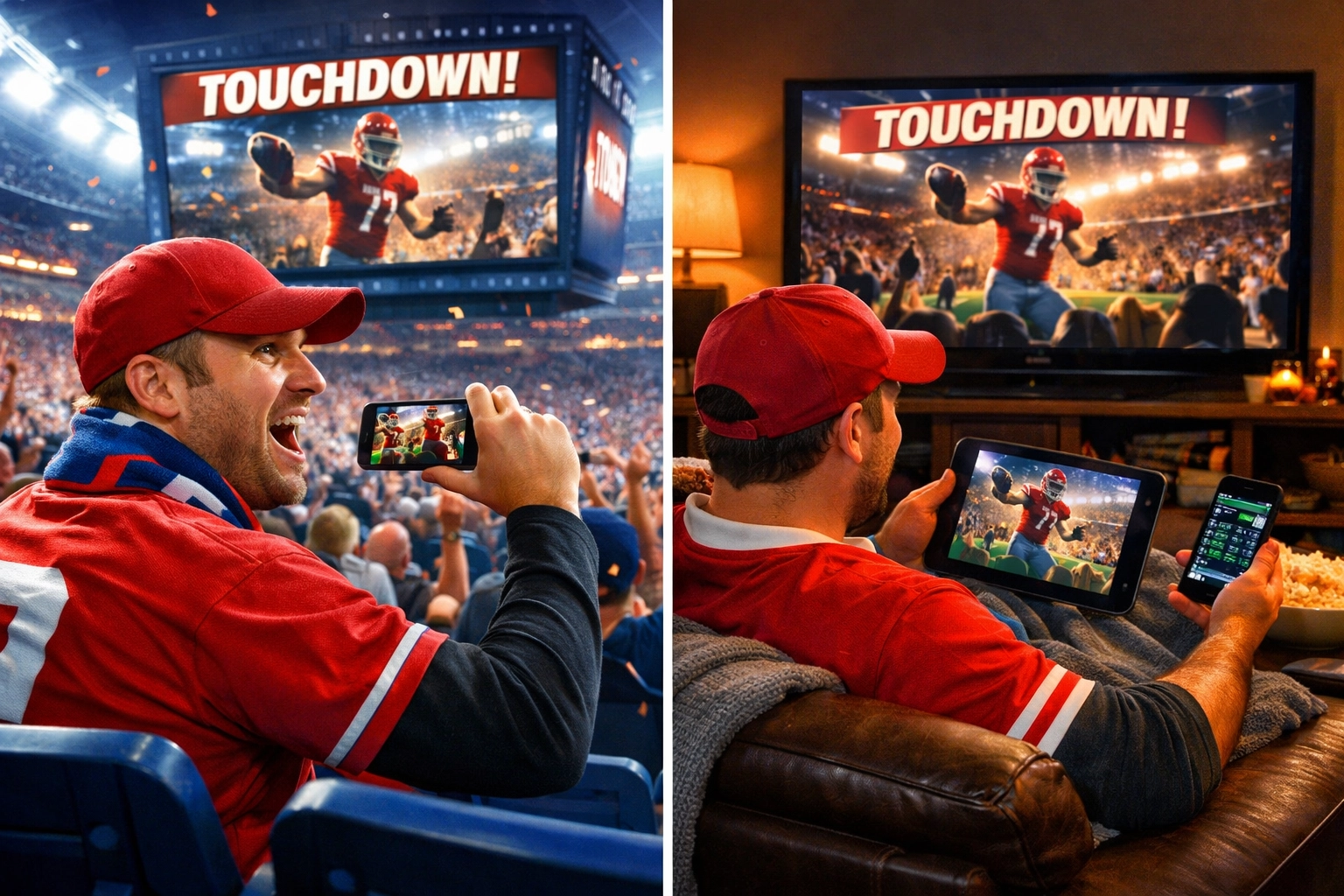
The average sports fan now uses three or more devices during major sporting events. They're watching the game on their main screen, checking stats on their phone, and interacting with branded content on their tablet. This behavior creates unprecedented opportunities for brands that can coordinate messaging across all these touchpoints simultaneously.
Check out how we're approaching this at Zoo Media:
https://www.youtube.com/watch?v=l6J-0zileKE
The Three-Phase Super Bowl Strategy That Actually Works
If you're planning around Super Bowl LX, forget the old playbook. Here's the framework that's delivering real ROI in 2026:
Phase 1: Pre-Game Hype (January 15 – February 7)
This is where smart brands build momentum. Lower CPCs during this window make it the perfect time to establish retargeting pools and create awareness. In smart venues, this means leveraging digital billboards, venue apps, and pre-game promotional screens to start building your narrative before the big day.
The key? Create content that fans actually want to engage with. Think countdown overlays, prediction games, and branded stat integrations that enhance the viewing experience rather than interrupting it.
Phase 2: Game-Day Activation (February 9)
This is showtime, but it's not just about your TV spot anymore. Smart venues allow for real-time targeting, dynamic ad insertion, and geographic personalization. Your message on the jumbotron can coordinate with what fans are seeing on their phones, creating a surround-sound effect for your brand.
The most successful activations we've seen use enhanced ad formats that feel like part of the game experience: sports tickers with your branding, stat overlays that provide value, and interactive elements that turn passive viewers into active participants.
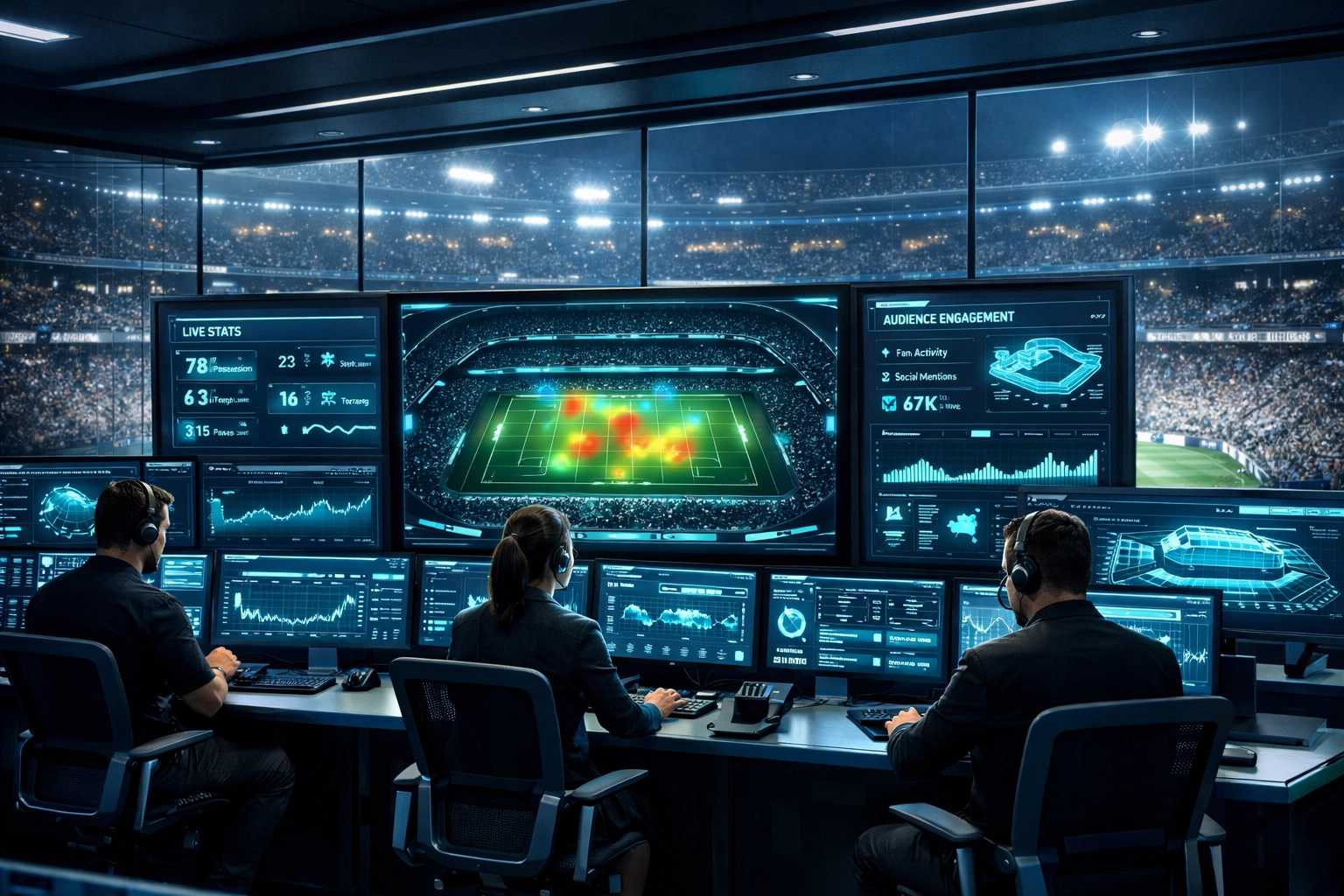
Phase 3: Post-Game Saturation (February 9-15)
The game ends, but your opportunity doesn't. This is when you retarget engaged audiences and capture viral moment searches. In smart venues, this extends to post-game recap screens, exit messaging, and follow-up engagement through venue apps and digital channels.
Platform-Specific Tactics for Maximum Reach
Streaming Dominance
Amazon Prime Video, Peacock, and YouTube TV are investing billions in exclusive sports rights. For brands, this creates incredible opportunities for precision targeting. The concentration of sports audiences into fewer channels actually makes your job easier: you know exactly where your audience will be.
Connected TV (CTV) Leadership
CTV leads all platforms in attention efficiency. When coordinated with mobile and display, it creates a cross-screen sequence that reinforces your message as audiences move between devices. Smart venue advertising amplifies this by adding a physical dimension to your digital strategy.
Social-First Authenticity
Here's something counterintuitive: on social platforms, polish doesn't equal performance. Authentic, influencer-driven content often delivers better results at a fraction of traditional TV costs. We've seen brands achieve 70% better cost-per-lead-click efficiency with Meta's Demand Gen campaigns when coordinated with in-venue activations.
Enhanced Formats That Outperform Traditional Ads
Standard pre-roll ads are dying, and for good reason: they interrupt the experience fans came for. Enhanced formats, on the other hand, actually add value. We're talking about:
- Countdown overlays that build anticipation
- Sports tickers with branded integrations
- Stat displays that provide information fans want
- Interactive polls that create engagement
- AR experiences that merge physical and digital
These formats consistently outperform traditional placements on every metric that matters: attention, comprehension, click-through rates, and video completion. Why? Because they enhance rather than interrupt the fan experience.
The Year-Round Engagement Advantage
Here's a mistake too many brands make: they think event-based buying is enough. Show up for the Super Bowl, disappear until next year, and hope fans remember you. That doesn't work anymore.
Consistency across platforms and continuous brand presence drive enduring fan affinity. Smart venues enable this by providing year-round touchpoints: from regular season games to special events, from community gatherings to off-season activities. The venues that implement Zoo Media's technology become always-on advertising opportunities.
Multi-Screen Coordination: The Technical Edge
The most sophisticated brands in 2026 aren't just buying ads: they're orchestrating experiences across screens. Here's what that looks like in practice:
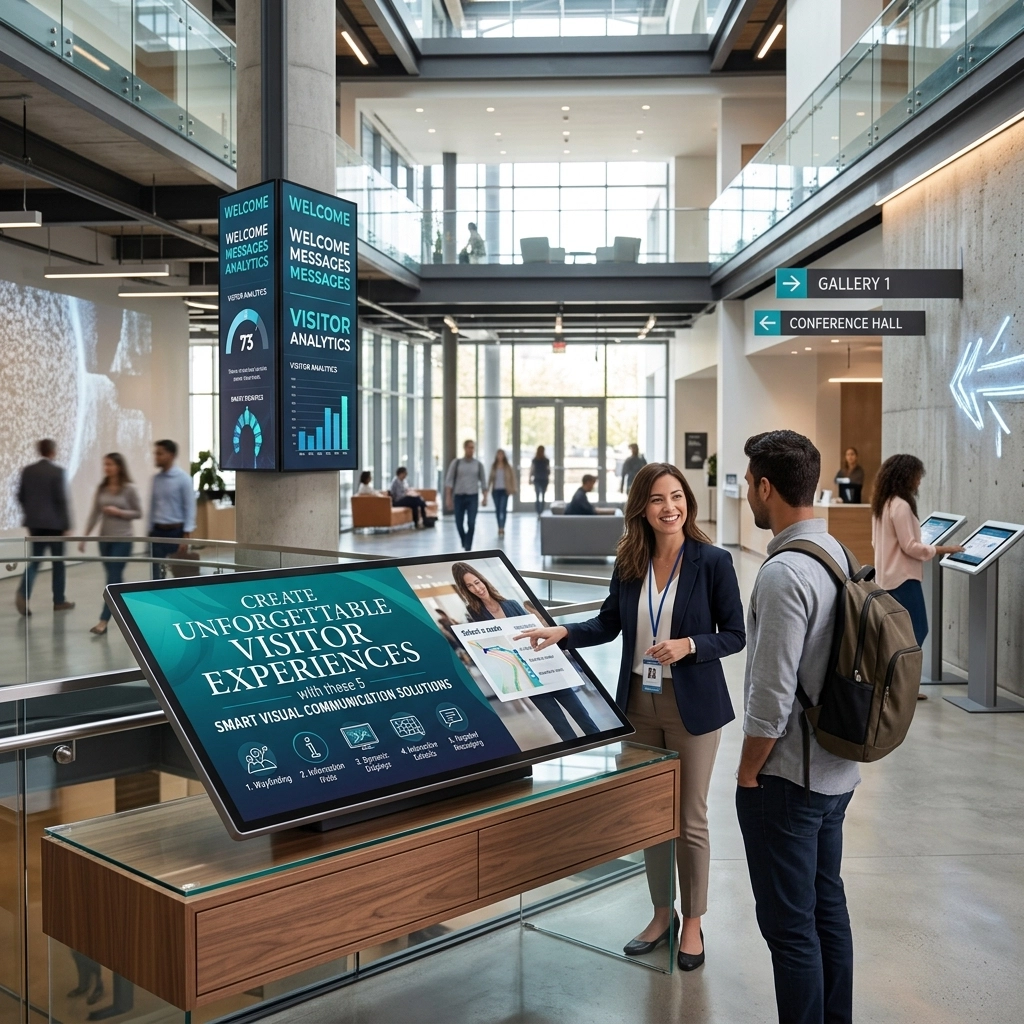
A fan walks into the venue and gets a personalized welcome message on digital signage tied to their ticket. During the game, they see your brand on the jumbotron, then receive a coordinated offer on their mobile device. Post-game, they encounter your message again on exit screens, and later that evening, they're retargeted with related content when they're checking highlights on their connected TV.
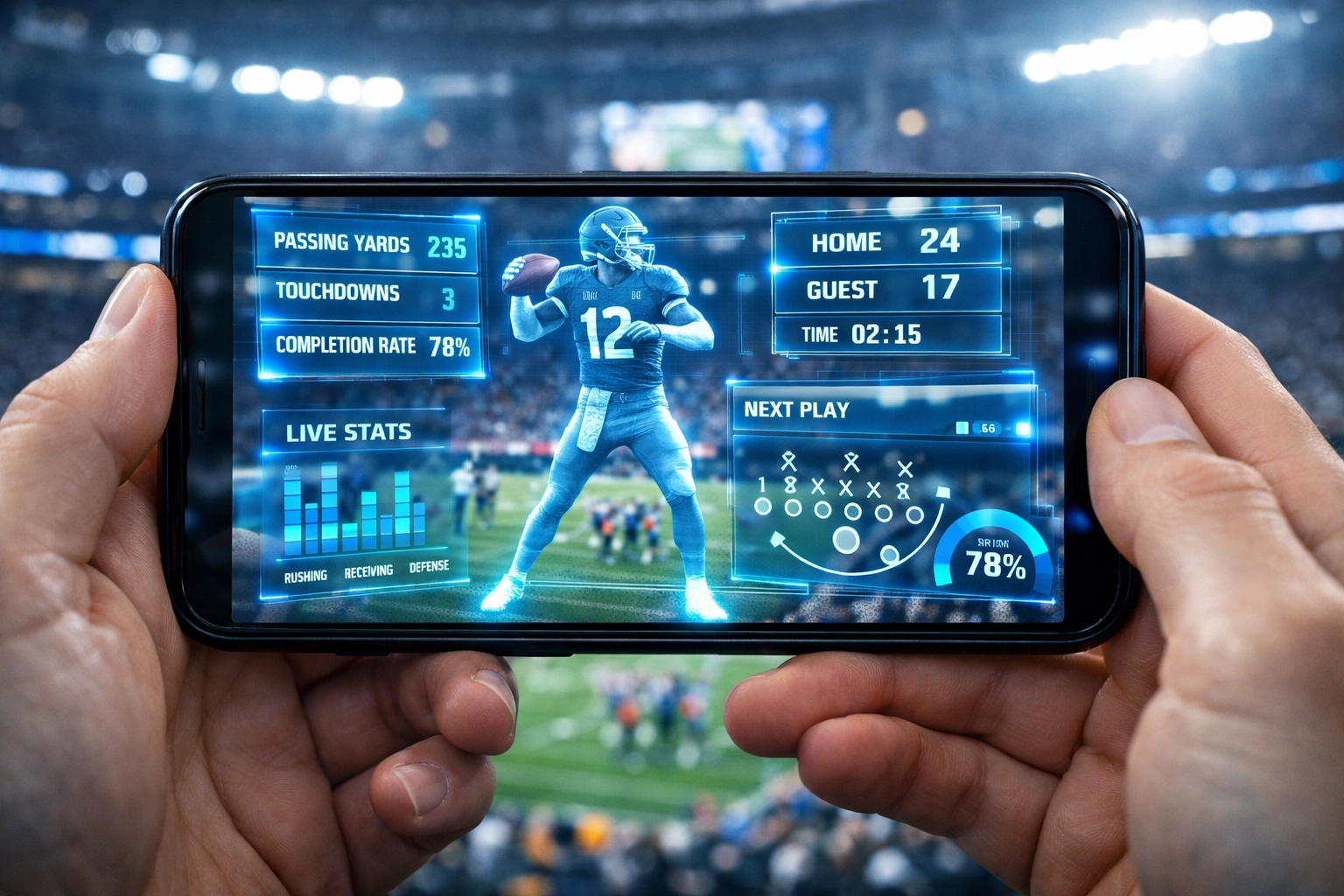
This isn't science fiction: it's what Zoo Media enables for forward-thinking brands right now. The technology exists. The question is whether your brand is using it.
ROI Metrics That Matter in Smart Venues
Traditional advertising metrics don't tell the whole story in smart venues. Here's what you should actually be measuring:
- Dwell time: How long are fans engaging with your branded content?
- Cross-device attribution: Are fans moving from venue exposure to online conversion?
- Engagement rate: Are they interacting with your touchpoints or just seeing them?
- Share of attention: In a multi-screen environment, how much of their attention are you capturing?
- Brand lift: How does venue exposure impact overall brand perception?
Smart venue technology provides unprecedented measurement capabilities. Zoo Media's platform tracks all of this, giving brands the data they need to optimize in real-time and prove ROI to stakeholders.
The Innovation Opportunity
The brands that will dominate sports media advertising in 2026 and beyond aren't the ones with the biggest budgets: they're the ones with the most innovative approaches. They understand that smart venue technology isn't just a new channel; it's a new paradigm for how brands and fans interact.
Zoo Media is at the forefront of this revolution, transforming stadiums, arenas, and sports venues into intelligent advertising ecosystems. Our technology powers everything from massive jumbotrons to individual touchpoints, creating seamless brand experiences that fans actually appreciate.
Your Next Play
Super Bowl LX represents a massive opportunity, but it's just one moment. The real advantage goes to brands that embrace smart venue advertising as an ongoing strategy: showing up consistently, using enhanced formats that add value, and coordinating messages across every screen fans use.
Ready to dominate sports media advertising in 2026? Let's talk about how Zoo Media can transform your venue strategy and deliver the results your brand deserves.
Want to learn more about Zoo Media's smart venue solutions? Visit zoomedia.us or contact Dan Kost, CEO, to discover how we're helping brands win in the new era of sports advertising.
#Sports #Advertising #Marketing #Innovation #DigitalMarketing #SmartVenues #SuperBowl #AdvertisingAndMarketing #Strategy #Branding