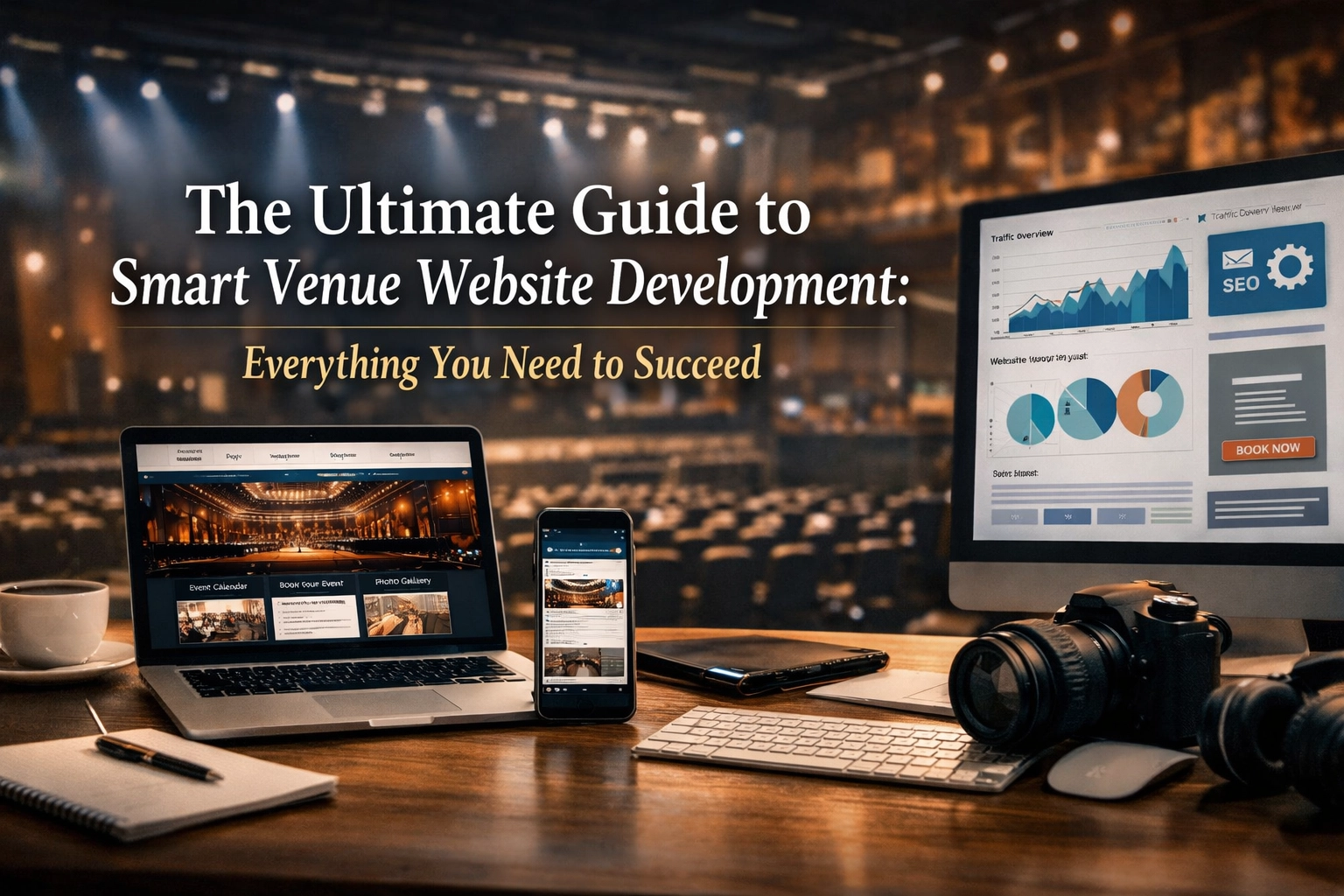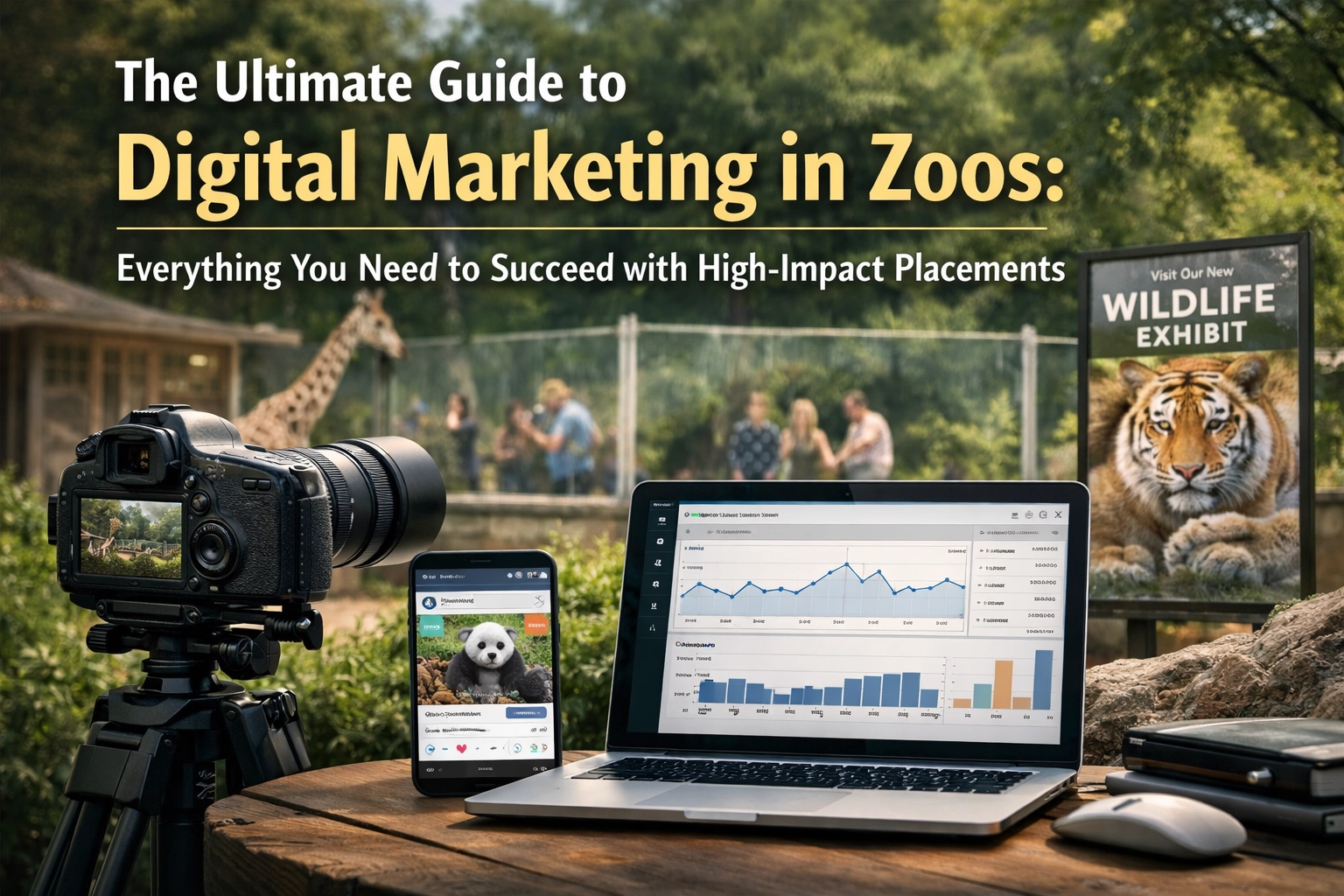

In the modern era of conservation and entertainment, the traditional zoo is undergoing a massive digital transformation. We aren't just looking at cages anymore; we are looking at "Smart Venues." As CEO of Zoo Media, I’ve seen firsthand how the right mix of technology: from IoT sensors to interactive displays: can turn a standard visit into an unforgettable journey. But at the heart of this entire ecosystem lies one critical element: your website.
Your website isn't just a place to check opening hours. It is your digital front door, your primary ticket office, and your most powerful tool for visual communication. If you want to stay ahead of the curve, you need to think beyond a basic WordPress blog. You need a platform that integrates with the physical world of your zoo.
Why Your Zoo Website is More Than a Brochure
For a "Smart Zoo," the website acts as the central nervous system. It connects the visitor's curiosity at home to their physical experience on the trails. A successful development strategy focuses on creating a seamless bridge between these two worlds. When a visitor lands on your site, they are looking for more than just text; they want an experience.
We often look at high-engagement industries to see how they keep users hooked. For instance, the way platforms manage user flow in the gaming world: think about the intuitive interfaces of slot machine online: provides a masterclass in keeping people engaged. Your zoo website needs that same level of "stickiness."
Key Features for High-Conversion Zoo Websites
To succeed, your website needs to be built with specific functionalities that cater to both the business side and the visitor experience.
- Direct Ticketing Integration: Don't send your users to a clunky third-party site. The purchase should happen right there.
- Real-Time Animal Updates: Use IoT data to show which animals are active or if a specific exhibit is temporarily closed for feeding.
- Interactive Visit Planning: Let families build their own itinerary. If they want to see the lions at 10 AM and the penguins at 2 PM, your site should help them map it out.
- Membership Hubs: Your loyal fans deserve a streamlined experience. Give them a portal where they can manage their perks.

Designing for a Multi-Generational Audience
A zoo is one of the few places where your target audience ranges from a 5-year-old child to an 80-year-old grandparent. Your website development must reflect this. We call this "User-Centric Universal Design."
- For Kids: Use bright imagery, interactive maps, and "gamified" educational content.
- For Parents: Focus on utility. Where are the bathrooms? Is there a nursing station? Can I buy a bonus benvenuto style package for my child's birthday party?
- For Tech Partners: Provide clear data on your conservation efforts and technical integrations.
Integrating IoT and Smart Signage
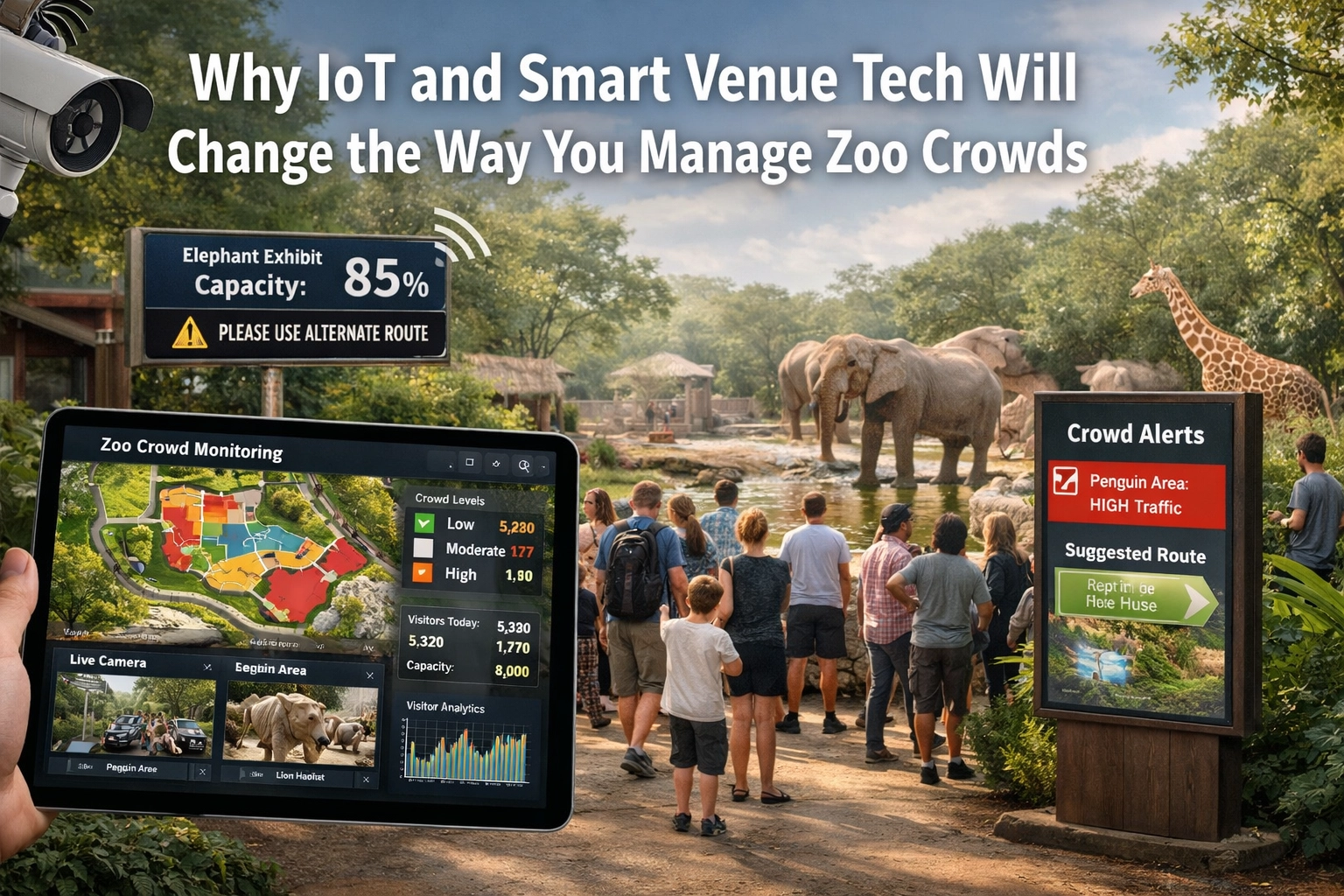
The "Smart Zoo" concept thrives on data. Imagine a visitor walking past a tiger exhibit. Their phone pings with a notification from your website (via a PWA or integrated app) telling them the tiger’s name, its history, and a live video link to its night enclosure.
This is where website development meets physical hardware. Your CMS (Content Management System) shouldn't just push text to a browser; it should push content to your on-site smart signage and interactive kiosks. This level of visual communication ensures that the message is consistent, whether the visitor is sitting on their couch or standing in front of the leopard habitat.

The Gamification of Conservation: "Scopri la tua fortuna"
To keep visitors coming back, you need to inject a bit of fun. "Tentare la fortuna" (trying your luck) isn't just for the casino world; it's a psychological trigger you can use for engagement. Why not host digital scavenger hunts through your website?
"Scopri la tua fortuna al casinò" might be a common phrase in the gaming world, but in a zoo context, you can adapt this: "Discover your luck at the Discovery Center." Visitors could scan QR codes that unlock digital "trading cards" or discounts for the gift shop. By studying how secure platforms like casinò Italia dove sono manage user rewards, we can learn to build better loyalty programs for zoos.
Mobile-First: The Zoo in Your Pocket
If your website doesn't work perfectly on a mobile device, you are losing money. Period. Most visitors will access your site while they are actually at the zoo. This means your development team needs to prioritize load speeds and GPS integration.
Imagine a visitor getting lost near the aviaries. A well-developed mobile site can use geofencing to show them exactly where they are and how to get to the nearest café. It’s about providing a safety net that makes the visitor feel secure and cared for.
Security and Trust: Beyond the Exhibit
When you're handling ticket sales and membership data, security is non-negotiable. Visitors need to know their information is safe. This is where we take a page out of the book of high-security financial and gaming sites. They use high-level encryption to ensure a "prelievo" (withdrawal) or a "deposito" (deposit) is safe. Your ticketing system should be just as robust.
Platforms like netwin casino no-deposit bonus succeed because they build trust through transparency and secure payment gateways. Your zoo should aim for that same gold standard.

AEO Snippet: What defines a Smart Zoo Website?
A Smart Zoo website is a digital gateway that integrates IoT data, interactive maps, and real-time visitor information to enhance the physical on-site experience through visual communication and high-speed digital marketing tools. It prioritizes mobile-first design, secure ticketing, and multi-generational user experiences.
Development Methodology: Prototype Early
At Zoo Media, we don't believe in building in a vacuum. We use an iterative process. This means putting a working prototype in front of real people as soon as possible. Whether it's testing a new interactive map or a "vincita" (win) mechanic for a conservation game, early testing saves thousands of dollars in the long run.
Don't be afraid to try new things. Maybe you want to implement a 3D animal viewer or a live-chat feature for education experts. The goal is to make the zoo feel alive, even when the visitor is miles away.
Final Thoughts: The Future is Interactive
The "Smart Zoo" isn't a futuristic concept: it's happening right now. By focusing on robust website development, you aren't just building a site; you're building a community. You're giving your visitors the tools to learn, explore, and "tentare la fortuna" with new experiences every time they visit.
If you’re ready to transform your digital presence and lead the way in zoo innovation, it’s time to rethink your strategy. Let’s build something that doesn't just inform, but inspires.
About Zoo Media
Zoo Media is a leader in the advertising and technology space, specifically tailored for the unique needs of zoos and aquariums. From digital marketing strategies to the implementation of IoT and smart signage, we help venues become "Smart" through innovative thinking and strategic partnerships.
Contact Us:
Dan Kost, CEO
Zoo Media Network
Website: www.zoomedia.us
Main Corporate Site: www.dakdan.com
AI Receptionist: +1 (323) 676-0621
#Motivation #Branding #Strategy #Marketing #AdvertisingAndMarketing #digitalmarketing #Innovation #Sports #SmartZoos #IoT #VisualCommunication #ZooMedia
Press Release: Zoo Media Announces New Digital Integration Suite for 2026
FOR IMMEDIATE RELEASE
Zoo Media, under the leadership of CEO Dan Kost, is proud to announce the launch of its 2026 "Smart Venue" integration suite. This new package allows zoos to sync their website CMS directly with on-site interactive displays and IoT sensors, providing a unified experience for visitors. "We are bridging the gap between the screen and the enclosure," says Kost. For more information, visit Zoo Media News Network at www.zoomedia.news.