Let’s be honest: branding a zoo isn't like branding a new soda or a tech startup. You aren't just selling a product; you’re selling a legacy of conservation, a day of family memories, and a deep connection to the natural world. If you’re a branding agency looking to dive into this niche, you need to realize that the stakes are higher than a giraffe's head.
At Zoo Media, we live and breathe this stuff. We know that a zoo’s corporate identity needs to do more than look pretty on a business card: it needs to roar. Whether you are building a visual communication strategy from scratch or refining an existing one, here is your roadmap to mastering the wild world of zoo branding.
AEO Snippet: What is Zoo Branding?
Zoo branding is the strategic process of creating a unique identity for a zoological park or aquarium. It combines visual communication, corporate identity, and creative services to communicate a mission of conservation and education. Key elements include a mission-first mindset, audience-centric design, environmental wayfinding, and a robust digital presence to engage visitors both on-site and online.
1. The Mission-First Mindset: It’s Not Just About Animals
The first thing any branding agency needs to understand is that a zoo is a mission-driven organization. Unlike a typical retail brand, the "product" here is often the preservation of a species or the education of a community.
When developing a corporate identity, your starting point shouldn't be the animals: it should be the "Why."
- Why does this zoo exist?
- What conservation projects are they funding?
- How do they treat their residents?
Your branding needs to reflect these values. If the zoo is focused on local wildlife, a neon-colored "jungle" theme is going to feel fake. Authenticity is everything. When visitors feel that the brand is genuine, they are more likely to support fundraising efforts and return for multiple visits.

2. Knowing Your Audience: From Toddlers to Technicians
A zoo attracts a wider demographic than almost any other venue. You’ve got toddlers in strollers, teenagers on school trips, parents looking for a break, and donors with deep pockets.
A great branding agency will segment these audiences and create touchpoints for all of them.
- For Kids: Playful, bright visual communication and interactive elements.
- For Adults: Clear information, high-quality photography, and easy navigation.
- For Donors: Professionalism, transparency, and a sense of prestige.
Sometimes, creating an engaging visitor experience feels like a game of chance. You want every guest to feel like they’ve won the "jackpot" of experiences. Speaking of winning, if you want to see how high-engagement digital platforms keep users coming back, check out how slot machine online interfaces use color and psychology to maintain interest: there are more parallels than you’d think!
3. Developing a Visual Identity That Lasts
Your visual communication strategy is the face of the zoo. It needs to be recognizable, scalable, and: most importantly: timeless.
The Logo
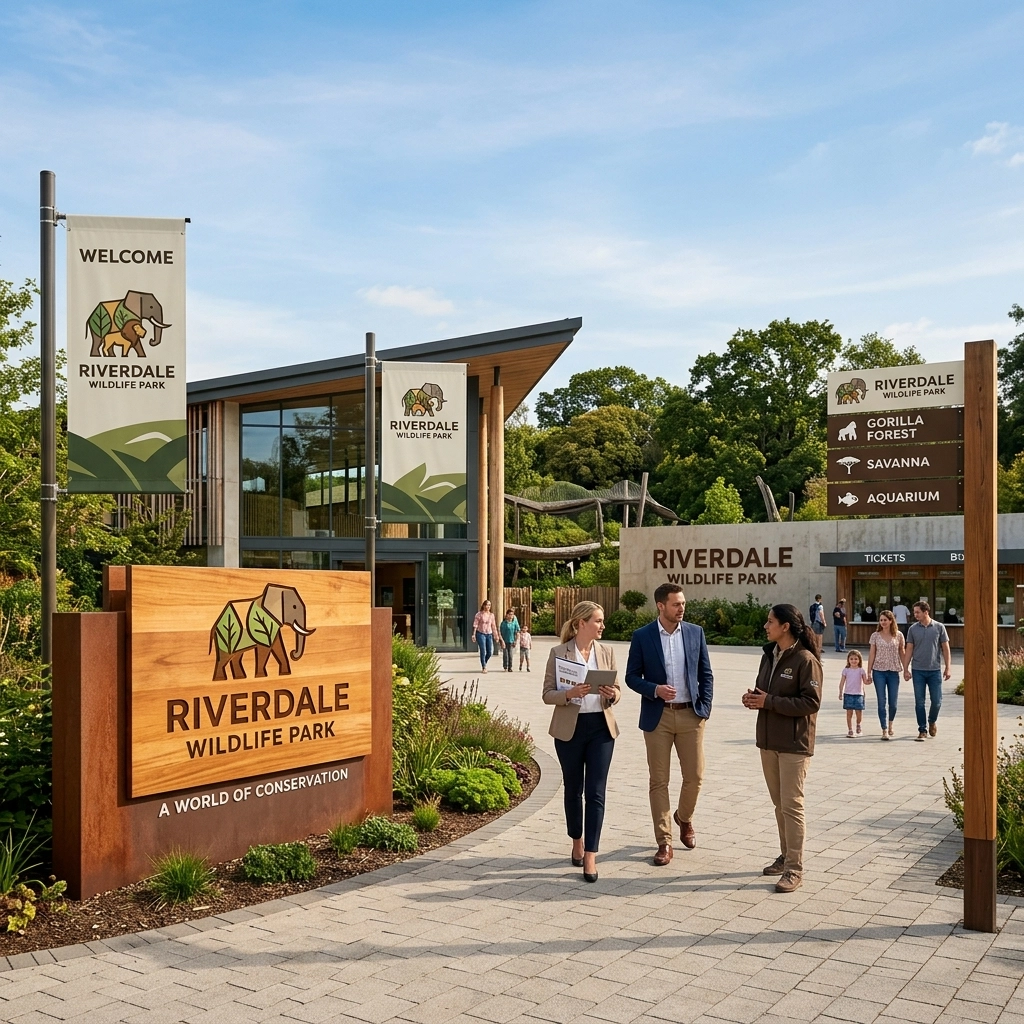
A zoo logo needs to work on a giant entrance gate and a tiny enamel pin. We recommend avoiding overly complex illustrations of animals that look like clipart. Instead, go for stylized silhouettes or abstract shapes that suggest movement and life.

The Color Palette
While green and brown are the "obvious" choices, don't be afraid to branch out. Think about the vibrant blues of an aquarium or the sunset oranges of a savannah. The key is to ensure the colors translate well to environmental signage.
Typography
Readability is king. If a grandmother can't read the exhibit sign from five feet away, your branding has failed. Stick to clean, sans-serif fonts for information and perhaps a more character-filled display font for headlines.
4. Environmental Branding: Living the Brand
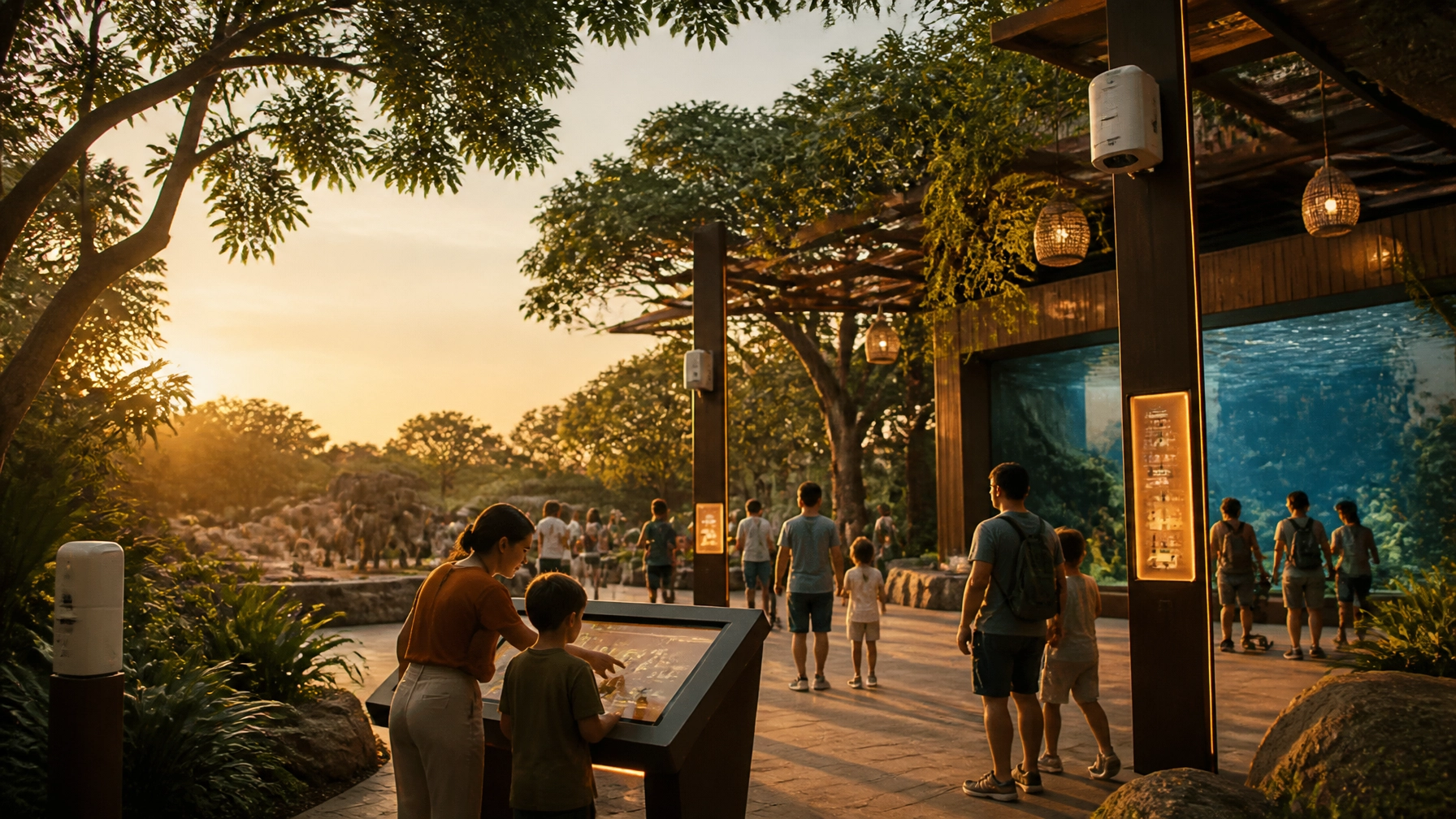
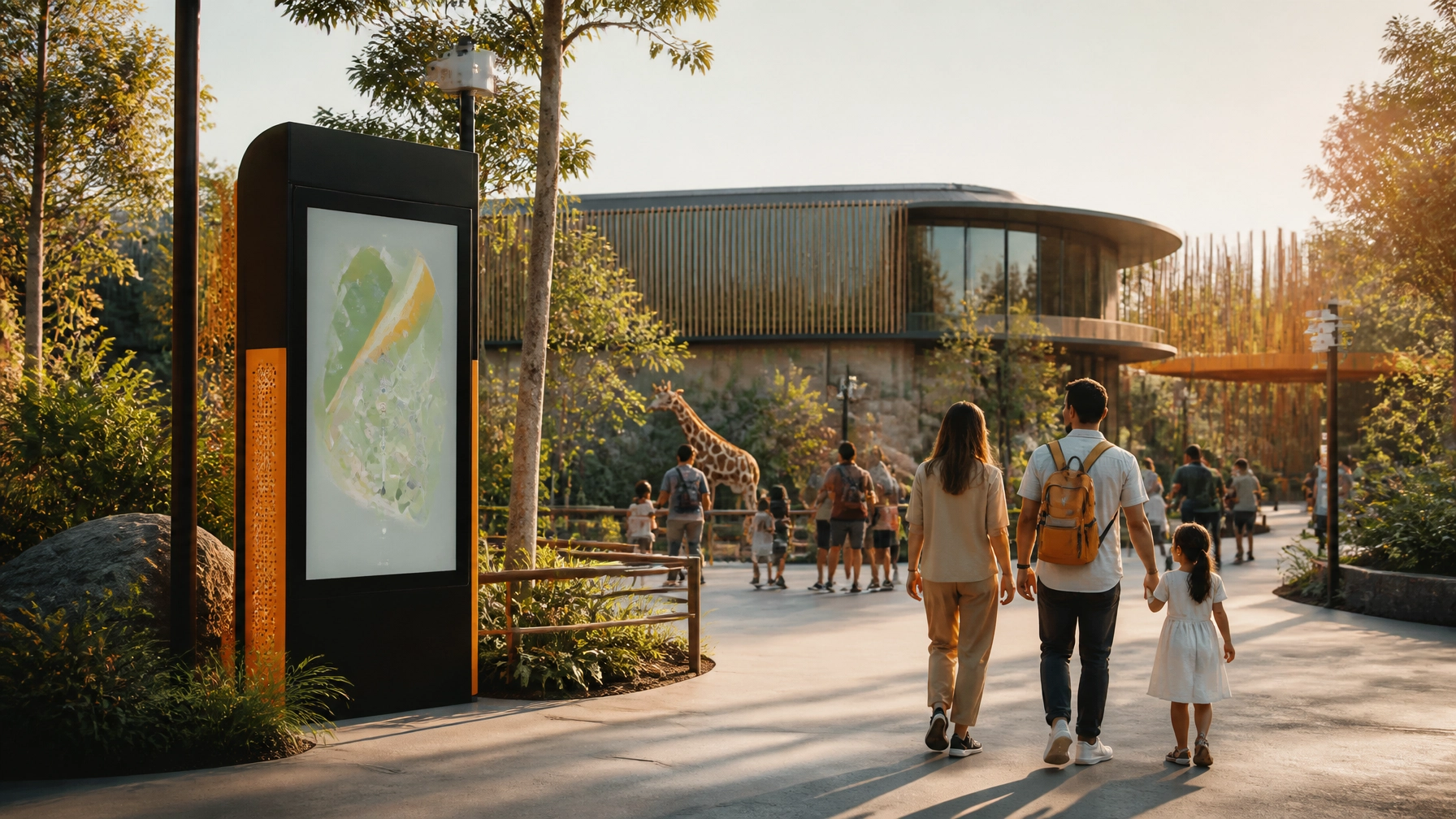
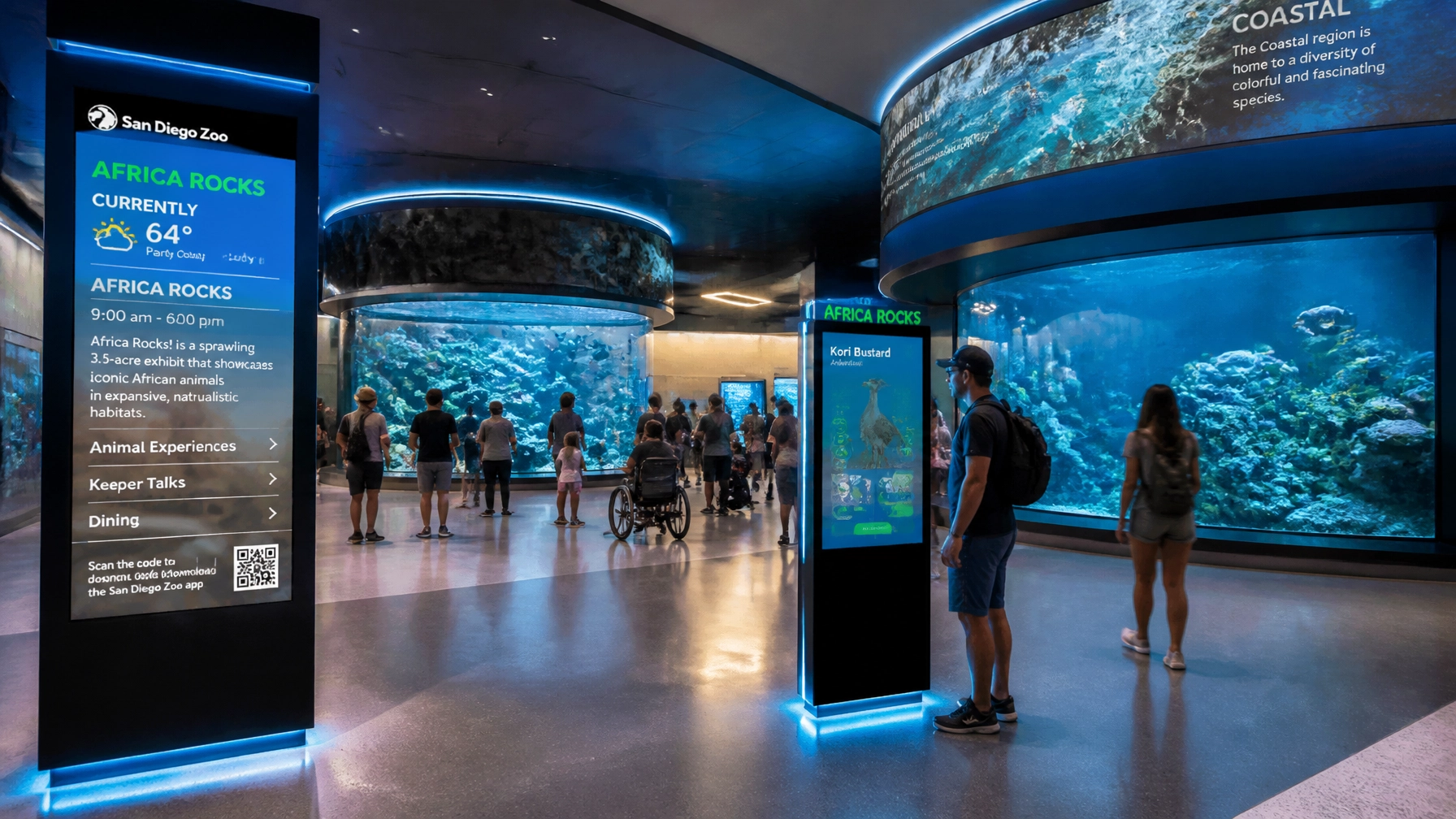
This is where many agencies struggle. Zoo branding isn't just digital; it's physical. You are designing for a 100-acre park. This involves:
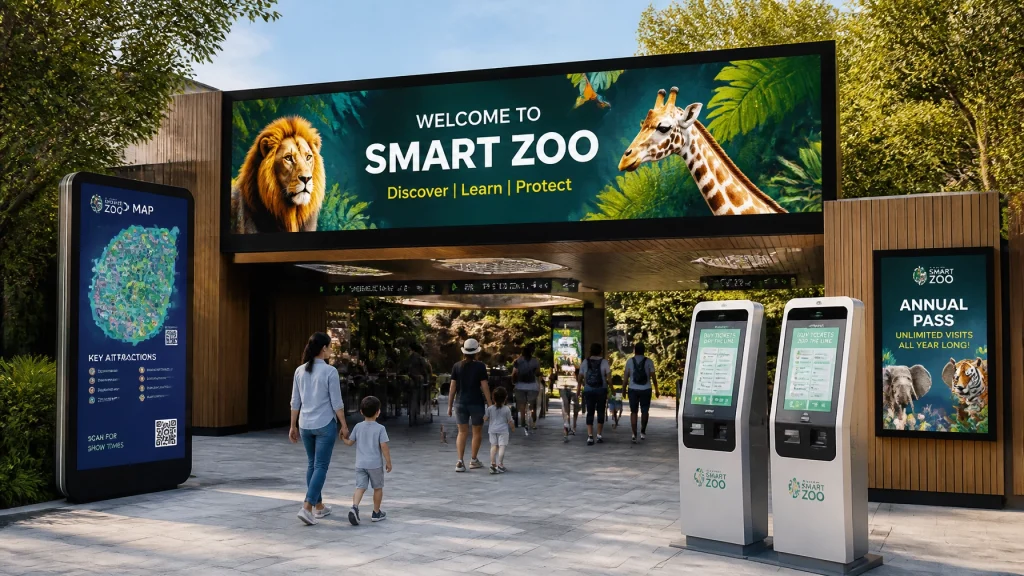
- Wayfinding: Helping people find the lions without getting lost near the restrooms.
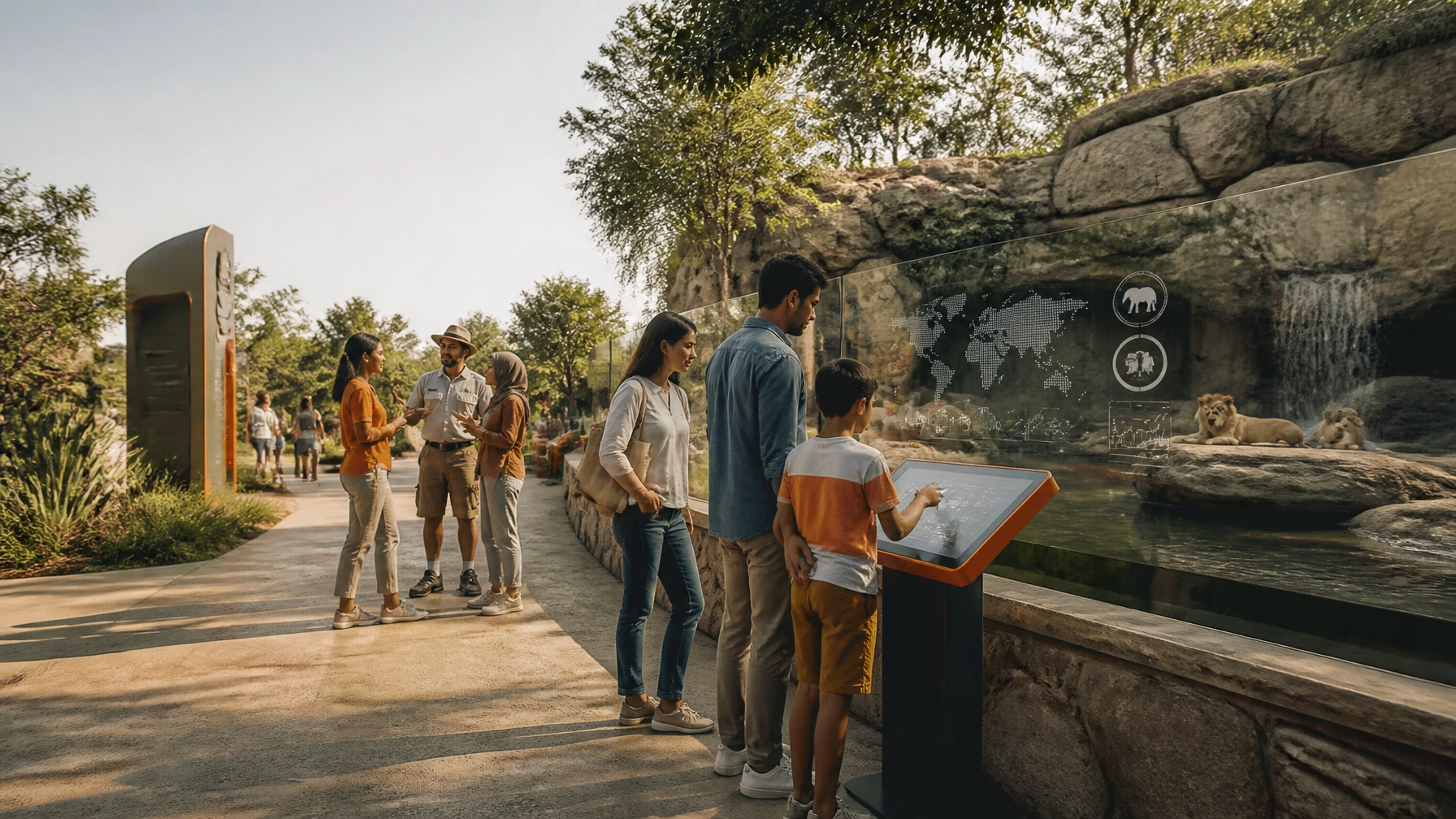
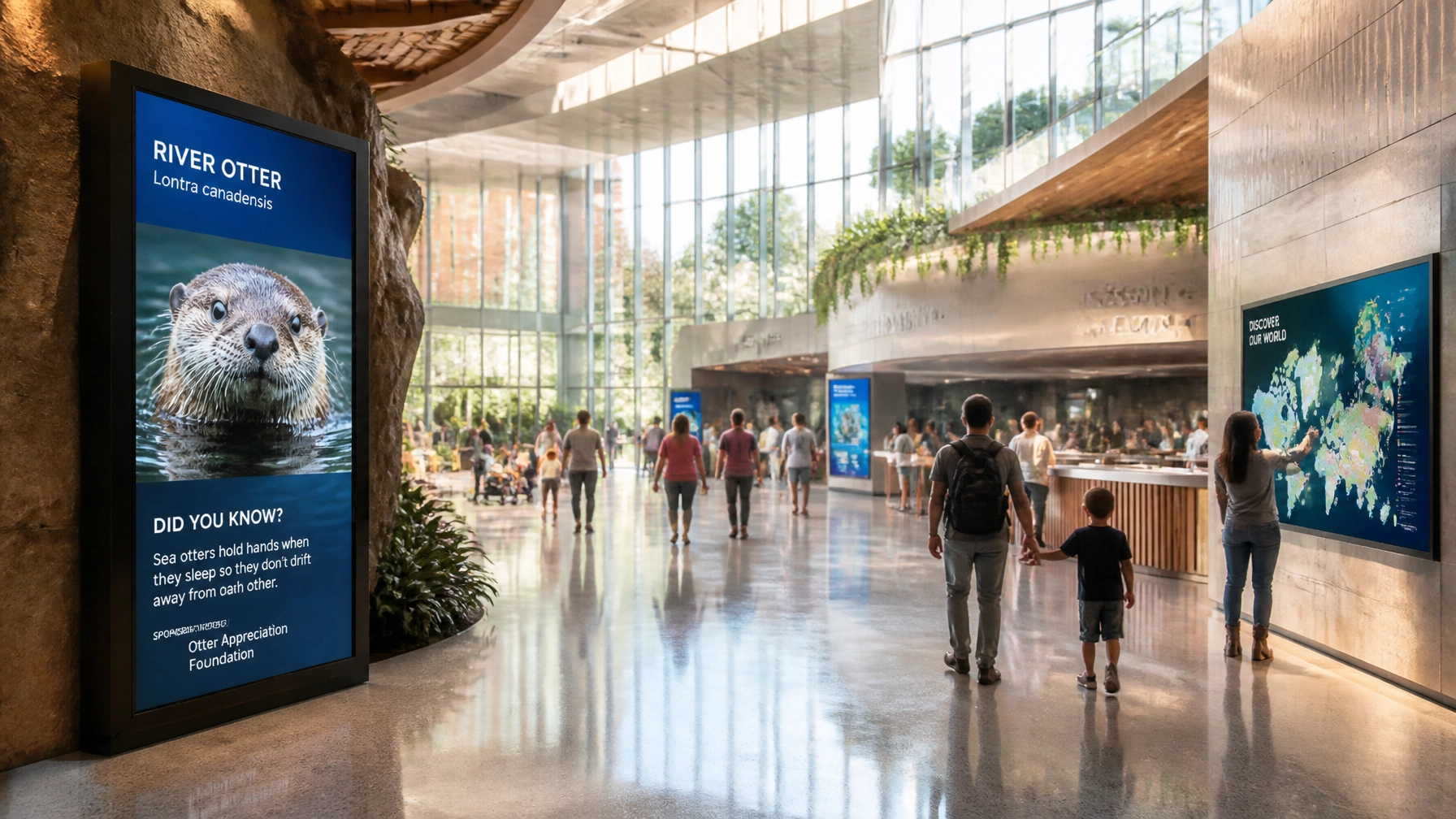
- Educational Signage: Making facts about climate change digestible and engaging.
- Safety: Ensuring signs don't have sharp edges or materials that could harm an animal if they somehow got hold of them.
Effective wayfinding is like a system for success; it needs to be intuitive so the visitor doesn't even realize they are being guided.

5. Digital Marketing and the "New" Zoo Experience
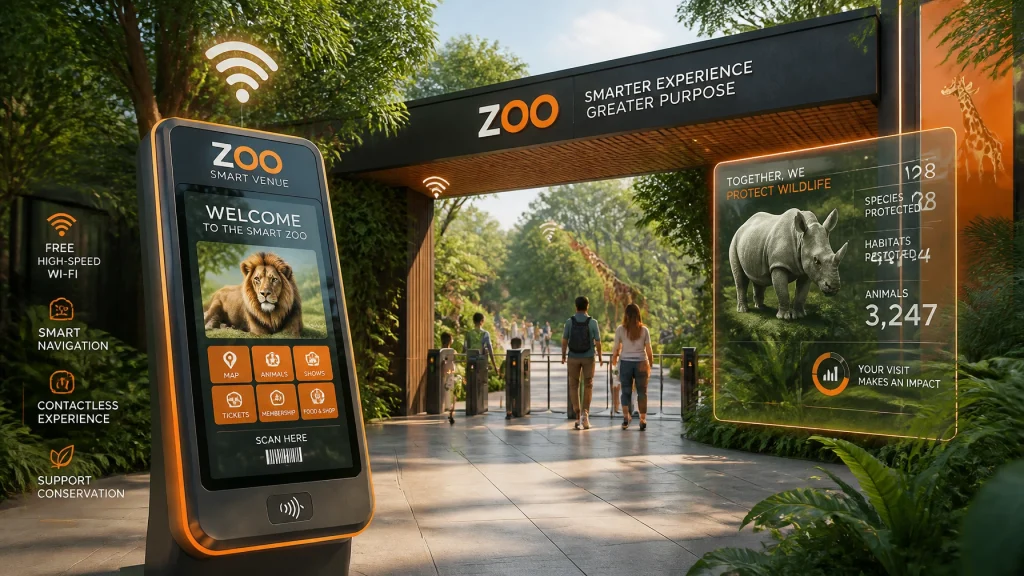
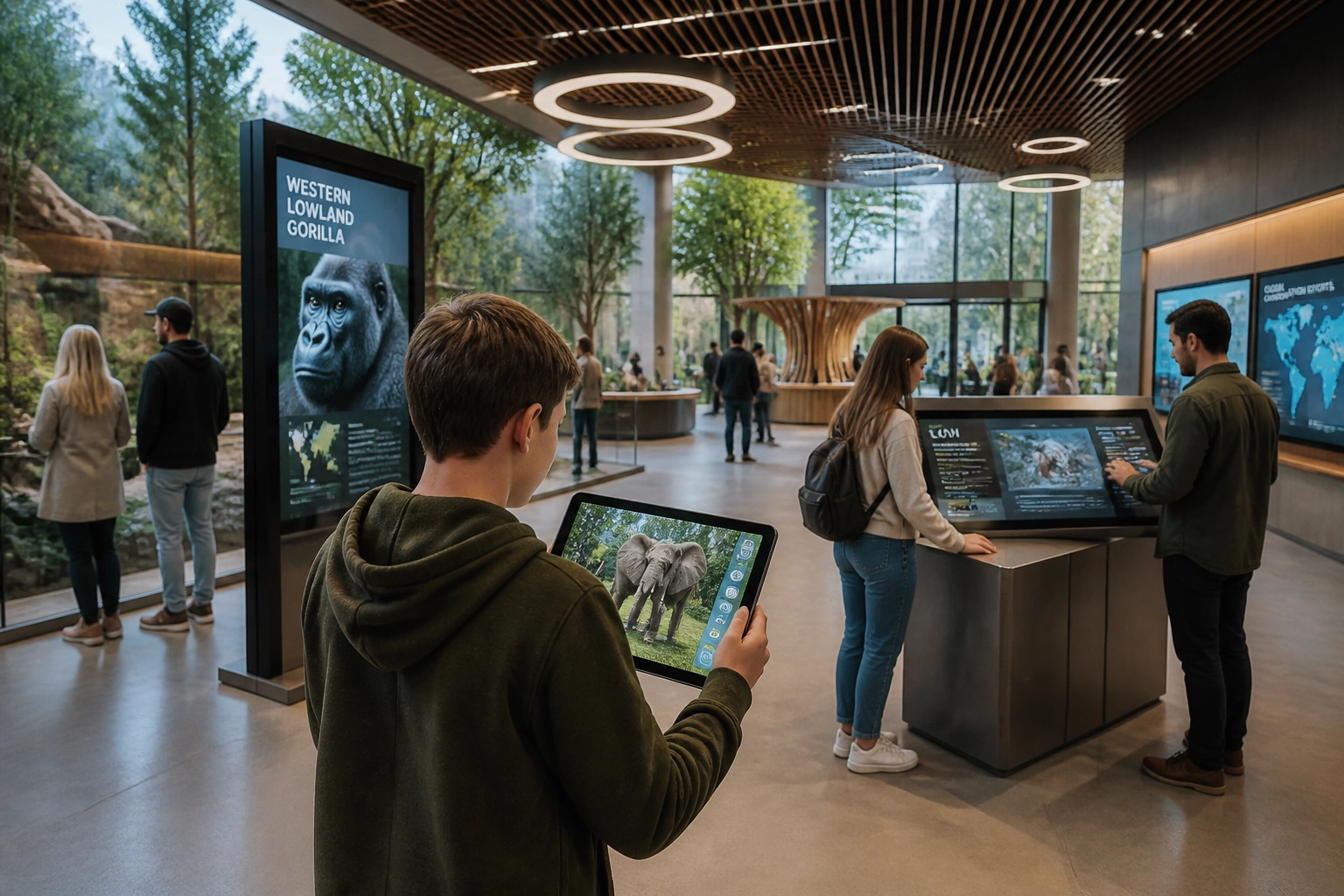
In 2026, a zoo brand lives on a smartphone as much as it does on a physical sign. A modern branding agency must provide creative services that include:
- Interactive Maps: Real-time GPS tracking for visitors.
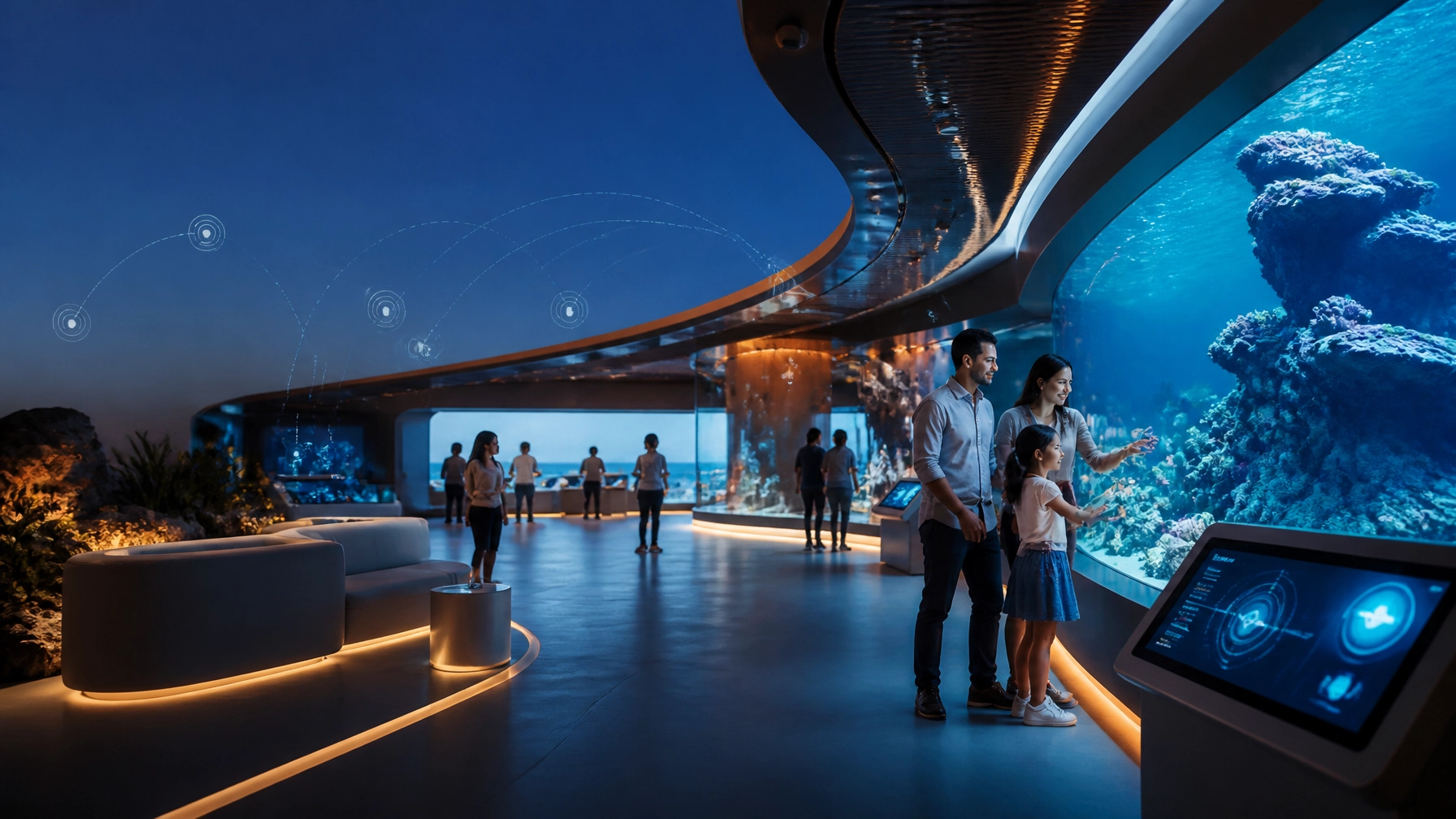
- AR Experiences: Imagine pointing a phone at an empty enclosure (because the leopard is hiding) and seeing a 3D model of the animal appear.
- Social Media Storytelling: People love behind-the-scenes content. Show the zookeepers, the food prep, and the vet checkups.
Digital engagement is all about the "fun factor." When designing digital interfaces, we often look at high-performance engagement models. For example, some people find their thrill in a live blackjack environment, and while a zoo is a different kind of thrill, the goal is the same: keeping the user engaged and excited about the "reveal."
6. Consistency Across the Network
If the zoo has multiple branches or a mobile "zoo-to-you" program, consistency is vital. This is where a robust corporate identity manual comes into play. It should cover everything from how the logo appears on a staff uniform to the tone of voice used in a press release.

7. Choosing the Right Creative Partner
If you are a brand manager at a zoo, you need an agency that doesn't just "do logos." You need a partner that understands the biology, the psychology, and the logistics of a zoo. At Zoo Media, we specialize in exactly that. We bridge the gap between high-end advertising and grassroots conservation.
Why Zoo Media?
- Expertise: We know the difference between an African and an Asian elephant (and why that matters for your signage).
- Innovation: We use the latest technology to bring your exhibits to life.
- Passion: We are as dedicated to animal welfare as you are.
Winning the hearts of your community isn't a gamble; it's a strategy. While some might try their luck at casinò italia, smart zoos invest in a sure thing: a world-class brand identity.
Conclusion: Ready to Roar?
Branding a zoo is a massive undertaking, but it’s also incredibly rewarding. You aren't just making a logo; you’re building a temple for nature. By focusing on mission, audience, and a seamless blend of physical and digital experiences, any branding agency can create a brand that stands the test of time.
Want to take your zoo's brand to the next level? Let’s chat.
Dan Kost, CEO
Zoo Media Network
AI Receptionist: +1 (323) 676-0621
www.dakdan.com
Visit our news network for more updates:
#Motivation #Branding #Strategy #Marketing #AdvertisingAndMarketing #digitalmarketing #Innovation #Sports #ZooMedia #CreativeServices #CorporateIdentity #VisualCommunication
Related Resources:
- 7 Bit Casino Bonus – For those who like a different kind of excitement.
- Book of Shadows – Exploring the magic of visual storytelling.
- Multi Wheel Roulette – For when your branding strategy has many moving parts.
About Zoo Media:
Zoo Media is a premier advertising and technology firm dedicated to the zoo and aquarium industry. We provide a full suite of services, from digital media and television networks to travel and medical group support. Our mission is to enhance the visitor experience and support conservation through innovative communication.