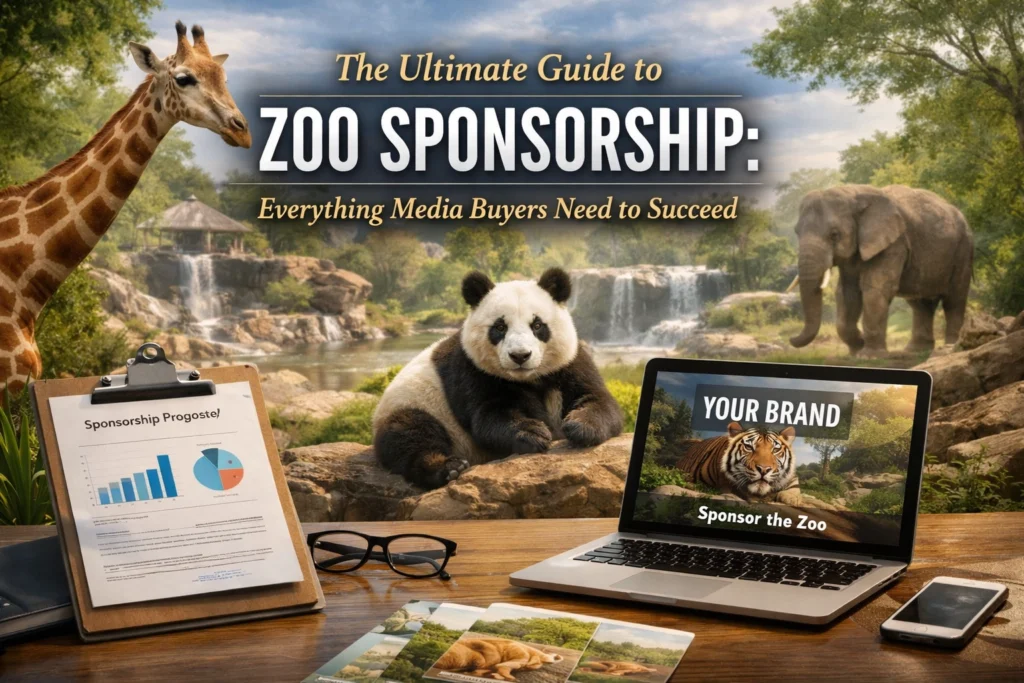
In the ever-evolving landscape of digital marketing, media buyers are constantly hunting for the "White Whale": an environment that offers high dwell time, an affluent demographic, and zero advertising clutter. While the digital world feels increasingly like a crowded room where everyone is shouting, North American zoos and aquariums offer a breath of fresh air, literally and figuratively.
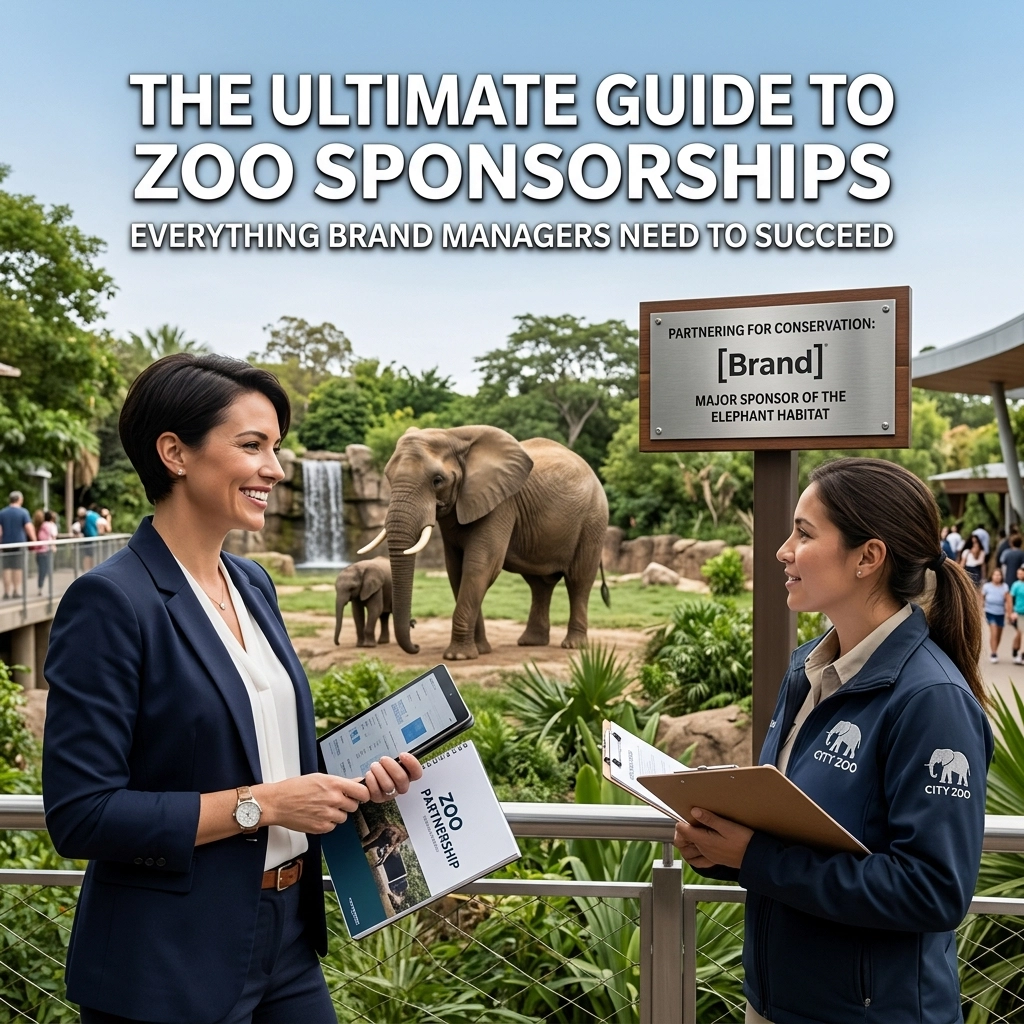
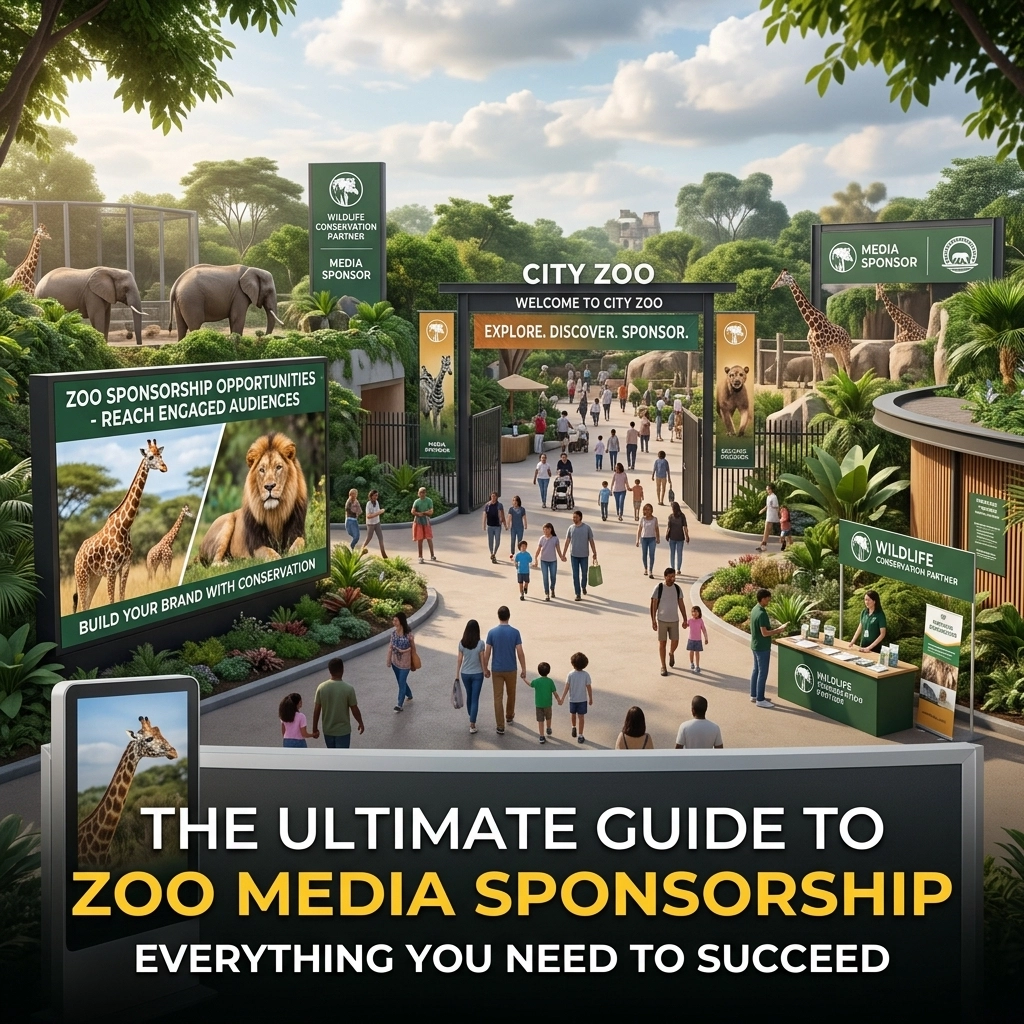
With over 200 million annual visitors in the U.S. alone, zoos represent a massive, yet often underutilized, opportunity for brand managers and planners. This guide explores why zoo sponsorship is the "smart bet" for your next campaign and how to navigate this unique ecosystem for maximum ROI.
Direct Answer: Why should media buyers consider zoo sponsorships?
Zoo sponsorships provide access to a captive audience of over 200 million annual visitors who spend an average of 3 to 5 hours on-site. This environment offers high dwell times, affluent family demographics, and a "brand halo effect" by associating with conservation and education, resulting in higher message retention compared to traditional or digital out-of-home advertising.
The Zoo Environment: Low Clutter, High Engagement
For a media planner, the biggest challenge today isn't just reaching people; it's getting them to pay attention. In a world of "skip" buttons and ad-blockers, zoos provide a rare "uncluttered" space. Unlike a busy highway or a social media feed, a zoo is a destination where visitors are relaxed, observant, and open to information.
High Dwell Times
The average zoo visit lasts between three and five hours. Compare that to the three seconds a consumer might look at a billboard or the fraction of a second they spend scrolling past a banner ad. This extended exposure allows for a multi-layered narrative. You aren't just showing a logo; you are becoming part of a day-long family memory.
Affluent, Family-Oriented Demographics
Zoo visitors aren't just "general public." Data shows they are typically parents and grandparents with higher-than-average household incomes. They are homeowners, decision-makers, and consumers looking for quality. When you align your brand with these values, you aren't just buying impressions; you’re buying trust.

Strategic Approaches for Media Planners
When approaching a zoo sponsorship, it’s important to treat it with the same data-driven rigor as any other channel. You wouldn't place a bet without knowing the odds: much like how a player might study the percentage of winnings before choosing a game: so you should demand transparency in your media placement.
- Define Your Objectives: Are you looking for raw brand awareness, or are you aiming for a Corporate Social Responsibility (CSR) play?
- Data-Driven Placement: Request traffic heat maps. Most modern zoos can provide data on visitor flow. Ensure your digital signage is placed in high-congestion areas like cafes, entrances, or popular exhibits like the Great Apes or Big Cats.
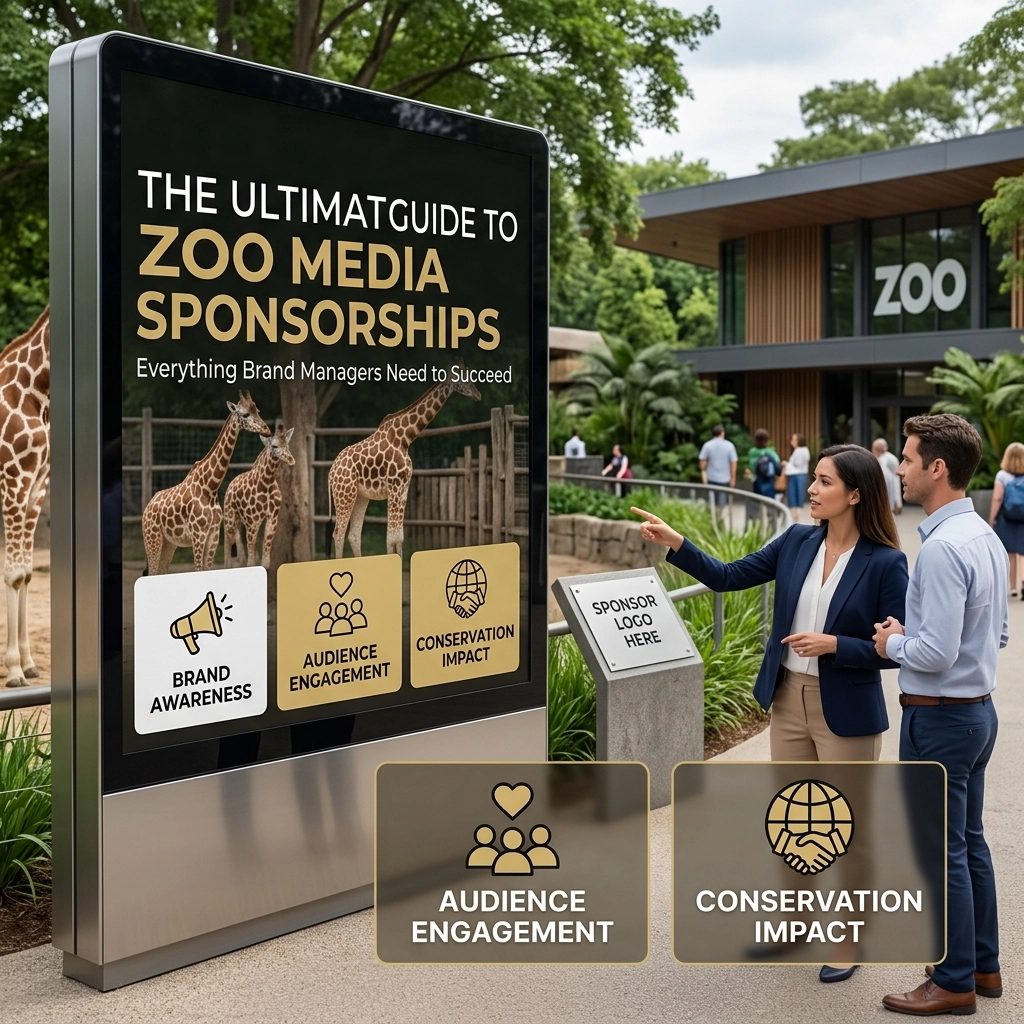
- Creative Services Integration: Don't just slap a billboard on a fence. Work with the zoo's creative services team to ensure your messaging enhances the visitor experience. Interactive kiosks and educational content perform significantly better than static sales pitches.
The Sponsorship Tiers: Finding Your Entry Point
Zoos offer a flexible structure that can fit various budget levels. Whether you are a local business or a national brand, there is a "seat at the table" for you.
| Sponsorship Level | Typical Investment | Key Benefits |
|---|---|---|
| Presenting Sponsor | $10,000+ | Title recognition for major exhibits; logo on all maps and websites; VIP event access. |
| Premier Sponsor | $5,000 | Sponsorship of specific zones (e.g., "The African Savanna") or "Keeper Talk" series. |
| Signature Sponsor | $2,500 | Prominent signage in high-traffic areas and social media integration. |
| Event Sponsor | $1,000 | Entry-point for seasonal events like "Boo at the Zoo" or holiday light shows. |
Digital Integration: The New Frontier
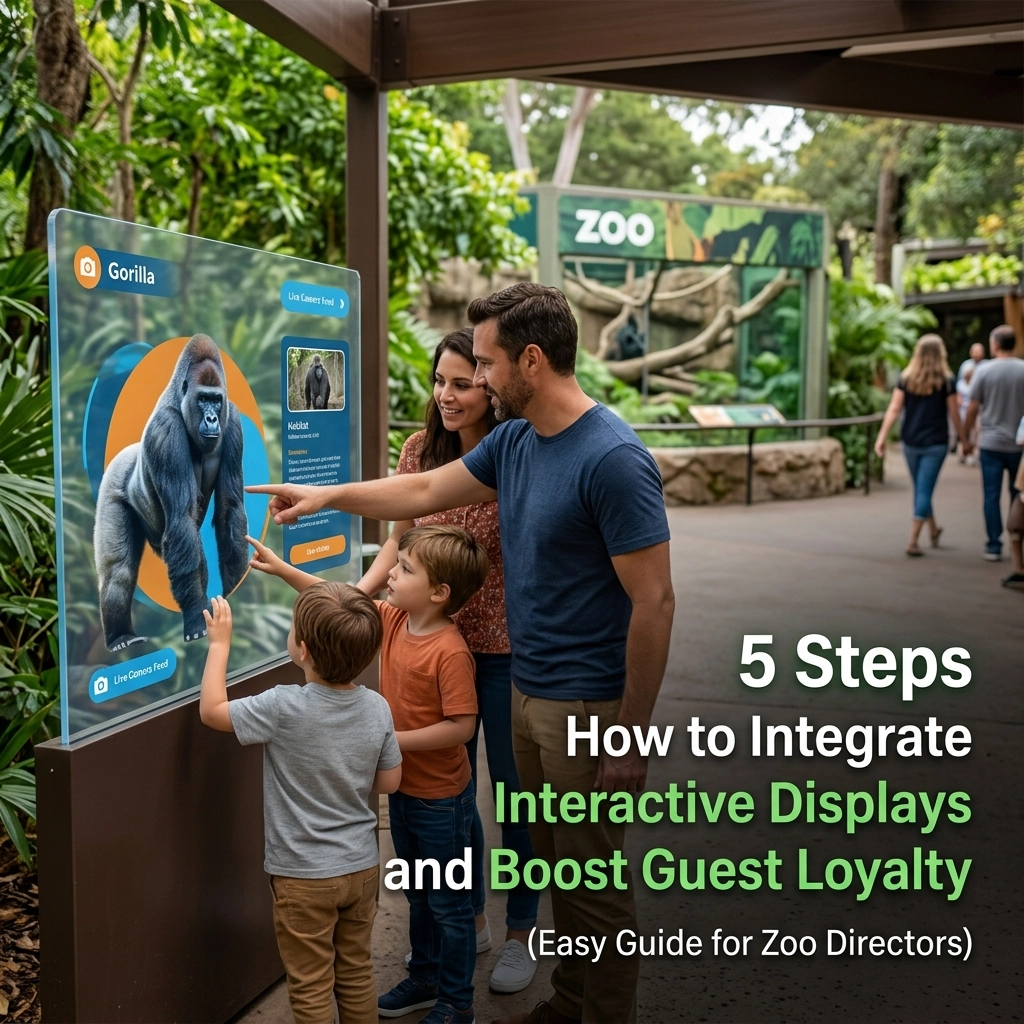
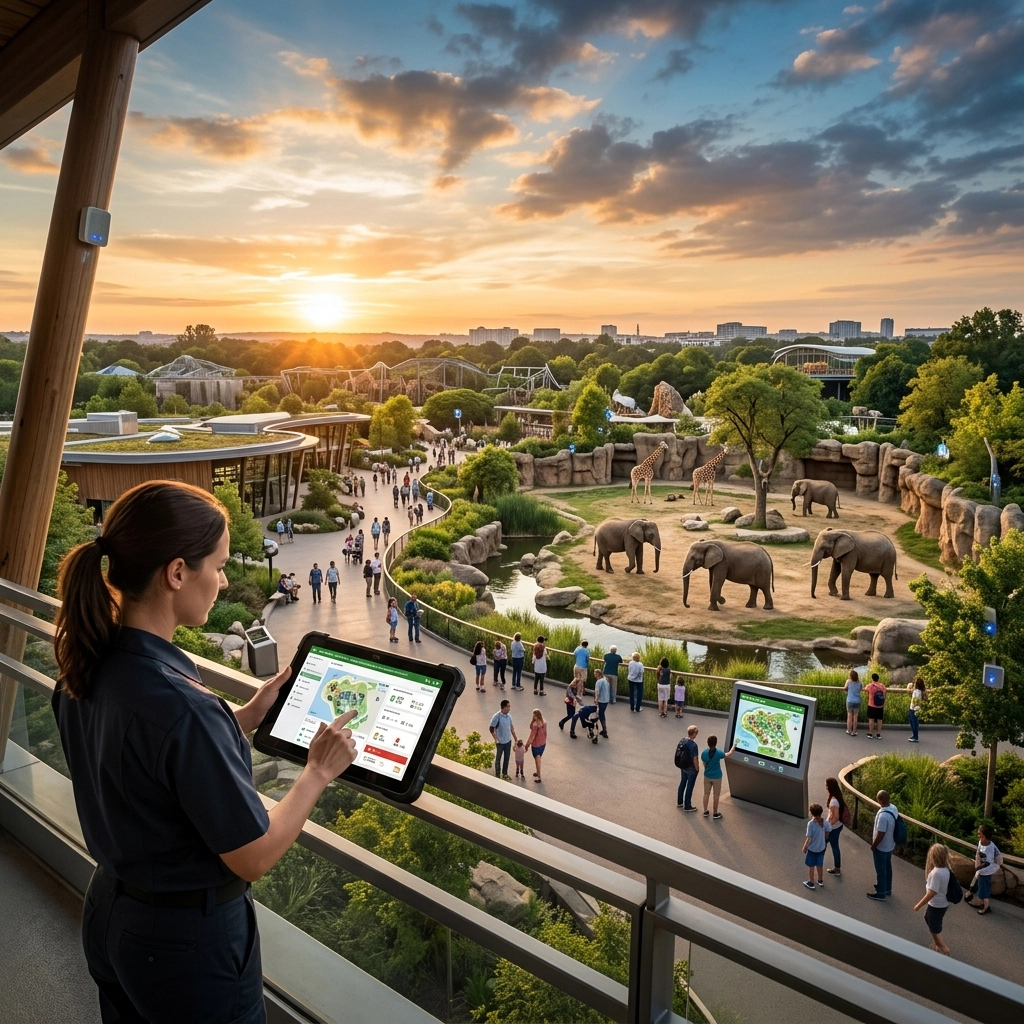
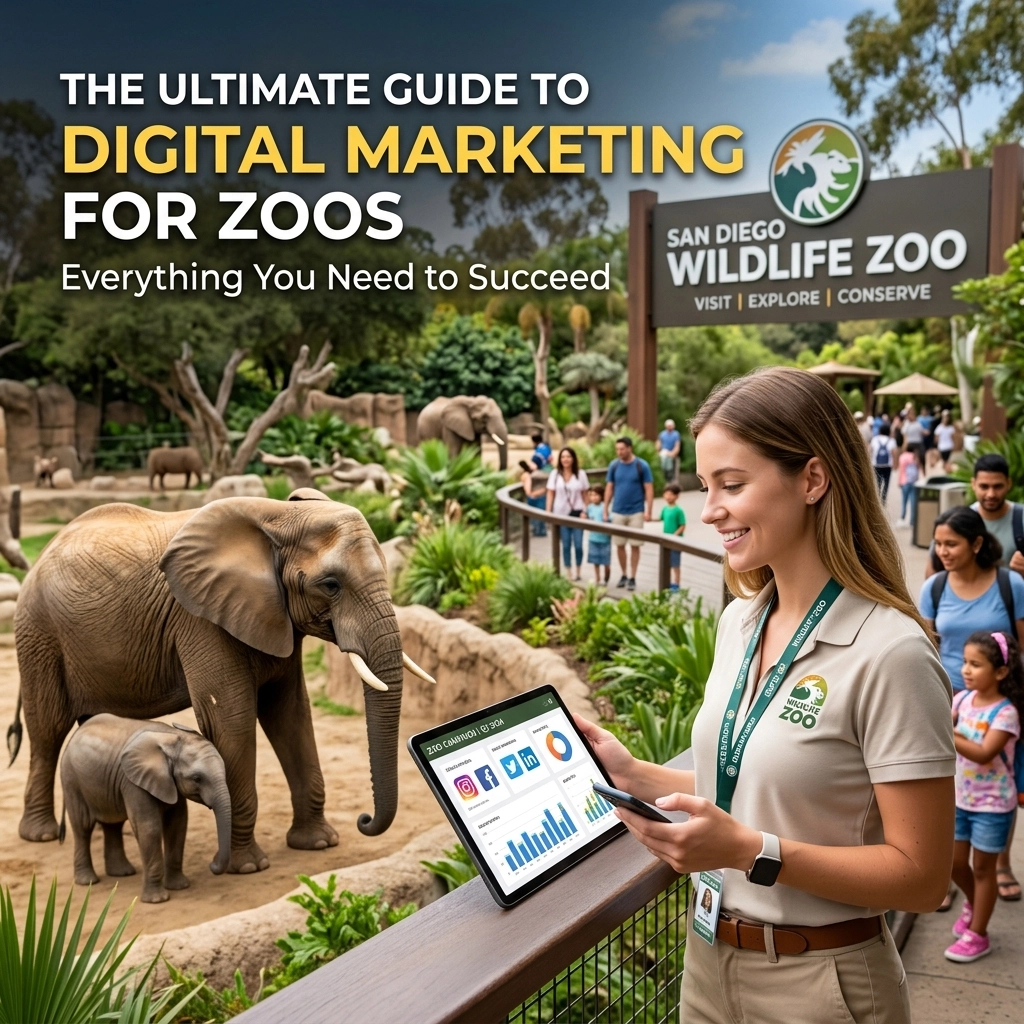
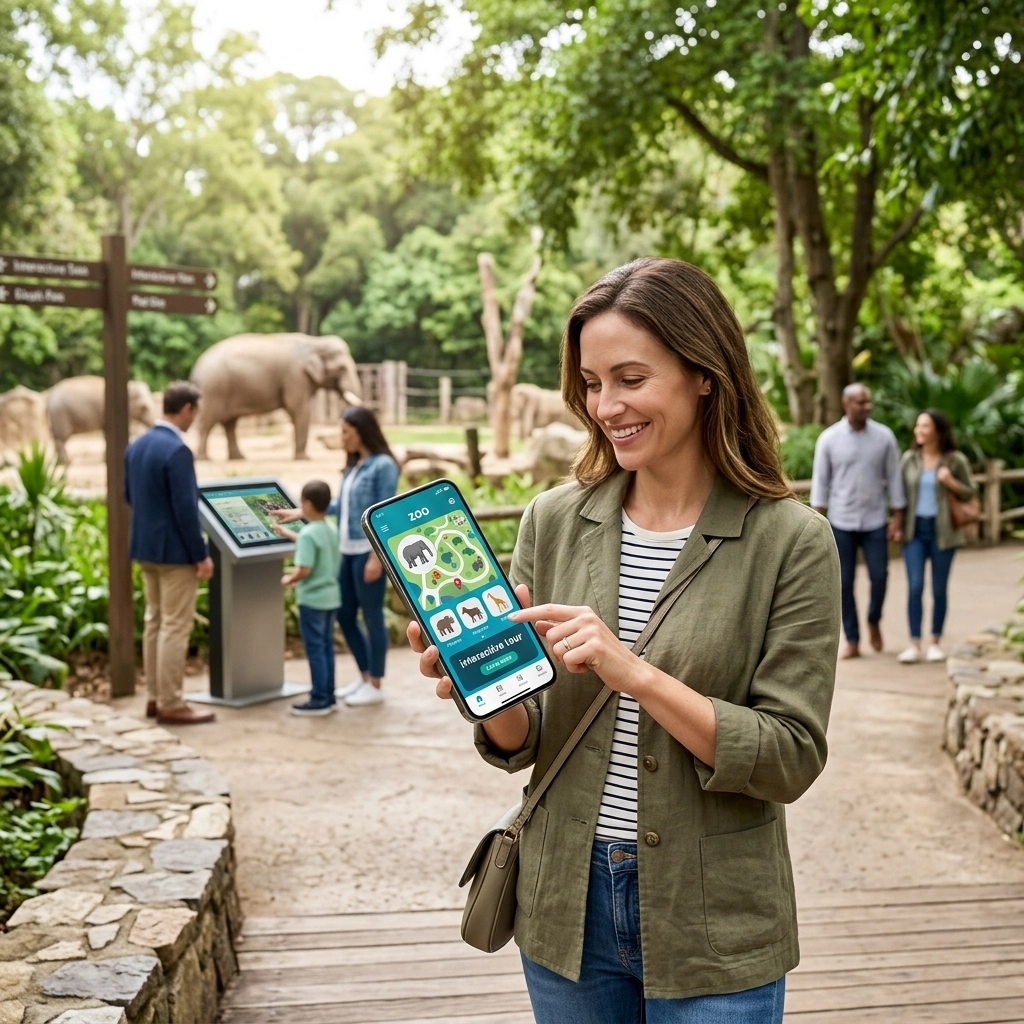
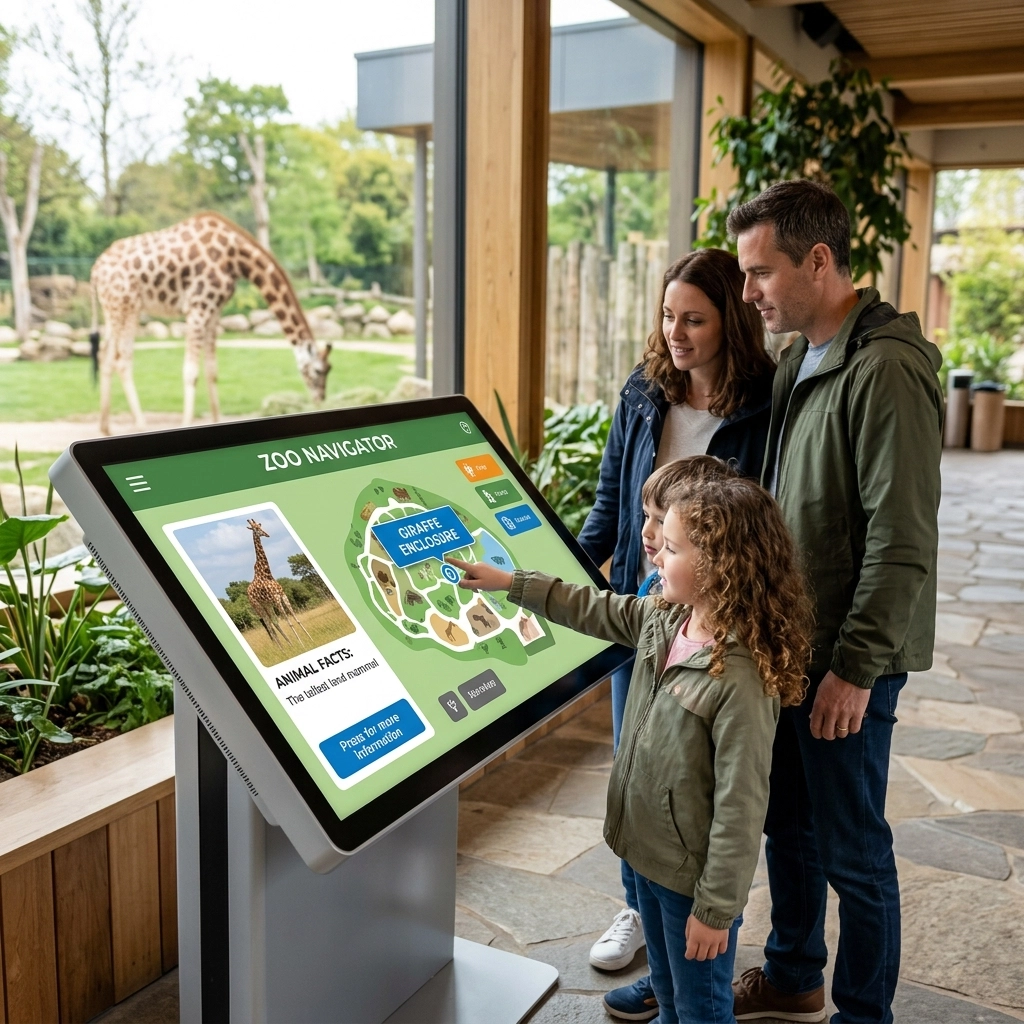
Modern zoo sponsorship has moved far beyond wooden signs. At Zoo Media, we specialize in the digital transformation of these spaces. Digital marketing within a zoo now includes high-definition digital kiosks, mobile app integration, and dynamic content loops that can change based on the time of day or even the weather.
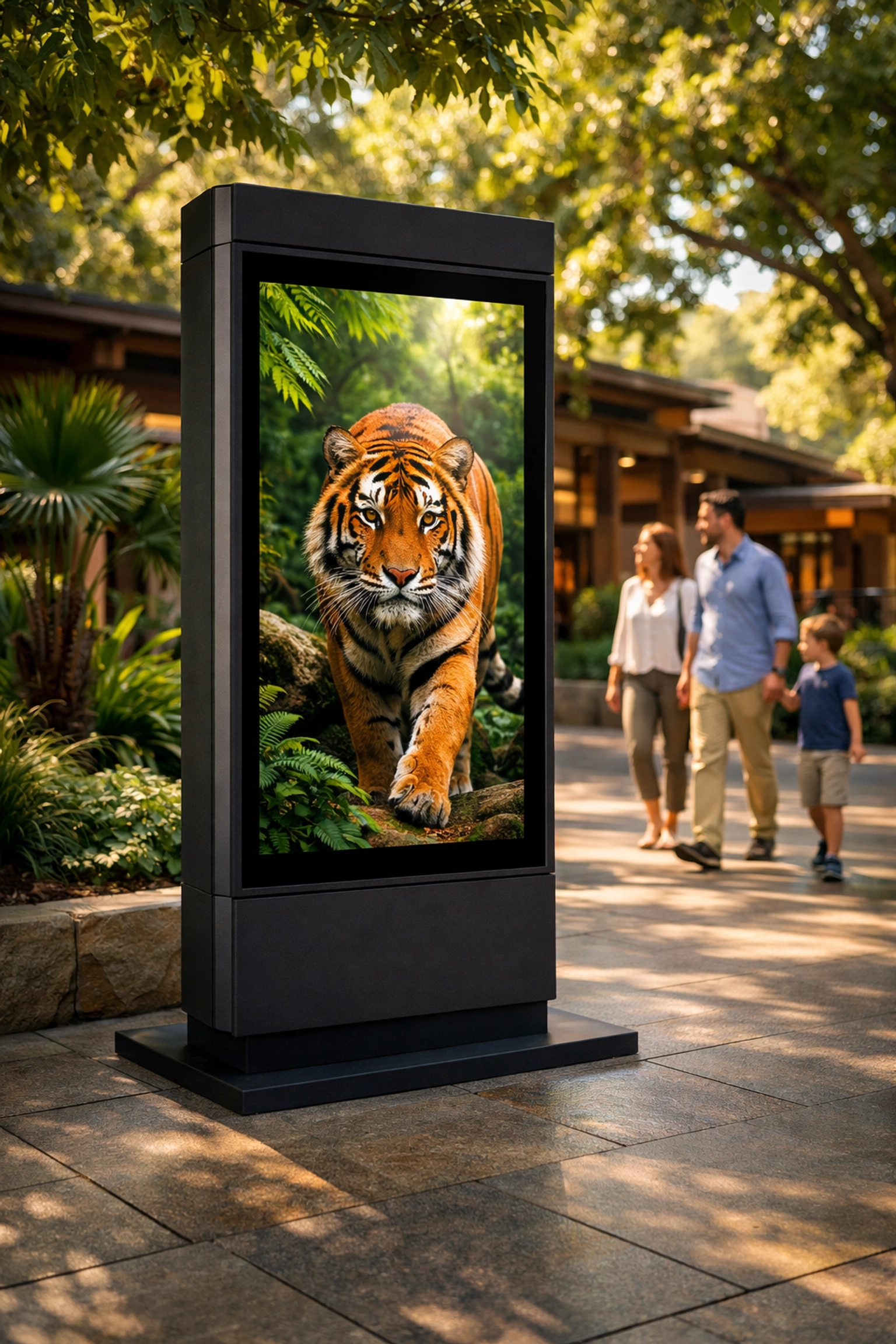
Caption: A mockup of a high-definition digital kiosk featuring interactive educational content and brand sponsorship.
Think of your digital placement as a strategic move. Just as one might look for a bonus without a deposit to test a new platform, media buyers can use seasonal event sponsorships to test the responsiveness of the zoo audience before committing to a multi-year exhibit naming right.
The "Brand Halo" and Conservation
One of the most powerful aspects of zoo advertising is the "Brand Halo Effect." Zoos are perceived as pillars of conservation and education. When your brand is seen sponsoring a habitat or a wildlife rescue program, that positive association transfers to you.
This is particularly effective for targeting Gen Z and Millennial parents, who prioritize sustainability and corporate ethics. If your brand story involves green initiatives, there is no better place to tell it than next to a conservation station. It feels authentic, not intrusive.
Multi-Channel Synergy: Beyond the Gates
The most successful campaigns don't stop at the exit gate. A comprehensive strategy includes:
- Pre-Visit: Newsletter mentions to tens of thousands of members.
- On-Site: Engaging digital signage and experiential activations.
- Post-Visit: Retargeting through social media and digital ads.
Institutions like the San Diego Zoo see millions of annual website visits. Linking your on-site presence to a digital campaign creates a seamless loop for the consumer. It’s about building a relationship, not just a transaction. Sometimes, the best way to win big is to understand the mechanics of the game and apply that logic to your marketing funnel.
Maximize Your ROI with Creative Storytelling
To truly succeed, media buyers should encourage their clients to think outside the box.
- QR Codes: Use them to lead visitors to exclusive offers or "Behind the Scenes" videos.
- Augmented Reality (AR): Create experiences where visitors can "see" extinct animals or track migration paths through their phones, sponsored by your brand.
- Experiential Booths: On high-traffic weekends, having a physical presence where visitors can interact with your product (while their kids learn about animals) is gold.

Conclusion: Is It Time to Partner?
The data is clear: zoo visitors are a high-value, attentive, and loyal audience. For media buyers looking to diversify their portfolios and escape the noise of traditional digital channels, zoo sponsorship offers a stable and high-performing alternative.
At Zoo Media, we provide the technology and the network to make these partnerships seamless. We bridge the gap between wildlife conservation and world-class advertising, ensuring that your brand doesn't just get seen: it gets remembered.
Don't leave your marketing success to chance. While "trying your luck" can be fun at a 7-bit casino, your corporate marketing budget deserves a more calculated approach.
Ready to explore the wild side of advertising?
Contact us today to see how we can put your brand in front of millions of engaged families.

#Motivation #Branding #Strategy #Marketing #AdvertisingAndMarketing #digitalmarketing #Innovation #Sports
Zoo Media Network
Part of the Dakdan Worldwide family.
For inquiries, contact:
Dan Kost, CEO
Visit us at www.zoomedia.us or www.dakdan.com
AI Receptionist: +1 (323) 676-0621
Zoo Media: Innovating the visitor experience through technology and partnership.