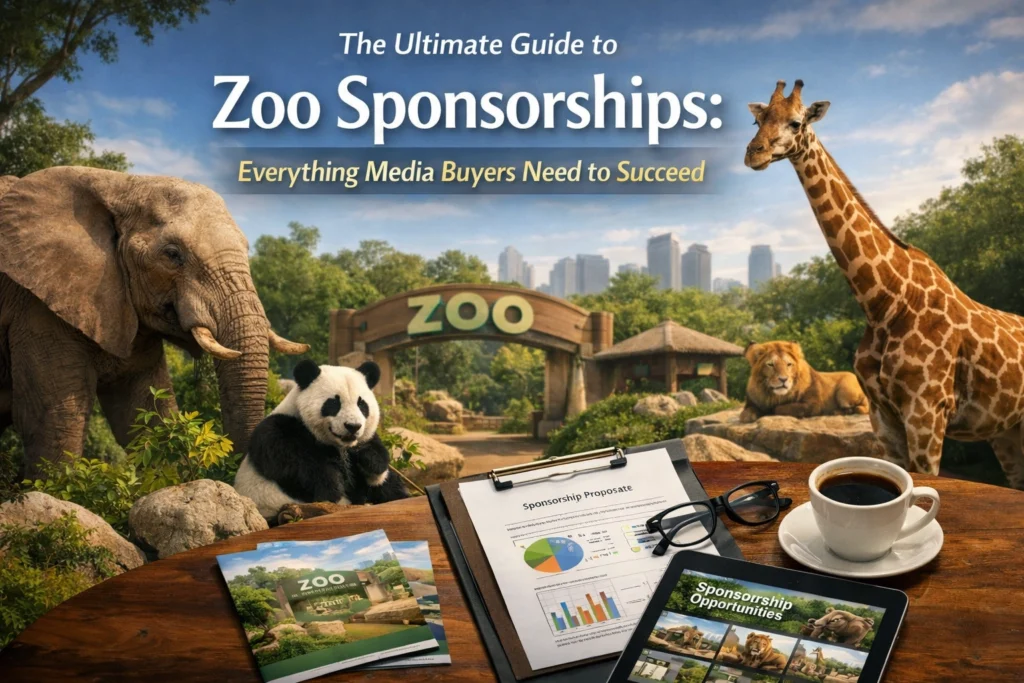
In the high-stakes world of media buying, finding a "blue ocean": an uncluttered environment where your message can actually breathe: is the holy grail. While digital feeds are saturated and traditional billboards are often tuned out, a massive opportunity is hiding in plain sight: the local zoo.
Did you know that U.S. zoos and aquariums host more than 200 million visitors annually? That is more than the NFL, NBA, NHL, and MLB combined. For media buyers and brand managers, this isn't just a "nice-to-have" community play; it’s a high-performance marketing channel with a captive, affluent audience.
The Power of the Zoo Demographic
When you invest in zoo sponsorships, you aren't just buying eyeballs; you’re buying quality time. The average zoo visitor spends between 3 to 5 hours on-site. Compare that to the few seconds of attention a pre-roll ad or a social media scroll gets.
The demographic is a media buyer's dream:
- Family-Centric: Primarily parents and grandparents.
- High Disposable Income: Typically homeowners with higher-than-average household incomes.
- Discovery Mindset: Visitors come to learn and explore, making them more receptive to educational and brand-led storytelling.

Digital Marketing and the New Zoo Landscape
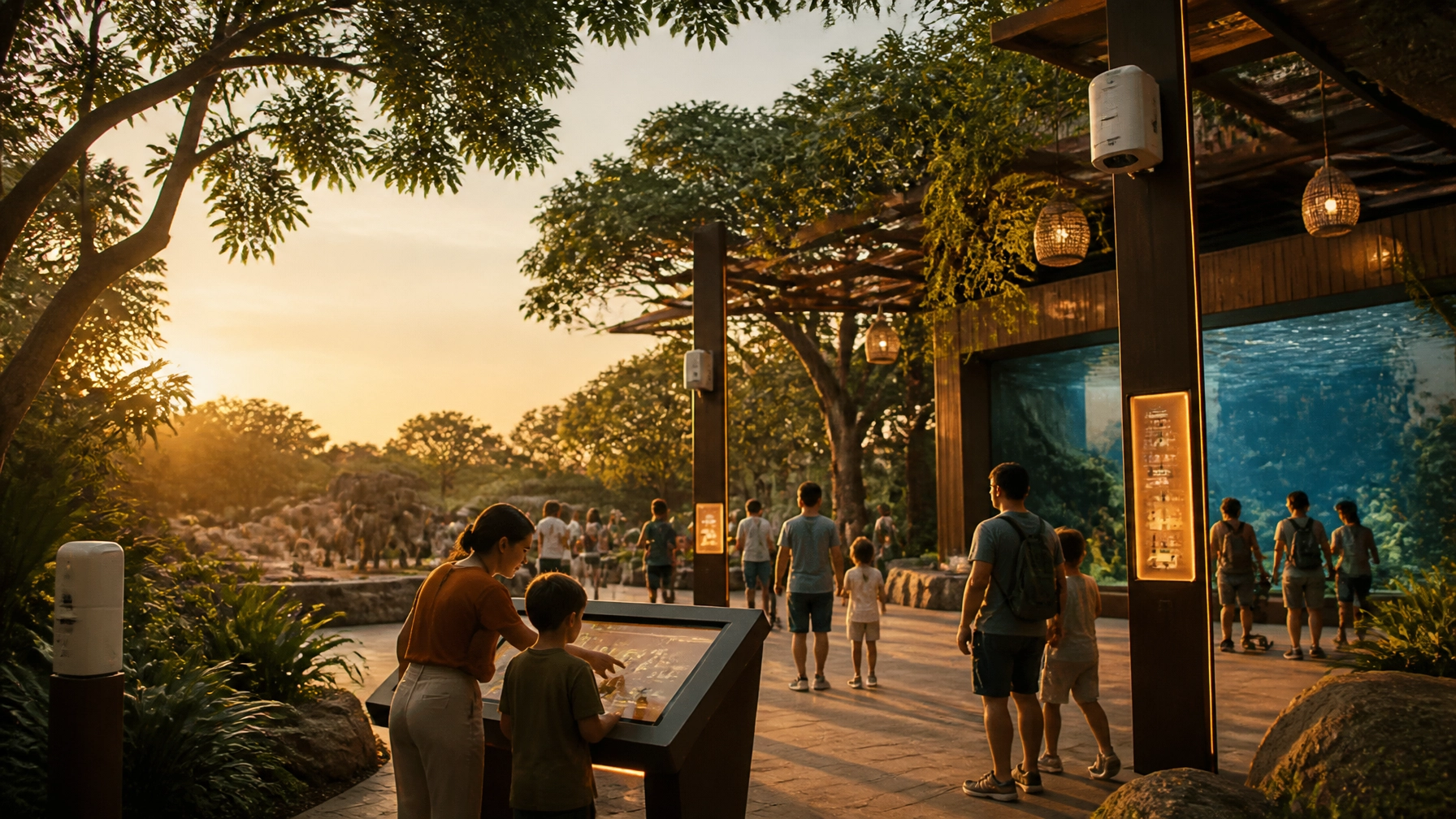
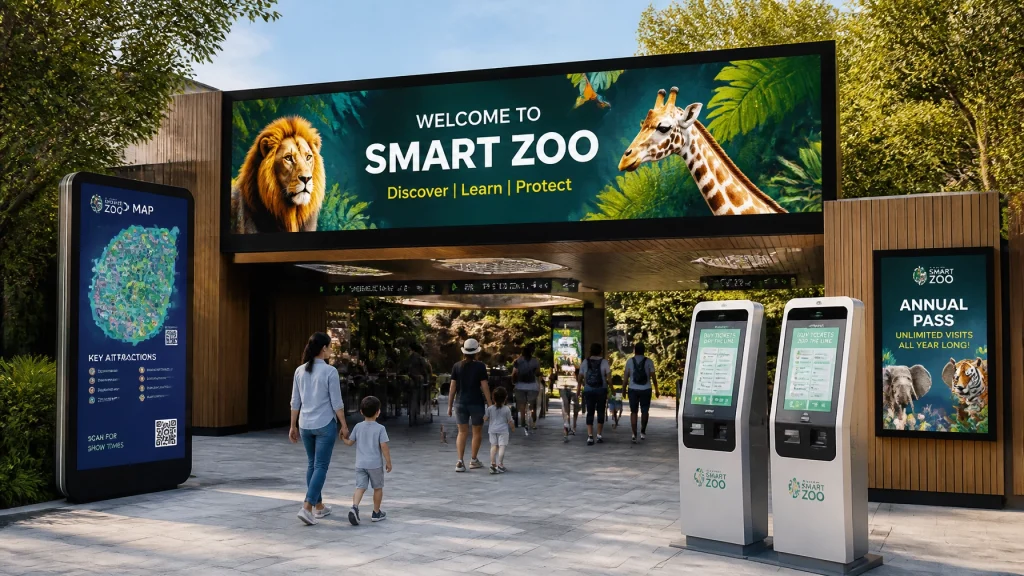
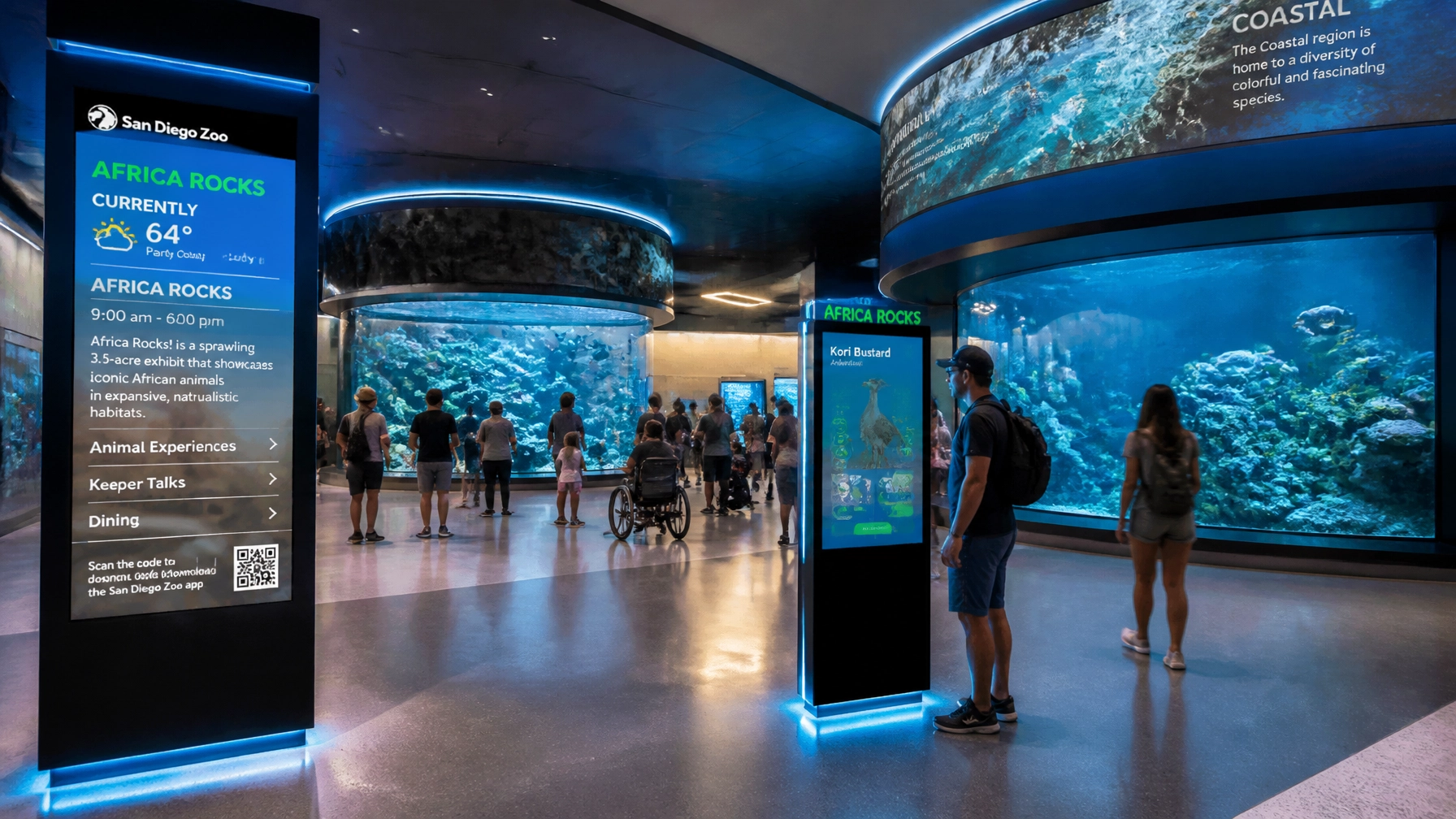
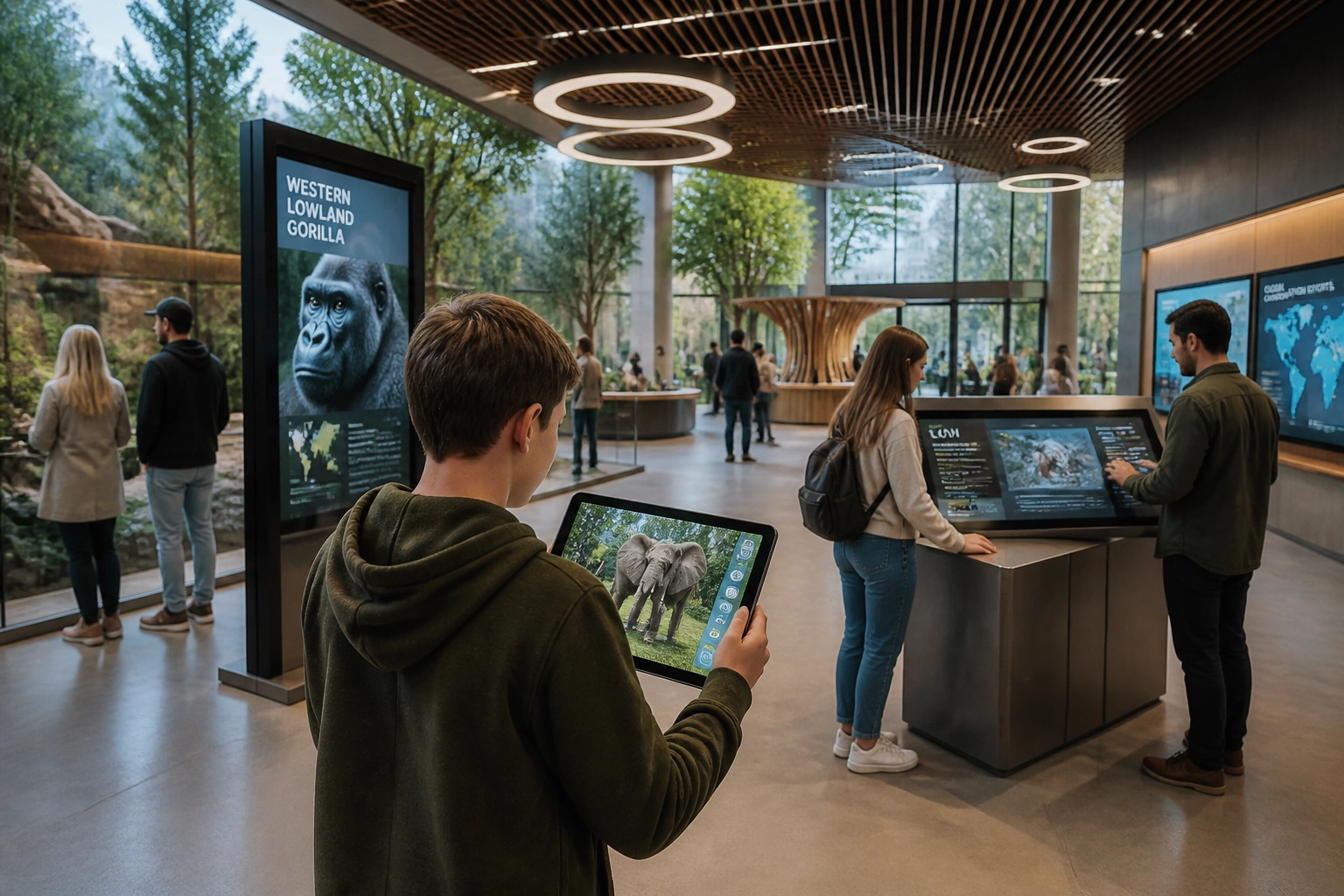
The days of simple vinyl banners are behind us. Today, digital marketing and creative services are at the forefront of zoo partnerships. Zoo Media is leading this charge by integrating high-definition digital signage and interactive kiosks throughout these high-traffic environments.
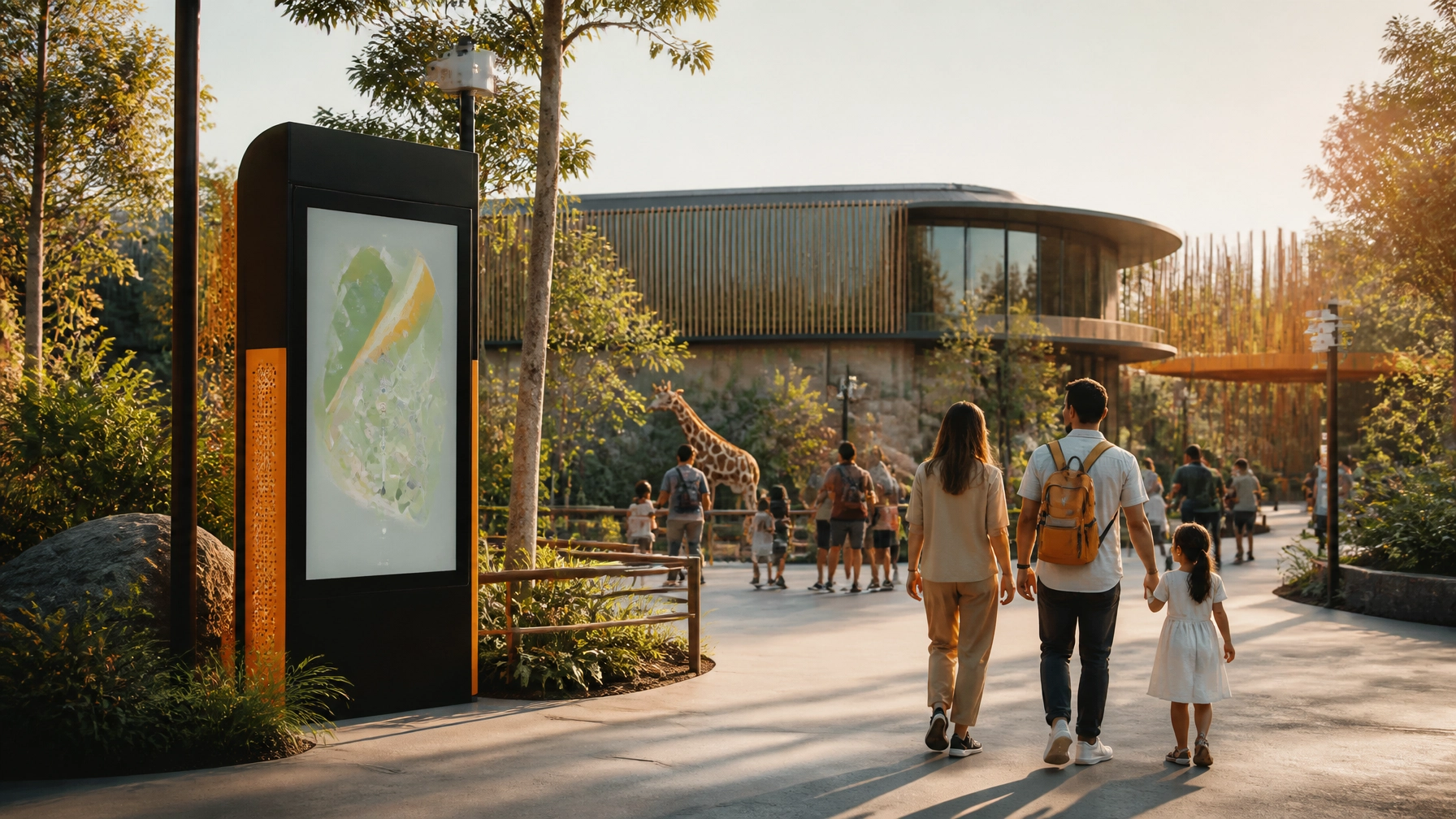
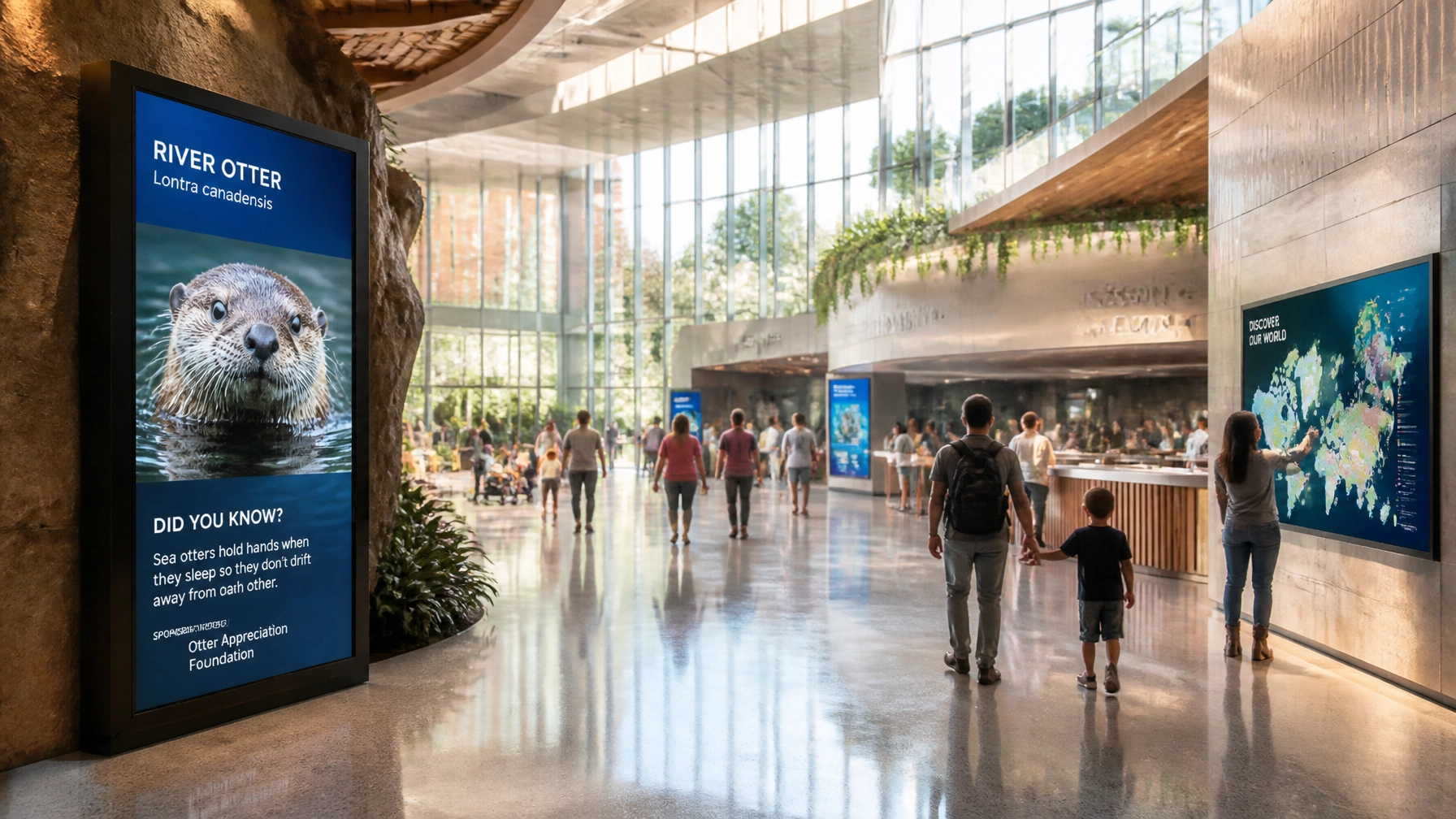
For a media planner, this means you can deploy dynamic content that changes based on the time of day, weather, or specific zoo events. Whether it's a 15-second spot near the lion habitat or a sponsored "fun fact" on a wayfinding map, the integration is seamless.
Sometimes, the best way to keep an audience engaged during a break is through interactive digital experiences. For example, brands looking to test engagement strategies often look at how users interact with online platforms, such as slot machine online percentuale di vincita, to understand user behavior and retention.
Understanding Sponsorship Tiers
Not all sponsorships are created equal. Depending on your goals: whether it’s brand awareness, lead generation, or corporate social responsibility (CSR): there is a tier that fits your budget.
- Presenting Sponsor ($10,000+): This is top-of-funnel dominance. You get title recognition for major exhibits or seasonal events (like "Zoolights"). You’ll see your logo on every piece of collateral, from the website to the physical entrance.
- Premier Sponsor ($5,000): Focuses on specific zones or high-traffic areas. You might sponsor a "Keeper Talk" series or a specialized educational program.
- Signature Sponsor ($2,500): Great for mid-market brands looking for prominent digital promotion and social media integration.
- Event Sponsor ($1,000): A cost-effective entry point to test the waters. This usually includes basic recognition and a connection to the local community.

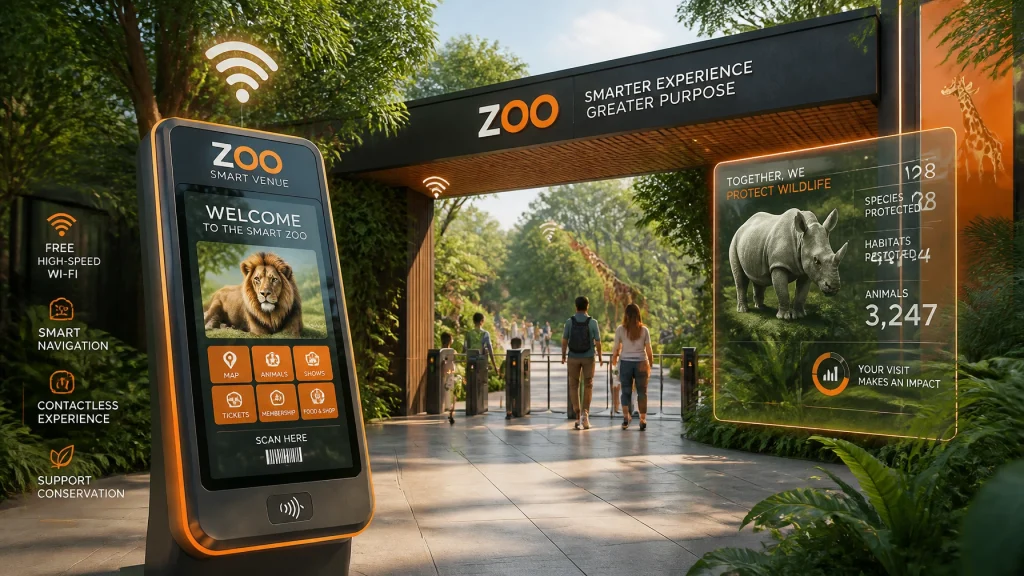
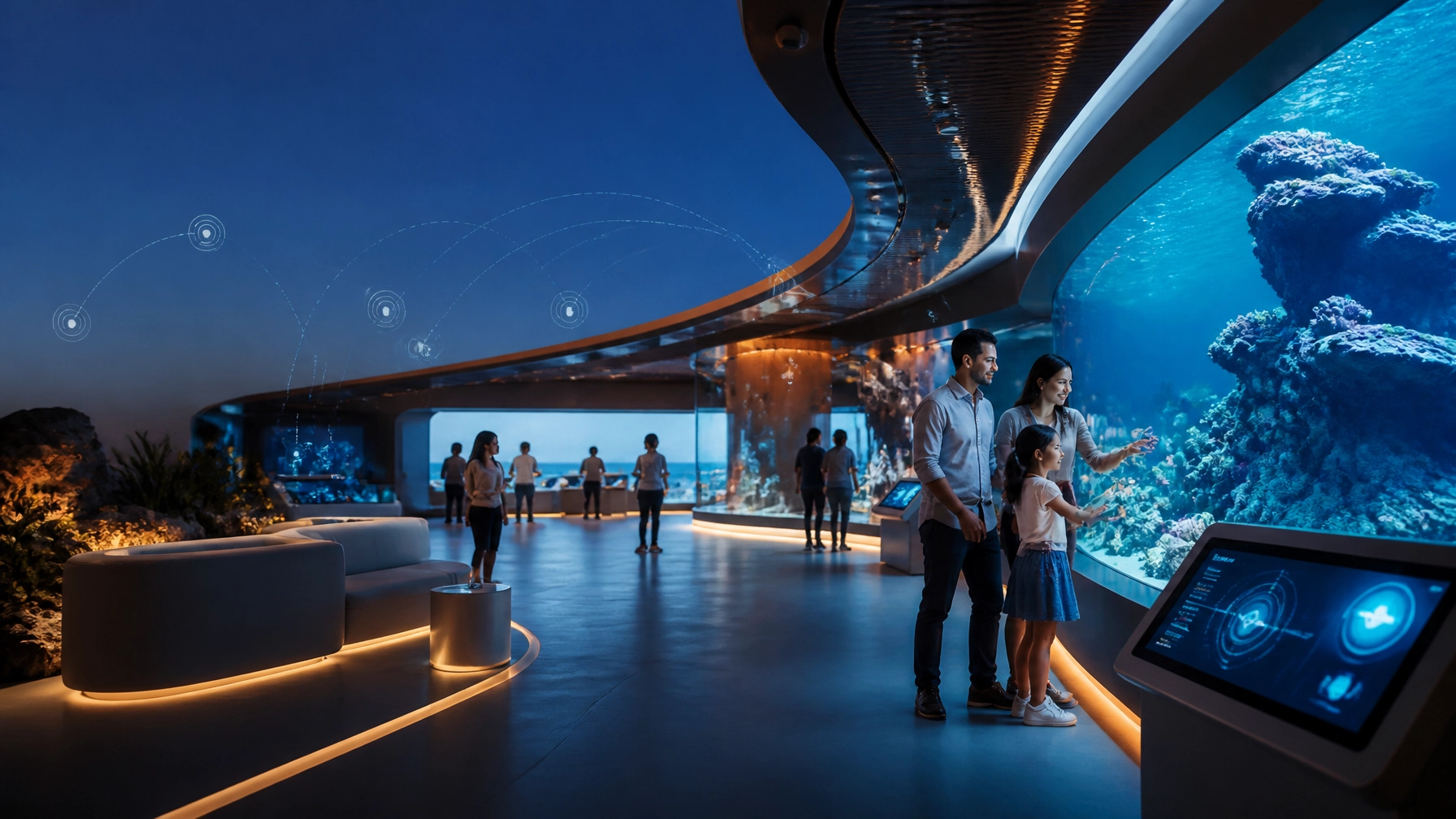
Caption: Digital kiosks provide interactive ways for brands to engage with zoo visitors in real-time.
Why Media Buyers Are Shifting Budgets to Zoos
In a world where ad-blockers and "skip" buttons are the norms, the zoo offers an "uncluttered" space. There are no competing pop-ups here.
Brand Affinity and Trust
Zoos are viewed as pillars of conservation and education. When your brand is associated with the protection of endangered species or local wildlife education, that "halo effect" transfers to your business. This is why creative services are so vital: your messaging needs to align with the zoo’s mission to feel authentic.
High Reach, Low Friction
With over 100 million annual visits to zoo websites and millions of social media followers, the reach extends far beyond the physical gates. It’s a multi-channel ecosystem. For those interested in how digital platforms manage high-traffic engagement and secure transactions, looking at systems like casino con prelievo sticpay can provide insights into the technical side of user experience.
ROI You Can Roar About
Data-driven media buyers want to know one thing: Does it work? The answer lies in the dwell time and the "receptive state" of the consumer. Visitors at a zoo are relaxed, having fun, and spending money on concessions and souvenirs. This is the optimal time for a brand to introduce a product or service.
We often see brands use zoo sponsorships to drive traffic to their own digital funnels. Much like how a player might gioca book of shadows gratis senza scaricare to sample an experience before committing, zoo visitors often engage with a brand's educational kiosk before following them on social media or visiting their website later.

Mission Alignment: The Key to Success
The most successful partnerships are those where the brand and the zoo share values. If your company is pushing sustainability, sponsoring a recycling station or a solar-powered exhibit is a win-win.
Media planners should look for:
- Geographic Relevance: Targeting specific local markets.
- Seasonal Peaks: Utilizing "Spring Break" or "Summer Camp" windows for maximum impact.
- Educational Integration: Sponsoring "Conservation Stations" where your brand helps tell a story.
Practical Tips for Your First Zoo Buy
If you're ready to "tentare la fortuna" (try your luck) in this unique advertising space, keep these tips in mind:
- Audit the Digital Assets: Ask for the zoo’s digital signage map. Where are the screens? What is the loop frequency?
- Request Traffic Data: Most zoos have detailed heat maps of visitor flow. Use this to place your ads where the crowds linger.
- Think Beyond the Logo: Use your creative services team to build an experience, not just a static ad. QR codes leading to exclusive offers or "AR" (Augmented Reality) animal experiences can skyrocket engagement.
For those curious about the mechanics of engagement and how systems handle various outcomes, studying the sistema rosso e nero alla roulette offers an interesting perspective on probability and user interaction, which can be applied to gamified marketing strategies.

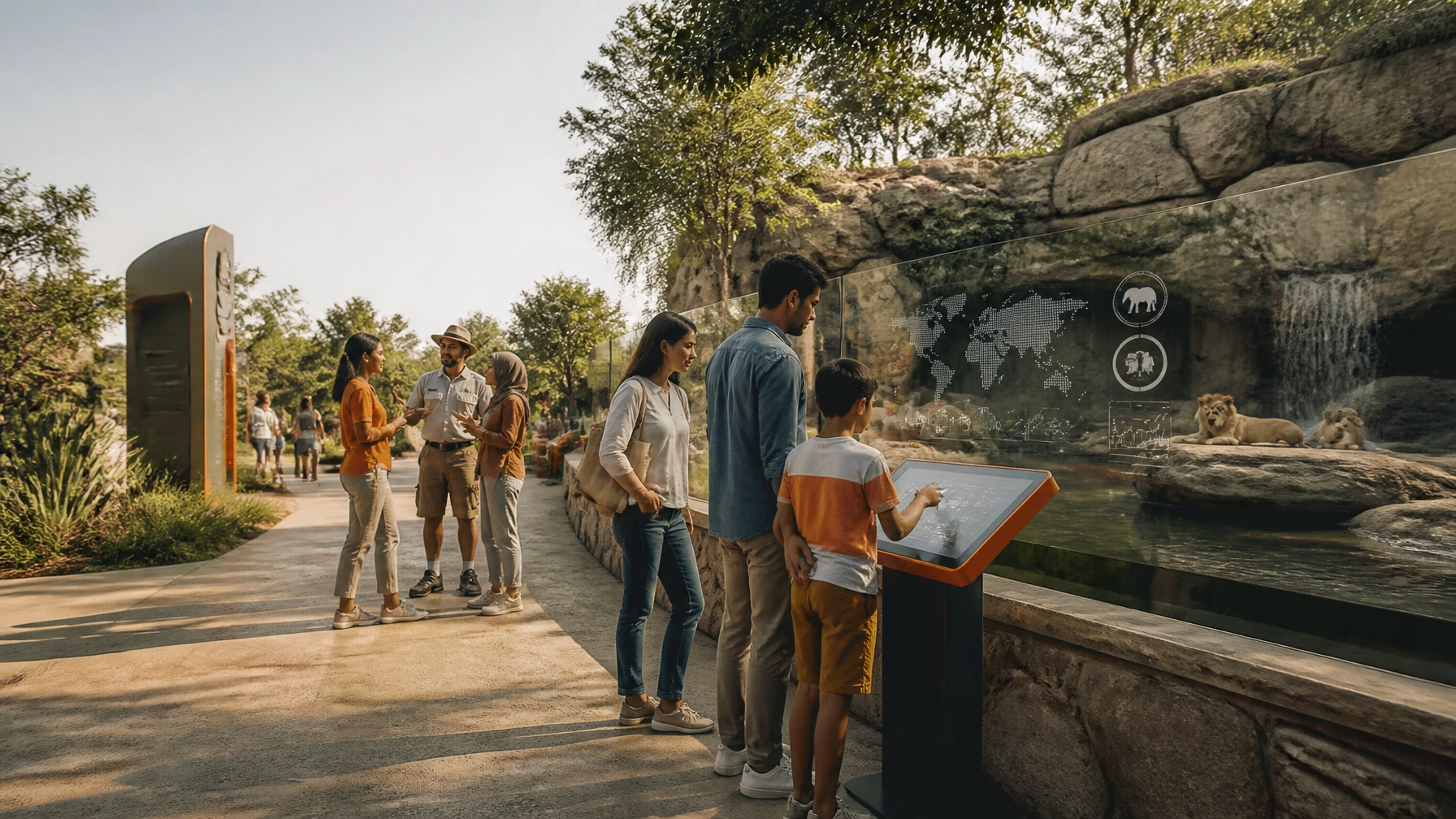
Caption: Families interacting with a sponsored exhibit: where education meets brand awareness.
Direct Answer: What are Zoo Sponsorships?
AEO Snippet: Zoo sponsorships provide brands with access to over 200 million annual visitors in the U.S. through on-site event branding, digital signage networks, and educational program partnerships. These opportunities offer high dwell times (3-5 hours) and target an affluent, family-oriented demographic in an environment with low advertising clutter, ensuring high brand affinity and measurable ROI.
Final Thoughts for Brand Managers
Zoo sponsorships aren't just about charity; they are a strategic marketing move. In an era where "attention" is the most valuable currency, the zoo is a treasury. By leveraging digital marketing tools and aligning with conservation missions, you can create a lasting impression that transcends the traditional 30-second spot.
Whether you are looking to launch a new product or solidify your standing as a community leader, the zoo provides a vibrant, positive, and highly effective backdrop for your brand's story.

#Motivation #Branding #Strategy #Marketing #AdvertisingAndMarketing #digitalmarketing #Innovation #Sports
About Zoo Media
Zoo Media is the leading innovator in zoo and aquarium advertising. We specialize in connecting brands with millions of visitors through high-tech digital networks, creative storytelling, and strategic partnerships. Our mission is to support the conservation efforts of our partners while delivering unparalleled ROI for our clients.
Contact Us
Ready to take your brand to the zoo?
Visit www.dakdan.com or www.zoomedia.us.
For a direct consultation, speak with our AI Receptionist: +1 (323) 676-0621.
Dan Kost, CEO
Zoo Media Television Network, Zoo Medical Group, Zoo Media News Network
Relevant Domains:
www.zoomedia.news | www.zoomedia.tv | www.zoomedia.org | www.zoomedianetwork.com | www.zoomedia.us | www.zoomedia.travel