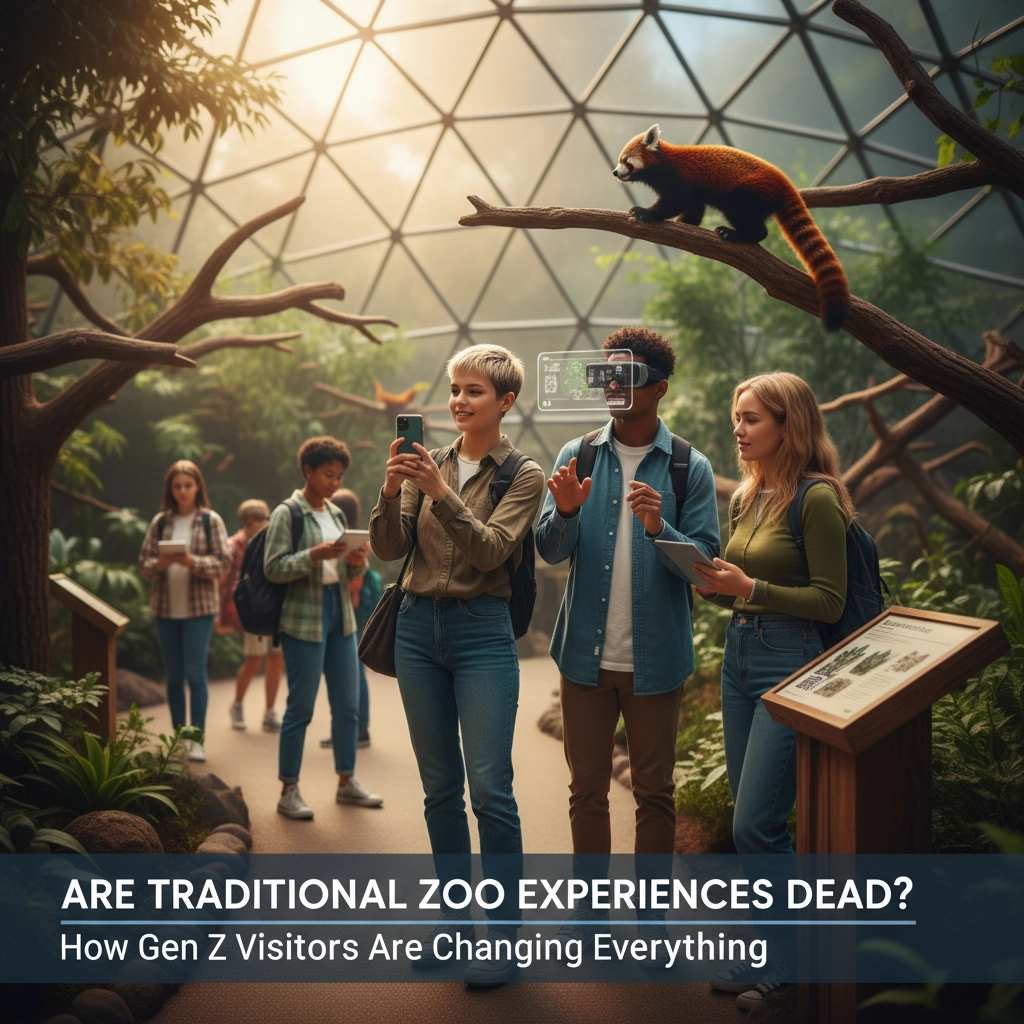
The marketing landscape has shifted dramatically, and nowhere is this more evident than in how zoos and attractions engage with Gen Z audiences. While traditional marketing methods built the foundation of zoo advertising for decades, digital campaigns are now dominating when it comes to capturing the attention of the 18-26 demographic.
Recent data shows that digital campaigns significantly outperform traditional zoo marketing when targeting Gen Z, with 68% of this generation trusting content created by influencers more than traditional advertisements. This fundamental shift reflects Gen Z's preference for authenticity over conventional marketing approaches.
The Traditional Zoo Marketing Playbook
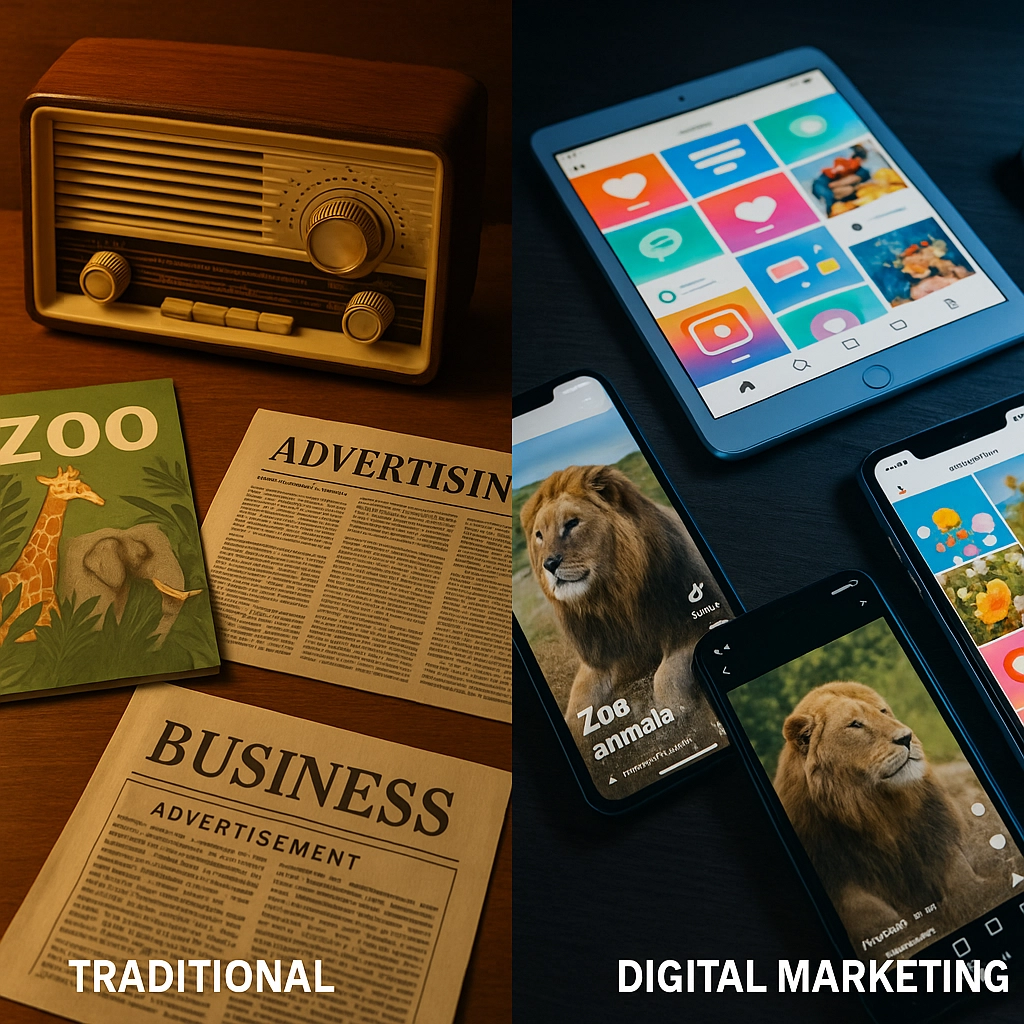
Traditional zoo marketing has long relied on established channels that deliver broad reach and institutional credibility. These methods include print advertisements in local newspapers, radio sponsorships during family programming, television commercials during prime time slots, and billboard campaigns along major highways.
The strength of traditional marketing lies in its ability to establish legitimacy and reach older demographics who still consume media through these channels. Television commercials can showcase stunning wildlife footage, while print ads provide detailed information about exhibits and special events.
However, when it comes to Gen Z engagement, traditional marketing faces significant challenges. This generation expects brands to meet them on digital platforms rather than through conventional media channels. They consume content differently, preferring bite-sized, authentic interactions over polished corporate messaging.
The Digital Revolution in Zoo Marketing
Digital campaigns have transformed how zoos connect with younger audiences by tapping into Gen Z's preference for community-centric engagement and authentic content. The most successful digital strategies leverage platforms where Gen Z already spends their time – primarily TikTok, Instagram, and YouTube.
One standout example is the "Gen Z wrote my script" trend that has proven particularly effective for zoos and aquariums. The South Carolina Aquarium's adoption of this approach garnered almost 1,000 likes in less than a week, significantly faster engagement than their regular posts.
Digital strategies also enable AI-based hyper-personalization, which has increased marketing effectiveness by 70%. Gen Z consumers actively prefer personalized content that speaks directly to their interests and values, rather than generic messaging aimed at broad audiences.
Why Community Beats Campaigns
The fundamental difference between traditional and digital approaches lies in their focus. Traditional marketing often centers on one-off campaigns designed to drive immediate action – visit the zoo, buy tickets, attend a special event. Digital marketing, however, emphasizes building ongoing communities and relationships.
Research shows that 92% of Gen Z consumers agree that the community surrounding a brand impacts how they feel about the company. This explains why brands that focus on community-centric engagement rather than campaign-centric advertising see 83% more trust from Gen Z audiences.
Successful digital zoo marketing creates spaces where visitors can share experiences, learn about conservation efforts, and connect with others who share their interests. It's about fostering genuine relationships rather than pushing promotional messages.
Platform Performance and Content Strategies
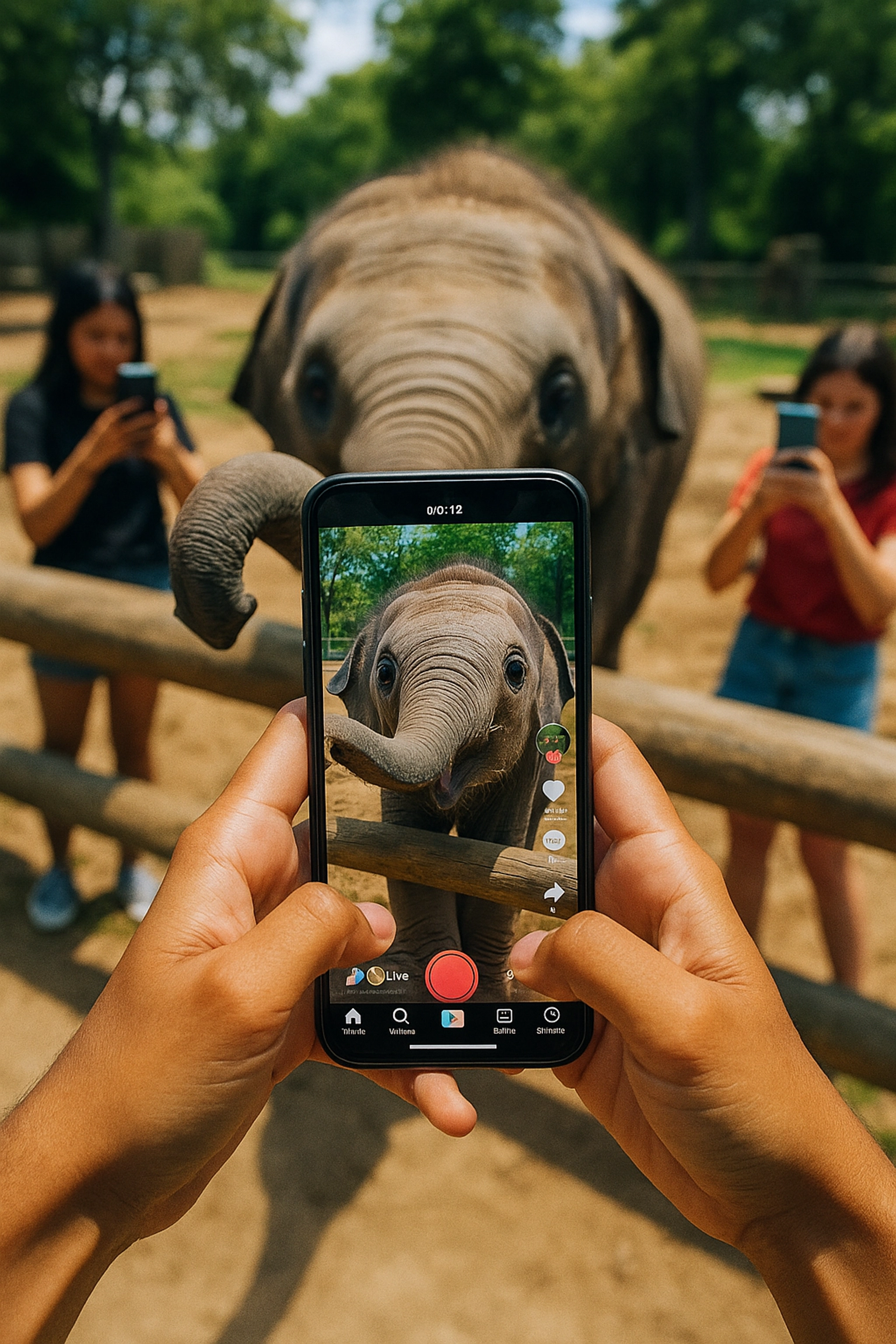
Instagram and TikTok have become mainstream platforms that play a crucial role in shaping Gen Z buying decisions. Visual-content-based platforms align perfectly with zoo marketing, allowing institutions to showcase animals, behind-the-scenes content, and conservation stories in engaging formats.
The key to success on these platforms is adopting Gen Z language and trends. Zoos that incorporate terms like "slay," "rizz," and "bussin" into their content see higher engagement rates. The Tennessee Aquarium's introduction of "smol" recently hatched turtles exemplifies how authentic Gen Z language creates viral moments.
Content that performs well includes:
- Behind-the-scenes keeper interactions
- Animal personalities and "day in the life" stories
- Conservation success stories told through personal narratives
- User-generated content from visitors
- Educational content presented in entertaining formats
Measuring Success: Traditional vs. Digital Metrics
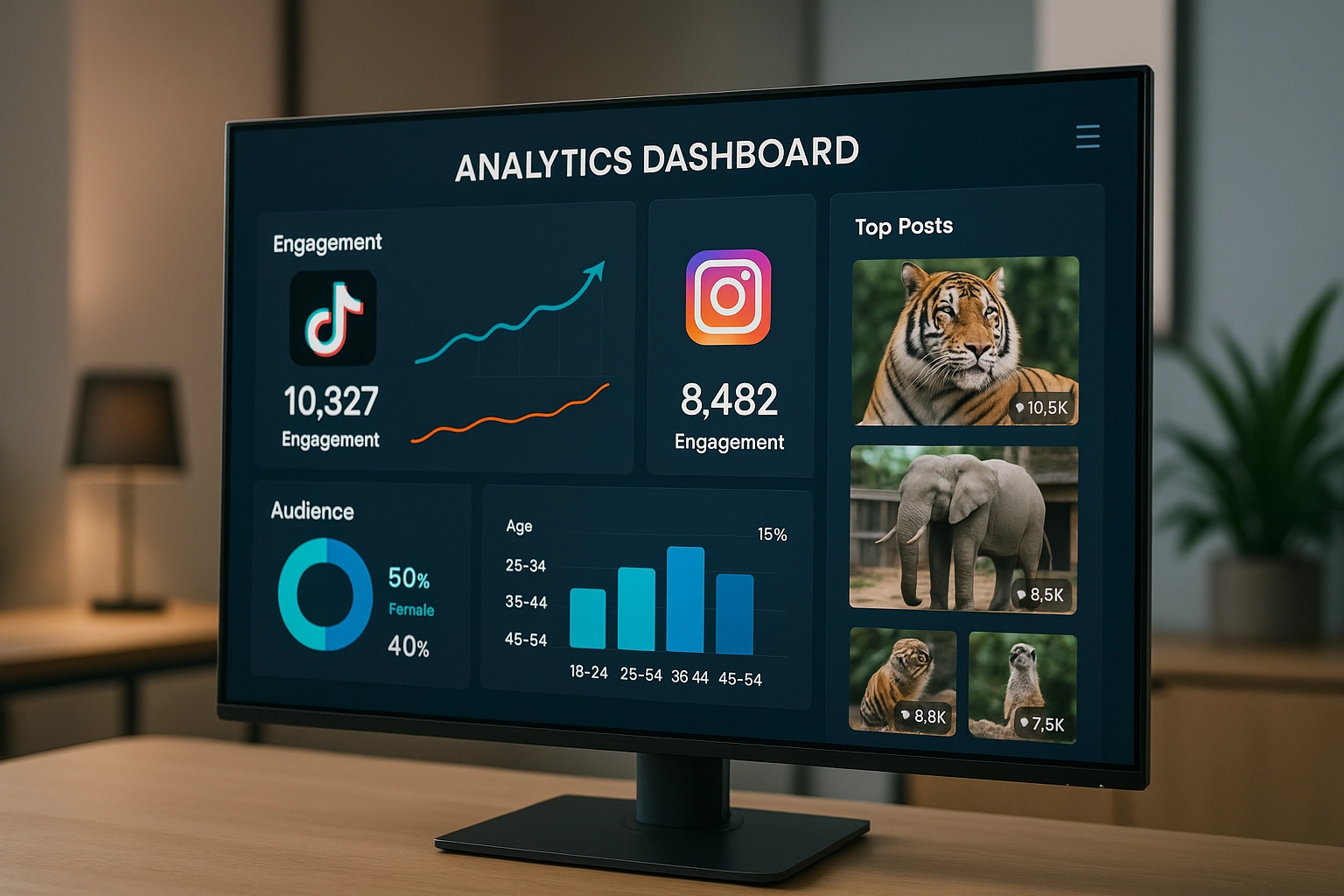
Traditional zoo marketing success is typically measured through broad metrics like brand awareness surveys, ticket sales attribution, and demographic reach analysis. These metrics provide valuable insights but often lack the granular detail needed to understand Gen Z engagement.
Digital campaigns offer real-time, actionable data. Engagement rates, share velocity, comment sentiment, and conversion tracking provide immediate feedback on what content resonates. More importantly, digital platforms allow for rapid iteration and optimization based on performance data.
The speed difference is dramatic: traditional campaigns might take weeks or months to show measurable results, while digital content can generate significant engagement within days or even hours.
Implementation Strategies for Different Zoo Types
New Zoo Establishments
Start digital-first with strong social media presence on TikTok and Instagram. Implement tiered membership systems with exclusive digital benefits to build community from launch. Focus budget on content creation and community management rather than traditional advertising spend.
Established Zoos with Traditional Audiences
Adopt a hybrid approach that maintains traditional methods for existing demographics while developing separate digital campaigns for Gen Z engagement. Create dedicated social media accounts or content series specifically targeting younger audiences with different tone and messaging.
Limited Marketing Budgets
Invest in community-driven content creation using Gen Z language trends and user-generated content. This approach requires minimal financial investment but delivers high engagement rates when executed authentically.
The Numbers Don't Lie
The data supporting digital-first strategies is compelling. 48% of Gen Z consumers plan to make more purchases through social media in 2025, with authentic community recommendations driving their decisions rather than hard-selling tactics.
Traditional advertising's declining effectiveness with Gen Z is evident in trust metrics, where community-generated content consistently outperforms corporate messaging. The shift isn't just about platform preference – it's about fundamental changes in how this generation discovers, evaluates, and engages with brands.
Future-Proofing Your Zoo Marketing Strategy
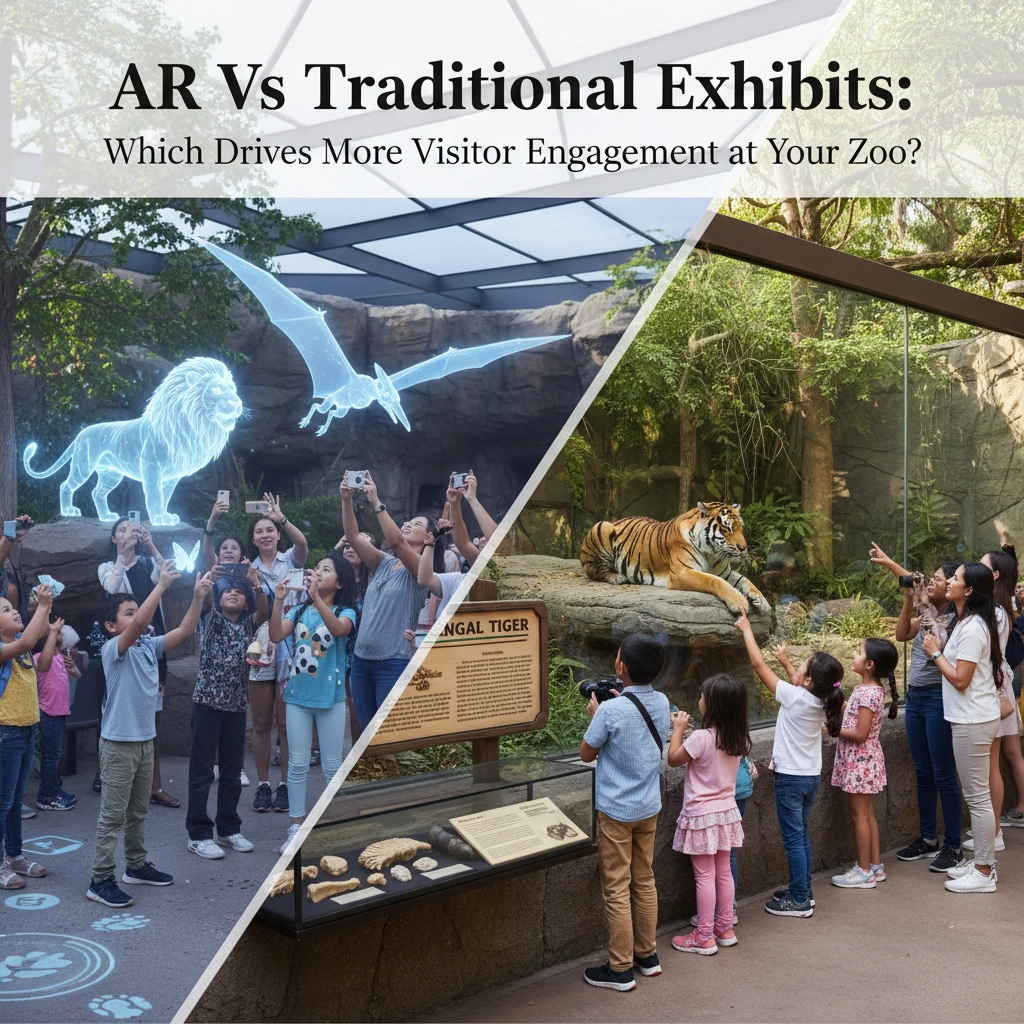
Looking ahead, the gap between traditional and digital effectiveness for Gen Z engagement will likely continue widening. Emerging technologies like augmented reality, virtual experiences, and AI-powered personalization will further enhance digital campaign capabilities.
The most successful zoos will be those that recognize this shift early and invest in building authentic digital communities. This means hiring team members who understand Gen Z culture, partnering with genuine influencers and community leaders, and consistently showing up in digital spaces with valuable, entertaining content.
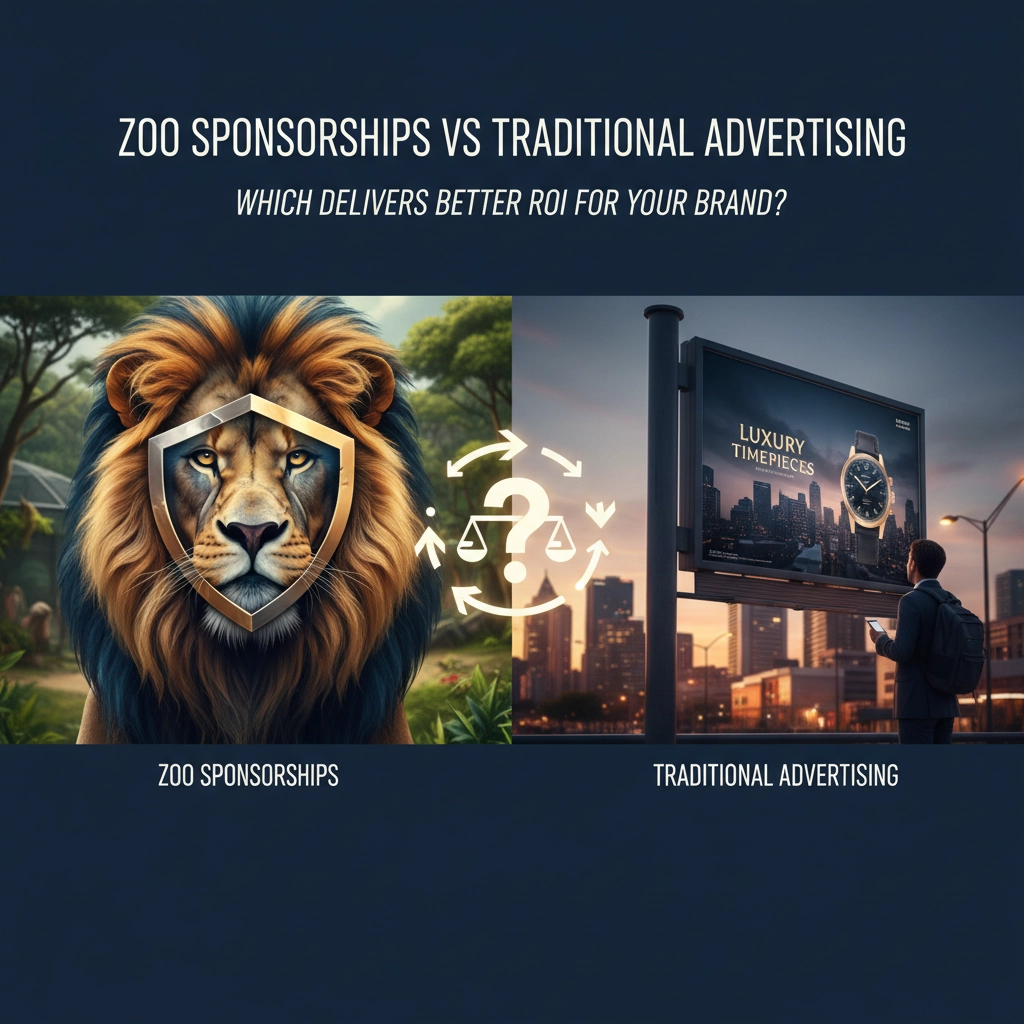
Traditional marketing still has its place in the overall marketing mix, particularly for reaching older demographics and building institutional credibility. However, for Gen Z engagement specifically, digital campaigns have become not just preferable but essential for meaningful connection and long-term relationship building.
The choice isn't necessarily between abandoning traditional methods entirely, but rather understanding which approach drives better results with specific audiences. For Gen Z, that answer is clearly digital campaigns that prioritize community, authenticity, and ongoing engagement over one-time promotional pushes.
Ready to transform your marketing strategy for Gen Z audiences? Contact Dan Kost, CEO at Zoo Media, to discover how our digital-first approach can revolutionize your brand engagement. Visit www.dakdan.com or call our AI Receptionist at +1 (323) 676-0621 to learn more about creating authentic community-driven campaigns that actually connect with younger demographics.
#Motivation #Branding #Strategy #Marketing #AdvertisingAndMarketing #digitalmarketing #Innovation