
The Super Bowl isn't just about touchdowns and halftime shows anymore. With over 100 million viewers tuning in each year, this massive cultural event has become one of the most powerful platforms for education, awareness, and social impact, including animal welfare and conservation messaging.
At Zoo Media, we've been watching how major sporting events leverage their reach to create meaningful change. And honestly? The potential here is absolutely massive when you connect youth sports, NIL (Name, Image, Likeness) platforms, and authentic conservation voices.
Check out this powerful message about creating connections and making an impact:
https://www.youtube.com/watch?v=l6J-0zileKE
The Super Bowl's Educational Superpower
Let's talk numbers. Super Bowl LIX in New Orleans achieved something remarkable: 250 tons of material recovery (that's five times more than the previous year), Net Zero Energy operations, and carbon offsets for approximately 3,000 tons of CO₂. But here's what really matters, millions of fans saw sustainability in action.
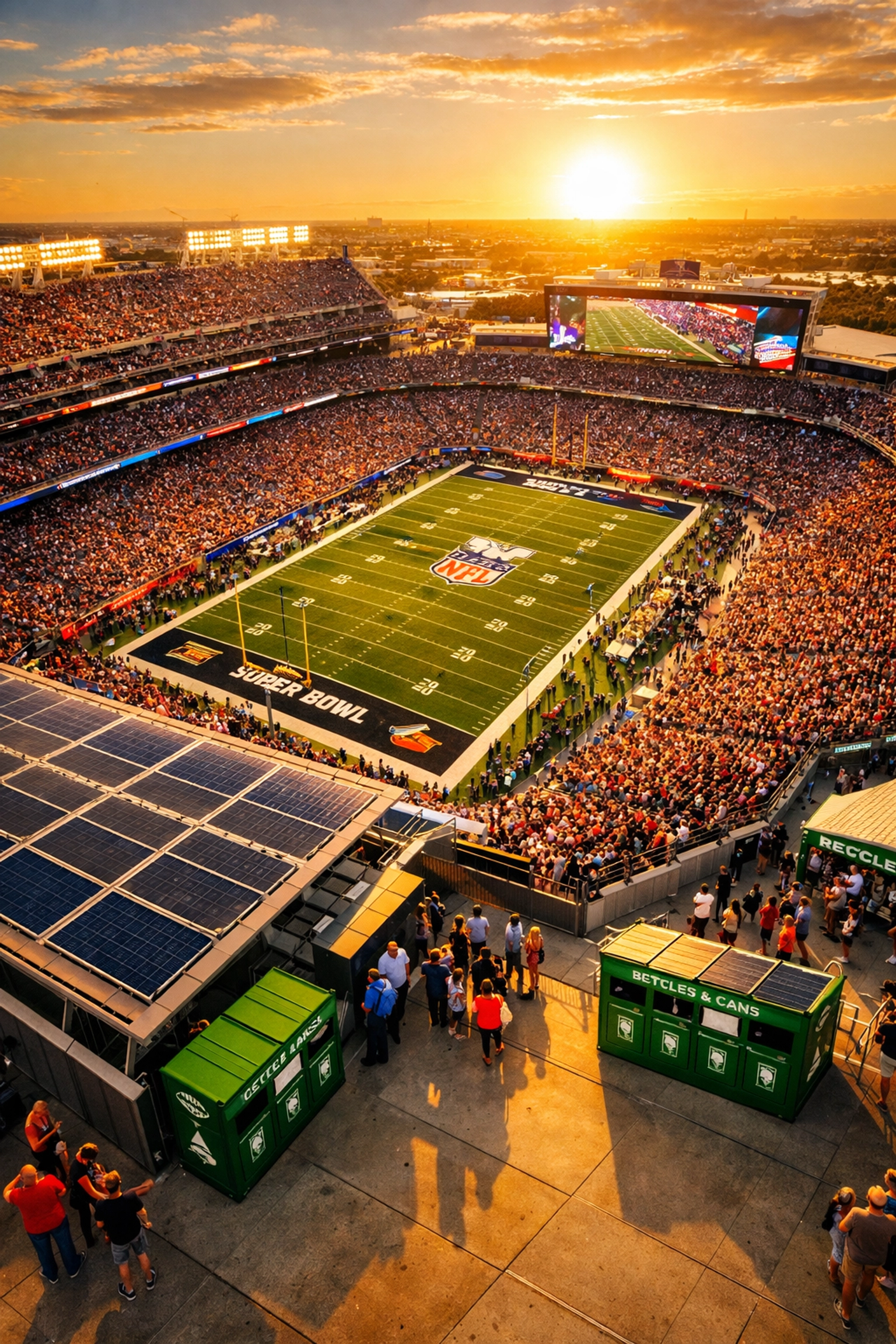
When the NFL integrates sustainability messaging on their official website, OnePass app, and deploys dedicated Sustainability Teammates throughout the stadium, they're not just checking boxes. They're educating millions of people about environmental practices in a way that feels natural and exciting.
Lincoln Bleveans, executive director of Stanford University's Department of Sustainability, nailed it when he said that seeing sustainable practices "on a stage as large as the Super Bowl" normalizes planet-friendly initiatives. It helps viewers think differently about their own consumption and waste habits.
Why This Matters for Animal Welfare and Conservation
Here's where it gets really interesting for those of us in the zoo and aquarium world. The Super Bowl proves that massive audience + authentic messaging = real behavioral change.
Super Bowl LX at Levi's Stadium added 200 recycling bins, enhanced waste sorting infrastructure, and built upon solar-powered systems and EV charging stations. But beyond the stadium? They're creating coastal restoration projects, building oyster reefs, and planting marsh grass to protect against storm surge and erosion.
That's direct conservation work happening because of a football game. Let that sink in.
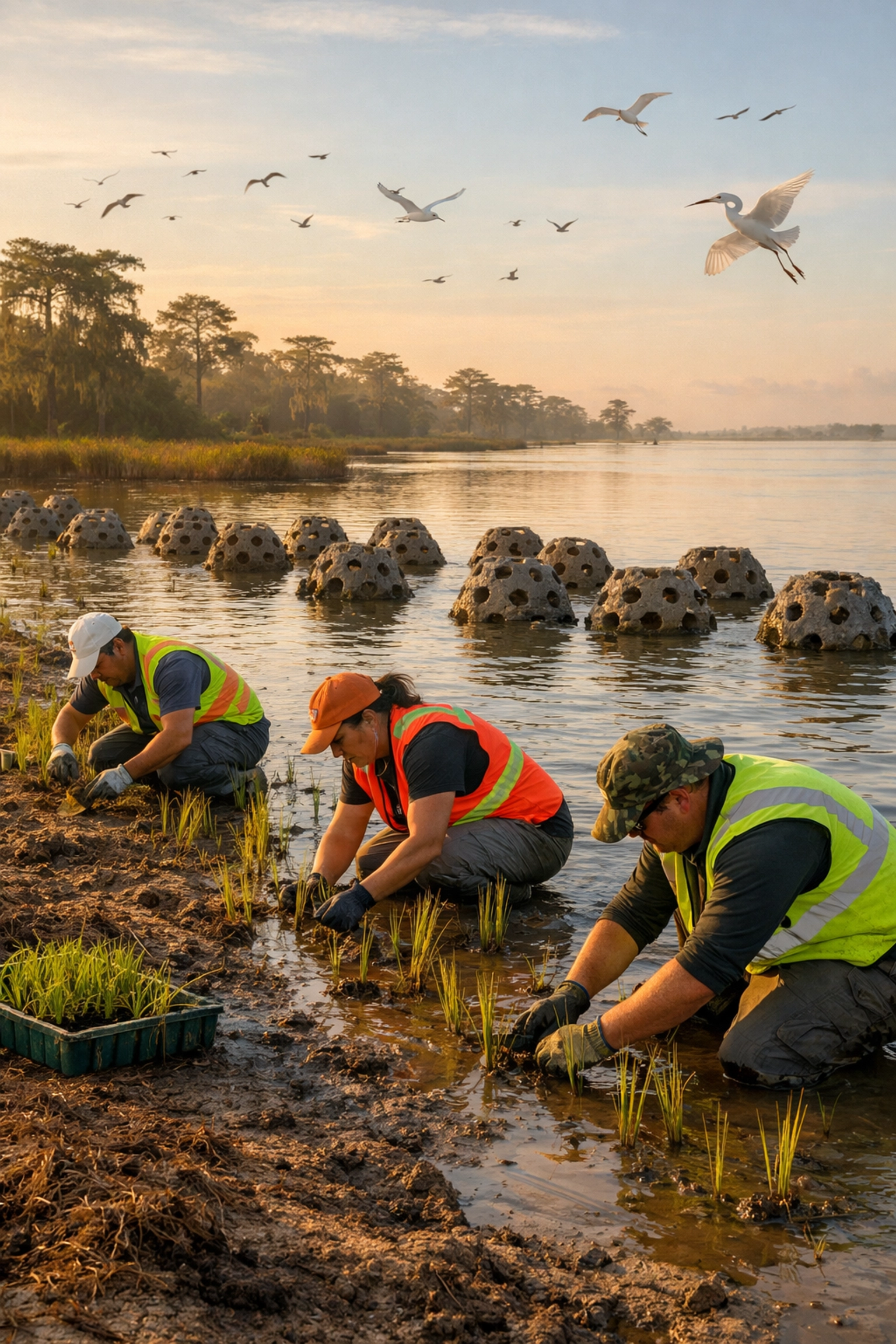
The same principle applies to animal welfare education. When we reach people during moments of high engagement, whether that's the Super Bowl, a youth sports championship, or a viral social media moment, we have their attention. And attention is the currency of education.
Youth Sports Publishing: The Untapped Conservation Channel
Here's something most people aren't talking about: youth sports publishing platforms are sitting on a goldmine of conservation potential.
Think about it. Every weekend, millions of parents, grandparents, coaches, and young athletes are engaged with youth sports content. They're watching game highlights, reading athlete profiles, and celebrating achievements. These platforms have built-in communities that are passionate, engaged, and looking for meaningful content.
Now imagine if we started weaving conservation messages into that content. Not heavy-handed or preachy: just authentic stories about young athletes who care about wildlife, teams that partner with local zoos for conservation days, or athlete profiles that highlight environmental stewardship alongside sports achievements.
The NIL revolution makes this even more powerful. College and high school athletes can now monetize their personal brands, and many of them genuinely care about conservation causes. They have authentic voices, engaged followers, and the credibility that comes from being real people: not just corporate spokespeople.
Creating Authentic Connections (Like the Video Says)
The video we shared above talks about creating connections: and that's exactly what conservation education needs more of. People don't change behaviors because of statistics alone. They change because of emotional connections, relatable stories, and seeing people they admire taking action.
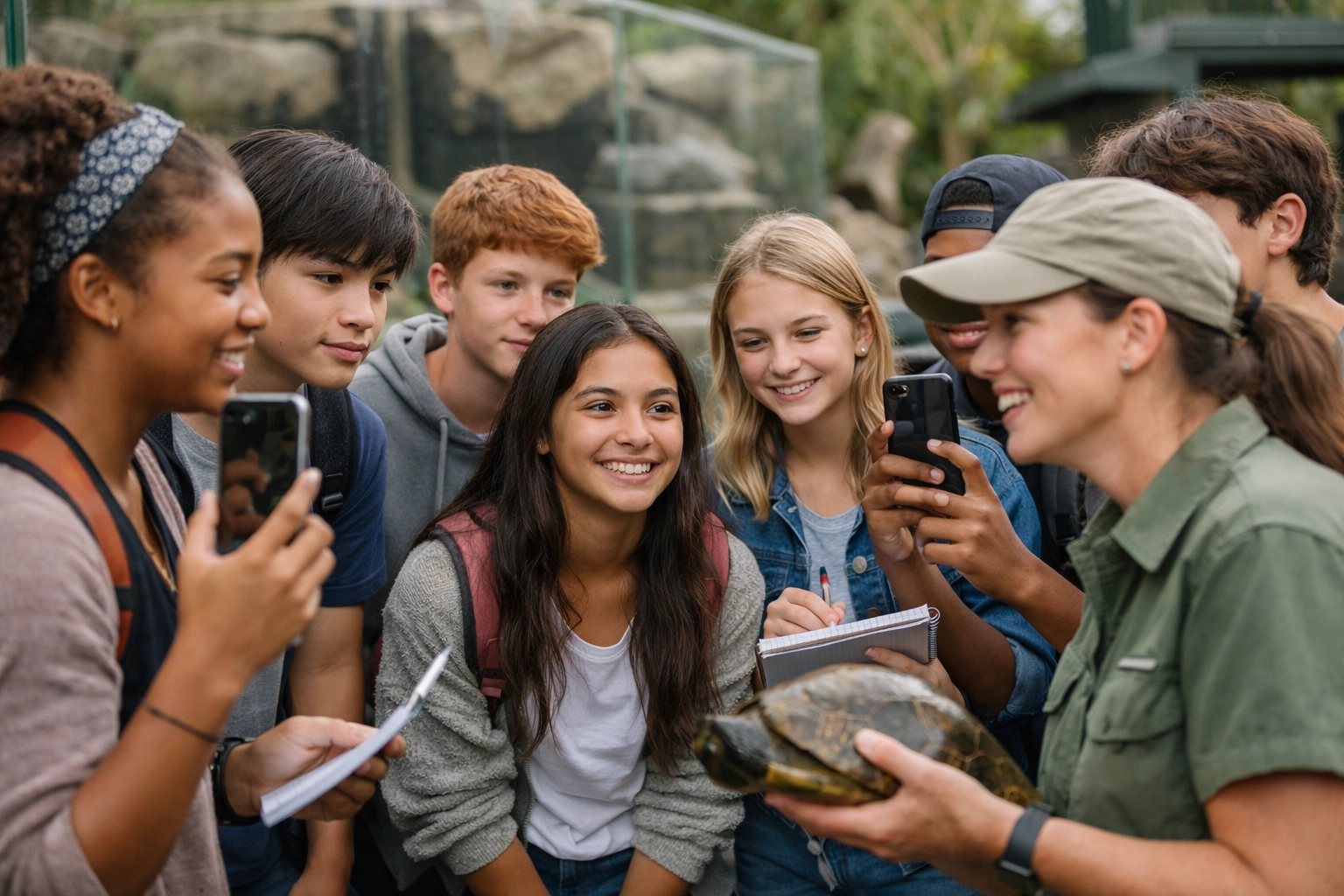
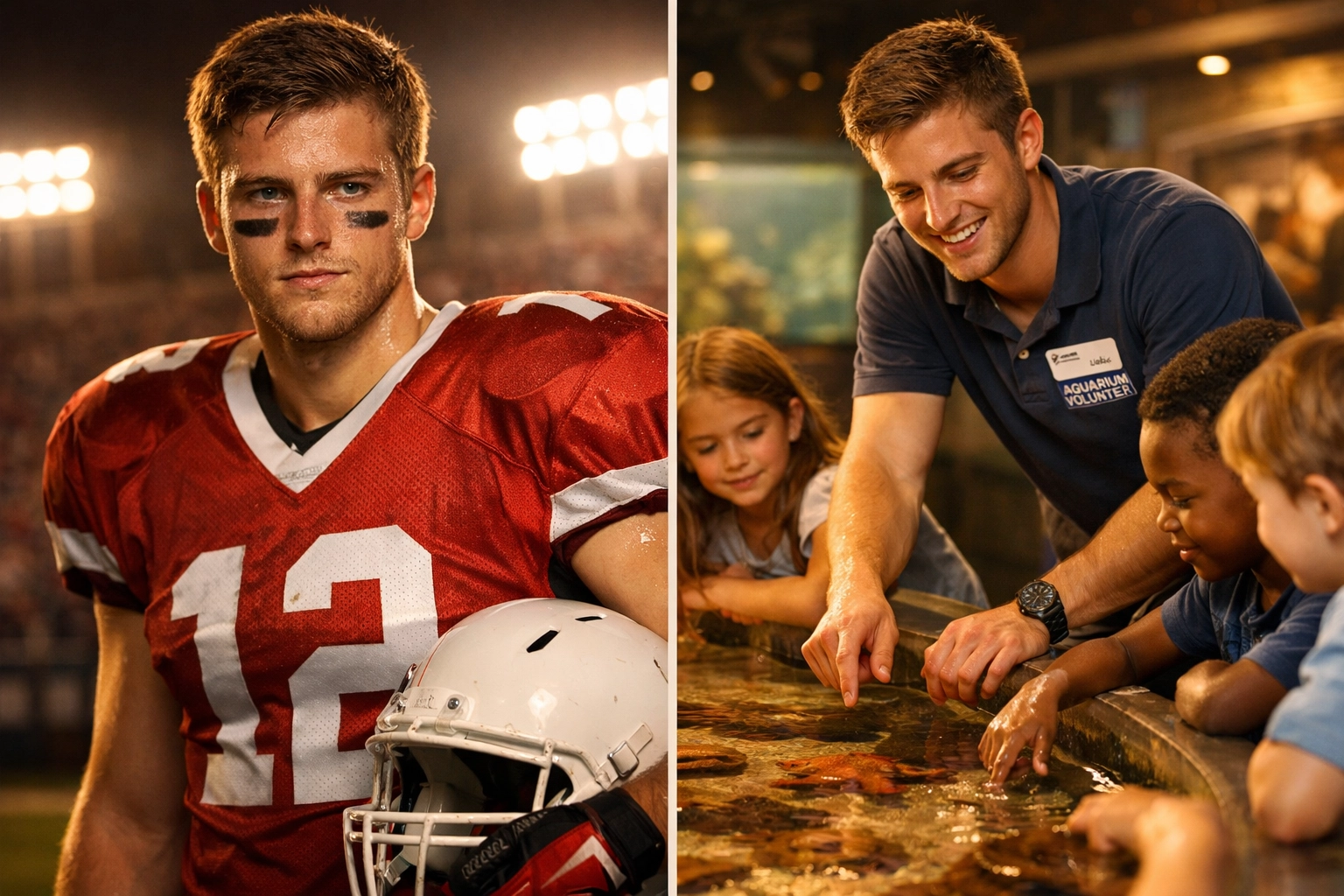
When a college quarterback partners with a local aquarium to talk about ocean conservation, that message hits differently than a traditional PSA. When a youth basketball team takes a field trip to learn about endangered species and shares their experience on social media, their followers pay attention.
This is the future of conservation education: authentic voices, strategic partnerships, and leveraging existing platforms that already have engaged audiences.
The NFL's Multi-Year Commitment: A Blueprint for Zoos
The NFL isn't treating sustainability as a one-time PR stunt. They've made multi-year commitments that position them as sports industry leaders while strengthening their appeal to environmentally conscious Gen Z and Millennial fans.
Zoos and aquariums can learn from this approach. Super Bowl LIX donated materials and food worth over $800,000 to more than 30 local organizations. They planted trees to improve air quality and biodiversity. They built infrastructure for long-term environmental impact.
That's not event marketing: that's institutional commitment to conservation values. And it resonates with audiences who want to support organizations that align with their values.
Practical Steps for Leveraging Big Moments
So how can zoos, aquariums, and conservation organizations actually use this Super Bowl model? Here are some concrete strategies:
Partner with youth sports leagues to create conservation education programs that reach families during peak engagement moments.
Work with NIL athletes who genuinely care about wildlife to create authentic content that reaches their social media followers.
Build sustainability initiatives around your events and communicate them clearly so visitors understand your commitment to conservation.
Create shareable moments that people want to post about: because social sharing extends your educational reach exponentially.
Think long-term partnerships instead of one-off campaigns. Sustained messaging creates lasting behavioral change.
The Numbers Don't Lie
When we talk about the Super Bowl's reach, we're talking about educational impact at a scale most conservation organizations dream about. Over 100 million viewers, billions of social media impressions, and weeks of pre-event and post-event coverage.
But here's the thing: you don't need Super Bowl-level reach to make an impact. You need strategic thinking about where your audiences are already engaged and how to authentically integrate conservation messaging into those moments.
Youth sports tournaments, local festivals, community events, and digital platforms all offer opportunities to reach engaged audiences with meaningful conservation education. The Super Bowl just proves that it works when you do it right.
Looking Ahead: The Next 72 Hours and Beyond
We're focusing everything on this Super Bowl connection for the next 72 hours because timing matters. When cultural moments are happening, that's when people are paying attention. That's when your message can break through the noise.
But the real goal? Creating lasting partnerships between sports, entertainment, youth engagement platforms, and conservation organizations. Building systems where animal welfare and environmental education are seamlessly integrated into the content people are already consuming.
The Super Bowl shows us what's possible when reach meets message. Now it's up to us to take those lessons and apply them every day, in every market, with every audience we can reach.
Ready to explore how Zoo Media can help amplify your conservation message through strategic partnerships and innovative platforms? Visit ZooMedia.us or connect with Dan Kost, CEO, to discuss collaboration opportunities.
Need immediate assistance? Contact our AI Receptionist at +1 (323) 676-0621 or learn more at www.dakdan.com.
#Motivation #Branding #Strategy #Marketing #AdvertisingAndMarketing #DigitalMarketing #Innovation #Sports #Conservation #AnimalWelfare #SuperBowl #YouthSports #Sustainability #EducationalOutreach #NIL #ZooMedia