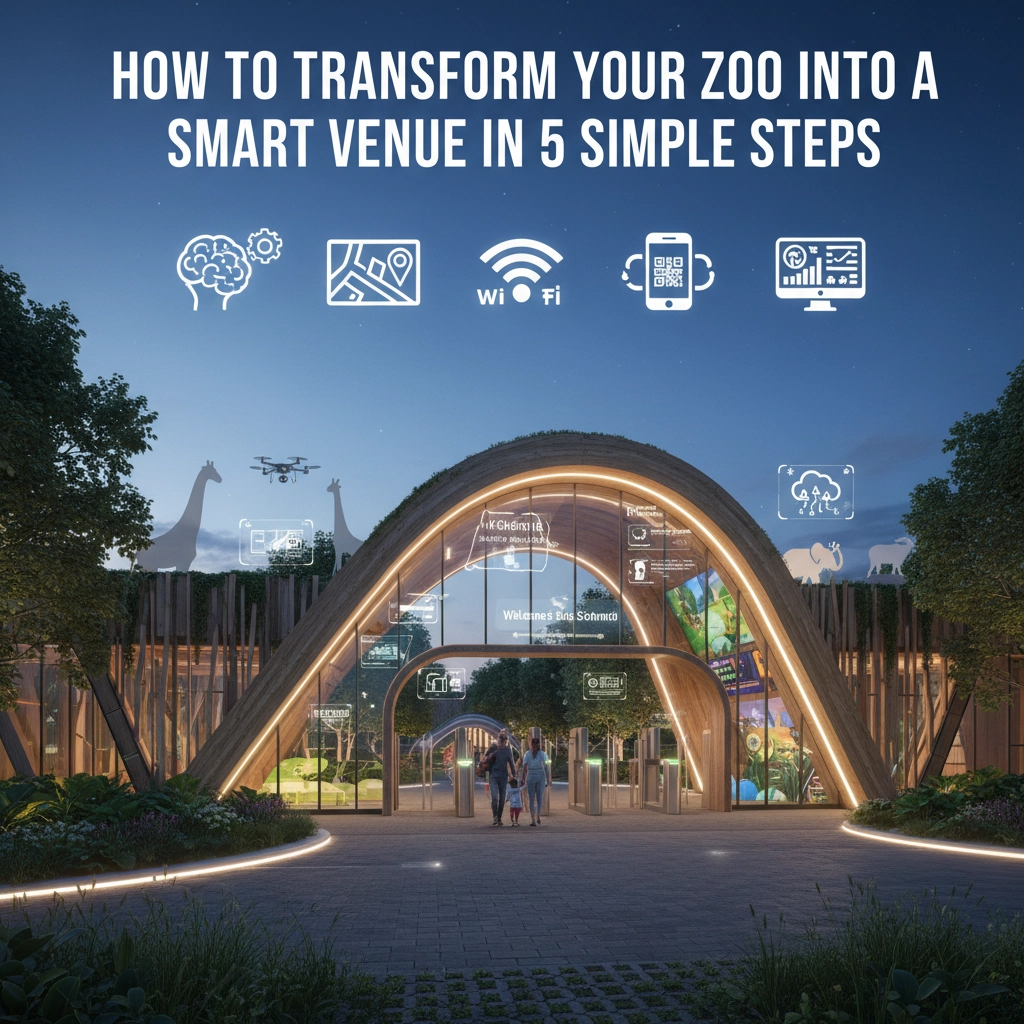
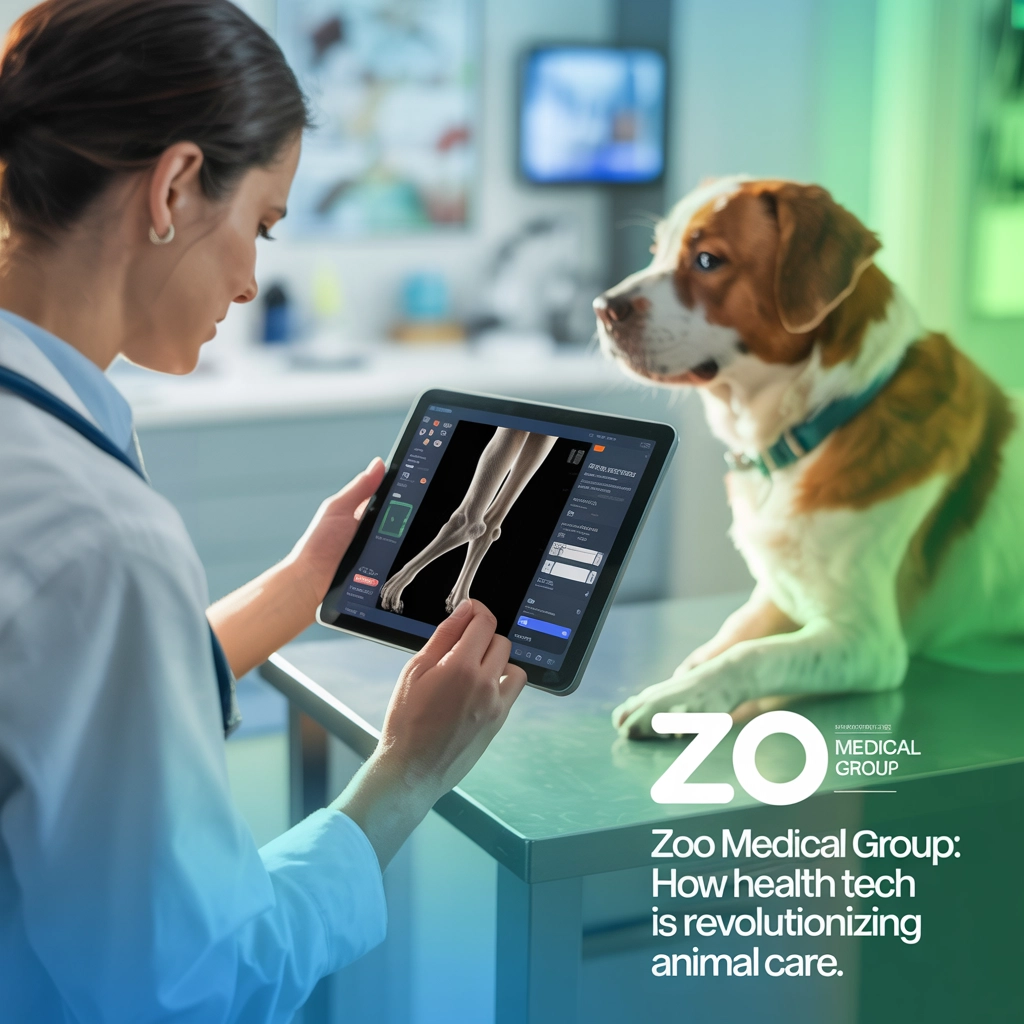
The future of animal healthcare has arrived, and it's transforming how zoological institutions care for their precious residents. From AI-powered diagnostics to IoT monitoring devices, cutting-edge health technology is revolutionizing animal care across Zoo Media Network's medical divisions and partner facilities worldwide.
Modern zoos are no longer just places of entertainment – they've evolved into sophisticated medical centers that rival human healthcare facilities. The integration of advanced health technologies is creating unprecedented opportunities for animal welfare, conservation, and veterinary excellence.
Advanced Diagnostic Equipment: The New Standard
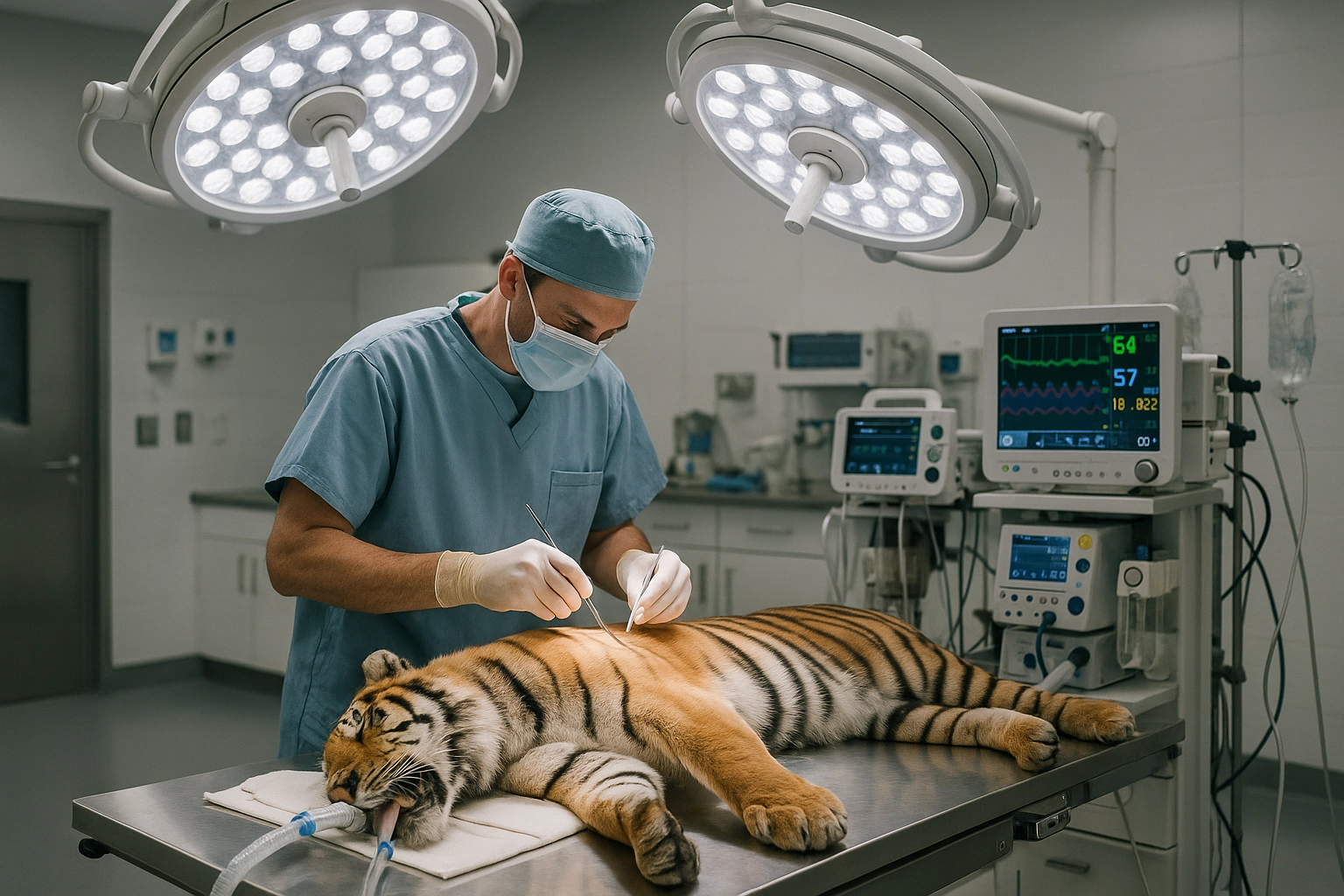
Today's zoological medical facilities feature state-of-the-art equipment that would make any human hospital envious. Zoo Atlanta's Rollins Animal Health Center exemplifies this technological evolution with its impressive 17,000 square-foot veterinary complex.
Key features of modern zoo medical facilities include:
- Dedicated laboratory spaces with advanced testing capabilities
- Digital radiology suites for precise imaging
- Specialized surgical theaters equipped with the latest tools
- CT scanners for detailed internal examinations
- Enhanced pharmacy systems for medication management
The upcoming collaboration between Midwestern University and Phoenix Zoo takes this even further. Their planned 27,000-square-foot Veterinary Medical Center, opening in late 2026, will feature indoor viewing windows and digital screens that allow guests to observe veterinary procedures in real-time.
Artificial Intelligence: Predicting Health Before Problems Arise
Artificial Intelligence is transforming animal healthcare by examining intricate patterns from diagnostic images and genetic information. This technology enables predictive diagnostics that identify potential health issues before they become serious problems.
AI applications in zoo medicine include:
- Pattern recognition in diagnostic imaging
- Genetic analysis for hereditary condition prediction
- Behavioral pattern analysis to detect health changes
- Medication optimization based on individual animal profiles
- Treatment outcome predictions for better care planning
Zoo Medical Group facilities are implementing these AI systems to provide more accurate, personalized, and predictive healthcare for animals across all species.
IoT Devices: Real-Time Health Monitoring Revolution
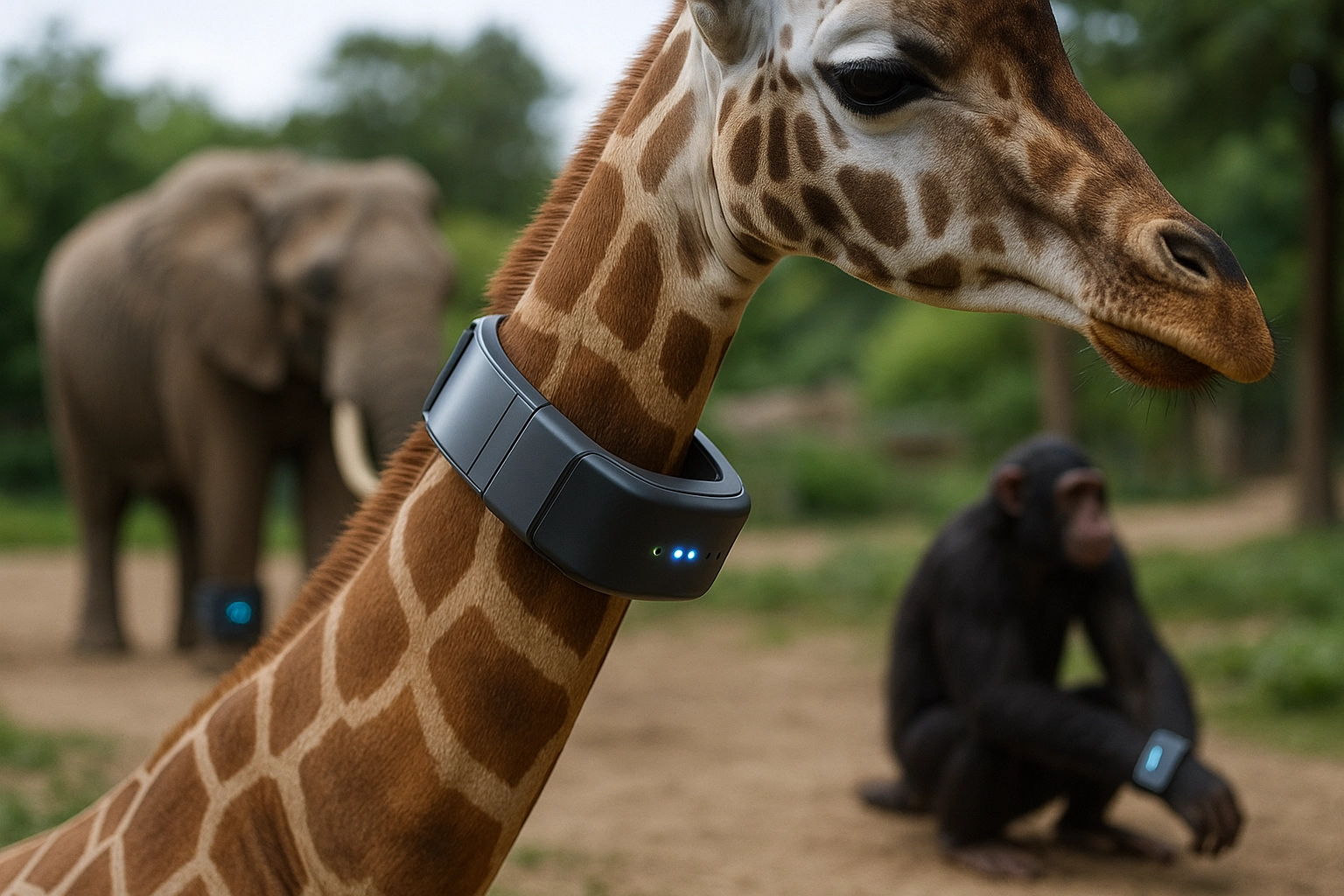
Internet of Things (IoT) wearable devices are revolutionizing how animals are monitored, providing real-time health data that was previously impossible to obtain. These sophisticated monitoring systems enable early diagnosis and smarter treatments.
IoT monitoring capabilities include:
- Continuous vital sign tracking (heart rate, temperature, activity levels)
- Sleep pattern analysis for behavioral health insights
- Feeding behavior monitoring to detect appetite changes
- Location tracking for free-range animal safety
- Environmental exposure monitoring for optimal habitat conditions
This technology allows veterinarians to access comprehensive health data 24/7, ensuring rapid response to any concerning changes in an animal's condition.
Essential Care Management Technologies
At the operational level, zoos employ various technologies for fundamental animal management that form the backbone of modern zoological care:
GPS Tracking and Identification Systems
- GPS trackers monitor animals in free-range environments
- Microchipping aids in individual animal identification
- RFID systems streamline health record access
Environmental Control Automation
- Automated temperature regulation maintains optimal habitat conditions
- Humidity control systems create species-appropriate environments
- Lighting management mimics natural circadian rhythms
- Air quality monitoring ensures healthy atmospheric conditions
Nutrition and Feeding Technology
- Specialized software helps dieticians formulate precise nutritional plans
- Automated feeding systems dispense food at scheduled times
- Portion control technology ensures accurate serving sizes
- Nutritional tracking databases monitor dietary intake
Digital Health Records: Streamlining Veterinary Care
Digital database systems have completely replaced traditional paper files, creating comprehensive health histories for every animal. These sophisticated record-keeping systems include:
- Complete medical histories with searchable symptoms and treatments
- Behavioral observation logs tracked over time
- Breeding program documentation for genetic management
- Vaccination schedules and preventive care reminders
- Multi-facility data sharing for animals transferred between zoos
This digital transformation enables veterinarians to make more informed decisions based on complete, easily accessible animal health information.

Emerging Technologies Shaping the Future
The technological revolution in animal care continues to expand with several cutting-edge innovations:
Genomics and Personalized Care
- Genetic sequencing for species-specific treatment protocols
- Hereditary disease screening for breeding program optimization
- Personalized medication dosing based on genetic markers
Telemedicine and Remote Consultations
- Video consultations with specialist veterinarians worldwide
- Remote diagnostic interpretation by expert veterinary radiologists
- Cross-facility collaboration for complex cases
Robotics and Surgical Precision
- Robotic surgical systems for minimally invasive procedures
- Precision medication delivery through automated systems
- Rehabilitation robotics for injured animals
Blockchain Technology
- Transparent health record management across institutions
- Secure data sharing between zoos and research facilities
- Breeding program verification for genetic authenticity
Impact on Conservation and Education
These technological advances are particularly vital for conservation efforts, where maintaining healthy breeding populations is paramount. The precision enabled by technology minimizes waste and maximizes health outcomes, which is essential for endangered species programs.
Educational benefits include:
- Real-time viewing capabilities at veterinary facilities
- Enhanced public understanding of animal healthcare
- Improved veterinary training programs with advanced simulation
- Research collaboration between institutions worldwide
Technology allows zookeepers to focus on complex aspects of animal care, such as behavioral enrichment and addressing individual animal needs, while automated systems handle routine monitoring and care tasks.
The Zoo Media Medical Network Advantage
Through our comprehensive network spanning ZooMedicalGroup.com, ZooMedia.us, and Travel.ZooMedia.us, we're connecting veterinary professionals, conservation experts, and animal care specialists worldwide. Our integrated approach ensures that technological advances benefit animals across all our partner facilities.
Ready to revolutionize your animal care approach? Whether you're managing a zoological facility, veterinary practice, or conservation program, the future of animal healthcare is here. These technologies aren't just improving outcomes – they're saving lives and advancing conservation efforts globally.
Transform Your Animal Care Program Today
Contact Dan Kost, CEO at Zoo Media Network to explore how cutting-edge health technology can revolutionize your facility's animal care capabilities. Visit www.dakdan.com or call our AI Receptionist at +1 (323) 676-0621 to schedule your consultation and discover the future of veterinary excellence.
#Motivation #Innovation #HealthTech #VeterinaryMedicine #AnimalCare #ConservationTechnology #ZooMedicine #DigitalHealth #AIInHealthcare #AnimalWelfare #Technology #ZooManagement