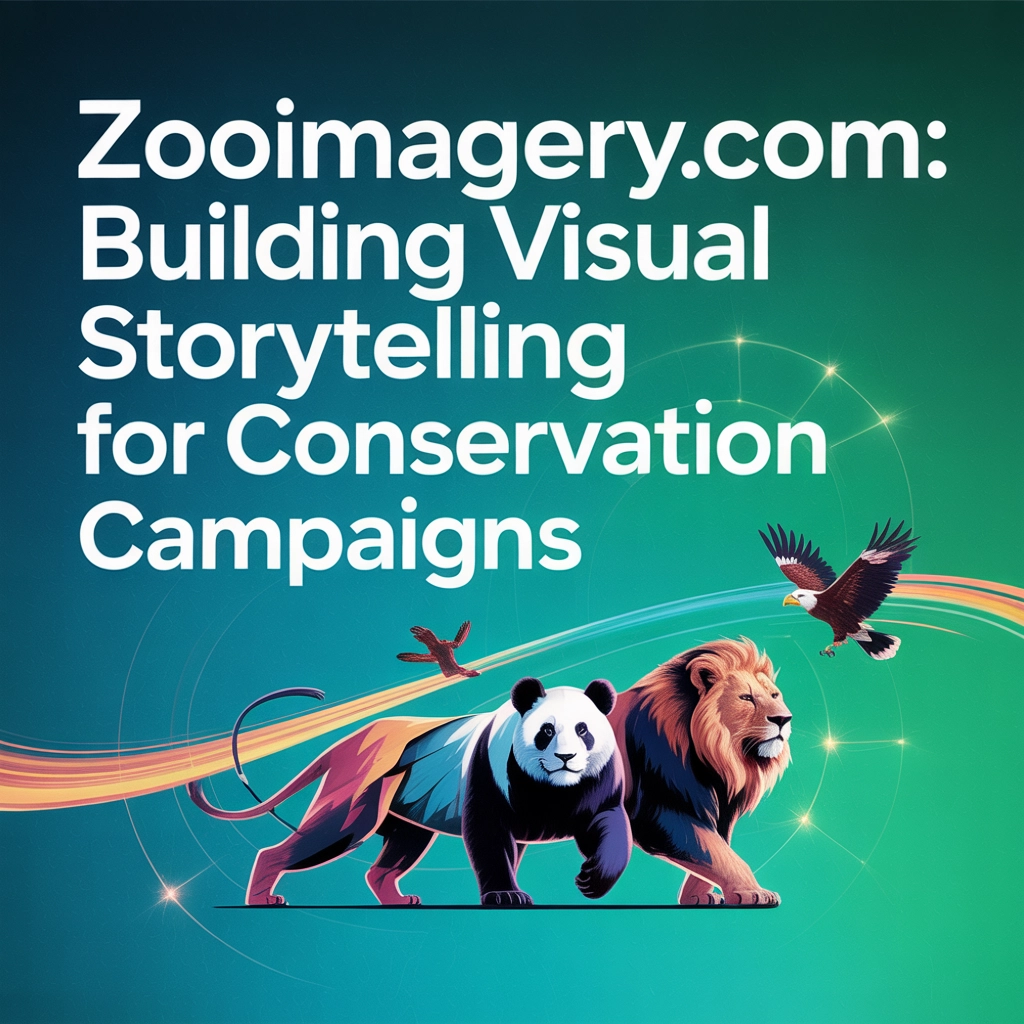
Visual storytelling has become the cornerstone of modern conservation efforts, transforming how we connect people with wildlife and environmental causes. ZooImagery.com represents a powerful platform in this digital ecosystem, enabling zoos and aquariums to harness user-generated content for meaningful conservation narratives.
In today's attention-driven world, a single compelling image can spark global conservation movements and drive real environmental change. Let's explore how visual storytelling platforms are revolutionizing conservation campaigns and creating unprecedented opportunities for wildlife advocacy.
The Science Behind Visual Conservation Storytelling
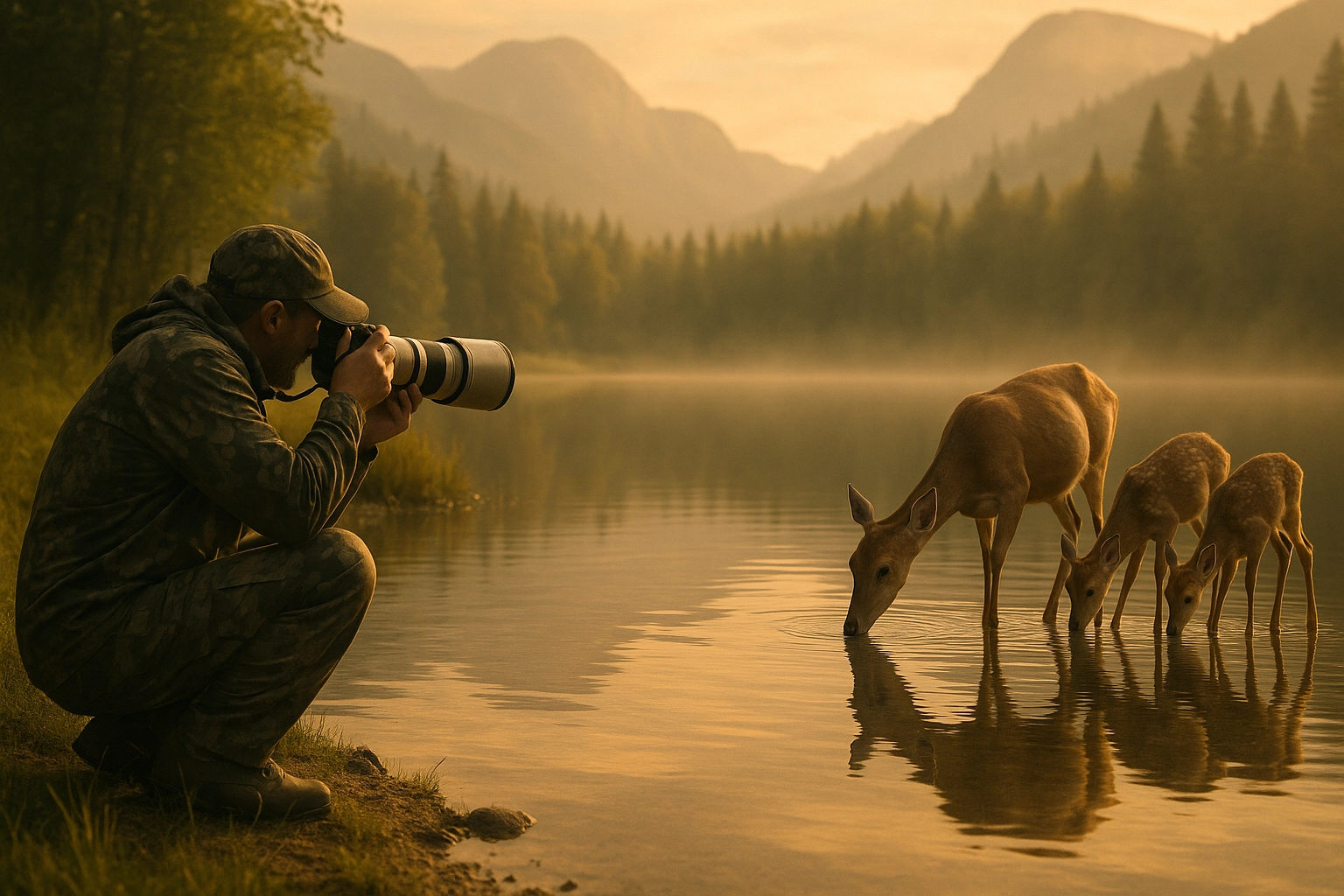
Conservation photography isn't just about pretty pictures – it's rooted in neurological science. When viewers encounter compelling wildlife imagery, their brain neurons fire similarly to the photographer's experience, creating emotional bonds and releasing dopamine that enhances memory retention.
This scientific foundation explains why conservation photographers who weave human stories into wildlife narratives build such powerful connections with audiences. Professional wildlife filmmakers like Chris Morgan demonstrate this approach through multi-year documentaries that track endangered species across continents, creating emotional investment in conservation outcomes.
Key Benefits of Visual Conservation Storytelling:
- Emotional engagement through neurological storytelling connections
- Increased memory retention via dopamine release
- Global reach through social media amplification
- Scientific documentation supporting research initiatives
- Collaborative opportunities between photographers and conservation organizations
Digital Platforms Revolutionizing Conservation Campaigns
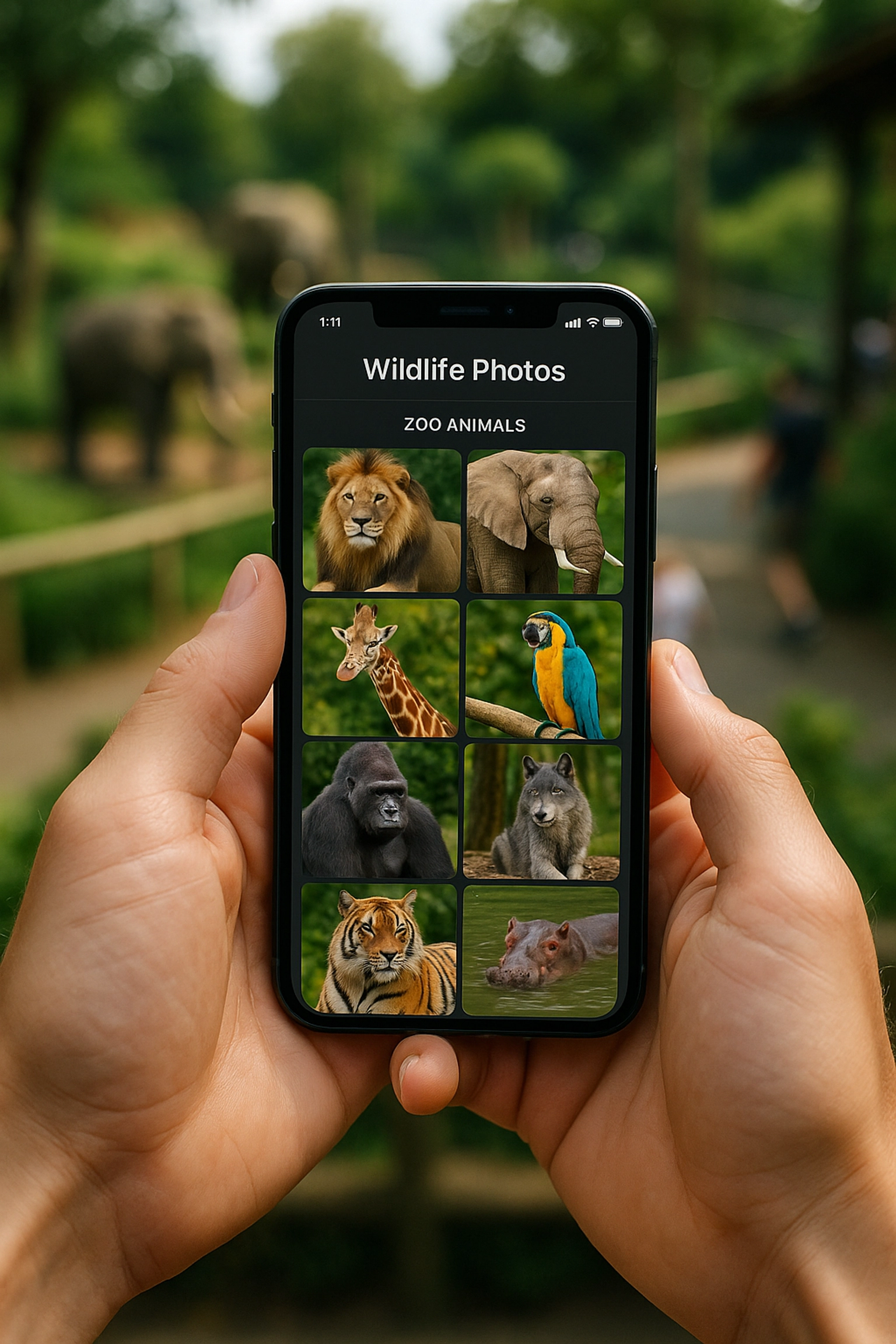
Modern conservation campaigns leverage digital platforms and social media to reach global audiences without traditional media gatekeepers. ZooImagery.com exemplifies this evolution, providing zoos and aquariums with streamlined systems for collecting and distributing visitor-generated content.
The platform's mobile app architecture makes photo upload and distribution seamless while providing real-time engagement metrics and ROI data. When integrated with conservation messaging, these technological frameworks can dramatically amplify environmental advocacy efforts.
Viral conservation images documenting deforestation, ocean pollution, or endangered species now routinely ignite global discussions and inspire meaningful policy changes. The democratization of visual storytelling means every zoo visitor potentially becomes a conservation advocate through their smartphone camera.
Supporting Scientific Research Through Visual Documentation
Conservation photography extends beyond awareness campaigns to provide invaluable scientific data for rare species research. Photographers inadvertently document crucial information including:
- Species abundance and population trends
- Geographic distribution and habitat preferences
- Behavioral patterns and social structures
- Physical condition and health indicators
- Environmental changes and threats
This dual function allows both amateur and professional photographers to contribute to citizen science initiatives through platforms like NestWatch and iNaturalist, where submitted photos become part of larger scientific databases supporting ecosystem research.
Building Collaborative Conservation Campaigns
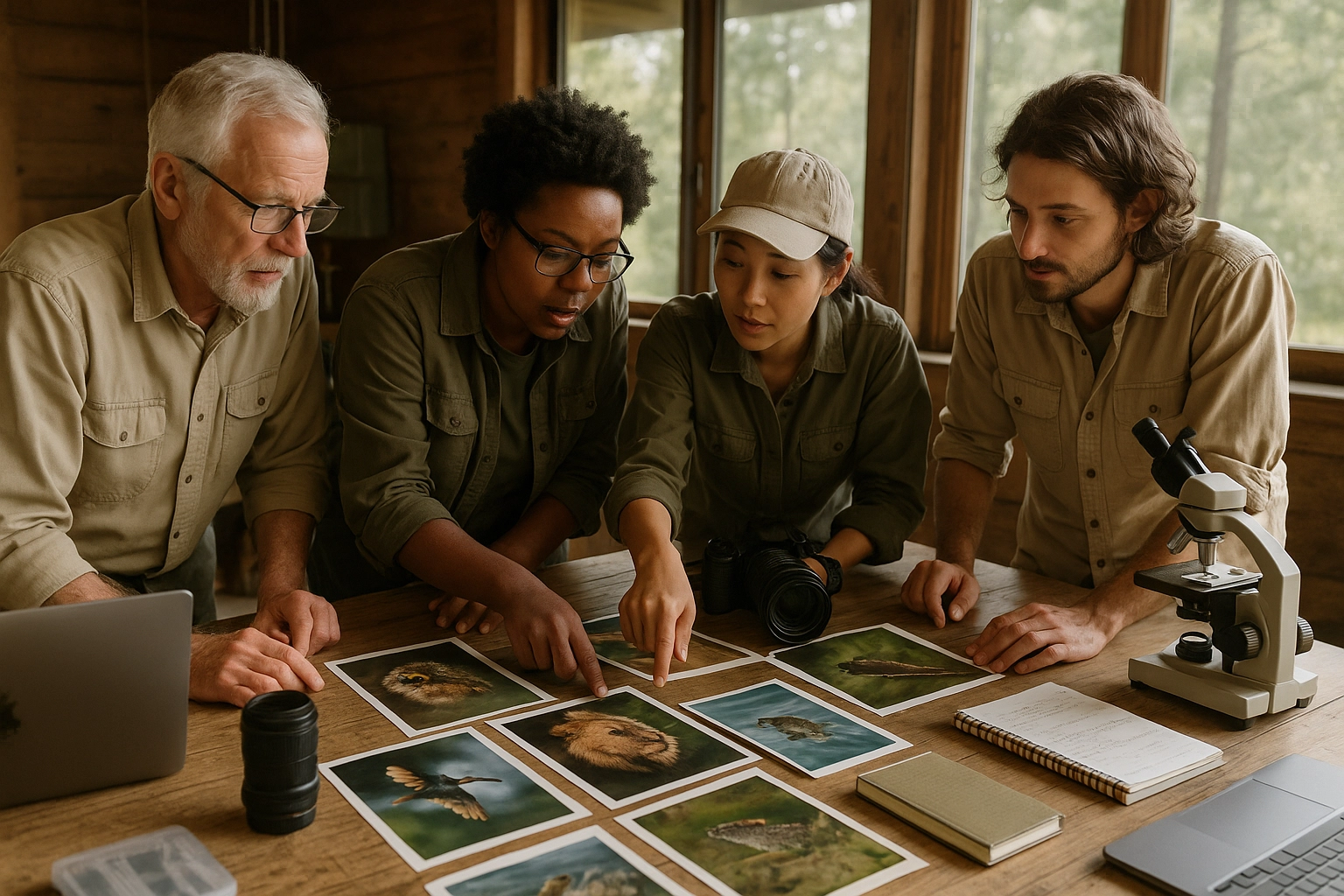
Successful conservation photography requires strategic collaboration between photographers, conservation organizations, NGOs, and scientific institutions. This collaborative approach has inspired educational programs that encourage students to connect with local partners and develop projects with measurable real-world impact.
Competition platforms like Australia Zoo's Crikey! Magazine Photography Competition exemplify this collaborative model, bringing together award-winning photographers and conservationists to judge submissions that celebrate Earth's biodiversity while inspiring protective action for future generations.
Essential Collaboration Elements:
- Partnership development with conservation organizations
- Educational program integration in schools and communities
- Competition platforms for recognition and exposure
- Scientific institution cooperation for data collection
- Media partnerships for broader distribution
Ethical Guidelines for Conservation Photography
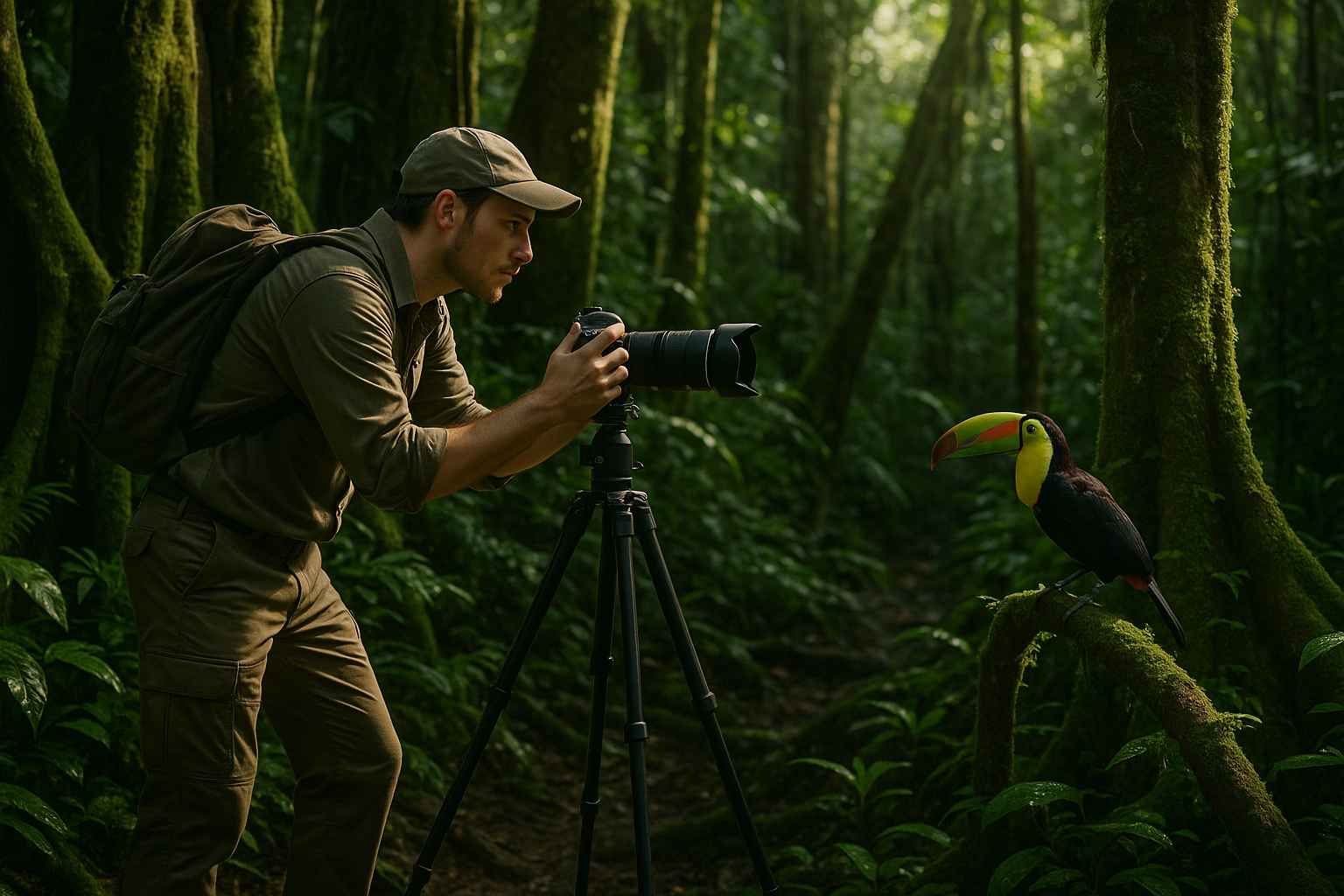
Effective conservation visual storytelling demands strict ethical standards to ensure photography work doesn't harm the subjects it seeks to protect. Ethical conservation photography requires patience, respect for wildlife, and careful attention to avoiding habitat disruption or behavioral interference.
When documenting human communities, ethical photographers must build trust, seek proper permissions, and ensure their images contribute positively to the people and places they document. Additionally, sustainable photography practices help minimize ecological footprints while maintaining high storytelling standards.
Platform Integration Strategies for Maximum Impact
ZooImagery.com and similar platforms can maximize conservation impact through strategic integration approaches:
Content Strategy Development
Create compelling narrative frameworks that transform visitor photos into conservation stories. Develop themed campaigns around endangered species, habitat preservation, or climate change impacts.
Community Engagement Initiatives
Foster active community participation through photography challenges, educational workshops, and recognition programs that celebrate conservation-minded content creation.
Partnership Expansion
Collaborate with conservation organizations, wildlife photographers, and environmental educators to expand platform reach and credibility within conservation communities.
Data Analytics Integration
Leverage platform analytics to identify trending conservation topics, successful visual elements, and optimal distribution timing for maximum campaign impact.
Future Trends in Conservation Visual Storytelling
The evolution of artificial intelligence and machine learning is creating new opportunities for conservation visual storytelling. AI-powered image recognition can automatically identify species in user-generated content, providing valuable biodiversity data while enhancing visitor engagement.
Virtual and augmented reality technologies are expanding immersive conservation experiences, allowing people to "visit" remote habitats and witness conservation efforts firsthand. These emerging technologies will likely integrate with platforms like ZooImagery.com to create more engaging and impactful conservation campaigns.
Blockchain technology may soon enable photographers to monetize conservation imagery while ensuring proper attribution and supporting conservation funding through automated royalty distribution systems.
Measuring Conservation Campaign Success
Successful conservation visual storytelling requires robust measurement frameworks to evaluate campaign effectiveness and optimize future initiatives. Key performance indicators should include:
- Engagement metrics across social platforms
- Conservation action conversions (donations, volunteering, policy support)
- Scientific data contributions from user-generated content
- Educational impact through knowledge retention assessments
- Long-term behavioral changes in target audiences
Implementation Best Practices
Organizations looking to build effective conservation visual storytelling campaigns should focus on authentic storytelling that connects emotionally with audiences while maintaining scientific accuracy. Start with clear conservation objectives, develop compelling narrative frameworks, and create systematic processes for content collection and distribution.
Regular training for staff and volunteers ensures consistent messaging and ethical photography practices. Investment in quality mobile technology and user-friendly platforms maximizes visitor participation and content quality.
Conservation visual storytelling represents a powerful intersection of technology, science, and human emotion. Platforms like ZooImagery.com demonstrate how innovative approaches to content creation and distribution can support conservation goals while engaging global audiences in meaningful environmental advocacy.
The future of conservation depends on our ability to tell compelling visual stories that inspire action, support scientific research, and build lasting connections between people and the natural world they're working to protect.
Ready to revolutionize your conservation campaigns? Contact Zoo Media's expert team at www.dakdan.com or call our AI Receptionist at +1 (323) 676-0621 to discover how visual storytelling can amplify your conservation impact. Dan Kost, CEO, and the Zoo Media team specialize in creating powerful digital campaigns that drive real environmental change.
Connect with us across our network: ZooMedia.us | Travel.ZooMedia.us | ZooImagery.com | ZooMedicalGroup.com | ZooMedia.tv
Tags: #Conservation #VisualStorytelling #DigitalMarketing #Wildlife #Photography #SocialImpact #EnvironmentalAdvocacy #Technology #Innovation #Sustainability #Branding #Strategy #Marketing #AdvertisingAndMarketing #digitalmarketing