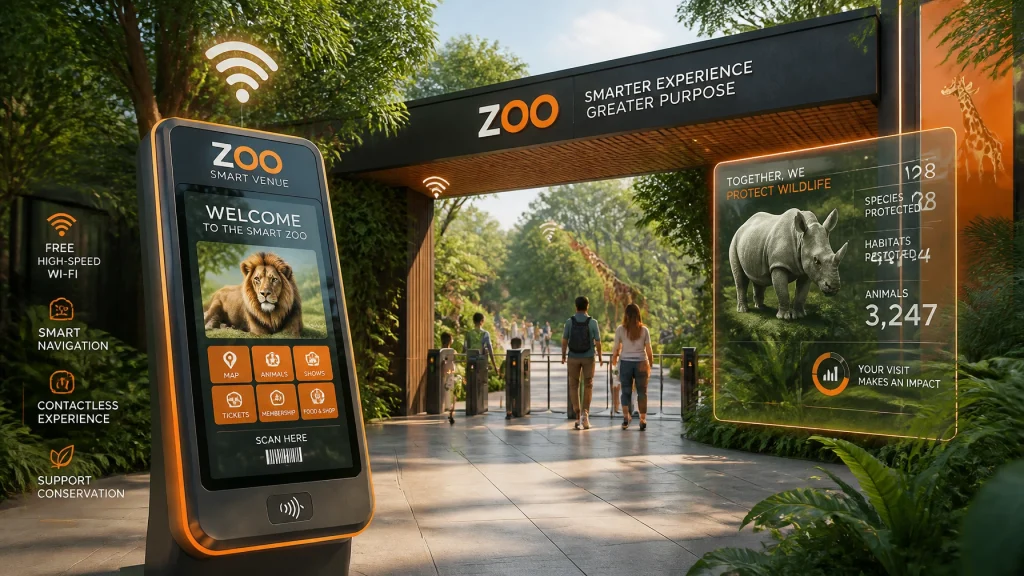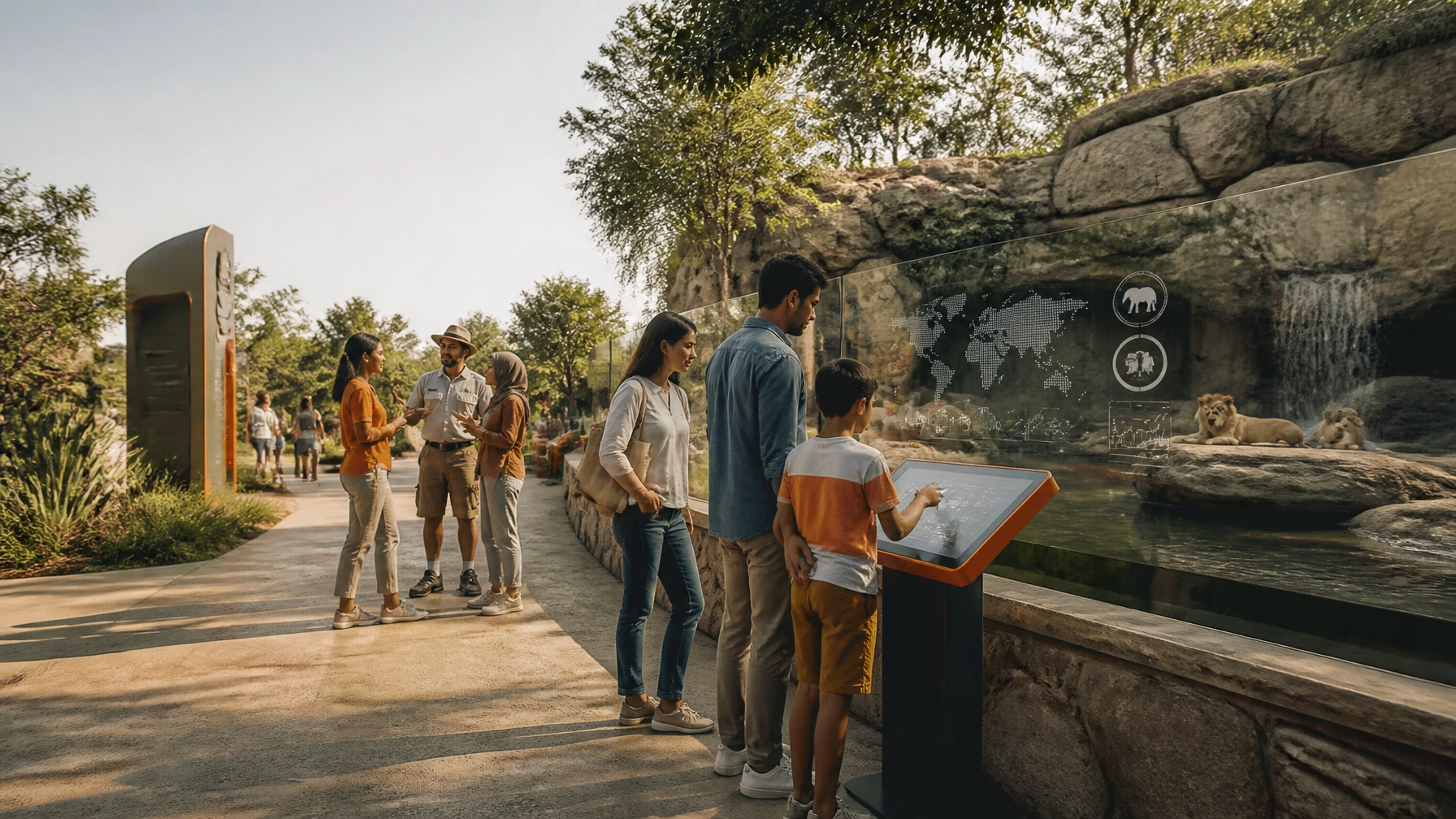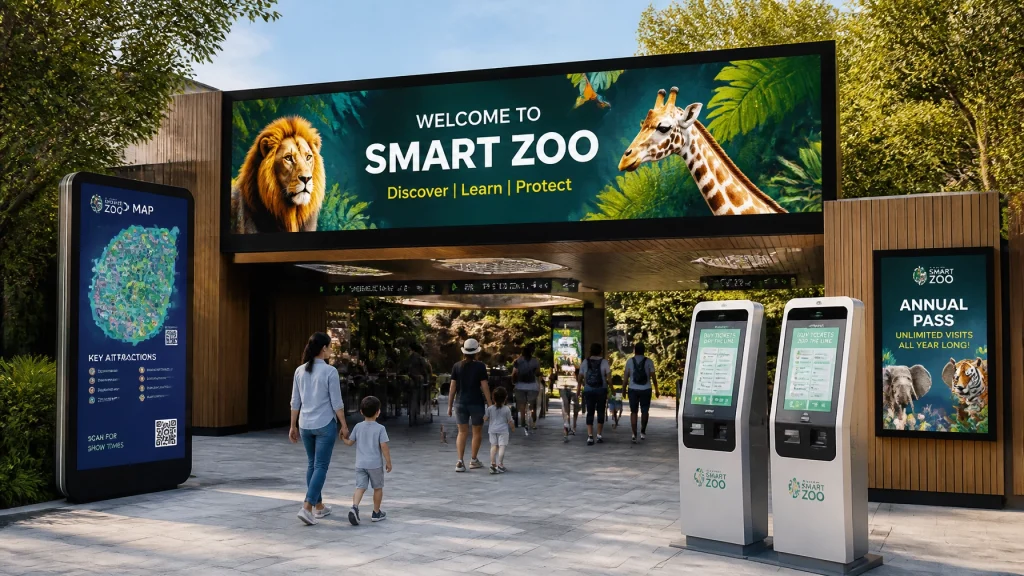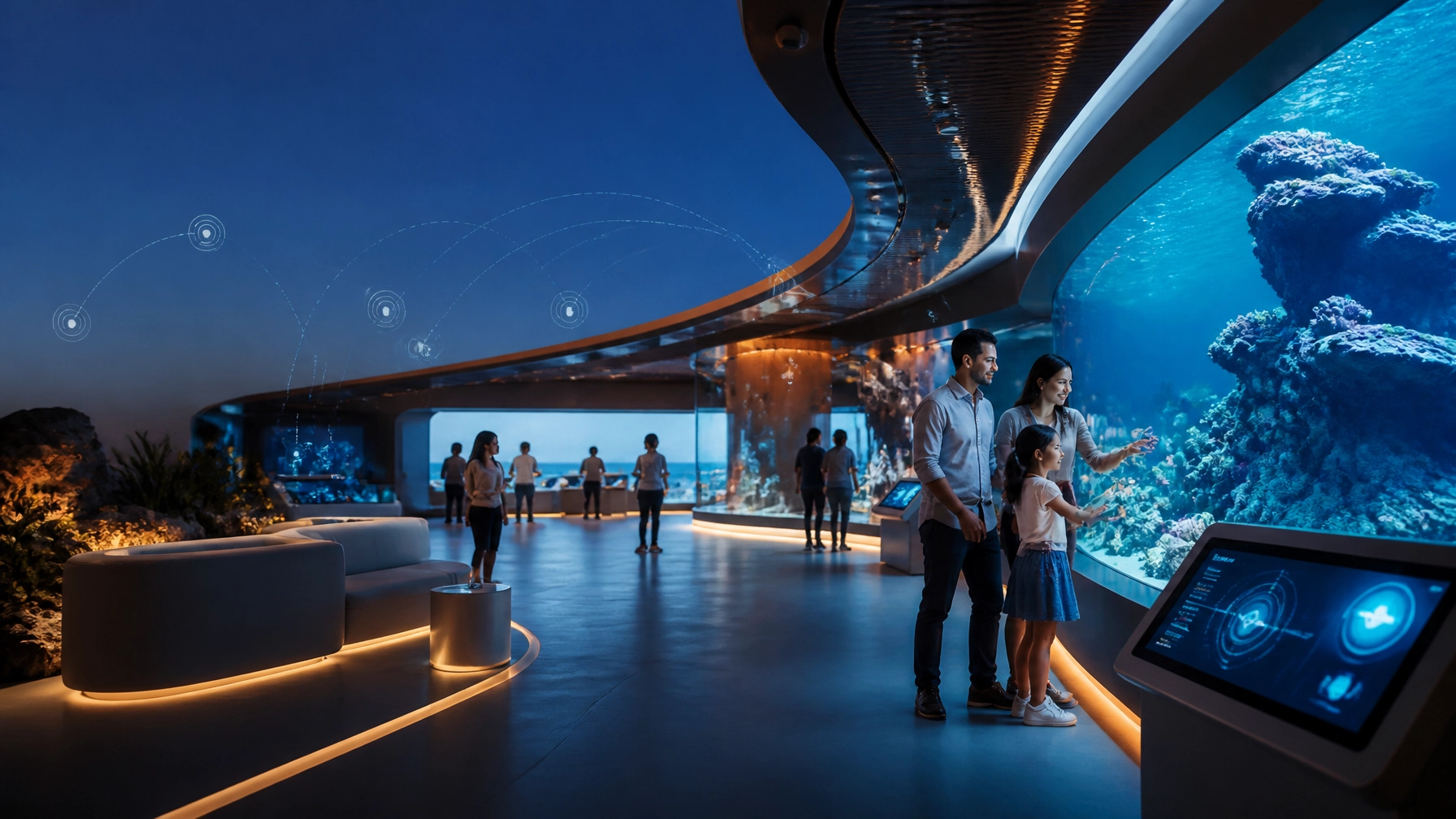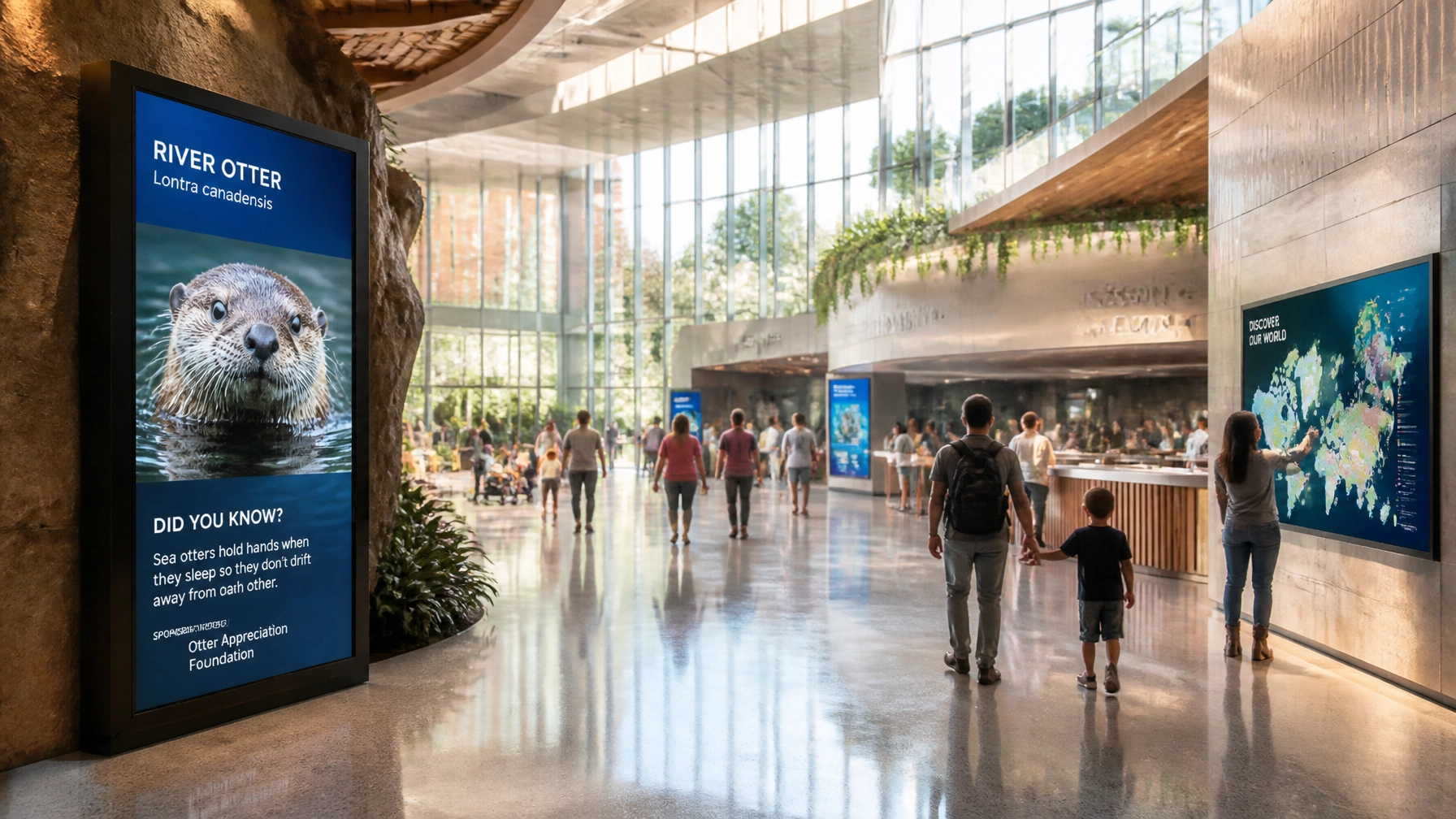
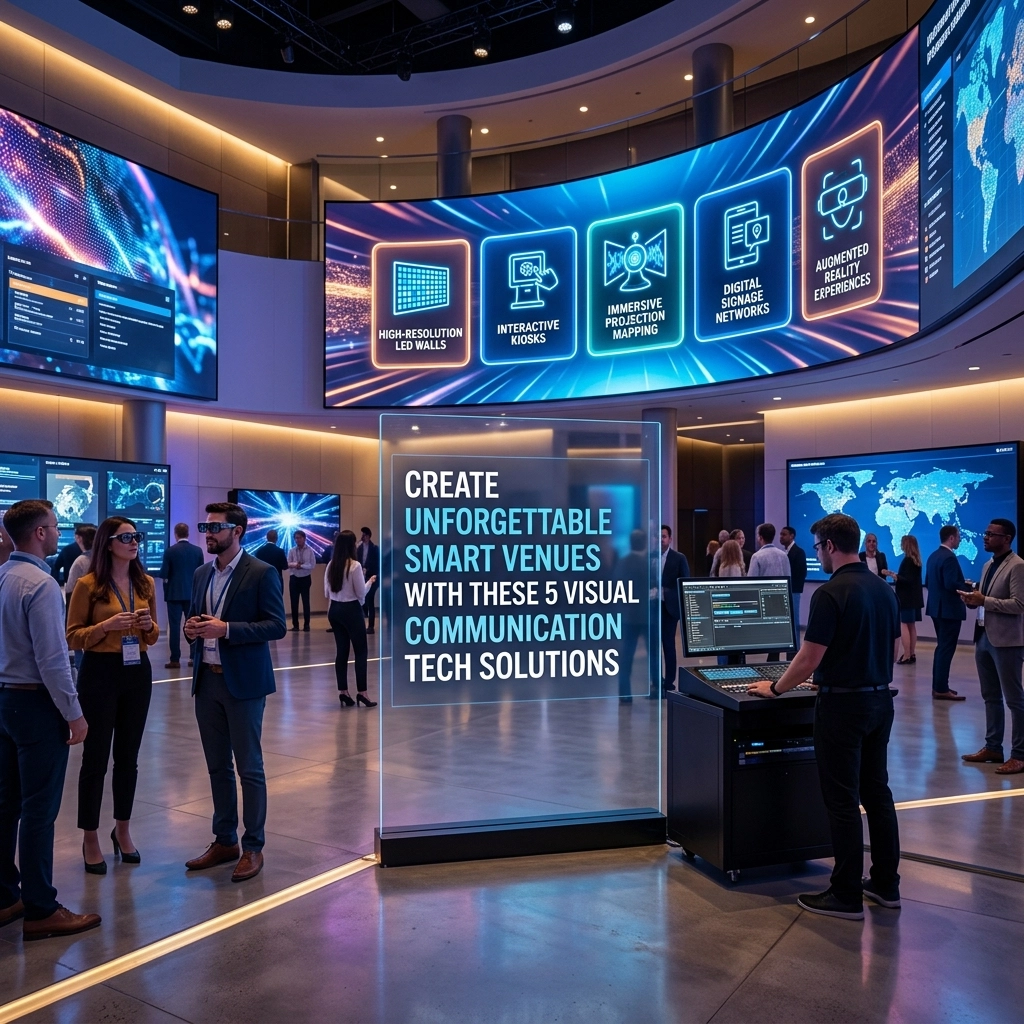
Hey there! Dan Kost here. If you’ve been following what we’re doing at Zoo Media, you know we aren’t just about putting up posters. We are in the business of transformation. In 2026, the traditional walk-through experience is evolving. Zoos and aquariums are becoming "Smart Venues": ecosystems where technology and nature shake hands to create something truly unforgettable for every visitor.
Running a world-class facility means juggling education, conservation, and entertainment. To do that effectively, you need a digital backbone that works as hard as your zookeepers do. Today, I want to walk you through five visual communication tech solutions that are changing the game. Whether you are a Zoo Director looking to boost ticket sales or a tech partner aiming for seamless integration, these tools are your ticket to the future.
What is a Smart Venue? (AEO Snippet)
A smart venue in the context of zoos and aquariums is an integrated environment that utilizes IoT (Internet of Things), high-speed connectivity, and interactive visual communication technology to enhance visitor engagement, streamline operations, and provide real-time data-driven educational experiences.
1. Advanced Video Conferencing: Bringing the Wild to the World
Gone are the days when your reach ended at the front gate. Advanced video conferencing systems like Zoom Rooms or Microsoft Teams Rooms are now essential components of a zoo’s digital marketing and outreach strategy.
By integrating PTZ (pan-tilt-zoom) cameras into exhibits, you can host "Virtual Field Trips" that allow students in a different time zone to witness a lion’s feeding time in high definition. These systems offer automated tracking, meaning the camera follows the action without needing a full production crew on-site.
For the donor community, high-quality video conferencing allows for "behind-the-scenes" exclusive access. Imagine a private board meeting where the "guest of honor" is a newborn rhino being monitored in the veterinary wing. It’s personal, it’s powerful, and it’s all possible through smart visual communication.

2. Wireless Presentation Systems: Cutting the Cord on Complexity
We’ve all been there: a high-stakes presentation in the auditorium where the HDMI cable just won’t behave. In a smart venue, we eliminate that stress entirely. Wireless systems like Barco ClickShare or Crestron AirMedia allow your staff and guest speakers to share content from any device instantly.
This isn't just about convenience; it's about agility. When your team can wirelessly mirror a tablet’s screen onto a massive display in the visitor center to show real-time conservation data, you're practicing cutting-edge visual communication. This technology ensures that your messages are delivered without a hitch, keeping the focus on the animals rather than the IT closet.
3. Interactive Displays: Engaging the Next Generation
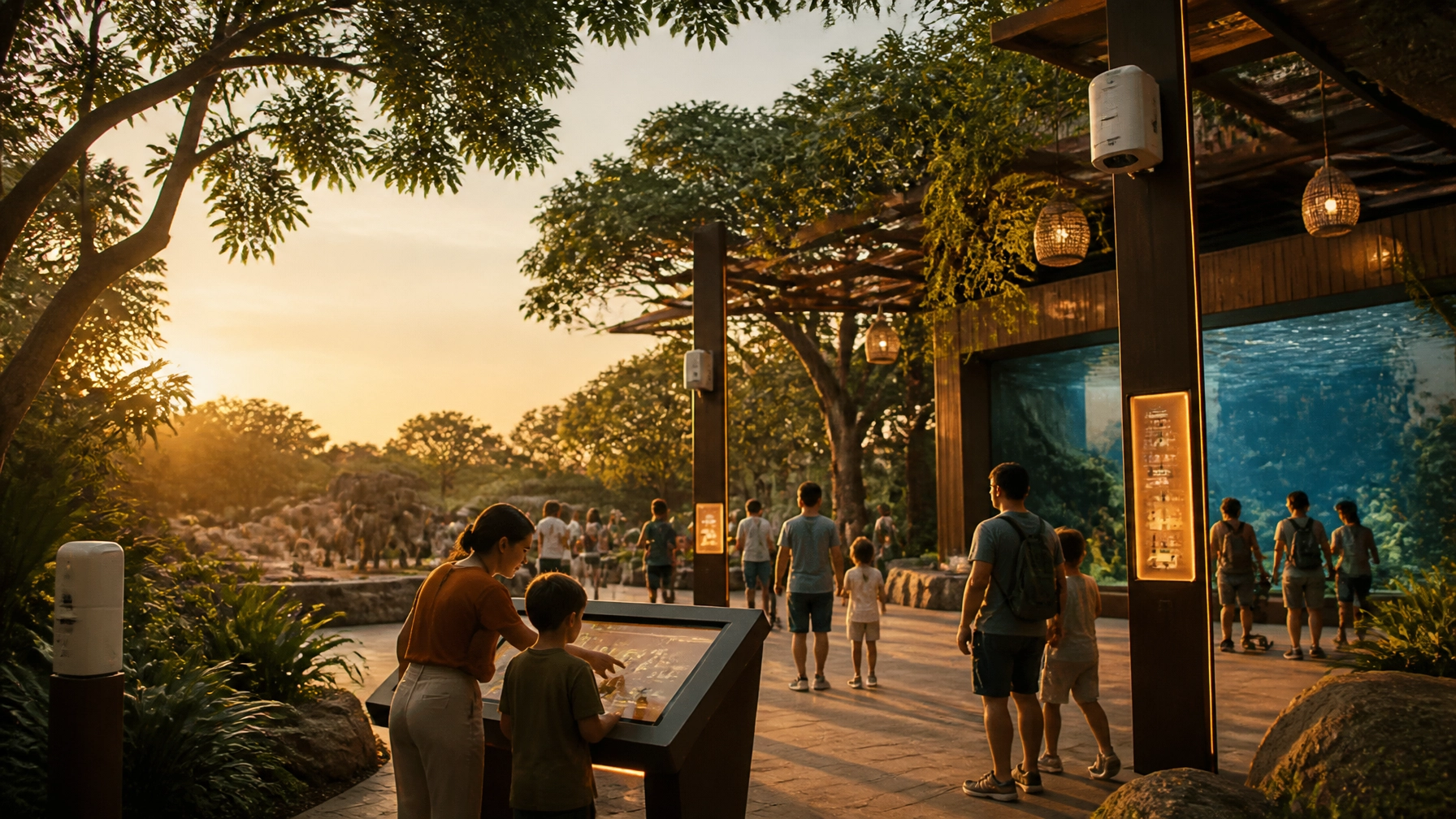
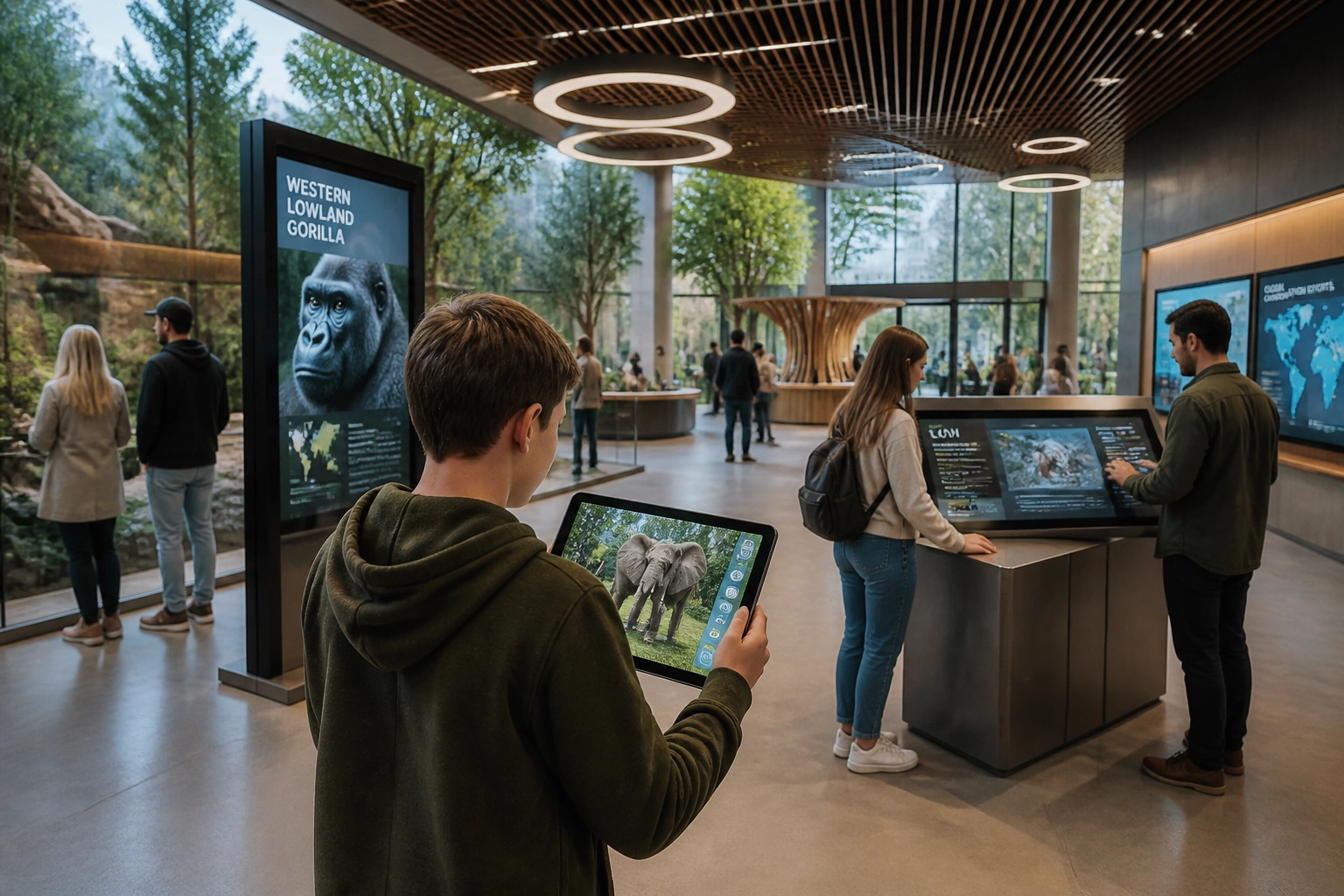
If you want to capture the attention of a generation raised on touchscreens, you have to meet them where they are. Interactive displays transform passive observers into active participants. We’re talking about high-resolution touch surfaces where kids can "play" their way into learning about ecosystems.
Think of it as the ultimate engagement tool. Much like how modern platforms offer interactive elements to keep users engaged: for instance, some might learn the mechanics of a roulette wheel or try their luck with digital slots to understand probability: your interactive displays can use gamification to teach conservation.
"Scopri la tua fortuna" (Discover your luck) could be a game where visitors see if they can survive a year in the wild as a sea turtle. By incorporating live polls, Q&A sessions, and social media integration, you boost engagement and collect valuable data on what your visitors care about most.

4. Smart Signage with IoT Integration: The Living Map
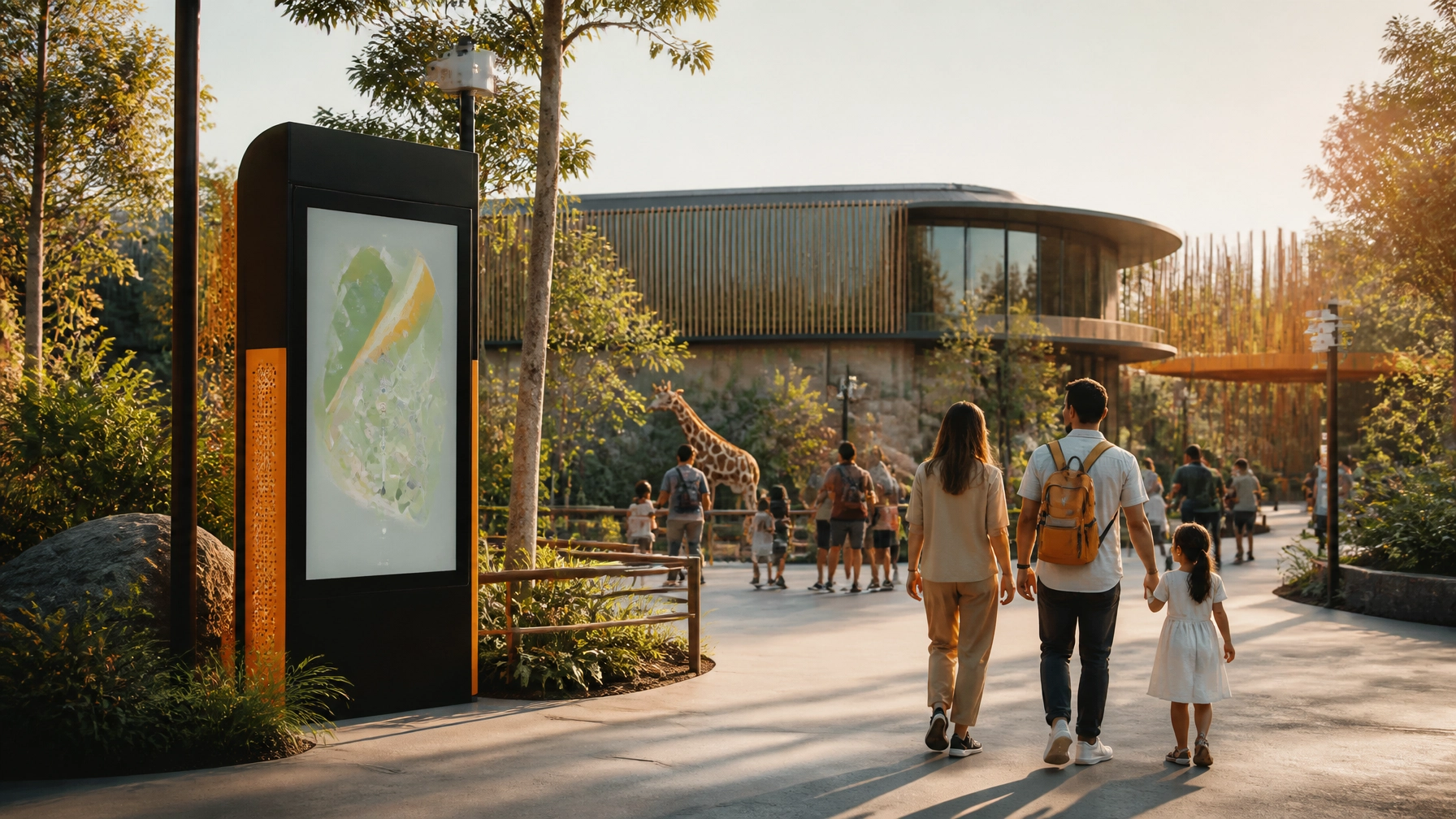
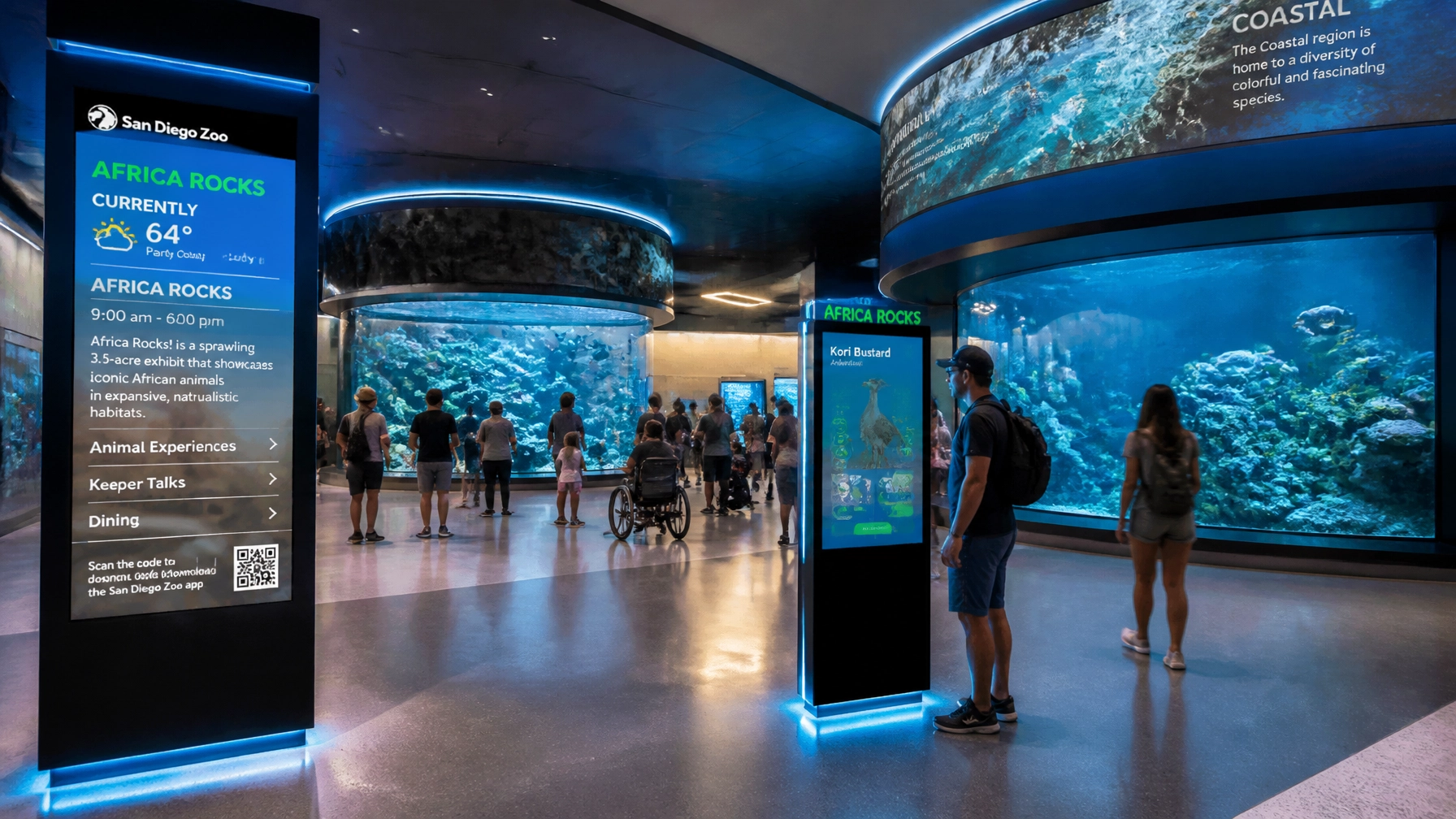
Traditional static signs are becoming relics. Smart signage powered by IoT technology allows your venue to "breathe." These displays can automatically update based on real-time conditions.
- Dynamic Wayfinding: Is the elephant exhibit getting too crowded? Redirect traffic to the penguin encounter through your digital screens.
- Real-time Updates: Use IoT sensors to display the current water temperature of the shark tank or the exact time the next educational talk begins.
- Emergency Messaging: Instantly switch every screen in the park to display safety protocols or lost-child alerts.
This level of agility is a core part of modern website development and physical space integration. Your physical venue should be as responsive as your homepage. By utilizing smart signage, you ensure that your messaging is always timely and relevant, helping you create a personalized experience for every guest.
5. Unified Room Control: The Brain of the Operation
The most impressive tech is useless if it’s too hard to use. Unified room control systems act as the "brain" of your smart venue. From a single tablet or central interface, your team can manage:
- Multi-zone Audio: Play calming rainforest sounds in one area and educational commentary in another.
- Dynamic Video Routing: Send a live feed from a nesting camera to any screen in the park.
- Ambiance Control: Adjust lighting levels based on the time of day or specific event needs.
At Zoo Media, we believe that technology should be a silent partner: always there, always working, but never getting in the way of the natural beauty of your animals. These systems integrate directly with your event management platforms, making scheduling and ticketing a breeze.

Why It Matters for Your Brand
Implementing these solutions isn't just about having the "coolest" gadgets. It's about Branding and Strategy. When a visitor enters a smart venue, they feel like they are part of a modern, forward-thinking organization. This builds trust and encourages repeat visits.
From a Marketing perspective, the data collected from interactive displays and IoT sensors is gold. You’ll know exactly which exhibits draw the most crowds and which educational videos are being watched until the end. This allows for hyper-targeted digital marketing campaigns that resonate with your specific audience.
Pro-Tip: Start Small, Think Big
You don't have to overhaul your entire facility overnight. Maybe start with a single interactive display in your main lobby or upgrade your conference room to be hybrid-ready. The goal is to create a seamless journey that begins on your website and continues through every screen and sensor in your park.

Final Thoughts: The Zoo Media Advantage
At Zoo Media, we specialize in the intersection of technology and the natural world. We aren't just an advertising agency; we are your partners in innovation. Whether it's through the Zoo Media Travel experiences we curate or the cutting-edge content on the Zoo Media Television Network, our goal is to help you tell your story better.
Are you ready to turn your facility into an unforgettable smart venue? Let’s make it happen. "Tentare la fortuna" (Try your luck) is for the uninformed; strategic tech implementation is for the leaders.
Check out our other resources:
- Looking for the latest in zoo tech? Visit ZooMedia.news.
- Interested in our network? Explore ZooMediaNetwork.com.
- Want to see our latest projects? Head over to ZooMedia.us.
#Motivation #Branding #Strategy #Marketing #AdvertisingAndMarketing #digitalmarketing #Innovation #Sports
Zoo Media – Transforming the Way the World Sees Wildlife.
Contact Us:
For more information on how to revolutionize your venue, reach out to us today.
Dan Kost, CEO
Dakdan Worldwide
Website: www.dakdan.com
AI Receptionist: +1 (323) 676-0621
Don't forget to follow our daily updates for more insights into the world of Zoo Media and our various divisions, from Zoo Medical Group to our Travel industry partnerships!