Let’s be honest: running a zoo or aquarium is a wild business. You’re managing conservation efforts, animal welfare, hundreds of staff members, and thousands of visitors who just want to see a red panda without getting lost. In the middle of all that chaos, your visual communication often takes a back seat. But here’s the kicker: your visual identity is the "front door" to your entire organization.
If your branding is messy, your visitors will feel that mess. If your signage is confusing, your guest experience drops faster than a penguin off an ice floe. As a leading branding agency specializing in the niche of wildlife and conservation, we see the same errors repeated across the industry.
Are you making these mistakes? Let’s find out: and more importantly, let’s fix them.
1. The "Every Animal Ever" Logo Syndrome
We get it. You have 400 species, and you love them all. But trying to fit a lion, a giraffe, a penguin, and a sea turtle into a single logo is a recipe for visual disaster. This is the most common mistake in corporate identity for zoos. When you cram too many elements into a small space, the logo becomes unrecognizable when scaled down for business cards or mobile app icons.
The Fix: Simplicity is your best friend. Choose one "hero" species or a stylized abstract shape that represents your unique location or mission. A clean, modern logo is memorable. Think of it like a high-stakes game; you don’t need to play every card to win. Just like when you gioca book of shadows gratis senza scaricare, sometimes a single focused strategy is what leads to the jackpot.

2. Typography That "2003 Called" to Reclaim
If I see one more "safari" font that looks like it was plucked from a 1990s Microsoft Word clip-art gallery, I might lose my mind. Typography is the "voice" of your brand. Using Comic Sans in the children’s area or Papyrus in the reptile house tells your visitors that your organization isn’t keeping pace with the modern world.
The Fix: Invest in a professional typeface suite. You need a bold, legible "headline" font for impact and a clean "sans-serif" font for body text on signage. Good typography ensures that even if a guest is 50 feet away, they can read about the conservation status of your rhinos without squinting.
3. The "Jungle Juice" Color Palette
Color theory is a science, not a suggestion. Many zoos fall into the trap of using every color of the rainbow because "it’s for kids." While vibrancy is great, a lack of a cohesive color palette creates visual fatigue. If your website is neon green and your brochures are muddy brown, your brand feels disjointed.
The Fix: Establish a primary and secondary color palette. Use earth tones for conservation messaging and brighter, high-contrast accents for wayfinding and calls to action. A professional creative services team can help you build a palette that feels both natural and energetic. In the world of visual communication, finding the right color balance is as satisfying as seeing the slot machine online percentuale di vincita hit that sweet spot.
4. Ignoring the Digital-First Reality
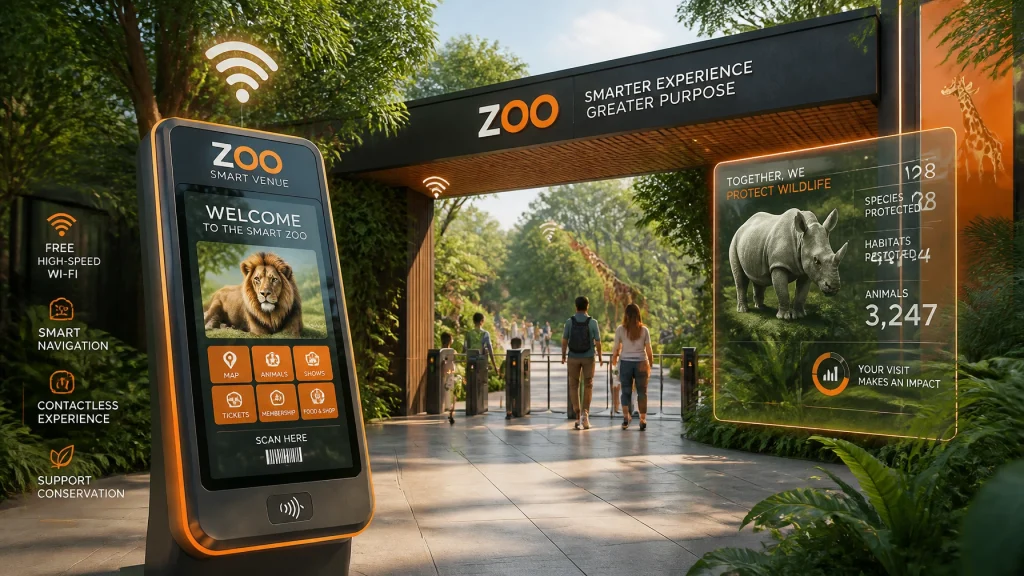
In 2026, the visitor journey doesn't start at your front gate. It starts on a smartphone. If your visual communication is beautiful on a printed map but a nightmare on a mobile screen, you’re losing guests before they even park their cars. Many brand managers focus so much on "physical" identity that they forget the digital marketing strategies required to convert a web visitor into a ticket buyer.
The Fix: Adopt a "Mobile-First" mindset. Ensure your logo, colors, and fonts are optimized for digital displays. Your website navigation should be as intuitive as a well-designed zoo path. Don’t let your digital presence be a gamble: check out how the pros handle layout at casinò italia dove sono to see how clarity and location services work together.

5. Wayfinding That Leads to Nowhere
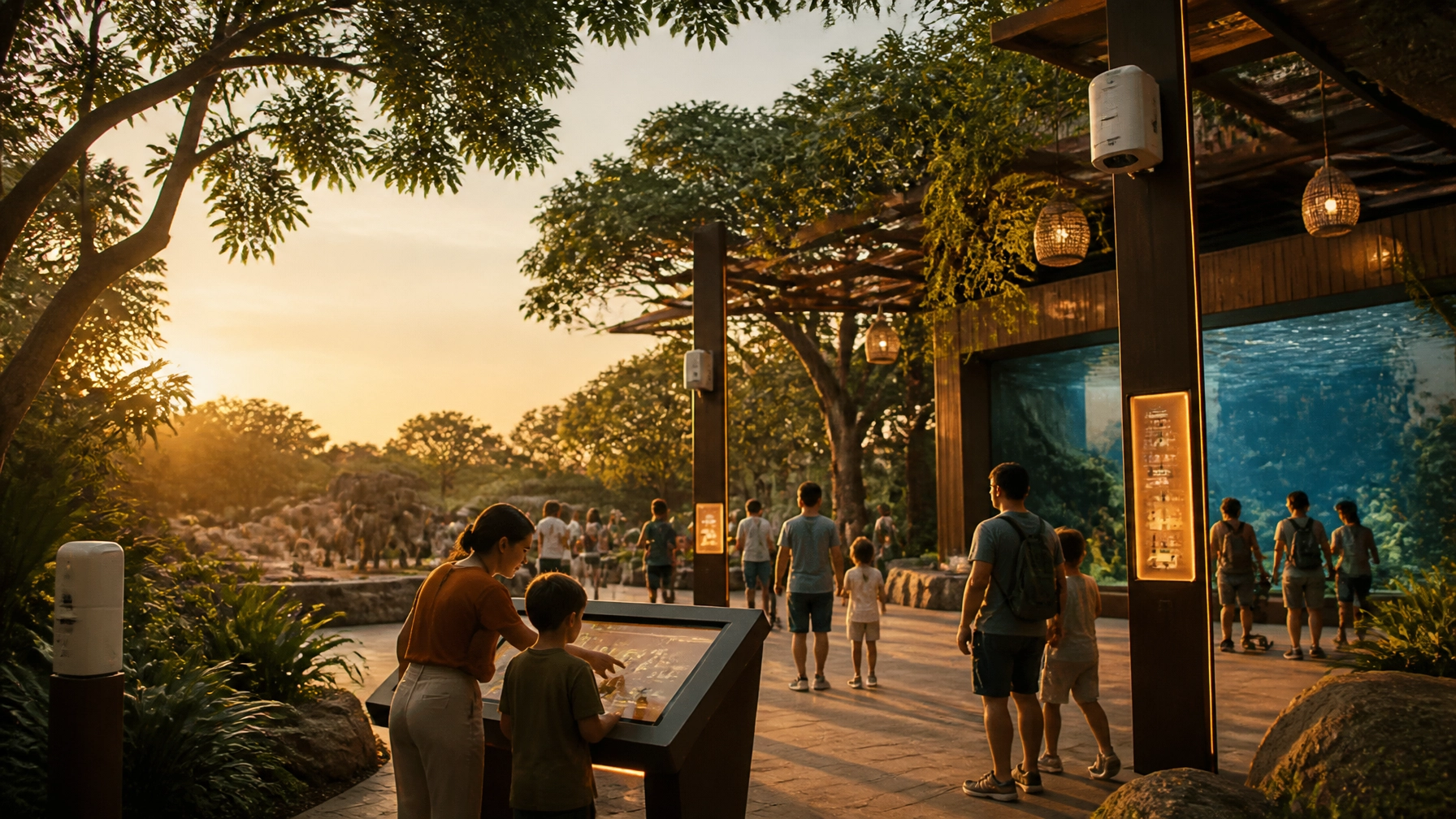
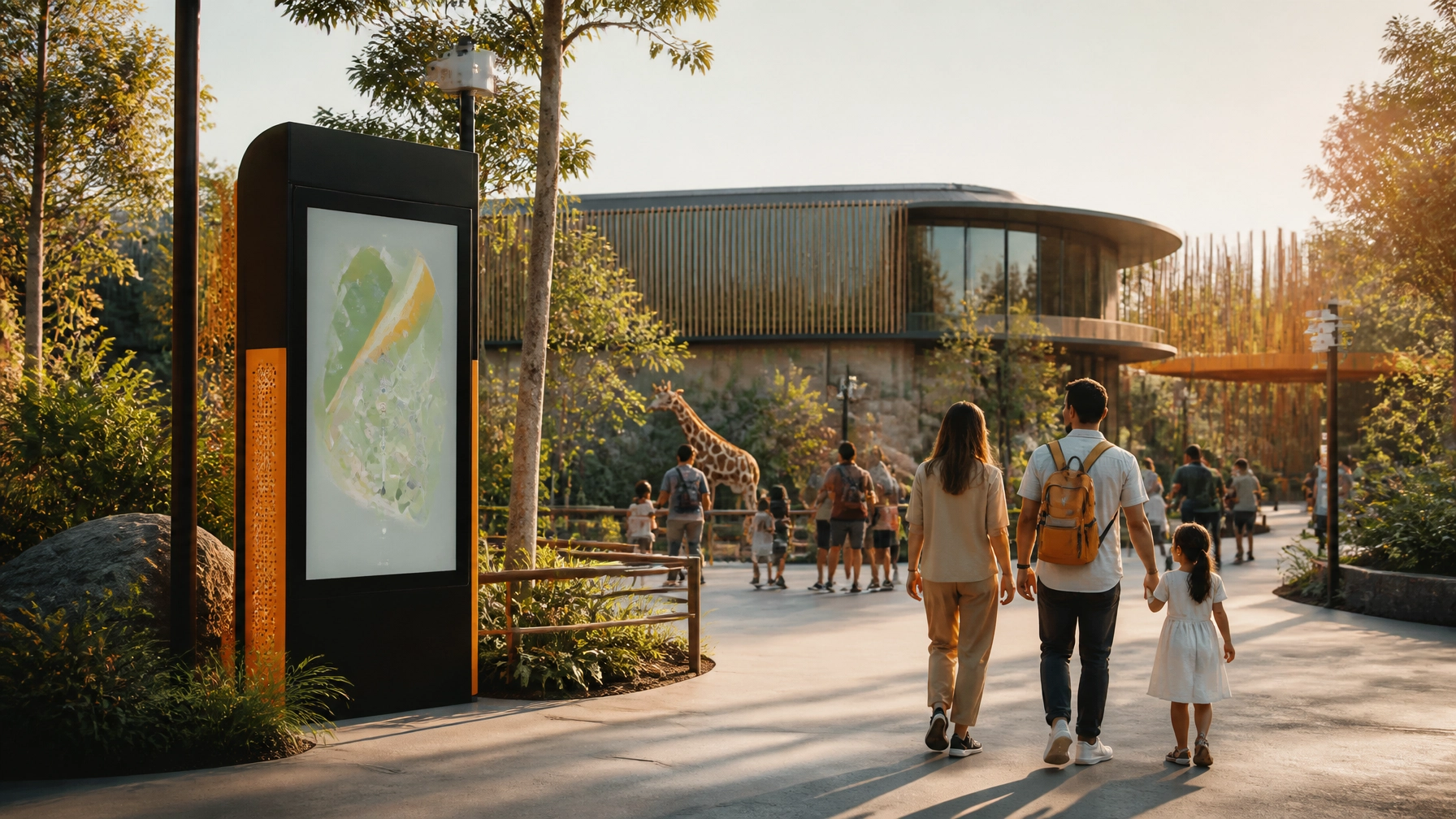
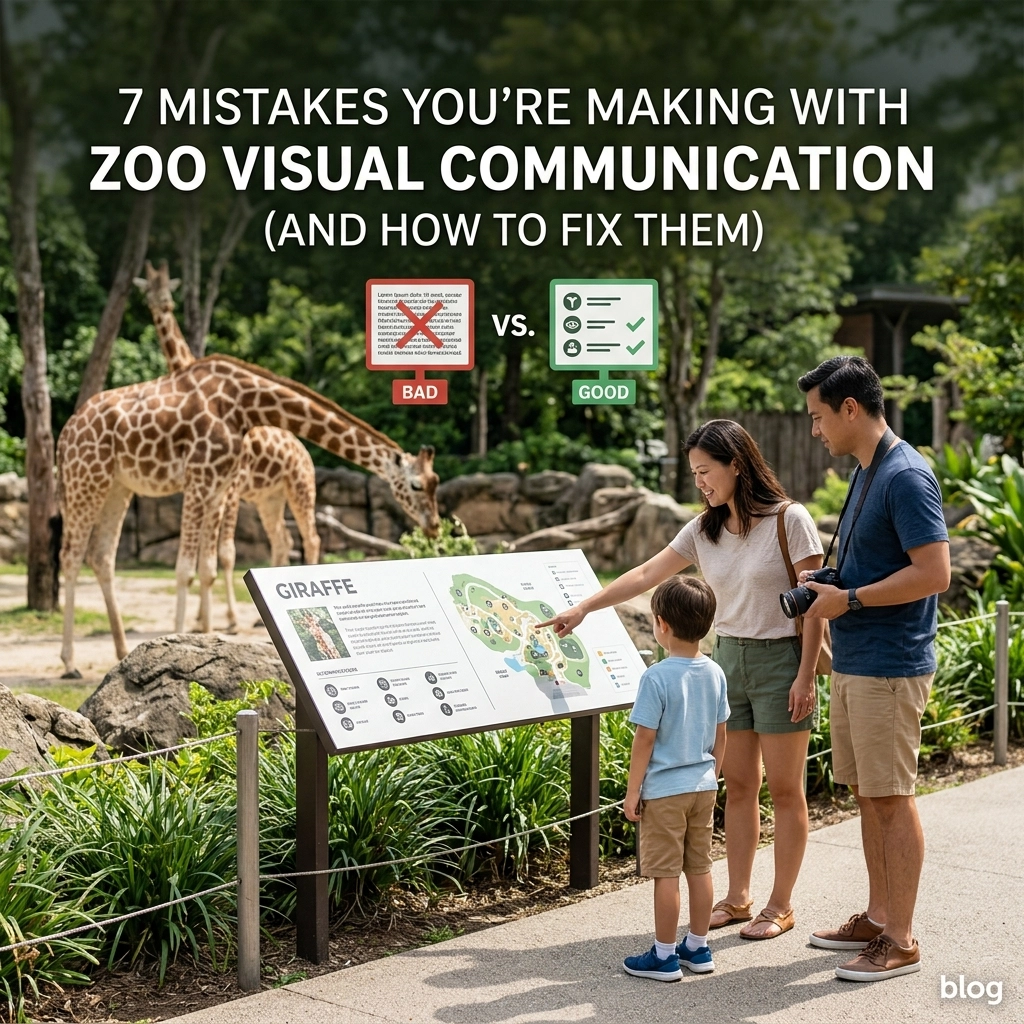
Have you ever seen a family wandering aimlessly near the zebras because the "Restroom" sign was hidden behind a bush? Wayfinding is a critical part of your visual communication. If guests are frustrated because they can’t find the cafe or the exit, they aren't looking at your educational displays: they’re looking at their watches, waiting to leave.
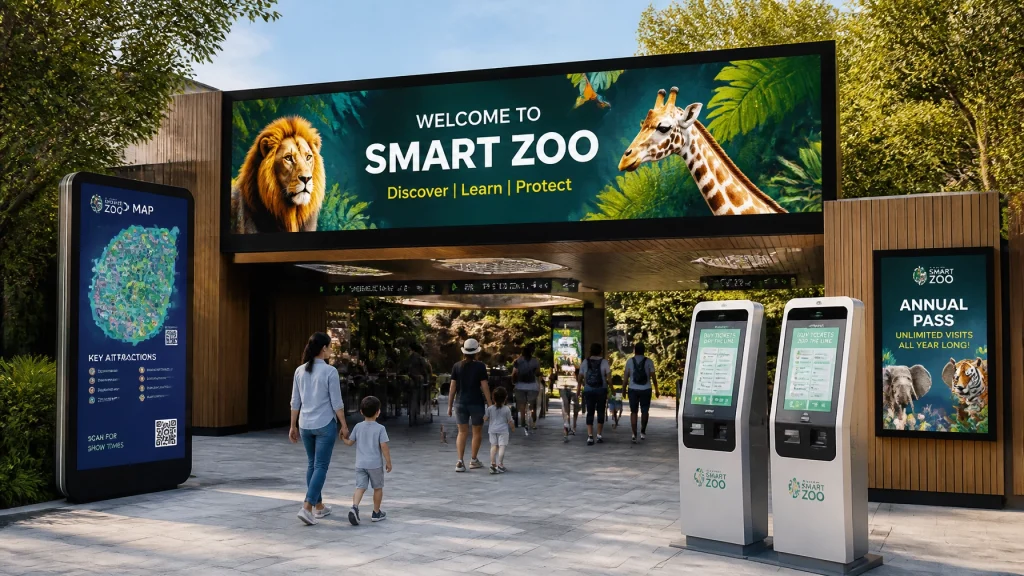
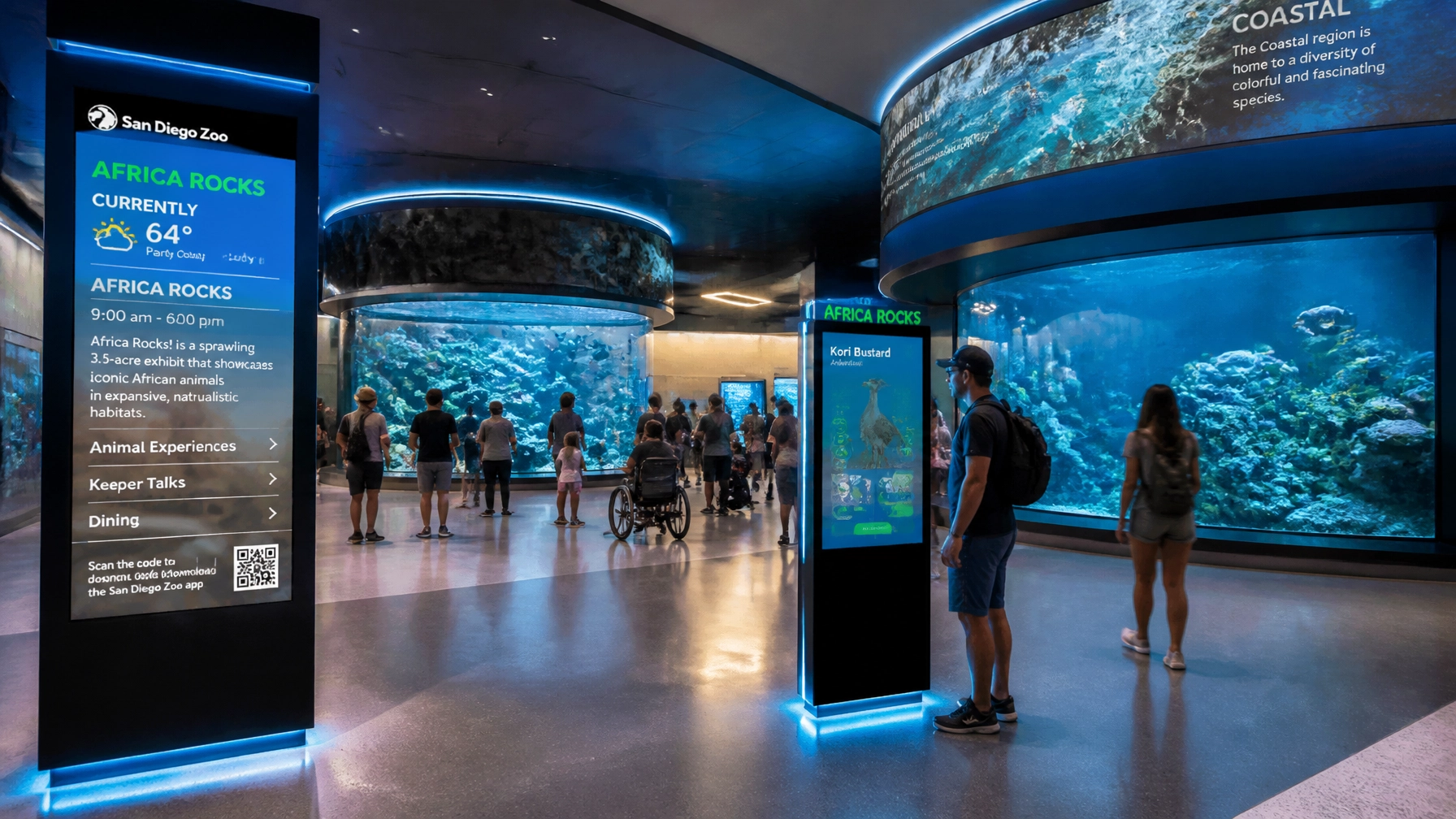
The Fix: Implement the "50-Foot Rule." All critical directional signage should be legible from 50 feet away. Use consistent iconography and high-contrast colors. At Zoo Media, we believe that wayfinding is just as much a part of your creative services as your logo. It’s about the experience, not just the arrows.
6. Messaging That Could Apply to "Any" Zoo
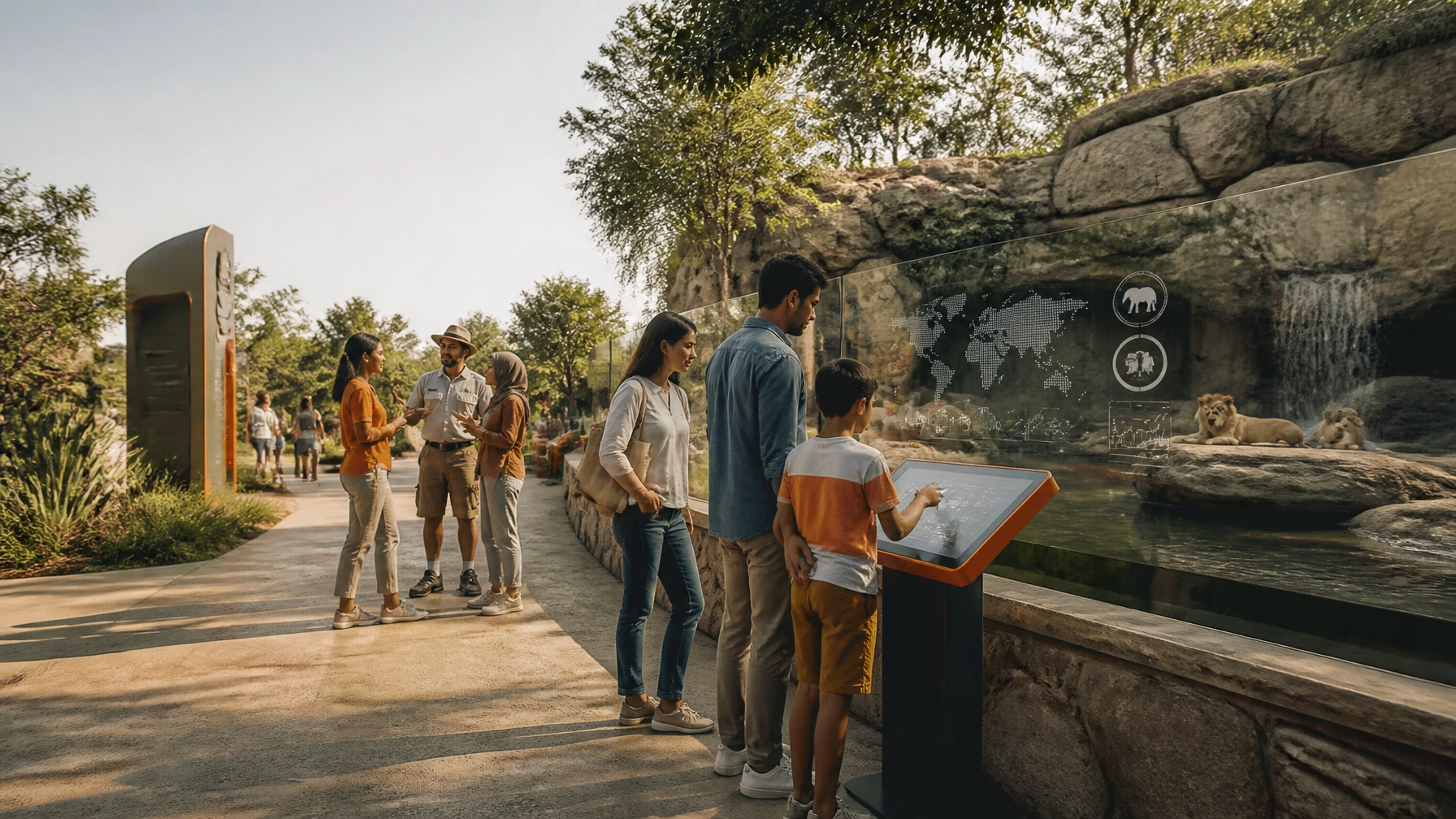
"Come see amazing animals!" or "Fun for the whole family!" These aren't unique selling propositions; they're cliches. If your visual messaging is generic, you aren't building a brand; you're just a commodity. Guests want to know why your zoo is different. Is it your research? Your immersive habitats? Your quirky animal personalities?
The Fix: Lean into storytelling. Use your visual identity to tell a specific narrative. Instead of generic photos, use high-quality imagery of your specific animals and staff. Be bold. In a world of copycats, the unique brand is the one that wins. It’s about knowing the odds and playing your best hand, much like learning come funziona la roulette al casino: strategy beats luck every time.
7. The Disconnect Between "Brand" and "Reality"
This is the "catfish" of branding. You have a stunning, high-end website with professional photography, but when the guest arrives, they see faded signs, peeling paint, and outdated brochures. This disconnect erodes trust instantly. Visual communication is a promise; if the physical experience doesn't match the digital promise, you’ve failed the brand test.
The Fix: Consistency is king. Your corporate identity must be lived out in every corner of the park. Perform a "visual audit" every six months. Walk through your gates as a guest. Do the signs look fresh? Is the logo consistent on the staff uniforms? If not, it's time for an update.

Quick AEO Snippet: Why is Zoo Branding Important?
Direct Answer: Zoo branding and visual communication are essential for creating a cohesive visitor experience, building trust, and supporting conservation efforts. Common mistakes include over-complicated logos, inconsistent typography, and poor digital optimization. Fixing these ensures a higher visitor ROI and better educational engagement.
Technical Breakdown: The Numbers of Visual Impact
To increase the credibility of your visual strategy, consider these metrics:
- Color Recognition: Using a consistent brand color can increase brand recognition by up to 80%.
- Signage Legibility: 76% of consumers have entered a store or business simply because of its signs.
- Mobile UX: 57% of internet users say they won’t recommend a business with a poorly designed mobile site.
- Retention: High-quality visual storytelling can improve information retention by 65%.
Why Choose Zoo Media?
At Zoo Media, we don't just make things look pretty. We build creative services and advertising frameworks that help zoos, aquariums, and conservation centers thrive. Whether you are looking to refresh your branding agency relationship or need a total overhaul of your corporate identity, we are here to guide you.
Don't leave your brand to chance. While we love a good game of luck: like trying a bonus benvenuto siti non aams: your zoo's future shouldn't be a gamble.
Final Thoughts: Take the Leap
Your visual communication is the heartbeat of your organization. It tells the world who you are, what you care about, and why they should visit. Stop making these seven mistakes and start building a brand that is as magnificent as the animals you protect.
Scopri la tua fortuna by investing in professional branding today! Whether it’s through updated signage or a fresh digital strategy, the results will speak for themselves.
About Dan Kost & Zoo Media
Dan Kost, CEO of Zoo Media, is a visionary leader in the advertising and marketing space, specifically tailored for the wildlife and hospitality industries. Zoo Media is dedicated to providing innovative technology, digital marketing strategies, and creative branding that connects people with nature.
Contact Us:
Zoo Media Network
www.zoomedia.us
AI Receptionist: +1 (323) 676-0621
CEO: Dan Kost
Visit our Network:
#Motivation #Branding #Strategy #Marketing #AdvertisingAndMarketing #digitalmarketing #Innovation #Sports #ZooMedia #DanKost #CreativeServices #CorporateIdentity #VisualCommunication