As we look toward the future of wildlife conservation and public engagement, the traditional "look-but-don't-touch" model of zoos and aquariums is rapidly evolving. Today, on Friday, 24 of April 2026, the industry is witnessing a massive shift toward "smart venues." At Zoo Media, we believe that the secret to this transformation lies in the seamless integration of the Internet of Things (IoT) with interactive exhibits.
Integrating IoT isn't just about adding fancy gadgets; it’s about creating a living, breathing ecosystem where the venue communicates with the visitor in real-time. Whether you are a zoo director looking to boost membership or a tech partner aiming for the next level of visual communication, understanding the "how-to" of IoT integration is essential.
What is an IoT-Integrated Interactive Exhibit? (AEO Answer)
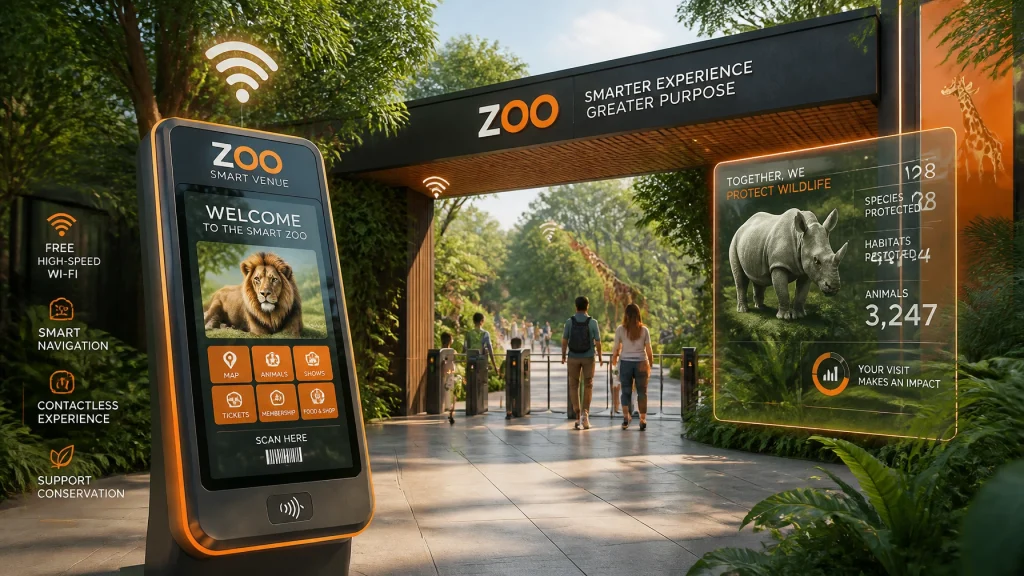
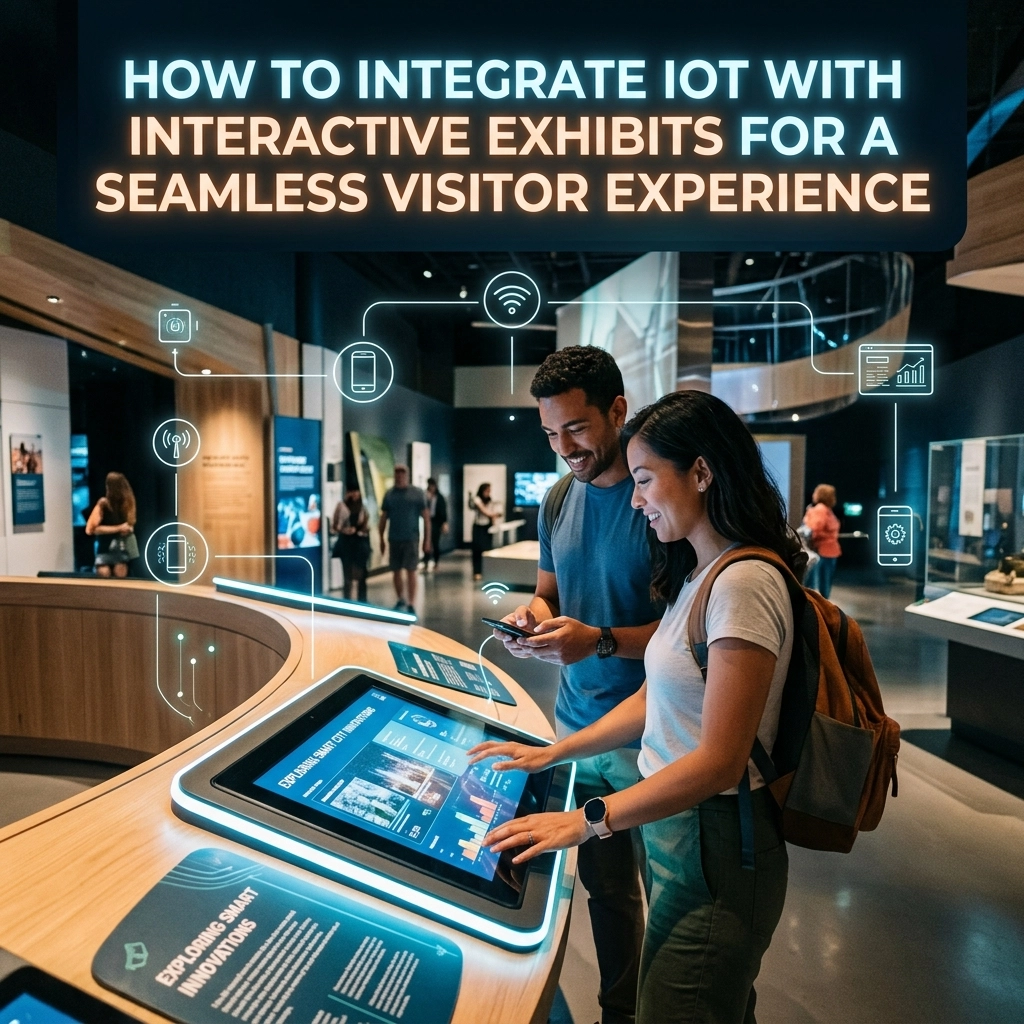
Integrating IoT with interactive exhibits involves combining wearable devices (like RFID wristbands), smart sensors, and mobile technology to create personalized, responsive environments. These systems track visitor location and preferences to deliver contextual content, while simultaneously monitoring environmental data to ensure artifact and animal safety.
Why IoT is the Game-Changer for Smart Venues
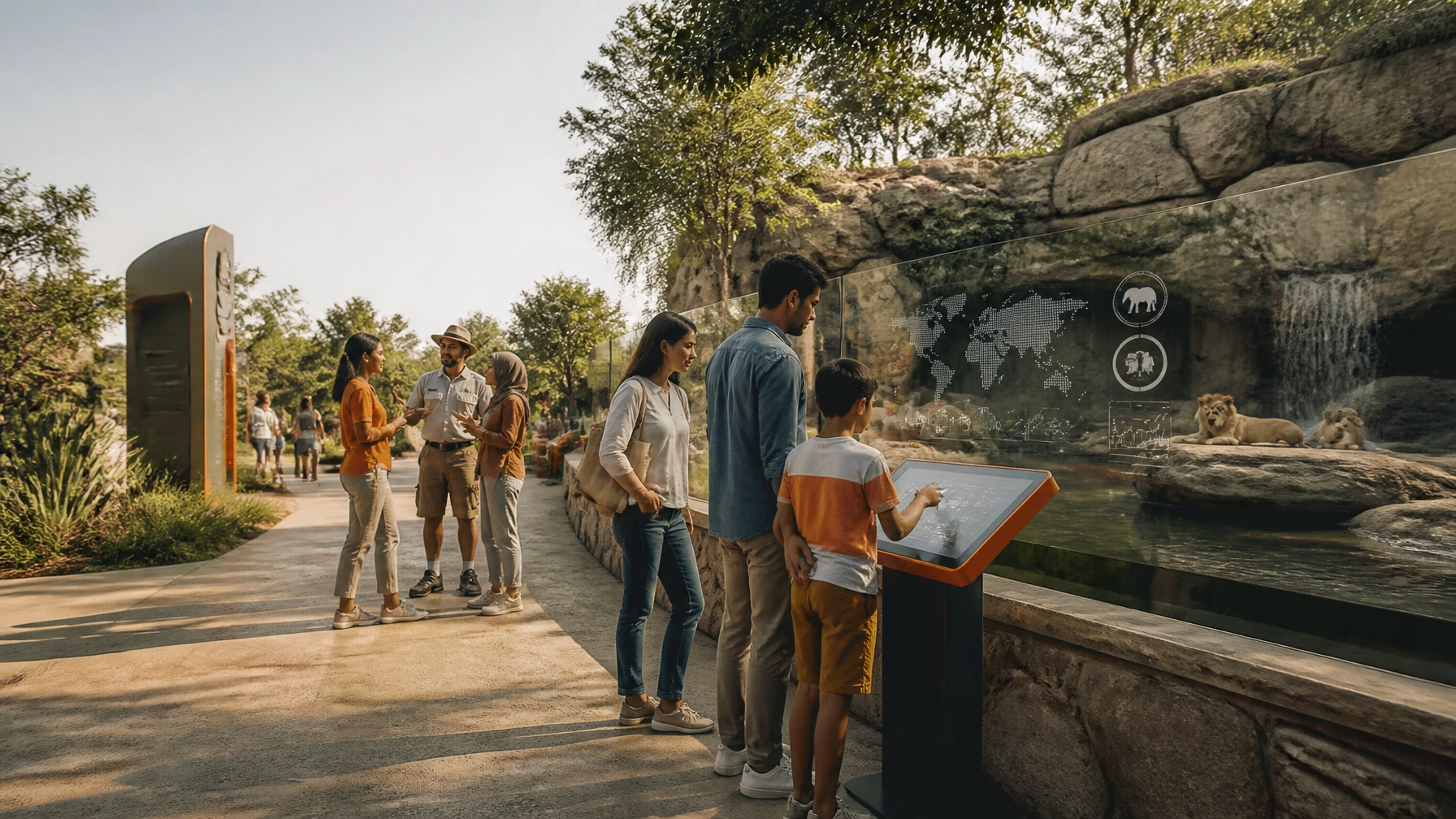
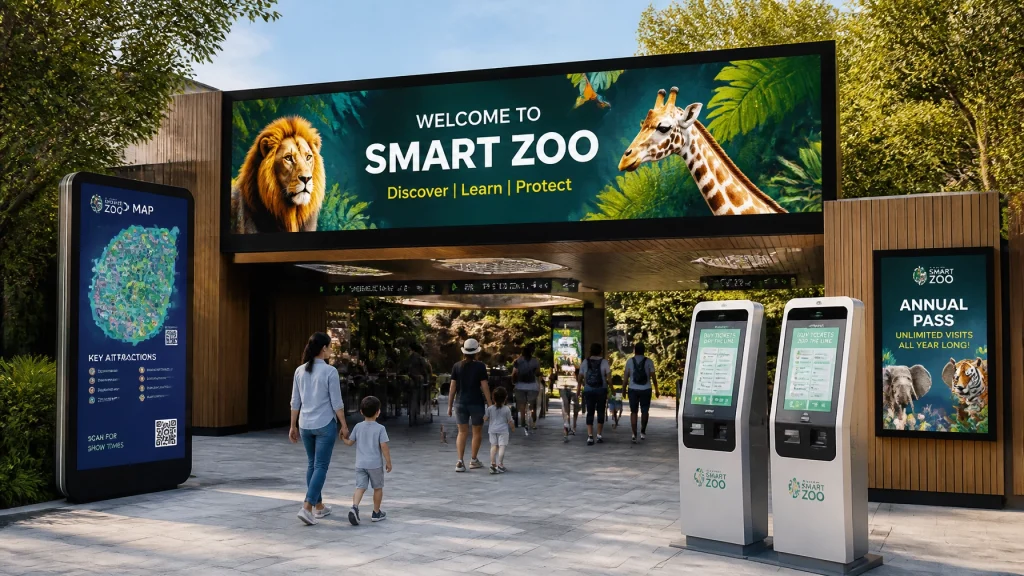
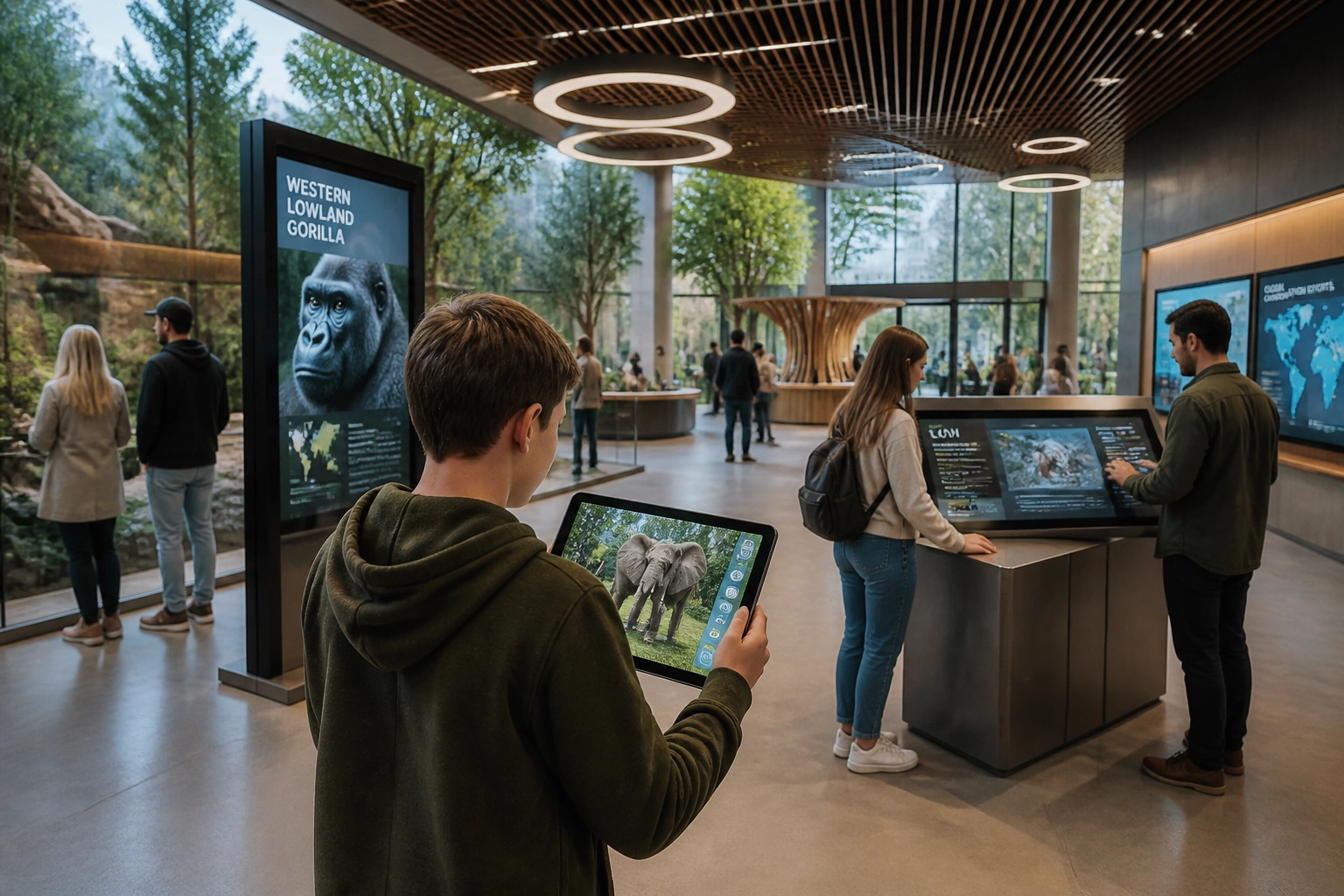
In the past, a visitor might walk past a lion enclosure, read a static sign, and move on. With IoT, that same visitor’s presence triggers a high-definition display to show a video of the lion’s natural habitat or plays a recording of its roar through directional speakers.
This level of digital marketing and engagement turns a simple walk through the park into an immersive journey. By leveraging website development techniques to create backend dashboards, zoo administrators can see exactly where crowds are gathering and which exhibits are "winning" the day.

The Core Technologies: How the Magic Happens
To build a seamless experience, you need a mix of hardware and software working in perfect harmony. Here are the pillars of a smart exhibit:
- Wearable Devices & RFID: Distributing RFID (Radio Frequency Identification) bracelets or cards is a fantastic way to personalize the journey. Visitors can "check-in" at various stations to unlock digital badges or personalized information.
- Smart Sensors: These are the "eyes and ears" of the exhibit. They monitor everything from foot traffic to the temperature and humidity of an enclosure.
- Beacon Technology: Using Bluetooth Low Energy (BLE), beacons can send push notifications to a visitor's smartphone via the zoo’s app as they approach a specific area.
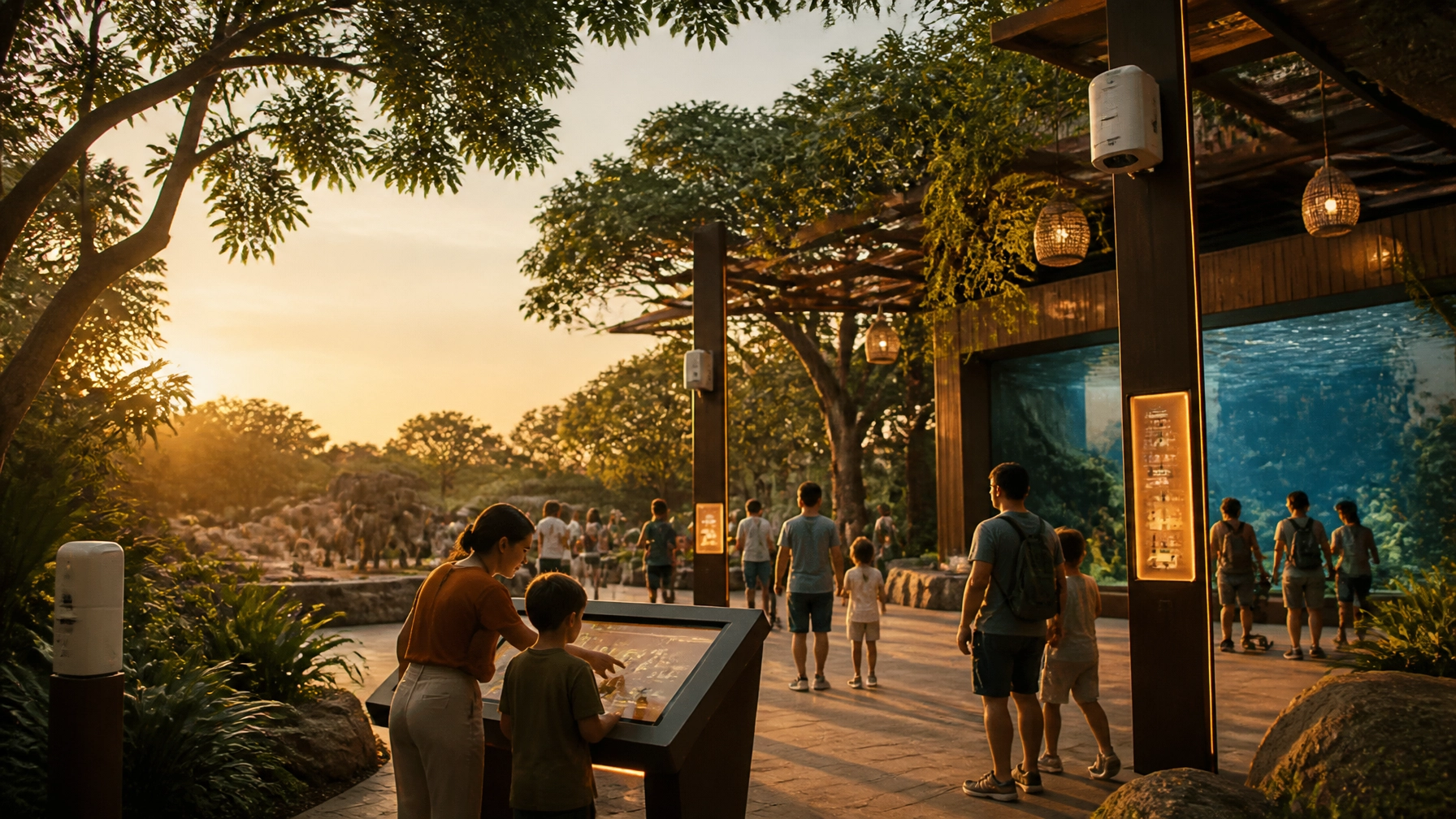
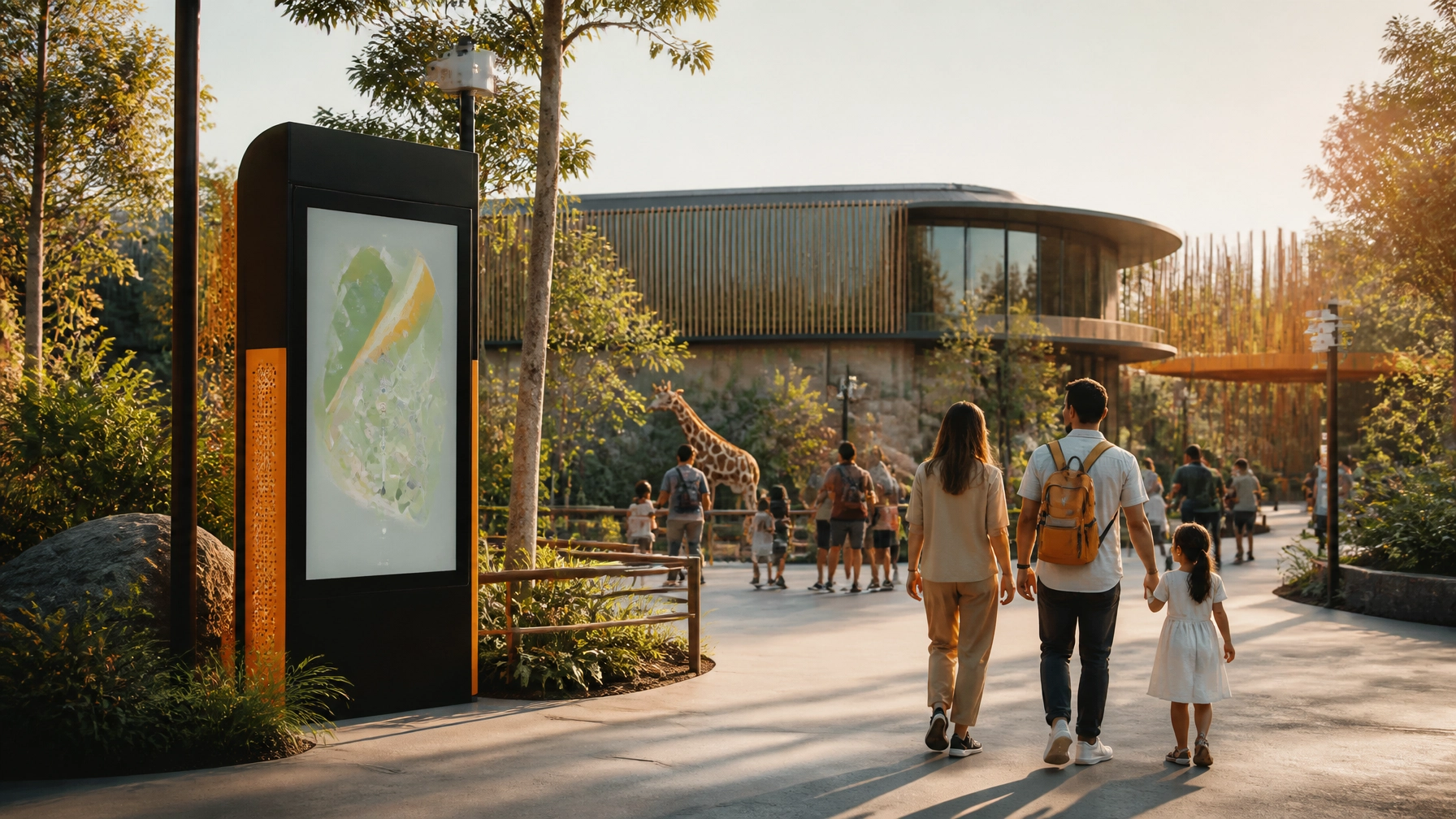
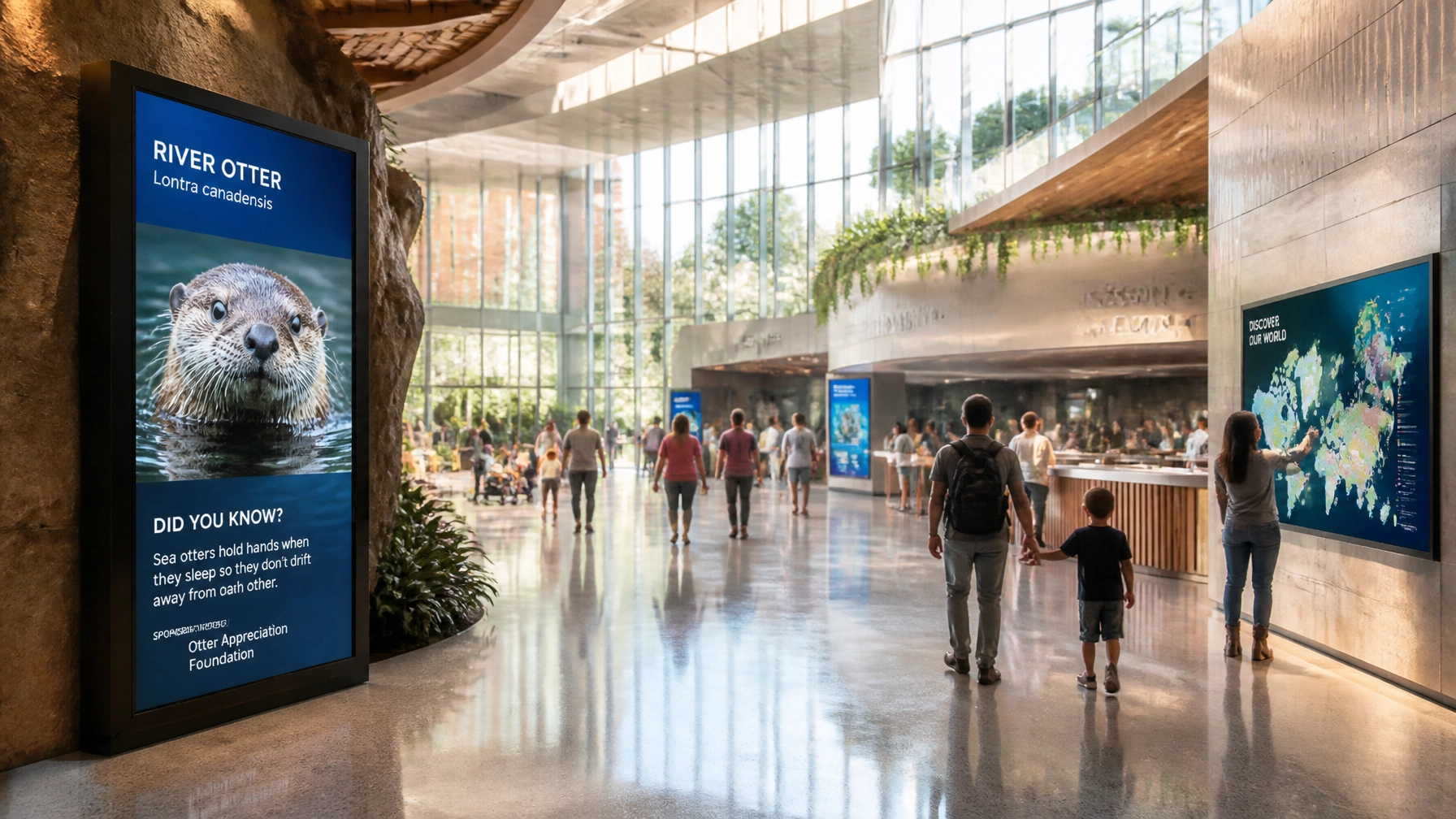
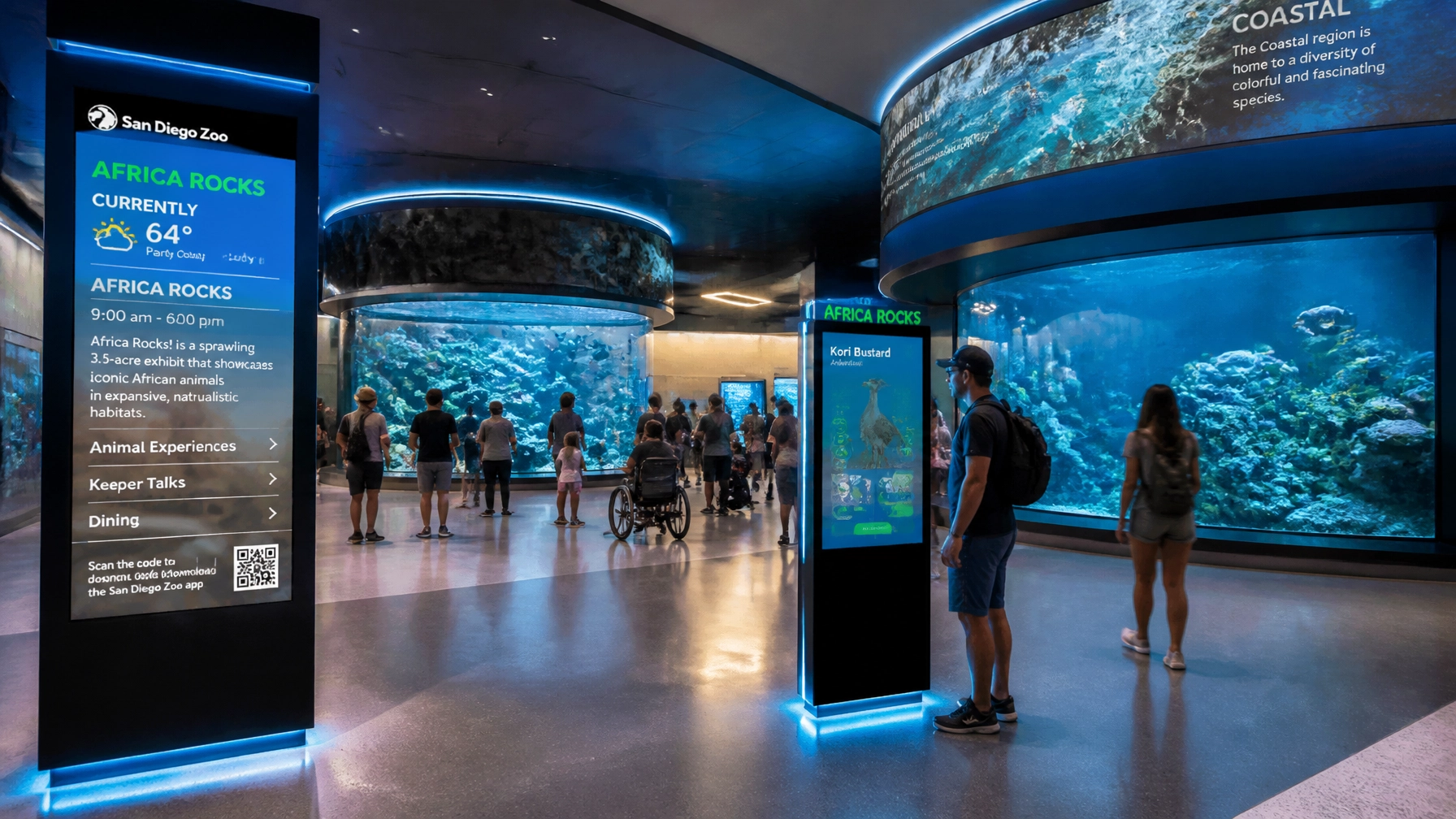
- Interactive Digital Signage: These aren't just screens; they are windows into another world. They can change content based on the demographic of the person standing in front of them using anonymous facial recognition.
For those interested in how these interactive elements can feel like a game, you might find inspiration in digital interfaces that prioritize high engagement and user reward, much like the mechanics seen at Zoo Media's digital showcase.
Creating Personalized Visitor Journeys
Every visitor is unique. A family with young children has different interests than a group of marine biology students. IoT allows you to cater to both simultaneously.
The "Spy Mission" Approach
Imagine a "Conservation Quest" where kids use an RFID-enabled "Nature Scout" badge. As they move through the aquarium, they scan their badge at "Research Stations." IoT sensors log their progress, and by the end of the day, they receive a digital certificate sent to their parents' email. This not only increases engagement but also builds a database for future digital marketing efforts.
Immersive Soundscapes and Visuals
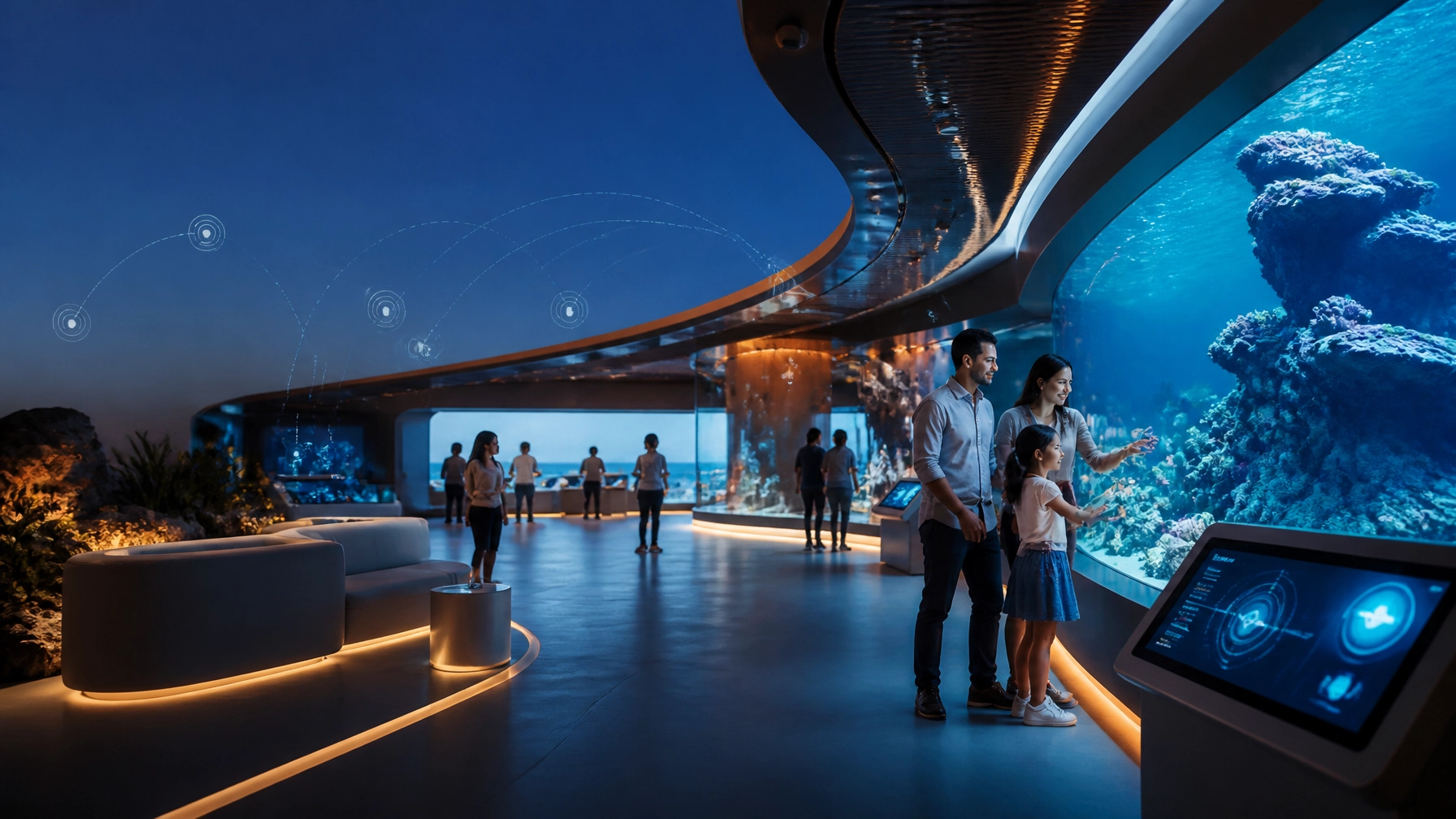
IoT can also be used to trigger environmental changes. When a sensor detects a visitor entering a dark "Nocturnal House," the system can slowly fade in sounds of the rainforest at night. Using smart lighting, the exhibit can highlight specific animals that are active at that moment.

Real-Time Analytics: The Director’s Best Friend
One of the biggest advantages for Zoo and Aquarium directors is the data. In the past, knowing which exhibit was the most popular was largely based on guesswork or manual clicker-counters.
With IoT integration, you get a "heatmap" of your entire venue. You can see:
- Dwell Time: How long do people actually stand in front of the shark tank?
- Flow Patterns: Are people getting stuck in a "bottleneck" near the café?
- Conversion: Does an interaction at a digital kiosk lead to a gift shop purchase or a donation?
By analyzing this data, you can optimize your visual communication strategies and even adjust staffing levels in real-time. It’s about working smarter, not harder.
Technical Practicalities: Making It Work
Implementing IoT doesn't have to be a nightmare. Here is a step-by-step approach we recommend at Zoo Media:
- Define the Goal: Are you trying to educate, entertain, or increase revenue? Your goal dictates your technology.
- Infrastructure First: Ensure your venue has robust Wi-Fi or a dedicated IoT network (like LoRaWAN). You can't have a smart venue without a strong "nervous system."
- User-Friendly Interfaces: Whether it's a mobile app or a touchscreen, the UI must be intuitive. Even the most advanced technology will fail if a five-year-old can't figure out how to "touch the fish" on the screen.
- Privacy and Security: Always ensure visitor data is anonymized and secure. Transparency is key to maintaining trust.
For examples of high-performance digital systems and how they manage user interactions, exploring the logic behind interactive online platforms can provide insights into engagement metrics and "win" states that keep people coming back.
The ROI of a Smart Zoo
You might be asking, "Is the investment worth it?" The answer is a resounding yes. Smart venues see:
- Increased Membership: Engaging experiences lead to repeat visits.
- Higher Secondary Spend: Targeted notifications can promote lunch specials or limited-edition merchandise.
- Better Conservation Outcomes: Educated visitors are more likely to donate to your conservation funds.
At Zoo Media, we specialize in the visual communication and website development necessary to tie these physical and digital worlds together. We help you tell your story in a way that resonates with the modern, tech-savvy visitor.

Conclusion: Step Into the Future
The integration of IoT into interactive exhibits is no longer a luxury: it’s the new standard for excellence in the zoo and aquarium industry. It creates a seamless, "invisible" layer of technology that enhances the natural beauty of the animals and the importance of the conservation message.
"We aren't just building exhibits; we are building memories," says Dan Kost, CEO of Zoo Media. "When a child's eyes light up because an exhibit 'recognized' them, you've won a supporter for life."
Discover your luck in the new age of digital transformation. Try your fortune by upgrading your visitor experience today and see the incredible results a smart venue can provide.
Contact Us
Ready to transform your venue into a smart ecosystem? Let's chat about how Zoo Media can help.
Dan Kost, CEO
Zoo Media
Website: www.zoomedia.us | www.dakdan.com
AI Receptionist: +1 (323) 676-0621
#Motivation #Branding #Strategy #Marketing #AdvertisingAndMarketing #digitalmarketing #Innovation #Sports #VisualCommunication #IoT #SmartVenues #ZooMedia
Follow our network for more daily updates:
Stay tuned for our daily press release and more insights into the world of smart venue advertising!