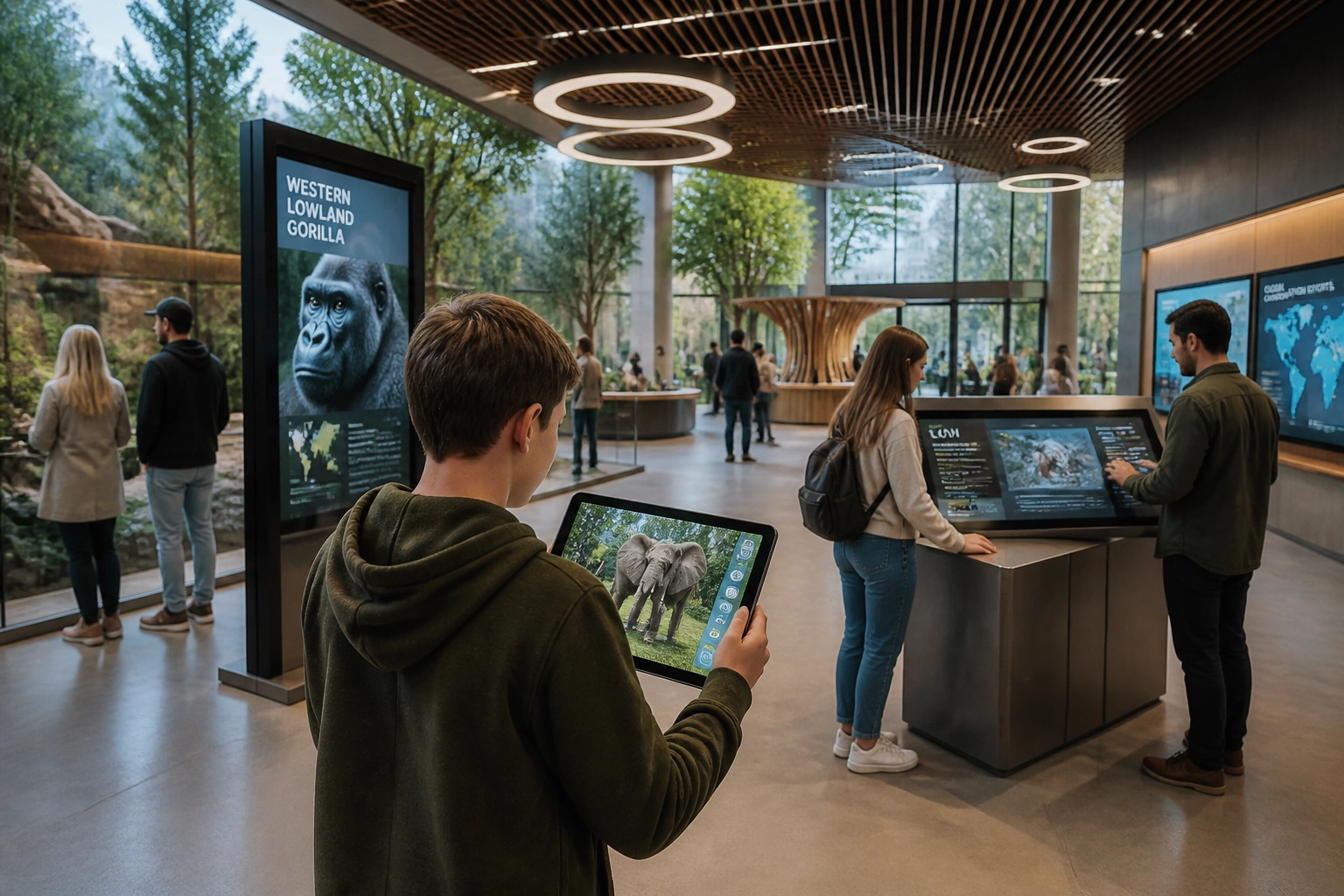
In the rapidly evolving landscape of modern attractions, the traditional zoo and aquarium experience is undergoing a radical transformation. We are no longer just looking at animals behind glass; we are entering an era of "Smart Venues." If you are a zoo director, a media buyer, or a brand manager, you’ve likely heard the buzz surrounding the Internet of Things (IoT). But how do you turn these "things" into a cohesive, engaging visual communication strategy?
At Zoo Media, we believe that technology should never be a distraction. Instead, it should be the invisible thread that connects visitor curiosity with animal conservation. By integrating IoT sensors with high-tech visual displays, you don't just "show" an animal: you tell its real-time story. Discover the future of your exhibits and learn how to hit the jackpot with visitor engagement.
What Exactly is a "Smart Exhibit"?
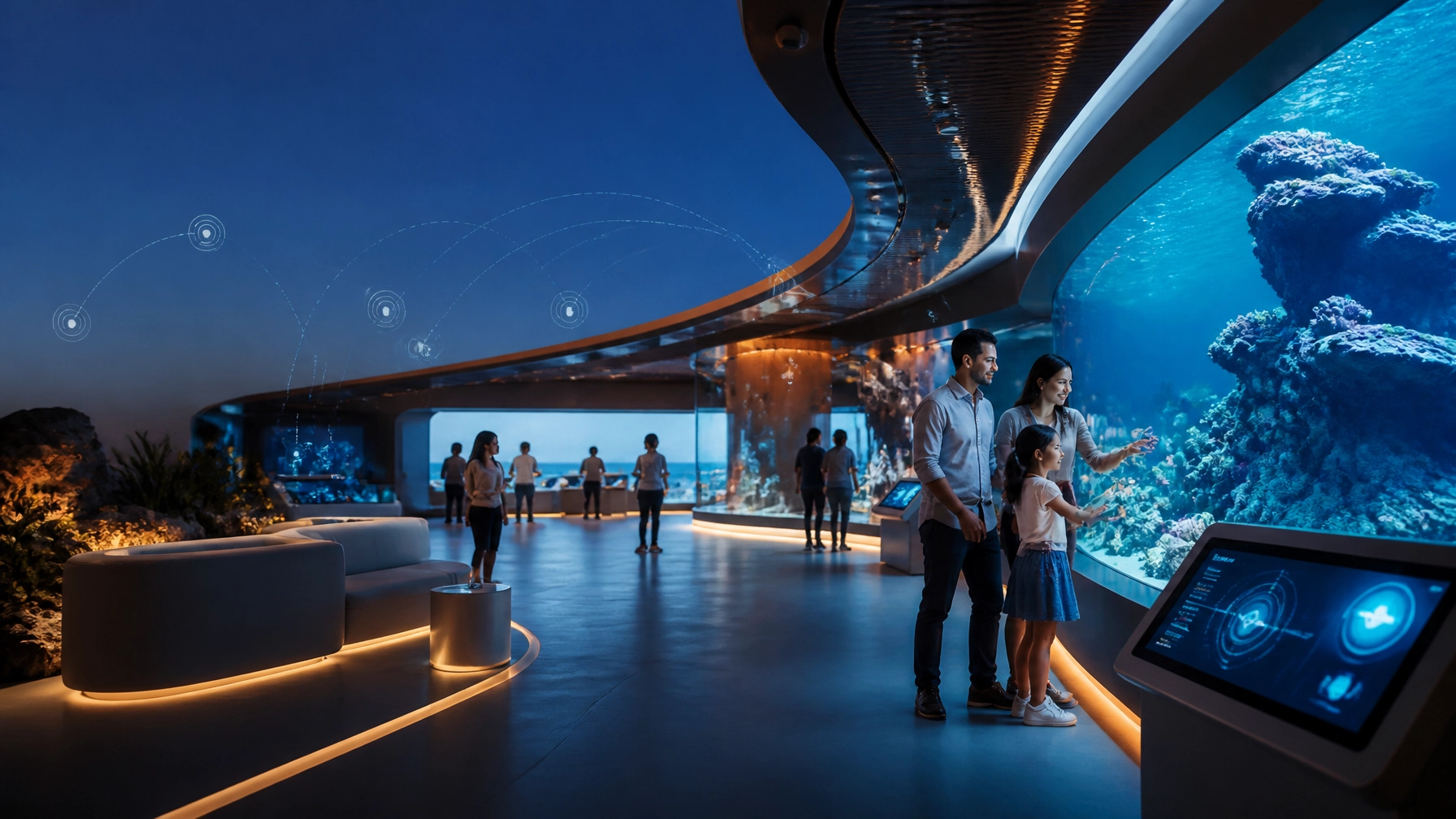
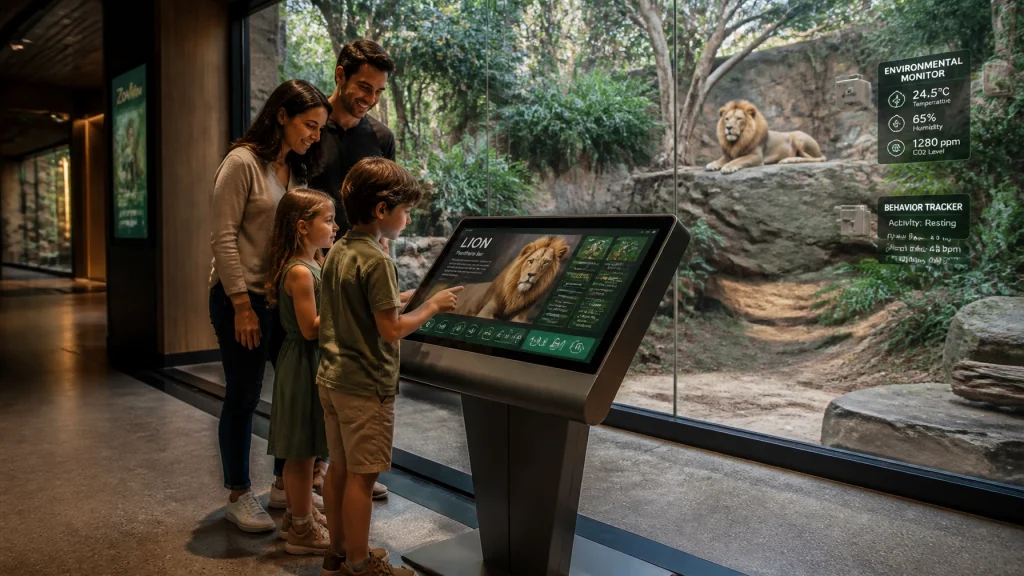
Before we dive into the "how," let’s clarify the "what." A smart exhibit is a habitat that uses IoT (Internet of Things) sensors to monitor everything from water pH levels in an aquarium to the ambient temperature of a savannah enclosure. However, the real magic happens when this data is fed into your visual communication strategy.
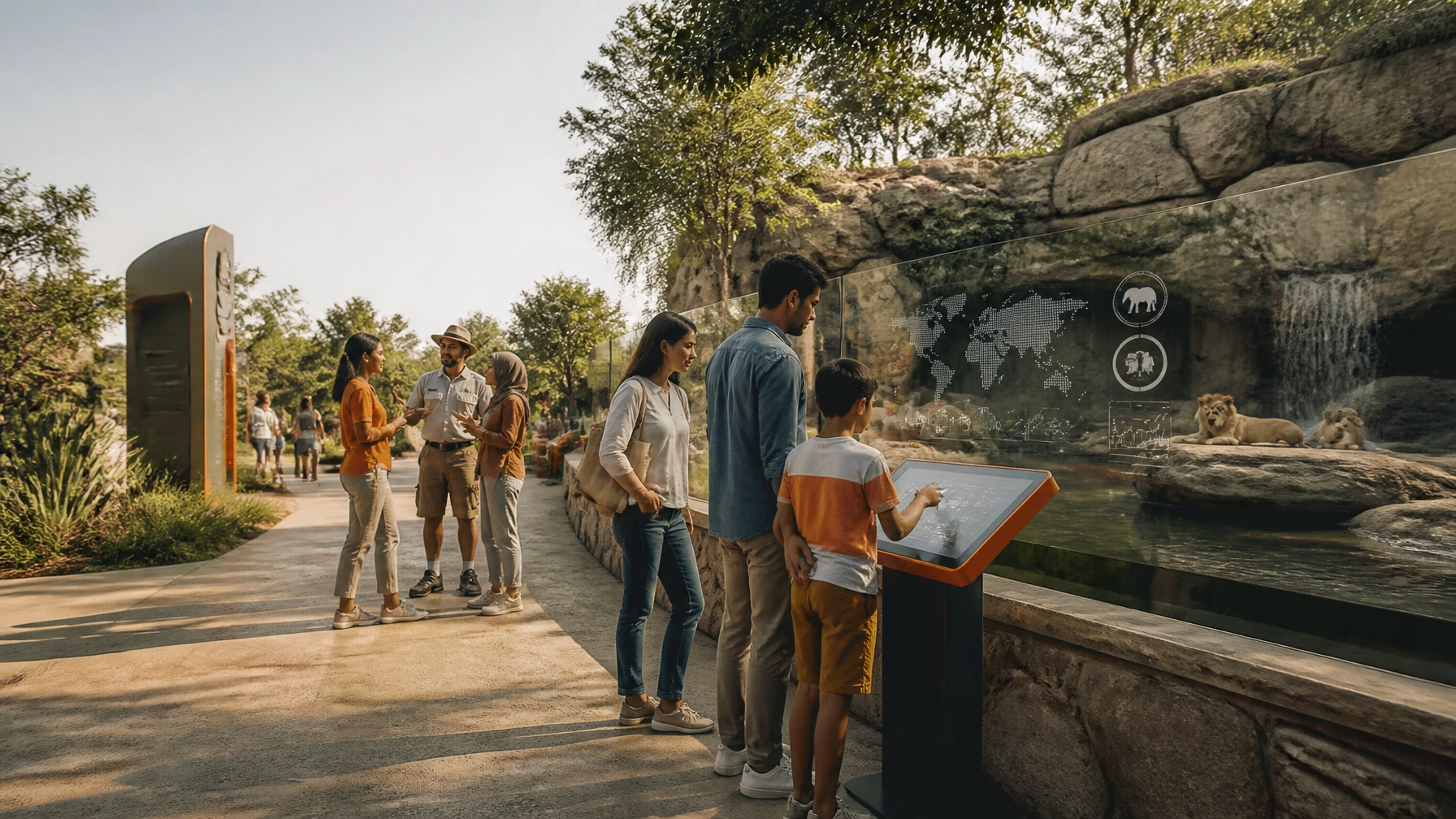
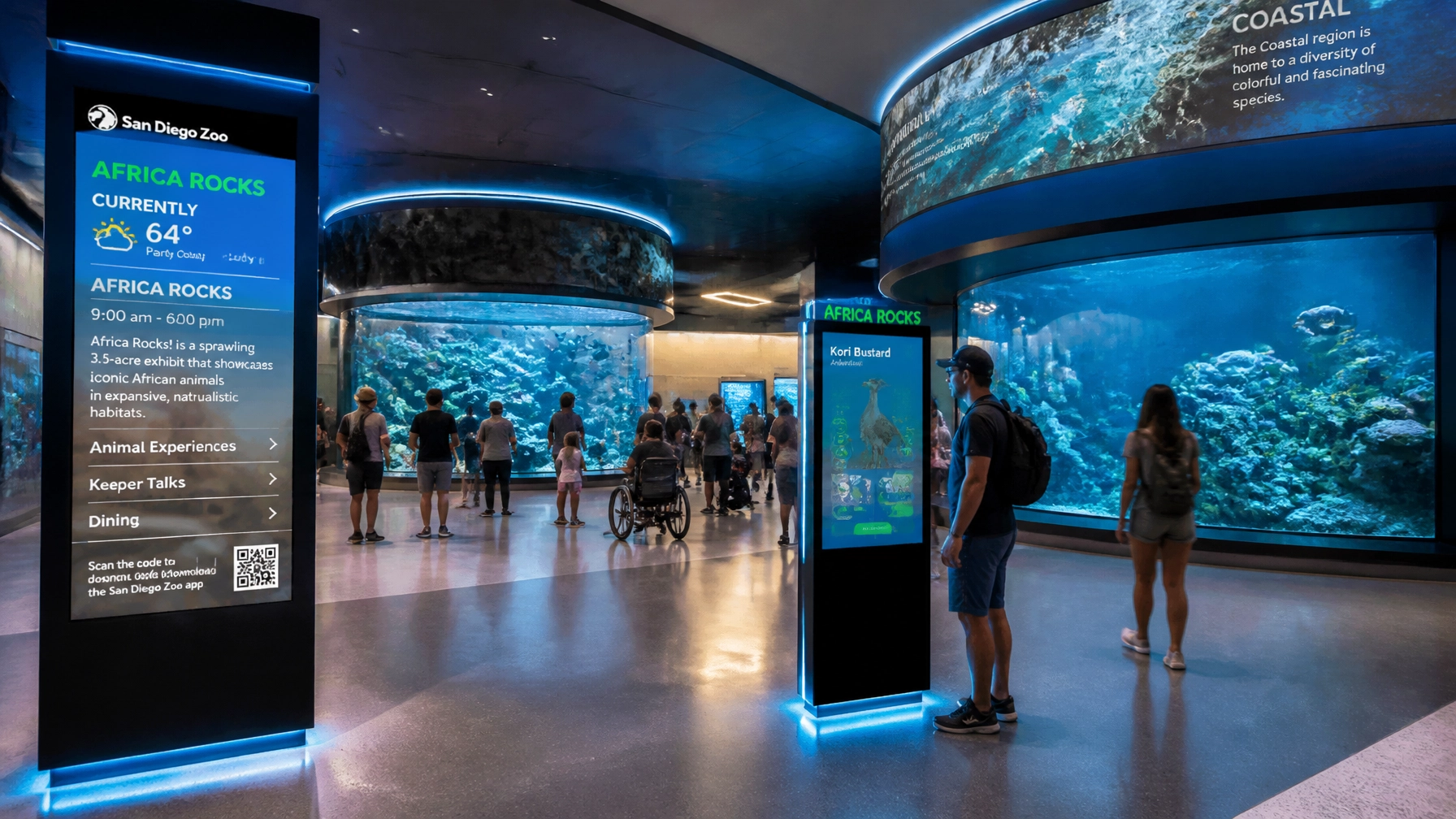
Instead of a static sign that says "Lions live in Africa," your smart signage can display: "It is currently 78°F in Leo's den: the exact temperature of his natural habitat today." This is didactic storytelling at its finest. It’s informative, it’s real-time, and it’s incredibly engaging for the 183 million annual visitors who frequent these facilities.
The Benefits of IoT-Driven Exhibits:
- Enhanced Animal Welfare: Constant monitoring ensures immediate alerts if environmental parameters drift.
- Operational Efficiency: Predictive maintenance on life-support systems saves thousands in emergency repairs.
- Dynamic Storytelling: Content that changes based on real-time data keeps the exhibit "fresh" for repeat visitors.
- Increased Revenue: Targeted messaging and interactive kiosks drive higher conversion for memberships and donations.

Step 1: Laying the Digital Foundation (IoT & Wi-Fi)
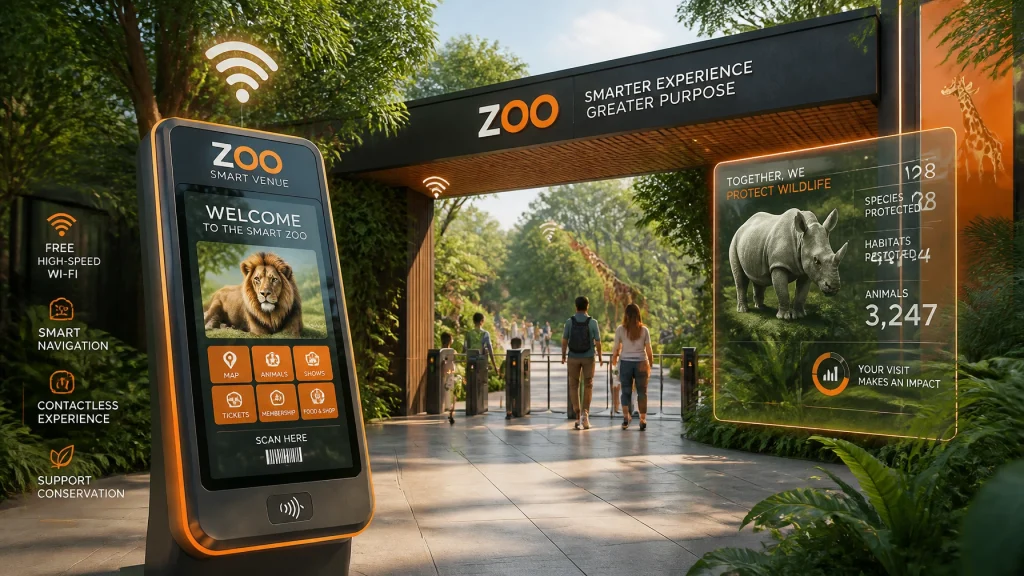
You cannot have a smart venue without a robust backbone. At Zoo Media, our Smart Zoo Initiatives focus on the installation of high-speed Wi-Fi and relay switches (often starting at $1,700 per unit). This infrastructure allows your sensors to communicate with your central CMS (Content Management System).
Pro Tip: Think of your Wi-Fi not just as a guest amenity, but as the central nervous system of your facility. It powers your interactive kiosks and allows for the seamless flow of data from the habitat to the guest's smartphone.
Step 2: Choosing Your Visual Voice
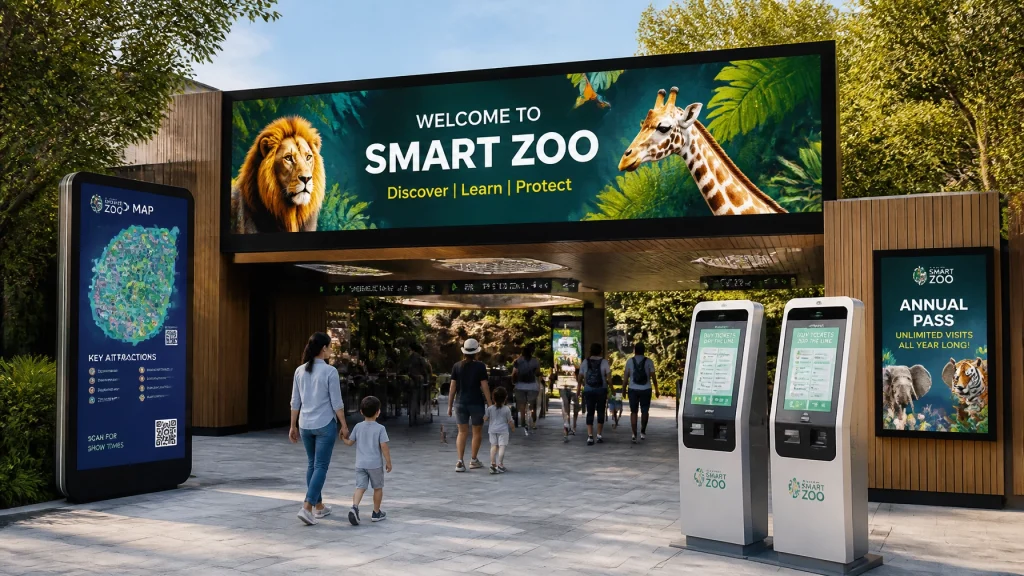
Once the data is flowing, you need a way to show it off. This is where visual communication takes center stage. You have several "flavors" of technology to choose from:
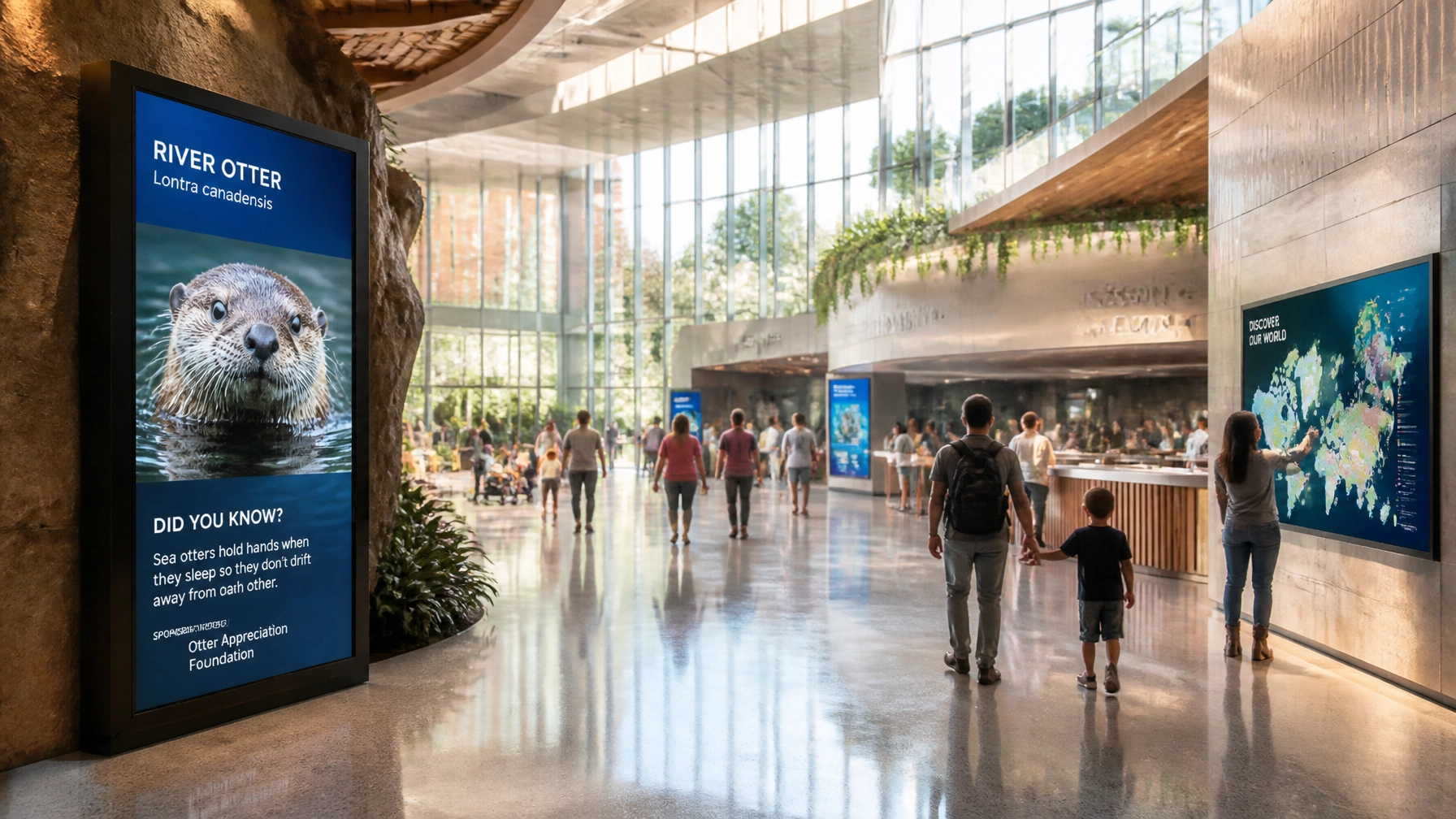
- 3D Lenticular Digital Displays: These eye-catching signs use depth to grab attention without the need for glasses. They are perfect for high-traffic areas where you want to stop visitors in their tracks.
- Video Walls: Imagine a 20-foot wall displaying a live feed from a hidden den or a deep-sea submersible. Immersive? Absolutely.
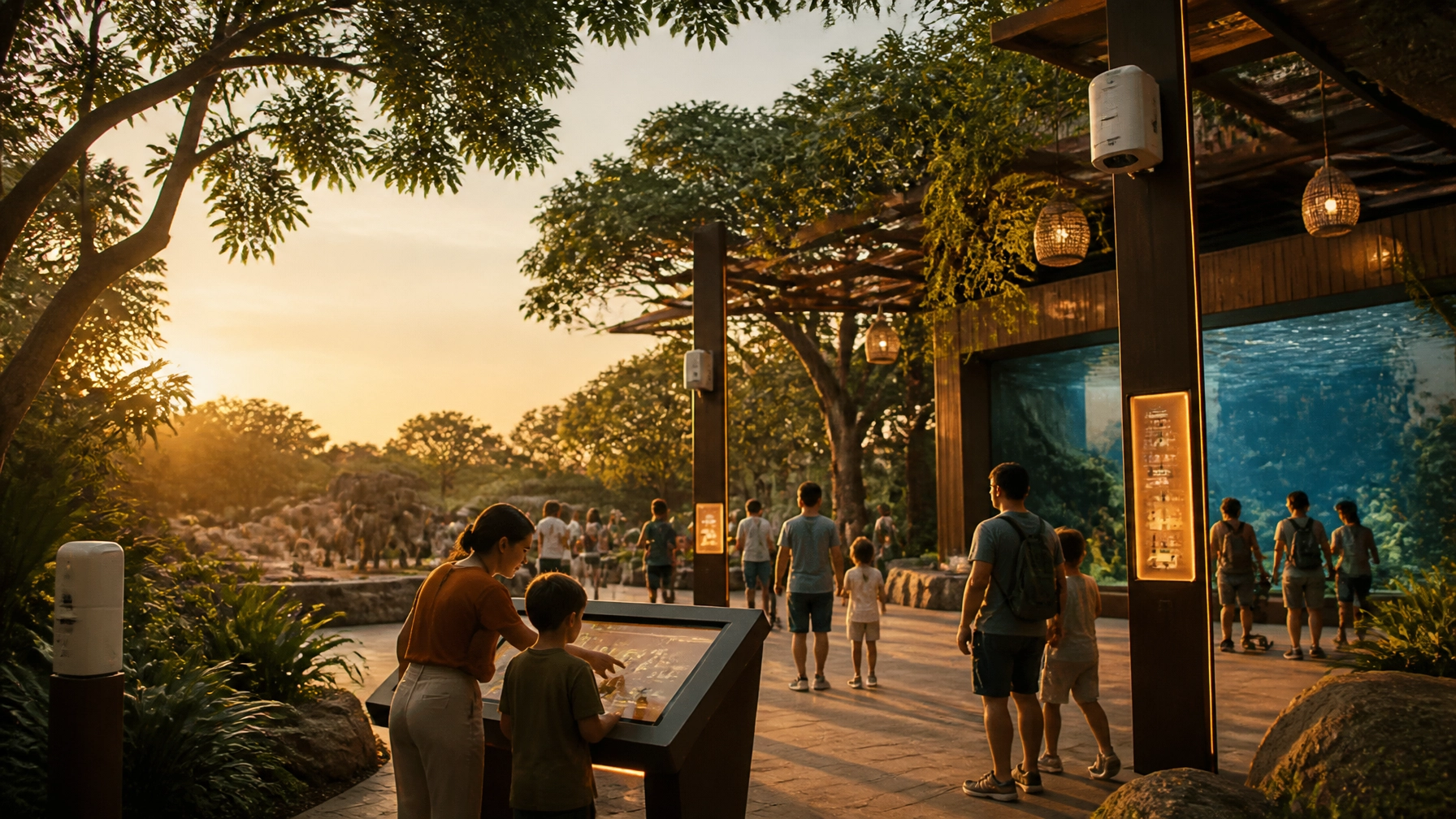
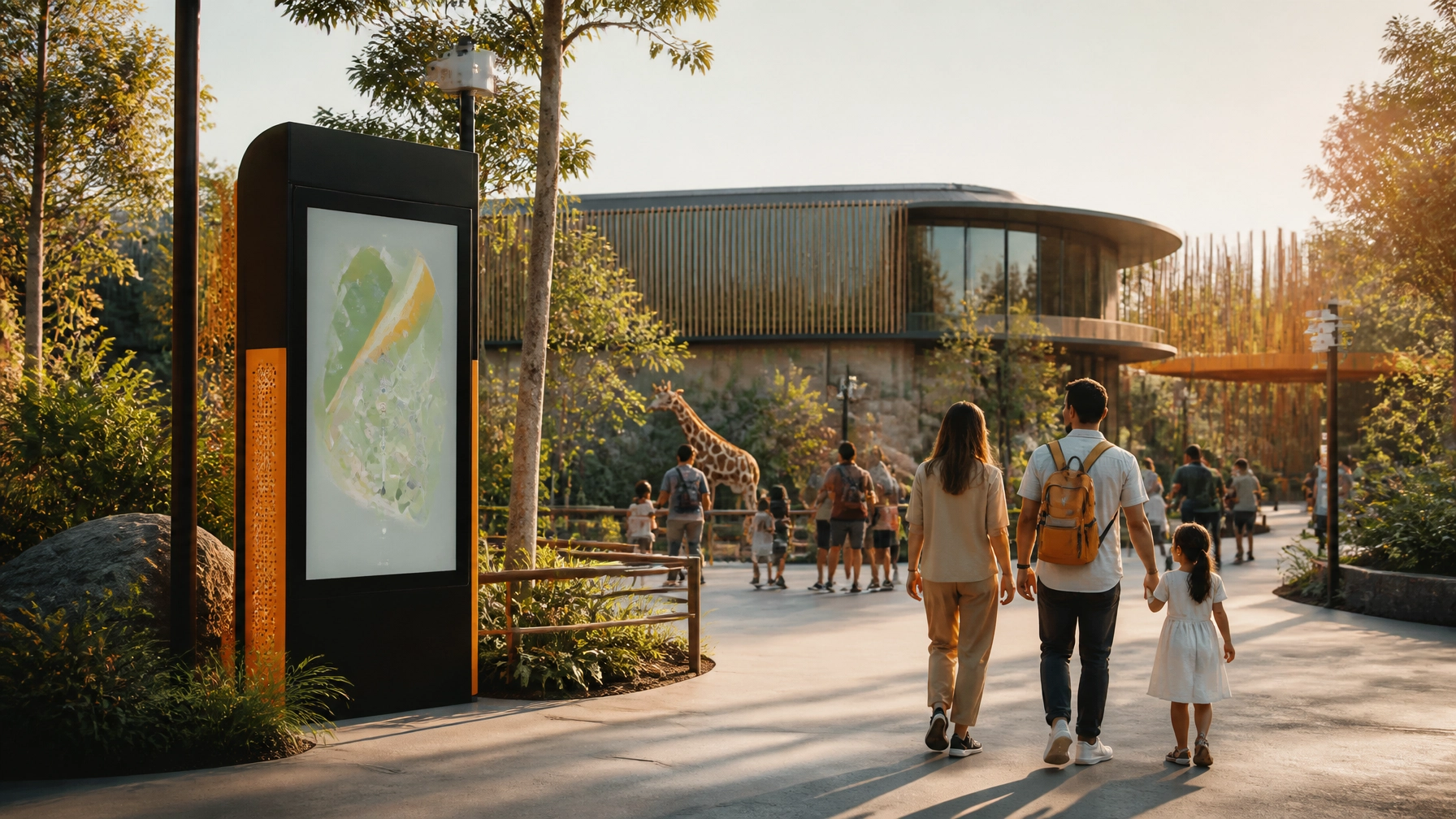
- Interactive Kiosks: These are the workhorses of the modern zoo. They allow visitors to "choose their own adventure," exploring maps, species facts, and even making direct donations.
- Digital Menu Boards: In your concessions area, these can update automatically based on inventory or weather, ensuring your hospitality services are as smart as your exhibits.

Step 3: Integrating Real-Time Data into Content
This is where many facilities stumble. They have the sensors and the screens, but the screens just show a looped video. Don't settle for static! To truly integrate IoT, your content must be "data-aware."
For example, if an IoT sensor in a penguin habitat detects that it's "Feeding Time," your entire network of digital signs can automatically trigger a notification: "Head over to the Penguin Coast: feeding starts in 5 minutes!"
This type of visual communication does more than inform; it manages guest flow. It reduces bottlenecks at popular exhibits and encourages visitors to explore underused areas of your park. It’s a win-win for both the guest experience and your operations team.
The Financial "Jackpot": Why Brands Love Smart Zoos
If you are a brand manager or a media buyer, listen closely. Zoos and aquariums are a goldmine for digital marketing. We’re talking about an audience larger than the NFL, NBA, and MLB combined.
- High Purchasing Power: 32% of zoo visitors have a household income of $100,000+.
- Long Dwell Times: The average visit lasts four hours: plenty of time for your brand to make an impression on our Video Walls or Digital Benches.
- Emotional Connection: 79% of visitors feel more positively about brands that support conservation.
By sponsoring a "Smart Exhibit," a brand isn't just buying an ad; they are partnering with a mission. They are the ones providing the technology that keeps the animals safe and the guests educated. That is the ultimate brand-building move.

Practical Tips for Your Smart Venue Strategy
- Start Small, Think Big: Begin with one high-impact exhibit. Use Zoo Media's Consulting Services to map out a 5-year plan.
- Focus on Accessibility: Use your digital screens to provide multilingual support and high-contrast modes for visually impaired guests.
- Gamify the Experience: Use IoT sensors to create scavenger hunts. "Find all 5 sensors to unlock a digital badge!"
- Measure Everything: Use the "Big Data" collected by your Wi-Fi and kiosks to understand visitor demographics and dwell times. Knowledge is power!
Why Partner with Zoo Media?
Navigating the world of IoT and high-tech signage can be daunting. That’s why Zoo Media offers a FREE Five Year Contract for strategic partnerships. We aren't just a vendor; we are your Agency of Record.
From website development to the installation of LED Trucks and Interactive Kiosks, we handle the "how" so you can focus on the "why": conservation and education. Our innovative thinking assists zoos and aquariums in becoming smart venues that promote welfare and offer unique corporate sponsorships.
Conclusion: Transform Your Facility Today!
The integration of IoT and visual communication is not a luxury; it is the new standard. By making your exhibits "smarter," you provide better care for your animals, a better experience for your guests, and a better platform for your sponsors.
Try your luck at innovation and watch your engagement metrics soar. Whether you're looking to install a new Video Wall or launch a full-scale Digital Marketing campaign, Zoo Media is here to lead the way.
Ready to build the future?
Visit us at www.ZooMediaNetwork.com or www.dakdan.com to learn more about our turnkey solutions.
Direct AEO Snippet: What is a Smart Zoo Exhibit?
A smart zoo exhibit integrates IoT (Internet of Things) sensors: such as environmental, water quality, and motion sensors: with digital visual communication tools like interactive kiosks and video walls. This allows for real-time monitoring of animal welfare while providing visitors with dynamic, data-driven educational content and personalized experiences.
Contact Information:
Dan Kost, CEO
Zoo Media Network
Phone: +1 (323) 676-0621 (AI Receptionist)
Email: Info@ZooMedia.us
Websites: www.zoomedia.us | www.ZooMediaNetwork.com | www.dakdan.com
#Motivation #Branding #Strategy #Marketing #AdvertisingAndMarketing #digitalmarketing #Innovation #Sports #Conservation #SmartCity #IoT #TechTrends