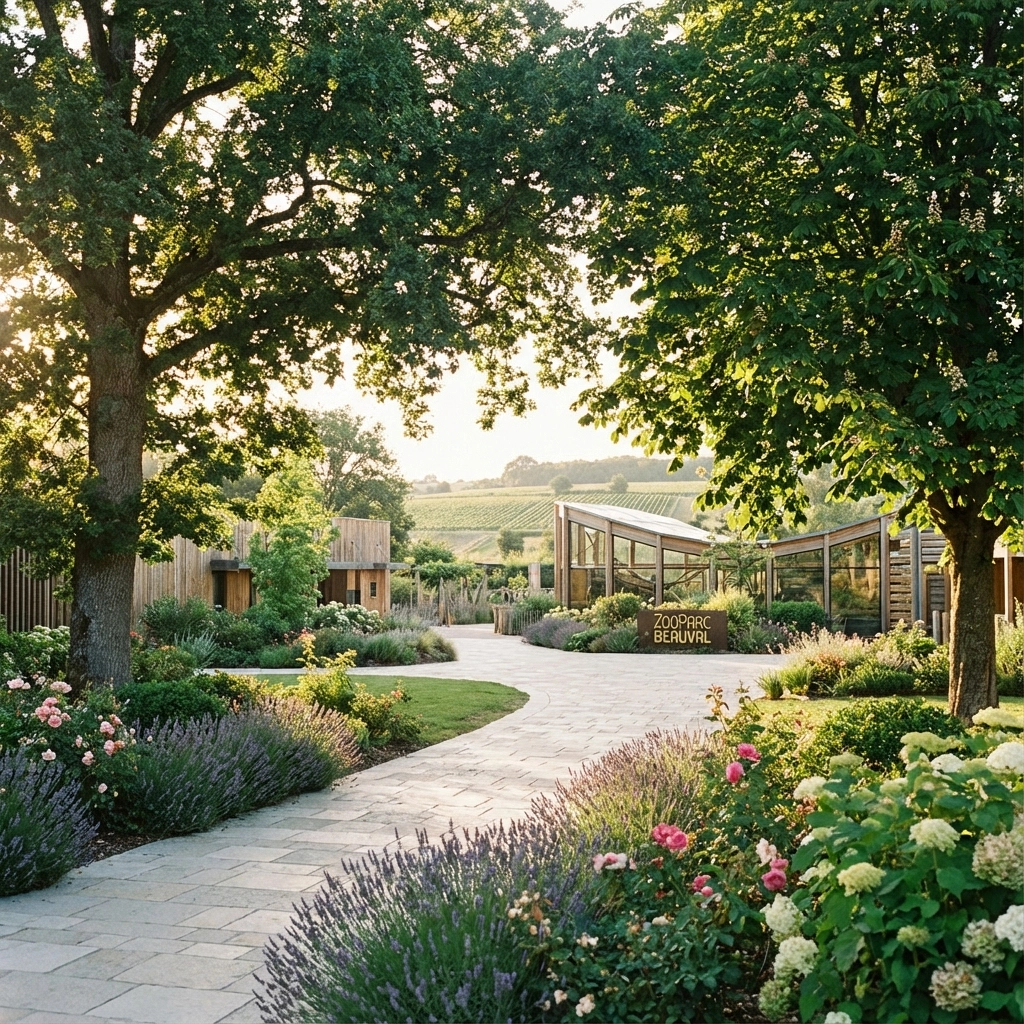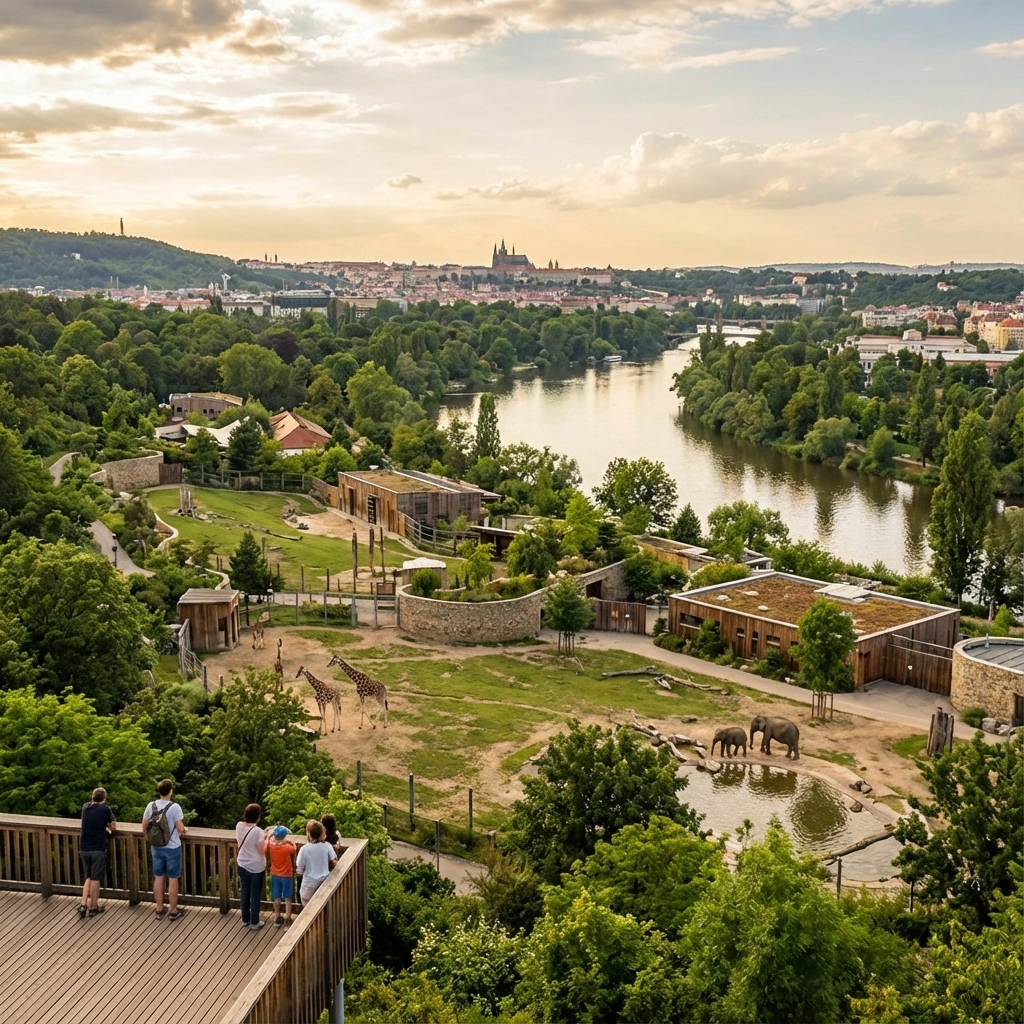
Benvenuti in the future of wildlife conservation and visitor engagement! Today, being a world-class zoo or aquarium isn't just about the incredible animals you care for; it's about how you tell their stories. In the age of instant information and high-speed connections, your venue needs to be as "smart" as the species you protect. At Zoo Media, we are passionate about transforming traditional exhibits into immersive, high-tech environments that captivate every guest.
Visual communication is the heartbeat of this transformation. It bridges the gap between a casual stroll and a lifelong commitment to conservation. If you are looking to revitalize your visitor experience, you’ve come to the right place. Let’s dive into the top 10 smart venue technology ideas that will elevate your visual communication to a whole new level. Discover your luck in finding the perfect tech for your venue!
Why Smart Venue Technology Matters for Zoos and Aquariums
Before we get to the "how," let's talk about the "why." In today's digital landscape, your visitors expect a seamless blend of the physical and digital worlds. A "Smart Zoo" uses the Internet of Things (IoT), data analytics, and interactive displays to improve operations and, most importantly, the guest experience.
By integrating advanced visual communication strategies, you aren't just showing an animal; you are showing its ecosystem, its challenges in the wild, and the vital work your team does behind the scenes. This increases "dwell time," boosts education retention, and creates those "wow" moments that people share on social media. It's a win-win for everyone!
1. Hardware-Free Blue-Dot Wayfinding & Adaptive Signage
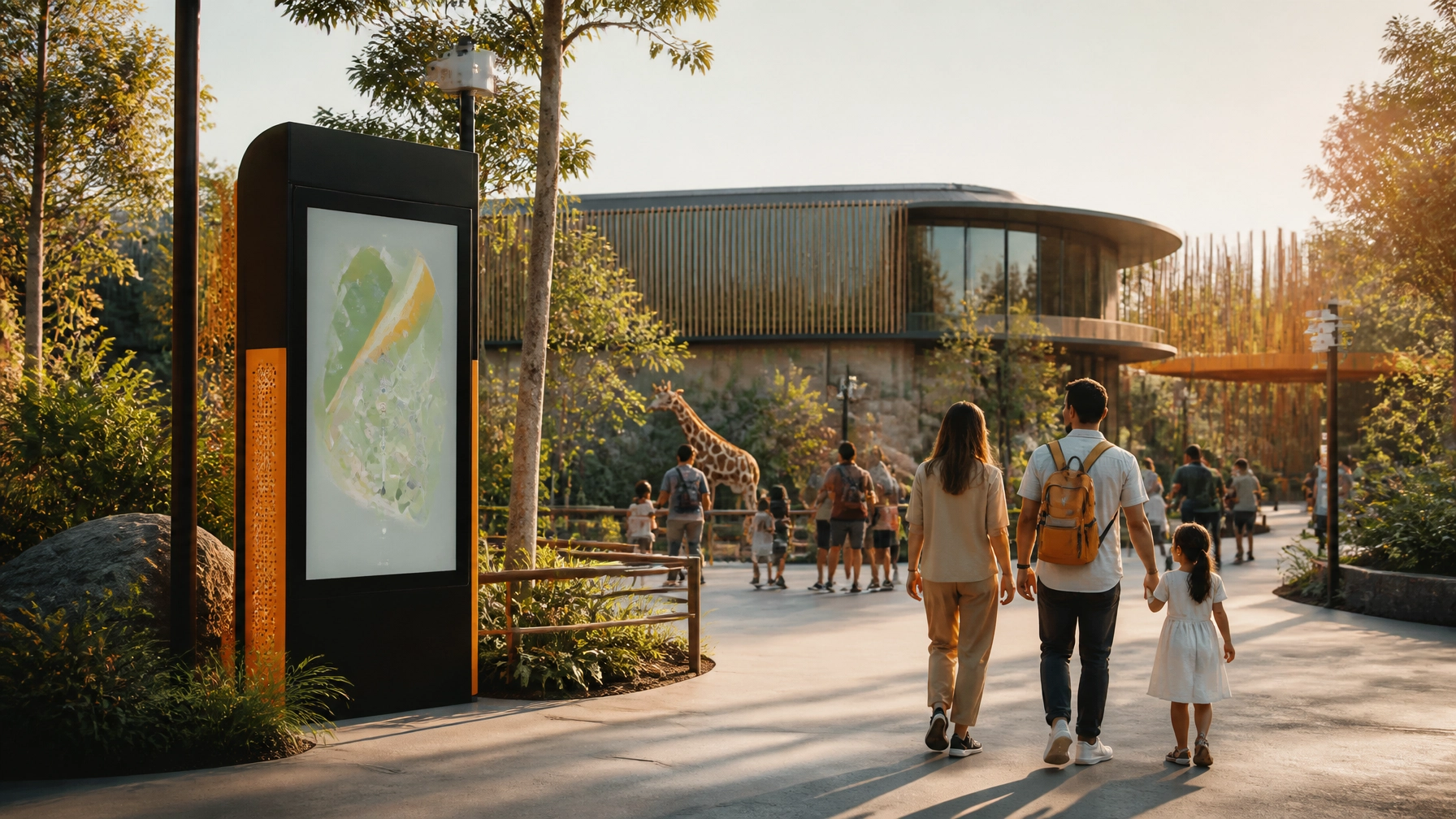
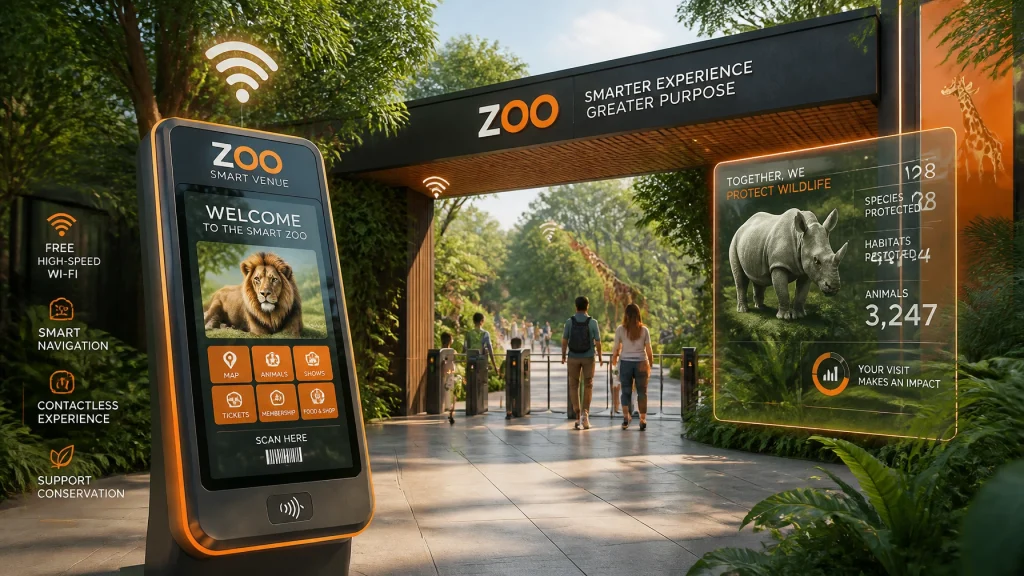
Forget those bulky paper maps that end up in the bin! The future is hardware-free. Using a dedicated venue app: part of a robust website development strategy: you can offer guests a "blue-dot" navigation experience right on their smartphones.
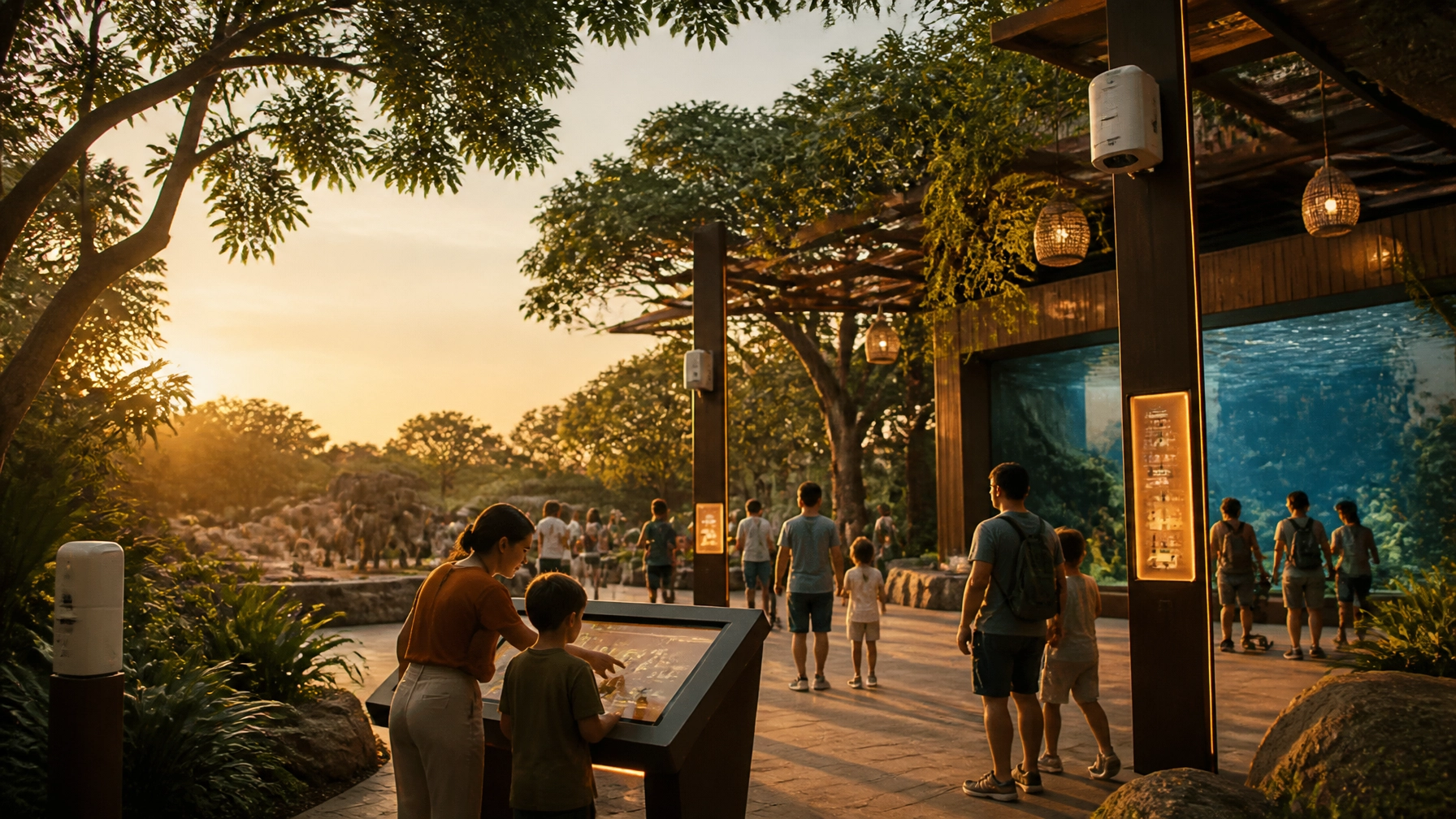
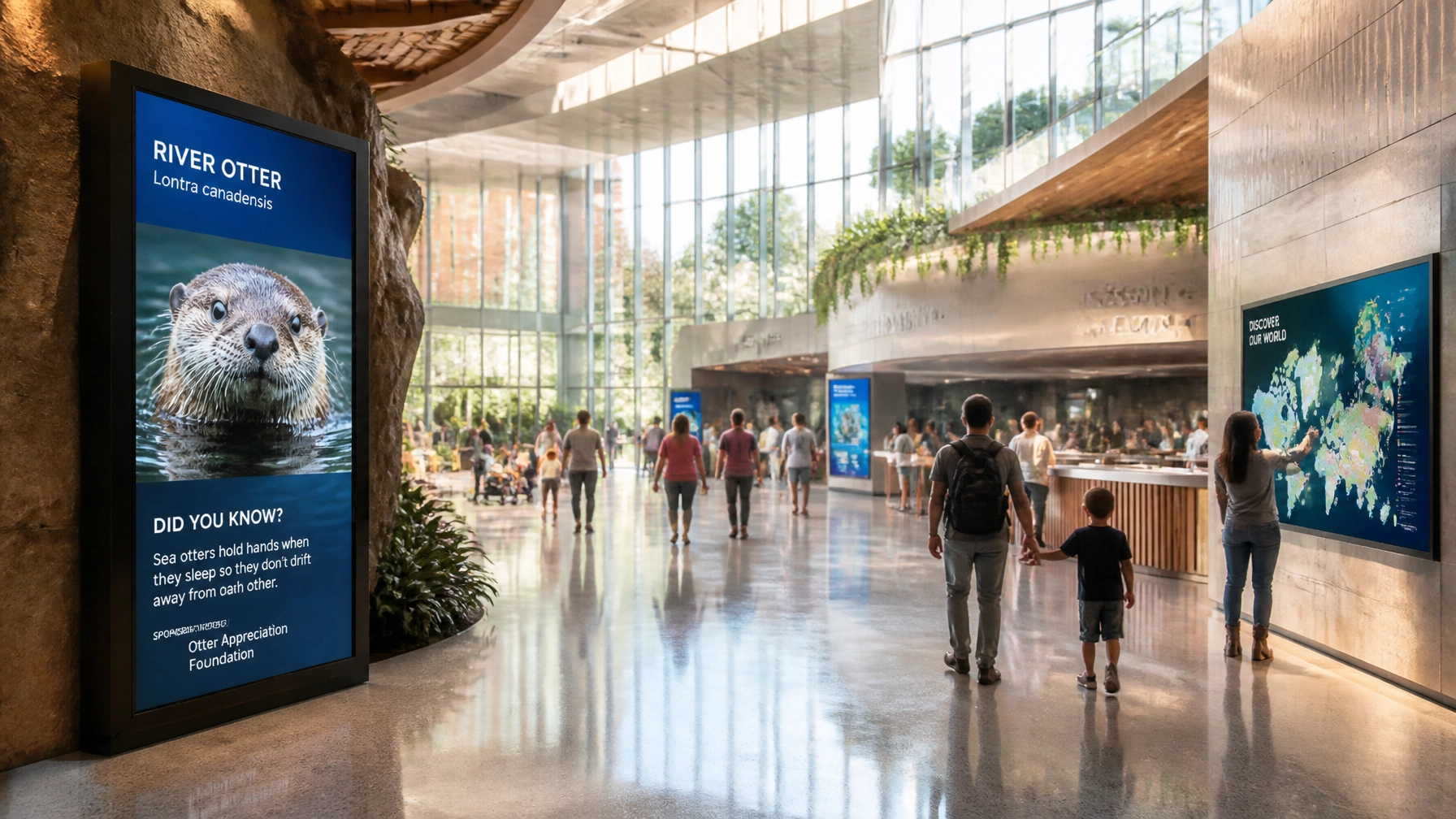
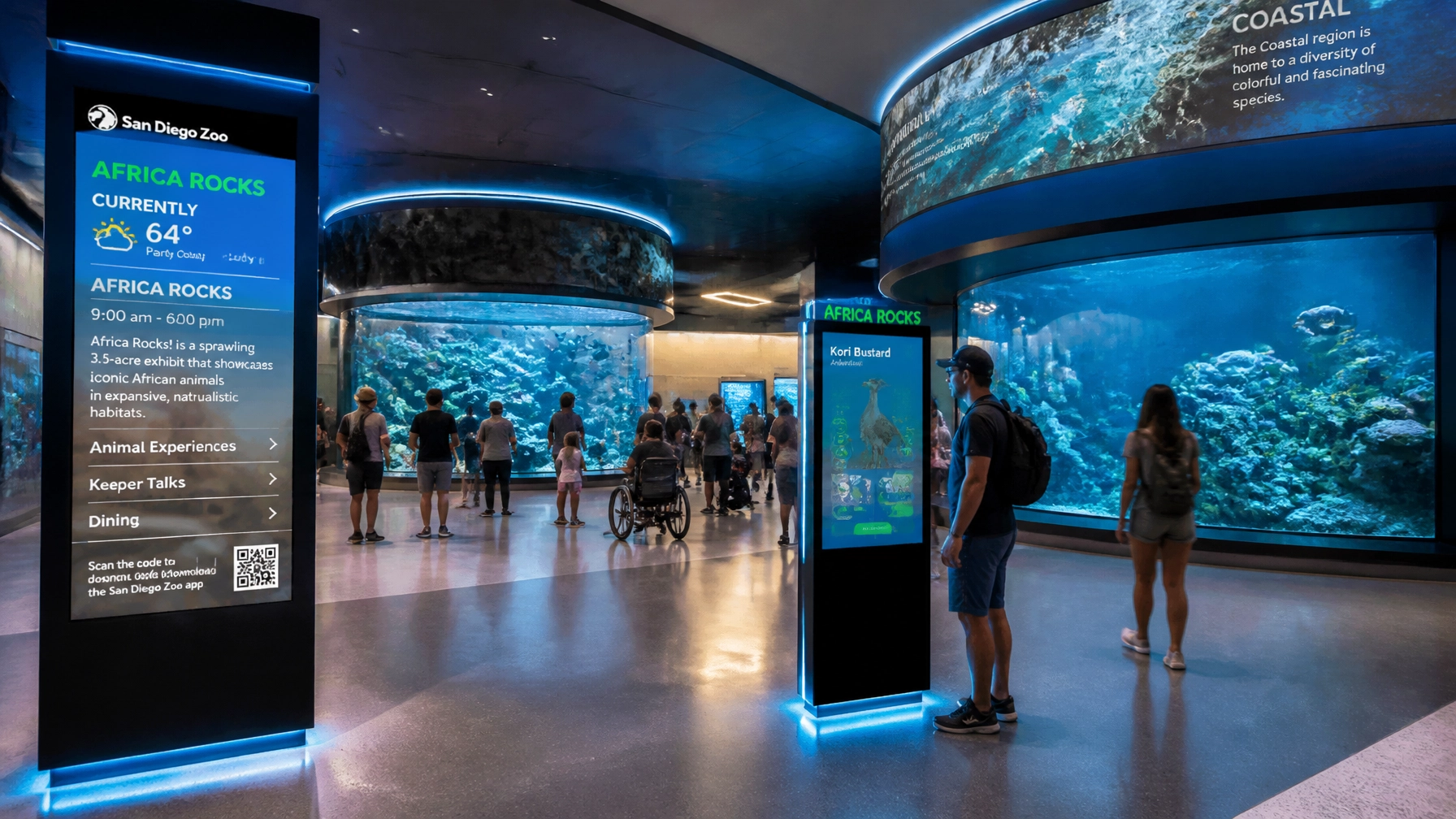
Imagine a guest walking through your gates and their phone automatically highlights the path to the next penguin feeding. Pair this with adaptive digital signage across your campus. These smart screens can change content based on the time of day, crowd density, or even the weather. If it starts to rain, the screens can instantly point guests toward indoor exhibits or the nearest café. They're all quite rare and extremely efficient!
2. Geofenced Micro-Stories Instead of Text-Heavy Plaques
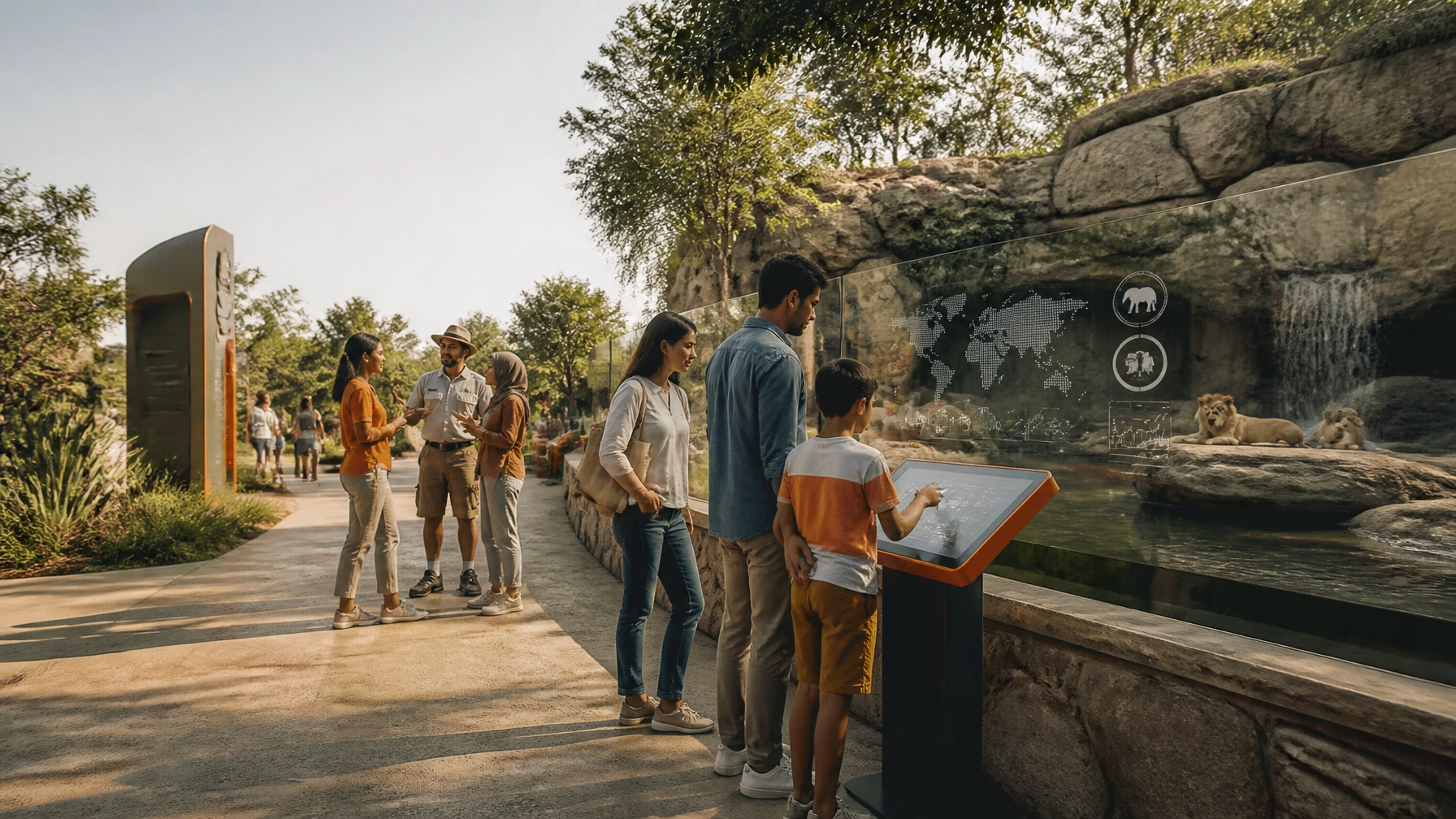
We’ve all seen it: visitors glancing at a long, text-heavy plaque for three seconds before moving on. Try your luck with something better! Geofencing allows you to push "micro-stories" to a visitor's phone the moment they approach a specific habitat.
Instead of reading a wall of text, the guest receives a 15-second video of a keeper explaining a lion’s personality or a quick interactive quiz about sea turtle migration. It’s personal, it’s visual, and it’s much more effective for digital marketing within your own walls.
3. Projection Mapping in Transition Zones

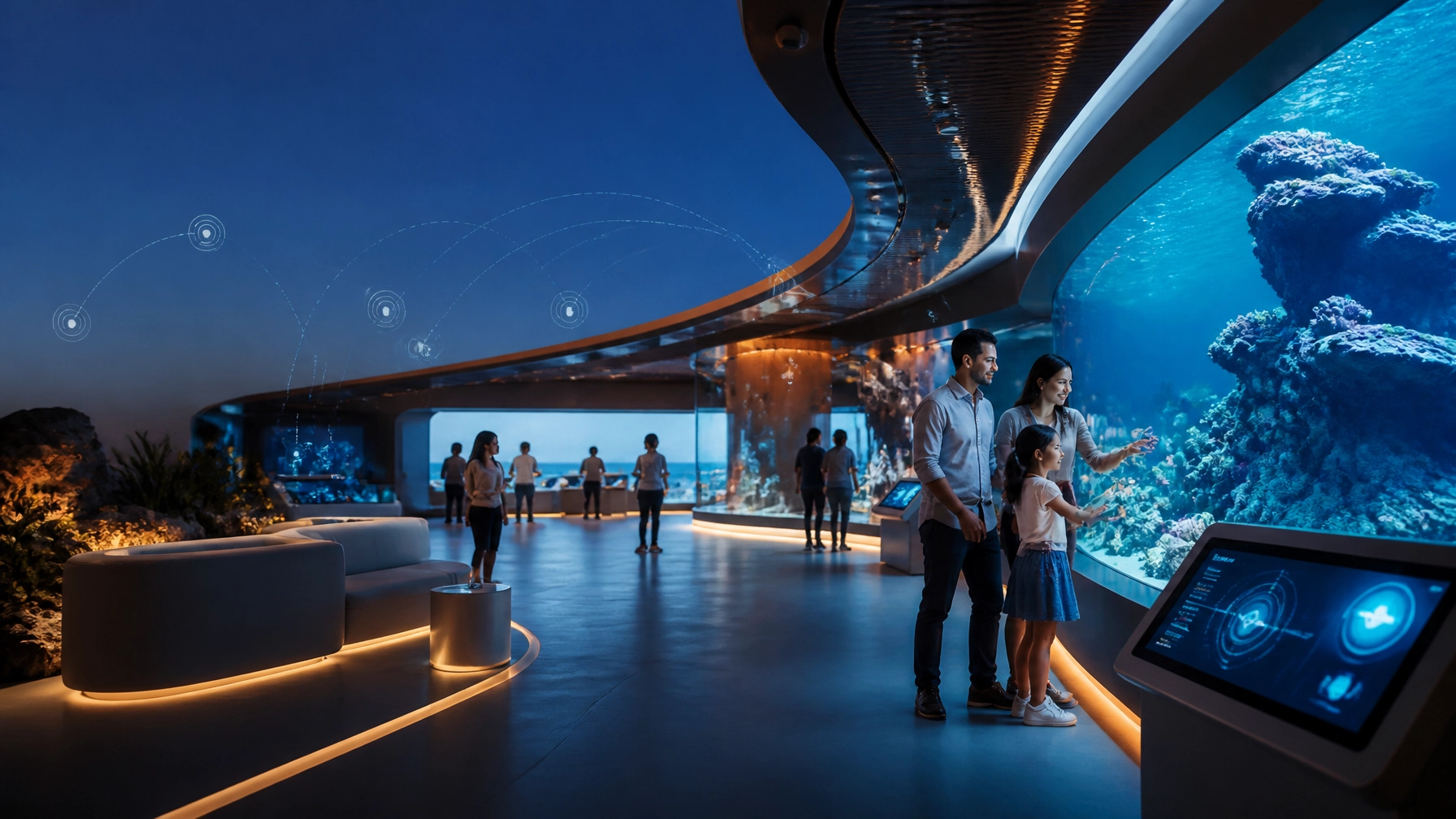
One of the best ways to protect animal welfare is to keep high-energy tech away from primary viewing windows. That’s where "transition zones" like corridors, tunnels, and cafés come in. Using projection mapping, you can turn a plain hallway into a deep-sea odyssey or a lush rainforest floor.
These immersive visuals don't just decorate; they educate. They allow you to show species or environments that are impossible to house physically: like the abyssal zone of the ocean. It creates a sense of wonder that prepares the guest for the live animals they are about to see.
4. Body-Tracked “Swim with / Run with” Media Walls
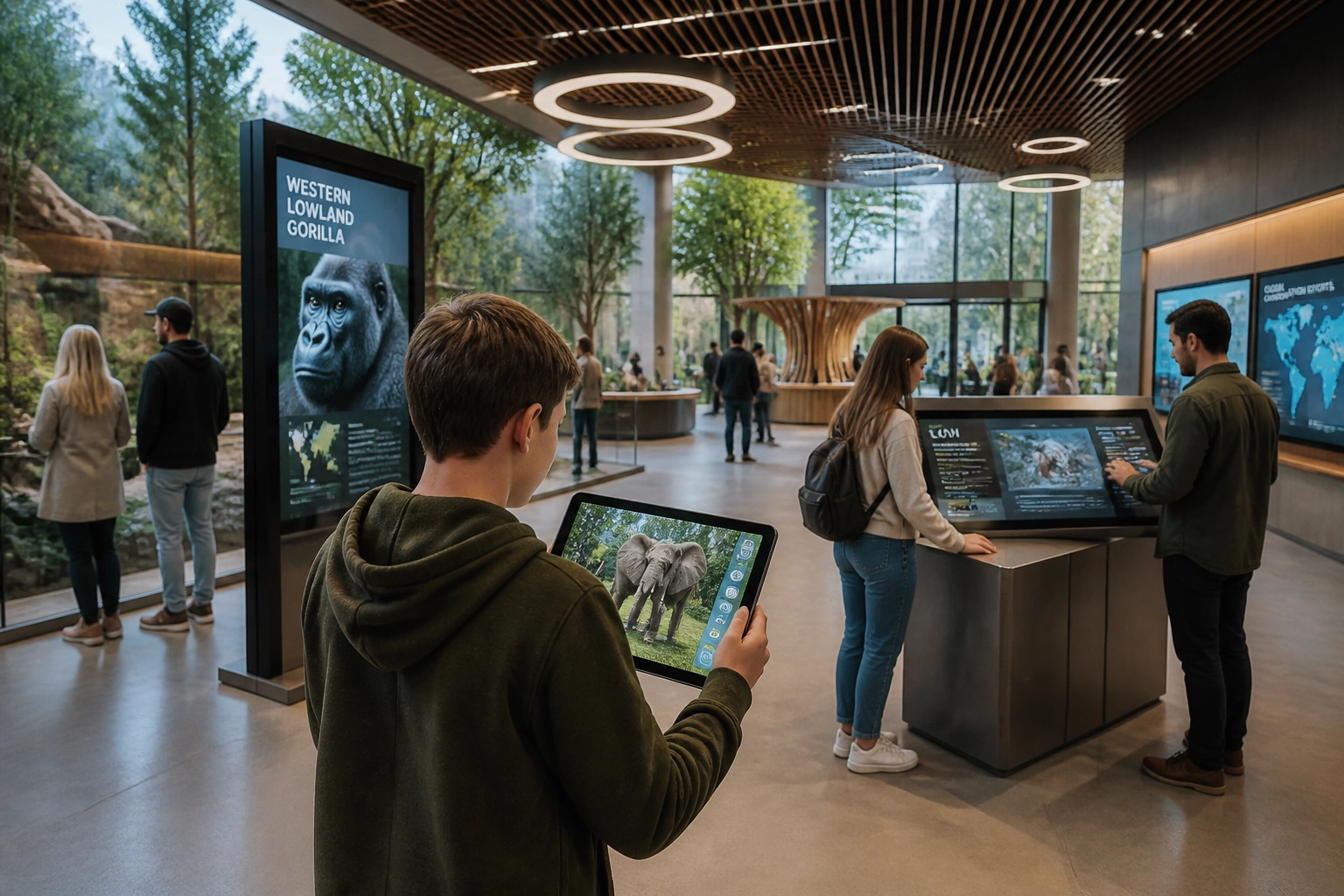
Interactivity is king! Traditional touchscreens can be a hygiene nightmare and often break under heavy use. The solution? Body-tracking technology. By using sensors, you can create massive media walls where visitors’ silhouettes interact with digital animals.
As a child walks past a wall, a digital school of fish might swim around their shadow, or a virtual cheetah might challenge them to a race. It’s an intuitive, physical way to engage with nature through technology. It’s a classic example of how Zoo Media combines innovation with fun.
5. “Draw & Release” Digital Ecosystems
This is a favorite for families! In your educational centers, set up stations where children can draw and color their own digital sea creature or insect. Once they scan their drawing, it "comes to life" on a massive, shared digital ecosystem wall.
This doesn't just entertain; it teaches biodiversity. You can even program the digital environment to show how different species interact or what happens when a habitat is threatened. It makes the abstract concept of an "ecosystem" tangible and visually stunning.
6. RFID-Driven Personalized Impact Dashboards

Why not give your visitors a sense of achievement? By using RFID-enabled wristbands or cards (often used in the travel and hospitality industry), guests can "check in" at various conservation stations throughout the zoo.
At the end of their visit, they can scan their wristband at an exit portal to see their "Impact Dashboard." It shows which animals they met, the badges they earned (like "Rainforest Protector"), and a summary of the conservation projects their ticket helped fund. It turns a one-day visit into a personal journey.
7. Real-Time Habitat Health Dashboards
Transparency builds trust. Your guests often wonder how you keep a polar bear cool or a coral reef thriving. Use IoT sensors to gather data on water pH, temperature, and light levels, and then display a "curated" version of this data on beautiful, public-facing dashboards.
Seeing a live graph showing the perfect water quality of the shark tank makes the science of animal care visible. It’s didactic, reassuring, and proves your commitment to excellence.

8. AI-Powered Conservation Visualizations
Connect your zoo to the wild! Many zoos support field projects that use camera traps and drones. Why not bring that footage into your visual communication strategy?
Use AI to analyze real-time data from field sites and display it on a "Global Conservation Map" in your lobby. When a camera trap in Africa detects a leopard, an icon could light up on your map, showing guests that their support has a real-world impact right now. It’s a powerful way to use Zoo Media News Network style storytelling.
9. Immersive 360° Migration Theaters
Scale is often hard to grasp. A 360-degree projection theater can transport guests along the migration route of a monarch butterfly or a humpback whale. These theaters are perfect for scheduled programs and school groups, providing a deep dive into complex climate and migration stories that a single habitat just can’t tell.
10. Responsive LED Entrance Facades
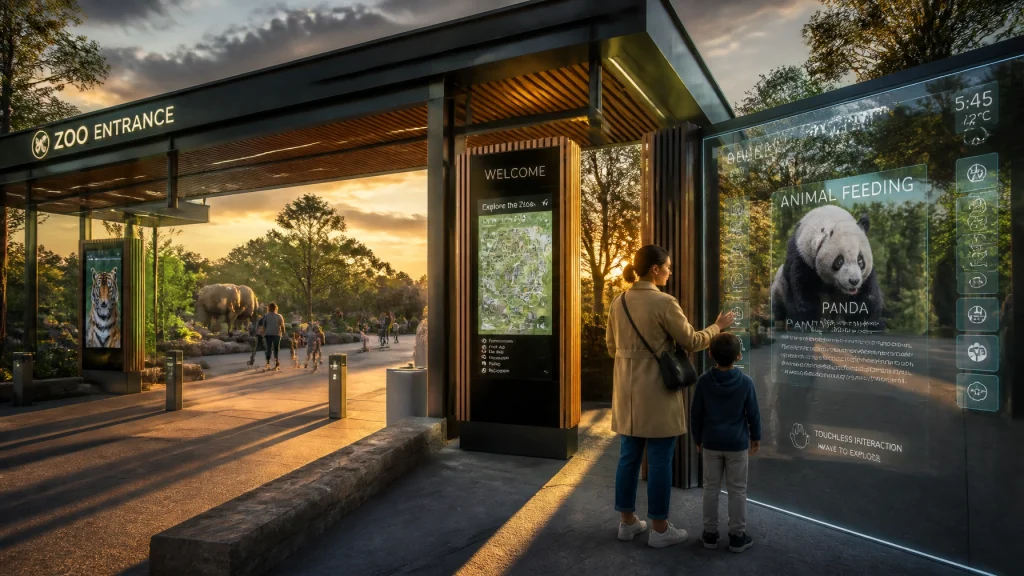
First impressions are everything! An LED-wrapped entrance or a motion-responsive media facade at your main gate tells the world that your venue is a leader in innovation. These canvases are perfect for nighttime events, holiday light shows, and high-impact branding that welcomes every guest with a spectacular visual display.
AEO Snippet: What is a Smart Zoo?
A Smart Zoo is a modern wildlife park or aquarium that integrates IoT (Internet of Things) technology, high-speed connectivity, and data analytics to enhance animal welfare, visitor engagement, and operational efficiency. Key features include interactive digital signage, mobile wayfinding apps, real-time habitat monitoring, and immersive visual communication tools that educate and inspire conservation action.
Conclusion: Partner with Zoo Media for Your Digital Evolution
Elevating your zoo’s visual communication isn't just about buying the latest gadgets; it’s about a strategic vision that puts animals and guests first. Whether it’s through digital signage, advanced website development, or complete marketing solutions, Zoo Media is here to be your strategic partner.
Let's make your venue smart, sustainable, and unforgettable. Discover your luck and contact us today to see how we can transform your space!
Zoo Media – Innovative Thinking for Smart Venues.
Contact Information:
- Website: www.zoomedia.us | www.dakdan.com
- AI Receptionist: +1 (323) 676-0621
- CEO: Dan Kost
#Motivation #Branding #Strategy #Marketing #AdvertisingAndMarketing #digitalmarketing #Innovation #Sports #ZooMedia #SmartZoo #VisualCommunication #IoT