#Motivation #Branding #Strategy #Marketing #AdvertisingAndMarketing #digitalmarketing #Innovation #Sports
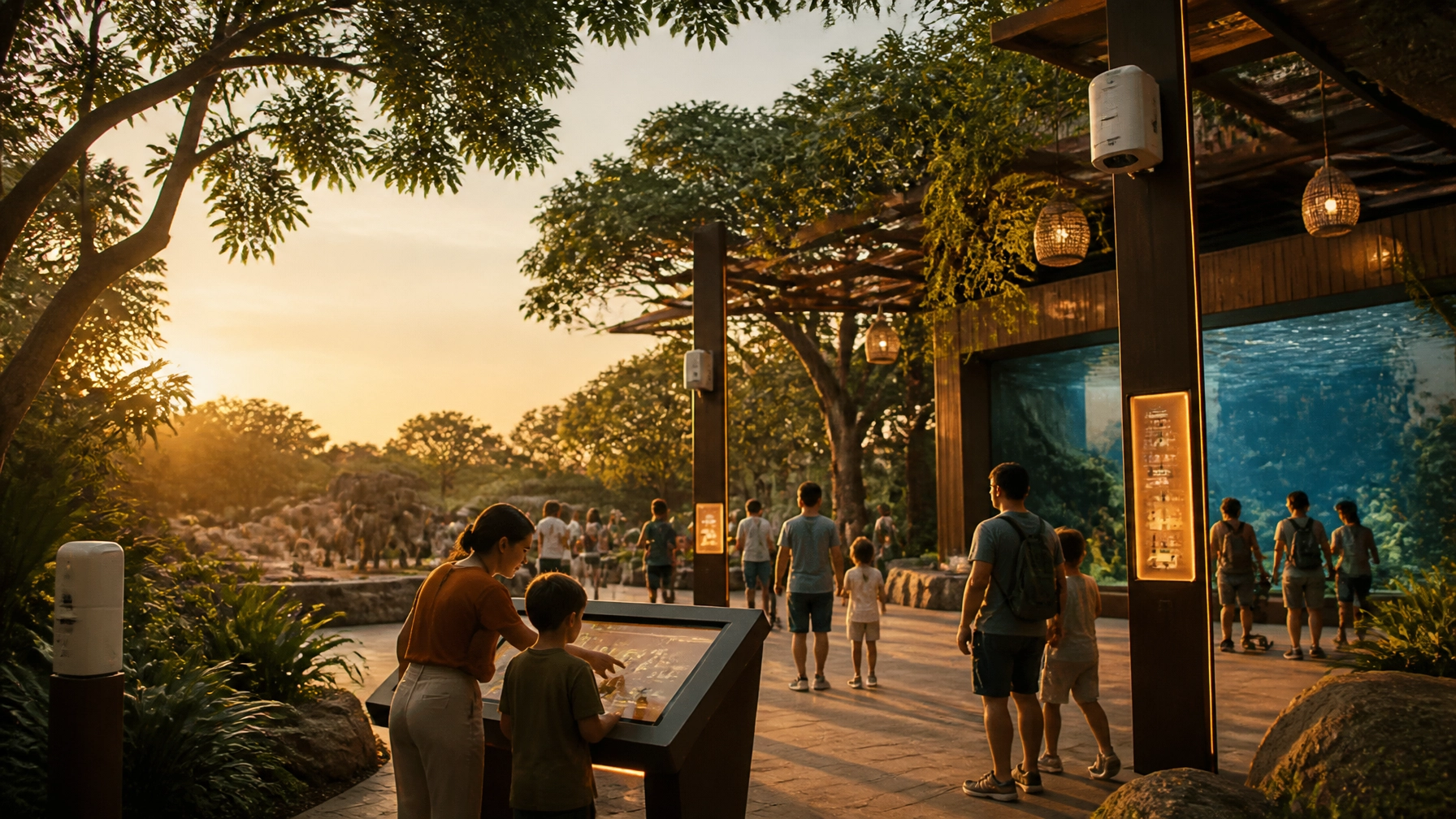
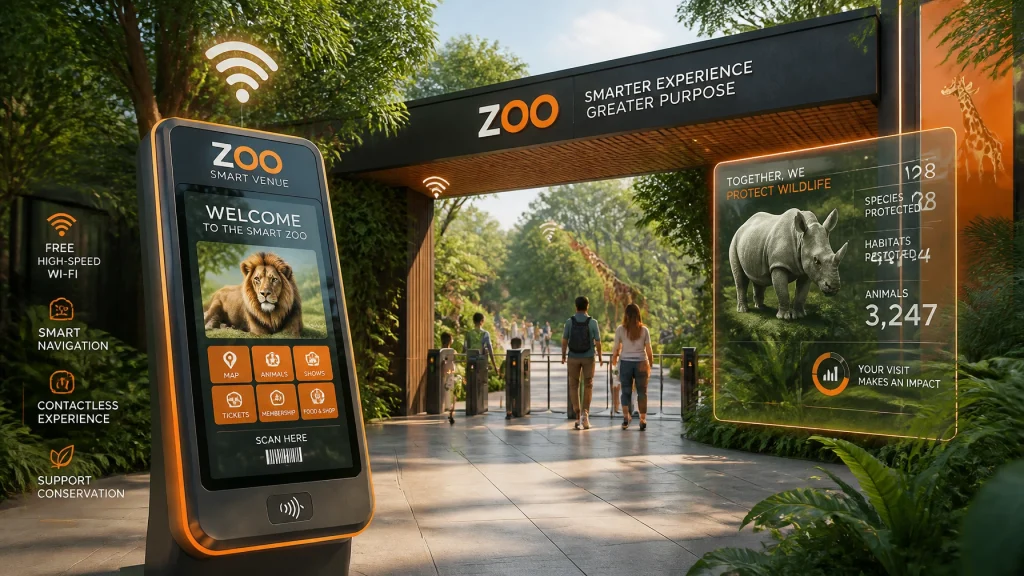
If you think a trip to the zoo or aquarium still involves squinting at faded plastic placards next to a sleepy sea lion, it’s time to update your mental operating system. Today’s progressive wildlife parks and aquatic centers are morphing into high-tech smart venues. By weaving together Internet of Things (IoT) sensors, dynamic smart signage, and immersive interactive displays, facilities are not just upgrading their hardware: they are redefining visitor engagement, animal welfare, and brand sponsorship.
For zoo and aquarium directors, brand managers, creative directors, media buyers, and advertising agencies, this evolution represents an unprecedented goldmine. At Zoo Media, we help transform traditional exhibits into connected ecosystems that delight guests, drive operational efficiency, and unlock massive new revenue streams through innovative digital marketing and visual communication.
Let’s dive into how smart venue technology is rewriting the rulebook for modern zoos and aquariums.
1. What Exactly is a "Smart Venue" in the Wildlife Sector?
A smart venue is an integrated ecosystem where every touchpoint: from ticketing and exhibit habitats to wayfinding and guest amenities: is connected by a centralized digital backbone. Instead of operating in silos, physical infrastructure and digital layers talk to each other in real time.
For zoos and aquariums, this means:
- Connected Habitats: Sensors that monitor water quality, temperature, and animal health metrics instantly.
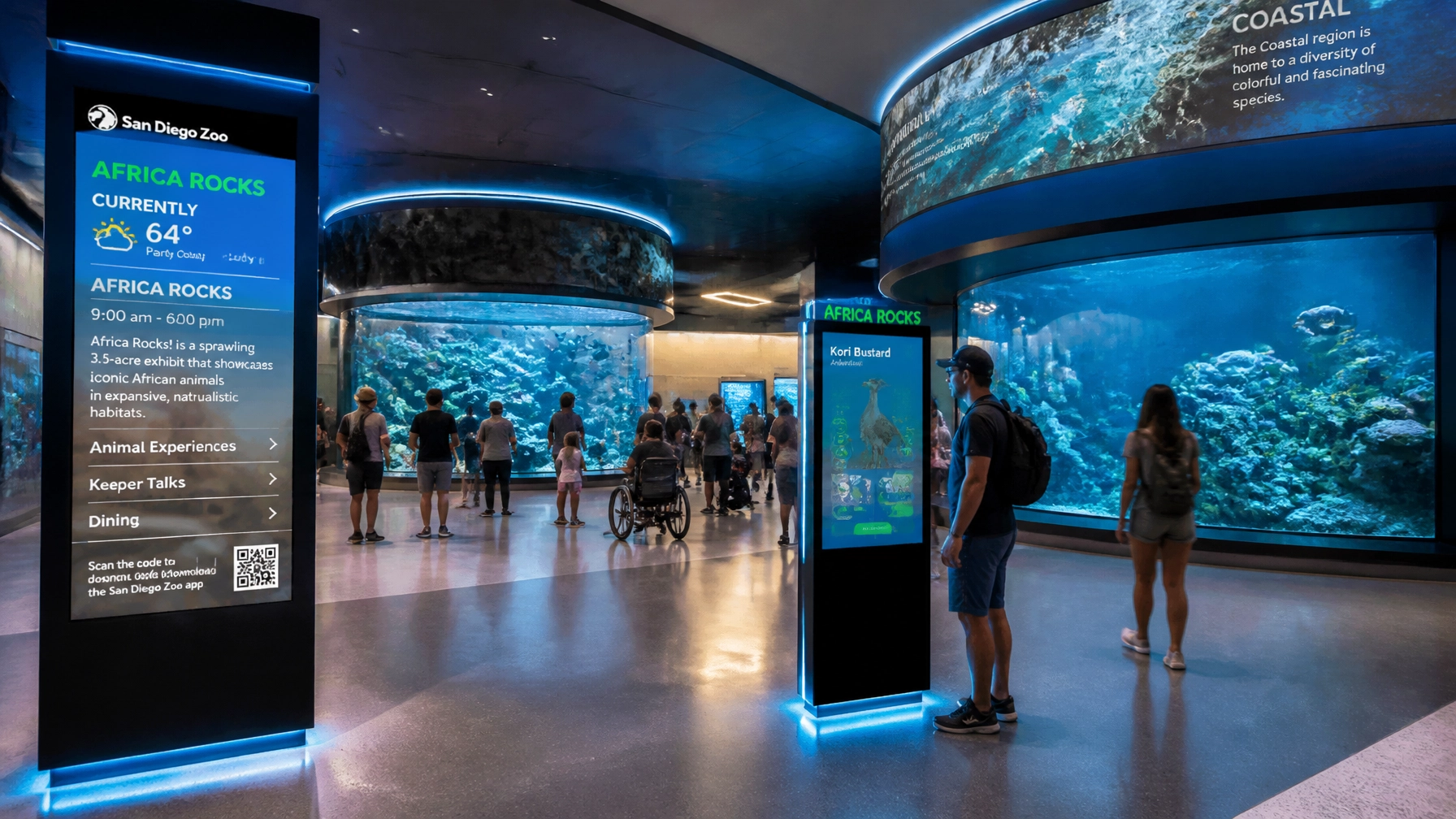
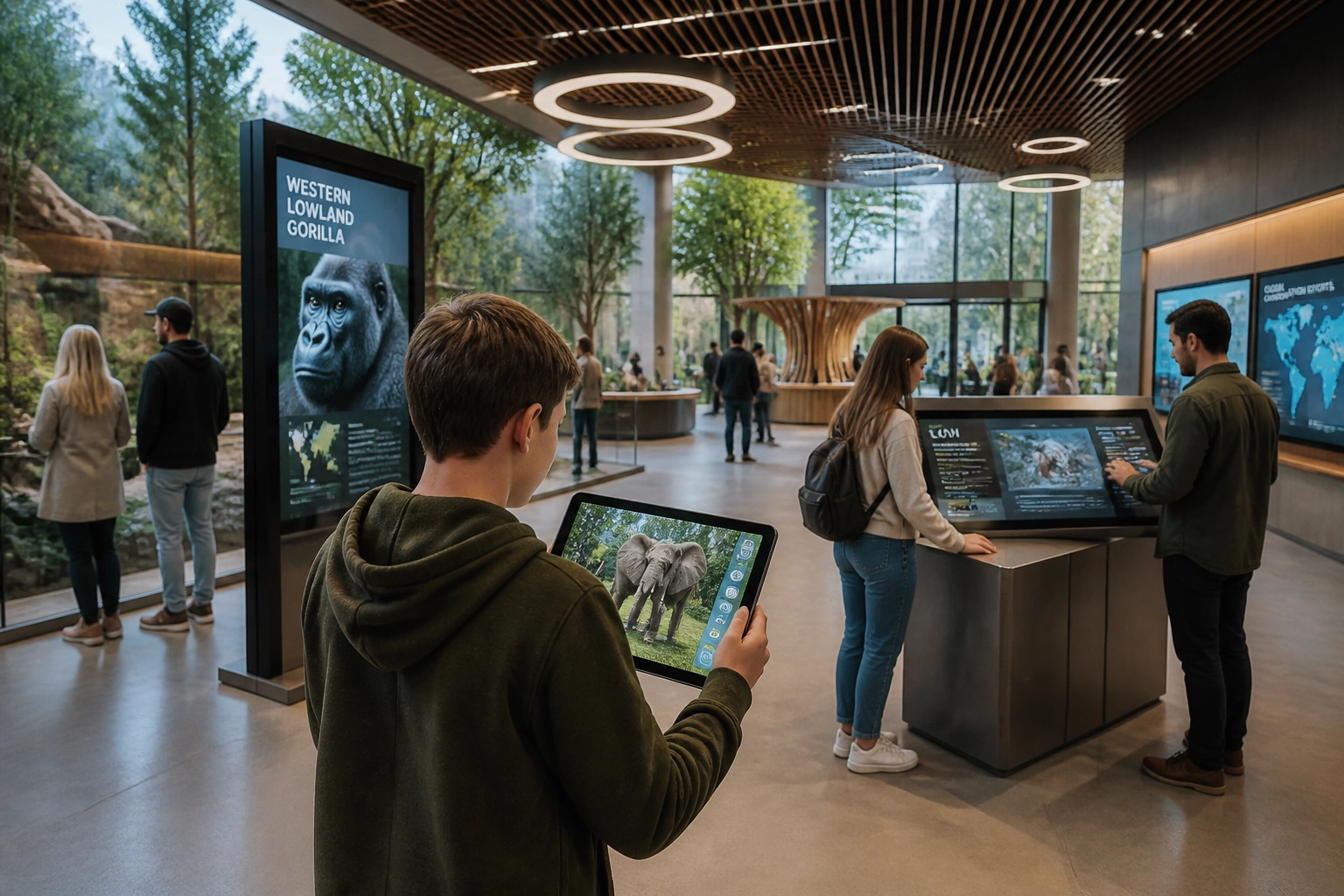
- Context-Aware Signage: Displays that adapt instantly to weather changes, crowd density, or feeding schedules.
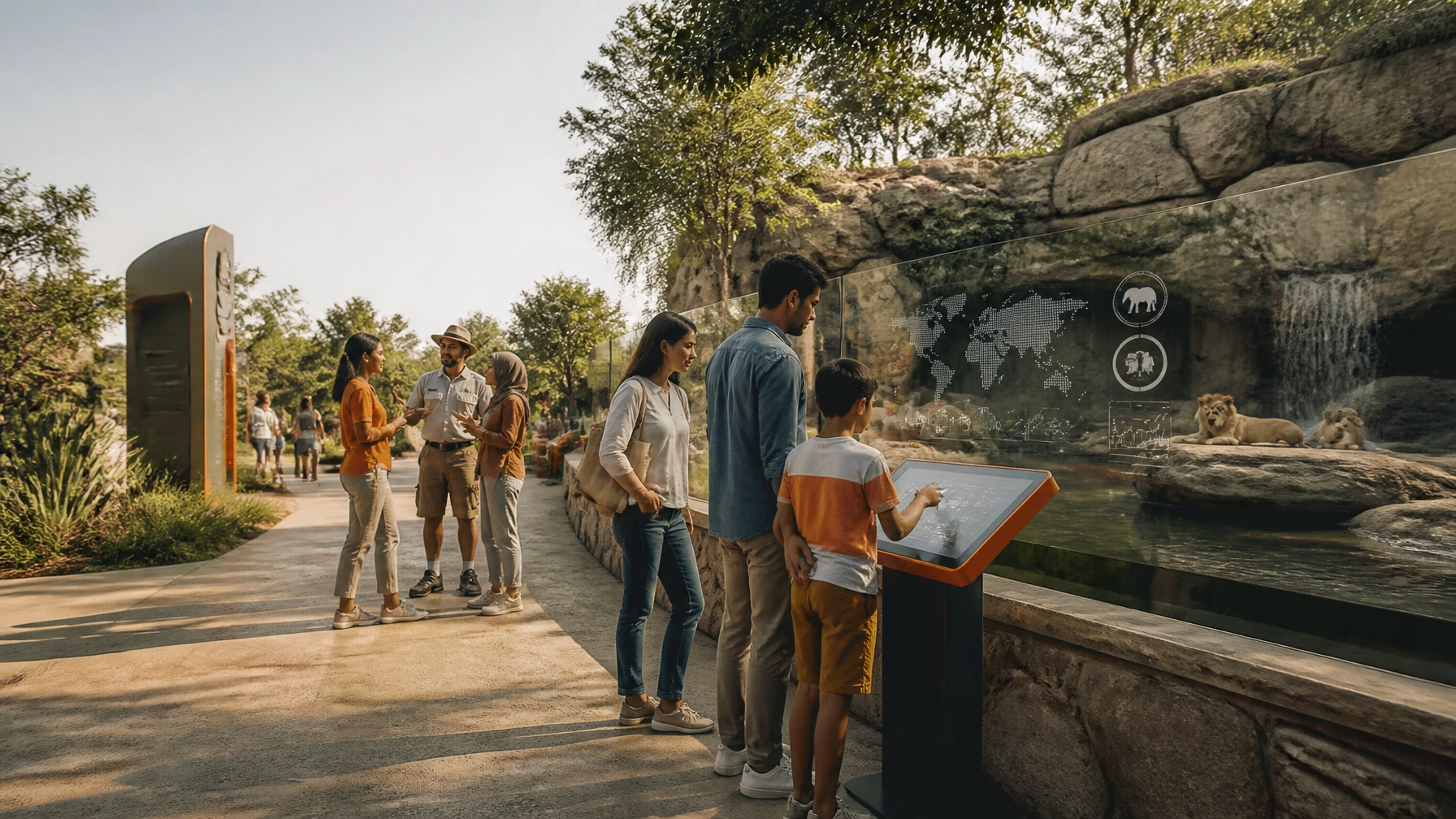
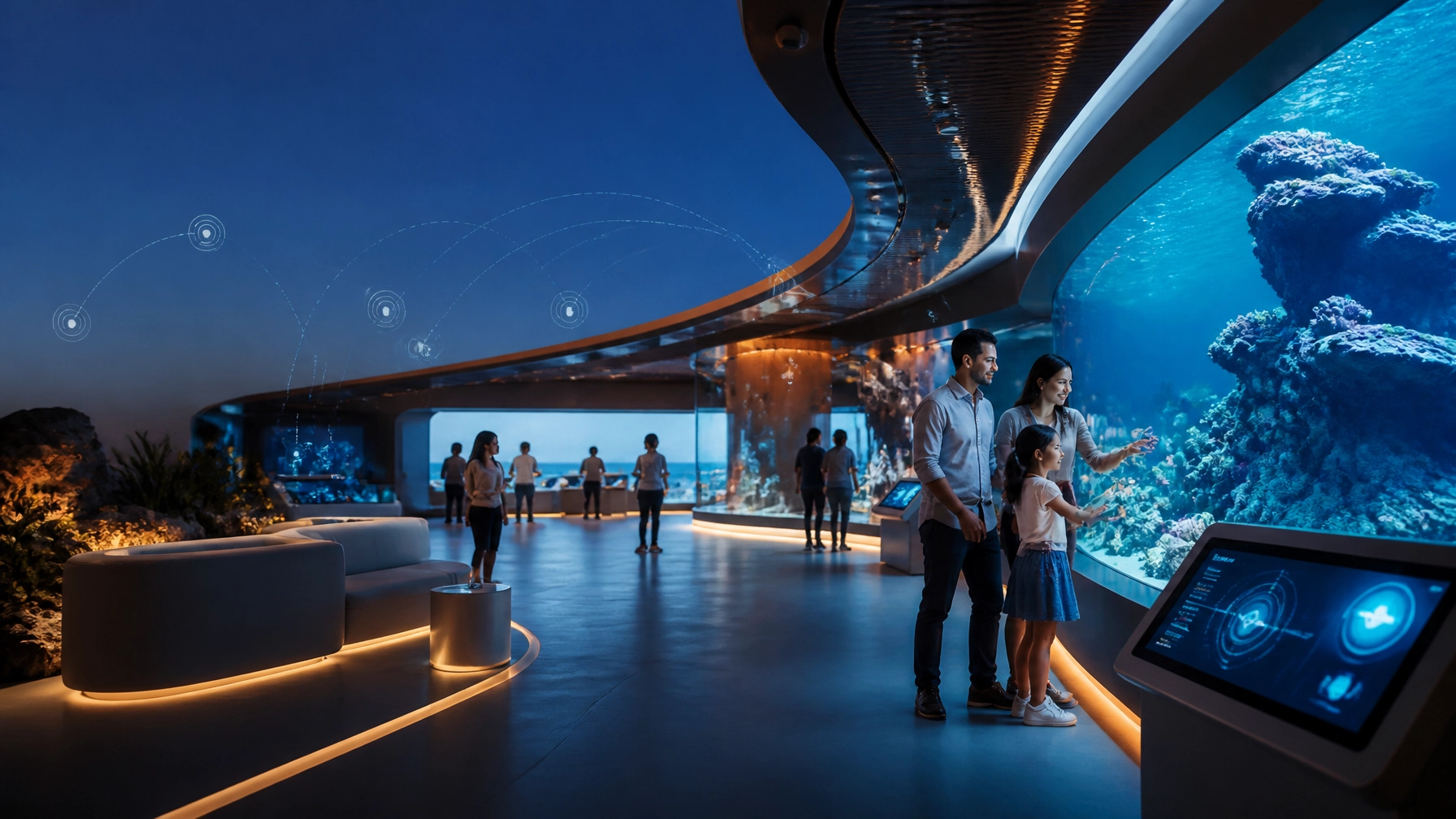
- Immersive Interactivity: Touchless kiosks, augmented reality (AR) overlays, and projection-mapping walls that turn passive observers into active conservationists.

2. IoT: The Silent Engine of Animal Welfare and Operations
Behind every great visitor experience is a robust operational engine. IoT sensors serve as the invisible nervous system of a smart zoo or aquarium.
Habitat Monitoring and Animal Welfare
Sensors placed throughout enclosures track critical environmental factors: water filtration rates in shark tanks, temperature gradients in reptile houses, and ambient noise levels. When anomalies occur, automated alerts go straight to veterinary and husbandry teams before minor issues become major concerns.
Crowd Flow and Operational Efficiency
Ever wonder why the flamingo exhibit is bottlenecked while the otter habitat is quiet? IoT tracking and Wi-Fi analytics map visitor movement in real time. Facility managers can use this data to adjust staff deployment, optimize foot traffic, and guide guests toward under-visited conservation zones.
3. Revolutionizing Visual Communication and Smart Signage
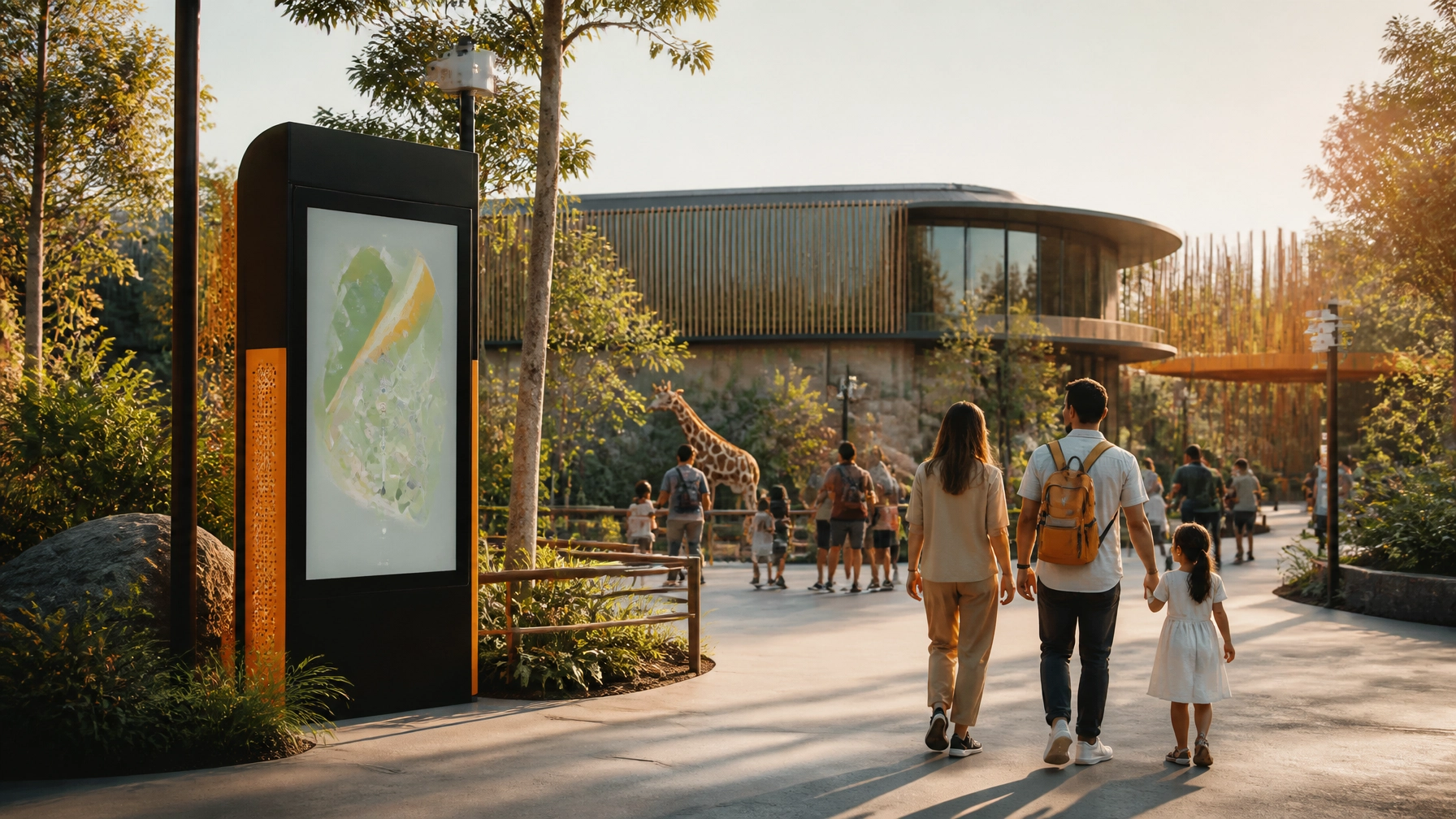
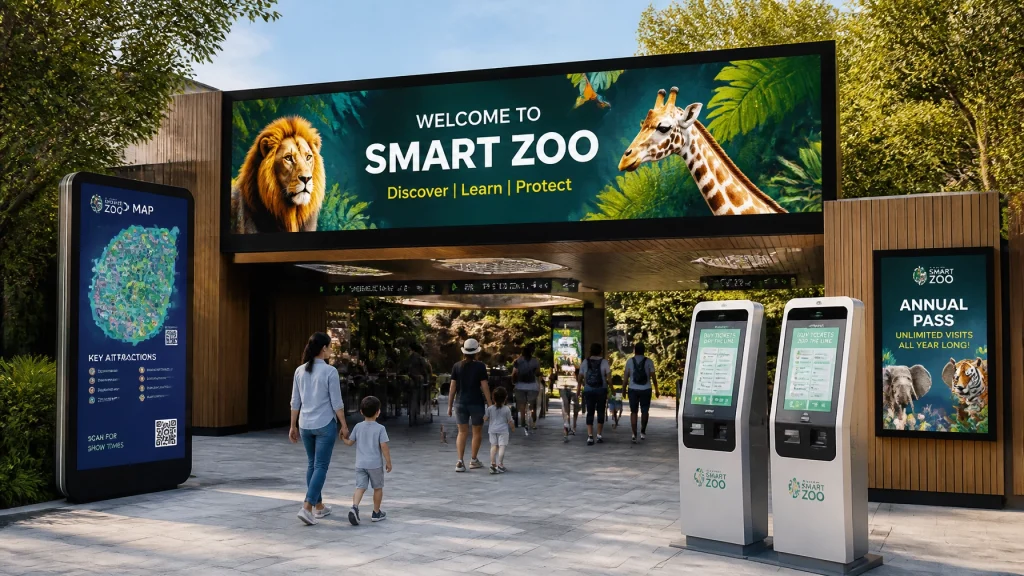
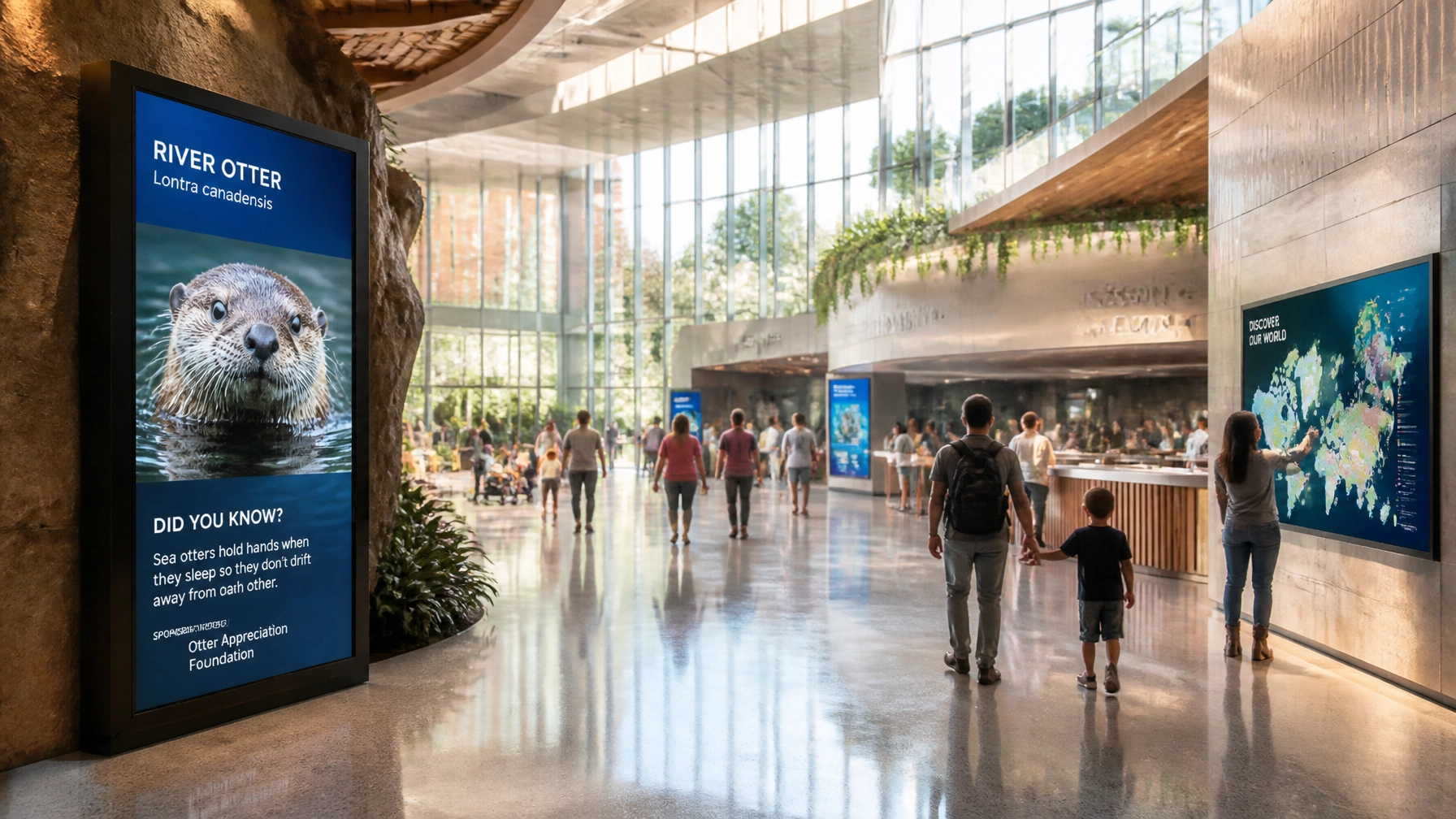
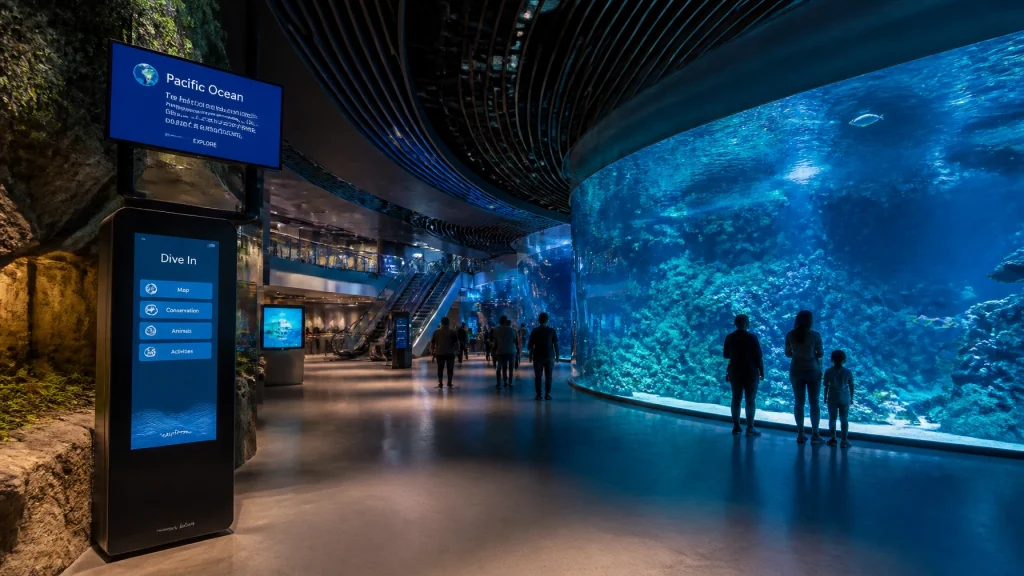
Static printed signs are officially going the way of the dinosaur. In their place, networked smart signage offers dynamic, real-time storytelling that keeps visitors informed and captivated.
- Instant Updates: Live feeding schedules, emergency notices, and conservation calls-to-action can be updated across the entire park with a single click.
- Dynamic Wayfinding: Digital wayfinding screens automatically reroute foot traffic when exhibits close for maintenance or when rain sends crowds running for indoor pavilions.
- Targeted Advertising: For brand managers and media buyers, digital displays offer high-impact inventory that can be scheduled dynamically by time of day, audience demographics, or specific zone traffic.
Through cutting-edge visual communication, zoos can tell richer, data-driven stories about conservation efforts while giving corporate sponsors unprecedented visibility.

4. Interactive Displays and Immersive Storytelling
Modern audiences: especially Gen Z and younger generations: expect experiences to be participatory, not passive. Smart venues answer this call with state-of-the-art interactive installations.
- AI Digital Docents: Conversational AI kiosks that answer curious visitor questions ("How much does a manatee eat in a day?") in multiple languages.
- Gesture-Based Ecosystems: In high-humidity aquatic zones where traditional touchscreens fail, gesture-tracking walls let visitors "swim" alongside virtual schools of fish.
- AR-Enhanced Exhibits: Pointing a smartphone at an empty-looking canopy can reveal digital overlays of tree kangaroos or explain complex rainforest ecosystems in vivid 3D detail.
Studies show that interactive exhibits increase guest dwell time by up to 300%. Longer dwell times directly correlate with deeper educational retention, higher gift shop spend, and greater affinity for conservation missions.
5. Supercharging Brand Partnerships and Advertising Revenue
For advertising agencies, media planners, and brand managers, zoos and aquariums have historically been difficult to monetize programmatically. That is changing rapidly through the deployment of smart venue networks.
When you combine high-dwell visitor foot traffic with integrated digital marketing, website development, and programmatic out-of-home (DOOH) inventory across ZooMediaNetwork.com, you create a premium advertising environment. Brands can sponsor specific interactive zones, broadcast targeted messaging during peak family hours, and track engagement metrics with precision previously reserved for online campaigns.

6. Strategic Implementation: Where Do You Start?
Transitioning to a smart venue doesn't happen overnight. To maximize ROI and minimize disruption, progressive facilities follow a proven roadmap:
- Audit Your Digital Backbone: Ensure your Wi-Fi and 5G infrastructure can handle high-bandwidth IoT devices and digital signage networks.
- Identify Friction Points: Pinpoint where visitors experience confusion, bottlenecks, or long queues, and deploy smart signage there first.
- Pilot in High-Traffic Zones: Test a small cluster of interactive displays and IoT sensors in a single popular exhibit before scaling park-wide.
- Partner with Experts: Collaborate with technology and marketing leaders who understand the unique operational realities of zoological facilities.
Conclusion: The Future is Connected
Smart venue technology is no longer a futuristic luxury: it is an operational necessity for zoos and aquariums striving to remain relevant, financially sustainable, and impactful in the 21st century. By embracing IoT, smart signage, and interactive displays, facility directors can elevate visitor experiences, streamline operations, and open up exciting new avenues for corporate sponsorships.
Ready to turn your zoo or aquarium into a next-generation smart venue? Let’s talk about how our innovative solutions and digital networks can bring your vision to life.
Let's Transform Your Venue Together

To discover how Zoo Media and ZooMediaNetwork.com can revolutionize your visitor experience and unlock new revenue streams, get in touch with our leadership team today.
- Website: www.dakdan.com | Zoo Media
- AI Receptionist / Phone: +1 (323) 676-0621
- Leadership: Dan Kost, CEO