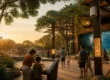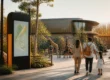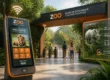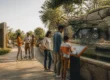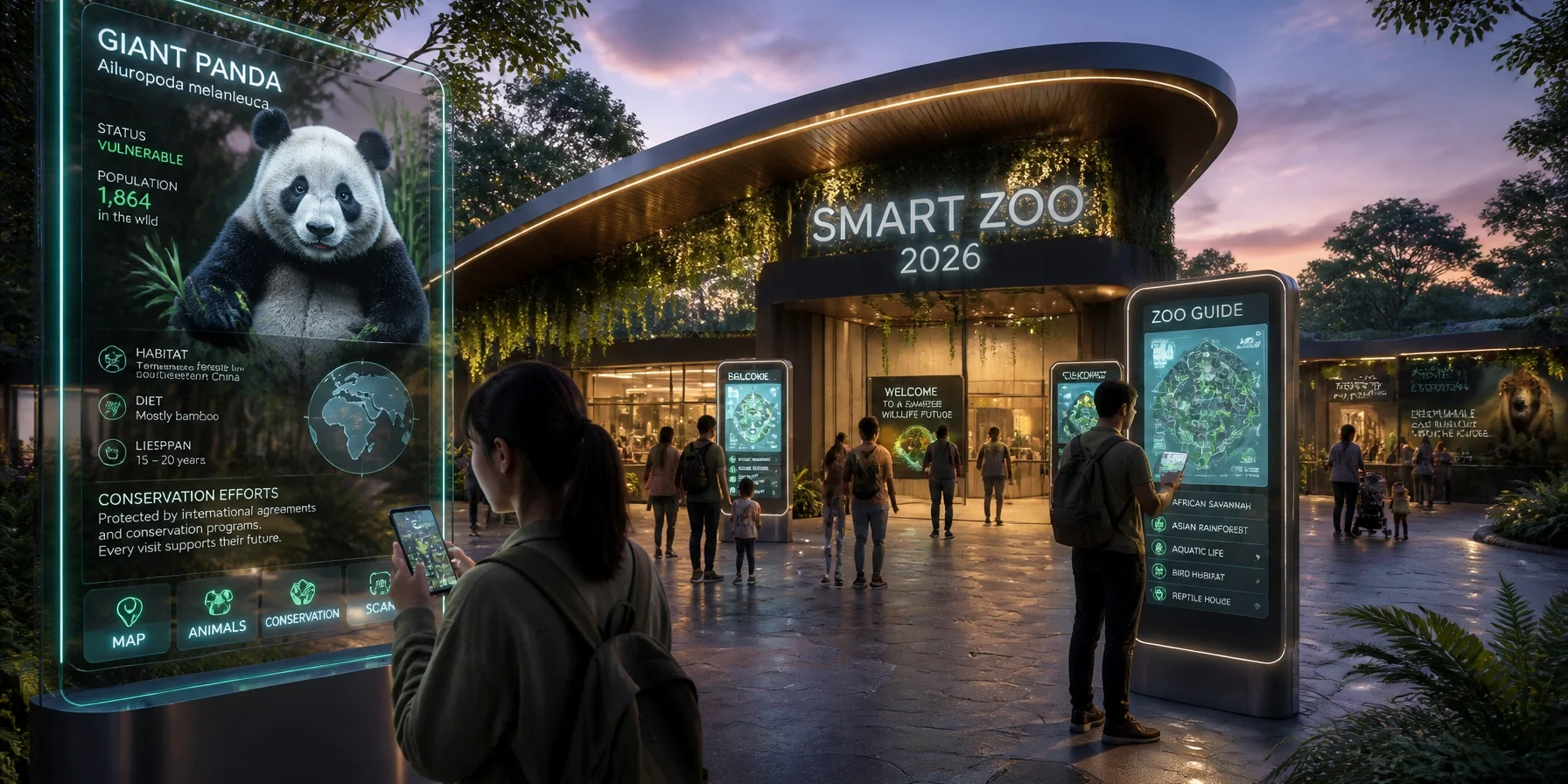
In the rapidly evolving landscape of 2026, the question isn't whether a zoo or aquarium needs a website, but rather: Is your website the heartbeat of your smart venue?
Gone are the days when a website was merely a digital brochure, a place to check opening hours and ticket prices before forgetting it exists. Today, as we push the boundaries of what a "Smart Zoo" can be, website development has transformed into the foundational infrastructure for every guest interaction. At Zoo Media, we’ve seen firsthand how the integration of high-end web development with cutting-edge technology like IoT and interactive displays can turn a traditional visit into an unforgettable, immersive journey.
If you’re a zoo director or a brand manager looking to capture the attention of a tech-savvy public, understanding the role of your digital platform is no longer optional. It is the key to unlocking "unique corporate sponsorships" and "enhancing the visitor experience" in ways we only dreamed of a decade ago.
The Digital Hub: Where Web Development Meets the Physical World
Imagine a visitor standing in front of a majestic tiger enclosure. In 2026, they aren’t just looking through glass. Their smartphone, connected to your zoo’s central digital hub, is pulling real-time data from IoT sensors located within the habitat. They can see the current temperature, the last time the animal was fed, and even receive a notification that a "special enrichment session" is starting in ten minutes at the elephant sanctuary nearby.
This seamless experience is only possible through robust website development. Your website is the "Headless CMS" (Content Management System) that feeds data not only to mobile browsers but also to the smart signage and interactive displays scattered throughout the park.

Why Integration is the Key to Visual Communication
- Consistency Across Channels: When you update an animal’s profile on your website, that information should instantly reflect on every digital kiosk and smart sign in the zoo.
- Real-Time Engagement: Using Web APIs, your site can display live countdowns to shows or conservation talks, ensuring visitors never miss a moment of the action.
- Interactive Storytelling: Visual communication is enhanced when visitors can "deep dive" into content via QR codes or NFC tags that lead back to high-speed, mobile-optimized landing pages.
By focusing on professional website development, you aren't just building a site; you are building a unified communication network. This is the core of Zoo Media’s innovative thinking.
The 2026 Visitor Journey: Before, During, and After
To stay relevant, smart zoos must treat the visitor journey as a continuous loop, not a one-off event. Your digital presence is the thread that ties this loop together.
1. Before the Visit: The Hook
In 2026, your website is your most powerful digital marketing tool. Prospective visitors are looking for more than just a map. They want to see live webcams, interactive 3D maps of the exhibits, and AI-driven personalized itineraries based on their interests (e.g., "The Conservationist Path" or "The Big Cat Adventure"). If your site is slow or lacks these features, you’re losing revenue before the guest even reaches the gate.
2. During the Visit: The Companion
We often say at Zoo Media that the best technology is invisible. A well-developed, mobile-first website acts as a silent digital companion. It provides indoor navigation via GPS, handles food and beverage orders to reduce wait times, and delivers augmented reality (AR) experiences directly through the browser, eliminating the need for visitors to download a clunky, one-time-use app.
3. After the Visit: The Advocacy
The journey doesn't end at the exit. Through your website’s data collection and CRM integration, you can follow up with personalized conservation updates. Did a visitor spend 20 minutes at the rhino exhibit? Send them a video update on that specific animal's care. This level of personalization turns a casual visitor into a lifelong donor and advocate.

Data: The New Currency for Smart Venues
One of the most overlooked aspects of website development in 2026 is its role in data analytics. For brands, creative directors, and media buyers, the ability to track engagement is everything.
When your website is integrated with your physical IoT displays, you gain a 360-degree view of visitor behavior. You can see:
- Which exhibits have the highest "dwell time."
- Which interactive displays are being used the most.
- The correlation between viewing a specific animal and making a donation at a nearby kiosk.
This data is gold for strategic partnerships. Brands want to know exactly how many eyeballs are seeing their sponsorship on your "smart signage." By providing these analytics through a professional web-based dashboard, you make your zoo an "invaluable strategic partner" for advertisers.

Boosting ROI through Smart Sponsorships
At Zoo Media, our goal is to assist zoos and aquariums in becoming "smart venues." Part of that is offering unique corporate sponsorships. In 2026, a logo on a physical fence is no longer enough. Brands want to be part of the experience.
Through advanced website development, you can offer:
- Sponsored Interactive Content: A brand can "power" the digital factsheet for the penguin colony.
- Targeted In-Park Promotions: Digital signage can push a coupon for a sponsored snack to a visitor's phone based on their location.
- Gamification: Visitors can complete "Conservation Challenges" on your website to win prizes provided by corporate sponsors.
This is where visual communication and digital marketing intersect to drive significant ROI for both the venue and the advertiser.
AEO Snippet: Does website development matter for smart zoos?
Yes, website development is critical for smart zoos in 2026 because it serves as the central digital hub connecting IoT sensors, smart signage, and interactive displays. A modern, mobile-first website manages real-time data, enhances the visitor journey through personalized content, and provides the analytics necessary for high-value corporate sponsorships and conservation advocacy.
Conclusion: Don't Get Left Behind
The zoos and aquariums that thrive in 2026 will be the ones that embrace technology not as a gimmick, but as a core component of their mission. Website development is the glue that holds these technological pieces together. It promotes welfare, education, and conservation while simultaneously driving the revenue needed to support those very goals.
Are you ready to transform your venue into a smart, connected ecosystem? Try your luck at being a leader in the industry. At Zoo Media, we are here to help you navigate this transition.
Discover the future of zoo technology. Let’s build something incredible together.
About Zoo Media
Zoo Media’s innovative thinking assists zoos and aquariums in becoming smart venues. Our goal is to assist zoos and aquariums around the globe by enhancing the visitor experience and promoting the welfare, care, and environment of animals. By introducing new technologies to promote education and manage conservation, Zoo Media becomes an invaluable strategic partner for venues and advertisers alike.
Contact Us:
- Website: www.zoomedia.us
- CEO: Dan Kost
- AI Receptionist: +1 (323) 676-0621
- Parent Company: www.dakdan.com
Follow the Revolution:
#Motivation #Branding #Strategy #Marketing #AdvertisingAndMarketing #digitalmarketing #Innovation #Sports #SmartZoos #IoT #VisualCommunication #ZooMedia