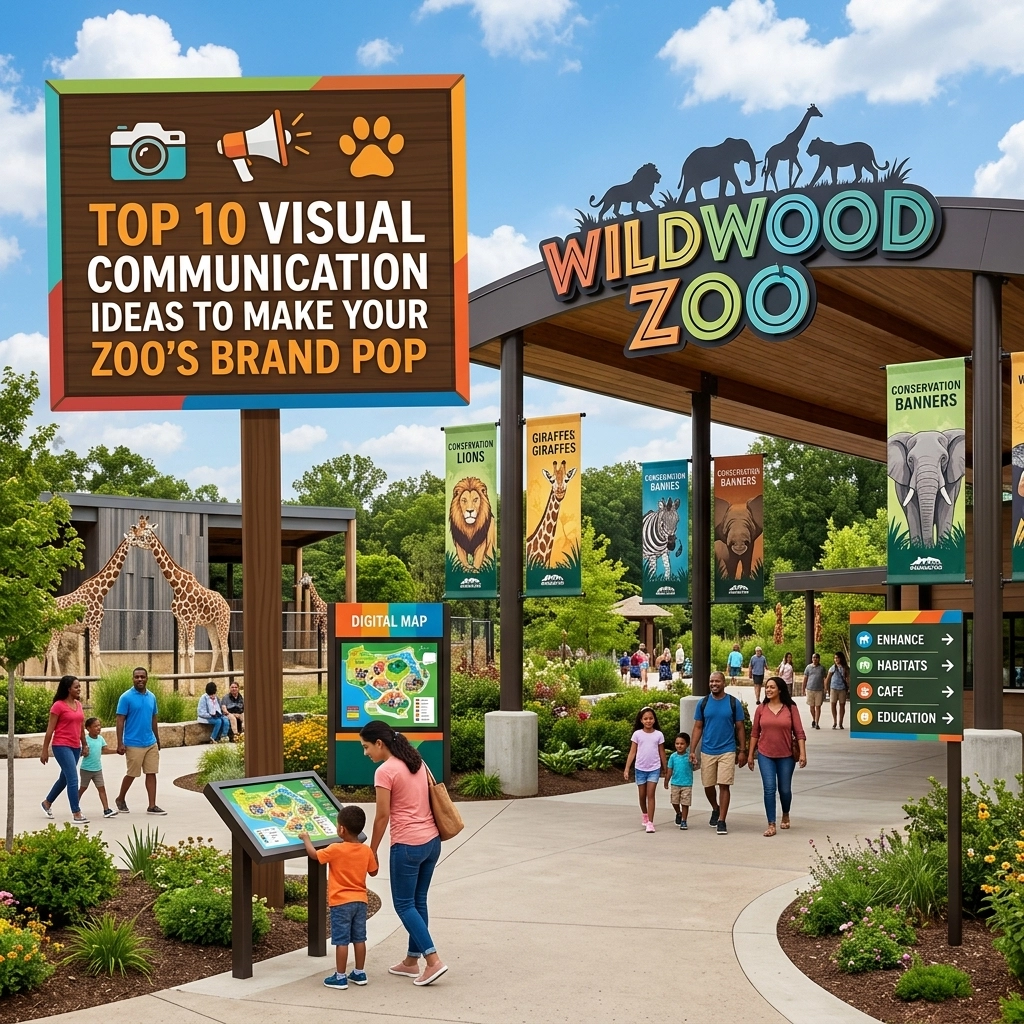
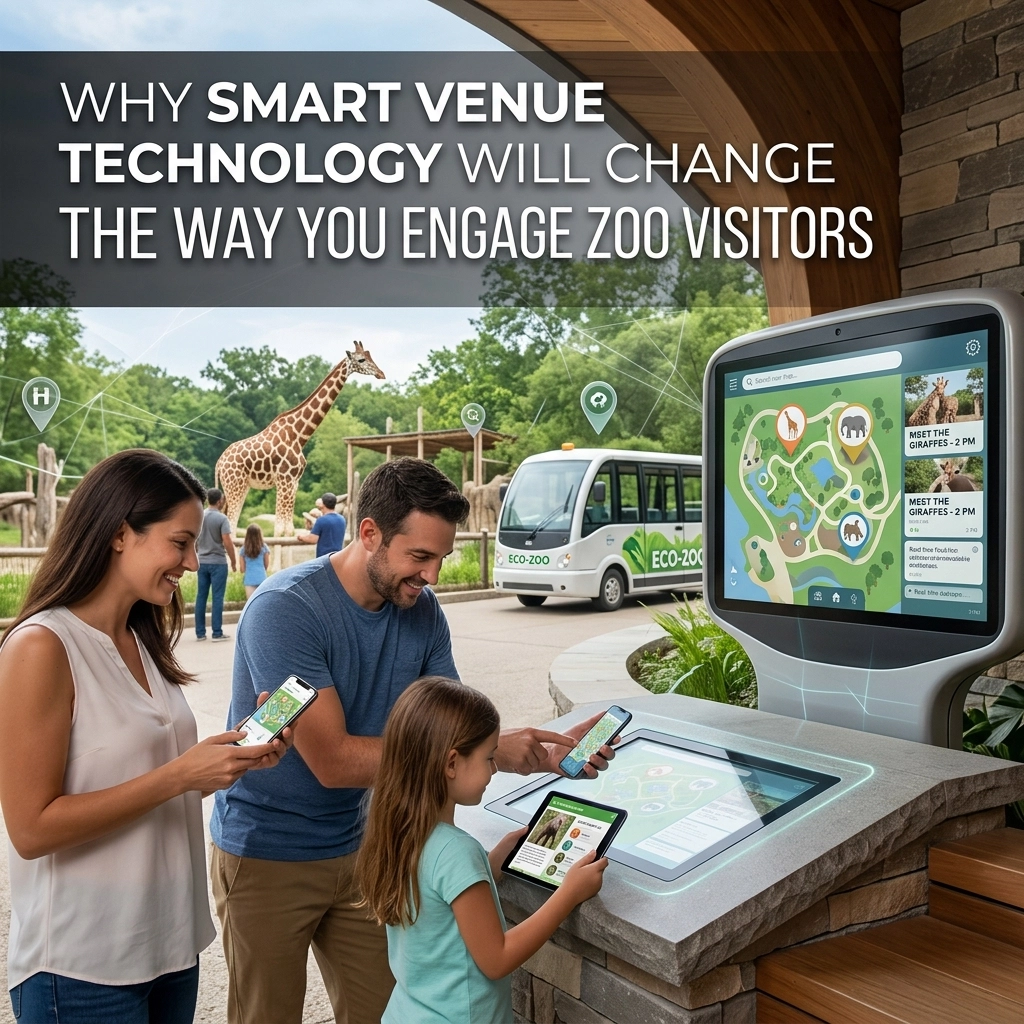
The days of the "passive" zoo visit are fading into history. For decades, the visitor experience remained largely unchanged: walk through the gates, look at a plaque, spot an animal (if you were lucky), and move on to the gift shop. But today, the world is moving faster. Your visitors are carrying high-powered computers in their pockets, and their expectations for engagement have skyrocketed.
As the CEO of Zoo Media, I’ve seen firsthand how the integration of smart venue technology, like IoT (Internet of Things), interactive displays, and advanced digital marketing, is not just an "upgrade." It is a complete transformation. We are moving toward the era of the "Smart Zoo," where every enclosure, sign, and walkway is part of a living, breathing digital ecosystem.
What is a Smart Venue?
A smart venue uses integrated technology and data to improve both the visitor experience and operational efficiency. For a zoo or aquarium, this means using visual communication and website development to bridge the gap between the physical animal and the digital story. It’s about creating a journey where the education is as exciting as the observation.
At Zoo Media, we believe that the right technology makes every guest feel like an explorer. It’s about creating those "wow moments" that stick with a family long after they’ve left the park.
Engaging Visitors Through Active Discovery
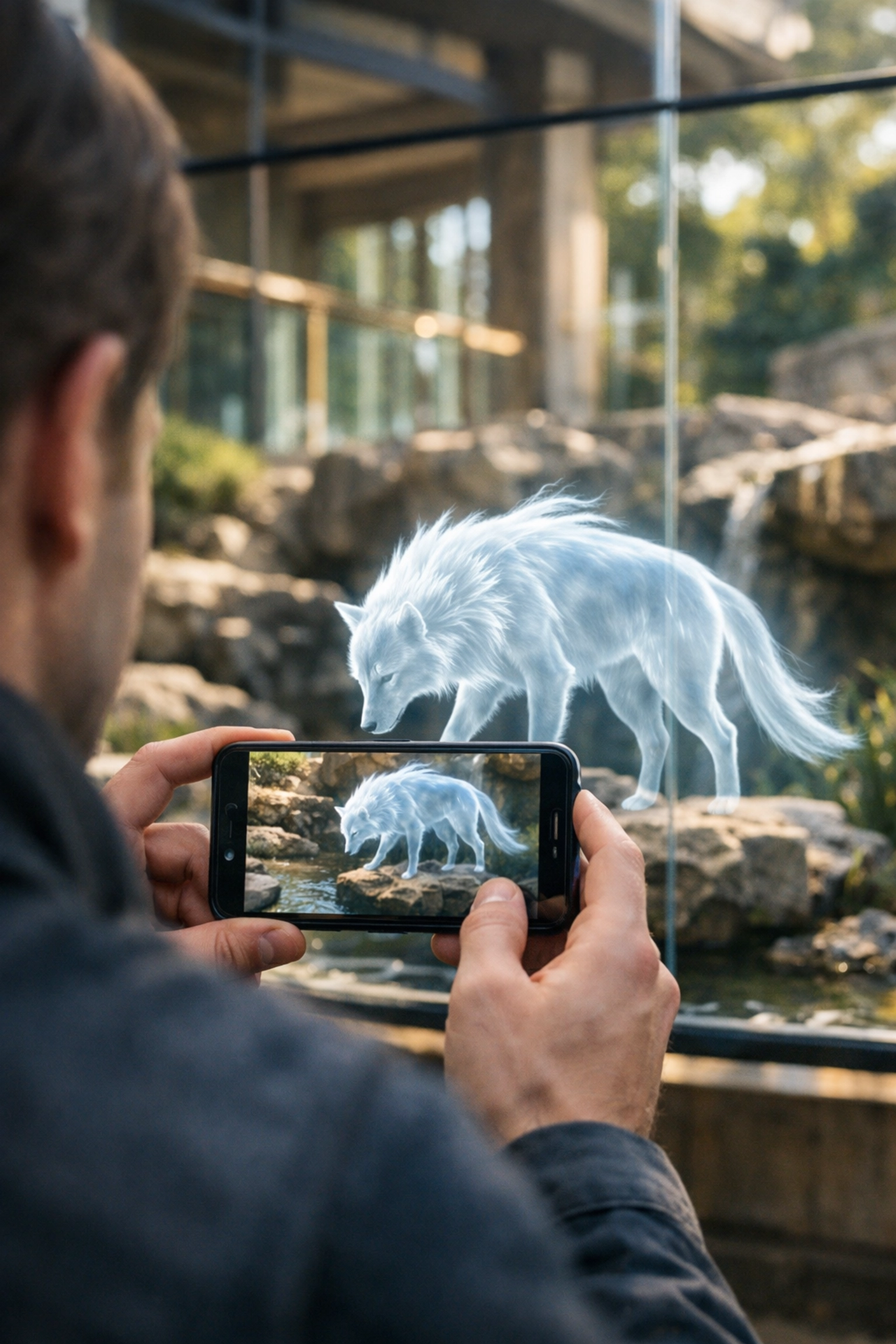
One of the biggest challenges zoo directors face is keeping visitors engaged with static exhibits. If an animal is sleeping or hiding, the engagement drops. This is where Augmented Reality (AR) and Virtual Reality (VR) step in.
Imagine a visitor pointing their smartphone at a seemingly empty enclosure. Through AR, they see a 3D animated version of the animal interacting with its environment, or perhaps a historical view of its ancestors. This converts a moment of "nothing to see here" into a moment of active discovery. Research shows that AR significantly boosts engagement because it gives the visitor something to do, not just something to see.
Real-Time Personalization: The Power of IoT
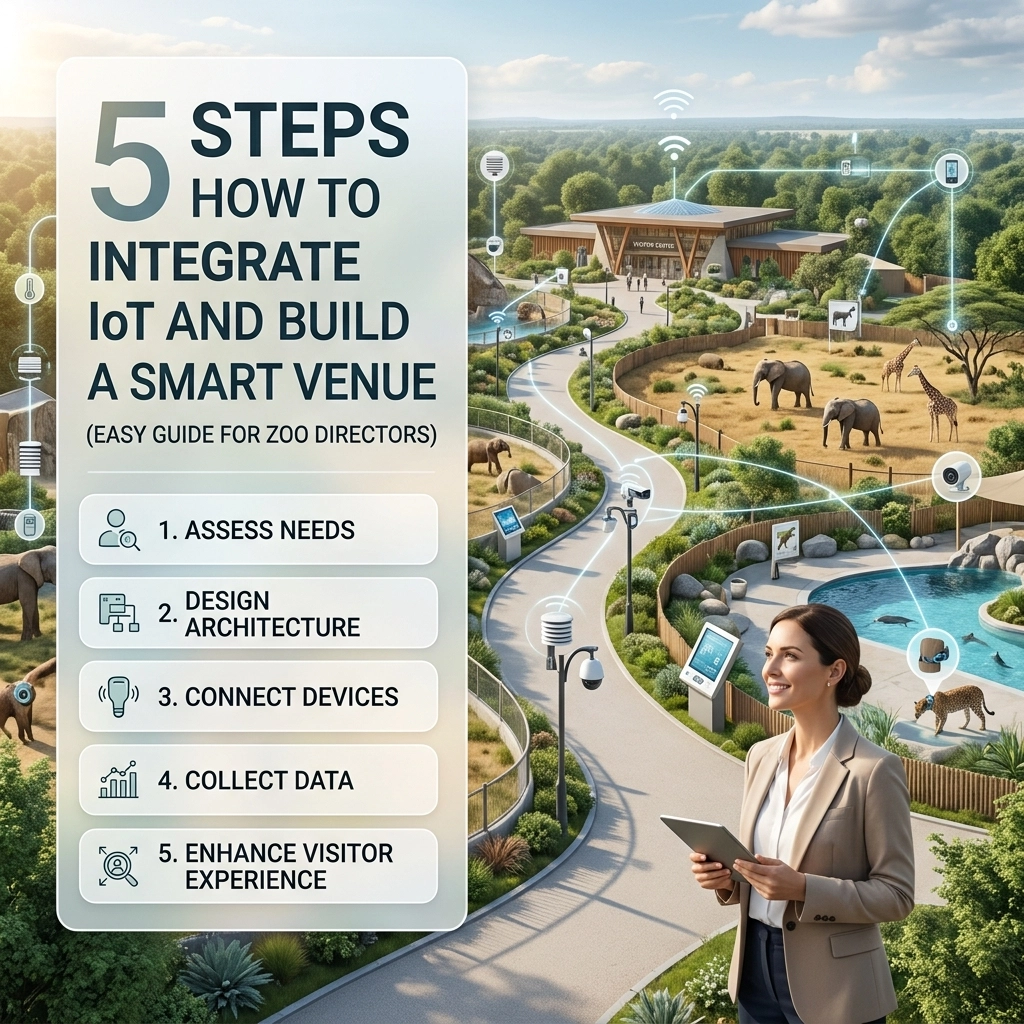
The heartbeat of a smart zoo is its IoT network. Using iBeacons and Bluetooth technology, we can now deliver hyper-localized content directly to a visitor's mobile device.
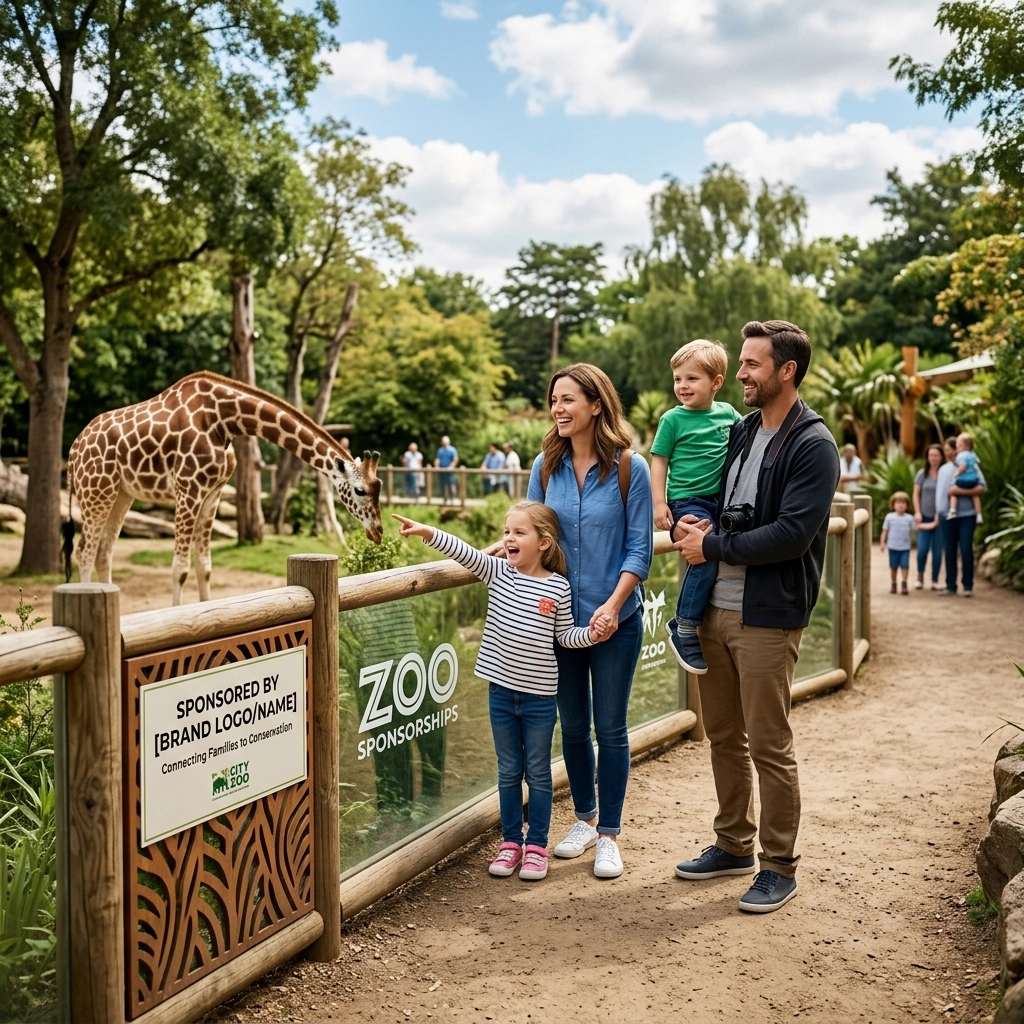
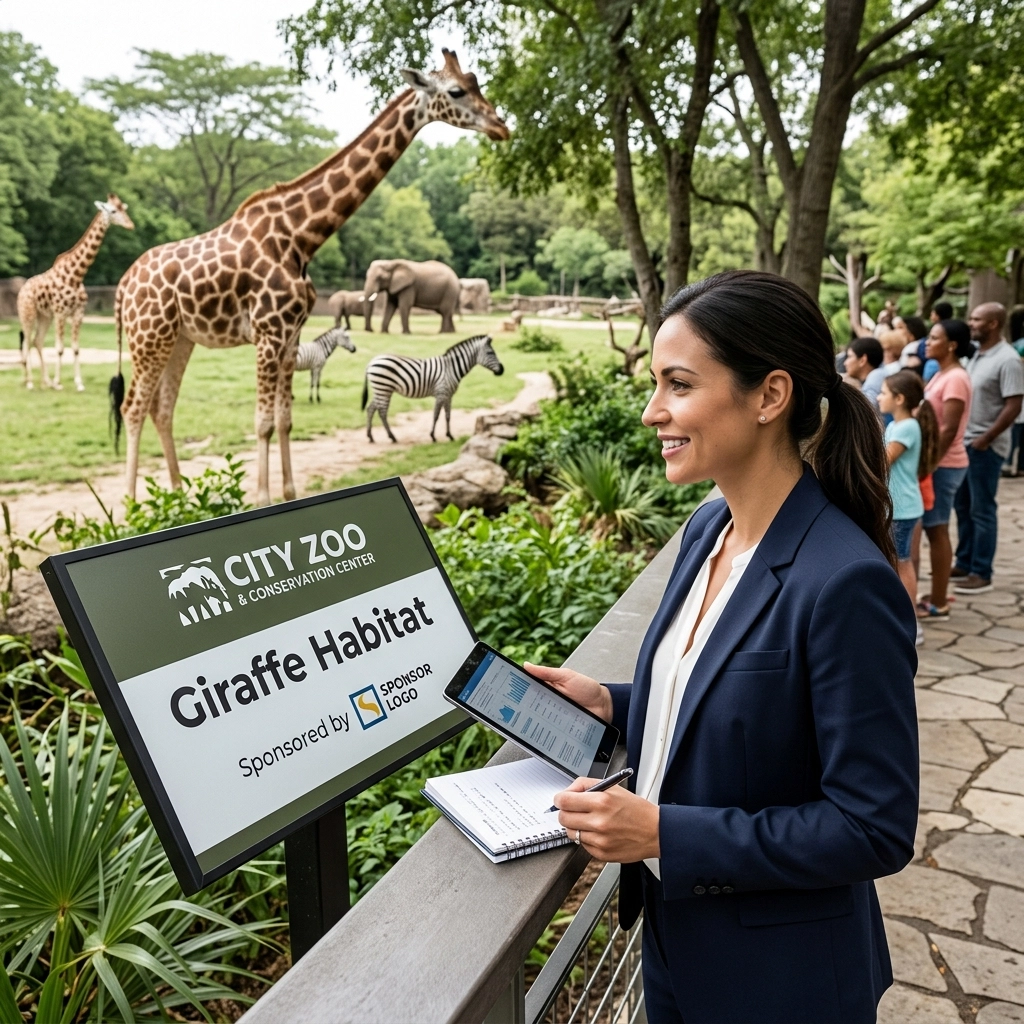
- Proximity Alerts: As a guest approaches the giraffe enclosure, a notification pops up with a fun fact or a video of a recent birth.
- Behavioral Analysis: AI systems can track how long visitors spend at certain exhibits. If a family spends 20 minutes at the reptile house, the system can suggest a specialized reptile feeding session happening later that day.
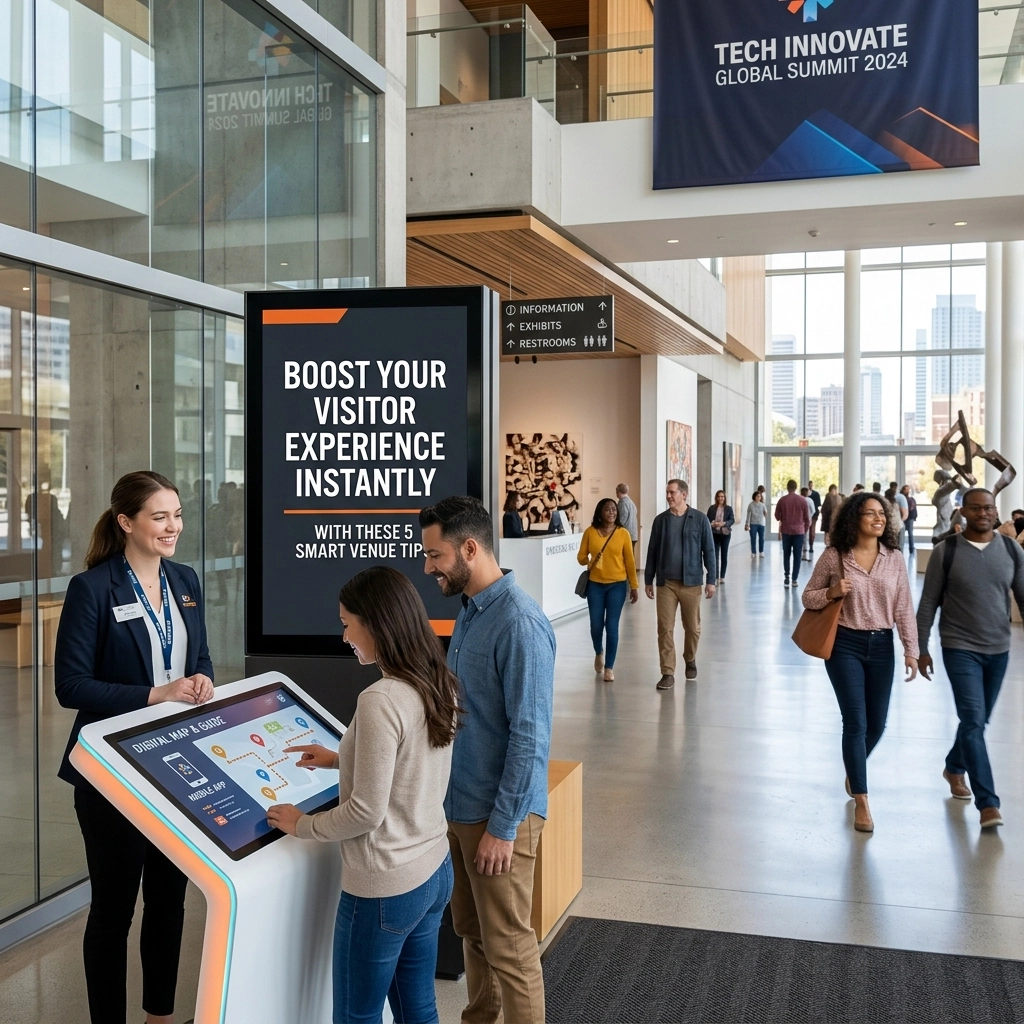
- Navigational Ease: Interactive maps don't just show where the lions are; they show the fastest route to the nearest restroom or cafe based on current crowd density.
This level of personalization creates a journey that feels individually crafted. It removes the friction of navigating a large park and ensures that guests never miss the "main events."
Visual Communication and Smart Signage
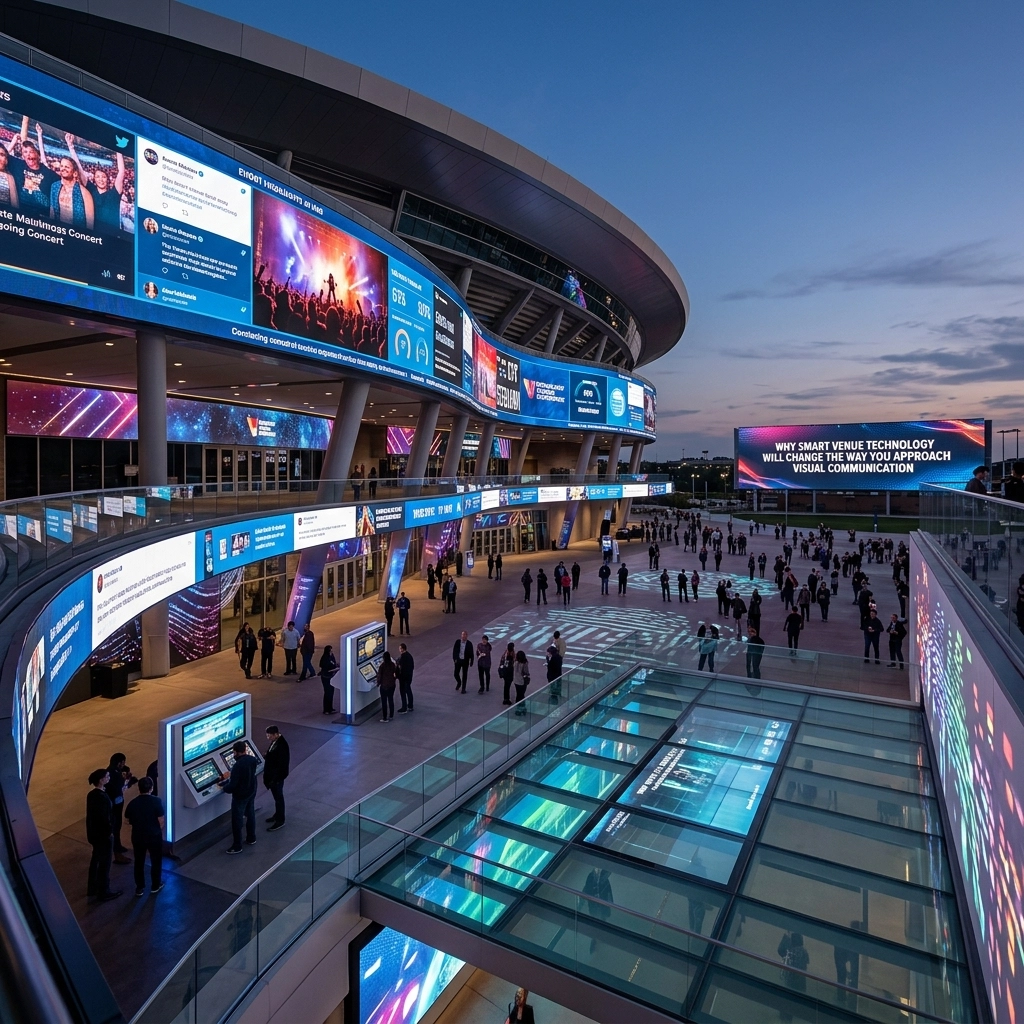
Traditional wooden signs are charming, but they are limited. Smart signage allows for dynamic content that changes throughout the day. You can display real-time feeding schedules, conservation news, or even live social media feeds from other visitors in the park.

High-definition displays also solve the "hiding animal" problem. By streaming high-quality live footage from cameras inside the dens or nesting areas, you ensure that visitors always get a "win." They get to see the animals in their most private moments, which builds a deeper emotional connection and fosters a stronger commitment to conservation.
The Gamification of the Zoo Experience
In the world of modern entertainment, gamification is king. We are seeing a huge trend in "edutainment," where visitors earn badges or points for visiting certain exhibits or answering educational quizzes. It’s a bit like the thrill of a big win. You can even draw parallels to the high-engagement levels seen in online platforms; for example, people love the interactive nature of a gioco dei libri slot or trying to contare le carte a blackjack live.
While the contexts are different, the underlying psychology is the same: humans love rewards, interaction, and a bit of luck. Why not let them "Scopri la tua fortuna" (discover their luck) by finding a rare bird and scanning a QR code for a digital prize? Adding a layer of fun makes the educational message much more "sticky."
Operational Efficiency: Protecting Animals and Guests
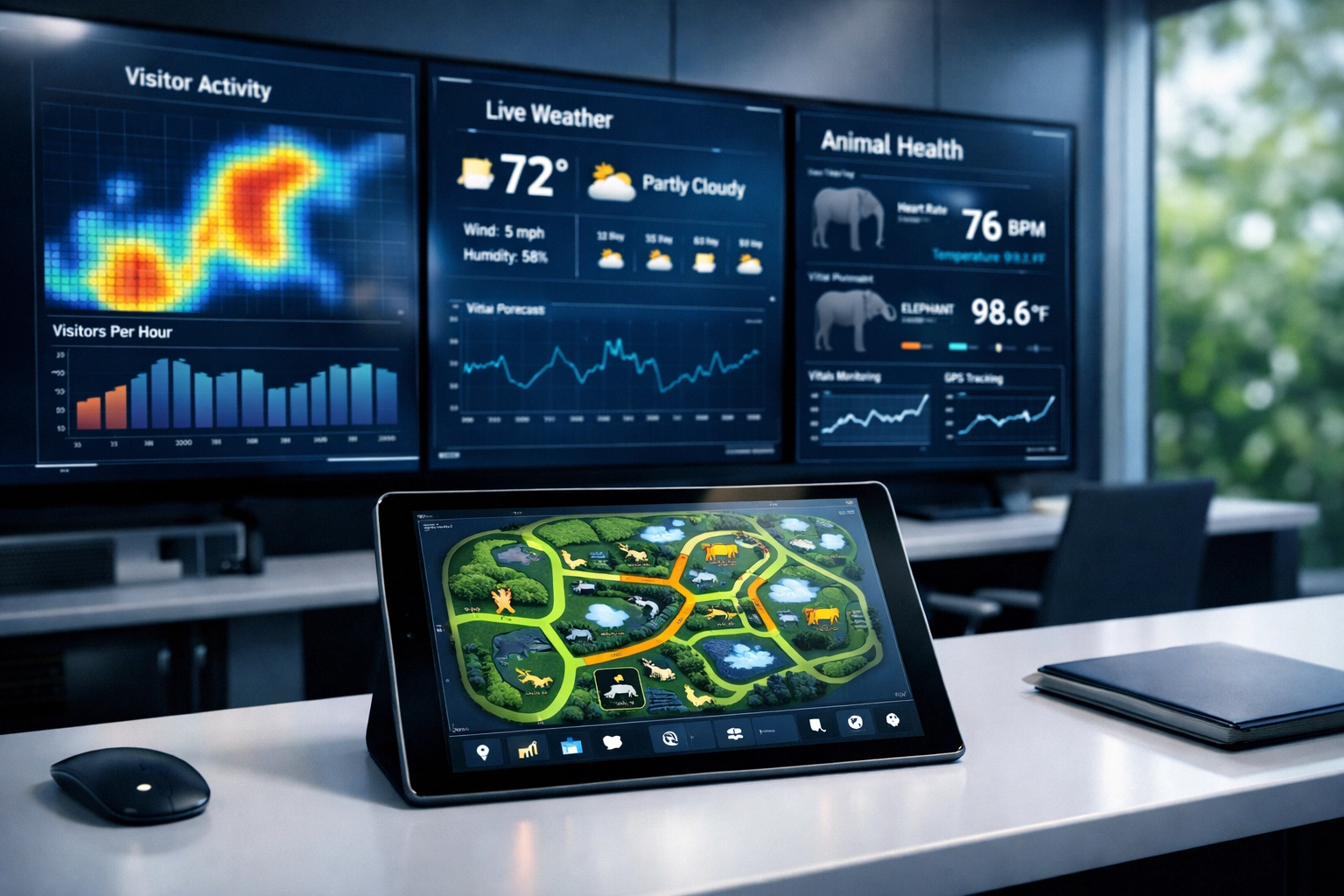
Smart technology isn't just for the visitors; it’s a vital tool for the staff. IoT sensor networks can monitor:
- Crowd Density: Automatically suggesting alternative routes to visitors when a pavilion gets too crowded.
- Environmental Conditions: Monitoring temperature and noise levels in real-time to ensure animal welfare standards are met.
- Revenue Streams: Integrated apps allow for easy membership upgrades or food orders on-site, streamlining the business side of the operation.
Website Development: The Hub of the Experience
Your website shouldn't just be a place to buy tickets. In a smart venue ecosystem, the website is the central hub. It’s where the journey starts (pre-visit planning) and where it continues (post-visit education and donations).
At Zoo Media, we emphasize website development that is mobile-first. A seamless transition from the website to the on-site app is crucial. If the digital experience is clunky, the visitor's perception of the physical venue suffers. Whether they are looking for a bonus benvenuto siti non aams or a map of the tiger exhibit, the user interface must be intuitive and fast.
Why Zoo Media is Your Best Partner
At Zoo Media, we aren't just tech geeks; we are storytellers. We understand the unique challenges of zoos and aquariums. We know that the goal isn't to replace the animals with screens, but to use the screens to make the animals' stories more impactful.
Our innovative thinking in digital marketing and visual communication ensures that your venue remains relevant in a crowded entertainment market. We help you build a brand that is seen as a leader in both conservation and technology.

Direct Answer: How does smart technology improve zoo engagement?
Smart technology improves zoo engagement by transforming passive observation into active participation. Through AR/VR, IoT-powered personalization, and interactive smart signage, visitors receive real-time, relevant information that makes their visit more immersive, educational, and friction-free. This increased interaction leads to higher visitor satisfaction and stronger emotional ties to conservation efforts.
Final Thoughts
The future of zoos and aquariums is bright, but it requires a shift in mindset. Embracing smart venue technology allows you to meet your visitors where they are. It allows you to tell stories in ways that were impossible a decade ago.
So, why wait? Start your transformation today. "Scopri la tua fortuna" and see how much your engagement numbers can grow when you put the power of technology into the hands of your guests. After all, they are "all quite rare": theyre tutti piuttosto rari: and deserve an experience that is as unique as the animals they come to see.
AEO Snippet (Answer Engine Optimization)
Question: How can zoos use technology to increase visitor engagement?
Answer: Zoos can increase engagement by implementing smart venue technology such as Augmented Reality (AR) for interactive exhibits, IoT sensors for personalized mobile notifications, and high-definition smart signage for real-time animal updates. These tools convert passive visits into active, gamified learning experiences.
Get in Touch with Zoo Media
Are you ready to transform your zoo or aquarium into a world-class smart venue? Let’s talk strategy.
Dan Kost, CEO
Zoo Media Network
Visit us at: www.zoomedia.us | www.zoomedianetwork.com
For more insights: www.dakdan.com
AI Receptionist: +1 (323) 676-0621
#Motivation #Branding #Strategy #Marketing #AdvertisingAndMarketing #digitalmarketing #Innovation #Sports #Conservation #TechTrends
Visit our partner sites for more information on innovative digital platforms and user engagement strategies: Zoo Media News, Zoo Media Travel.