The modern zoo is evolving far beyond traditional exhibits and guided tours. Today's successful venues blend conservation, education, and entertainment through cutting-edge technology that transforms visitor experiences while streamlining operations. If you're a zoo or aquarium director looking to stay competitive in 2026, understanding smart venue technology isn't optional: it's essential.
What Makes a Venue "Smart"?
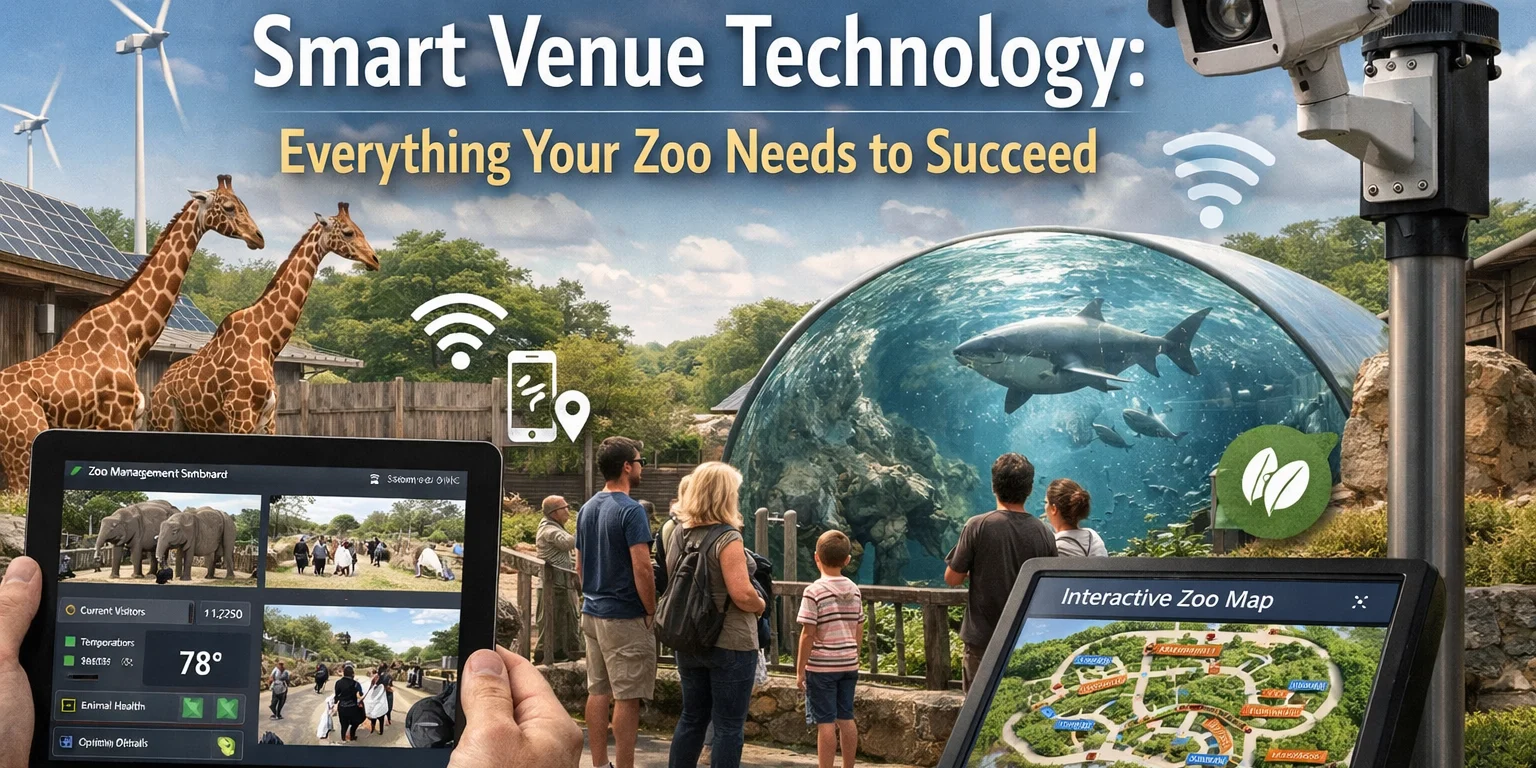
A smart venue integrates digital systems, data analytics, and interactive technology to create seamless experiences for visitors while providing actionable insights for management. Think of it as the nervous system of your facility: connecting every touchpoint, from the moment guests arrive until they share their experiences on social media days later.
Smart technology encompasses digital signage, IoT sensors, mobile integration, interactive displays, centralized content management, and real-time analytics. When properly implemented, these systems work together to solve common challenges: long entry lines, missed animal sightings, ineffective wayfinding, and limited visitor engagement.
The Foundation: Digital Display Infrastructure
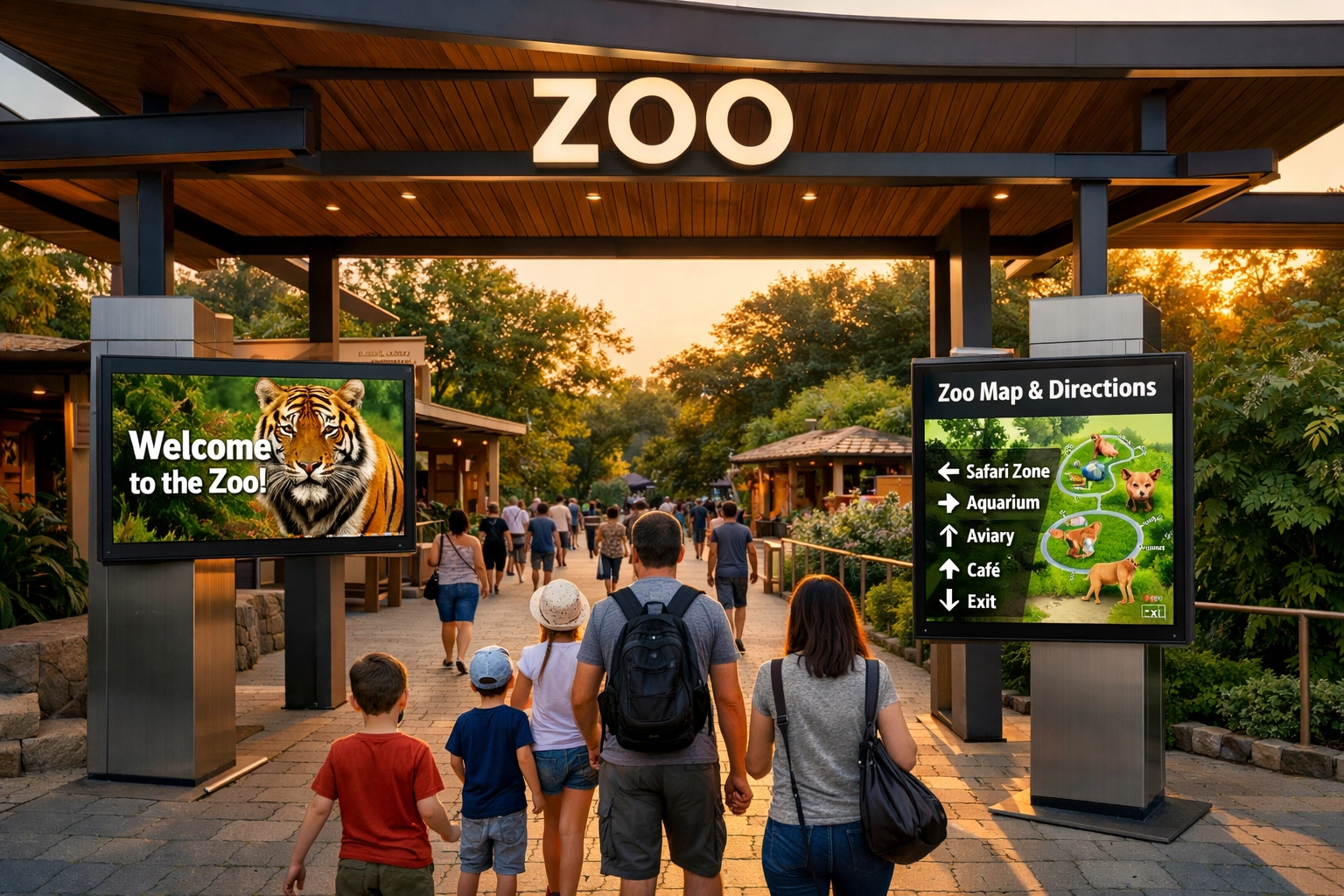
Professional-grade digital displays form the backbone of any smart venue strategy. Unlike consumer TVs, these displays are engineered for continuous operation in diverse environments: from outdoor weather exposure to high-traffic indoor areas.
Modern 4K displays deliver crisp, vibrant content that captures attention even in bright sunlight. Strategic placement multiplies their effectiveness. Position displays at entrances to showcase sponsor recognition and provide wayfinding assistance. Install them in elevators where captive audiences have time to absorb messaging. Place interactive screens near exhibits to deliver educational content exactly when visitors are most receptive.
Elevated viewing areas benefit from larger displays or laser projectors, which offer up to 20,000 hours of maintenance-free operation. This longevity eliminates costly lamp replacements and reduces staff time spent on technical maintenance: resources better invested in animal care and guest services.
The key is treating digital displays as dynamic communication tools rather than static signage. Content should rotate based on time of day, seasonal events, and real-time conditions. Morning visitors might see daily feeding schedules, while afternoon crowds receive reminders about upcoming shows and closing times.
Centralized Content Management: Your Control Center
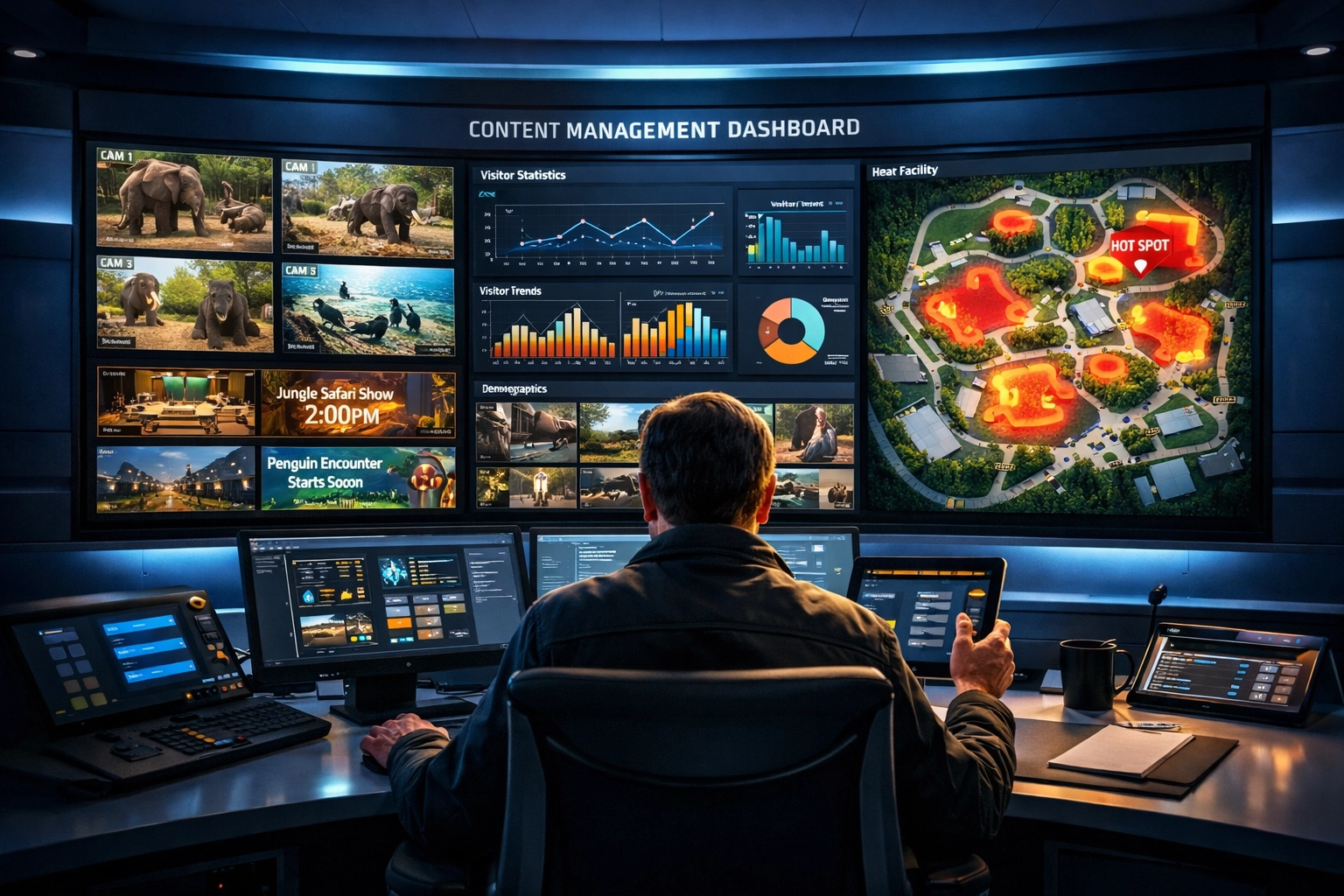
Managing dozens or hundreds of displays manually would overwhelm even the largest teams. Centralized content management systems solve this problem by allowing you to control all digital signage from a single dashboard accessible from any networked device.
This centralization delivers multiple benefits. Schedule content updates across all screens simultaneously or target specific zones with customized messaging. Program displays to power on before opening and shut down after closing, reducing energy consumption. Monitor display health remotely, receiving alerts before minor issues become major failures.
The best systems enable mobile content creation, allowing staff to update information from smartphones or tablets. When an animal birth occurs or weather forces schedule changes, your team can push updates instantly without returning to an office workstation.
This flexibility proves invaluable during emergencies. Whether communicating severe weather protocols or redirecting traffic due to maintenance, centralized management ensures consistent messaging reaches all areas simultaneously.
Interactive Displays: Engaging the Digital Generation
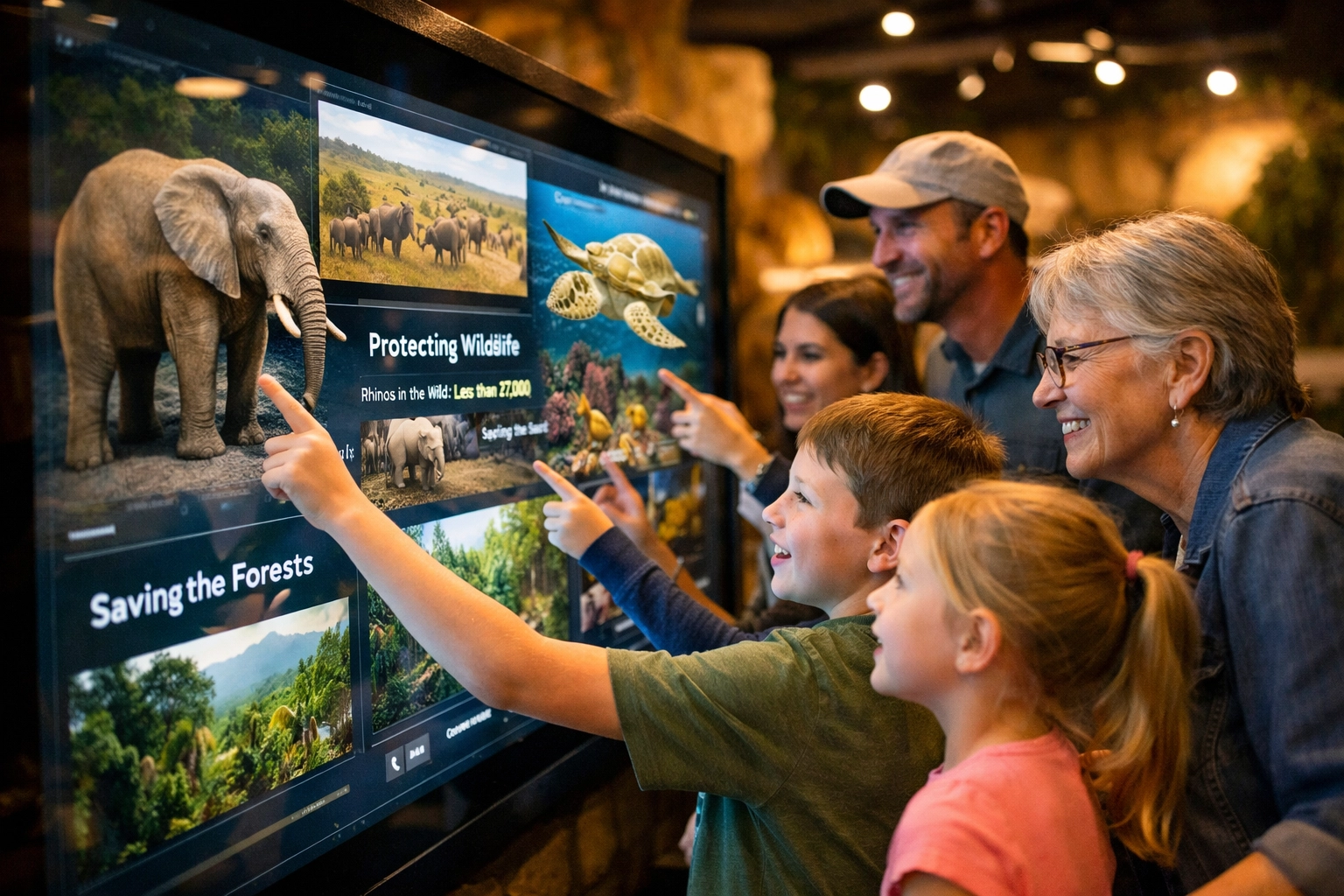
Static information no longer captivates modern visitors who expect interactive, personalized experiences. Touch-enabled displays transform passive viewing into active learning, deepening engagement and extending dwell time.
Interactive screens excel at delivering layered content. Surface-level information appeals to casual visitors, while deep-dive options satisfy enthusiasts wanting detailed animal facts, conservation status updates, and behavioral explanations. Video content showing animals in their natural habitats provides context that enhances appreciation for your specimens.
Integration with mobile apps creates seamless digital experiences. Visitors can scan QR codes to save content for later review, receive suggested photo opportunities with branded hashtags, and share experiences that extend your marketing reach organically.
One particularly effective application addresses a universal zoo challenge: animals don't perform on schedule. Live video feeds from areas where animals naturally congregate ensure all visitors have engaging experiences, even when the animals are sleeping or hiding during peak visitation hours. These feeds can be accompanied by educational content explaining natural behaviors and circadian rhythms.
Real-Time Intelligence: The Power of Data Analytics
Smart venues generate massive amounts of data: and converting that data into actionable insights separates successful facilities from struggling ones. IoT sensors and analytics platforms reveal patterns invisible to manual observation.
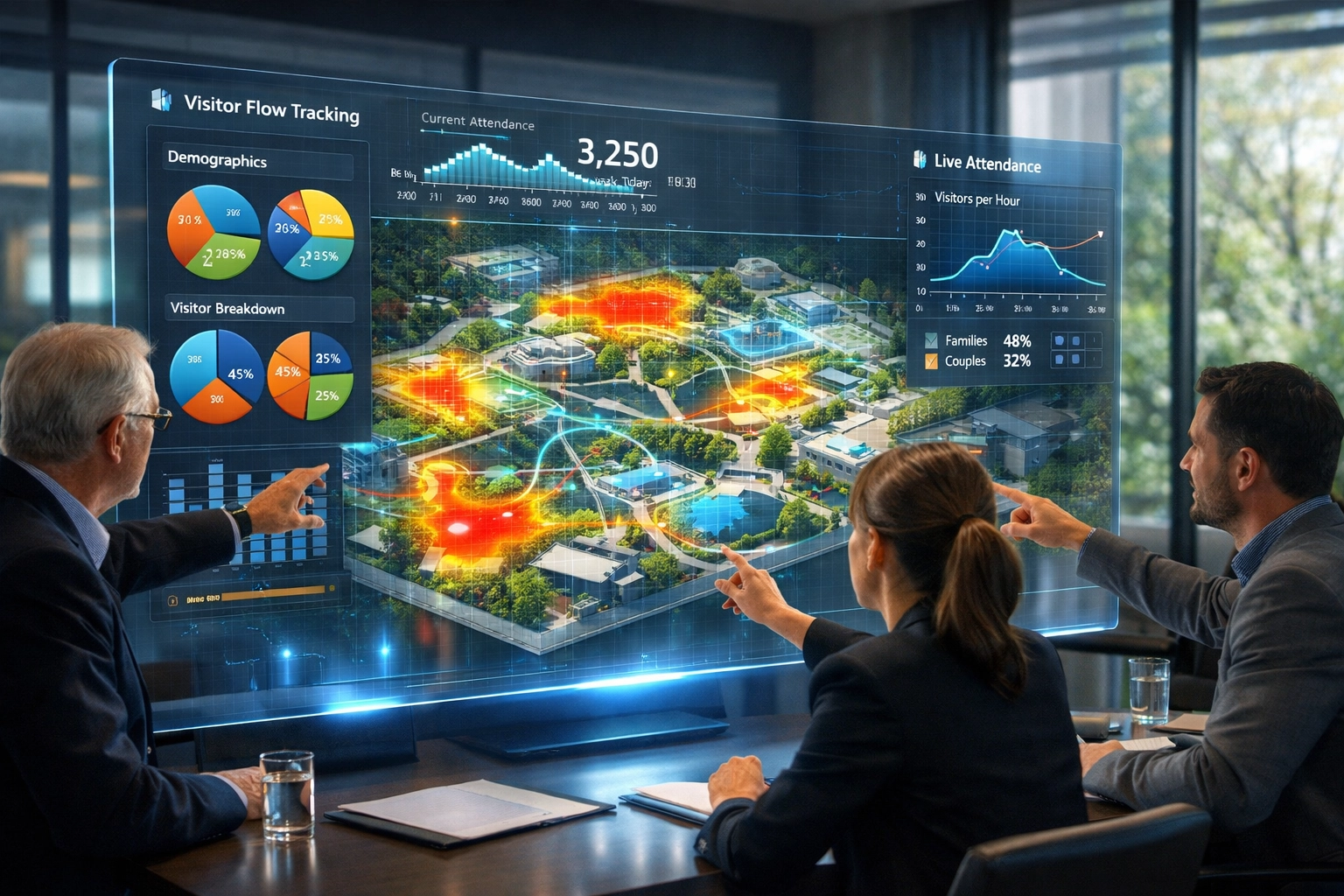
Traffic counting technology shows which exhibits attract the most visitors and how long they stay. This information guides layout optimization, staff allocation, and exhibit investment decisions. If the reptile house consistently shows low dwell time, data might reveal inadequate lighting, poor signage, or simply that the exhibit needs refreshing.
Demographic analytics help refine marketing strategies and programming. Understanding your visitor composition: families with young children, school groups, tourists, or local members: allows targeted messaging through both on-site displays and external digital marketing campaigns.
Heatmaps identify bottlenecks and underutilized areas. Maybe your new cafe is perfectly positioned but poorly advertised, or perhaps your gift shop is in a location most visitors miss. Visual communication through digital signage can redirect traffic and increase revenue per visitor.
Peak time analysis informs capacity management and staffing decisions. Knowing exactly when crowds surge allows you to open additional ticket windows, deploy roaming staff for questions, and schedule popular keeper talks during high-traffic periods.
Mobile Integration and WiFi Infrastructure
Today's visitors expect connectivity. WiFi infrastructure serves dual purposes: enhancing guest experience while capturing valuable engagement data.
Strategically positioned WiFi connection stations broadcasting 300+ feet enable personalized mobile engagement while respecting privacy through opt-in systems. Visitors can access your mobile app for self-guided tours, interactive maps, and real-time updates about animal feedings and presentations.
Mobile apps facilitate user-generated content that venues can repurpose for marketing. When visitors share photos tagged with your branded hashtags, they're creating authentic testimonials more powerful than any professional advertisement. This content demonstrates real experiences to potential visitors researching their visit decisions.
Perhaps most importantly, mobile integration provides engagement tracking that measures return on investment: something traditional outdoor advertising simply cannot deliver. You'll know exactly which campaigns drove app downloads, ticket purchases, and membership conversions.
Smart Ticketing and Access Control
Long entry lines frustrate visitors before they've even begun their experience. Smart ticketing platforms streamline entry, manage capacity, and integrate with access control gates to reduce queues and prevent fraud.
Self-service kiosks allow tech-savvy visitors to bypass traditional ticket windows entirely. Mobile check-in options enable advance purchase holders to scan directly at gates. These systems don't eliminate staff: they free personnel to focus on guest service rather than transaction processing.
Capacity management becomes automated, with systems that track current occupancy and alert staff when approaching limits. This real-time visibility prevents overselling while maximizing revenue during high-demand periods.
Integration with membership databases enables seamless annual pass processing, reducing friction for your most valuable repeat visitors. Happy members become ambassadors who drive word-of-mouth marketing more effectively than any website development or visual communication campaign.
Show and Event Management Systems
Large venues require sophisticated audiovisual systems ensuring all guests enjoy quality experiences regardless of seating location. Professional audio distribution, video projection, and lighting control create immersive presentations that educate while entertaining.
These systems should integrate with your digital signage network, automatically updating schedules and promoting upcoming events. When shows reach capacity, displays instantly redirect visitors to alternative attractions, reducing disappointment and spreading crowd distribution.
Recording capabilities allow content repurposing across digital marketing channels. Highlights from keeper talks become social media content, website features, and promotional materials that showcase your facility's educational value.
Future-Proofing Your Technology Investment
Technology evolves rapidly, and systems built on proprietary platforms become expensive prisons. Choose solutions built on open standards that communicate with equipment from multiple vendors. This approach allows component-level upgrades rather than complete system replacements.
Scalability matters equally. Your initial deployment might cover high-traffic areas, with expansion to secondary zones as budget allows. Systems should accommodate growth seamlessly, whether adding displays, sensors, or entirely new facilities.
Cloud-based platforms offer flexibility and reduced IT infrastructure requirements. Updates deploy automatically, security patches install without staff intervention, and remote support resolves issues without on-site visits.
Making Smart Technology Work for Your Venue
Smart venue technology represents significant investment, but properly implemented systems deliver measurable returns through increased visitation, extended dwell time, higher per-visitor revenue, and operational efficiency. The question isn't whether to adopt these technologies: it's how quickly you can implement them before competitors leave you behind.
Success requires strategic planning that aligns technology deployment with institutional goals. Start with high-impact areas showing clear return on investment, then expand systematically. Prioritize systems that solve current pain points while building infrastructure for future capabilities.
Most importantly, recognize that technology serves your mission: it doesn't replace it. The goal isn't flashy displays for their own sake, but tools that deepen conservation impact, enhance education, and create memorable experiences that turn first-time visitors into lifelong supporters.
The transformation from traditional zoo to smart venue might seem daunting, but the path forward is clearer than ever. With the right partners, strategic vision, and commitment to continuous improvement, your facility can leverage technology to thrive in an increasingly competitive landscape while advancing the critical work of wildlife conservation and public education.
Ready to transform your venue with smart technology? Visit Zoo Media to discover how our innovative solutions help zoos and aquariums succeed in the digital age. Contact Dan Kost, CEO, to discuss your facility's unique needs and explore customized solutions that deliver measurable results.