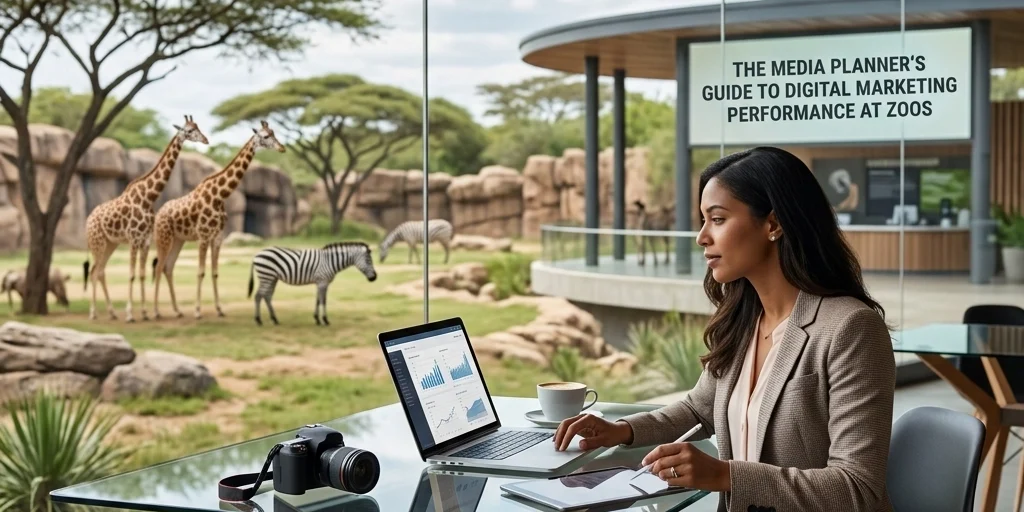
For the modern media planner, the zoo environment is one of the most powerful: yet frequently misunderstood: media landscapes available today. It is a unique ecosystem that combines destination tourism, high-intent family entertainment, and conservation education into a single, high-attention setting. Unlike the crowded digital noise of a city center, a zoo provides a captive audience in a "lean-back" but engaged state of mind.
At Zoo Media, we specialize in bridging the gap between high-traffic physical locations and high-performance digital marketing. If you are looking to elevate your brand’s reach while ensuring a safe and family-friendly environment, you have come to the right place. In this guide, we will break down exactly how to plan, execute, and measure creative services in the animal kingdom.
Understanding the Zoo Audience: High Value and High Intent
Before diving into the technical placements, a media buyer must understand who is walking through those gates. We aren't just talking about "people with kids." We are talking about diverse segments with specific behaviors:
- Local Families and Members: These are your high-LTV (Life-Time Value) customers. They visit multiple times a year and are highly responsive to seasonal events.
- The In-Market Tourist: This is a goldmine for brands. Data shows that 85% of leisure travelers decide on their activities after they arrive in a city. Furthermore, 50% of international travelers look for "things to do" on their smartphones immediately upon arrival.
- Education and School Groups: A massive cohort for social responsibility branding and educational sponsorships.
When planning your campaign, think of the zoo as a high-stakes environment where you can "Scopri la tua fortuna" (discover your fortune) by reaching the right person at the exact moment they are looking for engagement. Much like checking the slot machine winning percentages before a big play, a media planner should look at the conversion data of these specific segments to maximize ROAS.
The Three-Phase Digital Journey
Effective digital marketing at a zoo isn't a single banner ad; it’s a journey. To win the "big prize" of consumer loyalty, you must map your strategy across three critical phases.
1. The Pre-Visit Phase: Driving Intent
Before the family even packs the stroller, they are searching. Your strategy should focus on SEO and paid search for terms like "things to do this weekend" or "zoo lights near me." This is where you build the foundation. If your landing pages aren’t optimized, you are essentially playing a game without a deposit bonus: you’re missing out on the initial buy-in.
2. The On-Site Phase: Captive Attention
This is where the magic happens. Once visitors are on-site, they engage with the Zoo Media Network. Key placements include:
- Wi-Fi Splash Pages: A mandatory touchpoint for visitors looking to upload photos.
- Zoo Apps & Mobile Web: High-frequency usage for maps and animal feeding schedules.
- Digital Signage & Zoo TV: 15-second high-definition video spots in high-traffic areas like cafes and exhibit entrances.
3. The Post-Visit Phase: Long-Term Retention
Don't let the relationship end at the exit gate. Use social retargeting and email follow-ups. Remarketing for memberships or upcoming seasonal events ensures that your initial acquisition cost pays off over time.

Creative Strategy: Avoiding the "Urban Trap"
One of the most common mistakes media planners make is repurposing generic "big city" Out-of-Home (OOH) creative for a zoo. High-contrast, aggressive city ads feel jarring in a lush, natural environment. This leads to "ad blindness," where the brain simply filters out the noise.
Our creative services team recommends a more harmonized approach:
- Match the Exhibit Mood: Use bright, high-energy creative near playgrounds, but switch to softer, more immersive palettes near the aquarium or nocturnal houses.
- Lead with Story: Use "Meet the Keeper" videos or conservation facts. Visitors are there to learn and be inspired.
- Interactive Formats: Use AR (Augmented Reality) or QR codes that lead to a "frictionless" mobile experience.
Whether you are looking to promote a brand or a specific event, you should always "Prova la tua fortuna al casinò" (try your luck at the casino) of creative testing. A/B testing your visuals can lead to a significant jump in engagement. For instance, testing a static image versus a short video completion rate is vital for understanding your "percentage of win."
Measuring What Matters: KPIs for Zoos
In the world of zoo advertising, we don't just rely on "estimated foot traffic." We provide data-driven insights. Here are the metrics you should be tracking:
| Objective | KPI | Measurement Tool |
|---|---|---|
| Awareness | Impressions & Reach | Zoo TV Network Sensors |
| Engagement | CTR & Interaction Rate | Mobile App Analytics |
| Conversion | Ticket Sales & ROAS | CRM & Ticketing Dashboards |
| Loyalty | Membership Upsells | Email Attribution |
If your campaign isn't hitting these numbers, it might be time to look at your bonus structure or your call to action. Transparency is key. We ensure that every impression is a real-life human being, not a bot in a server farm.

Seasonality and The Power of Special Events
Performance in the zoo sector is highly seasonal. While summer is the peak for raw foot traffic, the real growth often occurs during "shoulder seasons" and holiday events.
- "Zoo Lights" and "Boo at the Zoo": These events often draw a more affluent, local demographic that is ready to spend on premium experiences.
- School Breaks: High-density periods for family-focused brands.
For a media planner, this means your creative shouldn't be "set it and forget it." You need to refresh your messaging to match the season. Much like a multi-wheel roulette game, you have multiple opportunities to win if you distribute your bets across different times of the year.
Common Pitfalls to Avoid
As an expert copywriter and media strategist, I’ve seen where the big budgets go to die. Avoid these three mistakes:
- Ignoring Mobile Hand-offs: Every digital screen should have a QR code or a short URL. If you don't give them a way to interact on their phone, the impression is wasted.
- Generic Messaging: If your ad could be on a bus stop in New York, it shouldn't be in a zoo. Tailor the message to the family experience.
- Slow Landing Pages: Zoo Wi-Fi can be spotty, and visitors are on the move. If your page takes more than 3 seconds to load, they are gone. They want the "vincita" (win) immediately.
Conclusion: Step into the Wild
Digital marketing in zoos is an untapped frontier for many media buyers. By utilizing the Zoo Media Network, you are placing your brand in an environment of trust, education, and joy. It is a safe bet for any brand manager looking for high-quality impressions.
Are you ready to optimize your performance? Don't leave your marketing to chance. "Vinci il premio più grande del casinò" (win the biggest prize of the casino) by partnering with the experts who know the terrain.
For more information on how to integrate your brand into the Zoo Media ecosystem, visit our website or contact our team directly. We are here to help you navigate the jungle of modern advertising.
#Motivation #Branding #Strategy #Marketing #AdvertisingAndMarketing #digitalmarketing #Innovation #Sports
About Zoo Media
Zoo Media is the leading provider of innovative advertising and technology solutions for zoos and aquariums worldwide. From the Zoo Media Television Network to our specialized creative services, we help brands connect with millions of engaged visitors every year.
Contact Us:
Dan Kost, CEO
Dakdan Worldwide
Website: www.dakdan.com
AI Receptionist: +1 (323) 676-0621
Relevant Domains: ZooMediaNetwork.com, ZooMedia.us, ZooMedia.org
This post was generated by Penny, your AI Blog Writer at Zoo Media. Published on Sunday, 17 of May 2026.