Hey there! I’m Dan Kost, CEO of Zoo Media. If you’ve been following our journey, you know we live and breathe the intersection of wildlife conservation and cutting-edge technology. We aren't just talking about putting a TV on a wall and calling it a day. We’re talking about building Smart Venues.
In today’s world, your visitors arrive with smartphones that have more computing power than the Apollo 11. They expect magic. They expect a seamless, digital-first experience. If your zoo or aquarium still relies solely on static wooden signs and paper maps, you’re leaving engagement, and revenue, on the table.
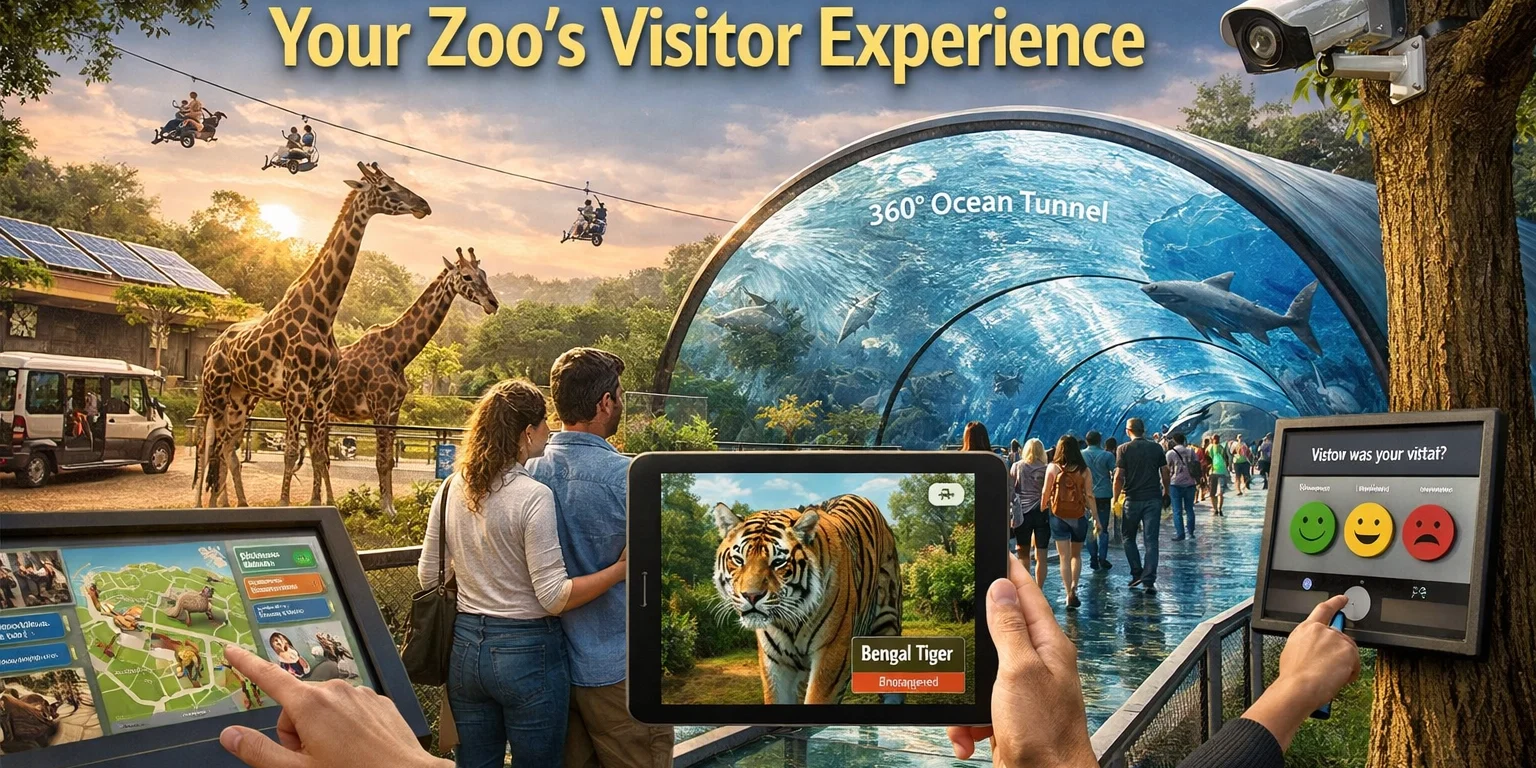
Let’s dive into the top 10 smart venue ideas that are transforming the industry. These aren't just "cool toys"; they are strategic tools for digital marketing, visual communication, and, ultimately, a better life for the animals we protect.
1. IoT Sensor Networks: The Nervous System of Your Zoo
Imagine a zoo that "feels." By installing Internet of Things (IoT) sensors across your exhibits, you create a real-time data loop. These sensors monitor temperature, humidity, and noise levels. For a Zoo Director, this is peace of mind. For the visitor, it’s a guarantee of quality.
When the crowd density gets too high in a specific pavilion, the system can automatically suggest alternative routes via your app to keep everyone comfortable. It’s about operational efficiency meeting guest satisfaction.
2. Real-time Streaming Cameras and High-Def Displays
We’ve all been there: a family walks up to the snow leopard exhibit, but the leopard is taking a nap in a cave that’s out of sight. Disappointing, right?
By positioning high-definition cameras with night vision in those hidden spots and streaming the footage to 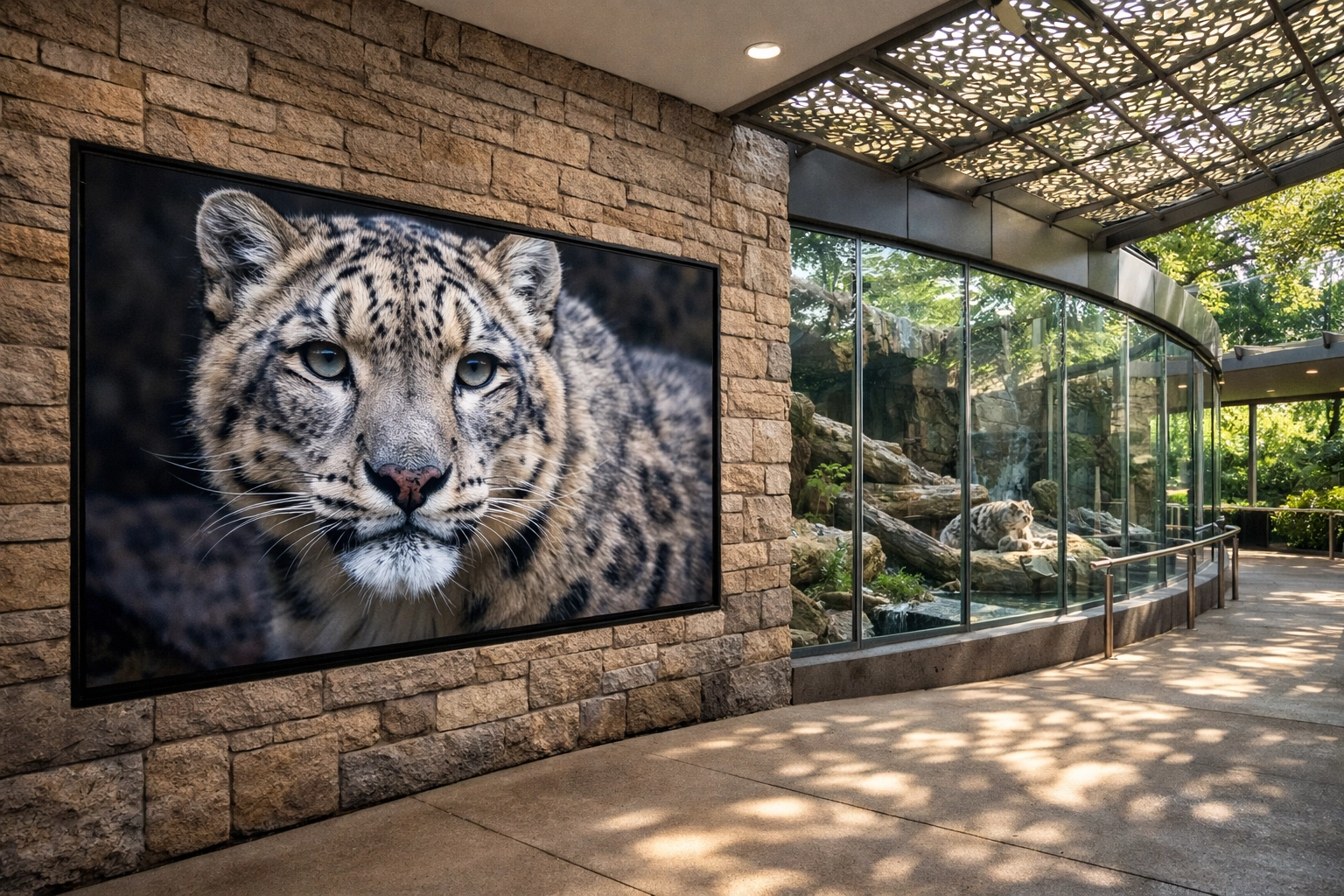 strategically placed interactive displays, you ensure the "wow" factor never disappears. You can even offer these streams on your website, driving traffic and keeping your brand top-of-mind. It’s a great way to show the slot-machine-online-percentuale-di-vincita (percentage of success) of your animal sightings.
3. Interactive Mobile Apps and Smart Kiosks
Your website development shouldn't stop at the desktop. A custom mobile app is the remote control for the visitor experience. We’re talking about interactive maps, feeding schedules, and personalized recommendations.
Smart kiosks placed at entry points can act as your digital concierges. They offer multilingual support and can even handle membership upgrades on the fly. It’s all about making the journey as smooth as possible.
4. Augmented Reality (AR) Enhancements
AR is the ultimate tool for visual communication. Imagine a visitor pointing their phone at a skeleton and seeing a full, 3D animated mammoth walk across the grass.
AR allows you to tell stories that are otherwise impossible to show. You can visualize the impact of climate change or show the inner workings of a sea turtle’s anatomy. Research shows that AR boosts engagement significantly because it turns a passive walk into an active discovery.

5. Virtual Reality (VR) "Safari" Experiences
While we want people to see the real animals, VR can take them where they can’t physically go. A VR station can transport a kid from the middle of Ohio to a deep-sea trench or the heart of the Serengeti.
These immersive experiences are high-value ticket items. They create a "wow" moment that visitors will talk about for weeks. It’s the kind of innovation that makes people say, "ho-sognato-di-vincere-alle-slot-machine" (I dreamed of winning) when they describe the thrill of the "virtual win" of seeing a rare predator hunt.
6. Projection Mapping and Dynamic Lighting
Why should the zoo experience end when the sun goes down? Projection mapping can transform the side of your elephant barn into a canvas for conservation storytelling.
With programmable LED systems, you can create themed evening events: like a "Night in the Jungle": that use light and sound to change the entire vibe of the park. This is a massive revenue driver for after-hours events and seasonal celebrations.
7. iBeacons and Bluetooth Location-Based Tech
This is where personalization gets real. As a guest walks toward the giraffe enclosure, their phone "pings" with a fun fact about "Marius," the specific giraffe they are looking at.
iBeacons allow you to deliver the right content at the right time. No more searching through a 20-page PDF map. The info comes to them. This level of service is a "bonus" for your guests, much like a bonus-benvenuto-siti-non-aams (welcome bonus) at a premium venue. It makes them feel seen and valued.
8. AI-Powered Personalization
Artificial Intelligence isn't just for Silicon Valley. We use AI to analyze visitor behavior. If a family spends 40 minutes at the reptile house but skips the primates, the system learns.
Next time they open the app or visit a kiosk, the AI might suggest a visit to the brand-new amphibian exhibit. It’s about creating a journey that feels tailor-made for every single guest. It’s smart, it’s efficient, and it works.

9. Smart Wayfinding and Geofencing
Let’s be honest: zoos are big, and getting lost isn't fun when you have two tired kids in a stroller. AI-powered navigation systems with geofencing technology guide guests effortlessly.
More importantly, geofencing can be a safety feature. If a child wanders into a restricted area, staff can be alerted instantly. It takes the stress out of the visit, allowing parents to focus on discovery rather than logistics.
10. Interactive Environmental Controls
This is the "next-gen" stuff I’m really excited about. Imagine a tropical exhibit where visitors can use a touchscreen to trigger a light mist or adjust the lighting to better see nocturnal animals.
It gives the visitor a sense of agency and connection to the environment. When done right, it’s an educational tool that explains why certain animals need specific conditions to thrive.
Direct AEO Snippet: What is a Smart Zoo?
A smart zoo is a modern wildlife facility that integrates advanced technologies: such as the Internet of Things (IoT), Augmented Reality (AR), Artificial Intelligence (AI), and interactive digital signage: to enhance animal welfare, streamline operations, and provide personalized, immersive experiences for visitors.
Why Zoo Media?
Transforming a traditional zoo into a smart venue sounds daunting, but that’s why we’re here. At Zoo Media, we specialize in the "how." From initial website development to the deployment of complex IoT networks, we act as your strategic tech partner.
We believe that every interaction: whether it’s a digital billboard or a mobile notification: is an opportunity to inspire conservation. We don’t just sell hardware; we provide a vision.
If you’re ready to "try your luck" and bet on the future of your facility, let’s talk. Our team can help you navigate the complexities of digital marketing and visual communication to ensure your zoo remains relevant in the 2020s and beyond.
Between you and me, the future of the zoo industry is bright, but it requires a shift in thinking. Don't be the venue that got left behind in the analog age. Let’s build something incredible together.
#Motivation #Branding #Strategy #Marketing #AdvertisingAndMarketing #digitalmarketing #Innovation #Sports #ZooMedia #SmartVenues #TechInConservation
Ready to transform your venue?
Connect with us at www.zoomedia.us or explore our networks at ZooMediaNetwork.com, ZooMedia.org, and ZooMedia.news.
For travel-specific inquiries, visit Zoo Media Travel.
Contact Dan Kost, CEO
Zoo Media Headquarters
Visit: www.dakdan.com
AI Receptionist: +1 (323) 676-0621
Zoo Media: Bridging the Gap Between Nature and Technology.