Let’s be honest: running a zoo or an aquarium is a wild business, literally. Between the 4:00 AM feedings and the constant battle against rogue squirrels stealing snacks from the concession stands, the last thing on your mind might be your corporate identity. But here’s the reality check: your brand isn’t just a logo slapped on a souvenir t-shirt. It’s the entire heartbeat of your institution.
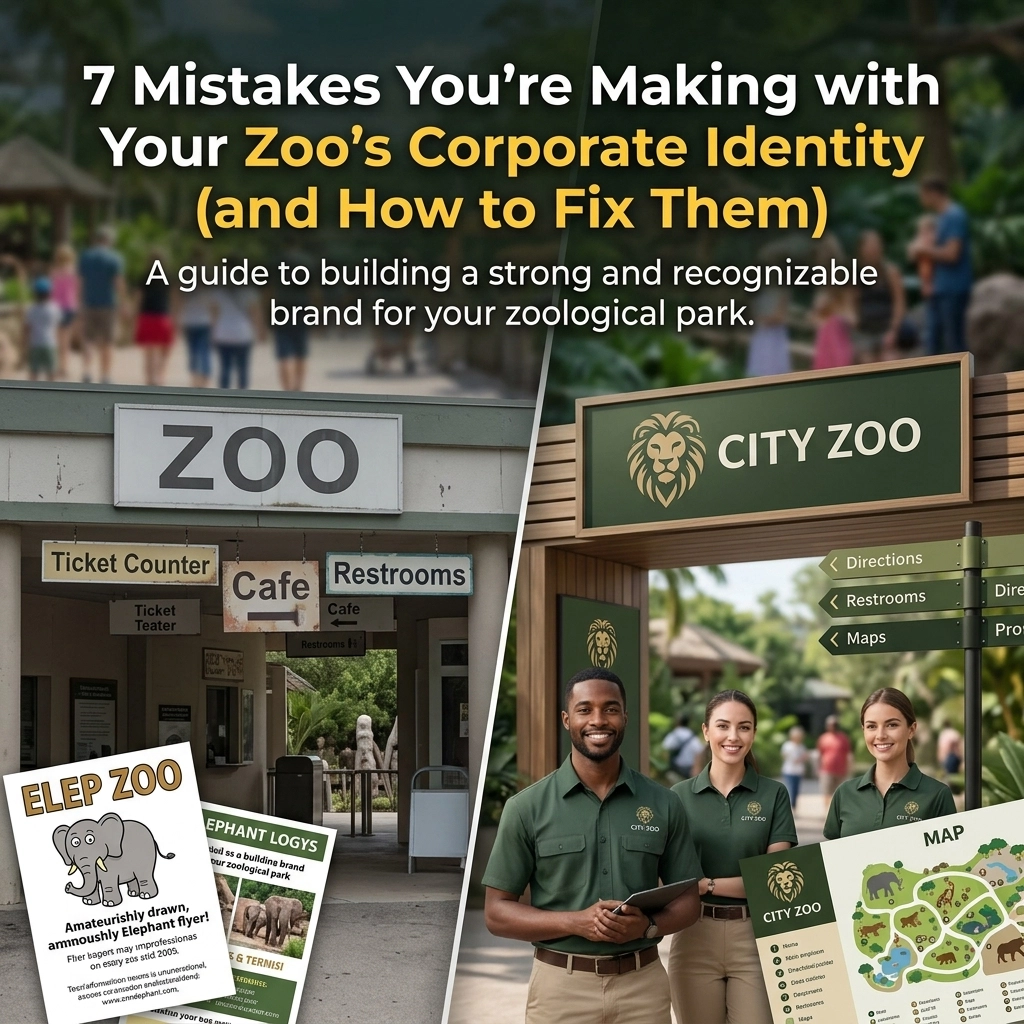
If your visual communication is stuck in the late '90s or if your messaging is as generic as a bag of peanuts, you’re leaving money and visitor engagement on the table. Think of your brand like a habitat; if it’s cluttered, outdated, or confusing, the "inhabitants" (your visitors) won't want to stay. At Zoo Media, we see these pitfalls every day. As a leading branding agency specialized in creative services for the zoological world, we’ve identified seven common mistakes that could be sabotaging your success.
What are the most common zoo branding mistakes?
Common zoo branding mistakes include using overly complex logos (the "Every Animal Ever" syndrome), choosing outdated typography, maintaining inconsistent brand application across different channels, and relying on generic messaging like "Fun for the whole family." Fixes involve simplifying visual elements, creating a comprehensive brand style guide, and adopting a digital-first strategy to ensure a seamless visitor experience.
1. The "Every Animal Ever" Logo Syndrome
We get it. You love your lions, your tigers, and your bears (oh my!). But trying to fit all of them into one circular logo is a recipe for disaster. This is the most common mistake in corporate identity for wildlife institutions. When you cram a giraffe, a penguin, and a butterfly into a single graphic, you end up with a cluttered mess that is impossible to read from a distance.
The Fix: Choose a "Hero" species or a minimalist silhouette. Look at the most successful brands in the world: they don't tell the whole story in the logo; they evoke a feeling. Pick one strong visual element that represents your unique mission. Whether it’s a specific conservation success story or a local landmark, simplicity is your best friend. A clean logo scales better on business cards and looks sharp on a mobile screen.

2. Typography That Screams "2003 Called"
If your signage is still using Comic Sans, Papyrus, or that one "jungle" font with the vines growing off the letters, we need to talk. Typography is the "voice" of your brand. Using outdated or overly "theme-y" fonts undermines your credibility as a modern scientific and conservation-led institution. It’s like trying to win a high-stakes game without knowing the rules: you might get lucky, but the odds are against you.
The Fix: Select professional, contemporary typefaces. Use a mix of a bold sans-serif for headings and a clean, legible serif or sans-serif for body text. Modern visual communication relies on clarity. You want your visitors to focus on the message: like "Save the Rhinos": not on how hard it is to read the font. If you’re looking to tentare la fortuna with a rebrand, start with the type.

3. Inconsistent Brand Application Across Touchpoints
Is your website sleek and modern while your on-site wayfinding signs look like they were hand-painted in 1985? This "Brand Frankenstein" approach creates a massive disconnect. When a visitor experiences different "versions" of your zoo depending on where they look, it erodes trust. Consistency is the secret sauce of creative services.
The Fix: Create and enforce a Brand Style Guide. This document should be the "bible" for your marketing team and any outside branding agency you work with. It should include:
- Exact color hex codes (no more "kind of green").
- Logo placement rules.
- Tone of voice guidelines.
- Photography styles.
Whether someone is browsing your site at ZooMedia.us or standing in front of the gorilla exhibit, the experience should feel unified.
4. Generic Messaging (The "Fun for the Whole Family" Trap)
"A great day out!" "See amazing animals!" "Fun for all ages!"
If I can take your slogan and put it on the website of a local bowling alley or a mini-golf course and it still makes sense, you have a messaging problem. In the world of advertising, if you’re invisible, you’re losing. Generic messaging fails to differentiate you from the zoo three towns over.
The Fix: Develop a Unique Value Proposition (UVP). What do you do better than anyone else? Maybe you have the world’s most successful breeding program for red pandas, or perhaps your "Zoo Lights" event is an immersive tech masterpiece. Use your messaging to highlight these specifics. Don't be afraid to be a bit witty or bold. To truly vincere il premio più grande del casinò of public attention, you need to stand out.
5. Ignoring Design Fundamentals: Scalability and Color
Many zoos design their identity based on a beautiful illustration they saw on a large monitor. But what happens when that logo needs to be embroidered on a polo shirt? Or shrunk down to a 16×16 pixel favicon for a browser tab? If your logo relies on complex gradients and tiny details, it will fail the scalability test.
The Fix: Test your logo in "Single Color" and "Small Scale" modes. If it doesn't work in solid black and at one inch wide, it's not a functional logo. High-quality corporate identity must be versatile. Also, consider the psychology of color. While green and brown are obvious choices for a zoo, adding a vibrant "pop" color can help your brand feel more energetic and modern.

6. Treating Branding as a Logo, Not an Experience
A common mistake brand managers make is thinking their job ends once the new logo is printed. But your brand is everything. It’s the cleanliness of the restrooms, the smile on the face of the ticket taker, and the ease of finding a parking spot. If your visual identity promises "Innovation" but your physical facility feels neglected, your brand is lying to your visitors.
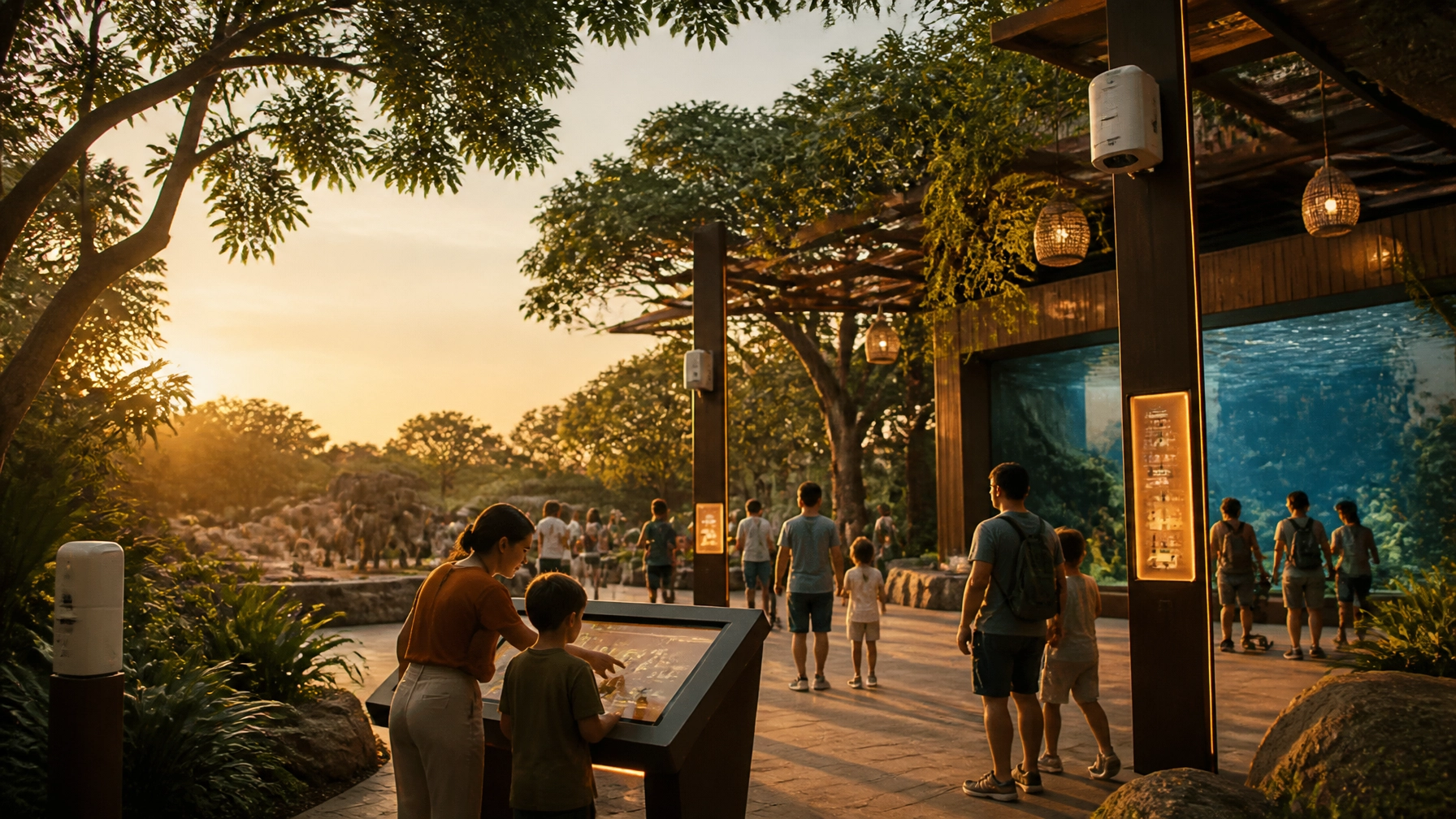
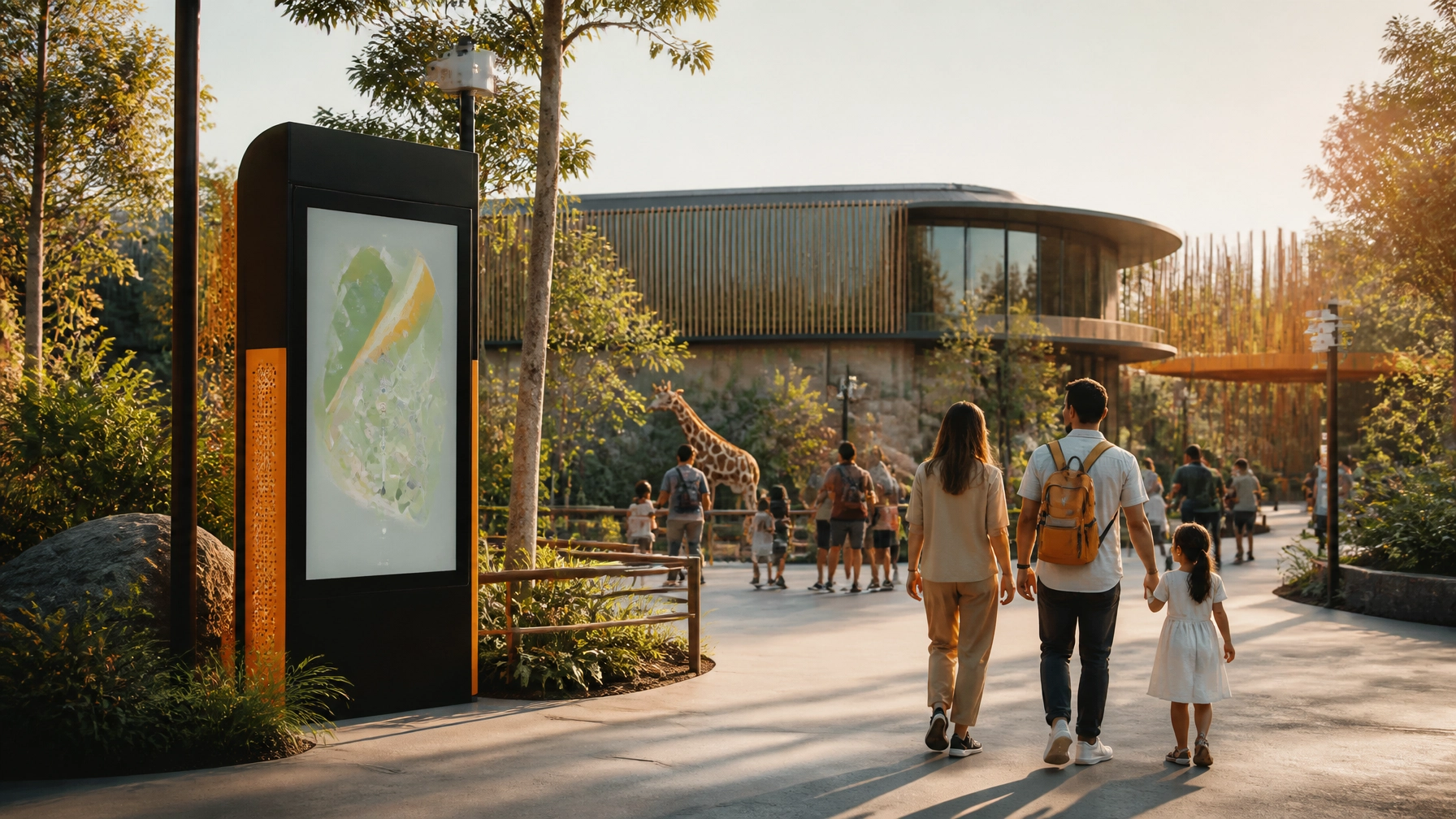
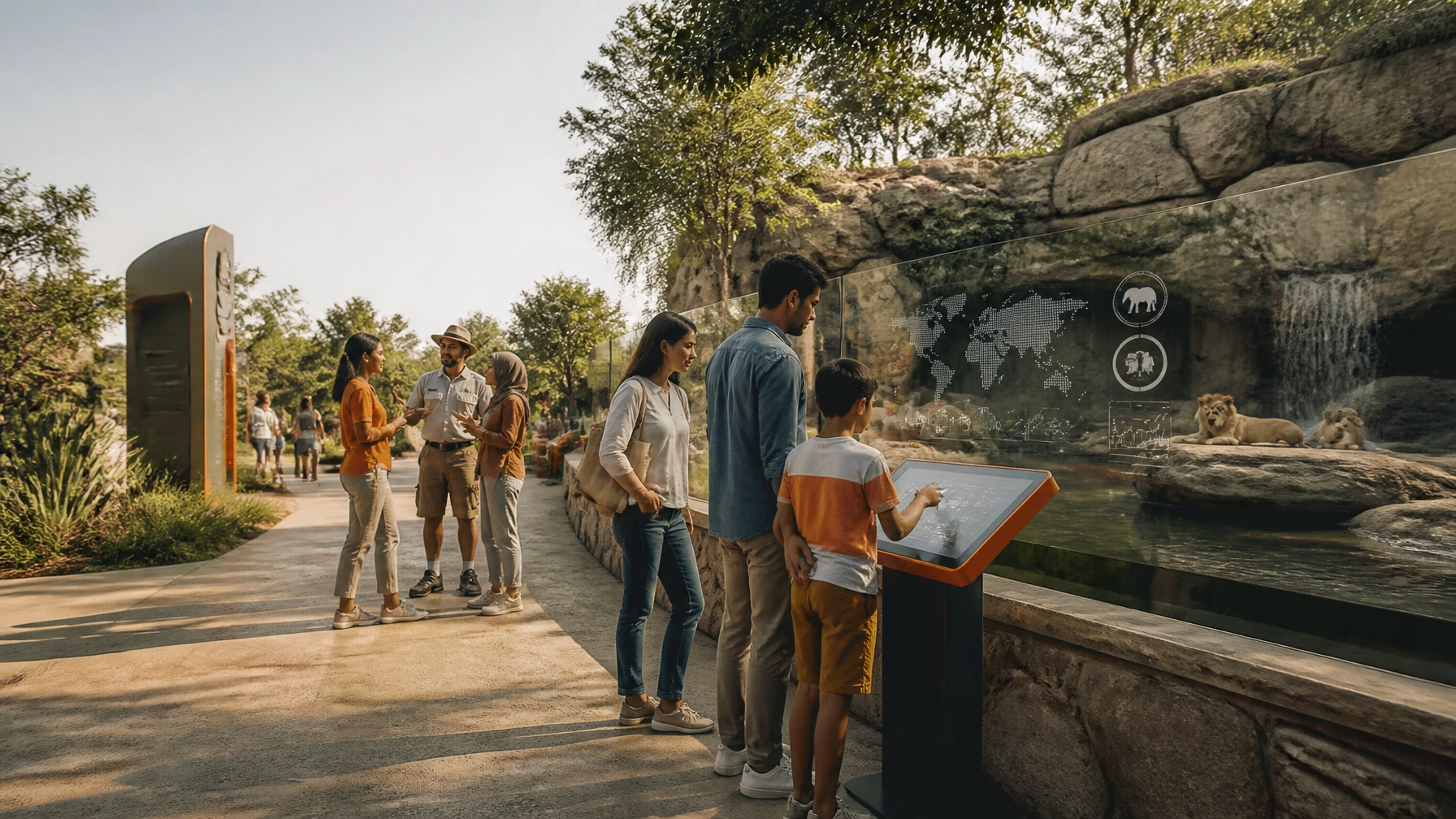
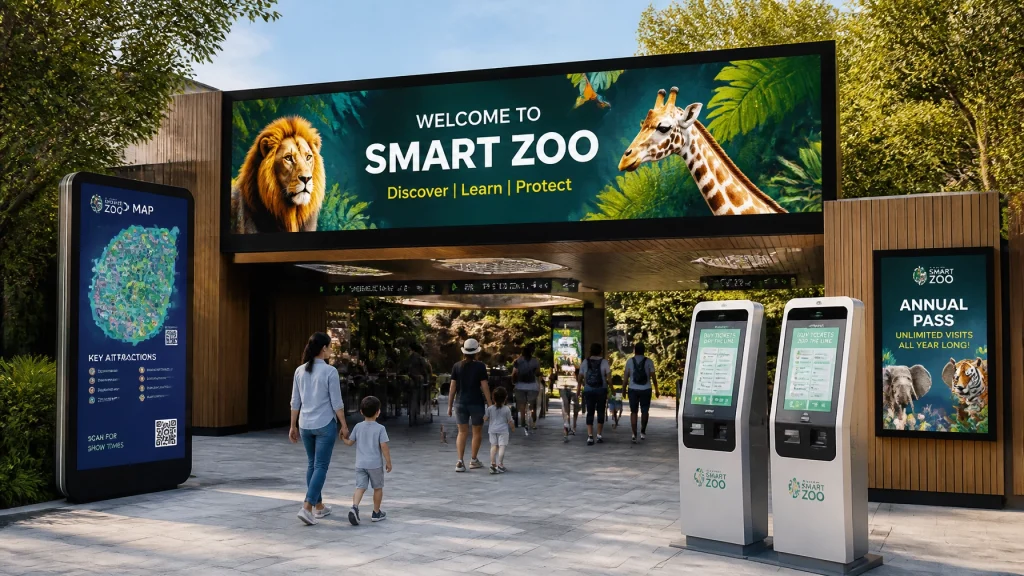
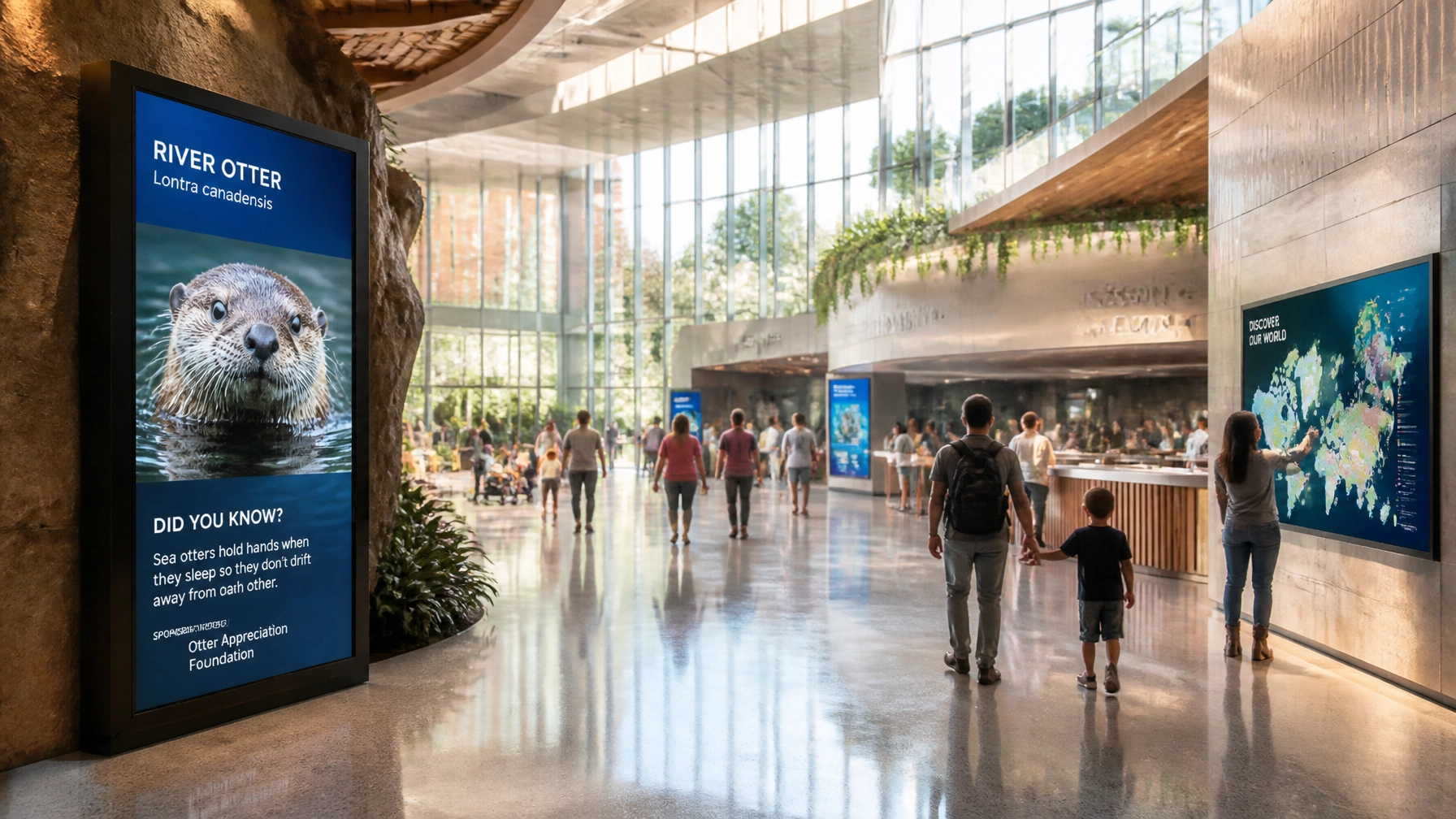
The Fix: Audit the "Visitor Journey." Walk through your gates as if it’s your first time. Is the signage helpful? Is the digital experience seamless? Branding is a holistic endeavor. Every touchpoint is an opportunity to reinforce your identity. At Zoo Media, we believe that digital marketing strategies should always align with the physical reality of the park. They’re tutti piuttosto rari: the zoos that actually master this: but the ones that do are the most profitable.

7. Neglecting Digital-First Strategies
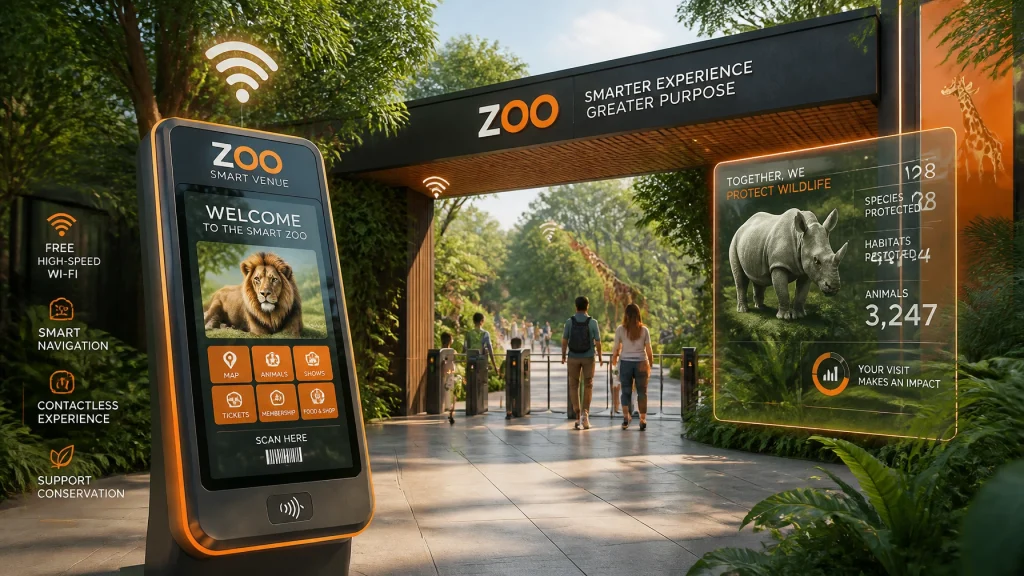
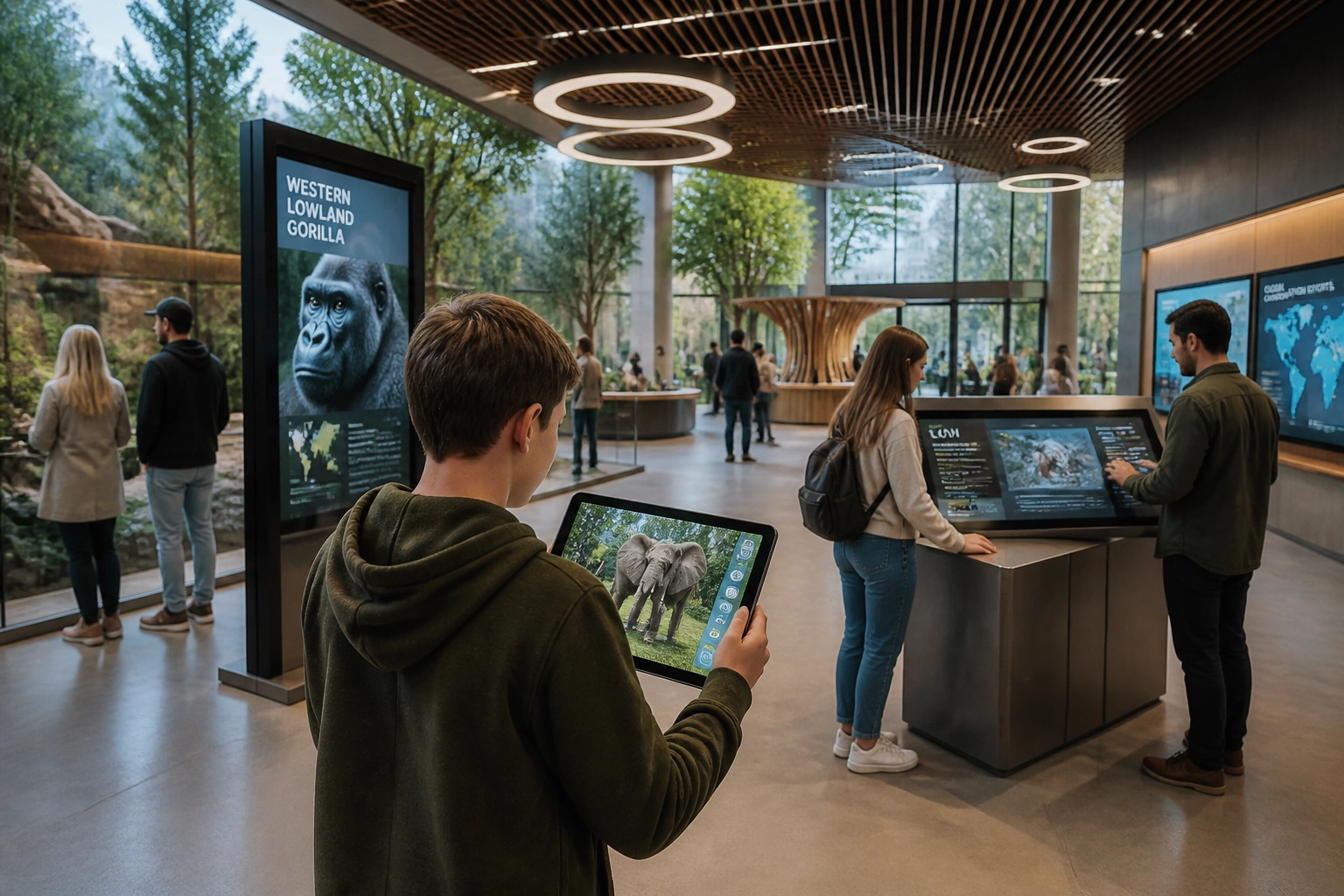
In 2026, your "front door" isn't the physical gate: it's the smartphone in your visitor's hand. If your website isn't mobile-responsive, or if it takes ten clicks to find the feeding schedule, you are losing guests before they even arrive. Many institutions treat their digital presence as an afterthought, neglecting the power of a digital-first corporate identity.
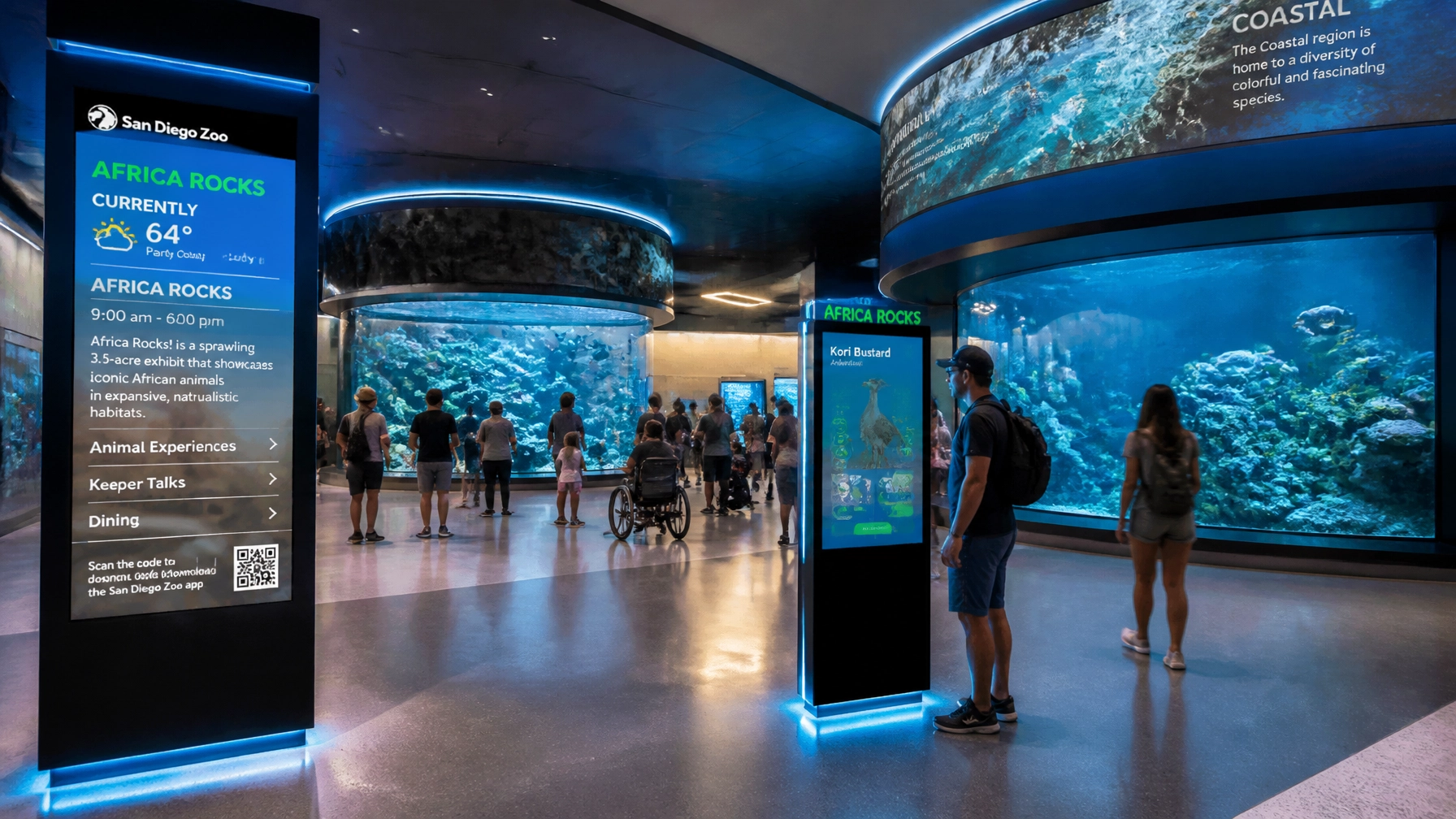
The Fix: Adopt a "Mobile-First" mindset. Ensure that your ticket purchasing process is as easy as playing a quick game of blackjack live. Use QR codes throughout the park that lead to interactive, brand-consistent content. Digital accessibility isn't just a trend; it's a requirement for modern visual communication.

Why Strategy Beats Luck Every Time
In the zoo world, some people think that as long as the animals are cute, people will come. While that might work for a while, it’s not a sustainable business model. Branding is an investment, not an expense. When you fix these seven mistakes, you aren't just making things "look pretty": rebranding is a calculated move to increase visitor loyalty, boost donations, and clarify your mission to the world.
Don't leave your brand's future to chance. Whether you're looking to refresh your look or build a new identity from the ground up, the right branding agency can help you navigate the jungle of modern marketing.
At Zoo Media, we specialize in making zoos and aquariums the "kings of the jungle" in their local markets. From creative services to high-level advertising strategies, we have the tools to help you win big.
Ready to evolve?
Discover how we can transform your institutional identity. Scopri la tua fortuna and let’s build something legendary together.
For more information on how to elevate your brand, visit us at www.zoomedia.us or reach out to our team.
Dan Kost, CEO
Zoo Media Network
www.dakdan.com
AI Receptionist: +1 (323) 676-0621
#Motivation #Branding #Strategy #Marketing #AdvertisingAndMarketing #digitalmarketing #Innovation #Sports #ZooMedia #CreativeServices
This blog post was brought to you by Zoo Media Network, your partner in innovative technology and marketing solutions for the zoological industry. For more updates, visit Zoo Media News Network and stay ahead of the curve.