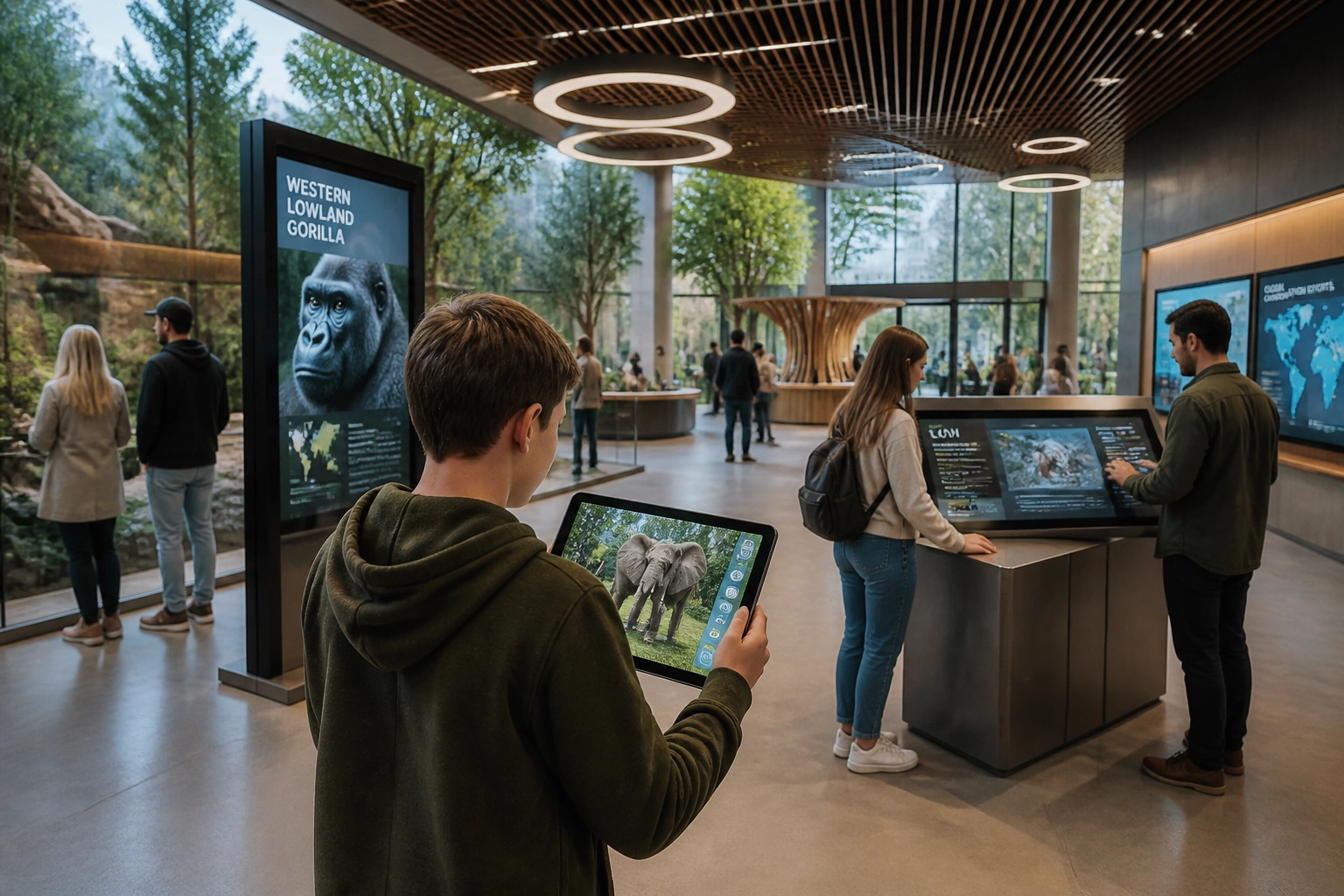
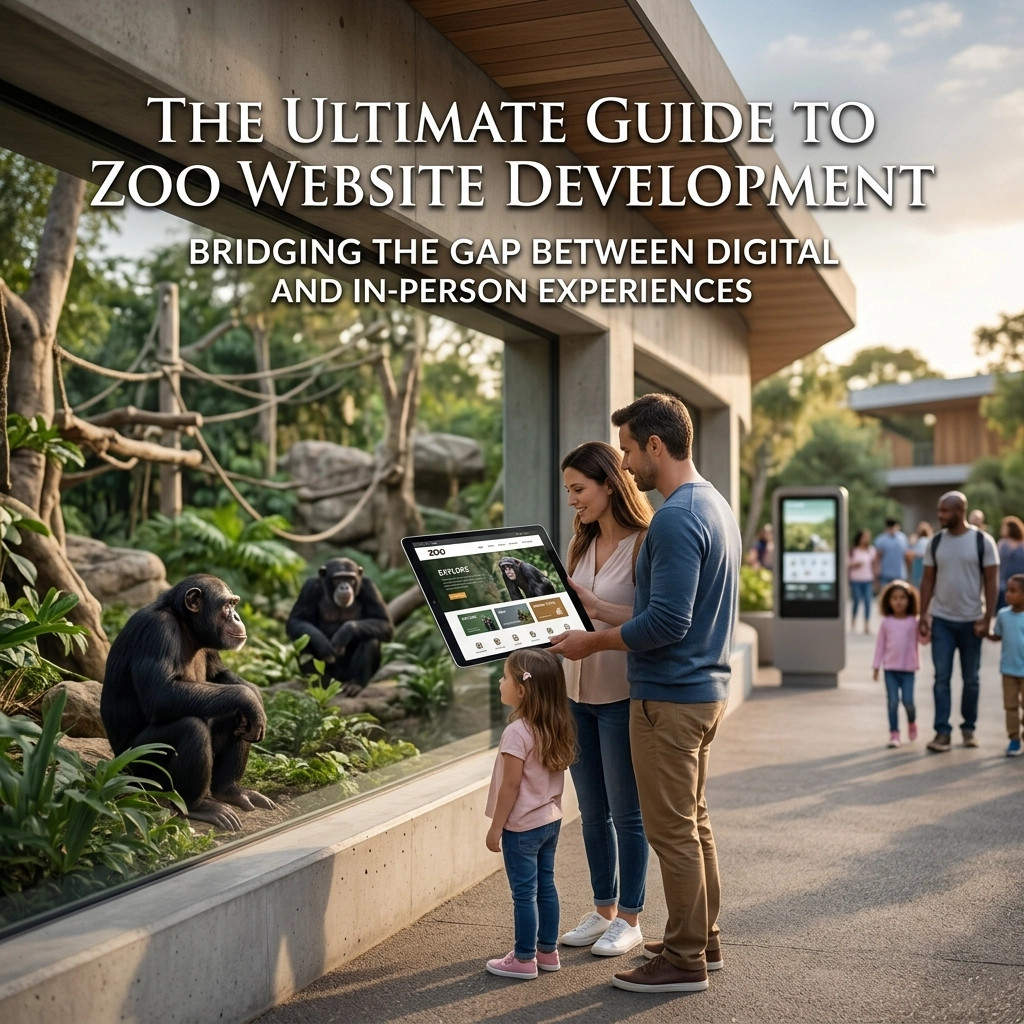
In the modern era, a zoo or aquarium is no longer just a physical location defined by fences and tanks. It is an ecosystem that begins the moment a potential visitor searches for "things to do this weekend" on their smartphone. At Zoo Media, we believe that the digital front door: your website: should be as immersive and exciting as standing three feet away from a silverback gorilla.
The gap between a user’s screen and the physical gravel of your pathways is shrinking. Through innovative website development, IoT integration, and smart signage, we are helping venues transform into "Smart Zoos." This guide explores how to build a digital platform that doesn’t just sell tickets but enhances every second of the visitor journey.
What is a Smart Zoo Website?
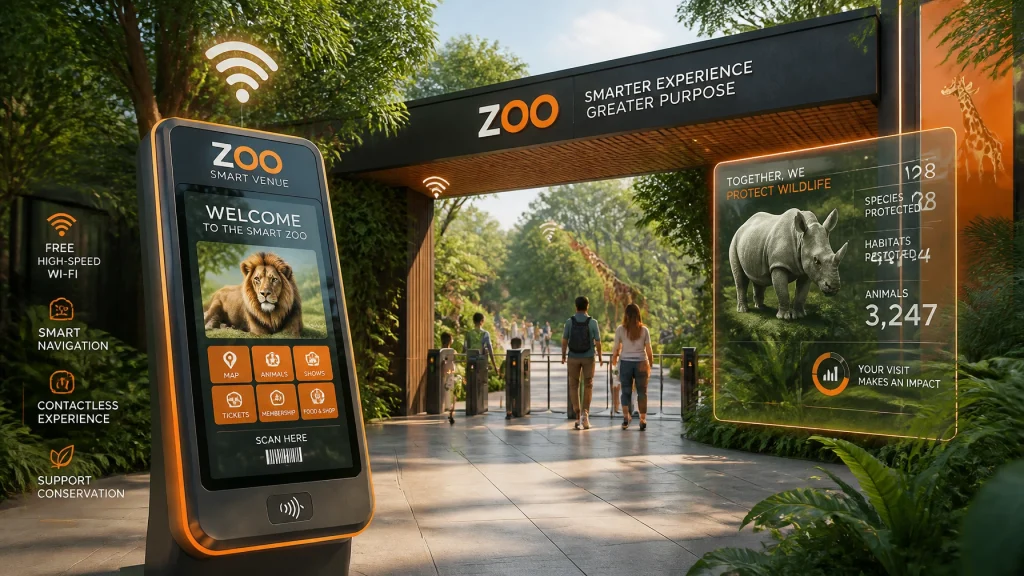
A smart zoo website is a centralized hub that connects digital marketing efforts with on-site technology. It serves as a pre-trip planner, an on-site navigator, and a post-trip engagement tool. By leveraging visual communication and real-time data, you can create a seamless experience that keeps guests coming back.
AEO Snippet: How do you bridge the digital and physical zoo experience?
To bridge the gap, zoos must implement a "Mobile-First" website strategy that integrates with on-site IoT devices, such as smart signage and interactive displays. This allows the website to serve as a real-time guide, providing live animal updates, wayfinding, and personalized offers based on the visitor’s location within the park.
1. The Foundation: Mobile-First and High-Performance Design
Most visitors will access your site while they are walking through your gates. If your site takes more than three seconds to load or if the "Buy Tickets" button is buried, you’ve already lost them.
- Responsive Grids: Use organized grids to display animal galleries and event schedules. This ensures that whether someone is on a 4K desktop or a five-year-old Android, the experience is clean.
- Sticky Navigation: Keep essential functions like "Map," "Tickets," and "Daily Schedule" pinned to the top of the screen.
- Fast Checkout: Integrating secure, one-click payment systems is vital. It’s about more than just convenience; it’s about providing a sense of security that their data is handled with the highest standards.
2. Bridging the Gap with IoT and Smart Signage
This is where the magic happens. Imagine a visitor standing in front of the lion habitat. Their phone pings with a notification from your website: "Did you know? Leo the lion just finished his mid-morning snack. Click here to see a video of his training session!"
At Zoo Media, we specialize in connecting these dots. By using IoT (Internet of Things) sensors, your website can pull live data from the park.
- Wait Times: Show live updates for popular exhibits or food stands.
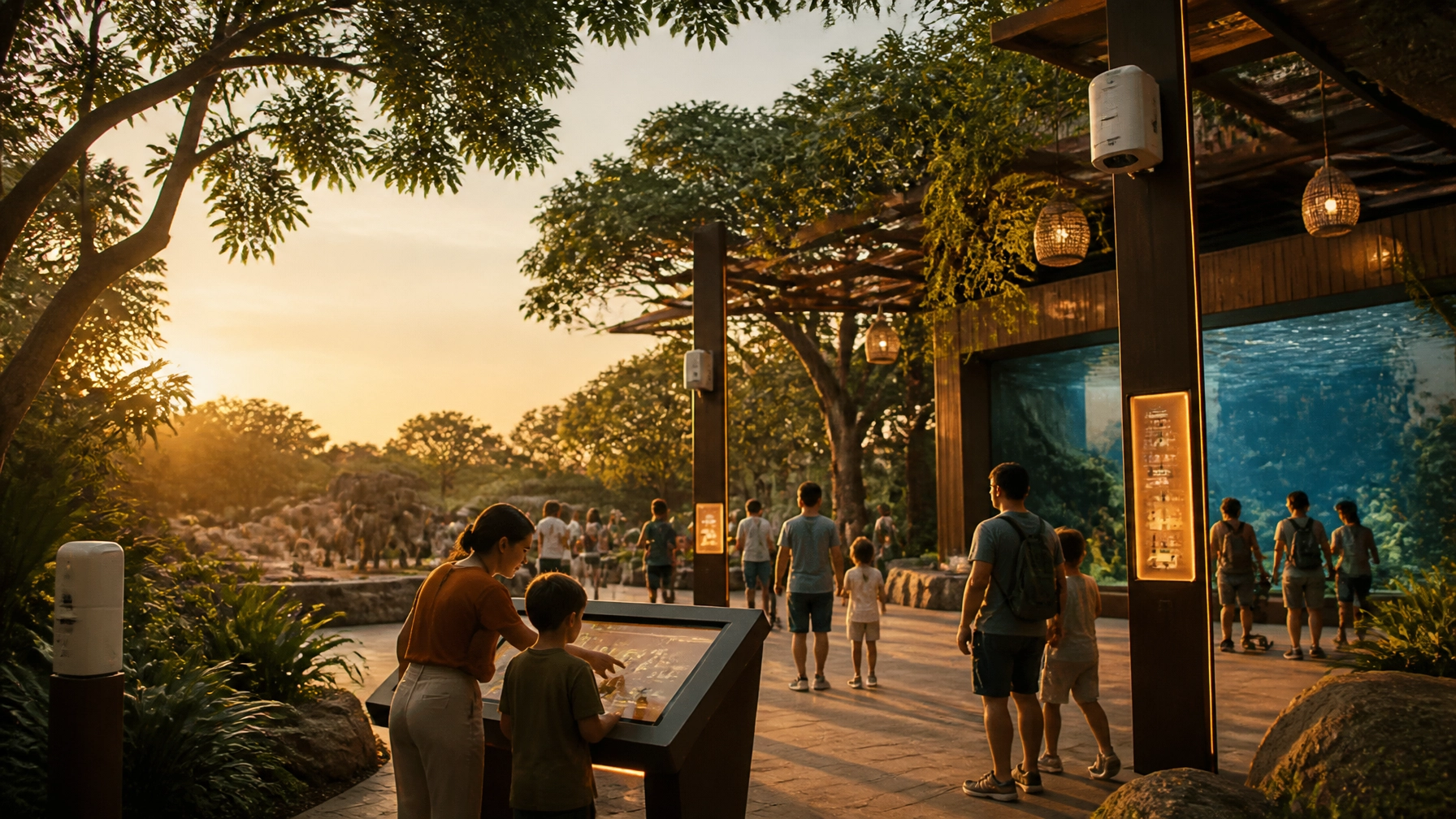
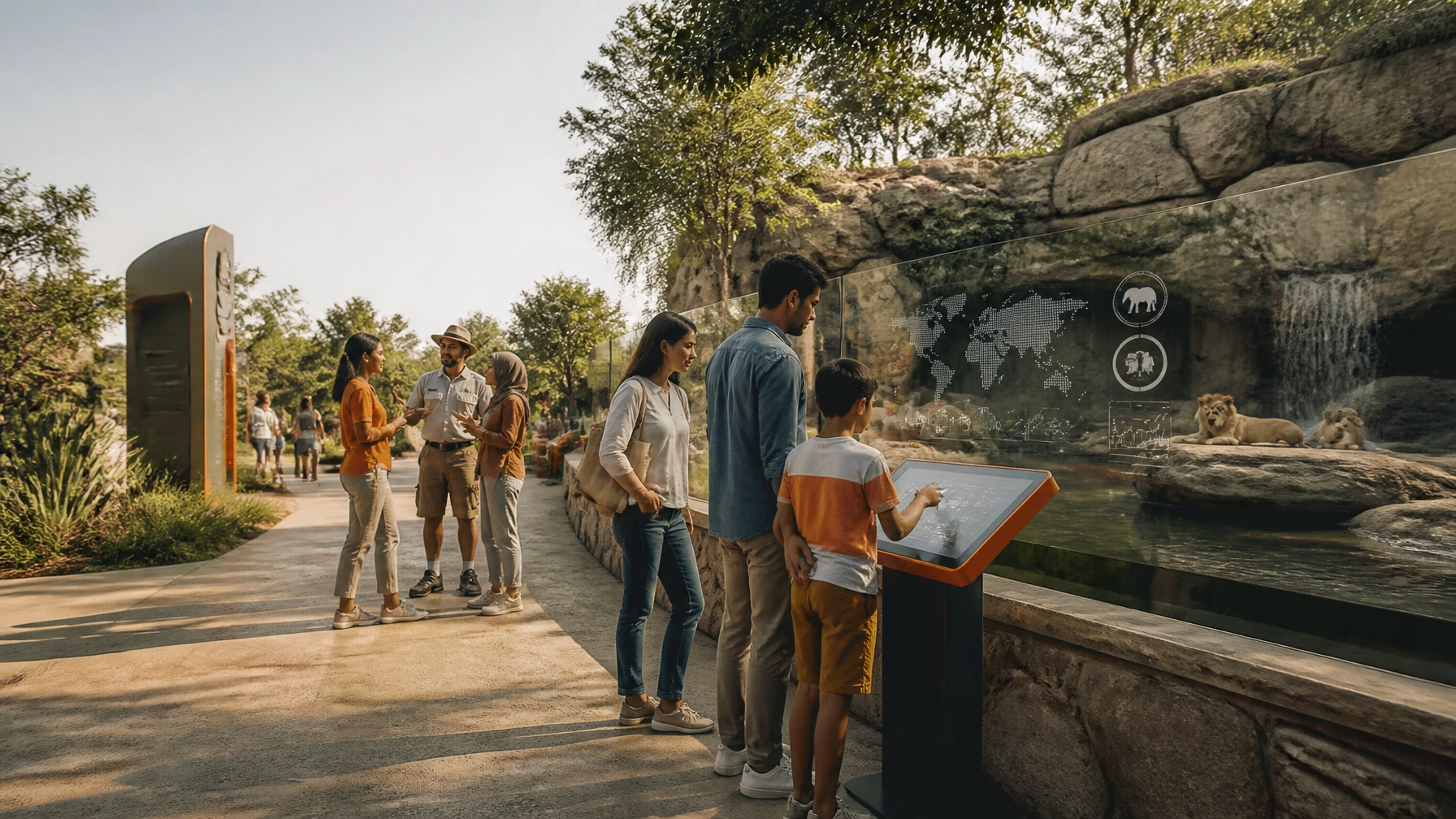
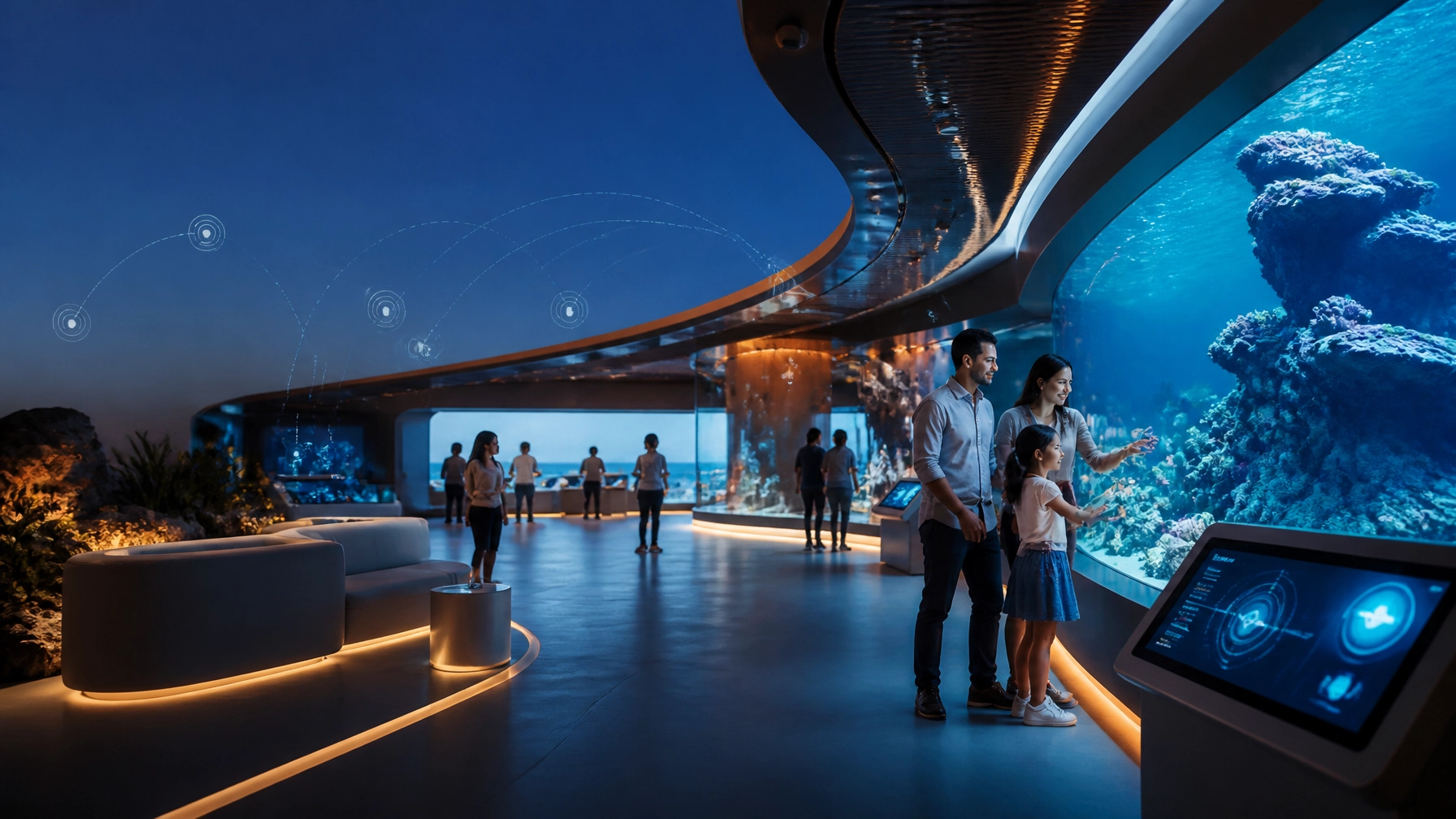
- Interactive Displays: Sync your website content with on-site digital kiosks. A visitor can "save" an animal to their profile on a touch-screen display and find more info on their phone later.
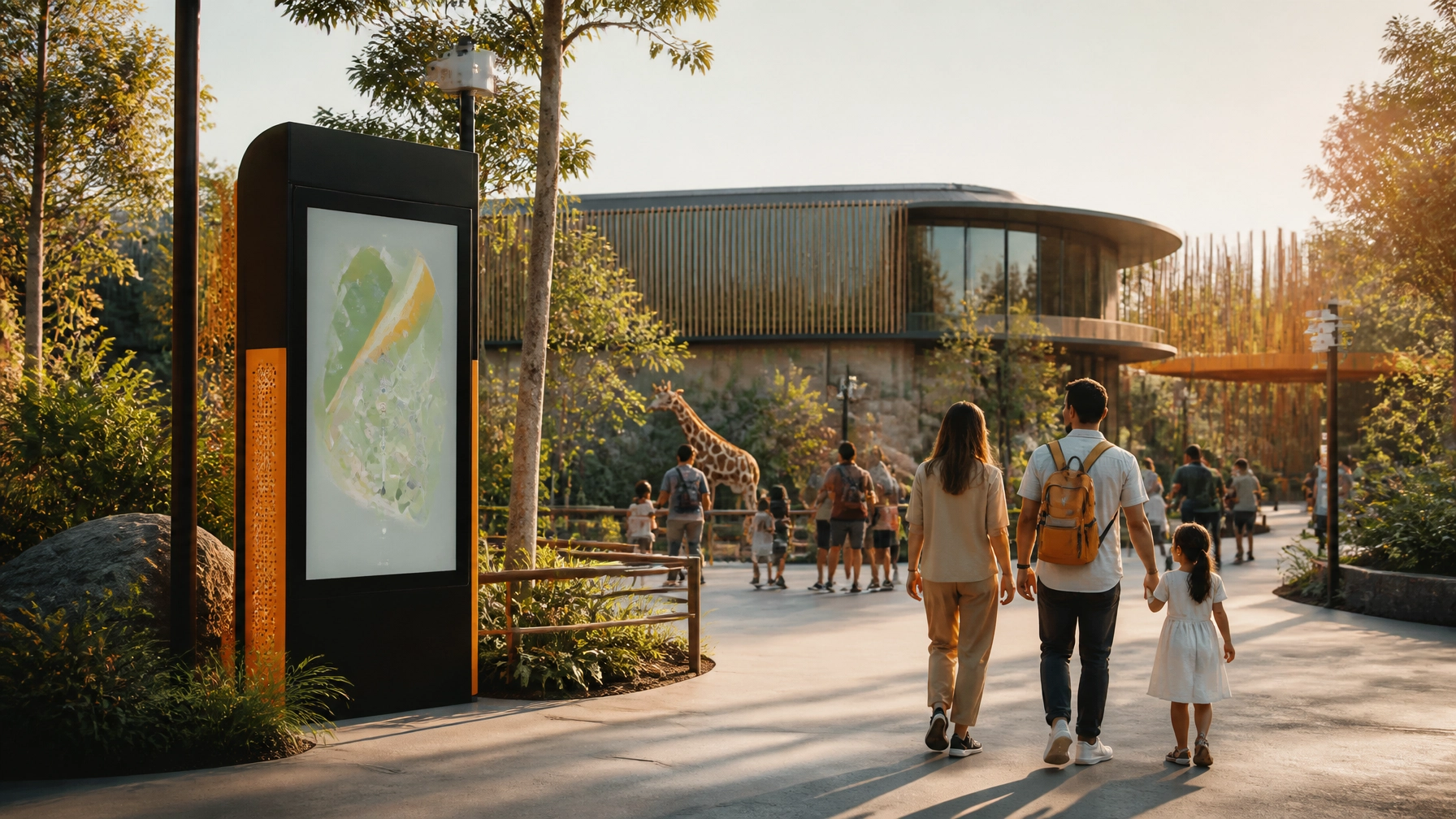
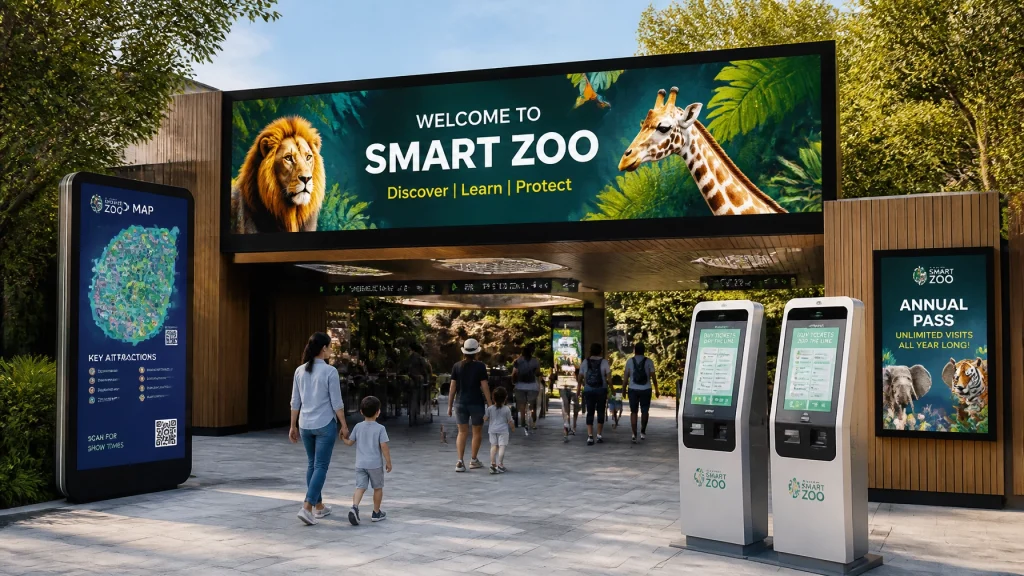
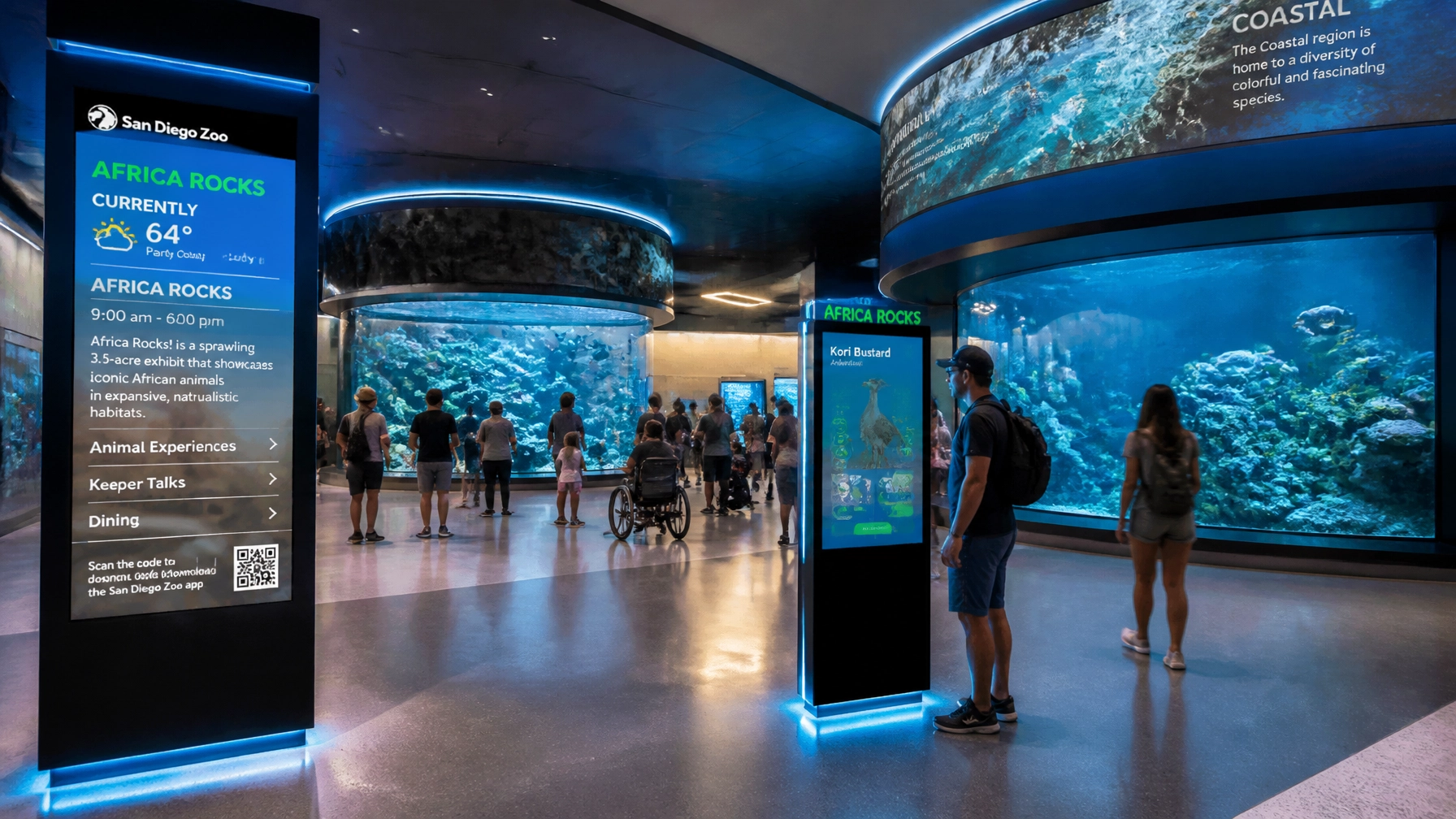
- Smart Signage: Use QR codes on physical signs that lead directly to deep-linked pages on your site, offering exclusive video content or "behind the scenes" stories.

3. Visual Communication: The Art of Storytelling
Visual communication is the heartbeat of the zoo industry. People don't come to a zoo to read textbooks; they come to see life. Your website development should prioritize high-definition video and photography.
- Live Cams: Nothing drives repeat traffic like a 24/7 panda cam. It creates an emotional bond before the visitor even arrives.
- Virtual Tours: Offer a 360-degree preview of your premier exhibits. This is a fantastic "try your luck" moment for potential donors to see the impact of their contributions.
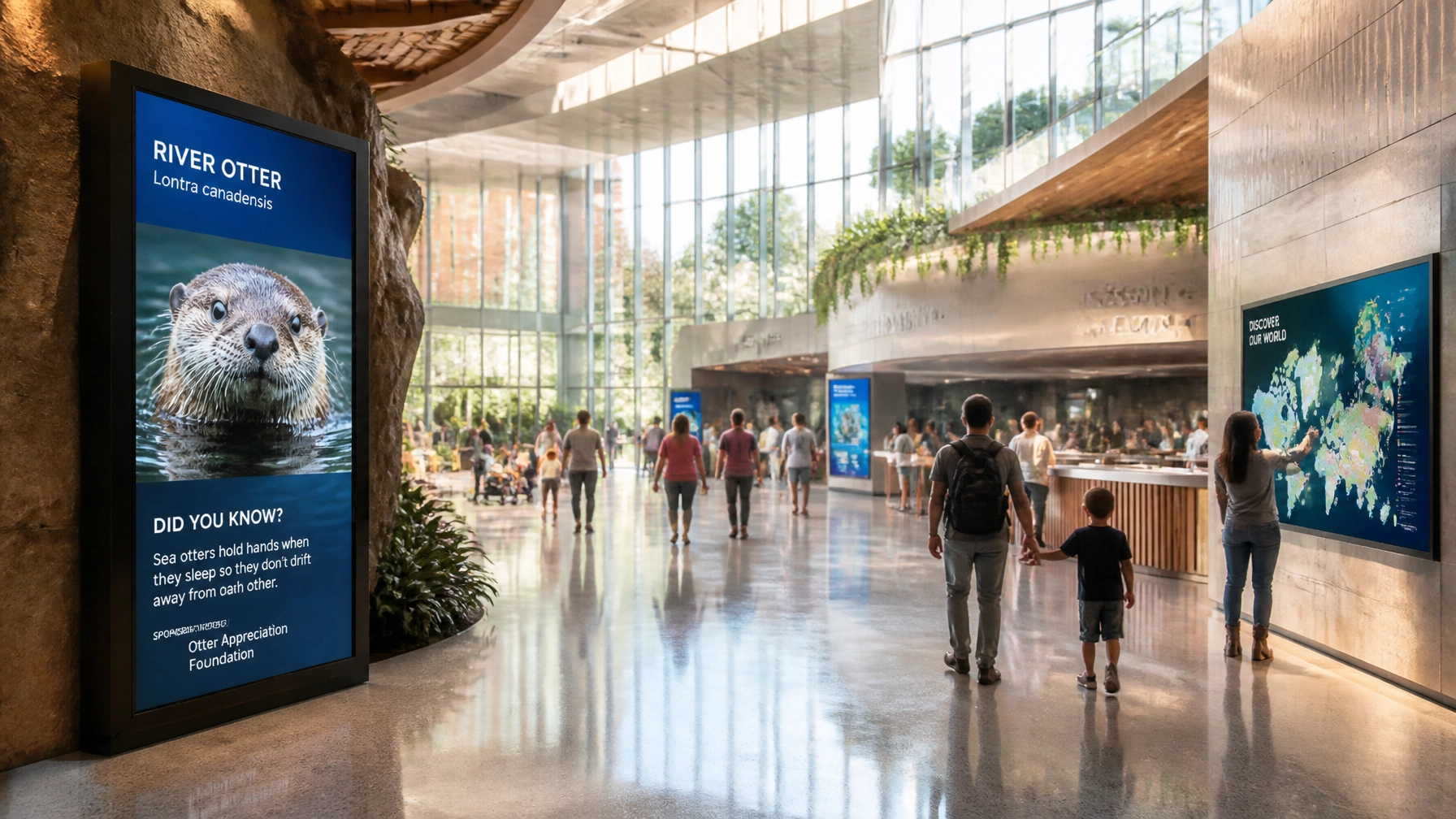
- Consistent Branding: Ensure your digital aesthetic matches your physical signage. Using the Zoo Media Logo or your own custom iconography across all platforms creates a sense of professional reliability.
4. Gamification: Engaging the Modern Visitor
Why do people love interactive apps? Because they offer a sense of challenge and reward. You can bring this same energy to your zoo website. We often see that incorporating "gaming" elements can significantly increase user time-on-site.
For example, you could host a "Digital Scavenger Hunt." Visitors find specific animals, scan a code, and unlock a digital badge. If you want to see how high-engagement digital platforms handle user interaction and "winning" moments, you can look at how modern interfaces manage slot machine in linea senza deposito or casinò Italia dove sono to understand the psychology of rewards and clear calls to action. While the industries are different, the goal of "keeping the user excited" remains the same.
5. Digital Marketing and SEO Strategy
A beautiful website is useless if no one finds it. Your SEO strategy should target both local "near me" searches and broader educational keywords.
- Content Marketing: Write blogs about conservation efforts, new births, and tech innovations in animal care.
- Local SEO: Ensure your Google Business Profile is synced with your website’s "Plan Your Visit" page.
- Social Integration: Make it easy for visitors to share their "lucky shots" of animals directly from your site to Instagram or TikTok.
6. Security and Trust in Digital Transactions
When visitors buy memberships or tickets online, they need to know their information is safe. Modern web development must include SSL certificates, encrypted payment gateways, and transparent privacy policies.
In the world of online transactions, whether it's a zoo membership or checking casino con prelievo sticpay, the user experience hinges on trust. We ensure that every digital touchpoint feels secure and professional, removing any friction from the "buying" process.

7. The Role of Zoo Media in Your Evolution
At Zoo Media, we don't just build websites; we build "Smart Venue" ecosystems. We understand the unique challenges faced by zoo directors and tech partners. You need a platform that is robust enough to handle 10,000 simultaneous ticket requests on a holiday weekend, yet simple enough for a child to use as a learning tool.
Our network, including Zoo Media Television Network and our various news outlets, provides a holistic approach to advertising and visual communication. We help you tell your story through every available channel.
Summary Checklist for Your Zoo Website:
- Is it fast? Check load times on mobile.
- Is it interactive? Integrate live feeds and IoT data.
- Is it visual? Use high-quality video over long text blocks.
- Is it secure? Use industry-standard payment encryption.
- Is it connected? Does the digital experience lead naturally to the in-person visit?
Try Your Luck with Innovation
Don't let your digital presence be a relic of the past. The opportunity to convert a casual browser into a lifelong conservationist is right at your fingertips. Discover your fortune in the world of smart technology and see how much your attendance can grow when you bridge the gap effectively.
Whether you are looking to revamp your entire digital strategy or simply want to introduce more interactive elements like gioco dei libri slot style engagement for your younger audience’s educational modules, the future is bright.
Ready to transform your venue?
Stop playing it safe and start playing to win. Your animals have amazing stories to tell: let’s make sure the world can hear them.
#Motivation #Branding #Strategy #Marketing #AdvertisingAndMarketing #digitalmarketing #Innovation #Sports
Contact Us Today
Zoo Media is a leader in innovative advertising and technology for zoos and aquariums.
Visit us at: www.zoomedia.us
For inquiries regarding our media network and strategic partnerships, contact:
Dan Kost, CEO
Zoo Media Network
Website: www.dakdan.com
AI Receptionist: +1 (323) 676-0621
This post was brought to you by Zoo Media News Network. Stay tuned for daily updates on the intersection of technology and wildlife conservation.