In the modern era of wildlife preservation, the "wait and see" approach is a relic of the past. Today, managing a zoo or an aquarium is as much about data science as it is about animal husbandry. As a director or a tech partner in this space, you are likely looking for ways to bridge the gap between conservation goals and operational efficiency.
The answer lies in the Internet of Things (IoT). By transforming your facility into a "smart venue," you don’t just improve the lives of the animals; you revolutionize the visitor experience and streamline your digital marketing efforts. At Zoo Media, we believe that the right technology isn't just a tool: it's a game-changer for the planet.
What is IoT in a Zoo Context? (AEO Snippet)
How does IoT help zoo conservation? IoT (Internet of Things) uses a network of interconnected sensors, GPS trackers, and smart software to monitor animal health, environmental conditions (temperature/humidity), and habitat security in real-time. This allows zoo managers to make data-driven decisions that improve animal welfare, optimize facility operations, and engage visitors through interactive visual communication.
1. The Pulse of the Habitat: Smart Sensors
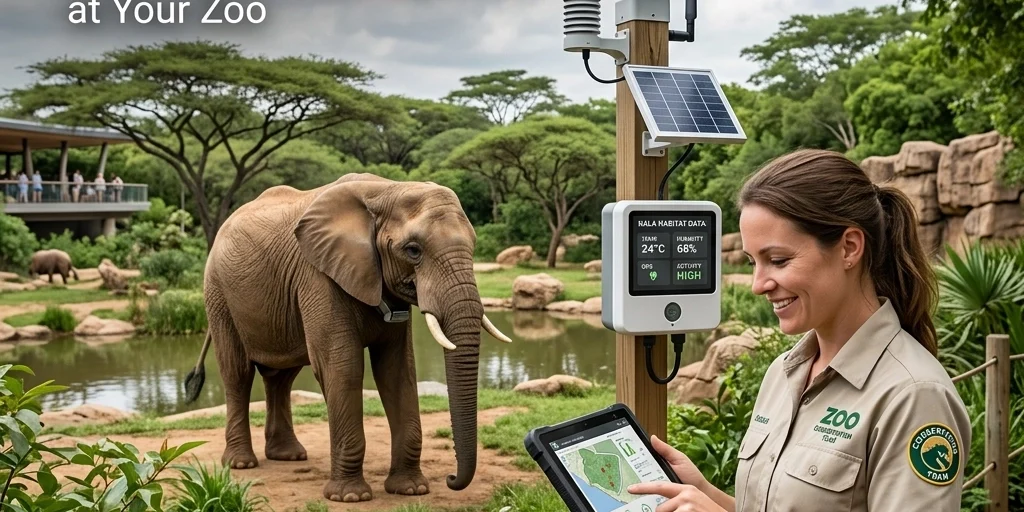
The foundation of any smart zoo is the sensor. Imagine having a 24/7 "pulse" on every enclosure. We aren't just talking about a thermometer on the wall; we’re talking about integrated systems that feed data directly into your management dashboard.
- Climate Control: Sensors monitor humidity and temperature with 99.9% accuracy. If a heater fails in the reptile house, an alert is sent to the maintenance team’s smartphone before the temperature drops a single degree.
- Water Quality: For aquariums, IoT sensors track pH levels, salinity, and oxygen saturation. It’s about creating a "set it and forget it" safety net that ensures the environment is always optimal.
- Acoustic Monitoring: Smart microphones can detect stress calls or unusual vocalizations, allowing keepers to intervene before a behavioral issue becomes a medical emergency.
As we like to say at Zoo Media, when you monitor the small details, you protect the big picture. They’re all interconnected, or as some might say, they’re tutti piuttosto rari in their complexity, yet simple in their execution when you have the right partner.

2. Tracking and Behavioral Analysis: Beyond the Fence
Conservation isn’t limited to the physical walls of your zoo. Many institutions lead global conservation efforts. IoT technology like LPWAN (Low Power Wide Area Network) and Satellite IoT allows for the tracking of species in the wild or in large-scale safari parks where cellular signals are non-existent.
Key Applications Include:
- GPS Collars: Real-time tracking of movement patterns.
- Behavioral AI: Accelerometers on collars that can tell if an animal is running, sleeping, or hunting.
- Anti-Poaching: Smart fences and vibration sensors that alert rangers to unauthorized human presence.
By integrating these data streams into your website development strategy, you can show donors exactly where their money is going. Visualizing real-time conservation data on your site is a powerful form of visual communication that builds trust and drives fundraising.

3. Operations & Smart Infrastructure: Efficiency is Key
Running a zoo is expensive. Between energy costs and staffing, the margins can be tight. Smart technology helps you "try your luck" with better odds by optimizing every dollar spent.
- Crowd Management: IoT sensors can track visitor flow. If the lion exhibit is overcrowded, your smart signage can automatically update to suggest the nearby penguin feeding, balancing the load across the park.
- Waste Management: Smart bins alert janitorial staff only when they are full, reducing unnecessary trips and lowering your carbon footprint.
- Automated Ticketing: Integrating IoT with your digital marketing funnel ensures a seamless transition from a Facebook ad to a scanned QR code at the gate.
For more information on how we structure these digital journeys, you can browse our sitemap to see the breadth of our technological integrations.
4. The Visitor Connection: From Passive to Proactive
This is where digital marketing meets conservation education. In the past, a visitor would read a static plaque and move on. Today, with Zoo Media’s innovative thinking, the exhibit talks back.
Interactive Displays and Smart Signage:
Using Bluetooth Low Energy (BLE) beacons, you can push notifications to a visitor's phone as they approach an exhibit. "Did you know this elephant was rescued in 2022? Tap here to see her journey." This level of engagement turns a casual visitor into a lifelong conservation advocate.
By utilizing high-quality visual communication, you can display real-time data from the IoT sensors directly on the screens. Showing a live graph of the reef’s water temperature or the heart rate of a nesting bird creates a deep, emotional connection that a printed sign simply cannot match. It’s like giving the visitor a "behind the scenes" pass every time they walk through the gate.

5. Security and Risk Management
Safety is the number one priority for any public venue. IoT-enhanced security systems provide a level of protection that manual patrols can't achieve.
- Smart Locks and Gates: Ensure that every enclosure is locked and logged. If a gate is left ajar, the system triggers an immediate lockdown protocol.
- Drone Surveillance: For large-scale habitats, automated drones can perform perimeter checks, using thermal imaging to spot animals or intruders in the dark.
- Asset Tracking: Keep tabs on expensive medical equipment or transport vehicles within the facility.
Integrating these systems into a centralized dashboard: much like the high-security platforms used in advanced digital systems: ensures that your staff has total control at their fingertips.

6. Making the Investment: ROI and Sustainability
We understand that the initial cost of "going smart" can seem daunting. However, the return on investment (ROI) is clear. You save on labor, reduce energy waste, and: most importantly: increase visitor retention and donor engagement.
Why choose Zoo Media for your transformation?
- Expertise: We specialize in the unique intersection of advertising, technology, and animal science.
- Innovation: From smart signage to complex website development, we handle the tech so you can focus on the animals.
- Support: Our systems are designed to be user-friendly for both tech-savvy staff and neophytes alike.
Discover your zoo’s potential and see how smart tech can take your conservation efforts to the next level. Whether you are looking to update your visual communication or completely overhaul your digital infrastructure, the time to act is now.
Summary Table: The Benefits of Smart Zoo Tech
| Technology | Purpose | Benefit |
|---|---|---|
| IoT Sensors | Habitat Monitoring | 24/7 Animal Welfare Checks |
| Smart Signage | Visitor Engagement | Real-time education & Dynamic Ads |
| LPWAN Tracking | Conservation | Global species protection data |
| Flow Analytics | Operations | Reduced wait times & staff efficiency |
| Interactive Apps | Marketing | Direct donor engagement & ROI |
Conclusion
The future of conservation is digital. By embracing IoT, you aren't just buying gadgets; you are investing in a smarter, safer, and more sustainable future for the species in your care. Don’t leave your conservation goals to chance: tentare la fortuna is for the unprepared. For the leaders in the field, the choice is data.
Ready to transform your venue into a smart conservation powerhouse? Discover your luck with Zoo Media and let's build the zoo of tomorrow, today.
#Motivation #Branding #Strategy #Marketing #AdvertisingAndMarketing #digitalmarketing #Innovation #Sports
Contact Zoo Media
For more information on our innovative solutions, contact Dan Kost, CEO.
Website: www.dakdan.com
AI Receptionist: +1 (323) 676-0621
Check our latest updates at ZooMedia.us.
Zoo Media: Bridging the gap between technology and the natural world.